新一代双光路图像级激光雷达

Search documents
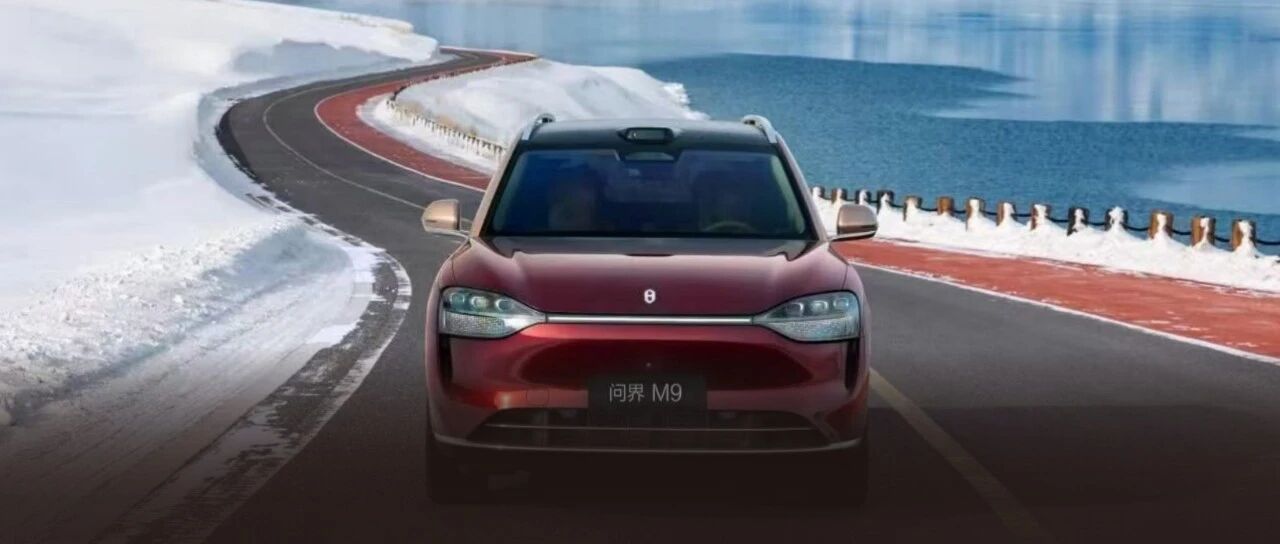
首搭896线激光雷达,问界M9的向上逻辑
汽车商业评论· 2026-03-11 23:07
Core Viewpoint - The article emphasizes the significant transformation in China's automotive industry, highlighting the shift towards high-end, intelligent, and electric vehicles, with the AITO Wenjie M9 positioned as a key player in this evolution [3][5][15]. Policy and Market Trends - The government work report identifies new energy vehicles, intelligent driving, and artificial intelligence as core directions for industrial upgrade, marking a clear path for China's automotive sector to transition from "scale leadership" to "technology leadership" [3][5]. - The rise of the intelligent electric vehicle era is seen as a historical opportunity for the Chinese automotive industry to leapfrog competitors [3]. Product Innovation and Technology - The AITO Wenjie M9 features the world's highest production line count laser radar at 896 lines, significantly enhancing its perception capabilities compared to the industry standard of 192 lines, resulting in a fourfold increase in point cloud density and achieving "4K" level resolution [7][9]. - The dual optical system architecture allows for a wide field of view and long-range focus, improving safety and detection capabilities in various driving conditions [9]. Market Performance - Since its launch, the Wenjie M9 has achieved remarkable sales milestones, including over 280,000 units delivered within 21 months and dominating the luxury SUV market priced above 500,000 yuan [11][12]. - The vehicle has set records in user satisfaction, safety ratings, and resale value, redefining the standards for high-end SUVs in China [14]. Conclusion - The Wenjie M9's success is not just a singular achievement but represents a broader shift in the Chinese automotive industry from follower to leader, showcasing the capability of domestic brands to compete in the high-end market [15][16].


产业研究双周报:两会牵引新产业,全球科技与实体布局深化-20260309
Guoyuan Securities· 2026-03-09 08:18
Policy Insights - The "Two Sessions" emphasized the importance of building a strong domestic market, with a focus on nurturing new growth drivers, allocating 200 billion yuan for long-term special bonds to support equipment upgrades in 2026[2] - The report introduced the concept of "emerging pillar industries," highlighting integrated circuits, aerospace, biomedicine, and low-altitude economy as key sectors for future development[2] - The removal of the new materials industry from the emerging sectors list indicates its foundational role across various industries, rather than a standalone focus[2] Technological Advancements - The "Two Sessions" introduced the "Artificial Intelligence +" concept, aiming to create a new intelligent economy and promote the commercialization of AI applications across key industries[3] - The Ministry of Industry and Information Technology plans to advance AI products, including brain-computer interfaces and autonomous vehicles, to meet public demand for improved living standards[3] Global Competitive Landscape - The U.S. is accelerating its regulatory framework to restrict AI chip exports without approval, while the EU aims to increase manufacturing's share of GDP to 20% by 2035[6] - South Korea is investing 320 billion won (approximately 2.21 billion yuan) in shipbuilding technology, marking a 23% increase from the previous year[6] Investment Recommendations - Focus on the industrial restructuring outlined in the "Two Sessions," particularly opportunities for state-owned enterprises and large platforms in innovation[7] - Monitor the impact of "AI +" on efficiency in specific sectors and the potential breakthroughs in autonomous vehicles and new AI products[7] Risk Considerations - Potential risks include slower-than-expected economic recovery, policy implementation delays, and geopolitical tensions that could affect market stability[8]





拒绝“参数内卷”:比亚迪发布二代刀片电池与万站计划
Guan Cha Zhe Wang· 2026-03-07 12:35
Core Insights - The core message emphasizes the importance of returning to user experience and addressing real consumer pain points in the electric vehicle (EV) industry, moving away from mere technical specifications and numbers [1][4][23] Group 1: BYD's Technological Advancements - BYD announced the launch of its second-generation blade battery and flash charging technology, achieving a charging efficiency of 10% to 70% in just 5 minutes and 10% to 97% in 9 minutes [3][8] - The new battery also boasts improvements in energy density, low-temperature adaptability, safety, and warranty policies, marking a significant upgrade from previous models [3][10] - The second-generation blade battery has surpassed traditional lithium-ion batteries in fast charging capabilities, achieving a charging speed that closely matches that of gasoline vehicles [8][9] Group 2: Flash Charging Strategy - BYD's "Flash Charging China" strategy aims to build 20,000 flash charging stations nationwide by the end of 2026, including 18,000 urban stations and 2,000 highway stations [15][19] - The goal is to ensure that users can access flash charging services within 5 kilometers in urban areas and every 100 kilometers on highways, addressing long-distance travel charging anxiety [17][20] - All owners of vehicles equipped with the second-generation blade battery will enjoy one year of free flash charging at nationwide stations, enhancing user experience [22] Group 3: Industry Trends - The shift from "parameter competition" to focusing on real user needs reflects a broader trend in the EV industry, as companies like Huawei and XPeng also emphasize user experience and safety in their technological advancements [4][23] - The industry is recognizing that merely showcasing higher specifications is insufficient to attract consumers in a market transitioning to stock competition [5][23]
地平线、鸿蒙智行智驾双雄再攀高峰,比亚迪闪充终结电动化上半场
Ju Chao Zi Xun· 2026-03-07 06:49
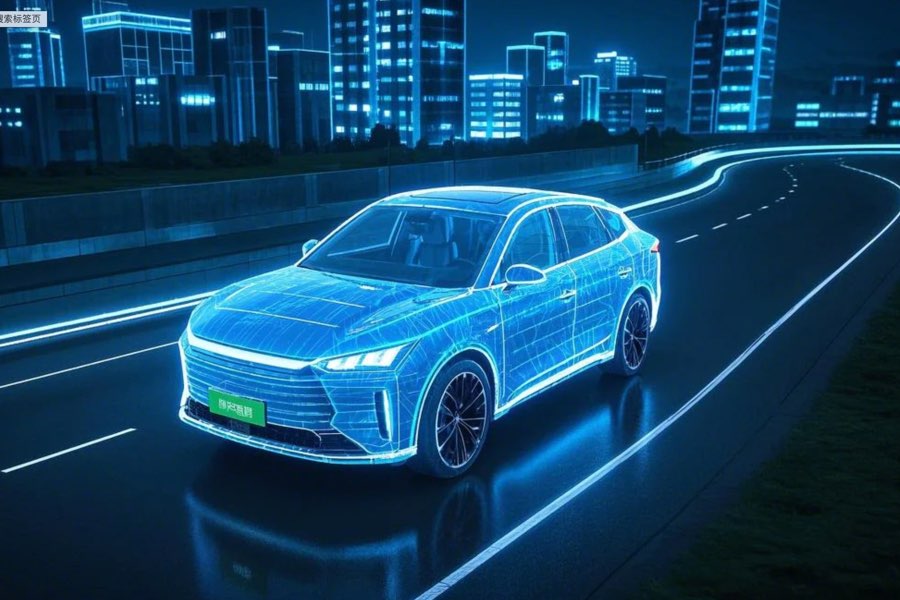
Core Insights - The domestic electric vehicle industry in China is experiencing a wave of technological releases, showcasing strong innovation driven by electrification and intelligence [2] - Horizon and HarmonyOS represent two distinct paths in the smart driving sector, with Horizon focusing on widespread adoption and HarmonyOS pushing the boundaries of smart driving capabilities [3][4] - BYD has announced the completion of the first half of electrification with its second-generation blade battery and fast-charging technology, marking a significant milestone in the transition from fuel vehicles [5][6] Smart Driving Developments - Horizon has launched the HSD (Horizon SuperDrive™) system, featuring a single chip with 560 TOPS of computing power and 27 high-precision sensors, achieving ultra-low latency and a response speed 42% faster than humans [3] - The HSD system reduces poor driving behaviors by over 90% and supports a full-scenario driving experience without relying on high-definition maps [3] - HarmonyOS has introduced a new generation of laser radar with 896 lines, enhancing imaging resolution by four times and significantly improving active safety capabilities [4] Electrification Milestones - BYD's second-generation blade battery allows for rapid charging, achieving 10% to 70% in just 5 minutes and 10% to 97% in 9 minutes, even in extreme cold [5][6] - The energy density of the second-generation blade battery has increased by over 5%, with vehicles like the Tengshi Z9GT achieving a range of over 1000 kilometers [6] - BYD plans to establish 20,000 fast-charging stations across China, enhancing the charging infrastructure and user experience [6] Industry Trends - The recent product launches signal a shift in the electric vehicle industry from merely existing to focusing on quality and user experience [7] - The advancements in smart driving and charging technologies are expected to redefine the competitive landscape, diminishing the advantages of fuel vehicles [7] - The Chinese electric vehicle industry is positioning itself as a global leader, leveraging technology to enhance human experience and redefine future mobility [7]
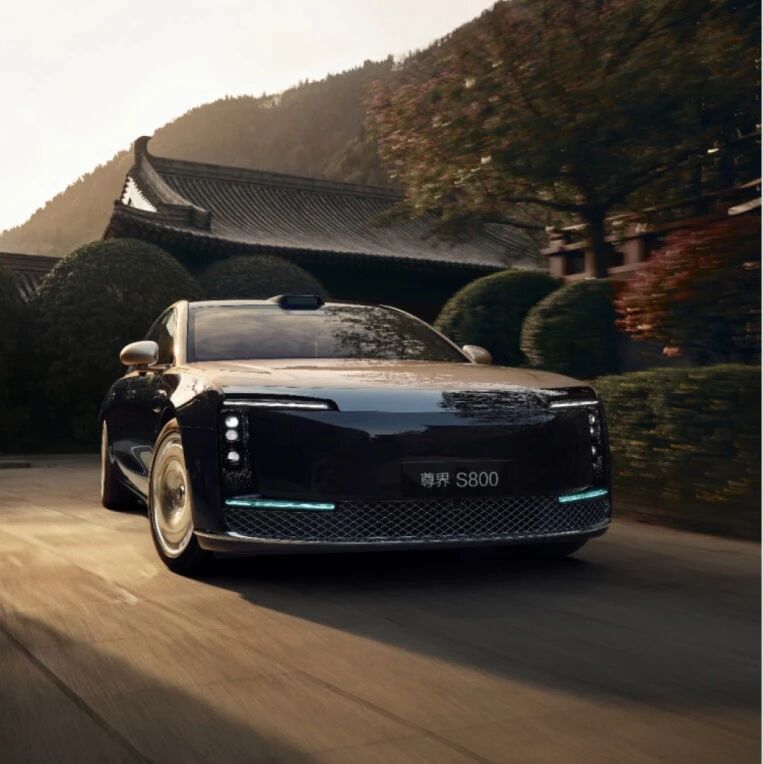
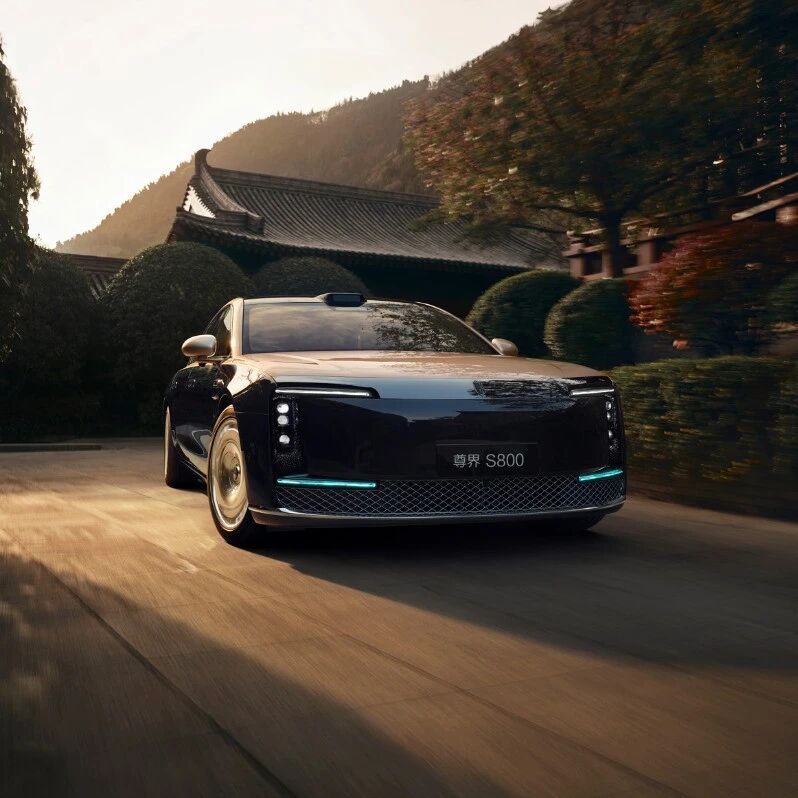
尊界 S800 首搭新一代双光路图像级激光雷达,产品体验的二次跨越
晚点LatePost· 2026-03-06 12:28
Core Viewpoint - The article highlights Huawei's advancements in the luxury automotive market, particularly through its flagship model, the Zun Jie S800, which has achieved significant sales and technological milestones, redefining competition in the ultra-luxury segment [3][12]. Group 1: Product Launch and Technology - Huawei's Hongmeng Zhixing has launched the world's highest production line laser radar with 896 lines, enhancing core perception technology [2][3]. - The new laser radar is integrated into the Zun Jie S800 and the Wenjie M9, improving perception and active safety capabilities [3][4]. - The dual-light path architecture of the new laser radar allows for independent control of wide-angle and telephoto laser reception, significantly enhancing imaging quality and detail recognition [6][8]. Group 2: Market Positioning and Strategy - The Zun Jie S800 aims to establish a technological benchmark in the ultra-luxury market rather than merely focusing on sales volume [5][12]. - The vehicle features advanced technologies such as the Huawei Tuling Longxing platform and the Angel Seat active safety system, which enhances user experience and safety [5][10]. - The Zun Jie S800 has delivered 15,000 units since its launch, indicating a strong market presence [5]. Group 3: User Demographics and Preferences - The primary user demographic for the Zun Jie S800 consists of high-net-worth males aged 40-50, many of whom have previously owned luxury brands like Rolls-Royce and Porsche [9]. - These users prioritize comprehensive driving experiences and safety over brand prestige, reflecting a shift in consumer expectations in the luxury automotive market [9][10]. Group 4: Technological Advancements and Safety Features - The upgraded ADS 4.1 system has improved safety metrics, with the average distance driven before a serious collision increasing from 7.09 million kilometers to 10.46 million kilometers, a 48% improvement [15]. - The Zun Jie S800 incorporates a comprehensive safety system that autonomously prepares for unavoidable collisions, enhancing passenger safety [10][12]. Group 5: Collaborative Ecosystem and Industry Impact - Huawei's collaboration with various automotive manufacturers has led to a transformation in China's automotive supply chain, pushing over 220 component manufacturers towards high-end production [18]. - The integration of Huawei's technology and market strategies is aimed at fostering high-quality development in the Chinese automotive industry, establishing a robust ecosystem for innovation and collaboration [17][18].
尊界S800再秀技术体系化能力,华为车业务奏出“琴瑟和鸣”
第一财经· 2026-03-06 03:24
Core Viewpoint - The launch of the Hongmeng Intelligent Driving Technology marks a significant shift in Huawei's smart automotive business, moving from "technical breakthroughs" to "systematic capability output," reshaping the value logic of China's smart automotive industry [1] Group 1: Technological Advancements - The new generation of dual-light path image-level lidar, with 896 lines, is a key feature of the flagship model, the Zun Jie S800, which has completed the Huawei Qian Kun Intelligent Driving ADS 4.1 upgrade [1] - The Zun Jie S800's lidar enhances the vehicle's perception capabilities and active safety, utilizing a fully integrated perception system with 36 high-precision sensors [6] - The lidar's innovative dual-focus optical architecture addresses the industry's long-standing issue of balancing wide-angle and detail visibility, improving overall safety performance [6] Group 2: User Experience and Market Impact - The continuous OTA updates of the Zun Jie S800 allow for ongoing feature evolution, providing users with a "new car experience" every month, breaking the traditional luxury car value cycle [7] - The active safety system of Hongmeng Intelligent Driving has prevented over 3.54 million potential collisions, reinforcing the idea that "safety is the greatest luxury" [6] Group 3: Strategic Collaboration - The collaboration between Huawei's automotive business units signals a strategic alignment, emphasizing resource synergy and technical complementarity, with Huawei focusing on helping car manufacturers create better vehicles [11] - The division of roles between Huawei Qian Kun and Hongmeng Intelligent Driving allows for a clear focus on core technology development and user experience optimization, respectively [11][13] Group 4: Industry Transformation - The Zun Jie S800's technological upgrades signify a shift in the competitive landscape of the smart automotive industry, moving from isolated technical comparisons to a focus on systemic capabilities [18] - The successful implementation of high-end models like the Zun Jie S800 opens new pathways for Chinese automotive brands to ascend the value chain, gaining authority in defining luxury standards [20][22] - Huawei's model of "technical foundation + brand implementation" balances technological universality with product uniqueness, reshaping the cost structure of the smart electric vehicle industry [15]
8点1氪:寿司郎被曝吃出寄生虫卵,当地市监局通报;全国人大代表建议尽量不要调休;谷歌DeepMind高管公开邀请千问团队入职
36氪· 2026-03-06 00:31
Group 1 - Sushi restaurant Sushi Lang was reported to have served a dish containing parasitic eggs, leading to an investigation by the local market supervision bureau [2][3] - A consumer claimed to have found parasitic eggs in tuna after waiting three hours to eat at Sushi Lang, prompting a response from the restaurant's management regarding potential medical compensation [3] - The market supervision bureau emphasized its commitment to protecting consumer rights and will take strict action against any violations [4] Group 2 - Xiaomi's founder Lei Jun stated that the rising demand for AI has led to increased prices for storage chips, putting pressure on the company's mobile business [5] - Alibaba denied rumors of a mass departure from its AI team, asserting that the team remains stable and operational [5] - JD Group's CEO revealed that the company's investment in food delivery services will decrease compared to the previous year, aiming for improved operational efficiency [6] Group 3 - Iran's Islamic Revolutionary Guard Corps announced a ban on U.S., Israeli, and European vessels from passing through the Strait of Hormuz, citing wartime rights [7] - The U.S. stock market saw a collective decline, with major indices falling, and Bilibili's stock dropping over 7% [7] - Silver prices fell below $81 per ounce, marking a 3.09% decrease [8] Group 4 - OpenAI's annual revenue surpassed $25 billion, reflecting a 17% increase from the previous year, although competition with Anthropic is intensifying [10] - Israel plans to reopen its airspace for outbound flights starting March 8, contingent on security assessments [10] - Apple's new MacBook Neo is priced to fall within the range of government subsidies, potentially costing around 3000 yuan after subsidies [11] Group 5 - JD Logistics reported a revenue of 217.1 billion yuan for 2025, marking an 18.8% year-on-year increase [24] - JD Health achieved a total revenue of 73.4 billion yuan in 2025, reflecting a 26.3% growth [25] - Hightu Group's revenue for 2025 reached 6.15 billion yuan, a 35% increase year-on-year [22]


双手奉上的雷达,说明华为想通了
虎嗅APP· 2026-03-06 00:26
Core Viewpoint - Huawei's automotive business has reached a new strategic phase, integrating its technology and market operations through the collaboration of its two core divisions: Huawei QianKun as the technology foundation and Hongmeng Zhixing for market implementation [3][7][10]. Group 1: Strategic Integration - The recent launch of the new generation laser radar at the Hongmeng Zhixing event signifies a strategic alignment within Huawei's automotive business, marking the end of internal competition between its two business models [3][6]. - Huawei has transitioned from a dual approach of being a technology supplier (Huawei Inside) to a more integrated model where QianKun provides comprehensive smart automotive solutions while Hongmeng Zhixing focuses on consumer-facing products [6][7]. - This collaboration is essential for creating a complete competitive ecosystem in the smart automotive sector, addressing the industry's need for both advanced technology and effective market execution [8][7]. Group 2: Product Development and Market Performance - The first product to exemplify this collaborative model is the Zun Jie S800, which aims to penetrate the ultra-luxury market and showcases Huawei's full-stack capabilities [4][12]. - The Zun Jie S800 has achieved significant market success, becoming the best-selling ultra-luxury sedan in China, with a monthly delivery of 4,376 units in December 2025, surpassing competitors like Porsche Panamera and BMW 7 Series [21][22]. - This success indicates a paradigm shift in the Chinese automotive industry, redefining luxury not through traditional metrics but by emphasizing safety and intelligent features [22][23]. Group 3: Technological Advancements - The new laser radar introduced in the Zun Jie S800 features a unique dual-focus optical architecture, allowing for simultaneous wide-angle and long-range imaging, addressing a critical industry challenge [13][14]. - The Zun Jie S800 is supported by a comprehensive technology ecosystem, including a multi-sensor perception system and an advanced decision-making platform, enhancing its operational capabilities [16][18]. - This technological edge positions the Zun Jie S800 as a strong competitor in the luxury market, leveraging Huawei's continuous data feedback loop to improve safety and user experience [23][19].
股指早报:外围通胀抬头系统性风险回落,A股两会窗口期-20260305
Chuang Yuan Qi Huo· 2026-03-05 10:30
1. Report Industry Investment Rating - No relevant information provided 2. Core Viewpoints of the Report - Overseas data indicates that the US labor market and service industry are resilient, alleviating market concerns about an economic recession. The overnight performance of US assets suggests that systemic risks have eased, but there are still uncertainties regarding the Iran - US conflict [2]. - The A - share market showed a significant decline on Wednesday, but it has stronger resilience compared to overseas equity assets. The oil and gas sector is showing signs of divergence, and it is expected that the index may start to bottom out at this level, with a possible repair market today. Attention should be paid to the mis - priced hard - tech sectors [3]. 3. Summary by Directory 3.1 Important Information - **Iran Situation**: The US - Iran conflict may last for 8 weeks or longer, with the focus of attacks shifting inland. Iran has denied secret peace - talk rumors and is prepared for a long - term war. If the US and Israel seek regime change, Iran may target Israel's Dimona nuclear reactor and regional energy infrastructure. The US Senate failed to stop the continued use of force against Iran [5]. - **South Korea**: South Korea may use a market - stabilization plan of over 100 trillion won if necessary [6]. - **US Tariffs**: The US Treasury Secretary expects a 15% tariff to be implemented this week, while the EU has received a "no - tariff" commitment from the US [7][8]. - **Federal Reserve**: Some Fed officials suggest continued interest - rate cuts in March, while others believe rates may remain unchanged for a long time. The economic outlook is generally optimistic, and the White House has submitted a nomination for a new Fed chair [8]. - **Energy Situation**: Qatar will suspend natural - gas liquefaction production, Saudi Aramco has redirected oil exports, a Saudi refinery has been attacked, and Russia is considering cutting off gas supplies to Europe [8]. - **Domestic Events**: The Fourth Session of the 14th National People's Congress opened on March 5th, with an 8 - day session. The country will adhere to the strategy of expanding domestic demand and boost consumption [9][11]. - **Other News**: Seedance2.0's video - generation price is 1 yuan per second, and the FTSE China A50 Index will include China CSSC Holdings, Tianfu Communication, and Wanhua Chemical [10][11]. 3.2 Futures Market Tracking - **Futures Performance**: All major stock - index futures contracts showed declines, with varying degrees of decline in different contracts of the Shanghai 50, CSI 300, CSI 500, and CSI 1000 indexes [13]. - **Trading Volume and Open Interest**: The trading volume and open interest of major stock - index futures contracts generally decreased, with some contracts showing different trends in changes [14]. 3.3 Spot Market Tracking - **Market Performance**: Most major stock indexes in the A - share market declined, with the Shanghai Composite Index down 0.98%, the Shenzhen Component Index down 0.75%, and the ChiNext Index down 1.41%. The oil and petrochemical, non - bank finance, and food and beverage sectors led the decline, while the military, agriculture, forestry, animal husbandry, and fishery, electrical equipment, and environmental protection sectors rose [3][35]. - **Market Style Impact**: Different market styles have different impacts on the performance of major indexes such as the Shanghai 50, CSI 300, CSI 500, and CSI 1000. For example, the financial style has a relatively large negative impact on the Shanghai 50 and CSI 300 indexes [36][37][38]. - **Valuation**: The valuations of major indexes and Shenwan sectors are at different levels, with some sectors having relatively high valuations and others having relatively low valuations [35][40][43]. 3.4 Liquidity Tracking - **Central Bank Operations**: The central bank's open - market operations show the situation of currency injection, withdrawal, and net injection [50]. - **Interest Rates**: The Shibor interest - rate levels are presented, including overnight, 1 - week, 2 - week, and 1 - month rates [50].
今日新闻丨昊铂A800上市,售价18.98-29.98万元!华为发布全新一代激光雷达!尚界Z7、尚界Z7T正式公布!
电动车公社· 2026-03-04 16:16
Core Viewpoint - The article highlights the recent launches in the electric vehicle sector, focusing on the GAC A800, Huawei's new lidar technology, and the Hongmeng Zhixing Z7 series, emphasizing their competitive features and market positioning. Group 1: GAC A800 Launch - The GAC A800 was officially launched on March 4, with a price range of 189,800 to 299,800 yuan, offering four different models [2][3] - The vehicle features a closed front grille, split headlight design, and a continuous star ring light strip, equipped with Huawei's million-pixel smart projection headlights and standard lidar [5] - It includes a spacious interior with a wrap-around cockpit design, a multifunctional steering wheel, and advanced configurations such as SDC electromagnetic suspension and ADS 4.1 [7][11] - The A800 is powered by a 118kW 1.5T range extender and a 200kW single motor or 440kW three motors, with a 35kWh lithium iron phosphate battery, offering a pure electric range of 200/220 km and a 0-100 km/h acceleration time of 7.4/4.4 seconds [9] Group 2: Huawei's New Lidar Technology - On March 4, Huawei announced the launch of the new generation dual-laser path image-level lidar, which boasts the highest specifications in mass production, featuring 896 lines [12][14] - This lidar introduces a dual-laser path architecture, enhancing imaging capabilities with a fourfold increase in resolution and improved durability through a hardened glass window [14] - The new lidar is integrated into the Zun Jie S800, priced from 728,000 yuan, and the Wen Jie M9, starting at 479,800 yuan, with price increases of 20,000 and 10,000 yuan respectively [16] Group 3: Hongmeng Zhixing Z7 Series - The Hongmeng Zhixing brand unveiled the new coupe model Z7 and the new shooting brake model Z7T on March 4 [18][20] - Both models will feature HarmonyOS smart cockpit 4.0, supporting multi-screen interconnectivity and subscription-based upgrades, with the entry-level version offering city NCA navigation assistance [20] - The Z7 series is designed to appeal to younger consumers, directly competing with models like the Xiaomi SU7, with success dependent on final configurations and pricing [22]