Zhong Guo Qi Che Bao Wang

Search documents
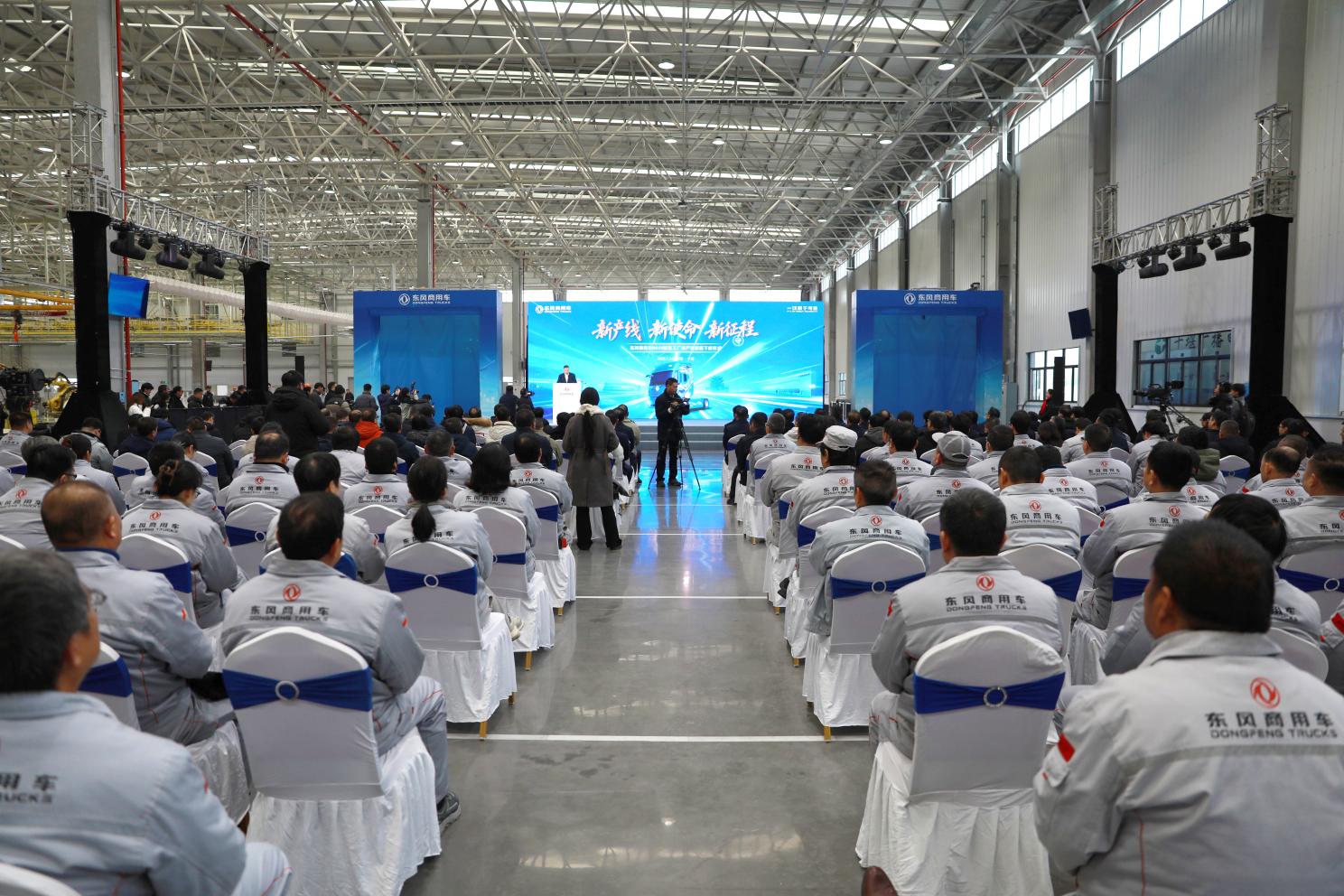
新产线 新使命 新征程 东风商用车智慧工厂正式投产 D600新品亮相十堰
Zhong Guo Qi Che Bao Wang· 2026-01-26 01:16
在全球加速迈向智能化、绿色化转型升级的时代浪潮中,中国商用车行业正经历新一轮发展变革。2026年1月24日,十堰市东风商用车车身智能制造工 厂内,一场以"新产线 新使命 新征程"为主题的东风商用车D600智慧工厂投产暨新品下线仪式盛大举行。这不仅是东风商用车在产能与技术上实现的跨越式 突破,也标志着其在高端化、智能化、电动化转型中迈出了具有战略意义的重要一步。 湖北省经信厅二级巡视员望晓东,中国汽车工业协会副秘书长李邵华,十堰市市委书记王永辉,市委副书记、市长余珂,市人大常委会主任赵哲,市政 协主席、市委秘书长蔡贤忠,市委常委、常务副市长周智勇,市委常委、副市长高红民,东风汽车集团有限公司董事长、党委书记杨青,总经理、党委副书 记冯长军,党委常委、副总经理王俊,东风汽车集团股份有限公司商用车事业部总经理、党委书记、东风商用车有限公司董事长张小帆,总经理刘利成,党 委书记郑华,东风电子科技股份有限公司董事长、党委书记蔡士龙,总经理高守武,东实汽车科技集团股份有限公司总经理张永正,东风汽车贸易有限公司 总经理刘力,以及十堰市各级部门、东风汽车集团有限公司、东风商用车有限公司相关职能部门负责人等出席活动,各方代表齐 ...



全新速腾S、全新揽巡领航,一汽-大众5车齐发启新商品大年
Zhong Guo Qi Che Bao Wang· 2026-01-25 12:53
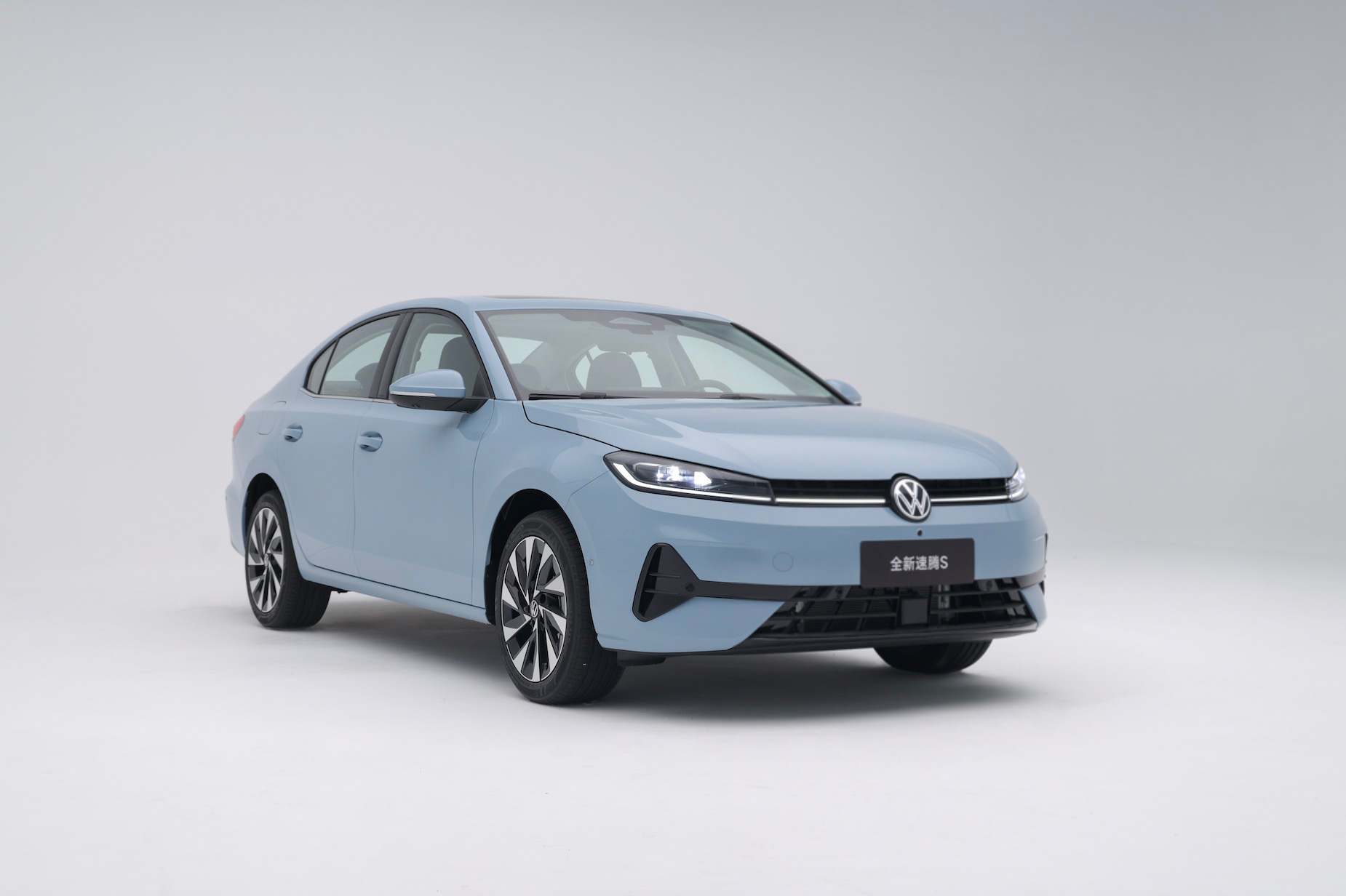
Group 1 - In 2026, FAW-Volkswagen's Volkswagen brand will launch 8 new models based on the "oil-electric hybrid" strategy, aiming to create a comprehensive and competitive product matrix [1] - The brand will hold its first spring launch event, introducing 5 new vehicles, with the all-new Sagitar S and the all-new ID.4 as the main models [1] - The Sagitar has been a best-selling fuel vehicle in China for 20 years, maintaining a monthly sales volume of 20,000 units, with cumulative sales reaching 4.5 million units [1] Group 2 - The all-new ID.4 is designed for "new lifestyle adventurers," featuring a robust five-seat SUV design with enhanced aesthetics, power, smart technology, and spacious comfort [3] - It is equipped with the fifth-generation EA888 engine for improved efficiency and performance, along with advanced driving assistance features [3] - The launch of the all-new ID.4 marks the completion of FAW-Volkswagen's "three-step strategy" for fuel vehicles, covering A-class to B-class and from sedans to SUVs [3] Group 3 - In 2026, FAW-Volkswagen aims to strengthen its fuel vehicle base with competitive new products in response to market demands [4] - The company emphasizes its commitment to excellent products and craftsmanship, positioning itself as a trusted brand for millions of Chinese customers [4]
2026新能源汽车后市场新生态大会在重庆万州举办
Zhong Guo Qi Che Bao Wang· 2026-01-25 05:22
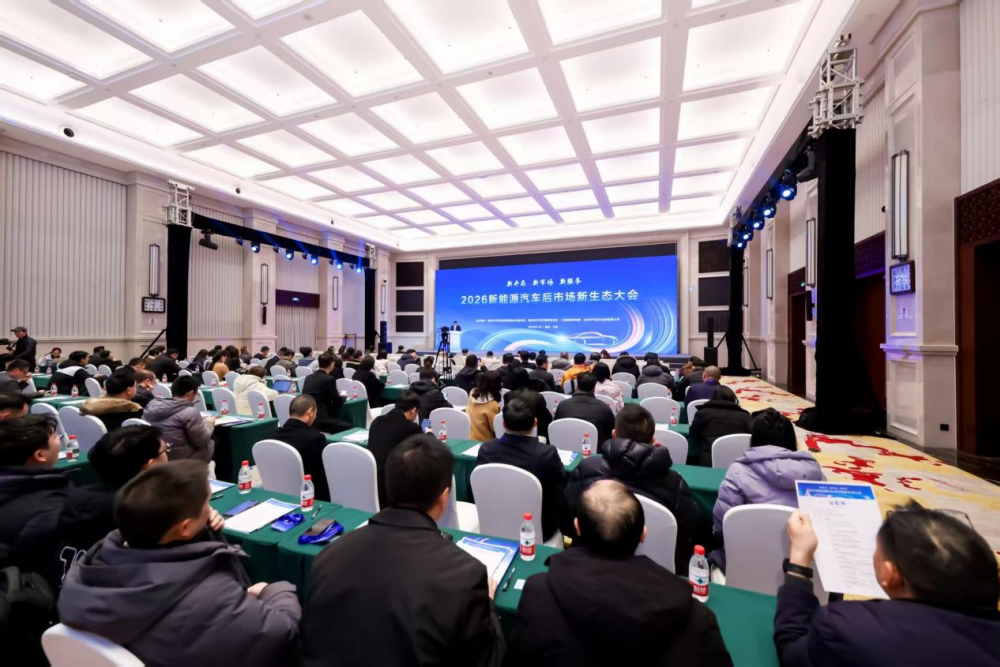
Core Insights - The 2026 New Energy Vehicle Aftermarket New Ecology Conference was held in Wanzhou, Chongqing, focusing on "new beginnings, new markets, and new services" to promote a safe, efficient, and green aftermarket ecosystem [1][3]. Group 1: Conference Overview - The conference was organized by various governmental and industry bodies, including the Chongqing Municipal Economic and Information Commission and the China Automotive Engineering Research Institute [1][3]. - Key figures from the Ministry of Industry and Information Technology and various industry organizations attended, emphasizing the importance of the new energy vehicle industry as a driver for high-quality manufacturing development [3][6]. Group 2: Industry Development Goals - The Chongqing government aims to enhance the automotive aftermarket system, focusing on smart connected new energy vehicles and establishing a globally influential hub for this sector [8][10]. - Key initiatives include improving vehicle inspection and maintenance capabilities, financial and insurance services, and fostering the battery recycling and automotive modification industries [8][10]. Group 3: Market Trends and Innovations - During the conference, it was noted that during the 14th Five-Year Plan, China's new energy vehicle sales and penetration rates were among the highest globally, driven by policy support and innovation [11]. - The industry is expected to continue evolving with a focus on quality improvement, internationalization, and the integration of services and products [11][14]. Group 4: Future Directions - The automotive aftermarket is anticipated to undergo significant changes, with trends towards openness, digitalization, and lifecycle services becoming prominent [17][20]. - Companies are encouraged to leverage AI technology for improved diagnostics and repair efficiency, and to establish standardized supply chains for new energy vehicle components [25][29]. Group 5: Recycling and Sustainability - The recycling of retired lithium batteries is highlighted as a critical national resource strategy, with significant market potential [34][36]. - Companies are urged to develop efficient recycling technologies and localized closed-loop networks to meet international regulatory requirements and support global carbon neutrality goals [37][39]. Group 6: Collaborative Efforts - The conference featured discussions on policy guidance, ecological collaboration, and innovative business models, showcasing the vibrant development of China's new energy vehicle aftermarket [40]. - The insights and consensus reached during the conference are expected to strengthen capabilities, enhance quality, and foster resource connections within the industry [40].
36品牌、100+车型,2026年重庆市第一批新能源汽车下乡活动首站在万州启幕
Zhong Guo Qi Che Bao Wang· 2026-01-24 03:12
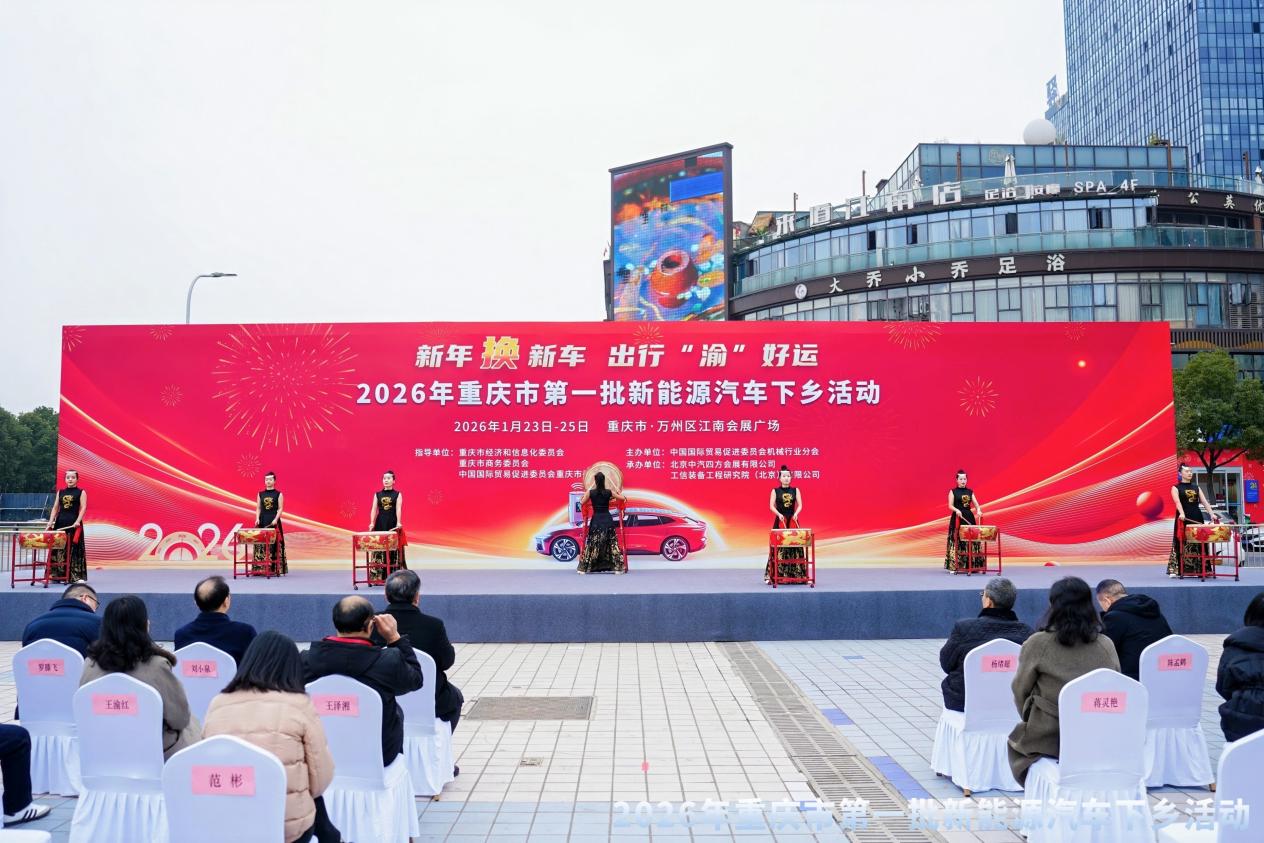
为深入贯彻落实《新能源汽车产业发展规划(2021—2035年)》和国家相关部委关于推动新能源汽车下乡的决策部署,加快补齐农村地区新能源汽车消 费短板,持续优化新能源汽车使用环境,加速构建绿色低碳、智能安全的居民出行体系,1月23日上午,2026年重庆市第一批新能源汽车下乡活动(万州 区)启动仪式在万州区江南会展广场举行。 中国国际贸易促进委员会机械行业分会会长周卫东,重庆市贸促会党组成员、副会长杨绪超,万州区人民政府副区长刘小泉、重庆市商务委员会一级调 研员陈孟鹤、重庆市经济和信息化委员会汽车工业处副处长罗滕飞、重庆市贸促会贸易促进部四级调研员蒋灵艳,万州区商务委党委书记、主任雷蕾,万州 区经济和信息化委员会副主任任涛,万州区文化旅游委党委委员、副主任王超,中国国际贸易促进委员会机械行业分会副秘书长、北京中汽四方会展有限公 司总经理刘成芳,工信装备工程研究院(北京)有限公司执行董事兼总经理李方正、中国汽车流通协会售后零部件分会副理事长兼秘书长李彤梅、中国汽车流 通协会售后零部件分会副秘书长周波、重庆市汽车文旅专委会主任叶川,湖南日报报业集团银龄事业群总经理、湖南工商大学客座教授王泽湘,华声在线股 份有限公司教 ...
轻舟智航亮出三张王牌:百万搭载、单征程6M城市NOA上车、VLA与世界模型重磅亮相
Zhong Guo Qi Che Bao Wang· 2026-01-23 12:37
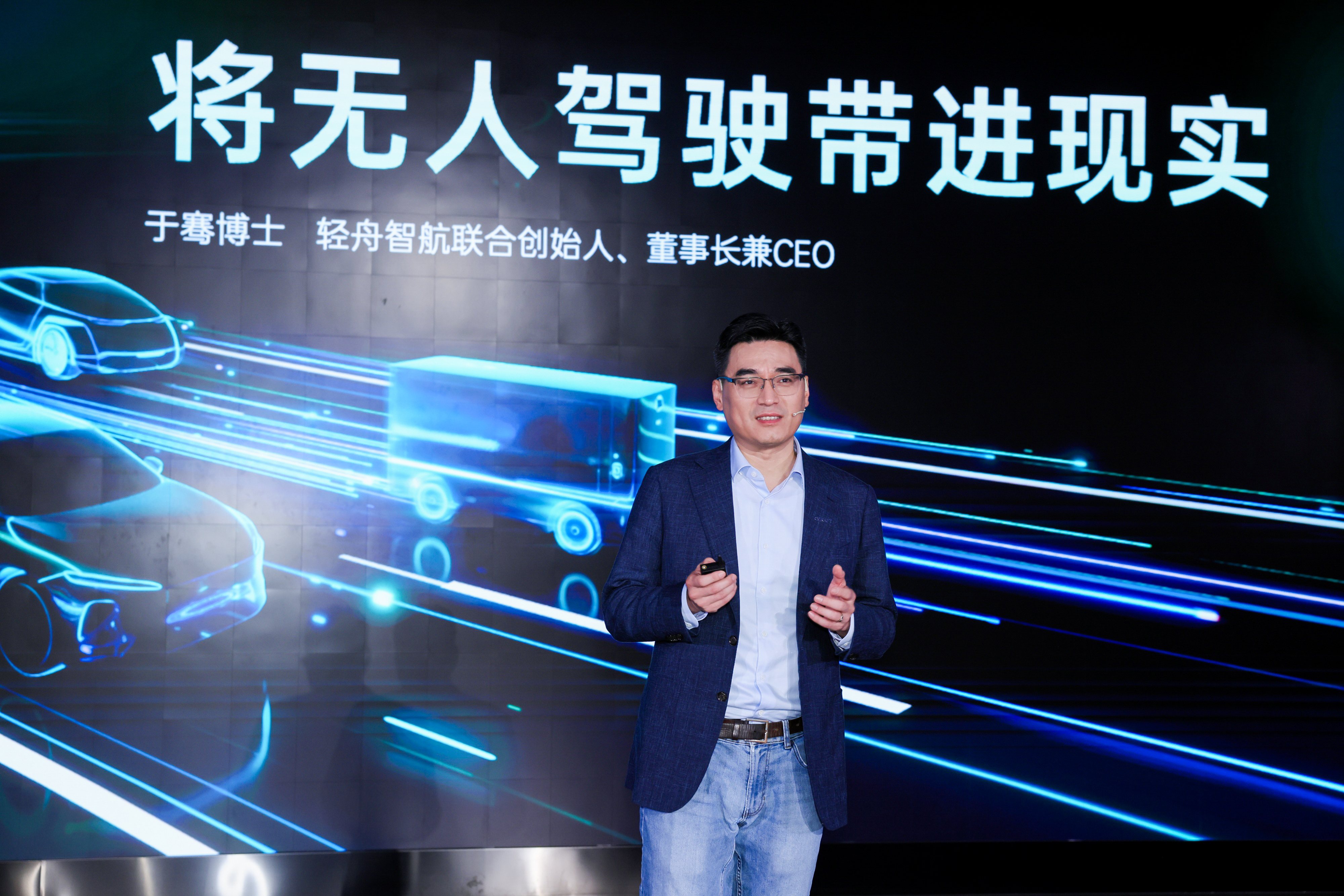
Core Insights - The era of transitioning from assisted driving to autonomous driving has officially begun, with QCraft showcasing significant advancements in its technology and production capabilities at the QCraft DAY 2026 event [1][5][19]. Group 1: Company Achievements - QCraft has achieved a milestone with over 1 million units of its assisted driving system deployed, marking a new phase of large-scale implementation [5][12]. - The company has introduced the first single-journey 6M city NOA (Navigation on Autopilot) solution, which has been successfully integrated into the latest model of the Li Auto L series [1][7]. - QCraft plans to launch approximately 50 new models equipped with city NOA in 2026, further expanding its market presence [1][12]. Group 2: Technological Advancements - QCraft has unveiled its upgraded "QCraft Chengfeng 2.0" solution, featuring a computing power exceeding 500 TOPS, aimed at enhancing the urban NOA experience [1][9]. - The company has developed a unified technical foundation for both L2 and L4 autonomous driving, emphasizing the shared AI model base for safety and comfort [13][16]. - QCraft's innovative "VLA + world model" architecture allows for advanced environmental understanding and decision-making capabilities, paving the way for L4 autonomous driving [18][26]. Group 3: Market Strategy and Partnerships - QCraft is entering the L4 unmanned logistics sector, collaborating with partners like Chery to create a "production and operation" model [19][21]. - The company has established partnerships with nearly 10 automotive manufacturers, including Li Auto and Chery, to produce 23 models, with expectations to exceed 50 models in 2026 [12][24]. - QCraft is accelerating its global expansion, setting up offices in key international markets and aiming to provide compliant autonomous driving solutions worldwide [24][26]. Group 4: Future Vision - The CEO of QCraft predicts that 2026 marks the beginning of a golden decade for autonomous driving, with significant trends expected, including a reduction in insurance premiums for autonomous driving [2][30]. - The company emphasizes a customer-centric approach, asserting that the success of its clients is foundational to its own success [2][5].
报废车回收拆解与再利用行业高质量发展座谈会 暨专家库启动会在京召开
Zhong Guo Qi Che Bao Wang· 2026-01-23 09:47
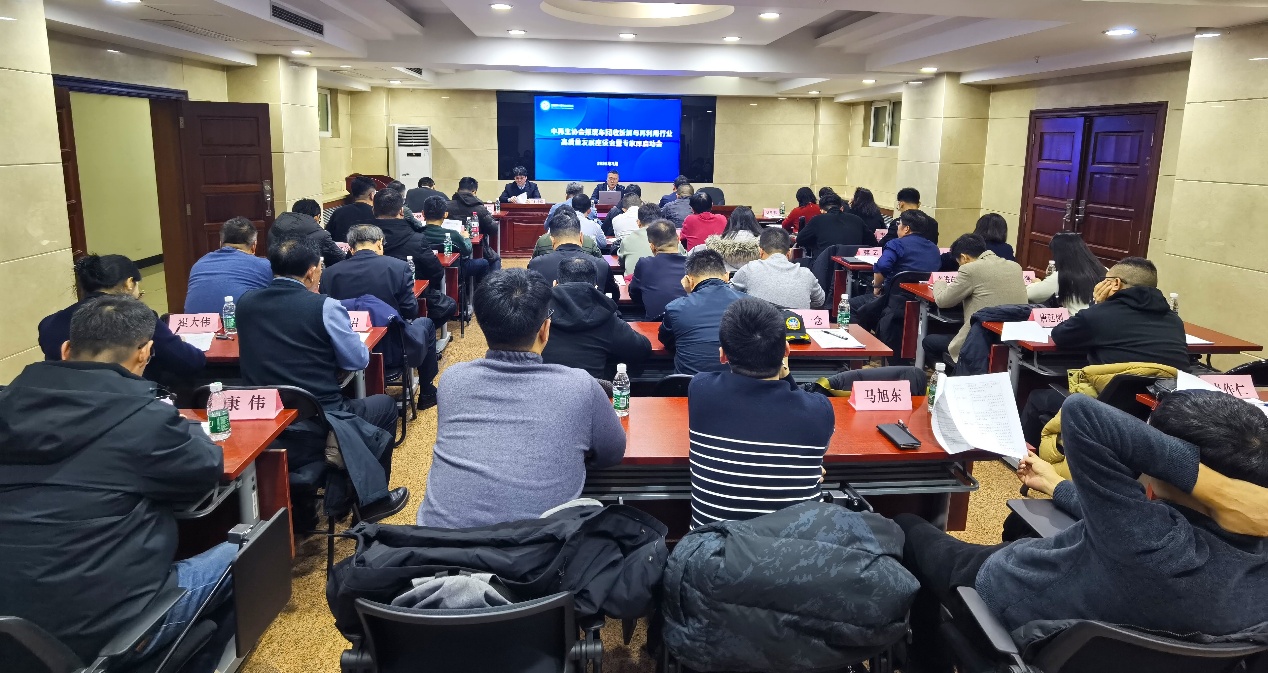
2026年1月22日,为推动报废车回收拆解与再利用行业高质量发展,搭建政、产、学、研、用深度融合的高端对话平台,中国再生资源回收利用协会 (下称:"中再生协会")报废车分会在京举办"智汇专家·研判趋势——中再生协会报废车回收拆解与再利用行业高质量发展座谈会暨专家库启动会"。 来自国务院发展研究中心、国家能源风电装备评定中心、中华全国供销合作总社职业技能鉴定中心、生态环境部固体废物与化学品管理技术中心、贵州 省再生资源行业协会、新疆维吾尔自治区物资再生协会、安徽省物资再生协会等单位的领导,以及来自全国报废车回收拆解企业的负责人共计60余人现场参 会,50余人线上参会。 会议由中再生协会副秘书长、报废车回收拆解与再利用分会秘书长王祖阳主持。中再生协会党支部书记王慧勇出席会议并致辞,他深入阐述了专家库成 立的战略意义,表达了殷切期望,强调要以专家库建设为契机,汇聚行业智慧,凝聚发展共识,为政府科学决策、企业创新突破、产业生态优化提供坚实有 力的专业支撑。 国务院发展研究中心产业经济部研究室主任周毅,围绕报废车回收拆解与再利用行业发展趋势与政策导向进行了深度解读,为行业未来发展勾勒出清晰 的宏伟蓝图;国家能源风电装备 ...
以科创筑牢产业根基!宇通眼中的“十四五”商用车进阶密码
Zhong Guo Qi Che Bao Wang· 2026-01-23 09:39
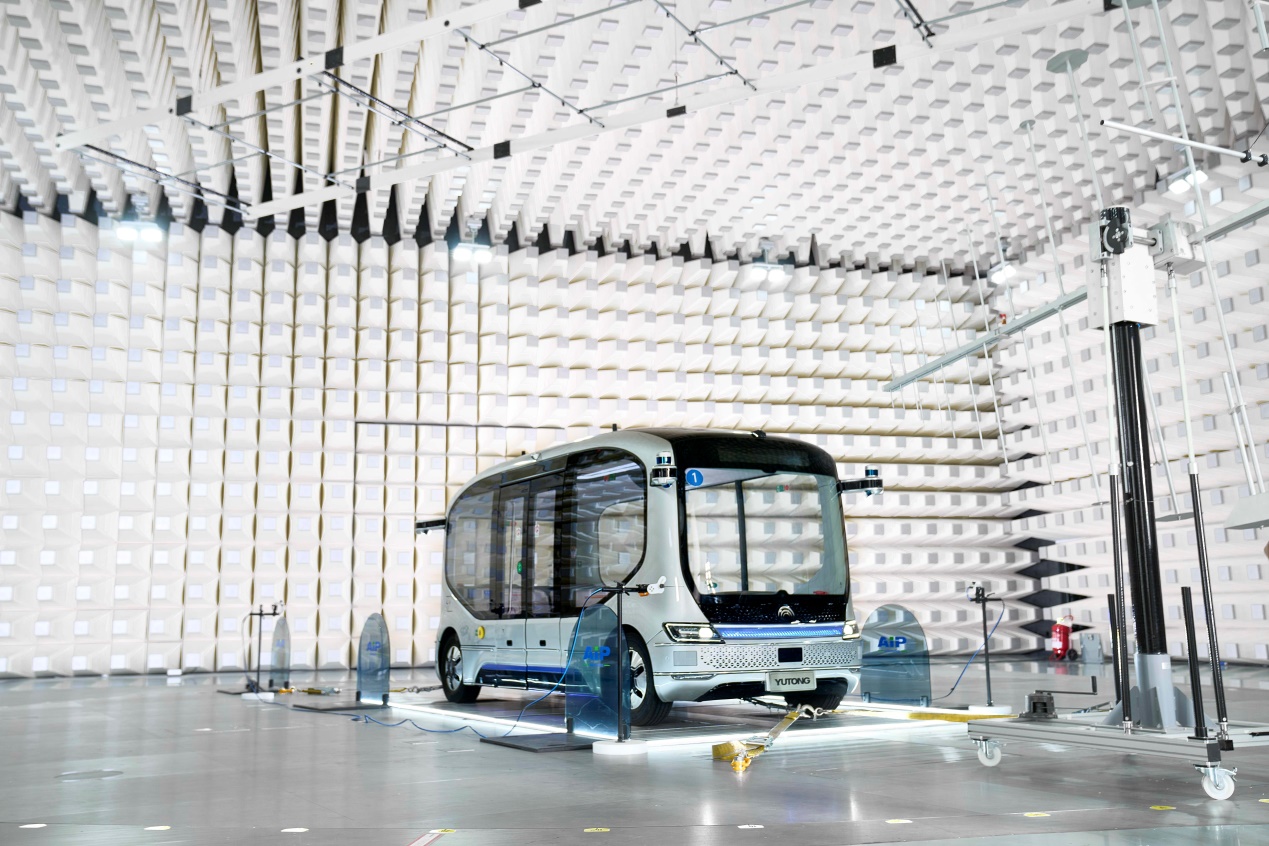
Core Insights - The development of smart transportation and green logistics in China has accelerated since the "14th Five-Year Plan," with commercial vehicles playing a crucial role in public transport, road transportation, and production operations [1] - Yutong is committed to innovation in the commercial vehicle sector, focusing on safety, efficiency, energy conservation, and industrial capabilities, while transitioning from standardized production to scenario-based solutions [1][5] Group 1: Technological Innovation - Yutong invests over 5% of its annual revenue in R&D during the "14th Five-Year Plan," covering pure electric, hybrid, and hydrogen fuel platforms, achieving breakthroughs in key technologies [2] - The company has developed a new generation of high-energy battery systems with a warranty of 1 million kilometers over 10 years and 1.5 million kilometers over 15 years, addressing user concerns about vehicle reliability [2] - Yutong's intelligent connected solutions, including the "vehicle-road-cloud" system, have been developed over more than a decade, establishing a strong competitive barrier [2] Group 2: Value Chain and Ecosystem - Yutong extends its innovation chain to collaborate with upstream and downstream partners, building its own parts supply chain to create a comprehensive industrial ecosystem [4] - The company enhances the entire lifecycle value of commercial vehicles through its unique "full-chain model," ensuring industrial safety and high-quality development [4] Group 3: Scenario-Based Manufacturing - Yutong focuses on scenario-based manufacturing, addressing the needs of public transport, logistics, and operational scenarios, transitioning from standardized production to tailored solutions [5] - In the public transport sector, Yutong adapts its products to meet diverse demands, such as "age-friendly, small-scale, and specialized" buses, and high-end, customized travel solutions [5] - The logistics sector sees Yutong providing customized solutions, including the T6 light truck for urban and intercity logistics, and specialized vehicles for various operational conditions [7] Group 4: Green Transformation - Yutong promotes green transformation in engineering operations, offering solutions like electric garbage trucks and autonomous street sweepers to enhance urban efficiency and aesthetics [7] - The company has introduced third-generation electric mining trucks and hybrid models to support green mining initiatives, further advancing the development of unmanned smart mines [7] Group 5: Strategic Vision - Yutong envisions a future of autonomous research and development in the new energy commercial vehicle sector, contributing to the transformation from "Made in China" to "Created in China" [9]

2026智驾迎来“价值深化”新一年
Zhong Guo Qi Che Bao Wang· 2026-01-23 09:15
Core Insights - The automotive industry is increasingly focusing on intelligent assisted driving, with companies like BYD investing over 100 billion yuan and forming specialized teams to enhance their capabilities [2] - The shift in the industry is moving from scale and accessibility to user experience, emphasizing the importance of value creation in the competitive landscape [3][12] Investment and Development - BYD has established a team of over 5,000 for assisted driving and aims to deploy its "Tian Shen Zhi Yan" system in over 2.5 million vehicles by December 2025, generating over 150 million kilometers of effective driving data daily [3] - The establishment of new companies, such as the joint venture between BAIC and Horizon Robotics, indicates a growing trend towards collaboration in the intelligent driving sector [2][4] Technological Pathways - Companies are adopting full-stack self-research as a key strategy to deepen their understanding of technology and user needs, with BYD exemplifying this approach through significant investment and team size [3][5] - Open collaboration with third-party solution providers is also becoming a vital strategy, allowing companies to enhance their systems' performance and functionality through shared resources [4][5] User Experience and Market Trends - The concept of "intelligent driving equity" is emerging, indicating a shift towards making advanced driving features accessible in the mid-range vehicle market, particularly in the 100,000 to 150,000 yuan price range [12][14] - User feedback highlights the importance of stability in high-frequency scenarios, ease of use in interaction design, and the need for cost-effective solutions [13][14] Industry Dynamics - Suppliers are transitioning from providing single hardware products to offering integrated software and hardware solutions, becoming deep partners in the development of intelligent driving systems [6][8] - The competitive focus is shifting from merely having intelligent driving capabilities to ensuring their reliability, safety, and user-friendliness in complex driving environments [7][11] Future Outlook - The industry is expected to evolve towards a model where technology is not only usable but also provides a good user experience, ultimately leading to a sustainable business model [14] - As regulations and infrastructure improve, the Chinese intelligent driving industry is poised for high-quality development on a global scale, driven by technology and user experience [14]
NOA将不再是BEV专属?
Zhong Guo Qi Che Bao Wang· 2026-01-23 06:53
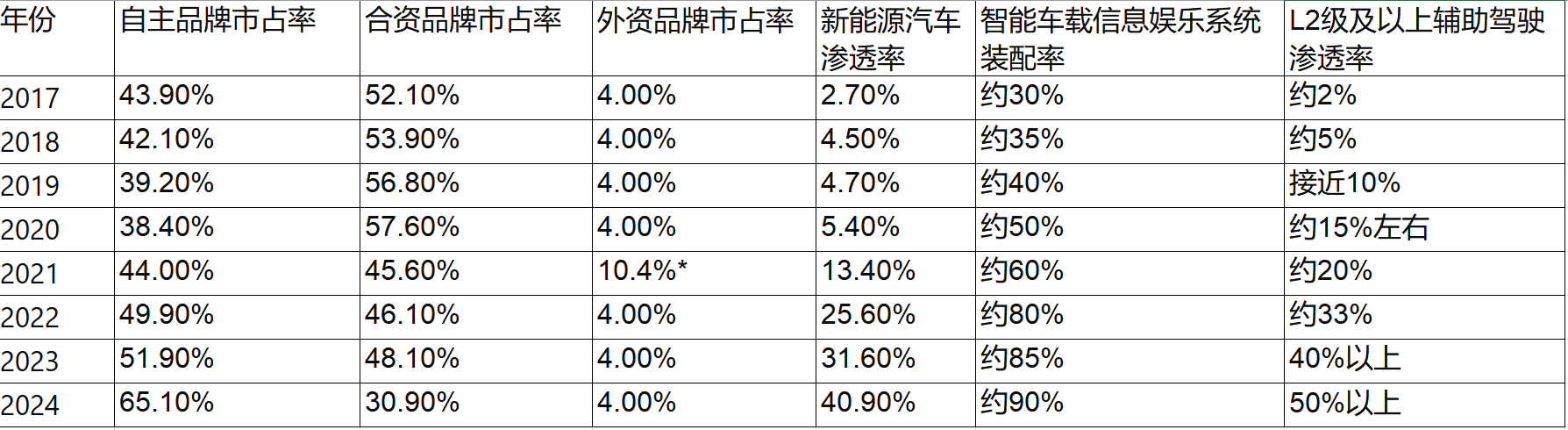
Core Insights - Goldman Sachs' report titled "2026 Outlook: Navigating Divergence" highlights 2026 as a pivotal year for the adoption of Battery Electric Vehicles (BEVs) and Navigation on Autopilot (NOA), suggesting that these technologies may develop into separate standards [1] - The report indicates a slowdown in BEV sales in Europe and the U.S., with consumers showing interest in advanced NOA but being cautious about purchasing BEVs [1][7] - In China, the integration of NOA in vehicles has led to a significant increase in sales, showcasing the advantages of BEVs in utilizing NOA, while traditional fuel vehicles are losing market share [1][5] Group 1: Market Trends - The market share of domestic brands in China has risen from 43.9% in 2017 to 51.9% in 2023, with the penetration rate of new energy vehicles increasing from 2.7% to 31.6% during the same period [3] - The report notes that the global electricity consumption of BEVs is expected to grow from 0.7% in 2024 to 2.5% by 2030, despite a stabilization in new BEV sales [7] - The competition landscape is shifting as NOA enhances the recognition and purchase intent for domestic brands, narrowing the gap with joint venture brands [5][6] Group 2: Technological Developments - Many automotive companies are focusing on applying NOA in hybrid models, although Goldman Sachs expresses skepticism about the medium-term effectiveness of this strategy [13] - The report lists various global automakers' progress in developing electronic and electrical architectures and end-to-end autonomous driving technologies, with companies like Tesla and BYD having completed their developments [14] - Traditional fuel vehicle manufacturers are exploring NOA applications in hybrid vehicles, but face challenges due to the inherent complexities of integrating NOA into their existing systems [15][16] Group 3: Future Outlook - The report suggests that by 2026, NOA may not solely rely on BEVs for growth, as traditional vehicles could also play a role in developing their own systems [19] - Concerns are raised about whether hybrid vehicles will be able to catch up with BEVs in terms of NOA capabilities, especially as BEVs are already testing Level 3 autonomous driving [19] - The future of NOA in traditional vehicles will depend on their ability to attract consumers and demonstrate value, as the market for traditional fuel vehicles remains substantial [19]
超级计算机,是自动驾驶的“救命稻草”吗?
Zhong Guo Qi Che Bao Wang· 2026-01-23 04:30
Core Viewpoint - Tesla has announced the restart of the Dojo 3 supercomputer project, which is crucial for the development of AI chips and autonomous driving technology [2][6]. Group 1: Importance of Supercomputers - Supercomputers are referred to as the "Everest" of computing, designed for high-speed calculations, large storage capacity, and high communication bandwidth, making them essential for processing large datasets in various applications [3]. - The demand for computing power in autonomous driving is described as "massive," with key metrics like 1 EFLOPS and PB-level storage becoming benchmarks for performance [4]. - Supercomputers play a critical role in training neural networks for autonomous driving, enabling the processing of vast amounts of data and complex scenarios [6]. Group 2: Role in Autonomous Driving - The processing capabilities of supercomputers are vital for the development of autonomous driving systems, allowing for real-time data analysis and decision-making [6][7]. - Supercomputers are seen as accelerators of technological iteration in autonomous driving, significantly impacting the commercialization of autonomous taxi projects [7]. - The core value of supercomputers in autonomous driving lies in their ability to overcome key bottlenecks in data processing, model training, and algorithm optimization [8]. Group 3: Challenges and Costs - Despite their advantages, supercomputers come with high construction and operational costs, potentially reaching hundreds of millions of dollars, which can be a burden for some automotive companies [8]. - The successful implementation of autonomous driving technology requires not only powerful computing resources but also supportive regulations, infrastructure, and data security measures [8]. Group 4: Competitive Landscape - A global competition for supercomputing power is underway, positioning supercomputers as a core competitive barrier in the autonomous driving sector [9]. - Companies with robust supercomputing capabilities can gain a competitive edge in the development and optimization of autonomous driving technologies [9].