Qi Huo Ri Bao Wang

Search documents
供需边际趋弱 纯碱期价承压
Qi Huo Ri Bao Wang· 2025-11-28 15:03
Group 1 - The core viewpoint of the articles indicates that the soda ash futures prices have significantly declined, approaching yearly lows due to weakening demand and increasing supply pressures [1][5][8] Group 2 - The cold repair of glass production lines in Hebei has led to a reduction in daily melting capacity by 2400 tons, with further cold repairs expected to exceed 4000 tons per day by the end of the year [2][4] - The glass inventory continues to accumulate, causing prices to drop and production profits to deteriorate, leading to more production lines entering loss-making states [2][3] Group 3 - New soda ash production capacities are set to come online, including a 280,000-ton natural soda project by Yuanxing Energy expected to start by the end of December, which will further increase supply pressure [5][6] - The overall soda ash production capacity utilization rate was 83.30% in November, with a production volume of 3.1123 million tons, reflecting a month-on-month decrease [5][6] Group 4 - The theoretical profit for soda ash production using the soda-lime method was reported at -140 RMB/ton, indicating a worsening profitability scenario [6] - The coal prices have shown signs of stagnation, leading to weakened cost support for soda ash production [7][8]

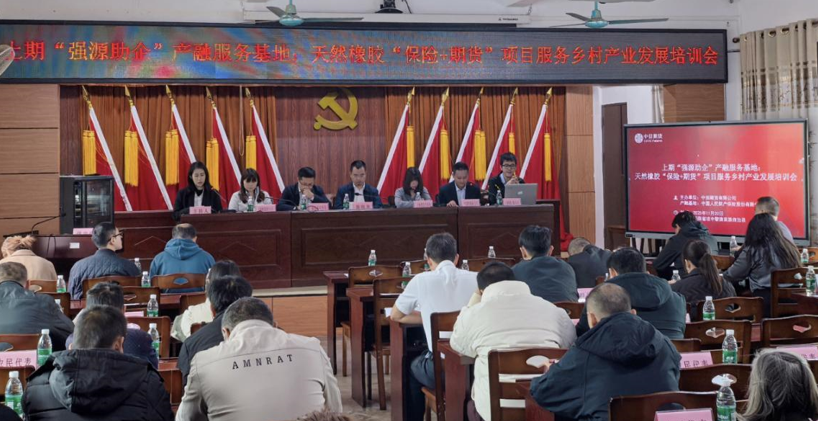
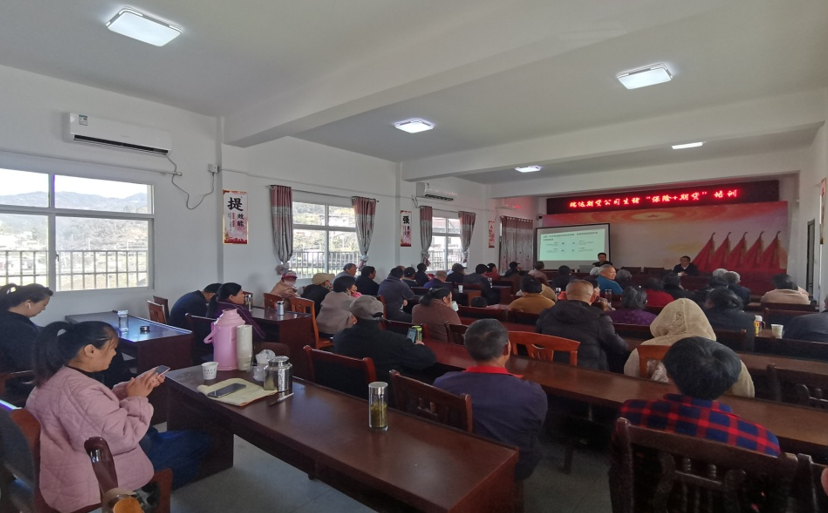
中信期货成功举办“上期‘强源助企’产融基地:天然橡胶‘保险 + 期货’项目服务乡村产业发展培训会”
Qi Huo Ri Bao Wang· 2025-11-28 07:42
Core Insights - The training conference on the "Insurance + Futures" project for natural rubber was successfully held, emphasizing the importance of financial tools in rural industry development [1][2] - The event brought together various stakeholders, including government officials, insurance companies, and rubber growers, highlighting a collaborative approach to industry challenges [1][2] Group 1: Event Overview - The conference was organized by CITIC Futures Hainan Branch and took place in Qiongzhong County, receiving significant attention from local government departments [1] - Key attendees included county officials, representatives from the Shanghai Futures Exchange, and insurance company executives, showcasing a multi-faceted representation [1] Group 2: Training Content - Three speakers provided in-depth insights into the "Insurance + Futures" model, focusing on its operational mechanisms and risk management advantages for rubber growers [2] - The training highlighted the unique benefits of the "Insurance + Futures" model in mitigating price volatility risks and stabilizing operational income for rubber farmers [2] Group 3: Future Directions - CITIC Futures aims to continue integrating financial services with the rubber industry, enhancing the vitality of rural industry development and supporting the implementation of rural revitalization strategies in Qiongzhong County [2]

券商系期货公司转型发展迎来新机遇
Qi Huo Ri Bao Wang· 2025-11-28 02:43
Core Viewpoint - The wave of mergers and acquisitions in the securities industry is accelerating, leading to the emergence of "carrier-level" institutions, with significant implications for the development of futures companies under these brokerages [2][3]. Group 1: Mergers and Acquisitions - Several brokerages, including CICC, Dongxing Securities, and Xinda Securities, have announced a suspension of trading to plan a merger, indicating the creation of a brokerage with total assets exceeding 1 trillion yuan [2]. - The merger between Guotai Junan and Haitong Securities has resulted in a new entity with a capital increase of 1.5 billion yuan for Guotai Junan Futures, raising its registered capital to 7 billion yuan, making it the second-largest in the industry [2]. - The total asset scale of the merged CICC, Dongxing Securities, and Xinda Securities will reach 1,009.5 billion yuan, positioning it as the fourth-largest in the domestic securities industry [3]. Group 2: Policy and Economic Context - The acceleration of mergers and acquisitions is driven by macroeconomic conditions and policy support, as China aims to foster top-tier investment banks and institutions through structural reforms in the financial sector [3][4]. - The 2023 Central Financial Work Conference emphasized the goal of cultivating first-class investment banks, with the new "National Nine Articles" in 2024 detailing pathways for enhancing core competitiveness through mergers and acquisitions [3]. Group 3: Futures Companies Transformation - The merger wave presents unprecedented opportunities and challenges for futures companies with brokerage backgrounds, as they seek to restructure and integrate resources [5]. - The futures industry is characterized by high concentration, with the top ten companies holding nearly half of the industry's net assets and close to 60% of net profits [5]. - Futures companies are increasingly looking to expand internationally, moving away from traditional price competition to create greater value by tapping into global markets [5][6]. Group 4: Competitive Landscape and Strategic Shifts - The industry is shifting from a "land grab" approach to a focus on "precision farming," necessitating differentiation among futures companies within the same brokerage group [4][7]. - Regulatory bodies are emphasizing the need for integration among futures businesses to address competition issues, with clear requirements for the merger processes [8]. Group 5: Branding and Development Trends - The recent mergers have led to rebranding among futures companies, reflecting a strategic move to leverage the brand influence and resources of their parent brokerages [9]. - The future development of futures companies is expected to focus on differentiation, branding, and group integration, as they adapt to the evolving regulatory landscape and market demands [9]. Group 6: Global Opportunities and Challenges - The wave of mergers is enhancing the international competitiveness of China's futures industry, with a significant increase in foreign participation in the domestic market [10]. - The China Securities Regulatory Commission is committed to advancing high-level opening of the futures market, facilitating foreign investment and participation [10][11]. - Despite the opportunities, futures companies face challenges related to regulatory compliance and the need for robust systems to manage international operations effectively [11].
交易是解读人心的艺术
Qi Huo Ri Bao Wang· 2025-11-28 02:06
Core Insights - The article highlights the trading philosophy and achievements of Sun Xiaoli, who secured the second place in the industrial products category of a trading competition, emphasizing the importance of risk management in trading. Group 1: Trading Philosophy - Sun Xiaoli believes that the "soul" of trading is risk control, and profits are a byproduct of effective risk management [2] - She emphasizes the necessity of setting clear stop-loss conditions before entering trades and utilizes options as a risk management tool, establishing technical stop-loss levels and capping maximum losses through options premiums [2] - Sun Xiaoli's trading approach has evolved from a purely technical focus to understanding the dynamics of supply and demand, recognizing that trading is an art of interpreting human psychology [4] Group 2: Personal Development and Mindset - Sun Xiaoli has developed her own trading philosophy over years of experience, moving from instinct-based decisions to a more rational approach, focusing on doing what is necessary rather than what is desired [4] - She highlights the significance of mindset management in trading, asserting that the ability to manage one's emotions is crucial for a trader's long-term success [4] - Sun Xiaoli finds inspiration and insights for trading from watching films and series, reflecting on how character decisions can parallel trading scenarios, thus aiding in self-reflection and market analysis [5] Group 3: Trading Complexity - The complexity of trading lies in the need to counteract human instincts such as greed and fear, while the simplicity emerges from establishing a mature trading logic and analytical techniques [5]
党建金融双赋能,瑞达期货携手天台村共绘乡村振兴新图景
Qi Huo Ri Bao Wang· 2025-11-28 01:49
Group 1 - The core idea of the activities is to implement the national rural revitalization strategy through financial empowerment and organizational collaboration, enhancing the development of Tian Tai Village [1][8] - The company conducted a specialized training session on "Insurance + Futures" for local pig farmers, demonstrating how to use modern financial tools to hedge against market risks associated with pig price fluctuations [2][8] - A partnership agreement was signed between the company's party branch and Tian Tai Village's party branch, marking a new phase of collaboration focused on resource sharing and integrated development [4][8] Group 2 - The company conducted on-site research to understand the needs of Tian Tai Village regarding the construction of drying houses and cold storage facilities, aiming to support local agricultural development [6][8] - The successful execution of these activities reflects the company's commitment to exploring a deep integration model of "Party Building + Finance + Industry" to provide sustainable support for rural revitalization [8]
贸易商破“风”前行 锻造更强韧性
Qi Huo Ri Bao Wang· 2025-11-28 01:42
Core Insights - The article discusses the transformation of the commodity trading industry in China, highlighting the shift from traditional trading models to integrated supply chain management services, driven by market dynamics and the need for risk management [1][2][3]. Industry Evolution - The commodity trading sector in China was initially characterized by rapid growth and a lack of information transparency, with many traders relying on traditional "buy low, sell high" strategies for profit [2]. - The 2008 global financial crisis exposed the vulnerabilities of these traditional models, leading to significant losses for traders as commodity prices plummeted [2][3]. - Increased market transparency and competition have pressured traders to evolve, as clients now demand more than just basic supply services, seeking stability in pricing and cost control [3]. Risk Management and Transformation - The development of China's futures market has provided traders with new tools for hedging price risks, prompting many to establish risk management departments and adopt a "spot-futures" combined operational model [3][4]. - Traders have moved beyond simple hedging to create diversified risk management systems that include basis trading and options, enhancing their competitive edge [4][5]. Integrated Service Ecosystem - The integration of warehousing and logistics into the trading model has become essential for enhancing service efficiency and creating value within the supply chain [7]. - Traders are building comprehensive service systems that combine trading, warehousing, logistics, finance, and information services, transitioning from "spot-futures operators" to "integrated service providers" [7][8]. - The establishment of smart warehousing and logistics networks has improved inventory management and service delivery, while also enabling traders to offer financial services to clients [7][8]. Global Competitive Landscape - As the Chinese economy becomes more integrated into global supply chains, traders recognize the need to enhance their global resource allocation capabilities to compete with international giants [9]. - The combination of risk management through financial tools and a robust physical network has become a key strategy for traders to maintain competitiveness in cross-border trade [9]. Future Outlook - The uncertainty in the commodity market is expected to persist due to geopolitical tensions, climate change, and technological advancements, necessitating continuous innovation and adaptation by traders [10]. - By focusing on empowering the real economy and enhancing service offerings, traders can achieve sustainable growth in a complex market environment [10].
十年打磨升级 “银期保”让黑土“生金”
Qi Huo Ri Bao Wang· 2025-11-28 01:42
Core Insights - The "Insurance + Futures" model has evolved into the "Silver Futures Insurance" (银期保) system, which integrates insurance, futures, banking, and leading enterprises to create a comprehensive risk management framework for agriculture [2][5][7] Group 1: Model Overview - The "Silver Futures Insurance" model was launched by the Dalian Commodity Exchange in 2023, expanding the original "Insurance + Futures" concept to include a full-chain support system covering production, sales, funding, and risk management [2][5] - This model provides dual protection for farmers through price and yield insurance, while also offering credit support based on insurance policies and orders, ensuring a sustainable cycle of farming operations [2][3] Group 2: Case Study - Li Fuqiang - Li Fuqiang, head of a cooperative in Heilongjiang, experienced significant benefits from the "Silver Futures Insurance" model, which allowed him to directly connect with grain purchasing enterprises, leading to increased profits [3][4] - In 2023, Li earned an additional 480,000 yuan through secondary pricing operations facilitated by the model, demonstrating its financial advantages [3][4] Group 3: Financial Impact - In 2024, the "Silver Futures Insurance" project in North An covered 100,000 acres, with a total loan issuance of 12.6 million yuan and an insurance premium of 4.65 million yuan, showcasing its scale and financial backing [4][5] - Farmers participating in the program received 4.52 million yuan in claims due to falling prices, along with secondary pricing gains of 1.38 million yuan, highlighting the model's effectiveness in risk mitigation [4][5] Group 4: Broader Implications - The "Silver Futures Insurance" project not only provides financial support but also encourages modern management practices among farmers, enhancing their financial literacy and operational efficiency [5][6] - The Dalian Commodity Exchange aims to extend the pricing period from 2 months to 6 months by 2025, further aligning with farmers' selling habits and market fluctuations [7]
创新期现结合模式助力铝产业链稳定发展
Qi Huo Ri Bao Wang· 2025-11-28 01:37
Core Viewpoint - The successful registration and delivery of "Jiantao" brand casting aluminum alloy as one of the first standard warehouse receipts by Fangdun Material (Chongqing) Co., Ltd. marks a significant step in the practical application of aluminum alloy as a futures delivery commodity, enhancing the risk management system of the aluminum industry [1][4]. Group 1: Company Developments - Fangdun Material has been deeply involved in the aluminum industry chain since starting electrolytic aluminum trading in 2019, and has expanded its operations to include the entire aluminum industry chain, including casting aluminum alloy [2]. - The company completed its first alumina delivery in 2023 and has actively engaged in industry research and exchanges to support the successful registration and delivery of casting aluminum alloy [2]. Group 2: Product and Market Opportunities - Casting aluminum alloy, primarily made from recycled aluminum, is characterized by low density, high strength, and excellent corrosion resistance, making it a key material for manufacturing core components in automotive engines and transmissions [3]. - The Shanghai Futures Exchange plans to officially list this product for trading in June 2025, providing a transparent price discovery and risk management tool for the market [3]. - Fangdun Material is leveraging this new tool to conduct basis trading of casting aluminum alloy in the Chongqing region, which helps upstream companies secure sales profits and allows downstream companies to reduce procurement costs [3]. Group 3: Future Outlook - The successful registration and delivery of the first batch of casting aluminum alloy standard warehouse receipts have provided valuable experience for large-scale deliveries in the future [4]. - As the linkage between futures and spot prices strengthens, casting aluminum alloy manufacturers and die-casting production companies will gain more effective risk management tools, contributing to the long-term stability of the industry [4]. - Fangdun Material aims to continue expanding its services to the real economy through diversified business models such as basis trading and rights-inclusive trading, supporting the high-quality development of China's aluminum industry [4].
金融报国尽显担当 专业精进铸就辉煌
Qi Huo Ri Bao Wang· 2025-11-28 01:21
Core Viewpoint - Haitong Futures has established a clear and promising development path over the past 20 years, focusing on professional excellence and responding to market changes while adhering to ESG principles and ensuring compliance and risk management [2][4][14] Group 1: Strategic Positioning and Development Goals - Haitong Futures aims to become a "first-class domestic and internationally influential financial derivatives comprehensive service provider" by leveraging its various licenses and group advantages [3] - The company emphasizes collaboration with its parent company, Guotai Junan Futures, to enhance service offerings and explore cooperative business models [3][4] Group 2: Business Transformation and Innovation - Haitong Futures is undergoing a transformation towards professionalization, diversification, internationalization, and digitalization, adapting its business model to market opportunities [4][8] - The company has developed a comprehensive business system that integrates spot and futures trading, online and offline services, and domestic and international operations [7] Group 3: Customer Service and Engagement - The company has built a responsive and efficient customer service network, focusing on understanding and meeting customer needs through various innovative tools and platforms [5][6] - Haitong Futures has implemented a 24/7 pre-account opening mini-program and established agile teams to address institutional client needs [5][6] Group 4: Risk Management and Support for the Real Economy - Haitong Futures, through its subsidiary Haitong Resource Management, provides risk management services to support the production and operational stability of enterprises [8] - The company has launched over 200 "insurance + futures" and OTC options projects, benefiting over 130,000 farmers and covering significant agricultural areas [2][8] Group 5: Asset Management and Product Innovation - Haitong Futures is one of the first futures companies to obtain asset management qualifications, focusing on product and strategy innovation to enhance its asset management capabilities [10][11] - The asset management team has developed a range of products and services, achieving significant market presence and recognition [11] Group 6: IT and Digital Transformation - The IT team at Haitong Futures plays a crucial role in enhancing operational efficiency and customer experience through innovative technology solutions [12] - The company has launched various AI applications and a unified account management platform to improve service delivery [12] Group 7: Research and Development - The research team at Haitong Futures provides tailored solutions and insights to clients, enhancing customer engagement and service quality [13] - The team has achieved recognition in industry awards, reflecting its commitment to excellence in research and analysis [13] Group 8: Future Outlook - Haitong Futures is poised to leverage new opportunities in the evolving futures market, supported by the strategic advantages of its parent company [14] - The company is committed to continuous improvement and innovation, aiming to create greater value for stakeholders in its next phase of growth [14]
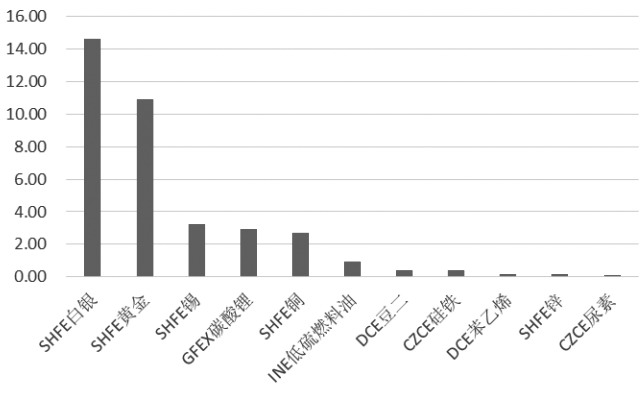
资金动态20251128
Qi Huo Ri Bao Wang· 2025-11-28 01:03
Core Insights - The article highlights significant capital inflows into commodity futures, particularly in precious metals and certain industrial metals, indicating a bullish sentiment in these sectors [1] Group 1: Capital Inflows - Major inflows were observed in silver (1.461 billion), gold (1.088 billion), tin (0.324 billion), lithium carbonate (0.295 billion), and copper (0.268 billion) [1] - The non-ferrous metals and financial sectors showed a net inflow, with a focus on silver, gold, tin, lithium carbonate, and copper [1] Group 2: Capital Outflows - Significant outflows were noted in rebar (0.291 billion), apples (0.269 billion), coking coal (0.178 billion), glass (0.166 billion), and vegetable oil (0.158 billion) [1] - The chemical, black, and agricultural products sectors experienced net outflows, particularly in rebar, apples, coking coal, glass, and vegetable oil [1] Group 3: Sector Analysis - The overall commodity futures market showed a substantial inflow, with a particular emphasis on the non-ferrous metals sector [1] - Attention is drawn to the outflow of alumina, which is contrary to the trend in other non-ferrous metals [1] - The financial sector is highlighted for its focus on the Shanghai 50 stock index futures and 10-year government bond futures [1]