
Tai Mei Ti A P P

Search documents
商汤上半年剥离部分汽车业务后亏损减至14.8亿元,CFO称X业务盈利期或需更长时间
Tai Mei Ti A P P· 2025-08-30 04:46
Core Viewpoint - SenseTime Group reported a revenue of 2.358 billion yuan for the first half of 2025, marking a year-on-year increase of 35.6%, while narrowing its net loss to 1.489 billion yuan, a reduction of 39.9% year-on-year [2] Financial Performance - Revenue for the first half of 2025 reached 2.358 billion yuan, up 35.6% year-on-year - Net loss narrowed to 1.489 billion yuan, down 39.9% year-on-year - Adjusted net loss under non-IFRS was 1.162 billion yuan, a decrease of 50% year-on-year [2] - Adjusted EBITDA loss reduced by 72.5% to 521 million yuan [2] Business Segmentation - The company reclassified its business segments into "Generative AI," "Visual AI," and "X Innovation" [5] - Generative AI revenue was 1.815 billion yuan, up 72.7% year-on-year, accounting for 77% of total revenue [5] - Visual AI revenue was 436 million yuan, down 14.8% year-on-year, while X Innovation revenue was 106 million yuan, down 39.5% year-on-year [5] Strategic Initiatives - The company is focusing on the dual engines of Generative AI and Visual AI to maintain its leadership position [3] - The "1+X" strategy aims to enhance organizational efficiency and reflect the business's essence and boundaries [3][4] - The company is optimistic about the growth of the Generative AI segment, expecting it to outpace overall growth [4] Market Position and Future Outlook - The total cash reserves reached 13.2 billion yuan, with plans to use 50% for expanding AI infrastructure and 20% for exploring new technology applications [12] - The company is positioned to leverage the "Artificial Intelligence+" initiative to drive growth and capitalize on market opportunities [14] - The stock price increased by approximately 40% since early July, reflecting positive market sentiment [14]

米哈游新作首曝,一个微妙的转折点
Tai Mei Ti A P P· 2025-08-30 04:45
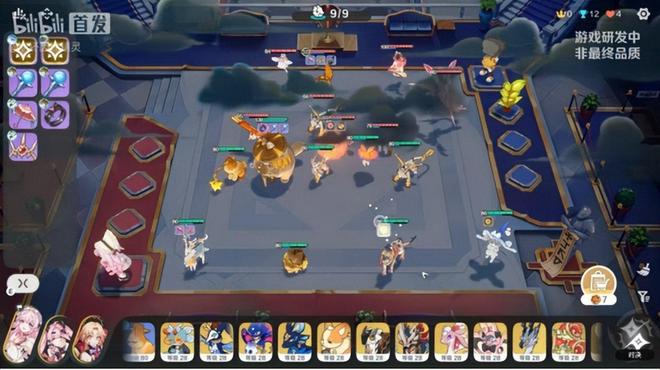
Core Viewpoint - The release of miHoYo's new game "Honkai: Star Rail" is seen as a critical moment for the mobile game market, which is currently experiencing a downturn. The game's potential to innovate gameplay is more important than its initial reception [1][8]. Industry Overview - The mobile game market for second-generation games has seen a decline in actual sales revenue by 8% year-on-year in the first half of 2025, continuing the downward trend [7]. - Players are increasingly scrutinizing new releases, seeking fresh experiences amid a saturated market [1]. Gameplay and Design - The game features town exploration and auto-chess combat mechanics, indicating a shift towards integrating diverse gameplay elements [2]. - There is a growing emphasis on gameplay innovation over content, as past successes were heavily reliant on content-driven models [4][5]. Market Dynamics - The competitive landscape is shifting, with some older games experiencing a resurgence by focusing on content, while new innovations are emerging in gameplay and business models [7]. - Examples of innovative gameplay include "Wangyue" with exploration elements and "Erchong Luoxuan" with shared weapon mechanics, which aim to reduce player burden [7]. Business Model Considerations - The choice of gameplay in "Honkai: Star Rail" reflects a deeper consideration of business models, as the traditional monetization strategies may not sustain future growth [12]. - The success of miHoYo in the past creates pressure to innovate while maintaining its leading position in the market [12][14]. Strategic Implications - The decisions made by miHoYo will serve as a reference for the industry, highlighting the balance between traditional models and the need for innovation [14]. - The outcome of "Honkai: Star Rail" could either reinforce the effectiveness of established strategies or signal a necessary shift towards new approaches in the gaming industry [14].
赚钱能力在线,增长承压,理想加速出牌|钛度车库
Tai Mei Ti A P P· 2025-08-30 01:55
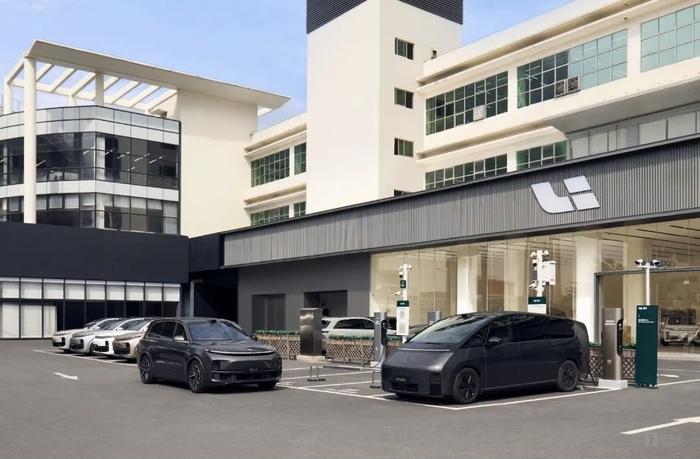
Core Insights - Li Auto's Q2 2025 financial report reveals a dual narrative: while the company continues to generate profits and maintain strong cash reserves, it faces slowing sales growth, challenges in transitioning to pure electric vehicles, and intensified market competition [2][10] Financial Performance - In Q2 2025, Li Auto delivered 111,074 vehicles, a year-on-year increase of 2.3% and a quarter-on-quarter increase of 19.6%, maintaining a 13.4% market share in the Chinese new energy vehicle segment [3] - Quarterly revenue reached 30.2 billion yuan, a quarter-on-quarter increase of 16.7% but a year-on-year decline of 4.5% [3] - Net profit stood at 1.1 billion yuan, a nearly 70% quarter-on-quarter increase, marking eleven consecutive profitable quarters [3] - The automotive gross margin was 19.4%, up 0.7 percentage points year-on-year, although slightly down 0.4 percentage points quarter-on-quarter [3] Cash Reserves and Cash Flow - As of the end of Q2, Li Auto's cash reserves amounted to 106.9 billion yuan, supporting long-term R&D investments [4] - The company experienced a net cash outflow of approximately 3.8 billion yuan during the quarter, attributed to compliance with regulatory requirements and adjustments in working capital strategy [4] Strategic Transition - Li Auto is undergoing a strategic shift from range-extended vehicles to pure electric models, with the L series models accounting for 92.05% of Q2 sales [5] - The company launched the Li MEGA Home in April, achieving stable monthly sales of around 3,000 units, and the Li i8, which received positive user feedback, is expected to have over 8,000 cumulative deliveries by the end of September [5] - A significant sales system restructuring was implemented in August, transitioning to a "headquarters direct management of 23 regions" model [5][6] Marketing Strategy - Li Auto plans to adopt differentiated marketing strategies for various regional markets, focusing on promoting range-extended models in northern regions and pure electric models in southern regions [6] - The company aims to accelerate coverage in lower-tier cities using a lightweight "Star Store" model to quickly penetrate core areas [6] Investment in AI and Technology - Despite revenue growth challenges, Li Auto is increasing its investment in AI and core technologies, with an expected annual investment exceeding 6 billion yuan [7] - The company has successfully developed its self-researched chip, which reportedly offers double the performance of competitors in running large language models [7] - Li Auto's self-developed VLA driver model has significantly improved in scale and performance, with expectations for it to enhance autonomous driving capabilities [7] Infrastructure Development - Li Auto has established the largest charging network among Chinese automakers, with over 3,100 supercharging stations and more than 17,000 charging piles [8] - The company aims to reach a target of 4,000 charging stations by the end of the year [8] Future Outlook - Li Auto has outlined a three-phase development strategy, with 2025 marking the beginning of its overseas expansion [9] - The company recognizes the challenges of entering international markets but is committed to building a robust overseas sales and service network [9] - Li Auto plans to accelerate product updates and reduce SKU numbers to enhance product competitiveness and value [9]

靠投资泰凌微扮靓业绩,华胜天成股价走妖难掩盈利困局 | 看财报
Tai Mei Ti A P P· 2025-08-29 12:27
Core Viewpoint - Huasheng Tiancheng (600410.SH) reported a revenue of 2.262 billion yuan for the first half of 2025, marking a year-on-year increase of 5.11%, while achieving a net profit of 140 million yuan, reversing losses. However, the company still faced a non-recurring net loss of 83 million yuan, continuing a trend of losses in its main business for over five years [1][4]. Financial Performance - The company’s investment income reached 238 million yuan, primarily from the appreciation of its holdings in Tailin Micro, which significantly boosted its fair value gains from -151 million yuan in the previous year to 271 million yuan [2]. - Huasheng Tiancheng directly holds 17.8619 million shares of Tailin Micro, accounting for 7.42% of its total share capital, with a market value of 856 million yuan at the end of the reporting period [2]. - The company reported a gross margin of 12.13%, a decrease of 0.95 percentage points compared to the end of the previous year, indicating a declining trend in profitability [5]. Business Segments - The IT system solutions segment generated 3.307 billion yuan in revenue, up 5.96% year-on-year, but with a low gross margin of 9.62%. The cloud computing products and services segment saw a revenue decline of 7.73%, with gross margins dropping from 28.73% in 2020 to 21.01% in 2024 [6]. - The company’s main subsidiaries reported losses, with Huasheng Software losing 21.715 million yuan, Land Network losing 5.4535 million yuan, and Guoyan Tiancheng losing 89.3821 million yuan in the first half of 2025 [4]. Market Activity - The stock price of Huasheng Tiancheng surged nearly 140% within a month due to the rising interest in AI computing power, but it closed at the daily limit down today [1][6]. - The company’s chairman, Wang Weihang, plans to reduce his holdings by up to 10.929 million shares, representing 0.9967% of the total share capital, amid ongoing pressure from personal funding needs [6].


跃升千亿交易规模,滴滴在拉美瞄准外卖
Tai Mei Ti A P P· 2025-08-29 11:32
Core Insights - Didi's core platform gross transaction value (GTV) reached 109.6 billion yuan in Q2 2025, with international business GTV at 27.1 billion yuan, reflecting a 27.7% year-on-year growth at fixed exchange rates [2] - Didi's 99Food launched in Brazil's Goiânia and achieved 1 million orders in 45 days, expanding to São Paulo, the largest city in Latin America [2][4] - Didi's international strategy began in 2018 with the acquisition of Brazilian ride-sharing company 99, now covering 14 countries, including 10 in Latin America [5] Business Expansion - Didi has over 55 million users in Brazil, covering a quarter of the population, with more than 1.5 million registered drivers, including 700,000 motorcycle riders [6] - The food delivery business is seen as a natural extension of Didi's urban service ecosystem, leveraging its large ride-hailing user base and driver resources [6] - Didi's experience in Mexico, where it became the leading food delivery service, is expected to bolster its confidence in expanding food delivery in Brazil [6] Market Potential - Latin America is one of the fastest-growing food delivery markets globally, with a growth rate of 19% in 2023, second only to the Middle East [7] - The food delivery market in Latin America is valued at approximately 37.9 billion USD, with Brazil and Mexico leading at around 20 billion USD and 7.2 billion USD, respectively [8] Competitive Landscape - Didi faces competition from iFood in Brazil, which holds an 80% market share, and has previously exited the Brazilian market in 2023 [8][9] - Didi's strategy includes localized competition, focusing on smaller cities before expanding to major urban areas [8][9] Operational Strategies - Didi is addressing high delivery costs and platform commissions in Brazil, which can reach 30% and 27% of order value, respectively [9][11] - The company is implementing various promotional measures, such as free delivery and discounts for users, guaranteed income for riders, and commission waivers for merchants [11] - Didi's unique advantage lies in its ability to utilize its ride-hailing network to reduce delivery costs, allowing riders to handle both passenger and food deliveries [12]


群兴玩具:算力跨界首获突破反亏更多,AI重组引牛散扎堆入驻|看财报
Tai Mei Ti A P P· 2025-08-29 10:08
Core Viewpoint - The company, Qunxing Toys, reported a revenue of 175.53 million yuan for the first half of the year, a year-on-year increase of 38.4%, but faced a net loss of 17.06 million yuan, a decline of 158.6% compared to the previous year, indicating a significant disparity between revenue growth and profitability [1][4]. Revenue and Profitability - The main revenue driver for the company is liquor sales, which accounted for over 80% of total revenue in the first half of the year, but with a low gross margin of only 2.32% [1][5]. - The newly launched computing power business generated 18.11 million yuan in revenue, representing 10.32% of total revenue, but is currently operating at a loss with a gross margin of -88.66% [2][4]. Business Expansion and Challenges - The company is attempting to enter the AI sector through a planned acquisition of Hangzhou Tiankuan Technology, but this initiative has seen no substantial progress in over six months [5][9]. - Despite the challenges, the company has secured a significant contract worth 113 million yuan with Tencent for computing power services, effective from April 2025 [6]. Shareholder Dynamics - The shareholder structure has changed, with an increase in individual shareholders, including notable investors who have recently entered the top ten shareholders list [7][9]. - The stock price has declined approximately 30% since the announcement of the acquisition plan, reflecting market skepticism about the company's future prospects [10].

用AI做动画,他们如何把24个月压缩到45天?|“抓住下一个Z一鸣”速访
Tai Mei Ti A P P· 2025-08-29 09:56
Core Viewpoint - The company aims to enhance the productivity of artists and expedite the commercialization of intellectual property (IP) through its proprietary hyper-realistic AI model and full-chain AI creative capabilities [2][4]. Group 1: Company Overview - The company, Perle Interactive Technology, utilizes a hyper-realistic AI model to significantly reduce the production time of animated content, completing a 100-minute animation in just 45 days compared to the typical 24 months for S-level IP adaptations [3]. - The company emphasizes that its technology is designed to augment the capabilities of artists rather than replace them, ensuring that human creativity remains central to the production process [3][4]. Group 2: Market Positioning - The company focuses on adapting novel IPs for animation due to lower costs and faster monetization cycles compared to established star IPs, which often come with high licensing fees and strict modification requirements [7]. - The Chinese post-link market for animation is significantly larger than the video consumption market, indicating a strong potential for growth in the animation sector [8]. Group 3: Product and Collaboration - The company has successfully launched a project titled "Tomorrow is Monday," which achieved millions of views, with 80% of its content generated by AI [5]. - Collaborations include projects with well-known entities such as the Zhejiang Film Group for adaptations of Liu Cixin's works and partnerships with Happy Mahua for classic IP adaptations [7]. Group 4: Business Model - The company generates revenue through three main streams: content production services for major platforms, revenue sharing from self-owned IP content, and licensing fees for AI tools [13][14]. - The company is also developing applications for its hyper-realistic AI model, including an AI travel assistant and a scriptwriting assistant, which are expected to enhance user experience and streamline content creation [15]. Group 5: Team and Experience - The core team consists of approximately 10 members with diverse backgrounds in film, gaming, and content creation, having worked on notable projects in the industry [10][11]. - The team's experience in producing high-quality content is a key recruitment criterion, ensuring a strong foundation for the company's creative endeavors [12]. Group 6: Future Plans - The company completed a new round of financing in August and is looking to expand into international markets, particularly in the Middle East and Europe, to address animation content gaps [15].

员工爆料:King暴力裁员200人,背后资本推动AI取代员工
Tai Mei Ti A P P· 2025-08-29 07:57
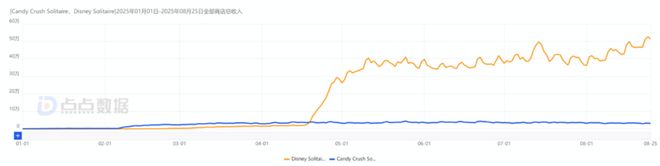
Core Insights - King, a veteran in the casual gaming industry, is facing significant internal turmoil following its acquisition by Microsoft, leading to management changes and employee dissatisfaction [1][10]. Group 1: Management Changes - Todd Green has replaced Tjodolf Sommestad as the new president of King after Sommestad's 14-year tenure, which included three years as president [1]. - The company has launched a new game, "Candy Crush Solitaire," which has not met expectations, generating revenue significantly lower than competitors like "Disney Solitaire" [1]. Group 2: Layoffs and Employee Feedback - King announced layoffs of 200 employees, which has been met with criticism regarding the rationale behind the cuts, with claims that performance evaluations did not influence the decisions [3][4]. - Employees reported that the layoff process was opaque, with some long-term contributors being let go without clear justification [4][10]. - The feedback mechanism within the company has deteriorated, with employees feeling unable to voice concerns anonymously, leading to a decline in morale [6][9]. Group 3: AI Implementation and Protests - The layoffs included many positions in middle management and user experience teams, with protests organized by the CSVI union in response to the job cuts [10][12]. - Employees who had previously developed AI tools to enhance productivity are now being replaced by those very tools, raising concerns about the future of their roles [12][14]. - King is pushing for increased AI integration in daily tasks, aiming for 100% usage, although the effectiveness of this initiative remains questionable [14].
英伟达推出“Thor”,谁赚了?
Tai Mei Ti A P P· 2025-08-29 07:57
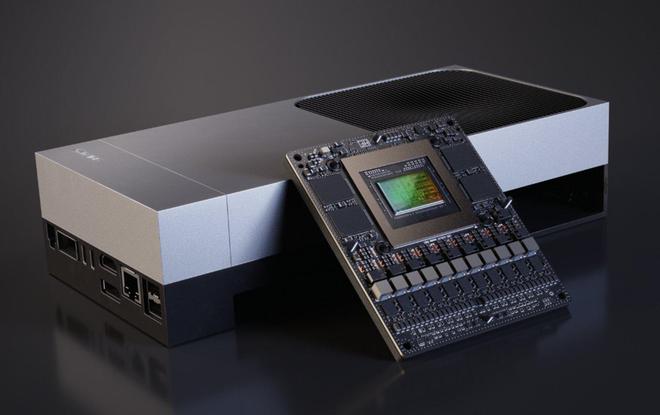
Core Insights - NVIDIA has launched Jetson Thor, a high-performance computing platform designed for physical AI and humanoid robots, which is being referred to as the "new brain for robots" [1][2][4] - Jetson Thor is based on the Blackwell architecture, offering significant performance improvements, including 2070 TFLOPS of AI computing power, which is 7.5 times that of the previous Orin series and 7000 times that of products from a decade ago [2][4] - The platform aims to create a unified computing architecture from cloud to edge, significantly reducing development complexity and accelerating the evolution of robotic technology [4][12] Performance and Efficiency - Jetson Thor boasts a 3.5 times improvement in energy efficiency, allowing developers to achieve more computational capabilities within limited power budgets, which is crucial for mobile robotic platforms [2] - The memory configuration includes 128GB LPDDR5X and a bandwidth of 273GB/s, supporting 100Gbit/s Ethernet [2] Market Positioning - NVIDIA positions Jetson Thor as an essential component for robot development, alongside its DGX systems for AI model training and the Omniverse platform for simulation testing, creating a closed-loop ecosystem [2][4] - The starting price for the Jetson Thor kit is $3,499, maintaining NVIDIA's strategy of providing top-tier hardware for high-performance computing while ensuring ecosystem partners can achieve sufficient returns [4] Ecosystem and Developer Engagement - The NVIDIA Jetson platform has attracted over 2 million developers and has a growing ecosystem of over 150 hardware systems, software, and sensor partners [5] - The launch of Jetson Thor comes at a time when the robotics industry is experiencing significant investment activity, with 88 financing events in the first half of 2025, a nearly 80% year-on-year increase [7] Strategic Intent - NVIDIA's introduction of Thor is aimed at capturing the emerging humanoid robot market, which is currently fragmented, by establishing itself as a standard provider through its hardware and software ecosystem [8][12] - The company is betting on the "physical AI" era, which includes systems that interact with the real world, such as robots and autonomous vehicles, with a focus on real-time understanding and decision-making capabilities [12][13] Competitive Landscape - The launch of Jetson Thor poses challenges for competitors like Qualcomm, Huawei, and Horizon, who may not remain passive in response to NVIDIA's strong market entry [16] - The increasing reliance on NVIDIA's technology may create pressure on other robotics manufacturers, as the performance of their products may become standardized around NVIDIA's capabilities [18] Industry Implications - The introduction of Jetson Thor may lead to a new phase of competition in the robotics industry, where the focus shifts from hardware performance to algorithm innovation and application commercialization [18] - Concerns arise for Chinese robotics manufacturers regarding the dependency on foreign chips, as geopolitical tensions may pose risks to their supply chains and operational stability [19]

75岁的光伏还不想做“老登”:阳光新能源“科技追光之旅”,追寻光伏来时路
Tai Mei Ti A P P· 2025-08-29 04:22
Core Insights - The article discusses the evolution and current state of the photovoltaic (PV) industry, highlighting its journey from a niche technology to a mainstream energy source, and the ongoing innovations that promise a bright future for solar energy [1][2][3][4][7] Industry Overview - The PV industry has achieved significant milestones, including being the largest in terms of supply and demand globally, and having the lowest cost of solar power generation [3] - Major Chinese companies like Sungrow and Tongwei have emerged as leading players in the global PV market, with some ranking among the top 500 companies in China [3] Technological Advancements - The principle of "photovoltaic effect" was first demonstrated in 1954, with the development of silicon solar cells achieving a conversion efficiency of 6% [2] - Recent advancements have led to higher conversion efficiencies and ongoing research into improving solar energy utilization during low-light conditions [4] Market Challenges - The industry faces challenges such as overcapacity and price competition, which have raised concerns among companies [4] - Despite these challenges, there is optimism about the future, with a shift from "scale-first" to "quality-first" development in the renewable energy sector [4] Educational Initiatives - Events like the "Chasing Light Festival" aim to educate the public about renewable energy technologies through immersive experiences and hands-on experiments [6] - Collaborations between scientific institutions and enterprises are seen as a way to bridge the gap between scientific education and industry practices, fostering a cycle of innovation and application [6] Future Prospects - The article suggests that while solar energy is currently thriving, there is still potential for innovation and exploration in other energy sources like hydrogen and nuclear fusion [7]