Tai Mei Ti A P P

Search documents
液冷技术崛起,芯片厂商入局竞逐千亿市场丨ToB产业观察
Tai Mei Ti A P P· 2025-09-01 04:20
Omdia Research数据显示,到2028年,全球数据中心液冷市场将达到168亿美元,年复合增长率为25%。 而在中国,据科智咨询预计,到2027年,随着Al系列应用的规模化落地以及液冷生态的日趋成熟,市场 规模有望突破千亿大关。 此外,中信证券研报中曾提到,在数据中心算力提升和能耗降低推动下,液冷技术将加速替代风冷技 术,成为新的技术发展方向。 伴随着液冷在数据中心中的发展,液冷产业也逐渐趋于细分化,产业链逐渐得以完善。最明显的一个变 化就是,原先各类数据中心大会上,很少有出现液冷技术的身影,即便有出现,也大多存在于演讲PPT 之中,以及一些整机柜的展示环节中。 但从去年开始,各类数据中心相关的大会上,除了液冷机柜的展示之外,越来越多产业上下游的零部件 厂商开始活跃起来,冷却液、UQD接头、水凝管等液冷下游的零部件厂商也在不断的更新迭代自己的 产品。 数据中心步入液冷时代 液冷在数据中心开始大范围应用的起点,可以追溯到2020年前后。在ChatGPT尚未问世之前,数据中心 还是以通用的CPU服务器为主,功率基本集中在3kW左右。 彼时的数据中心在刚刚起步的"双碳"战略的推动下,刚刚开始绿色化技术,而供 ...



视频生成告别“瞬移变形”,群核科技Hugging Face登顶背后:空间语言改写AI物理世界规则
Tai Mei Ti A P P· 2025-09-01 03:18
Core Insights - AIGC technology is evolving from text and image generation to more complex 3D space and video domains, facing challenges in understanding physical world structures and maintaining temporal consistency in video creation [2][6] - Spatial intelligence is identified as a crucial bridge for AI to transition from the digital to the physical world, requiring AI to learn the "language" of space [2][9] Model Developments - The newly released models, SpatialLM 1.5 and SpatialGen, address the challenges of 3D scene generation and video creation, with SpatialLM 1.5 focusing on structured generation through "spatial language" and SpatialGen ensuring spatial coherence across multiple perspectives [3][4] - SpatialLM 1.5 encodes spatial relationships as "language," allowing for end-to-end generation of 3D scenes based on user input, producing structured scripts with physical parameters [4][5] Data and Training - The scarcity of high-quality 3D data is a significant bottleneck for spatial intelligence development, with over 4.41 billion 3D models and 500 million structured 3D scenes available by mid-2025 [5] - The company leverages its platform, CoolJia, to accumulate data that enhances the training of spatial understanding and generation models, creating a feedback loop between tools, data, and models [5] Video Generation Innovations - Current AI video generation tools struggle with spatial logic due to their reliance on 2D image sequences, leading to issues like object distortion and inconsistency [6][7] - SpatialGen overcomes these limitations by using a 3D Gaussian scene as an intermediary, allowing for the generation of images from any perspective while maintaining object consistency across frames [6][7] Market Strategy and Ecosystem - The company emphasizes open-sourcing its models and data to foster collaboration and innovation in the spatial intelligence market, aiming to expand the ecosystem rather than monopolize it [9][10] - The open-source strategy has garnered international attention, with the company releasing the world's first 3D Gaussian dataset, which has implications for various industries, including autonomous driving [9][10] Differentiation and Future Directions - The company's focus on interactive functional scenes differentiates it from other models that may lack spatial consistency, positioning it for industrial applications [10][11] - By providing a new path for industrial software development, the company aims to create "AI-native" design tools that bypass traditional complex geometric algorithms [11]


十年足球梦断后,星辉娱乐游戏“赔本赚吆喝”几时休? | 看财报
Tai Mei Ti A P P· 2025-08-31 13:43
Core Viewpoint - Xinghui Entertainment has transitioned from a peak in its sports business to a challenging phase, with significant losses in its football operations, while relying on its gaming segment for recovery [2][3]. Financial Performance - In the first half of 2025, Xinghui Entertainment reported a revenue of 11.35 billion yuan, a year-on-year increase of 84.58%, primarily driven by player transfer income and increased broadcasting rights, ticketing, and membership revenues following the return of Espanyol to La Liga [3][4]. - The net profit attributable to shareholders reached 1.6 billion yuan, a year-on-year growth of 186.78%, with the second quarter showing even stronger performance [3][4]. - The company achieved a significant cash flow from operations of 374 million yuan, up 737.97% from the previous year [4]. Sports Business Transition - The sale of Espanyol for 1.3 billion euros (approximately 10.88 billion yuan) marked the end of Xinghui's involvement in overseas football, with the company incurring a cumulative net loss of 442 million yuan from its sports business over the past seven years [2][5]. - The transfer fee from player Joan Garcia contributed significantly to the company's profits, with a payment of 26.34 million euros (about 2.19 billion yuan) received in June [5]. Gaming Business Challenges - Despite a rise in gaming revenue, the company faces challenges as the income from its top three games does not cover high promotional costs, indicating a strategy of "losing money for exposure" [9][12]. - The gaming revenue growth rates in domestic and international markets were 28.01% and 74.05%, respectively, attributed to the launch of several new games [7]. - The company is struggling with declining active and paying user numbers, raising concerns about the sustainability of its gaming lifecycle [11][12]. Future Prospects - Xinghui Entertainment is focusing on developing a tiered SLG product reserve system to maintain competitiveness, while also planning to launch new titles that have shown promising test data [12][17]. - The company is exploring the small program gaming sector, which requires purchasing traffic to enhance product visibility and user acquisition [17][18]. - However, the company's cash reserves are limited, with only 1.2 billion yuan available, making it challenging to compete in the high-cost environment of user acquisition [18].


华为大战三星,苹果慢跑入场,折叠屏“软件定义硬件”时代要来了
Tai Mei Ti A P P· 2025-08-31 02:33
Core Viewpoint - Samsung's recent advertisement for the Galaxy Z Fold7 mocks the iPhone's inability to stand upright, highlighting the advantages of its foldable screen technology. Apple is expected to enter the foldable phone market in 2026, which may lead to a significant shift in the industry dynamics [1][17]. Market Growth and Trends - The foldable smartphone market is experiencing a resurgence, with IDC projecting global shipments to reach approximately 19.83 million units by 2025, reflecting a year-on-year growth of 6.0%. By 2029, shipments are expected to approach 27.29 million units, with a five-year compound annual growth rate (CAGR) of 7.8% [3]. - In the first half of 2023, China's foldable smartphone shipments reached 4.98 million units, marking a year-on-year increase of 12.6% and capturing 48% of the global market share. It is anticipated that China's share will stabilize at over 40% in the next five years [5][7]. Competitive Landscape - The competition in the foldable smartphone market is intensifying, with major brands like Huawei and Samsung leading the charge. As of 2024, these two companies are projected to hold a combined 58% market share, with Samsung at 34% and Huawei at 24% [11][13]. - Huawei has achieved a significant milestone by becoming the first Chinese brand to surpass 10 million cumulative shipments of foldable phones since its first launch in 2019 [11]. Consumer Preferences and Market Dynamics - Consumer acceptance of foldable smartphones is increasing, with a notable preference for larger foldable models. The average transaction price for these devices remains above 7,000 yuan [7]. - The growth of the foldable market is still heavily influenced by manufacturers' product release schedules rather than consumer demand, indicating a need for strategic marketing and product positioning [8][9]. Future Outlook - Apple's anticipated entry into the foldable smartphone market is expected to accelerate the adoption of this technology, potentially increasing market volume by millions of units. The company is likely to focus on high-end markets initially, with plans to expand globally by 2027-2028 [17][18]. - The shift towards "software-defined hardware" is expected to become a defining trend in the foldable smartphone industry, emphasizing the importance of software optimization alongside hardware advancements [18].


60+AI创新领袖新加坡论剑,三大维度突围构造全球AI新格局
Tai Mei Ti A P P· 2025-08-31 02:06
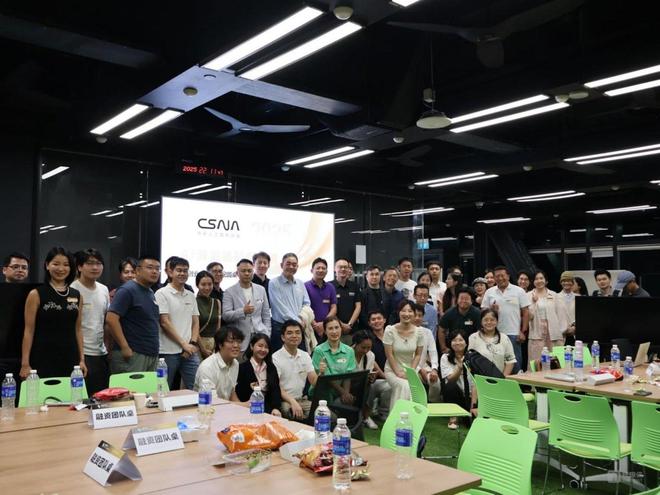
Group 1 - The event organized by CSAIA in Singapore focused on the unique opportunities and challenges within the AI ecosystem in Singapore, featuring participation from top global tech companies and investment firms [1][2] - Key discussions revolved around Singapore's positioning in the global AI competition, including strategies for overcoming challenges posed by larger tech giants and the importance of localized AI solutions [2][4] Group 2 - The forum included three main discussion panels, startup pitches, and open exchanges, emphasizing investment, product technology, and business growth [2] - Participants highlighted the significance of edge computing and inference chips, addressing challenges such as low latency, privacy, and power consumption in AI applications [6][7] Group 3 - The focus on localized AI solutions was emphasized, with companies encouraged to avoid competing in the "big model arms race" and instead tailor products to meet the specific needs of Southeast Asian markets [8] - The discussions also covered the importance of rethinking business processes from an AI-native perspective to enhance efficiency and effectiveness [9] Group 4 - Early-stage investment strategies were discussed, with a focus on the importance of direction and team dynamics, as well as the need for rapid iteration and data-driven decision-making [12][13] - The event showcased over ten high-potential early-stage projects across various sectors, including AI marketing, healthcare, and robotics, reflecting Singapore's innovative AI landscape [29]
蔚来和梵高,在“星夜”下共鸣
Tai Mei Ti A P P· 2025-08-31 00:31
Core Viewpoint - NIO is transitioning from an idealistic approach to a more pragmatic strategy, acknowledging market realities and adjusting its pricing and product offerings accordingly [3][12][32] Group 1: Market Context - The automotive industry is facing significant challenges in 2025, including competition in smart and electric vehicles, price wars, and declining profits [5][6] - NIO is not the only company facing these challenges, but its situation is unique [6] Group 2: Product Launch and Strategy - NIO has launched the new ES8 at a starting price of 308,800 yuan, significantly lower than the previous model's price of over 400,000 yuan [9][10] - The new ES8 incorporates advanced technology and features, including a 900V high-voltage architecture, a 102kWh battery, and a peak power of 520kW, with a range of 635 kilometers [17] - NIO's founder, Li Bin, emphasizes that the new pricing strategy is a result of a more realistic approach to costs and competition [12][21] Group 3: Brand Positioning and Market Response - NIO aims to reaffirm its commitment to pure electric vehicles amidst a market shift towards hybrid models [14][18] - The company has shifted its focus to user needs and practical applications, moving away from its previous high-end positioning [20][32] - Initial market feedback indicates strong demand for the new ES8, with pre-orders exceeding expectations [23] Group 4: Long-term Vision and Challenges - NIO is committed to becoming a luxury brand in the electric vehicle market, despite past missteps in its approach to luxury [29][30] - The company has set a clear timeline for achieving profitability by Q4 2025, indicating a strategic shift towards sustainable operations [31][32] - NIO's long-term investments in technology and infrastructure are beginning to pay off, allowing for a more efficient product offering [27][28]


长城汽车的长期胜利法则:不是爆款刺激,是体系进化
Tai Mei Ti A P P· 2025-08-30 11:27
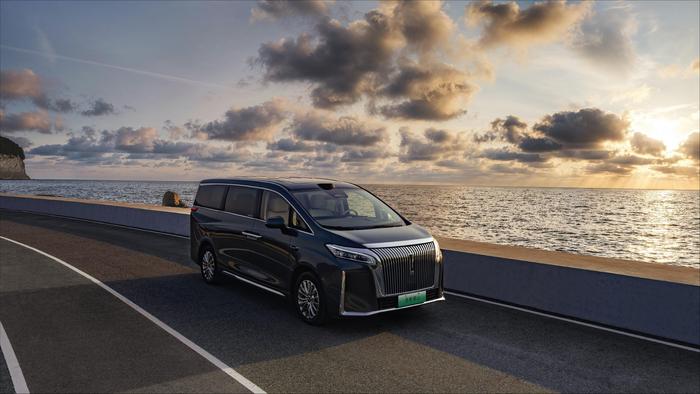
Core Insights - Great Wall Motors achieved record revenue and profit in Q2 2025, with revenue of 52.316 billion yuan and net profit of 4.586 billion yuan, alongside a total sales volume of 312,000 vehicles, marking its best Q2 performance in history [1][2] - The company has entered a new cycle of high-quality growth, successfully increasing both sales volume and average vehicle price, which reached 175,400 yuan, reflecting a 2.1% year-on-year increase and a 6.3% quarter-on-quarter increase [1][2] Financial Performance - In Q2 2025, Great Wall Motors reported a 161.87% increase in profit compared to the previous quarter, showcasing its resilience amid market challenges [1] - The average selling price of vehicles has risen, indicating a growing acceptance of the brand among higher-end consumer segments [1][2] Market Strategy - Great Wall Motors is focusing on high-value models and has successfully launched the new Wei brand model, Gao Shan, which has gained significant traction in the mid-to-large MPV market [4][5] - The company is not engaging in price wars but is instead enhancing product value and maintaining quality, as demonstrated by the performance of models like the Haval Menglong and Haval Big Dog Plus [6][8] Product Development - The new models, such as the Tank 500 and Gao Shan, are designed to meet diverse consumer needs, combining luxury, performance, and practicality [5][6] - Great Wall Motors is leveraging its technological advancements, such as the Hi4 intelligent hybrid system, to enhance vehicle performance and efficiency [6][12] Competitive Advantage - The company is building a competitive moat through three main pillars: technology, off-road capabilities, and globalization, rather than relying on short-term marketing tactics [9][11] - Great Wall Motors is committed to a long-term strategy that emphasizes sustainable growth and brand trust, as evidenced by its international expansion and local manufacturing initiatives [11][15] Future Outlook - The company is expected to continue its growth trajectory by integrating smart technology into more models and expanding its presence in international markets [16] - Great Wall Motors is not just focused on immediate sales but is also working on establishing a long-term brand value and consumer trust [16]

科技不再是唯一武器,小鹏P7靠什么闯进纯电前三?
Tai Mei Ti A P P· 2025-08-30 10:30
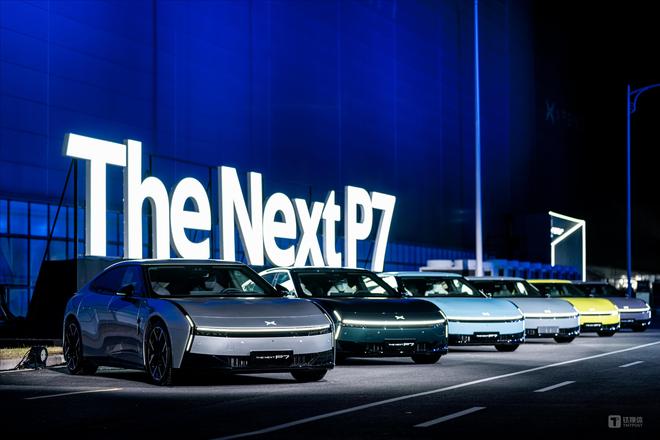
Core Viewpoint - The launch of the new XPeng P7 marks a significant milestone for XPeng Motors, with the company aiming to position itself among the top three in the pure electric vehicle market despite a one-year delay in its release [2][3]. Product Launch and Features - The new XPeng P7 is available in four models with prices ranging from 219,800 to 301,800 yuan, featuring advanced technology such as the Turing chip and 5C ultra-fast charging [2][3][4]. - The vehicle boasts a low drag coefficient of 0.201Cd, enhancing its range by 90 kilometers, and includes a spacious interior with a 3008mm wheelbase [3][4]. - The P7 is equipped with an 800V high-voltage architecture, allowing for a 10-minute charge to provide 525 kilometers of range, and features three Turing chips for a total computing power of 2250 TOPS [4]. Market Strategy and Positioning - XPeng aims to break the perception of being a "tech enthusiast's brand" by enhancing the P7's luxury and quality appeal, positioning it against high-end models like the Porsche Panamera [3][4]. - The company has set a target to achieve profitability in the fourth quarter, with the P7's sales being crucial to this goal [3][4]. Marketing and Branding - The marketing strategy for the new P7 emphasizes aesthetic storytelling, showcasing design and beauty through social media and celebrity endorsements [4][5]. - XPeng is transitioning from a purely technology-driven brand to one that balances technology with design, aiming to attract a broader customer base [4][5]. Future Outlook and Product Development - The CEO of XPeng, He Xiaopeng, indicated that the automotive industry is moving towards a high-profit era, with plans to diversify into robotics and flying cars [5][6]. - The company plans to launch numerous new products over the next two years, with 2026-2027 being highlighted as a significant period for new model introductions [6][21]. Production Capacity and Sales Goals - XPeng has enhanced its production capacity through modular technology, aiming to compete for the top three positions in the electric sedan market [7][20]. - The company anticipates that the new P7 will exceed the sales performance of the previous model, with a goal of selling over 100,000 units [20][22].

阿里蒋凡首谈淘宝闪购:不能离开规模谈效率
Tai Mei Ti A P P· 2025-08-30 07:31
Core Viewpoint - Alibaba is positioning itself in the competitive landscape of instant retail, emphasizing the historical opportunity presented by near-field e-commerce rather than merely focusing on the intense competition in the food delivery sector [2][4]. Group 1: Market Strategy - Alibaba's strategy encompasses a comprehensive layout of "B2C e-commerce + instant retail + food delivery + offline," which is seen as more diversified compared to competitors [2][4]. - The company is not prioritizing the development of offline retail formats, focusing instead on enhancing its existing business models [3][4]. Group 2: Performance Metrics - In August, Taobao Flash Purchase reached a peak daily order volume of 120 million, with a weekly average of 80 million, leading to a 200% increase in monthly active buyers compared to April [5][6]. - The platform's daily active riders exceeded 2 million, marking a threefold increase since April, indicating significant growth in operational capacity [5][6]. Group 3: Economic Impact - The integration of Taobao Flash Purchase with the broader e-commerce business has resulted in a 20% increase in daily active users for the Taobao app, enhancing overall user engagement and advertising revenue [5][6]. - The company anticipates that the Flash Purchase and instant retail segments will generate an additional 1 trillion yuan in transactions over the next three years, driven by the onboarding of one million brand stores [4][12]. Group 4: Operational Efficiency - Alibaba is focusing on improving operational efficiency through user structure optimization, order structure enhancement, and cost reduction in logistics, with expectations of halving losses in unit economics [6][8]. - The company is transitioning Tmall Supermarket from a traditional B2C model to a near-field Flash Purchase model, aiming for faster delivery while maintaining competitive pricing [10][11]. Group 5: Industry Dynamics - The shift from a single dominant player in the food delivery market to multiple platforms is seen as beneficial for both merchants and consumers, fostering competition and innovation [7][12]. - The emergence of instant retail is viewed as an opportunity for B2C e-commerce platforms to adapt and transform in response to changing consumer demands and market dynamics [11][12].

星巴克们为什么需要新的“中国合伙人”
Tai Mei Ti A P P· 2025-08-30 06:38
Group 1: Starbucks Case Study - Starbucks is seeking local partners in China by selling a stake in its operations, with a valuation of up to $10 billion [2] - The company plans to retain 30% ownership while distributing the remaining shares among buyers, each holding no more than 30% [2] - Despite facing intense competition, Starbucks maintains a high growth rate in China, with store numbers projected to reach 7,828 by June 2025, accounting for about 20% of its global total [2] - Starbucks' market share has declined from 42% in 2017 to 14% in 2024, while its competitor Luckin Coffee has expanded to 24,097 stores, nearly three times the number of Starbucks locations in China [2] Group 2: IKEA's Strategy in China - Ingka Group, IKEA's sister company, is planning to sell 10 shopping centers in China for approximately 16 billion yuan, with the deal led by Taikang Life [3] - Ingka operates 10 shopping centers in China with a total investment of about 27.5 billion yuan and a leasing area of approximately 943,000 square meters [3] - The sale indicates a shift from a heavy asset management model to a lighter asset operation model due to significant operational pressures [3] Group 3: Challenges Faced by Foreign Enterprises - Foreign companies in China, particularly in the automotive sector, are experiencing increased anxiety due to competitive pressures and changing market dynamics [5] - Many foreign firms are struggling to adapt as they continue to view China primarily as a manufacturing hub, while local competitors have rapidly evolved [5] - Companies that do not innovate or adapt to local market demands are at risk of losing market share to domestic brands [6] Group 4: Innovation and Cultural Differences - The concept of "disruptive innovation" by Clayton Christensen is relevant to understanding the challenges faced by foreign companies in China [7][8] - Foreign firms often struggle with decision-making efficiency due to cultural differences and lengthy approval processes from headquarters [10][11] - The need for local leadership with a deep understanding of both the local market and the company's core values is critical for success in China [12][13] Group 5: Market Adaptation and Future Directions - Starbucks must evolve beyond incremental innovation to maintain its position in the market, especially against local competitors like Luckin and Manner [17] - The selection of local leaders who can bridge cultural gaps and drive strategic changes is essential for foreign brands to thrive in China [12][17] - The ability to adapt to the unique preferences of Chinese consumers will determine the future success of foreign brands in the market [12][17]