凤凰网财经

Search documents
招联消金业绩延续“三降”:“清退高风险客户”,但增长没了
凤凰网财经· 2025-09-04 13:28
Core Viewpoint - The consumer finance industry is experiencing a shift, with most licensed consumer finance institutions showing growth in revenue and net profit, while Zhaolian Consumer Finance (Zhaolian) reports declines in total assets, revenue, and net profit for the first half of 2025, despite maintaining the highest net profit in the industry at 1.504 billion yuan [2][5]. Financial Performance - In the first half of 2025, Zhaolian's revenue was 7.899 billion yuan, a decrease of 14.77% year-on-year, and net profit was 1.504 billion yuan, down 12.76% year-on-year [2][3]. - As of June 30, 2025, Zhaolian's total assets were 157.722 billion yuan, a reduction of 60.29 billion yuan from the end of 2024, representing a decline of 3.68% [2][3]. - Zhaolian's performance has been declining since 2024, marking the first time in nine years that both revenue and net profit have decreased [2][5]. Market Environment - The complex macroeconomic environment is a significant external factor contributing to Zhaolian's performance decline, with slow recovery in consumer credit demand and increased caution among consumers regarding borrowing [5]. - The consumer finance industry has entered a phase of stock competition, limiting growth opportunities for leading institutions like Zhaolian, which has seen simultaneous declines in total assets, revenue, and net profit since 2024 [5]. Historical Growth Trends - Zhaolian previously maintained high growth rates, with revenue growth exceeding 50% from 2016 to 2019, peaking at 1070% in 2016 [6]. - However, revenue growth sharply declined to 9.8% in 2022, rebounded to 12% in 2023, and then fell again to -11.65% in 2024 [6]. Revenue Sources - In 2024, Zhaolian's net interest and fee income decreased by 11.63% year-on-year, primarily due to a reduction in business scale, although it remained the main source of operating income [6][9]. - The company also has a small amount of non-interest and fee income, mainly from government subsidies [6]. Product Performance - In 2024, Zhaolian's "Good Period Loan" balance decreased to 99.13 billion yuan, down 8.57%, and "Credit Payment" balance fell to 69.649 billion yuan, down 5.51% [9][11]. - The company faces significant customer acquisition and retention pressures in an increasingly competitive market [9]. Asset Quality and Risk Management - Zhaolian's debt scale decreased alongside its business scale, with interest expenses relative to average interest-bearing liabilities declining by 0.45 percentage points [13]. - The company's non-performing loan (NPL) ratio improved to 1.95% in 2024, a significant decrease of 0.5 percentage points from the previous year [13][14]. - Zhaolian actively wrote off high-risk customers and increased lending to low-risk customers to stabilize asset quality, with a 23.32% year-on-year increase in the write-off of non-performing loans [15].


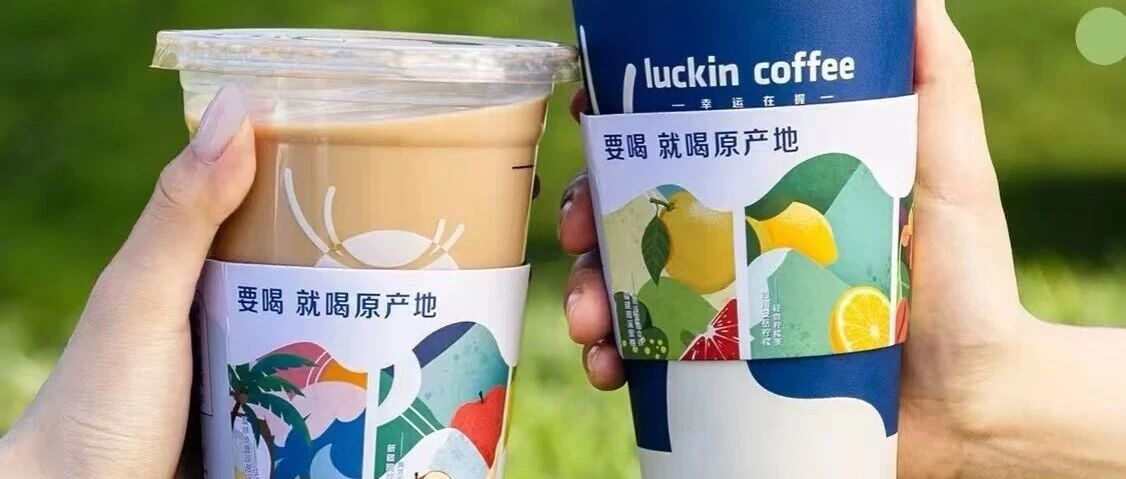
从印尼椰岛到横州茉莉园区:解码瑞幸的“原产地集群”战略
凤凰网财经· 2025-09-04 13:28
Core Viewpoint - The article emphasizes the transformative power of supply chains in reshaping consumer habits and market dynamics, particularly in the beverage industry, as exemplified by the success of Norwegian salmon and the current strategies of companies like Luckin Coffee [1][3][36]. Group 1: Beverage Industry Trends - The current beverage market is experiencing a shift where supply chain capabilities are becoming the primary driver of consumer experience rather than consumer demand itself [3]. - The Chinese ready-to-drink beverage market is projected to reach a scale of 627.9 billion yuan in 2024, with a compound annual growth rate of 23% over the past five years [4]. - The competition in the beverage industry has intensified, leading to price wars and a decline in average transaction prices among leading brands [6]. Group 2: Supply Chain Strategies - Companies are increasingly focusing on upstream supply chain battles, particularly in sourcing high-quality raw materials from tea gardens, fruit orchards, and coffee plantations [4]. - Luckin Coffee has established a "Origin Cluster" strategy, securing high-quality raw materials from various regions globally, which enhances its supply chain stability and product quality [8][19]. - The establishment of a robust supply chain allows companies to achieve cost advantages and maintain consistent product quality, which is crucial in a highly competitive market [6][21]. Group 3: Luckin Coffee's Competitive Edge - Luckin Coffee's "Origin Festival" campaign highlights its commitment to quality by promoting products sourced from specific regions, thereby enhancing brand recognition and market competitiveness [14][15]. - The company's extensive procurement agreements, such as a five-year contract for 240,000 tons of coffee from Brazil, demonstrate its proactive approach to securing raw materials [19][21]. - Luckin Coffee's ability to define industry standards, such as the first "light milk tea" standard, positions it as a leader in the market, shifting from a mere purchaser to a standard setter [22][27]. Group 4: Market Dynamics and Future Outlook - The beverage industry is witnessing a rapid cycle of product innovation, but many brands struggle to create lasting differentiation, leading to a "new product - imitation - internal competition" cycle [32]. - The true competitive advantage lies in controlling upstream resources and establishing a sustainable supply chain, which is essential for long-term success in the beverage market [35][36]. - Luckin Coffee's strategic focus on global sourcing and supply chain integration is setting a new standard for the industry, potentially reshaping the competitive landscape of the ready-to-drink beverage sector [36][38].

3亿押注以太坊,马云在下一盘什么棋?
凤凰网财经· 2025-09-04 13:28
Core Viewpoint - Yunfeng Financial's recent acquisition of 10,000 Ethereum (ETH) for $44 million signals a strategic shift and renewed interest in the company, previously overshadowed since its 2018 acquisition of Wan Tong Insurance [3][11]. Group 1: Company Background - Yunfeng Financial, originally founded as Wansheng International Securities in the 1980s, has evolved into a significant player in the financial industry, especially after its rebranding in 2015 following a major capital operation led by Jack Ma and Yu Feng [4][5]. - The company aims to become a comprehensive financial group akin to Charles Schwab, with ambitions extending beyond traditional finance into insurance and asset management [8]. Group 2: Recent Developments - The stock price of Yunfeng Financial has surged by 239% year-to-date, reflecting investor optimism regarding Jack Ma's return and the company's strategic repositioning towards Web 3.0 and digital assets [11]. - The acquisition of Ethereum is seen as a foundational move to leverage blockchain technology for enhancing operational efficiency in insurance and asset management [12][14]. Group 3: Strategic Implications - The choice of Ethereum over Bitcoin is strategic; Ethereum's capabilities as a platform for complex applications align with Yunfeng Financial's goals of improving processes like insurance claims and cross-border settlements through smart contracts [13]. - The recent regulatory environment in Hong Kong, including the introduction of stablecoin regulations, positions Yunfeng Financial favorably to explore innovative financial products and services [14][21]. Group 4: Future Outlook - The integration of Yunfeng Financial's existing financial services with Ant Group's payment solutions and blockchain technology could lead to the development of new financial products, such as "on-chain Yu'ebao" and tokenized insurance [19][20]. - Hong Kong's regulatory framework and its status as a financial hub provide an ideal testing ground for these innovations, potentially allowing Yunfeng Financial to expand its influence across Southeast Asia and beyond [21].

纯电拐点来了,李斌的坚持有了回报
凤凰网财经· 2025-09-04 13:28
Core Viewpoint - The increasing consumer acceptance of pure electric vehicles is evident, with 80% of new ES8 pre-orders coming from owners of range-extended and fuel vehicles, indicating a shift in market sentiment towards electric vehicles [1] Group 1: Product Launch and Market Response - The new ES8 has received a strong market response, with expectations for its pre-order performance to exceed that of the recently launched L90, which achieved over 10,000 deliveries in just 29 days [1] - The enthusiasm for the new ES8 and L90 has led to a significant increase in production capacity, with plans for L90 to reach 15,000 units per month in October and the new ES8 to achieve 10,000 units in October and 15,000 units in December [1] Group 2: Supply Chain and Production Capacity - The company is actively adjusting its supply chain in response to the high demand for the new models, indicating a collaborative effort with partners to meet production goals [1] - The production capacity for both the L90 and new ES8 is being ramped up, showcasing the company's ability to respond to market demand effectively [1] Group 3: Strategic Positioning and Brand Synergy - The company emphasizes its long-term commitment to electric vehicle technology and product planning, which has allowed it to maintain a competitive edge in the market [3] - The three brands under the company—NIO, Ladao, and Firefly—are demonstrating strong synergy, sharing R&D and design capabilities while catering to distinct customer segments [3] Group 4: Innovation and Market Trends - The company identifies the need for innovation in addressing customer pain points, such as storage space in large SUVs, which has been a focus in the design of the new models [4] - The battery-as-a-service (BaaS) model is seen as a key competitive advantage, with expectations for it to become more prominent as the market for electric vehicles expands [4] Group 5: Financial Performance and Future Outlook - In Q2, the company delivered 72,056 vehicles, a year-on-year increase of 25.6%, with revenue reaching 19.01 billion, reflecting a 9.0% year-on-year growth [4] - The company projects Q3 deliveries between 87,000 and 91,000 vehicles, with revenue expectations of 21.81 billion to 22.88 billion, indicating a strong growth trajectory [4]


老板电器遭遇增长危机:中报营利双降,渠道端发展受挫
凤凰网财经· 2025-09-04 13:28
Core Viewpoint - The company, Boss Electric, reported a decline in both revenue and net profit for the first half of 2025, indicating challenges in its core product categories and overall market performance [2][3][4]. Group 1: Revenue and Profit Decline - In the first half of 2025, Boss Electric's revenue was 4.608 billion, a year-on-year decrease of 2.58%, while the net profit attributable to shareholders was 712 million, down 6.28%, marking two consecutive years of profit decline [2][3]. - The company's reliance on its core products, particularly range hoods and gas stoves, has led to significant revenue pressure, with these categories contributing over 70% of total revenue [4][3]. Group 2: Product Performance - The revenue from range hoods and gas stoves was 2.205 billion and 1.156 billion respectively, showing declines of 2.36% and 1.11% year-on-year [4]. - Emerging product categories such as integrated stoves, steam ovens, and others have not compensated for the decline in core products, contributing less than 30% to total revenue [4]. - Specific product categories like steam ovens and integrated stoves saw substantial declines, with year-on-year drops of 44.18% and 45.24% respectively [4]. Group 3: Channel Challenges - Boss Electric's three main sales channels—offline retail, online e-commerce, and renovation projects—are all facing challenges, particularly in the renovation market, which has seen a significant downturn [6][7]. - The company's market share in the renovation channel has decreased, dropping from first to second place, with a current market share of 24% [6]. - In the offline market, the brand's market share for range hoods fell to 31.2%, a decline of 0.7 percentage points year-on-year [7]. Group 4: Multi-Brand Strategy Issues - The company is pursuing a multi-brand strategy to cater to diverse consumer needs, but it faces challenges in brand positioning and market perception [9][10]. - The main brand, "Boss," is struggling to maintain its high-end image, with sales expenses significantly outpacing research and development investments, which decreased by 10.9% [10]. - The sub-brand "Mingqi" has not gained traction in the market, lacking distinct features and effective pricing strategies, leading to limited support for overall company performance [11].


曾经的“国产机皇”,被自己人撕开了最后的体面
凤凰网财经· 2025-09-04 04:15
Core Viewpoint - The article discusses the dramatic decline of Meizu, once a leading smartphone brand in China, highlighting internal conflicts, management issues, and market challenges that have led to its current struggles [1][3][12]. Group 1: Historical Context - Meizu was once a dominant player in the smartphone market, known for its Flyme operating system and a strong fan culture, achieving significant market share [4][20]. - The company was founded by Huang Zhang in 2003 and gained fame with the release of the Meizu M8 in 2009, which sold 100,000 units in two months and generated over 500 million in sales within five months [5][20]. - By 2018, Meizu's smartphone sales plummeted to 9.48 million units, a 46% year-on-year decline, ranking it seventh in the market [18][20]. Group 2: Recent Developments - The departure of key figures, including Li Nan in 2019, marked the end of the "Three Swordsmen" era for Meizu, leading to a significant decline in its market presence [3][12]. - The recent public feud between former Flyme head Yang Yan and Meizu has raised questions about the company's internal stability and future direction [1][9]. - Meizu's new product, the Meizu 22 series, has faced multiple delays, initially scheduled for release in July but postponed to September, raising concerns about the brand's reliability [7][21]. Group 3: Management and Talent Issues - Former employees have reported a significant loss of talent within Meizu, with claims that the current management lacks product knowledge and has failed to capitalize on available resources [12][13]. - The acquisition by Geely in 2022 marked the end of Huang Zhang's era, leading to further management changes and instability [13][20]. Group 4: Market Position and Strategy - Meizu's market share has drastically decreased, with its presence nearly nonexistent among the top five smartphone manufacturers in China as of 2025 [24][23]. - The company has attempted to reposition itself by entering the AI smartphone market, but its low-price strategy has not reversed its declining fortunes [21][23][26]. - The brand's reputation has suffered due to product quality issues and a lack of innovation, leading to a loss of consumer trust [19][20].

满帮营收创新高背后:一边抽佣,一边放贷
凤凰网财经· 2025-09-03 23:57
Core Viewpoint - Manbang Group's Q2 2025 financial report shows record revenue of 3.239 billion yuan and a net profit increase of 50.5% to 1.265 billion yuan, interpreted as a victory for freight digitization, but the company warns of a significant drop in Q3 revenue growth to 1.3%-4.6% due to rising costs and loss of shippers [1][2] Group 1: Tax Rebate Decline - The freight brokerage service, contributing 36.3% of total revenue, saw only a 1.1% increase in Q2 2025 revenue to 1.178 billion yuan, revealing its vulnerability tied to tax rebates [1][2] - In Q1 2023, tax rebates accounted for 66.92% of freight brokerage revenue, indicating a heavy reliance on government subsidies [2] - As local government financial pressures increase, the growth of tax rebates is slowing, forcing Manbang to pass costs onto shippers [2][5] Group 2: High Interest Rates and Driver Trust Crisis - Manbang's financial products, such as "Driver Loans" and "Manbang Loans," have led to high profits but also significant driver debt issues, with 62% of loan disputes showing actual annual interest rates exceeding 36% [6][8] - Complaints regarding high-interest loans and account suspensions have surged, indicating a growing trust crisis among drivers [8] - Regulatory scrutiny is increasing, with penalties imposed for failing to disclose loan information, highlighting the risks associated with the company's financial practices [8][10] Group 3: Competitive Pressures and User Retention - Despite a marketing spend of 120 million yuan in Q2 2025, new user growth has plummeted from 35% to 12%, and driver order acceptance rates have dropped from 68% to 52% [9] - Competitors like Huolala and Didi Freight are gaining market share, exacerbating Manbang's challenges in maintaining user retention and pricing stability [9][10] - Manbang is attempting to pivot by reducing R&D spending and investing in autonomous driving technology to restructure its cost base [9][10] Group 4: Financial Model and Market Response - Manbang's non-subsidy gross margin is only 15.2%, significantly below the industry expectation of 25%, indicating a need for a sustainable profit model [12] - Following the financial report, the stock price rose by 9.81%, but institutional ratings diverged, reflecting concerns over policy risks and user attrition [12] - The company's reliance on fiscal subsidies and financial arbitrage raises questions about the sustainability of its profit growth [12]


关税政策悬了!特朗普放狠话:输官司就废协议
凤凰网财经· 2025-09-03 22:39
Group 1: Market Performance - The U.S. stock market showed mixed results with the Nasdaq rising by 1.02% and the S&P 500 increasing by 0.51%, while the Dow Jones fell by 0.05% [1] - Major tech stocks had varied performances, with Google up over 9%, Apple up over 3%, and Tesla up over 1%, while Nvidia, Intel, and AMD saw slight declines [1] - The Nasdaq Golden Dragon China Index decreased by 0.19%, with mixed results among popular Chinese stocks [1] Group 2: Trade Policy Uncertainty - President Trump indicated that if U.S. courts rule his global tariff policy illegal, trade agreements with the EU, Japan, and South Korea may be nullified [2] - Trump emphasized that these agreements provided the U.S. with leverage to impose tariffs without retaliation, claiming they could lead to significant wealth for the country [2] - The legal uncertainty surrounding the tariff agenda could impact trillions of dollars in global trade, raising questions about Trump's authority to negotiate tariffs without these measures [3] Group 3: Economic Conditions - The Federal Reserve's latest Beige Book report indicated that economic activity across most regions of the U.S. remained unchanged in recent weeks [4] - The report highlighted that consumer spending was flat or declining due to wages not keeping pace with rising prices, with most districts reporting price increases [5] - Businesses have begun to raise prices to offset rising costs due to tariffs, while the labor market showed little net change in employment levels across most districts [6]

伊利股份,穿越“奶周期”
凤凰网财经· 2025-09-03 13:58
Core Viewpoint - The dairy industry is in a mild recovery phase, but Yili Co., Ltd. has already crossed the cycle ahead of time, delivering impressive results with a revenue of 61.933 billion yuan and a net profit of 7.016 billion yuan in the first half of 2025, marking a year-on-year growth of 3.37% and 31.78% respectively [1][5] Group 1: Financial Performance - Yili's net profit excluding non-recurring items surged by 31.78%, attributed to the proactive adjustments made by the company, rather than gains from asset disposals [2][5] - The first half of 2025 marks Yili's best-ever half-year report in terms of profit quality, indicating strong operational performance [5] Group 2: Business Growth Drivers - Yili's milk powder business has emerged as a "second growth curve," contributing significantly to overall performance, with revenues of 16.578 billion yuan, a year-on-year increase of 14.26% [7][10] - The company has diversified its product matrix, which has led to balanced growth across various segments, including liquid milk, milk powder, and cold drinks [6][9] Group 3: Channel Strategy - Yili has established a robust channel strategy, focusing on both traditional and emerging channels, with a significant portion of liquid milk sales now coming from new channels [11][12] - The company has streamlined its distributor network and reduced pressure on distributors by controlling inventory and providing marketing support, resulting in a decrease in contract liabilities and cash flow pressures [11][12]

三只松鼠上半年遇“盈利坎”:线上引擎增长放缓
凤凰网财经· 2025-09-03 13:58
Core Viewpoint - The company, Three Squirrels, reported a revenue increase of 7.94% year-on-year to 5.478 billion yuan in the first half of 2025, but faced significant profit pressure, with net profit and net profit excluding non-recurring items down 52.22% and 77.75% respectively compared to the previous year [1] Group 1: Financial Performance - In Q2 2025, the company experienced net losses of 1.01 billion yuan and 1.12 billion yuan for net profit and net profit excluding non-recurring items, respectively, with losses widening year-on-year [1] - The core product, nuts, generated revenue of 2.731 billion yuan in the first half of 2025, accounting for nearly 50% of total revenue, but saw a negative growth rate of 1.03% [2][3] - The overall gross margin for nut products decreased by 2.64% compared to the previous year, indicating pressure on profitability [3] Group 2: Strategic Initiatives - The company has shifted its slogan to "Let good products be popular among the public," indicating a focus on building a comprehensive product matrix and continuing the "high-end cost performance strategy" [2] - The company aims to reverse the revenue decline experienced over the past four years and has successfully returned to a revenue scale of over 10 billion yuan [1] Group 3: Cost and Procurement Challenges - Rising raw material costs for nuts and increased operational costs for both online and offline channels have significantly impacted profit margins [1][4] - The company reported a substantial increase in OEM product procurement, reaching 2.020 billion yuan in the first half of 2025, which is significantly higher than the 455 million yuan spent on raw material procurement [4][5] Group 4: E-commerce and Distribution - The traditional e-commerce platform has seen a slowdown in growth, with increased customer acquisition costs and market expenses impacting profitability [6][7] - Revenue from third-party e-commerce platforms grew by approximately 5.01% year-on-year, with Douyin contributing 1.478 billion yuan, representing 26.98% of total revenue [7][8] - The distribution business achieved a revenue of 938 million yuan, a year-on-year increase of 40.21%, but this growth is accompanied by increased market expenses [10]