美股研究社

Search documents
AI日报丨Anthropic起诉美国总统特朗普的国防部;网易“龙虾”LobsterAI 发布新版;英伟达将推出人工智能体开源平台
美股研究社· 2026-03-10 10:42
Core Insights - The article discusses the rapid development of artificial intelligence (AI) technology and its potential opportunities in the market [3]. Group 1: AI Industry Developments - A senior official from the U.S. Department of Defense stated that the possibility of resuming AI collaboration with Anthropic is nearly nonexistent due to a legal challenge regarding supply chain risks [5]. - Anthropic has filed a lawsuit against the U.S. Department of Defense over the classification of its technology as a supply chain risk, which has raised concerns about its potential use in mass surveillance and autonomous weapons [7]. - Microsoft is integrating AI into its Office productivity suite, raising the price of its new top-tier Microsoft 365 E7 subscription to $99 per user per month, which includes various AI tools [9]. - Nvidia plans to launch an open-source platform for AI agents called NemoClaw, allowing companies to deploy AI agents to perform tasks for employees [10]. - Apple is delaying the release of its smart home display due to bottlenecks in AI development, particularly with the new version of its digital assistant, Siri [11]. Group 2: Product Updates and Features - NetEase's LobsterAI has released version 0.2.2, which now integrates with major instant messaging platforms like WeChat and QQ, allowing users to issue commands and receive results via mobile devices [6].




8500 亿美元的难题:OpenAI IPO 可能是 AI 泡沫的第一道裂缝
美股研究社· 2026-03-10 10:42
Core Viewpoint - The article emphasizes that while narrative can inflate valuations in the venture capital market, only cash flow can price companies in the public market, highlighting a critical shift from narrative-driven to performance-driven valuation in the AI industry [1][2][4]. Group 1: AI Market Dynamics - The explosion of generative AI has led to unprecedented premiums in capital markets, with investors willing to overlook losses for companies associated with AI [2][6]. - OpenAI, as a leading company in the AI sector, has seen its valuation soar from several billion to approximately $850 billion, surpassing many traditional tech giants [7]. - The transition to the public market reveals a conflict in pricing, as OpenAI's valuation is based on a projected 28 times price-to-sales ratio for 2026, significantly higher than NVIDIA's 12 times, raising questions about the sustainability of such valuations [7][8]. Group 2: Investor Sentiment and Valuation Concerns - Feedback from institutional investors regarding OpenAI's IPO has been unexpectedly lukewarm, indicating skepticism about whether its valuation has already priced in future growth [8][10]. - Investors are increasingly using discounted cash flow models to assess OpenAI's value, revealing a lack of safety margin in its current valuation due to anticipated ongoing losses and high capital expenditures [8][10]. - The potential for a "pricing ceiling" is evident, as a forced IPO could lead to significant price adjustments, impacting both primary and secondary market dynamics [8][10]. Group 3: Structural Challenges in AI Companies - OpenAI's business model is under scrutiny, with projections indicating continued losses until at least 2030, necessitating substantial ongoing investments in model training and talent acquisition [10][11]. - The cost structure of generative AI, particularly the high expenses associated with GPU clusters and inference costs, poses a significant challenge for profitability [10][11]. - As competition intensifies, with other companies like Anthropic entering the market, OpenAI's technological advantages may not translate into sufficient pricing power, risking further erosion of profit margins [11][12]. Group 4: Historical Context and Future Implications - The article draws parallels between OpenAI's potential IPO and past tech bubbles, suggesting that the true test of AI valuations will occur when the company enters the public market [14][15]. - Historical precedents indicate that high valuations often collapse when companies fail to meet investor expectations post-IPO, which could lead to a broader reevaluation of the AI sector [15][16]. - OpenAI's IPO could serve as a critical stress test for the entire AI investment ecosystem, impacting liquidity and funding in the venture capital space [16][18]. Group 5: Conclusion and Future Outlook - The challenges faced by OpenAI signify a transition for the AI industry from a phase of growth at all costs to one where profitability and cash flow become essential for survival [18][19]. - The market may see a cleansing effect, where only companies that can demonstrate cost control and sustainable business models will thrive, while others may be eliminated [19][20]. - The ongoing evolution of the AI revolution suggests a shift towards a more rigorous evaluation of value creation, moving away from speculative narratives [21].
英伟达杀入 AI Agent 战场,一个万亿美元生态正在成形
美股研究社· 2026-03-10 10:42
Core Insights - The article emphasizes that the true turning points in technology industries often arise from the emergence of platform-level ecosystems rather than just core technology upgrades [1][2] - The current AI industry is at a critical juncture where competition is shifting from "compute power" to "operating systems" [3][4] Group 1: Nvidia's Strategic Shift - Nvidia is transitioning from a focus on GPU hardware to building an AI operating system with its platform, NemoClaw, which aims to dominate the AI agent era [5][12] - The CUDA ecosystem has been a key factor in Nvidia's dominance, binding developers to its platform and maintaining over 80% market share in AI training despite competitors developing their own chips [9][21] - The introduction of NemoClaw signifies a strategic move to extend Nvidia's monopoly from training to inference and application layers in the AI value chain [13][25] Group 2: Evolution of AI Industry Structure - The AI industry is evolving from a simple three-layer structure (model, compute, application) to a more complex five-layer system that includes agent frameworks and enterprise systems [16][18] - NemoClaw is positioned at the critical agent framework layer, similar to how Android operated in the mobile internet era, connecting hardware and applications [18][24] - This new structure suggests that AI agents will be integrated directly into enterprise software ecosystems, changing the dynamics of AI deployment in businesses [19][20] Group 3: Investment Opportunities - Future investment opportunities in the AI sector may shift from traditional GPU and cloud computing companies to new software companies that facilitate AI integration into business workflows [21][25] - The emergence of AI productivity tools and automation software will likely become more valuable than the models themselves, as they enable efficient and secure operation of AI within enterprises [21][25] - Nvidia's strategy indicates a potential shift in the AI investment landscape, where the focus will be on platforms that define how AI operates rather than just hardware sales [28]

孙正义的杠杆周期:当软银暴跌,市场在害怕什么
美股研究社· 2026-03-10 10:42
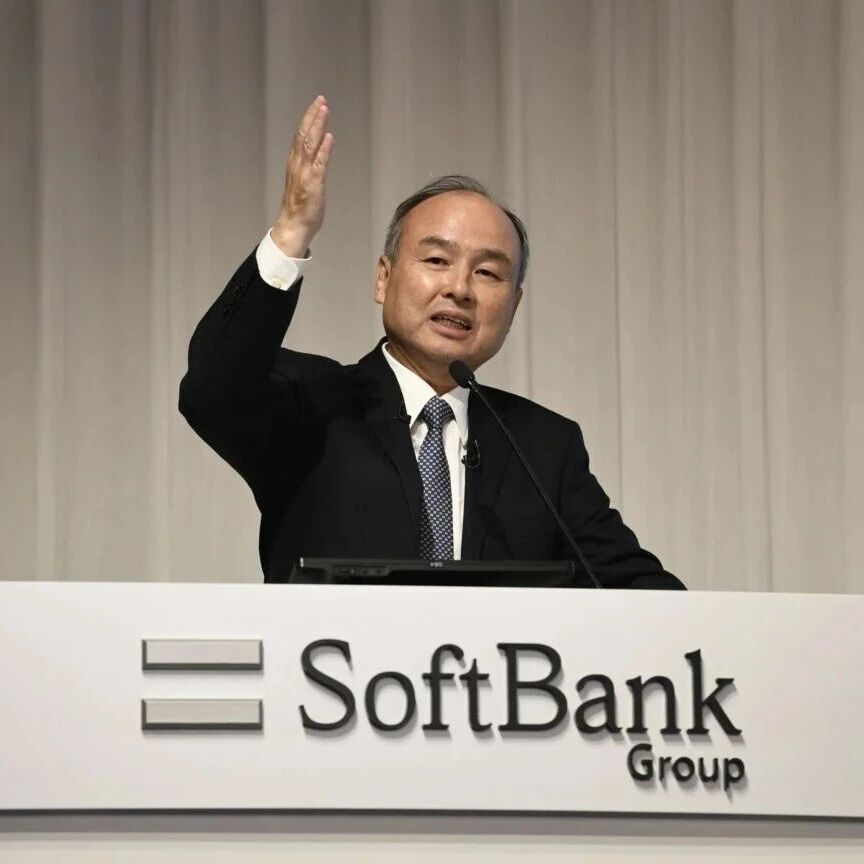
Core Viewpoint - SoftBank Group is viewed as a "magnifier" of market sentiment, where its stock price fluctuations signal broader trends in the technology sector, particularly during periods of high leverage and concentrated investments in technology narratives [1][3]. Group 1: SoftBank's Role in the Market - SoftBank is characterized as a unique entity in the global tech investment landscape, functioning more like a "technology-themed leveraged fund" rather than a traditional venture capital firm or a typical public company [5]. - The company's stock price is highly sensitive to market liquidity and investor sentiment, often experiencing greater volatility than the broader tech sector [7][8]. - SoftBank's stock movements often precede broader market shifts, acting as an early indicator of changing investor sentiment towards high-risk technology investments [8][10]. Group 2: Historical Context and Current Trends - In early 2021, SoftBank's stock began to decline even as the tech sector was experiencing a boom, foreshadowing the subsequent market downturn that occurred later that year [10]. - The current decline in SoftBank's stock is attributed to concerns over its significant investments in OpenAI, with the company having invested approximately $64.6 billion and committed to further funding [10][11]. - Similar to past trends, the market is now questioning the sustainability of the AI industry's profitability, which could lead to a broader reevaluation of tech valuations [11][14]. Group 3: Implications for the AI Sector - The focus of SoftBank's recent stock decline is on the capital narrative surrounding generative AI, with OpenAI representing a critical player in this space [13][14]. - As market enthusiasm shifts to a more rational perspective, doubts are emerging about whether AI companies can justify their high valuations amidst ongoing cash burn and substantial capital requirements [14][15]. - If the narrative surrounding AI falters, SoftBank could face significant pressure, potentially leading to a broader reassessment of the entire AI application sector's valuation framework [14][15]. Group 4: Future Outlook - The current situation suggests that the AI bull market may be entering its first real stress test, with investors increasingly demanding tangible profits and cash flows rather than just compelling narratives [15][16]. - SoftBank's stock fluctuations serve as a reminder that during periods of leveraged retreat, defensive strategies may be more prudent than aggressive investments [16].

泡沫、关税与央行独立性:94 岁巴菲特留给市场的“最后遗产”
美股研究社· 2026-03-09 11:12
Group 1 - The current S&P 500 index has a price-to-earnings (PE) ratio exceeding 22, a level that has historically only occurred during the 2000 internet bubble and the 2020 liquidity-driven bull market, both of which ended in significant bear market corrections [5][6] - Berkshire Hathaway, led by Warren Buffett, holds a record cash reserve of $334 billion, surpassing the foreign exchange reserves of many countries, signaling a cautious approach amidst market exuberance [5][16] - The combination of high valuations and macroeconomic uncertainty poses a significant risk, as high valuations can persist only with ample liquidity and compelling growth narratives [7][8] Group 2 - The current market narrative has been driven by expectations of profit growth from the AI revolution and a declining inflation rate leading to a loosening monetary policy, which has led to inflated tech stock valuations [8][9] - Trade policy uncertainties have raised the average U.S. import tariff to its highest level in nearly 90 years, with over 80% of the costs expected to be borne by U.S. businesses and consumers, potentially squeezing corporate profit margins [9][10] - Concerns about the independence of the Federal Reserve are growing, as political pressures on monetary policy could undermine the foundation of asset pricing, leading to a potential spike in long-term interest rates and a compression of growth stock valuations [10][11] Group 3 - Corporate earnings growth expectations are being revised downward, indicating a dangerous phase where declining profit expectations coexist with high valuations, a scenario that historically does not last long [11][12] - The "scissors gap" between declining earnings expectations and high valuations often leads to market corrections, either through falling stock prices or valuation compression, with tech giants like Tesla and Meta Platforms being particularly vulnerable [12][13] - Investors are currently overly optimistic about AI's potential, neglecting the challenges of short-term profit realization, which could lead to significant volatility during earnings season if growth does not meet expectations [13][14] Group 4 - Buffett's cash reserve of $334 billion reflects a profound understanding of market cycles, emphasizing the importance of maintaining liquidity during periods of market optimism and fear [15][16] - Historically, Buffett's strategy has involved exercising restraint during market highs and providing liquidity during times of panic, highlighting the value of cash as a scarce asset that offers flexibility [16][17] - The key takeaway for investors is to build risk awareness and maintain cash reserves to capitalize on opportunities when they arise, rather than being fully invested at market peaks [17][18]

史上最大 IPO 将诞生:SpaceX 上市,重写科技公司的边界
美股研究社· 2026-03-09 11:12
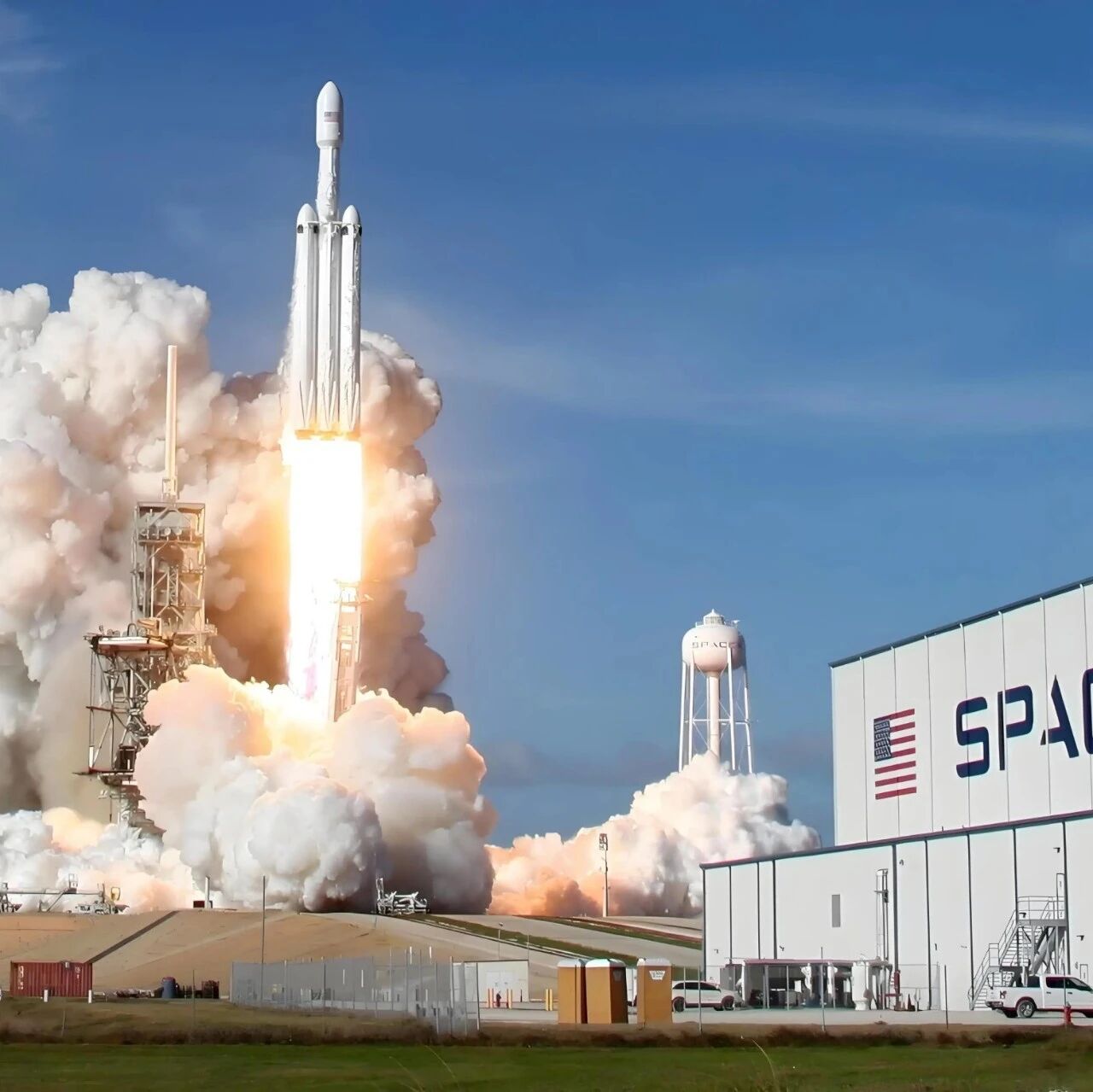
Core Viewpoint - SpaceX is preparing for an IPO with a target valuation of $1.75 trillion, which would make it the largest IPO in history, surpassing Saudi Aramco's record [1][3][16]. Group 1: Business Model Transformation - SpaceX is evolving from a rocket company to a comprehensive space infrastructure provider, with Starlink satellite internet as its core asset [6][7]. - Starlink has reached 9.2 million active users by the end of 2025, doubling in 15 months, and is projected to generate over $10 billion in revenue in 2025, potentially exceeding $24 billion in 2026 [7][8]. - The revolutionary architecture of Starlink allows for global coverage without the heavy infrastructure costs associated with traditional telecom companies, positioning SpaceX as a vertical platform with both launch capabilities and satellite networks [8][9]. Group 2: Integration of AI - SpaceX's acquisition of xAI integrates AI capabilities into its space infrastructure, creating a new technological platform [11]. - The combination of low Earth orbit satellite networks, AI data centers, and satellite systems for data collection positions SpaceX to control network, computing power, and data simultaneously, enhancing its value proposition [12][13]. - This integration could lead to unprecedented applications, merging physical and digital worlds, and redefining the boundaries of technology companies [14]. Group 3: Market Implications - The successful IPO of SpaceX could redefine capital market narratives, introducing a new asset class focused on space infrastructure companies [17][18]. - Investors are considering Tesla shares as a potential indirect entry point into SpaceX, especially if Tesla shareholders are given priority in the IPO [19][20]. - The IPO may signal a shift in technological competition from Earth-based innovations to space infrastructure, potentially marking the beginning of a new era in tech investment [22][23]. Group 4: Future Outlook - The merging of space internet and AI could lead to the emergence of the next trillion-dollar company outside of traditional tech hubs like Silicon Valley [24]. - Understanding the paradigm shift represented by SpaceX's IPO is crucial for investors to capitalize on future opportunities in the evolving landscape of technology and infrastructure [26].
VIX 快破 30 了,美股艰难的一周又开始了
美股研究社· 2026-03-09 11:12
Core Viewpoint - The current market risks are not merely about stock price declines but rather a shift in narrative, as indicated by the rising CBOE Volatility Index (VIX) approaching 30, suggesting a transition from a bullish to a defensive market stance [2][3]. Group 1: Macroeconomic Factors - The macroeconomic environment that previously supported the stock market is being shaken by new variables, including rising oil prices due to geopolitical conflicts, renewed inflation uncertainties, and weakened expectations for interest rate cuts [3][6]. - Historical data shows that rising oil prices during geopolitical tensions often lead to concerns about inflation rather than supply shortages, as energy prices are a direct catalyst for inflation [6]. - The Federal Reserve's high interest rates, maintained above 5% from 2022 to 2024, were initially expected to ease by 2025-2026, but rising oil prices could fundamentally alter this narrative, delaying potential rate cuts [6][7]. Group 2: Market Structure and Sector Performance - The current market has developed a clear four-layer structure, indicating a divergence in capital flows. The most resilient sectors include energy and certain defense industries, which benefit from rising oil prices [12]. - AI hardware and infrastructure companies are also attracting capital due to their clear orders and technological barriers, viewed as essential in the ongoing AI development trend [12]. - Conversely, sectors like transportation, airlines, and discretionary consumer goods are highly sensitive to energy prices, with rising oil costs likely to lead to downward revisions in earnings expectations [12][13]. - Small-cap stocks and high-leverage cyclical stocks are facing significant challenges due to high financing costs and growth uncertainties, leading to underperformance compared to larger indices like the S&P 500 [13]. Group 3: Upcoming Economic Indicators - The upcoming U.S. CPI data is critical for the Federal Reserve's decision-making. A sustained decline in core inflation could maintain optimistic market expectations for rate cuts, while an unexpected rise would necessitate a reevaluation of the entire rate-cutting cycle [9][10]. - The technology sector is approaching a pivotal moment with earnings reports from companies like Oracle and Adobe, which will serve as key indicators of AI investment returns. The substantial capital expenditures in AI, projected to exceed $200 billion by 2025, raise questions about the timing of revenue and profit realization [10]. Group 4: Investment Strategy and Market Signals - As the VIX approaches 30, the market is entering a phase characterized by conflicting narratives between AI-driven profit growth expectations and macroeconomic pressures from energy and inflation [15]. - Investors are advised to focus on three key signals: the trajectory of oil prices, movements in U.S. Treasury yields, and the performance of technology stocks. Maintaining balance among these factors could allow for structural market opportunities [15].

当 AI 算力飞向太空:美国科技资本正在重走“苏联”的路
美股研究社· 2026-03-09 11:12
Core Viewpoint - The article discusses the emerging trend of relocating data centers to space as a potential solution to the limitations faced by the AI industry, highlighting the historical parallels with the Soviet Union's resource misallocation in technology development [1][3][12]. Group 1: Space as a Solution - The current AI boom has led to a misconception that the bottleneck lies in chip production, while the real constraints are energy and land availability [5][11]. - The construction of large data centers in the U.S. faces a "triple constraint" of lengthy power approval processes, land and environmental restrictions, and rising cooling system costs [5][11]. - Some companies are seriously considering extreme solutions, such as relocating data centers to space, to overcome these terrestrial limitations [5][6]. Group 2: Economic Viability of Space Data Centers - The feasibility of space data centers is questioned, with estimates suggesting that building a 1GW space data center could exceed $100 billion, significantly higher than ground-based alternatives [9][10]. - Current launch costs range from $1,500 to $3,600 per kilogram, and to be economically viable, these costs would need to drop below $300 per kilogram, requiring an 80% reduction [9][10]. - The extreme conditions in space necessitate advanced hardware that can withstand high-energy cosmic radiation, complicating maintenance and increasing costs [10][11]. Group 3: Historical Parallels and Industry Implications - The article draws parallels between the current U.S. tech capital trends and the Soviet Union's past, where resources were heavily invested in grand projects at the expense of commercial efficiency [12][14]. - The focus on massive infrastructure projects in AI, such as space data centers, signals a potential decline in marginal returns and a shift towards "national engineering" rather than commercial viability [14][15]. - The discussion of relocating data centers to space may indicate that the growth potential in the terrestrial realm is becoming insufficient, marking a critical point in the AI narrative [15].

标普 500 大换血:AI 基础设施正式接管美股核心指数
美股研究社· 2026-03-09 11:12
Core Viewpoint - The recent adjustment of the S&P 500 index signifies a shift in capital focus from the "internet consumption era" to the "AI infrastructure era," reflecting a deeper restructuring of core assets in the U.S. stock market [2][3]. Group 1: Index Adjustment and Its Implications - The S&P 500 index adjustment is not merely a numerical change but a significant acknowledgment of new industrial realities by Wall Street, indicating a transition in investment focus [2][3]. - Four companies—Vertiv Holdings, Lumentum Holdings, Coherent Corp., and EchoStar—are entering the index, while Match Group, Molina Healthcare, Lamb Weston, and Paycom Software are being removed, highlighting a clear industrial divide [6][8]. - The companies being replaced represent stable growth and mature business models from the previous decade, while the new entrants are aligned with the burgeoning AI infrastructure theme [6][9]. Group 2: AI Infrastructure Focus - The new entrants into the S&P 500 are primarily focused on AI infrastructure, which is becoming increasingly critical as demand for AI capabilities surges [7][10]. - Vertiv Holdings, a key player in data center power and cooling systems, has seen significant stock price increases due to real growth in orders driven by AI data center demands [9][10]. - The importance of light communication technologies and satellite communications is underscored by the inclusion of Lumentum Holdings, Coherent Corp., and EchoStar, indicating a shift towards the physical infrastructure necessary for AI operations [7][10]. Group 3: Capital Flow and Market Dynamics - The S&P 500 serves as a massive passive investment anchor, with over $7 trillion in ETFs and index funds, meaning that companies entering the index will experience forced buying from passive funds regardless of short-term outlooks [8][9]. - The structural flow of funds into companies like Vertiv is crucial, as the market anticipates that global AI data center investments could exceed $1 trillion by 2030, indicating a significant capital expenditure cycle [9][12]. - The market is beginning to recognize the scarcity and technological barriers associated with infrastructure companies, which are now seen as essential to supporting AI advancements [10][12]. Group 4: Historical Context and Future Outlook - The current phase of the AI industry mirrors historical technology cycles, where the focus shifts from application to infrastructure, suggesting that the next winners may not be the model companies but those providing essential support [11][12]. - Infrastructure investments typically have a lag effect but can lead to substantial and sustained growth once initiated, indicating a long-term opportunity for companies in this space [12]. - The recent index adjustment may signify a maturation of the AI revolution, moving from conceptual discussions to tangible infrastructure investments that support the digital economy [12][13].

AI日报丨AI “养龙虾”火了!上市公司扎堆回应,苹果或推出三款Ultra新品
美股研究社· 2026-03-09 11:12
Group 1 - The article highlights the rapid development of artificial intelligence (AI) technology, presenting significant opportunities in the market [3] - Omdia forecasts that global AI glasses shipments will reach 8.7 million units by 2025, representing a substantial year-on-year growth of 322%, with Meta holding a dominant market share of 85.2% [5] - OpenAI's robotics team lead resigned due to concerns over the company's AI dealings with the Pentagon, emphasizing the need for more oversight in AI applications related to national security [8] Group 2 - Multiple listed companies in the A-share market are responding to investor inquiries regarding OpenClaw, indicating a growing interest in AI applications in various sectors [6] - Apple plans to launch at least three new Ultra-level devices this year, including a foldable iPhone priced around $2000, AirPods Ultra, and a MacBook Ultra, indicating a strategic shift towards higher-end products [10] - Nscale, an AI data center startup, has achieved a valuation of $14.6 billion after raising $2 billion in funding, with plans to accelerate AI infrastructure development across Europe, North America, and Asia [11]