虎嗅APP

Search documents
斩杀线风云:富人无国籍,穷人无国界
虎嗅APP· 2026-01-11 02:45
Core Viewpoint - The article presents a dark and grotesque portrayal of life in America, particularly focusing on the experiences of marginalized communities, drug addiction, and the extreme measures people take to survive in a society that often neglects them [5][10][97]. Group 1: Urban Legends and Dark Narratives - The narrative includes various urban legends and horror stories that reflect the grim realities faced by individuals in America, such as the "Seattle Halloween Cold Rain Night Incident," where many homeless individuals died due to cold weather [12][13]. - The character "牢A" shares bizarre and gruesome tales from his experiences as a body collector, including the idea of extracting drugs from the ashes of drug addicts, which is debunked by experts but highlights the absurdity of urban myths [18][22]. - The article discusses the "尸骨冢" metaphor, illustrating the dire conditions of homeless encampments where drug use leads to death and exploitation [24][26]. Group 2: Societal Critique - The piece critiques the American healthcare and social welfare systems, suggesting that they fail to protect the most vulnerable, leading to a cycle of poverty and despair [104][106]. - It highlights the concept of the "ALICE Threshold," indicating that a significant portion of the population lives below the necessary income level to meet basic needs, exacerbating their struggles [104][106]. - The article argues that the American society operates like a "subscription-based" system, where access to essential services is contingent upon financial capability, leaving many without support [112][113]. Group 3: Cultural Reflections - The stories shared by "牢A" resonate with themes found in popular culture, suggesting that many horror films and urban legends are rooted in real societal issues, blurring the lines between fiction and reality [56][60]. - The article posits that the extreme narratives serve as a reflection of the collective emotions and fears of the American populace, particularly regarding class disparity and systemic neglect [97][100]. - It emphasizes the role of social media in amplifying these narratives, creating a platform for both belief and skepticism regarding the authenticity of such stories [69][71].


45万辆共享电单车,从县城跑向港股
虎嗅APP· 2026-01-11 02:45
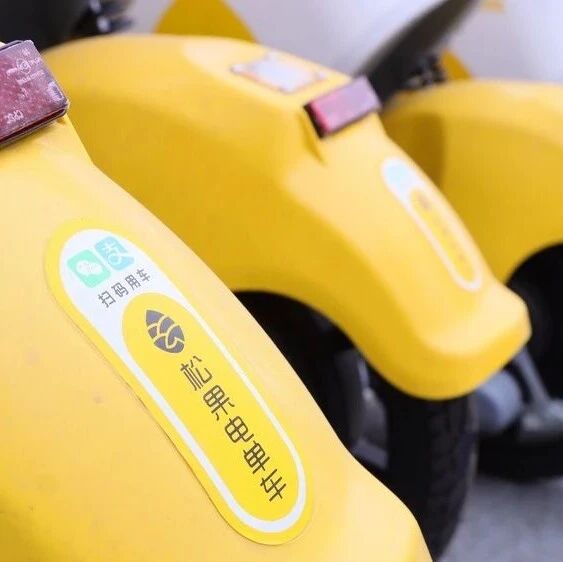
Core Viewpoint - The article discusses the recent IPO attempt of Pinecone Wisdom Inc., the parent company of the shared electric bike service, Songguo Travel, highlighting the challenges and market dynamics of the shared electric bike industry in China [5][6]. Group 1: Company Overview - Songguo Travel has filed for an IPO on the Hong Kong Stock Exchange, marking its second attempt after a failed attempt to list in the U.S. in 2021 due to unfavorable market conditions [6]. - The company reported revenues of 9.53 billion RMB, 9.63 billion RMB, and 7.46 billion RMB for the first three quarters of 2023, 2024, and 2025, respectively, with adjusted net profits in a loss state for 2023 and 2024, but expected to turn profitable in 2025 [6][7]. Group 2: Market Dynamics - The shared electric bike market has faced regulatory challenges, with a significant slowdown in growth due to government restrictions in major cities, although lower-tier cities have seen some relaxation of these regulations since 2019 [8][19]. - The market for shared electric bikes is projected to reach 22.1 billion RMB by 2025, with major players like Hello, Didi, and Meituan dominating the market, while Songguo Travel ranks fourth with a market share of 6.6% [8][20][27]. Group 3: Business Model and Financial Performance - Songguo Travel operates on a heavy asset leasing model, generating revenue primarily from bike rentals, which accounted for 98.1%, 97%, and 93.6% of total revenue in 2023, 2024, and 2025, respectively [13][14]. - Despite a slight increase in gross margin from 15.8% in 2023 to 24.3% in 2025, the company has faced cumulative adjusted losses of 97.75 million RMB, with a significant portion of losses occurring in the fourth quarter of 2024 [15][16]. Group 4: Competitive Landscape - The article notes that while shared electric bikes have a better unit economics model compared to shared bicycles, the market is becoming saturated, with a projected compound annual growth rate (CAGR) of only 8.3% from 2025 to 2029 [19][20]. - Songguo Travel's strategy includes expanding into higher-tier cities and diversifying its business, although it faces challenges in competing with larger players who benefit from ecosystem advantages [30][31]. Group 5: Future Prospects - The company aims to use the funds from its IPO to expand its market coverage, enhance AI and data analytics capabilities, and explore international expansion opportunities [26][27]. - However, the article raises concerns about the attractiveness of being a smaller player in a market that is losing investor interest, questioning whether Songguo Travel can achieve sustainable profitability in the long term [32].
牛肉涨价,第一批“倒下”的会是谁?
虎嗅APP· 2026-01-11 02:45
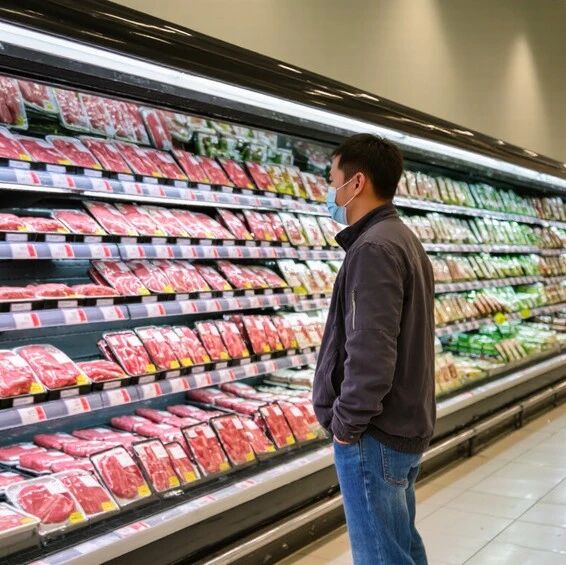
Core Viewpoint - The Chinese Ministry of Commerce announced new import beef regulations, implementing country-specific quotas and additional tariffs starting January 1, 2026, for three years, which will significantly impact the beef market and trade dynamics in China [3]. Group 1: Impact on Import Beef Prices - Following the announcement, beef traders in Shanghai reported price increases of 2 to 3 yuan per pound for imported Brazilian beef within just a few days [5]. - Importers are rushing to stock up on beef before quotas are exhausted, with Brazil allocated 1.106 million tons, Argentina 511,000 tons, Uruguay 324,000 tons, and Australia and New Zealand approximately 200,000 tons each, totaling about 2.688 million tons for 2026 [5]. - The import volume of beef in China has already exceeded the total quota for 2026, leading to predictions that the quotas may be used up by mid-2026 [7]. Group 2: Changes in the Restaurant Sector - The rising costs of imported beef will challenge restaurants that rely on beef as a core ingredient, forcing them to reconsider their cost structures and ingredient choices [9]. - The market share of imported beef in China has increased from 20% in 2019 to approximately 30% in 2023, significantly impacting domestic beef prices, which have been declining [10]. - The average retail price of beef in major cities dropped to 36.82 yuan per pound by March 19, 2025, the lowest in six years, contributing to the growth of beef-related dining options [10]. Group 3: Future Adaptations in the Beef Supply Chain - The implementation of import beef regulations is expected to provide a window for domestic beef producers to adjust and innovate, as reliance on imports becomes less sustainable [12]. - The beef supply chain will face challenges in balancing cost and quality, while opportunities will arise for companies that can enhance supply chain resilience and innovate product offerings [12]. - The evolving consumer demand is shifting from mere availability to quality differentiation, prompting supply chain companies to focus on high-value beef and customized services [12].
寿司郎赢得毫不费力
虎嗅APP· 2026-01-10 13:26
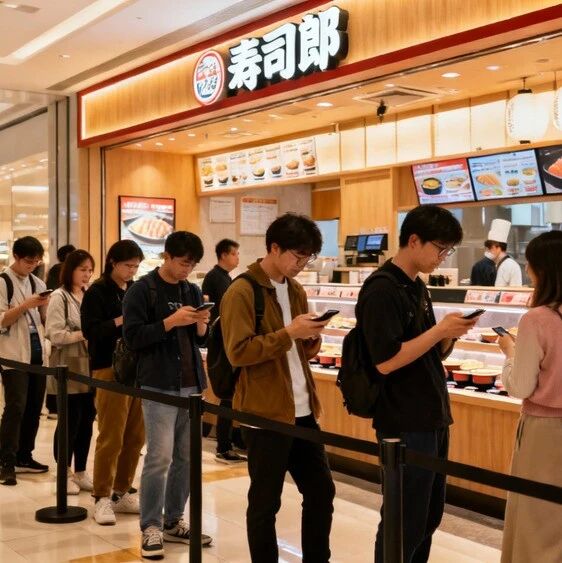
Core Viewpoint - Sushi郎 stands out in the restaurant industry, achieving remarkable success amidst a challenging market, with long queues and high customer demand, particularly in China [5][6]. Group 1: Company Performance - Sushi郎's parent company, F&LC, reported a record sales revenue of 429.5 billion yen for the fiscal year 2025, with an overall operating profit increase of 54.4% [6]. - The overseas market, especially China, contributed significantly to this growth, with a revenue increase of 42.6%, making up 30% of total business [6]. - Sushi郎's revenue growth in 2024 was 13.6%, reaching a historical high [10][11]. Group 2: Market Strategy - Sushi郎 utilizes advanced technology in its operations, including robots that can produce 3,600 sushi pieces per hour and a data-driven system to predict customer preferences, enhancing efficiency [8][9]. - Following a public relations crisis, Sushi郎 shifted to a "Sushi Shinkansen" model, improving food waste rates from 10%-15% to nearly 0% and reducing customer wait times [10][11]. - The restaurant's design allows for high customer capacity and turnover rates, with peak times achieving 10-15 table turns per day [11]. Group 3: Competitive Landscape - Sushi郎's success contrasts with other sushi brands like KURA, which struggled in the Chinese market due to high pricing and lack of localization [15][16]. - The brand's pricing strategy positions it as a "value for money" option, with a customer perception of high quality at a reasonable price, despite higher costs compared to local competitors [12][20]. - Sushi郎's product mix includes over 200 SKUs, allowing for strategic pricing and customer attraction through popular items while maintaining profitability on lower-cost items [20]. Group 4: Industry Context - The Japanese sushi market has seen significant growth, with the conveyor belt sushi segment experiencing a doubling in size from 2000 to 2019 [22]. - Sushi郎's operational model capitalizes on the dichotomy in the restaurant industry, appealing to both budget-conscious consumers and those seeking quality [26]. - The brand's ability to adapt to local tastes and preferences has been crucial in establishing its presence in the competitive Chinese market [19][27].
车企组团出逃俄罗斯,304亿直接打水漂?
虎嗅APP· 2026-01-10 13:26
Core Viewpoint - International car manufacturers that exited the Russian market two years ago are now facing significant challenges in potentially returning, with substantial investments at stake and geopolitical instability persisting [5][7]. Group 1: International Car Manufacturers' Exit - Many international car manufacturers, including Hyundai, voluntarily exited the Russian market in response to Western sanctions, selling their assets at symbolic prices while retaining buyback rights [5][10]. - The urgency of the situation has left companies like Hyundai grappling with the dilemma of either investing heavily to restore operations or losing significant investments made in local facilities [7][11]. - Mazda has opted not to exercise its buyback rights after selling its stake in a Russian joint venture, indicating that the decision to abandon the investment was relatively straightforward due to the lower production capacity of its facility compared to others [12][13]. Group 2: Buyback Rights and Future Decisions - Several international car manufacturers, including Renault, Ford, Nissan, and Mercedes-Benz, have retained buyback rights for their Russian assets, with expiration dates ranging from 2027 to 2029 [15][16]. - The geopolitical crisis has caught these companies off guard, as they initially viewed their exit as temporary, expecting to return once stability was restored [17][18]. - Renault's attempt to exercise its buyback rights was met with a demand for a substantial compensation of 112.5 billion rubles (approximately 9.7 billion RMB), highlighting the financial implications of re-entering the market [21][22]. Group 3: Rise of Chinese Car Manufacturers - The exit of major international brands has created a vacuum in the Russian automotive market, which has been seized by Chinese car manufacturers, leading to a significant increase in their market share from 9% in 2022 to 49% in 2023, and projected to reach 62% in 2024 [24][27]. - Chinese automotive exports to Russia are expected to grow significantly, with projected figures of 16.3 million units in 2022, 55.3 million in 2023, and 128 million in 2024 [28]. - By 2024, Chinese brands are anticipated to dominate the top sales rankings in Russia, with several brands like Haval, Chery, Geely, and Changan leading the market [29][30]. Group 4: Challenges Ahead for Chinese Manufacturers - Despite the initial success, Chinese car manufacturers face increasing challenges in Russia, including new tax regulations and negative media portrayals that could impact their market position [34][36]. - The Russian government has implemented higher taxes on imported vehicles, which could significantly reduce profit margins for Chinese manufacturers [37][38]. - Concerns regarding the reliability and quality of Chinese vehicles have been raised in Russian media, potentially affecting consumer perceptions and sales [39][40]. Group 5: Future Outlook - The future of the automotive market in Russia remains uncertain, with two potential trends emerging: international manufacturers may either reclaim their assets and re-enter the market, or they may abandon their investments, leaving Chinese brands to navigate a challenging environment [45][46]. - The complexity of the situation necessitates careful consideration from all manufacturers looking to establish a foothold in the Russian market, as they must prepare for various potential outcomes [42][46].

特朗普的梦中情岛,藏了什么大宝贝?
虎嗅APP· 2026-01-10 13:26
Core Viewpoint - The article discusses the strategic importance of Greenland in the context of U.S. foreign policy, particularly under the Trump administration, highlighting its potential as a resource-rich territory that the U.S. may seek to control or acquire [4][10][12]. Group 1: Strategic Importance of Greenland - Greenland is described as a "cake" worth pursuing due to its geographical position and semi-independent political status, which makes it an attractive target for U.S. interests [5][8]. - The island has a very small population of just over 50,000 people, and its governance is largely autonomous from Denmark, which limits Denmark's ability to defend it [8][9]. Group 2: Resource Potential - Greenland is rich in strategic resources, including rare earth elements, uranium, nickel, and zinc, which are crucial for U.S. industries and energy needs [14][17]. - The article notes that Greenland's known mineral deposits are extensive, with nearly 30 identified mining sites, and the potential for oil and gas resources offshore [17][19]. Group 3: Development Challenges - The development of Greenland's resources is hindered by extreme conditions, lack of infrastructure, and a short construction window, making it a challenging investment for private companies [20][21]. - The article suggests that while the upfront investment is significant and the return period is long, a strategic investment by a major power like the U.S. could be justified [20]. Group 4: Perspectives on U.S. Actions - There are differing opinions on whether the U.S. should pursue control over Greenland. Proponents argue it is essential for long-term supply chain security, while opponents warn of the geopolitical consequences of such actions, particularly regarding NATO relations [22]. - The article concludes that the future of Greenland's resources will depend on U.S. strategic decisions and the extent to which it integrates Greenland into its broader geopolitical framework [22].

有意思周报|越来越多的模特和网红正通过OnlyFans拿到美国O-1B签证;《辛普森一家》又一次预言了2026年的人类社会?
虎嗅APP· 2026-01-10 12:00
Group 1 - The article discusses the increasing number of models and social media influencers obtaining O-1B visas in the U.S. through platforms like OnlyFans, indicating a shift in the types of applicants being recognized for their talents [7][9]. - O-1B visas are temporary work visas for individuals with extraordinary ability in arts, business, entertainment, and sports, allowing them to work on specific projects in the U.S. [9]. - Applicants must demonstrate sustained acclaim in their field and meet at least three regulatory criteria, which can now include metrics like follower count and income from brand collaborations [10][11]. Group 2 - The article highlights a unique archaeological find in Germany, where a 400-year-old glass phallus was discovered in a former monastery's latrine, suggesting it may have been used as a ceremonial drinking vessel rather than a sexual object [55][57]. - This artifact reflects the social and cultural practices of the 16th and 17th centuries, indicating that humor and social gatherings were integral to life in such institutions, contrary to the common perception of monasteries as strictly austere [58][59]. Group 3 - The article mentions a family discovering a 2.09-carat brown diamond in Arkansas, showcasing the potential for unexpected finds in state parks [43][51]. - The diamond, named "Ward Diamond," was found during a family outing, emphasizing the importance of engaging with children's interests and the joy of treasure hunting [54]. Group 4 - The article references a peculiar trend of individuals consuming raw meat, highlighting a case where a woman developed antibiotic-resistant bacteria due to her extreme dietary habits [32][40]. - Medical professionals express concern over the health risks associated with consuming raw meat, which can harbor harmful bacteria and parasites, leading to serious health issues [33][39].

被多少人当成救命稻草的职业,正在经历大规模“塌房”
虎嗅APP· 2026-01-10 09:16
Core Viewpoint - The article discusses the challenges and risks within the psychological counseling industry in China, highlighting the lack of regulation, the prevalence of unqualified practitioners, and the emotional toll on clients seeking help [5][18][21]. Group 1: Industry Overview - The psychological counseling market in China is projected to reach 15.8 billion yuan by 2024, with an annual growth rate of 23% [6]. - There are over 135,000 psychological counseling-related enterprises in China, with major platforms like 壹心理 having over a million monthly active users [19]. - The number of licensed psychological counselors has increased significantly since the establishment of the profession in 2001, but the removal of national certification in 2017 has led to a "no-license era" [6][22]. Group 2: Client Experiences and Complaints - A report indicates that the formal complaint rate in psychological counseling is 0.17%, meaning 1.7 complaints per 1,000 counseling relationships [5]. - Many clients report negative experiences, including unprofessional behavior from counselors, such as ending relationships abruptly or failing to provide adequate support [5][21]. - The emotional impact on clients can be severe, with some feeling more distressed after sessions, leading to a loss of trust in the counseling process [15][40]. Group 3: Ethical Concerns and Risks - The lack of a scientific evaluation system for practitioners raises concerns about the qualifications of many counselors, with 62.7% having less than three years of experience [22]. - Ethical guidelines exist, but enforcement is weak, leading to situations where clients feel their autonomy is undermined or their experiences invalidated [21][38]. - High-profile cases of misconduct, including sexual abuse by counselors, highlight the potential dangers clients face in the absence of proper oversight [22][25]. Group 4: Challenges in Seeking Redress - Clients often find it difficult to seek redress for grievances due to the subjective nature of counseling outcomes and the lack of clear quality standards [38]. - Legal avenues for complaints are often lengthy and costly, discouraging clients from pursuing justice [36][38]. - The emotional and financial burden of seeking new counseling after a negative experience can lead to further trauma for clients [37][40].

在拉斯维加斯,我看到概念已死
虎嗅APP· 2026-01-10 09:16
Core Viewpoint - The article discusses the shift in the AI hardware industry from a focus on disruptive innovation to a more pragmatic approach, emphasizing the importance of "scene value" in product development [4][7]. Group 1: AI Hardware Trends - At CES 2026, the atmosphere was notably different from previous years, with less emphasis on grand concepts and more on practical upgrades [5][6]. - The AI hardware industry is moving towards a focus on specific use cases and functionality, rather than broad, ambitious claims [7][15]. Group 2: Wearable Devices - The wearable device sector saw an increase in cross-industry players, particularly in the AI glasses market, with products designed for specific functionalities rather than flashy features [9][12]. - Notable products include the MemoMind AI glasses, which offer user-friendly design and practical applications, and the OpenGuide AI glasses aimed at assisting visually impaired users [11][12][15]. Group 3: Companion Robots - The companion robot market has expanded rapidly, with over 50 companies showcasing products at CES, but many face challenges related to product consistency [20][21]. - There is a trend towards customization in companion robots, allowing for personalized features and interactions, as seen in prototypes like the Fourier desktop companion robot [24][28]. Group 4: Cleaning Robots - The cleaning robot sector is experiencing significant technological advancements, with products like the Cyber X and G-Rover capable of navigating stairs and complex environments [36][38]. - Future developments may include robots with mechanical arms for more precise cleaning tasks, as demonstrated by the AI cleaning robot that can handle laundry processes [43][45].

“我们犯了大错误”,车企一把手罕见认错
虎嗅APP· 2026-01-10 09:16
以下文章来源于汽车商业评论 ,作者推动新汽车向前进 汽车商业评论 . 推动新汽车向前进 本文来自微信公众号: 汽车商业评论 ,编译:杜咏芳,编辑:黄大路,作者:推动新汽车向前进 高管公开承认任期内出现重大战略失误,这一场景并不多见。但是,保时捷的前CEO奥博穆(Oliver Blume)却勇敢做出了这一举动。 2026年1月1日起,奥博穆正式卸任保时捷CEO,由前迈凯伦CEO迈克尔·莱特斯(Michael Leiters) 接棒,他本人则继续执掌大众汽车集团。 面对《法兰克福汇报》直接追问:"在保时捷事件中,受损最严重的或许是保时捷-皮耶希家族。他们 还信任你吗?" 奥博穆的回应显得冷静而克制:"过去十年,保时捷取得了创纪录的业绩,大众集团与各家族都从中 受益。但必须承认,自保时捷上市三年以来,股东们承受了损失。我接受这一批评。" 在同一次访谈中,他更进一步指出,回头来看,保时捷将第二代Macan设计成纯电动车是一个错误的 决定。 奥博穆坦言:"几年前我们的产品组合结构不够灵活。我们的战略是在三大细分市场都提供燃油车、 混合动力车和电动跑车——但并非所有产品都如此。我们对Macan的决策是错误的。" 他同时强 ...