雷峰网

Search documents
独家丨刘炯接管 GN06 团队,向美团平台负责人李树斌汇报
雷峰网· 2025-11-14 11:01
Core Viewpoint - Meituan's GN06 team is focusing on AI applications and has significantly slowed down external recruitment, indicating the team has completed its initial setup [2][3]. Group 1: Team Structure and Focus - The GN06 team, led by Liu Jiong, reports to Meituan's platform head Li Shubin and consists of several dozen members focusing on AI applications in entertainment and agent-related areas [2]. - The team has developed AI creative tools like Miaoshu, which gained notable influence within the industry [2]. - Recruitment for the GN06 team has nearly ceased this year, suggesting a completed initial team structure, although some positions remain listed on Meituan's recruitment site [2]. Group 2: AI Strategy and Developments - Meituan's AI strategy has accelerated in the large model domain, with founder Wang Xing emphasizing a proactive approach to the AI technology revolution during a financial report meeting [3]. - The AI strategy is built on three levels: integrating AI into employee operations (AI at work), transforming existing products and services while creating new AI-native products (AI in products), and investing in large model capabilities (Building LLM) [3]. - Recent releases from Meituan include the LongCat-Flash-Chat, LongCat-Video, and LongCat-Flash-Omni models, showcasing the company's commitment to AI development [3].

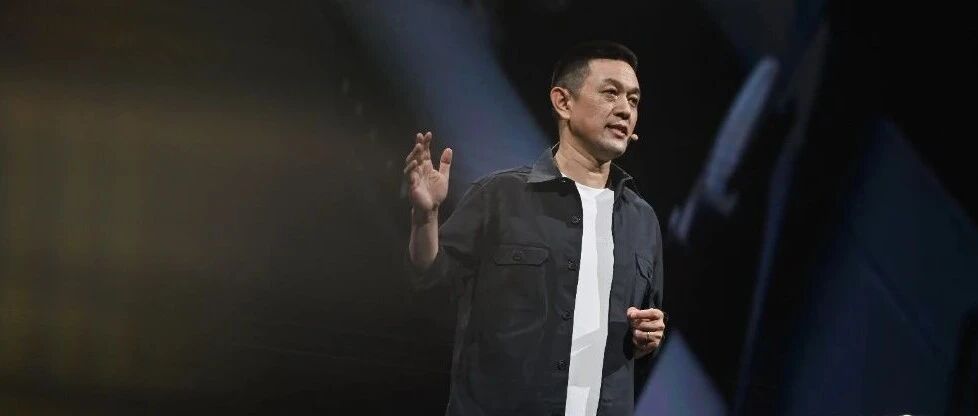
为什么新势力一定要自研整车操作系统
雷峰网· 2025-11-14 11:01
Core Viewpoint - The article emphasizes the strategic importance of self-developed operating systems for electric vehicle manufacturers, particularly NIO, as they transition from electrification to intelligentization, highlighting the need for technological independence and enhanced user experience [2][3]. Group 1: Importance of Self-Developed Operating Systems - Operating systems serve as the core foundation connecting hardware and software, defining user experience in smart electric vehicles [2]. - NIO's decision to develop its own operating system is driven by considerations of technological autonomy, cost control, user experience optimization, and competitive landscape [2][3]. - Self-developed systems help avoid homogenization of user experience and create unique competitive advantages [3]. Group 2: Historical Context and Development Journey - NIO began its journey towards self-developed operating systems in 2018, with initial investments in core modules and technologies [3]. - The development of the SkyOS operating system was influenced by past challenges with third-party suppliers, which highlighted the inefficiencies and risks of relying on external partners [5][6][9]. - By 2020, NIO had a clearer vision for its operating system, aiming for hardware autonomy and a platform that could integrate supplier products while maintaining control [15]. Group 3: Technological Advancements and Achievements - NIO launched SkyOS-L in 2022, achieving significant improvements in real-time signal delivery compared to industry standards [16]. - The introduction of SkyOS-M marked a milestone as the first commercial dual safety real-time system based on the sel4 microkernel architecture, enhancing system reliability [17]. - By 2024, NIO's SkyOS had saved over 250 million yuan in operating system procurement costs and reduced development costs for non-first models by 90% [18]. Group 4: Market Performance and Future Outlook - NIO's sales surged, with October 2023 deliveries reaching 40,397 vehicles, a 92.6% year-on-year increase, driven by models equipped with the SkyOS [23]. - The successful deployment of SkyOS has positioned NIO to enhance its product offerings and operational efficiency, leading to a significant increase in market competitiveness [22][24]. - The company continues to innovate and improve its operating system, fostering an open-source approach to enhance development speed and product iteration [22].

腾讯财报的重点,不在「赚麻了」
雷峰网· 2025-11-14 11:01
Core Viewpoint - The article discusses Tencent's recent financial performance and its strategic focus on AI, highlighting the company's strong position in the gaming, social media, and music sectors, while also addressing the implications of its agreement with Apple regarding in-app payment fees [2][3][4][5]. Financial Performance - Tencent reported Q3 2025 revenue of 192.87 billion yuan, a 15% year-on-year increase, and a non-IFRS operating profit of 72.57 billion yuan, up 18% year-on-year [2]. - The market reacted coolly to the financial results, with Tencent's stock price at 646.5 HKD, down 1.45% [2]. Gaming Sector Insights - The game "Delta Action" achieved over 30 million monthly active users in September, peaking at 35 million during the National Day holiday, indicating Tencent's dominance in the domestic DAU shooting game market [3]. - The game represents a successful attempt to adapt a AAA game to mobile, enhancing Tencent's industrial pipeline and potentially positioning it as the second-largest game in China in the coming years [3]. Agreement with Apple - Tencent and Apple reached an agreement on a 15% revenue share for iOS mini-games, resolving previous uncertainties regarding payment processing [3][4]. - This agreement simplifies payment processes, which is expected to improve user retention and conversion rates for paid services [4]. AI Strategy - AI has been a focal point in Tencent's recent financial reports, with the company stating it has sufficient GPU resources and is not facing a decisive model in the Chinese market [5]. - Tencent's approach to AI is pragmatic, focusing on efficiency rather than cost-cutting, and the company continues to develop the "intelligent agent" capabilities within WeChat, aiming to transform it into a comprehensive smart ecosystem [5].
通用汽车下令数千家供应商剥离中国供应链,2027年前完成;苹果获得微信小游戏抽成15%;阿里秘密启动千问项目,对标ChatGPT
雷峰网· 2025-11-14 01:01
Group 1 - General Motors has ordered thousands of suppliers to eliminate Chinese components from their supply chains, aiming to complete this by 2027 [5][6] - Alibaba has secretly launched the "Qianwen" project to develop a personal AI assistant app, competing directly with ChatGPT [8] - Apple has reached an agreement with Tencent to take a 15% commission from WeChat mini-games, potentially earning 9 billion yuan annually [9][10] - Domestic GPU company Muxi has received approval for its IPO on the Sci-Tech Innovation Board, aiming to raise 3.904 billion yuan [10][11] - Tencent reported a Q3 profit of 63.13 billion yuan, with employee numbers exceeding 115,000 [15][16] Group 2 - Faraday Future announced it will adopt Tesla's NACS charging standard for its future models, allowing access to over 28,000 Tesla Superchargers [13][14] - Transsion Holdings plans to issue H-shares and list on the Hong Kong Stock Exchange, despite a 3.33% revenue decline in the first three quarters of the year [15] - The Ministry of Public Security in China is proposing new safety standards for vehicles, including limiting acceleration to under 5 seconds [19][20] - The Chinese government is mandating the use of domestic AI chips in cloud services, prioritizing Huawei's Ascend series [24][25] - Baidu's CEO stated that the majority of search results are now generated by AI, with a significant increase in rich media content [26] Group 3 - Microsoft CEO Satya Nadella revealed that the company has access to all research data from OpenAI's chip development [33][34] - Synopsys announced a layoff of about 2,000 employees as part of a restructuring plan to focus on AI chip design [35][36] - AMD's CEO Lisa Su expressed confidence in the company's growth, aiming to capture a significant share of the AI market currently dominated by NVIDIA [42][43] - Toyota plans to invest up to $10 billion in the U.S. over the next five years, marking a significant increase in its historical investment [45][46]






独家丨前小米高管崔宝秋入局家庭服务机器人,多家顶级VC竞逐
雷峰网· 2025-11-14 01:01
Core Viewpoint - The article discusses the entry of former Xiaomi executive Cui Baoqiu into the home service robot industry, highlighting his background and the potential of his new venture in this growing market [2][3][5]. Group 1: Background of Cui Baoqiu - Cui Baoqiu, known as the "father of Xiaomi technology," has officially started a venture in home service robots after leaving Xiaomi at the end of 2022 [4]. - Before joining Xiaomi, Cui held significant roles at IBM, Yahoo, and LinkedIn, which provided him with extensive technical and management experience [3]. - At Xiaomi, he served as Chief Architect and held various leadership positions, contributing to the company's AIoT strategy and technological advancements [3]. Group 2: Market Potential and Investment - Cui has engaged with several top venture capital firms for funding, indicating strong interest and potential backing for his new venture [3]. - The home service robot sector is seen as an evolution of Xiaomi's AIoT strategy, which focuses on smart home applications [2][5]. - Given Cui's accumulated expertise and the support from leading capital, his team is expected to be a significant player in the smart home robot market [5].
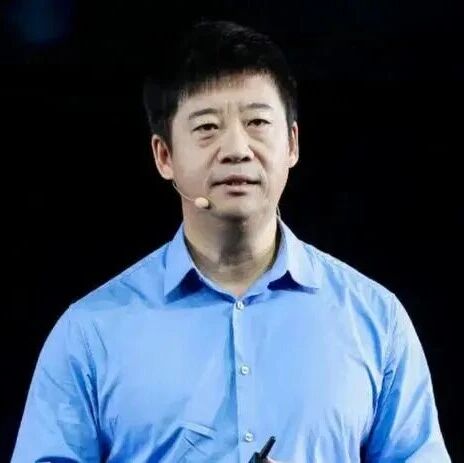
中科可控董事长聂华:在国产算力落地第一线,我所经历的质疑与孤寂丨智算想象力十人谈
雷峰网· 2025-11-13 14:00
Core Viewpoint - The article discusses the challenges and opportunities in the domestic computing power industry, emphasizing the importance of supply chain stability, ecological barriers, and industrial design for the successful implementation of domestic computing solutions [3][4]. Group 1: Industry Context - By the end of 2025, the computing power sector is experiencing significant changes, including a doubling of storage prices and ongoing issues with semiconductor companies [3]. - Domestic chip companies are actively pursuing IPOs, while new regulations are impacting data centers, indicating a critical period for domestic computing power [3]. Group 2: Challenges in Domestic Computing - The main challenge for domestic computing power lies outside the laboratory, focusing on supply chain stability and overcoming ecological barriers [3][4]. - The journey of domestic C86 product ecosystem development has been long and arduous, with the need for practical implementation being a key focus [4][8]. Group 3: Technological Choices - The past two decades have marked a period of awakening for domestic computing power, characterized by confusion and uncertainty in selecting viable technology routes [8][9]. - The establishment of domestic CPU companies like Feiteng and Longxin has been crucial, with the "Sunway TaihuLight" supercomputer showcasing the potential of domestic CPUs [9][10]. Group 4: C86 Ecosystem Development - The C86 architecture was chosen for its compatibility with x86, allowing for easier integration with existing software ecosystems [11][13]. - Despite initial skepticism regarding the C86's compatibility, it has proven beneficial in leveraging existing software and achieving satisfactory performance [13][14]. Group 5: Security and Open Systems - The article highlights the tension between open systems and perceived security risks, with the belief that closed systems are inherently safer [18][25]. - The shift towards an open ecosystem for C86 has been a strategic decision to foster collaboration and reduce redundancy in development [24][28]. Group 6: Supply Chain Management - Supply chain stability is emphasized as critical for the success of domestic computing products, with the risk of supply chain disruptions posing significant challenges [34][35]. - The company has focused on building strong relationships with upstream suppliers to ensure the reliability of the entire production process [36][37]. Group 7: Future Outlook - The company is now positioned to play a supportive role in the ecosystem, focusing on strengthening and supplementing the supply chain [37][38]. - The article concludes with reflections on the journey of domestic computing power, highlighting the importance of making informed decisions and adapting to industry changes [43][44].
内化AI,百度智能云的硬底子
雷峰网· 2025-11-13 14:00
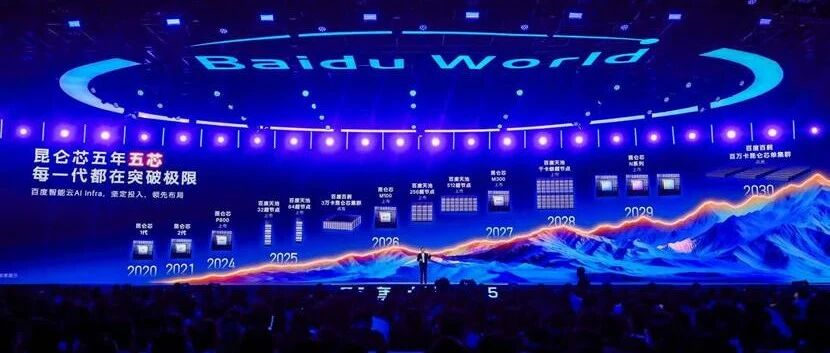
Core Viewpoint - The article emphasizes the necessity for enterprises to internalize AI capabilities as a fundamental skill to achieve sustainable intelligent growth, moving beyond temporary applications to integrate AI deeply into their organizational structure and business processes [1][2][3]. Group 1: AI Integration in Enterprises - Enterprises are increasingly clear about their goals regarding AI, seeking growth, efficiency, and innovation, and are less interested in applications that do not integrate with their core business [2]. - The consensus in the industry is that AI must be embedded into the organizational structure and innovation processes of enterprises to become a foundational capability, akin to utilities like water and electricity [2][3]. Group 2: Baidu's AI Infrastructure - Baidu's strategy involves two evolutionary paths: leveraging existing cloud resources to integrate AI into PaaS and SaaS applications, or building a full-stack AI capability from the ground up [6]. - Baidu's AI infrastructure includes the Kunlun chip and the Baidu Intelligent Cloud, which aims to provide a robust AI cloud infrastructure for enterprises to internalize AI capabilities [6][9]. Group 3: AI Infra and Agent Infra - The dual approach of AI Infra and Agent Infra is essential for enterprises to internalize AI, where AI Infra provides the necessary computational power and Agent Infra offers tools for developing AI applications [8][9]. - Baidu's AI Infra focuses on providing stable, efficient, and cost-effective computing resources, while Agent Infra simplifies the development of AI applications by encapsulating complex elements [9][12]. Group 4: Real-World Applications and Success Stories - Baidu has successfully implemented AI agents in various industries, such as the "multi-collaboration SOP analysis Agent" in the restaurant sector, which improved operational standards during peak times [19]. - In the financial sector, the "off-exchange trading Agent" developed with Galaxy Securities increased the conversion rate from inquiry to order by three times, demonstrating significant business growth [19]. - The collaboration with Southern Power Grid led to the development of agents that enhanced the efficiency and reliability of power grid operations, freeing up personnel for more complex tasks [19]. Group 5: Future Directions and Innovations - Baidu has introduced the "self-evolving" super intelligent agent, "Baidu Famo," which aims to find global optimal solutions in complex business scenarios, marking a significant advancement in AI capabilities [21][22]. - The agent's design is inspired by evolutionary algorithms, allowing it to simulate and discover solutions that have not been previously identified by human experts [21][22]. - Baidu's focus on expanding the capabilities of AI agents from executing tasks to autonomous evolution and strategic decision-making sets it apart from other players in the industry [22][24]. Group 6: Strategic Vision for AI Adoption - Baidu's comprehensive strategy encompasses building a solid computational foundation (AI Infra), lowering development barriers (Agent Infra), and leading future directions with the "Famo" super intelligent agent [29]. - The article concludes that a true revolution in intelligent productivity is just beginning, highlighting the transformative potential of AI in various sectors [30].
谁偷走了斑马智行的梦想?
雷峰网· 2025-11-13 08:56
Core Viewpoint - The rise of Huawei's HarmonyOS and the self-research efforts of major automotive manufacturers have led to a potential missed opportunity for Zhibo Zhixing, which is now facing significant challenges in its business model and market position [1][2]. Group 1: Company Overview and Market Position - Zhibo Zhixing, established in 2014 through a partnership between Alibaba and SAIC, was initially seen as a pioneer in the smart cockpit sector, often referred to as the "Huangpu Military Academy" of China's intelligent cockpit industry [1]. - The company has experienced a significant decline from its original aspirations, with mounting pressures from shareholders and a challenging market landscape [2][4]. Group 2: Financial Challenges - As of March 2023, Zhibo Zhixing's total liabilities reached 2.57 billion, compounded by substantial quarterly R&D expenditures, making an IPO appear to be the only viable option for the company [4]. - The company has raised over 5 billion in multiple funding rounds, but recent valuations have dropped significantly, with the latest estimated at around 10 billion, reflecting investor concerns about its performance and future prospects [5][6]. Group 3: Performance Metrics and Issues - Zhibo Zhixing claims to have its smart cockpit solutions installed in over 6,000 vehicles from 60 manufacturers, with a compound annual growth rate of 67.2% in installations from 2022 to 2024 [6]. - However, the reported figures are inflated, with only about 4 million vehicles genuinely utilizing the AliOS system, while the remaining numbers are based on minor applications that do not reflect true system integration [7]. Group 4: Loss of Key Partnerships - The company has lost critical contracts for the next generation of fuel vehicle platforms, which will no longer utilize the AliOS system after 2026, posing a significant threat to its long-term business viability [11][12]. - High customer concentration is another concern, with over 75% of revenue coming from a few major clients, primarily SAIC and its subsidiaries [13][14]. Group 5: Strategic Decisions and Future Outlook - Zhibo Zhixing has invested heavily in building a computing center in Chongqing, but the strategic rationale behind this move remains unclear, raising questions about its future revenue generation capabilities [16]. - The company is undergoing leadership changes and restructuring, with a new CFO appointed, indicating a potential shift in strategy as it prepares for its IPO [18][19]. - The competitive landscape is shifting rapidly, with major automotive manufacturers increasingly opting for in-house operating systems, further constraining Zhibo Zhixing's market opportunities [27][28].

迈富时副总裁李玠佚:取代传统SaaS的不是Agent,而是AI原生SaaS | SaaS+Agent十人谈
雷峰网· 2025-11-13 08:56
Core Insights - The article discusses the transformative impact of AI-native SaaS systems on the existing SaaS landscape, emphasizing that while Agents cannot replace SaaS, AI-native systems will redefine it [4][33] - The shift towards AI-native solutions is driven by changing enterprise demands for more adaptable, cost-effective systems that can break rigid processes and self-fit business needs [4][5] Group 1: Evolution of SaaS - The evolution of SaaS is categorized into three stages: SaaS 1.0 focuses on process efficiency, SaaS 2.0 incorporates AI empowerment, and SaaS 3.0 represents the emergence of AI-native systems [7][15] - AI-native SaaS systems are characterized by the atomization of functions, allowing users to combine independent functional units through standardized interfaces, enabling flexible and intelligent process creation [6][12] Group 2: Market Dynamics and Competition - The emergence of AI-native systems is seen as a critical turning point for the SaaS industry, with traditional players facing increasing competition from new entrants who leverage AI capabilities [12][31] - Companies like Marketingforce are positioning themselves as ecosystem enablers, integrating AI capabilities into their SaaS offerings while also providing low-code PaaS solutions [10][37] Group 3: Technical Challenges and Opportunities - The article outlines several technical challenges that SaaS companies must overcome, including the need for specialized models that understand business language and the integration of multi-modal knowledge systems [28][30] - Despite these challenges, the integration of AI capabilities presents opportunities for SaaS products to enhance their value and expand their application across various business scenarios [32][34] Group 4: Strategic Positioning - Marketingforce aims to transition from a traditional SaaS provider to a leading AI+SaaS ecosystem enabler, focusing on delivering comprehensive solutions that integrate AI capabilities into business processes [37][38] - The company recognizes the importance of understanding business scenarios and leveraging industry knowledge as key competitive advantages in the evolving SaaS landscape [12][36]

海尔双11:第14次蝉联冠军背后是全域ToC转型
雷峰网· 2025-11-13 00:26
Core Viewpoint - The article emphasizes the transformation of Haier into a user-centric enterprise, highlighting the importance of deep user relationships as a new currency in the context of changing consumer behavior and market dynamics [2][18]. Group 1: Market Dynamics - The Double 11 shopping festival has evolved from a price competition to a comprehensive contest of product quality, service capability, and brand trustworthiness [2]. - Haier has achieved impressive results during Double 11, maintaining the top position in the market for 14 consecutive years across multiple categories and channels [2]. Group 2: User-Centric Innovation - Haier has shifted its focus from "operating products" to "operating users," allowing consumers to become partners in product innovation [4]. - The introduction of the "lazy three-tub washing machine" was driven by insights into user needs, leading to a broader product suite that addresses various aspects of smart living [4][6]. Group 3: Enhanced User Experience - Haier has improved user experience by advancing its supply chain and service chain, achieving a 74% direct delivery rate for products in the first three quarters [9]. - The company aims to transform one-time customers into lifelong users through a comprehensive service platform that supports the entire user lifecycle [9]. Group 4: Innovative Interaction - Haier engages consumers by demonstrating technology in real-life scenarios, enhancing understanding through direct interaction and community testing [10][11]. - The involvement of engineers in user communication fosters transparency and builds trust through professional and honest exchanges [14]. Group 5: Multi-Brand Strategy - Haier's multi-brand strategy effectively addresses diverse consumer needs, with brands like Casarte targeting high-end markets, Haier serving mainstream families, and Leader appealing to younger consumers [16]. - This strategy reflects a deep respect for user differences and ensures that various consumer segments find suitable solutions within Haier's ecosystem [16]. Conclusion - Haier's success in the Double 11 festival exemplifies its transformation into a user-centric company, demonstrating that deep trust and user relationships are essential for building a sustainable brand in today's transparent and promotional market [18].