东京烘焙职业人

Search documents
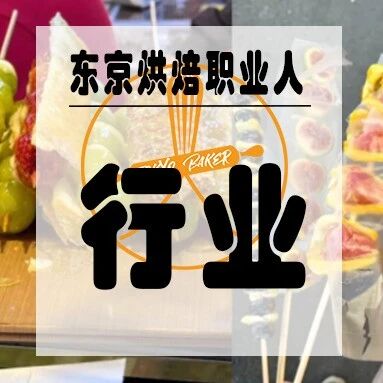
天价奶皮子糖葫芦,“塌房”了?
东京烘焙职业人· 2025-11-12 09:01
Core Viewpoint - The article discusses the phenomenon of "milk skin candied hawthorn," which has gained immense popularity both online and offline, leading to long queues and skyrocketing prices for this traditional snack [4][10]. Group 1: Product Popularity - The milk skin candied hawthorn has become a viral sensation, with consumers waiting in line for over two hours to purchase it, and prices being inflated by resellers [6][9]. - In Shanghai, the online price for this product reached 98 yuan per stick, while the offline price was 49 yuan, reflecting the high demand and limited supply [9]. - The product's popularity has led to significant online engagement, with discussions on platforms like Douyin and Xiaohongshu reaching millions of views [9]. Group 2: Market Dynamics - The rise of milk skin candied hawthorn is attributed to its innovative twist on a traditional snack, combining familiar flavors with a new texture that appeals to consumers [11][13]. - The product has successfully tapped into the emotional value for consumers, transforming a simple snack into a social and experiential item that enhances identity and social capital [13]. - Despite its current popularity, there are concerns about the sustainability of this trend, as consumer feedback indicates mixed feelings about the product's taste and value [14]. Group 3: Industry Insights - The success of milk skin candied hawthorn highlights the importance of understanding consumer preferences for emotional value and the need for businesses to convert fleeting trends into lasting customer loyalty [14]. - The article suggests that future market hits will depend on the ability to maintain product quality and encourage repeat purchases, rather than relying solely on viral marketing [14].

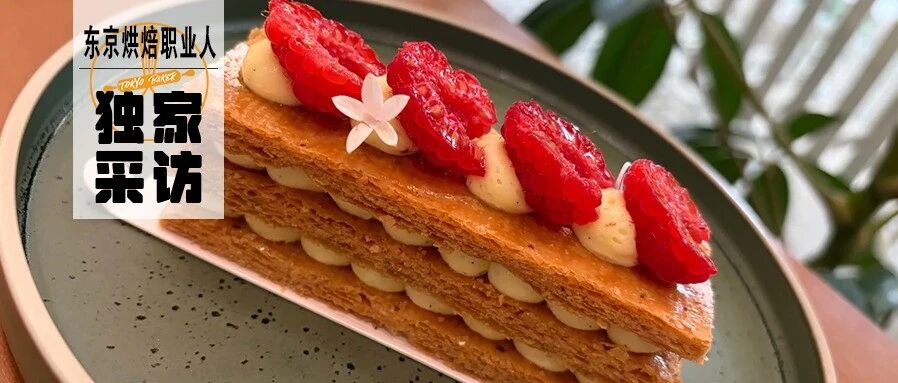
【独家专访】全上海最脆的拿破仑,藏在这里!「POPELINE」,把“高级感”做到刚刚好
东京烘焙职业人· 2025-11-12 09:01
Core Viewpoint - The article highlights the journey of Oliver, the founder of "POPELINE patisserie," emphasizing the importance of passion, quality ingredients, and the art of creating exquisite pastries, particularly the signature Napoleon dessert, which has become a defining product of the brand [2][4][13]. Group 1: Founder’s Background and Philosophy - Oliver transitioned from a stable career in advertising and luxury brand management to pursue his passion for pastry, studying in France for a year and a half [7][9][10]. - The brand "POPELINE" is inspired by a high-quality fabric, symbolizing simplicity and sophistication, focusing on using basic yet premium ingredients to create memorable experiences [12][22]. - The philosophy of "POPELINE" revolves around the idea that true quality does not require excessive decoration or complex recipes, allowing the natural flavors to shine [22][26]. Group 2: Product and Market Positioning - "POPELINE" has gained recognition as a "Napoleon specialty store," with each Napoleon made fresh to order within a strict ten-minute timeframe, emphasizing the importance of timing in delivering the best taste [13][16]. - The brand faced challenges in balancing sweetness levels to cater to customer preferences while maintaining the essence of French pastry [16][20]. - The focus is on refining a few core products rather than constantly innovating, ensuring that each item is memorable and can be enjoyed repeatedly [20][22]. Group 3: Operational Insights - Oliver manages every aspect of the production process, from creativity to preparation and cleaning, often working long hours to maintain quality [22][23]. - The experience of running a pastry shop has proven to be more challenging than anticipated, yet Oliver expresses no regrets, finding joy in the process and the connections made with customers [23][24].
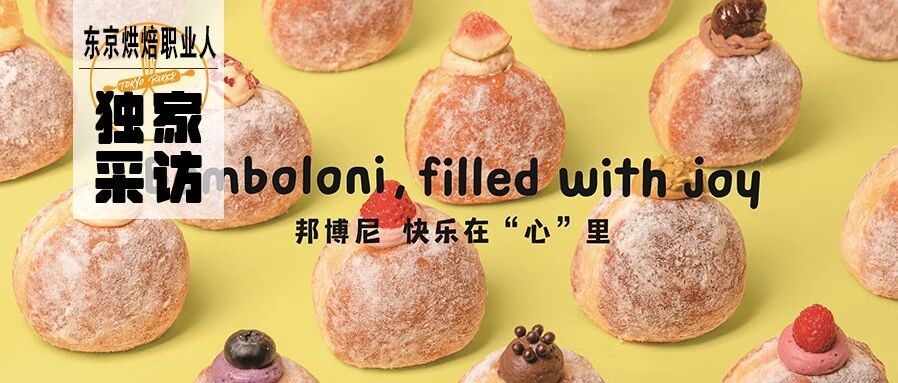
【独家专访】上海最火的甜甜圈品牌!让我忘记了所有减肥计划!
东京烘焙职业人· 2025-11-11 08:33
东京烘焙职业人原创《中国烘焙匠人店》系列已开启。来 # 听创始人说,说他们精彩的创业故事。 我们希望能够从创始人、主理人的经历中,去记录、去观察、去思考开店这件不容易的事情,我们 相信,这是一种值得探索的事。 【独家采访 · 第 188 家】 甜甜圈在中国,曾是快餐文化的副产品,在整个烘焙行业来说,也不算热门品类。 但是 「Bresca Bomboloni邦博尼」 偏偏就是那个例外。 它被粉丝称为"天神派来的甜甜圈救兵",从韩式潮流的审美切入,又有意式甜点的柔软灵魂;它 让"油炸"变成一种温柔的体验,也让甜味拥有了新的叙事方式。 在烘焙行业追求"更健康"的当下,邦博尼反其道而行—— 用一个更精致的甜甜圈,讲述"放纵也可以很高级"的故事。 "其实我大学读金融,但周末在美国学法餐。" 主理人凌霄一句话概括了他的转职经历,好像这件事理所当然。但放在简历上,这转折几乎不讲逻 辑。 毕业后,他在北京做了一年金融,随即放弃去成都开西餐厅,再后来转战北京做轻食。2020年,他 搬到上海——那一年,疫情、餐饮、生活,一切都在重启。 "我想重新开始,就在烘焙行业沉淀了两年,先看市场,积累人脉。"再后来他专程去韩国、日本探 店、 ...
【书籍专题 · 酸面包的细节】贝奈特饼
东京烘焙职业人· 2025-11-11 08:33
本食谱选自《酸面包的细节 》 布里欧修的衍生配方 贝奈特饼 二分之一茶匙盐 2 杯山核桃仁 将布里欧修面团快速炸熟,蘸上柠檬糖霜,再撒上枫糖山核桃仁,就是贝奈特饼。这些都是我们塔汀面 包房制作面包常备的原料。如果你已经准备好了布里欧修面团,那么制作就非常方便了。制作贝奈特饼 只需预留 200 克面团。 可制作 12 个贝奈特饼 面团 中筋面粉(撒在面团表面) 200 克布里欧修面团 枫糖山核桃仁 2汤匙枫糖 2汤匙玉米糖浆 2汤匙细砂糖 柠檬糖霜 3 个柠檬的皮(刨成屑)和汁 1 杯砂糖二分之一杯糖粉 用于油炸的橄榄油或红花籽油 在炸前约 2 小时给面团整形。在面团和工作台上撒少许面粉。将面团揉成直径约 1 厘米的圆柱体。如果 感觉面团无法进一步拉伸,可将其静置 10 分钟后继续。 将面团移到案板上,放在不通风的地方或用厨房毛巾盖住,进行最终发酵,需 1~2 小时,直到面团看 起来松软膨胀。 同时,将烤箱预热至200摄氏度,开始制作枫糖山核桃仁。在有边烤盘中铺上不粘布或硅油纸。在碗中 倒入枫糖浆、玉米糖浆、细砂糖和盐,搅拌均匀。加入山核桃仁,翻拌均匀。 将山核桃仁均匀地铺在烤盘中。将山核桃仁烤至表面糖衣开始冒 ...

东北老板,把披萨做成平价自助顶流!
东京烘焙职业人· 2025-11-11 08:33
Core Viewpoint - The article highlights the success of the budget self-service pizza brand, Big Pizza, which has rapidly expanded to nearly 400 stores and is projected to achieve a sales increase of 164% in 2024 compared to 2023, amidst a cautious market environment for the restaurant industry [6][11]. Group 1: Business Model and Strategy - Big Pizza's strategy focuses on high cost-performance, offering unlimited pizza, pasta, snacks, and drinks for only 39 yuan, significantly lower than international competitors [7][8]. - The brand has differentiated itself by selling products that customers genuinely enjoy rather than just raw ingredients, which is common in many self-service restaurants [19]. - Big Pizza has streamlined its operations by reducing the number of SKUs from hundreds to 138, enhancing efficiency and product quality while maintaining customer satisfaction [21][22]. Group 2: Market Position and Expansion - Big Pizza has successfully navigated market challenges, achieving rapid growth and opening nearly 170 new stores in 2025, despite many competitors retracting [6][11]. - The brand has established a strong presence in the competitive Beijing market and is expanding southward, with new locations experiencing high demand and long wait times [11][12]. - The self-service restaurant market in China is projected to reach 129 billion yuan in 2024, with a 7.5% year-on-year growth, indicating a robust market opportunity for Big Pizza [15]. Group 3: Customer Engagement and Marketing - Big Pizza employs a unique pricing strategy to manage customer flow during peak and off-peak hours, offering discounts to encourage dining during less busy times [25][26]. - The brand actively engages with customers through social media, with the founder, Zhao Zhiqiang, personally responding to feedback and suggestions, which enhances customer loyalty and brand image [31][35]. - Big Pizza has developed a marketing strategy that includes over 30 promotional events throughout the year, targeting various consumer demographics and occasions to drive sales without compromising profit margins [27].
星巴克中国变了,要加入价格战了吗?
东京烘焙职业人· 2025-11-10 08:05
Core Viewpoint - Starbucks has announced a strategic partnership with Boyu Capital to establish a joint venture, with Boyu holding 60% and a transaction valuation of approximately 4 billion USD. The plan is to expand the number of stores in China from 8,000 to 20,000, focusing on smaller cities and emerging regions [2]. Group 1: Market Challenges - Over the past 26 years, Starbucks has witnessed significant growth in the Chinese coffee market, but it now faces challenges from local competitors that have diluted its unique value propositions, such as the "third space" concept [3][4]. - The "third space" value, which provided a comfortable environment for socializing and working, has become a standard offering among competitors, reducing Starbucks' ability to command a premium price [3][4]. - The brand's symbolic value has also diminished as younger consumers have more choices, with local tea brands capturing attention through cultural symbols and collaborations [4]. Group 2: Competitive Landscape - The entry of local players like Luckin Coffee and Koolearn has shifted consumer perceptions of coffee, introducing sweeter and more accessible options that challenge Starbucks' traditional offerings [4]. - As Starbucks expands its store presence, its scarcity and symbolic value have decreased, further exacerbated by ongoing price wars that lower overall brand premiums in the coffee market [4][5]. Group 3: Strategic Initiatives - In response to these challenges, Starbucks has initiated several actions to reinforce its value, including creating unique store concepts and collaborating with popular cultural figures to enhance brand resonance [5][6]. - The introduction of a joint membership program with Eastern Airlines aims to provide exclusive benefits to high-value customers, enhancing the perceived value of the Starbucks membership system [6]. - Product innovation, such as the introduction of a no-sugar series and non-coffee offerings, aims to attract new customer segments and extend consumption periods [6]. Group 4: Financial Performance - Starbucks' recent financial results indicate a successful recovery, with consecutive quarters of growth in same-store sales and transaction volume, alongside maintaining double-digit operating profit margins [11]. - The simultaneous growth in transaction volume and profit margins suggests that Starbucks has effectively retained or regained customers, demonstrating the success of its value-driven strategy amidst a competitive pricing environment [11][12].

【书籍专题 · 如何开一家赚钱的餐厅】口碑促销
东京烘焙职业人· 2025-11-10 08:05
本科普选自《如何开一家赚钱的餐厅 》 口碑促销 口碑促销是指餐厅在调查市场需求的情况下,为消费者提供需要的产品和服务,同时制定一定的口碑推 广计划,让消费者自动传播餐厅产品和服务的良好评价,从而让人们通过口碑了解产品、树立品牌、加 强市场认知度,最终达到餐厅销售产品和提供服务的目的。 美国有这样一个小案例:某家餐厅给吃午饭的顾客,每人六份打包好的甜点让他们带回办公室。如果给 一份,顾客就自己吃掉了。可是给了六份呢,他们只能回办公室,把甜点分给同事吃,一边分一边要告 诉同事:我中午在 ×××× 吃的饭,这是他们送的甜点。别人白吃东西很开心,也就随便问问说那家店怎 么样啊,顾客就会跟他们描述一下,帮你做口碑传播。 口碑促销的媒介又叫做口碑传播大使,口碑传播大使的三个类型:优质客户、权威人士、团体用户。 一、口碑促销开展的前提条件 1.重视卖点,服务细节 口碑促销很少作为一种促销战术单独的使用,餐厅为提高口碑促销的传播速度和效果,有必要辅以菜品 展示和广告、平面媒体、附赠菜品光盘等辅助工具和其他宣传方式,做到全方位、立体化传播,以期达 到最佳效果。 3. 双重功效性 口碑促销兼具渠道推销和餐厅品牌传播的双重功效,是 ...
赢了!历经8年4届,FIPGC甜品世界杯全球总决赛冠军,中国队夺回来了!
东京烘焙职业人· 2025-11-10 08:05
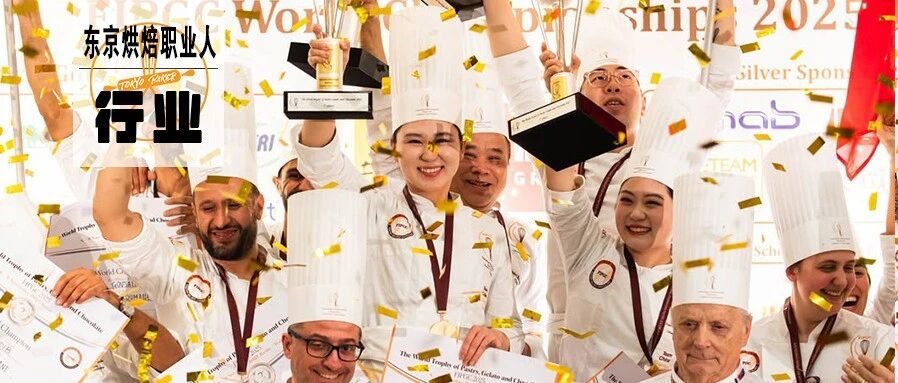
Core Viewpoint - The Chinese team has achieved a historic victory by winning the championship at the FIPGC World Pastry, Ice Cream, and Chocolate Championship, marking a significant milestone in the global dessert industry for China [1][5][32]. Group 1: Competition Overview - The FIPGC World Championship featured 10 national teams, including Peru, Mexico, Italy, Colombia, China, Australia, Senegal, Germany, Japan, and Argentina, showcasing top-tier talent in the dessert industry [5]. - The final results were: Champion - China, Runner-up - Morocco, Third Place - Argentina [5][13]. Group 2: Team and Leadership - The Chinese team consisted of three skilled competitors: Lv Haoran, Sun Tongtong, and Liu Xinru, led by Master Li Guoxiong [5][8]. - The journey to victory spanned eight years and four competitions, highlighting the dedication and perseverance of the team [32][39]. Group 3: Cultural Representation - The winning creations were inspired by Chinese culture, featuring designs such as Kung Fu Panda, lotus flowers, koi fish, bamboo, and ancient books, reflecting the essence of Chinese artistry [8][39]. - The team's success is seen as a representation of the rise of Chinese desserts on the world stage, moving from imitation to innovation [41]. Group 4: Personal Reflections from Team Members - Team members expressed deep gratitude towards their mentors and the support from their families, emphasizing the importance of teamwork and dedication in achieving this milestone [8][10][39]. - The victory is viewed not only as a personal achievement but also as a collective honor for the entire team, symbolizing the hard work and passion invested over the years [10][41]. Group 5: Future Aspirations - The team aims to continue advancing the art of dessert-making, with plans to participate in future competitions and further establish the reputation of Chinese desserts globally [10][41]. - The championship win is seen as both an endpoint and a new beginning, with aspirations to redefine and elevate the standards of dessert artistry [41].
最新招聘 | Welle 味蕾(广东珠海)招聘
东京烘焙职业人· 2025-11-09 08:33
Core Viewpoint - The article emphasizes the recruitment of baking professionals in the Guangdong region, specifically for the well-known baking brand Welle, which aims to connect job seekers with employers in the baking industry [1][2]. Company Overview - Welle was established in 2009 and is a popular baking brand in the Greater Bay Area, particularly well-known in Zhuhai and Macau [2]. - The company has 20 stores covering high-end shopping areas and large communities in Zhuhai, focusing on using high-quality natural ingredients and craftsmanship [2]. - Welle aims to convey warmth and beauty through baking, enriching the city of Zhuhai with love and emotion [2]. Job Positions Available - **Baker**: Requires familiarity with the entire baking process, including dough preparation, shaping, and baking [3]. - **Pastry Chef**: Must be knowledgeable about pastry ingredients and techniques, capable of independent production [6]. - **Baking Supervisor/Manager**: Responsible for managing the production team and ensuring product quality [8]. - **Product Development Supervisor/Manager**: Focuses on product innovation and market research to enhance brand competitiveness [10]. Job Requirements - **Baker**: Age 18-40, with solid experience in European-style baking preferred, strong communication skills, and ability to work under pressure [5]. - **Pastry Chef**: Age 18-40, with over one year of pastry experience preferred, strong teamwork and communication skills [7]. - **Baking Supervisor/Manager**: Over three years of management experience in large chain bakeries preferred, with strong responsibility and communication skills [9]. - **Product Development Supervisor/Manager**: Background in food science or culinary arts preferred, with over three years of relevant experience and a successful product launch record [11][12]. Salary Information - **Baker and Pastry Chef**: Salary range of 3500-7000 [6][8]. - **Baking Supervisor/Manager**: Salary range of 7000-10000+ [10]. - **Product Development Supervisor/Manager**: Salary range of 8000-10000+ [13]. Employee Benefits - The company offers social insurance, holiday benefits, employee care, opportunities for external learning, and a development fund [13].
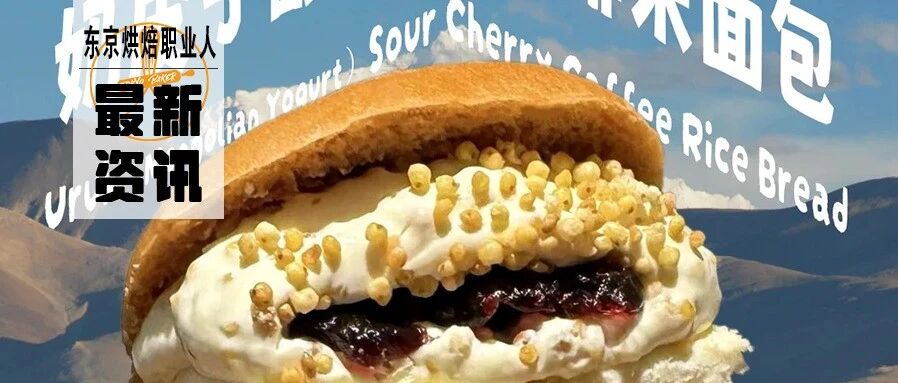
一周上新!可言可颂、至爱法麦、PUNCH MONDAY...海内外新品资讯抢先看 | 全球职人情报站
东京烘焙职业人· 2025-11-09 08:33
东京烘焙职业人每周准时摘取烘焙行业最重要的、最有价值的新品信息、品牌资讯,行业热文和海外信息,一切你想知道的,都在这里。 在这里不需要恰饭,只需要更新鲜的资讯! 1、叮咚买菜【0蔗糖杂粮谷豆膳食贝果面包/保萝工坊迁西栗子可可软欧面包】 2、 Family Mart全家 【两款三明治】 3、 Costco开市客 【科克兰香肠芝士丹麦面包】 4、ALDI奥乐齐【巴旦木奶酪维也纳式面包】 5、LAWSON罗森【三款可露丽】 1、莫卡乡村【南瓜芝士吐司】 2、 菽麦谷屋【己早蛋糕】 3、 好芙利 【 厚米乳三明治蛋糕 】 4、都市甜心CitySweet【三款栗子季蛋糕】 5、 小香港 【 「馥桂满盈」桂花蛋糕 】 6、丁香西饼屋【九层巧克力糕王】 7、一鸣真鲜奶吧【一鸣多谷物系列】 8、可言可颂【脆巧芋泥可颂挞】 9、 布朗先生 【三款秋冬蛋糕】 10、麦德莲【英式奶皮子拿破仑】 11、 金元朗EARLY BAKER 【红枣板栗南瓜吐司】 12、红星前进面包牛奶公司【两款咸口贝果】 13、UEIDUO优壹朵【黑金芝士爆汁肠】 14、 山崎面包 【3款秋季面包】 15、崎本的店【限定暖秋吐司】 16、Delicake悠 ...