美股IPO

Search documents
巴克莱下调甲骨文债务评级:明年11月现金或将耗尽,最终可能沦为"垃圾债"
美股IPO· 2025-11-11 23:37
Core Viewpoint - Barclays Bank has downgraded Oracle's debt rating to "underweight," citing that Oracle's massive capital expenditures for AI data center construction have far exceeded its free cash flow capabilities, resulting in a debt-to-equity ratio of 500%, the highest among major tech companies. The bank predicts Oracle's credit rating may fall to BBB-, nearing junk status [1][3][22]. Group 1: Debt Rating and Financial Health - Oracle's capital expenditures for fulfilling large AI contracts have significantly outstripped its free cash flow, forcing the company to rely heavily on external financing [3][16]. - Barclays forecasts that Oracle will face a severe financing gap starting from fiscal year 2027, with cash potentially running out by November 2026 [3][18]. - Oracle's debt-to-equity ratio stands at 500%, compared to Amazon's 50% and Microsoft's 30%, indicating a precarious financial position [3][16]. Group 2: Industry Trends and Capital Expenditure - The construction cost of an AI data center can reach $50 to $60 billion per gigawatt, which is three times that of traditional data centers, with over half of the costs attributed to purchasing NVIDIA GPUs [7][11]. - Announced AI data center projects in the U.S. are expected to increase power demand by over 45 gigawatts, corresponding to an investment of over $2 trillion [11][12]. - The capital expenditure forecasts for the industry have nearly doubled since early 2025, indicating a significant increase in funding requirements [7][10]. Group 3: Market Impact and Debt Issuance - The issuance of debt by large-scale suppliers has surged, with major companies raising approximately $140 billion in bonds in recent months, and total issuance for the year expected to reach $160 billion [13][14]. - Even companies with AA ratings, such as Meta and Google, have seen significant widening of bond spreads, reflecting market concerns over absorbing such large volumes of debt [15]. - The trend of increased debt issuance is expected to continue as the AI race intensifies, with companies like Meta, Google, and Oracle facing tighter cash flows [15][22]. Group 4: Comparative Financial Position - Among large-scale suppliers, Oracle is the only company with negative free cash flow, highlighting its financial vulnerability [16]. - Meta has a liquidity buffer of approximately $80 billion, while Google maintains over $70 billion in liquidity, reducing their immediate refinancing pressures [18][19]. - Amazon and Microsoft are projected to maintain positive net free cash flow even under extreme capital expenditure scenarios, indicating greater financial stability [20].



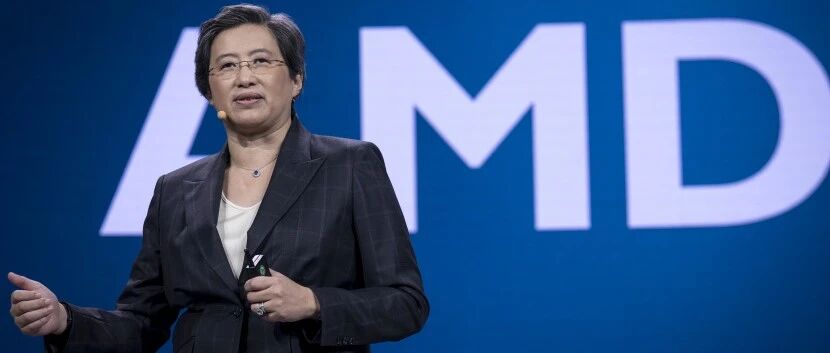
盘后大涨近4%!苏姿丰:到2030年AI数据中心市场规模料突破1万亿,AMD营收年增或超35%
美股IPO· 2025-11-11 23:37
Core Viewpoint - AMD is optimistic about the AI market, projecting that the total addressable market (TAM) for AI data centers will exceed $1 trillion by 2030, with a compound annual growth rate (CAGR) of over 40% [1][4]. Group 1: Market Projections - AMD expects the annual revenue CAGR to exceed 35% over the next three to five years, with AI data center revenue projected to grow by an average of 80% [1][4]. - The TAM for AI processors is anticipated to surpass $500 billion by 2028 [1]. - Contrary to previous expectations, demand for AI infrastructure is expected to remain strong rather than stabilize [3]. Group 2: AI and CPU Demand - AMD's CEO stated that the growth of AI and GPUs is increasing, rather than decreasing, the demand for CPUs, indicating that AI accelerators have not led to a decline in the CPU market [4]. - There are clear signs that AI workloads are shifting from training to inference, with the AI accelerator market growing at over 60% CAGR [4]. Group 3: Financial Performance - AMD reported a 36% year-over-year revenue increase in Q3, reaching $9.246 billion, with data center revenue growing by 22% to $4.3 billion [8]. - The Q4 revenue guidance is set between $9.3 billion and $9.9 billion, with a midpoint of $9.6 billion, which is above analyst expectations but below some optimistic forecasts [8][9]. - AMD's long-term AI revenue target includes reaching "hundreds of billions" in annual revenue from data center AI business by 2027 [8]. Group 4: Market Reactions - Despite positive long-term outlooks and exceeding Q4 revenue guidance, AMD's stock price fell over 3% post-announcement, indicating that some investors had higher expectations [9]. - The growth in sales is primarily driven by PC and server processors rather than the more closely watched AI accelerator business, leading to a lukewarm response from investors [9].

巩固英股“第一大权重股”地位,医药巨头阿斯利康股价创新高
美股IPO· 2025-11-11 23:37
Core Viewpoint - AstraZeneca's stock price reached a historic high of £134.6, driven by strong Q3 earnings and a favorable U.S. drug pricing agreement, boosting market confidence and contributing to the rise of the FTSE 100 index [1][3][7]. Group 1: Stock Performance - On November 11, AstraZeneca's stock price increased by 2.5% to £134.6, marking a historic high and solidifying its position as the largest weight in the FTSE 100 index [3][5]. - The company's market capitalization approached £210 billion (approximately $282 billion), reinforcing its status as the leading stock in the UK market [3]. Group 2: Financial Performance - AstraZeneca reported a Q3 revenue growth of 11% year-over-year and a core earnings per share increase of 15%, with all business segments and key regional markets showing robust growth [7]. - The strong performance was primarily driven by sustained demand for innovative drugs [7]. Group 3: Market Factors - The recent U.S. drug pricing agreement reached in October alleviated market concerns regarding U.S. pharmaceutical policy uncertainty, providing additional support for AstraZeneca's stock price [7]. - The U.S. market, contributing over 40% of AstraZeneca's total sales, plays a significant role in influencing the company's stock performance [7].

AI泡沫担忧持续发酵,美股科技巨头债券遭抛售,甲骨文首当其冲
美股IPO· 2025-11-11 10:56
投资者对科技巨头AI支出的忧虑已蔓延至债市,导致Alphabet、Meta等公司债券遭抛售。据美国银行数据,此类债券的收益率差额已 扩大至0.78个百分点,为数月来最高水平,显示市场风险溢价正在提高。甲骨文受冲击尤为严重,其部分债券价格自9月中旬以来下跌 近5%,远超行业平均水平。 巨额发债引发杠杆担忧 利差扩大的背后,是市场对科技公司融资策略的日益关注。尽管这些巨头现金充裕,但它们正以前所未有的速度发行债券,为建设数 据中心等AI基础设施提供资金。 摩根大通在一份报告中指出,这些"超大规模"公司合计持有约3500亿美元的现金及投资,但它们仍在信贷市场寻求大量新增债务。 近期,Meta、Alphabet和甲骨文接连完成了百亿美元级别的债券发行,部分债券期限长达40年。此举让一些投资者担心,这些公司可 能正在转向更高的杠杆水平。 甲骨文债券承压显著 在这轮抛售中,甲骨文的债券受到的冲击尤为明显。据报道追踪的一个指数显示,自9月中旬以来,甲骨文的部分存量债券价格已下跌 近5%,而更广泛的美国高评级科技债指数同期跌幅仅为1%左右。 市场对科技巨头在人工智能领域巨额投资的忧虑,正从股市蔓延至一向被视为更稳健的债券市场 ...
美银:“AI泡沫论”对芯片股是“真利好”,避免过度拥挤,英伟达被低估
美股IPO· 2025-11-11 10:56
美银认为"AI泡沫论"对芯片股是真利好,因为市场的普遍怀疑情绪能防止赛道过度拥挤,有助于市场冷静,确保更健康的持久回报。英伟达估值仅24倍 市盈率却保持50%营收增长,股价未反映真实增长潜力,存在显著低估。 对于近期的"AI泡沫论",美银提出了鲜明的逆向观点:对芯片股是"反向利好",有助于防止过度拥挤。英伟达存在显著低估,因为股价没有反映真实的 增长潜力。 该行认为,近期AI芯片股的波动主要源于可修正的宏观因素,而非AI支出周期的基本面恶化。事实上,从AI配套产业的强劲表现及英伟达的乐观展望来 看,底层需求依旧坚实。 美银称,对OpenAI宏大计划的质疑更是以偏概全,忽略了真正驱动AI投资的是大型科技巨头的防御性战略。尤其值得关注的是,作为行业龙头的英伟 达,其当前股价并未反映其真实的增长潜力,存在显著的低估。 AI怀疑论:一个健康的"逆向积极"信号 尽管上周大型AI半导体股票平均下跌了7-8%,但美银认为,这并非AI支出周期出现问题的信号。相反,股价波动更多是由宏观因素驱动,例如对美国 政府停摆的担忧、疲软的就业数据、关税动荡以及对OpenAI评论的误读。这些都是可修正的短期噪音,而非基本面利空。 真正的基 ...


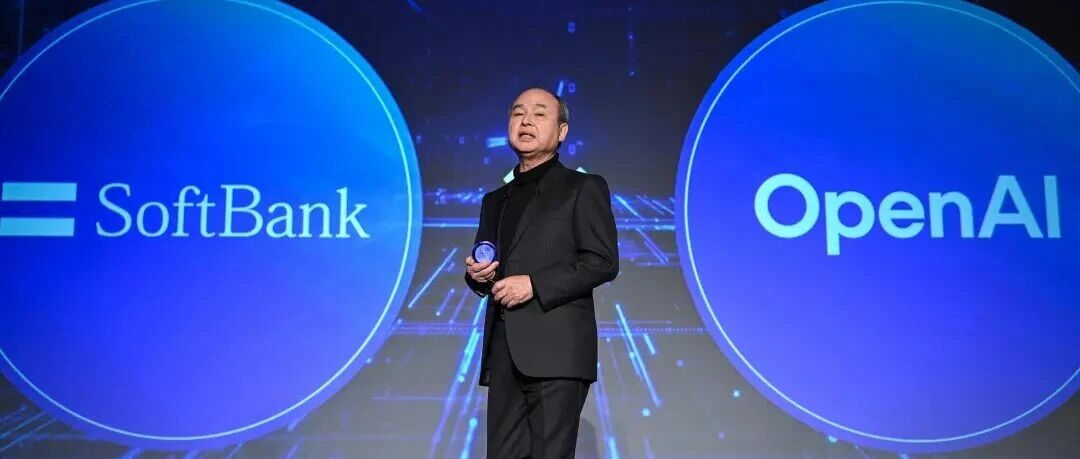
重注AI股大赚!软银Q3净利润翻番,愿景基金收益190亿美元,清仓英伟达、追投OpenAI
美股IPO· 2025-11-11 10:56
随着数据中心等人工智能基础设施投资浪潮持续推进,以及OpenAI等AI领军企业展现快速增长前景,软银成为主要受益者,Q3(第二财季)净利润远 超市场预期。软银还披露,已于10月出售所持英伟达全部股份,追加投资OpenAI。 11月10日,软银集团公布截至9月30日的第二财季业绩报告显示,Q3净利润达2.502万亿日元,其中, 愿景基金账面收益190亿美元 ,对ChatGPT开 发商OpenAI的投资在该季度贡献了2.157万亿日元(约140亿美元)的账面收益。 这一季度净利润大幅超过三位分析师平均预期的2070亿日元,几乎是市场预期的12倍,也大幅超过去年同期的1.18万亿日元。 最新财报显示,软银集团第二财季净利润达到2.5万亿日元(约合166亿美元),同比增长111.9%,连续第三个季度录得盈利,得益于旗下英伟达和英特尔 等科技股投资组合价值飙升。软银表示,10月以58.3亿美元的价格出售了所持英伟达全部股份。软银与OpenAI签署了修订协议,承诺将追加投资225亿 美元。 截至9月30日的季度,软银AI业务收入创下"新高",年化增长率达93%。软银在投资者说明会中表示,这反映出其在人工智能领域的布局正在 ...

重磅!“大空头”切换“战斗模式”!Burry:科技巨头“低估折旧致利润虚高”,28年甲骨文虚高26.9%,Meta虚高20.8%
美股IPO· 2025-11-11 04:48
"大空头"Michael Burry指出AI芯片等设备实际寿命仅2-3年,但部分公司将折旧周期延长至6年。他预计从2026到2028年,大型科技公司将因低估折旧 而虚增1760亿美元的利润。9月美银也曾发出警告,未来折旧费用激增将严重冲击科技巨头盈利能力。 11月11日,Michael Burry在其社交平台发帖称, 科技巨头通过延长资产的"有效使用寿命"来低估折旧,从而人为地抬高收益 。 他估计从2026年到 2028年,大型科技公司将因低估折旧而虚增1760亿美元的利润。 Burry承诺将在11月25日披露更多细节。他特别指出, 到2028年,甲骨文的利润可能被夸大26.9%,而Meta的利润可能被夸大20.8%。 值得注意的是,此前他曾披露持有英伟达和Palantir看跌期权,这再度引发市场对其看空AI行业立场的关注。 他在其X平台的帖子中指出,科技巨头们通过延长资产的"有效使用寿命"来低估折旧,从而人为地抬高收益,而这是"现代最常见的欺诈之一"。 他认为, 在科技公司大规模采购英伟达芯片和服务器以扩充算力的背景下,这些通常只有2至3年产品周期的计算设备,其折旧年限不应被延长。 然而,包括Meta、Al ...





巴菲特“最后一封信”全文:我“纯属运气好”,但“时间老人”追上来了,我将“保持安静”(完整原文中文版)
美股IPO· 2025-11-11 04:48
Core Insights - Warren Buffett announces his retirement after a 60-year career, emphasizing the importance of long-term thinking and criticizing corporate greed, particularly in executive compensation [3][4][5] - Buffett plans to donate $1.3 billion worth of Berkshire Hathaway shares to charity, continuing his philanthropic legacy [6] Group 1: Transition of Leadership - Buffett will step down as CEO of Berkshire Hathaway by the end of the year, marking a significant transition for the company [3][4] - The next annual letter to shareholders will be written by someone else, but Buffett will maintain communication through his Thanksgiving letters [3][6] - Since the announcement of his retirement plan, Berkshire's Class A shares have dropped approximately 8% [3] Group 2: Critique of Corporate Culture - Buffett criticizes the competitive nature of executive compensation, stating that it leads to a race among CEOs to earn more [4][45] - He warns against hiring CEOs who are overly focused on personal wealth and fame, advocating for a culture of humility and long-term commitment [4][42] Group 3: Investment Philosophy - Buffett's investment philosophy contrasts sharply with the rise of speculative assets like cryptocurrencies, emphasizing the value of long-term investments [5] - He has built Berkshire Hathaway into a diversified empire, spanning various industries, and believes the company's management style will continue to be an asset [6][46] Group 4: Philanthropy - Buffett has donated 2.7 million shares of Berkshire Class B stock, valued at approximately $1.3 billion, to family foundations [6] - He has committed to donating all his Berkshire shares to charity, promoting the "Giving Pledge" alongside Bill and Melinda Gates [6]

产能“极度紧张”,客户“紧急加单”,台积电毛利率有望“显著提升”
美股IPO· 2025-11-11 04:48
Core Viewpoint - The demand for next-generation chips from AI giants like Nvidia is pushing TSMC's N3 advanced process capacity to its limits, leading to a significant supply shortage that is expected to enhance TSMC's profit margins, potentially pushing gross margins above 60% by 2026 [1][3][9] Group 1: Capacity Constraints - TSMC's N3 advanced process capacity is nearing its maximum, with Morgan Stanley predicting a significant capacity shortfall even with efforts to optimize existing lines [1][3] - Nvidia's CEO Jensen Huang has personally requested increased chip supply from TSMC, highlighting the urgency of the situation [3] - Despite Nvidia's request to expand N3 capacity to 160,000 wafers per month, TSMC's actual capacity may only reach 140,000 to 145,000 wafers per month by the end of 2026, indicating a persistent supply-demand imbalance [3][4] Group 2: Production Strategies - TSMC is not planning to build new N3 fabs but will prioritize existing facilities for next-generation processes, with capacity increases mainly coming from line conversions at the Tainan Fab 18 [4][6] - The conversion of N4 lines to N3 may face challenges if Nvidia is allowed to ship GPUs to the Chinese market, potentially slowing down the conversion process [5] - TSMC is also utilizing cross-factory collaboration to maximize output, leveraging idle capacity from its Fab 14 to handle some backend processes for N3 [6] Group 3: Customer Demand - Major tech companies are scrambling to secure production capacity, with a diverse lineup of clients including Nvidia, Broadcom, Amazon, Meta, Apple, Qualcomm, and MediaTek [7] - The demand from cryptocurrency miners is expected to remain largely unmet in 2026 due to the pre-booking of capacity by major clients [7] Group 4: Profitability Outlook - The scarcity of capacity is translating directly into TSMC's profitability, with clients willing to pay premiums of 50% to 100% for expedited orders [8][9] - Morgan Stanley predicts that if the trend of urgent orders continues, TSMC's gross margin could reach the low to mid-60% range in the first half of 2026, exceeding current market expectations [9]

超5万亿美元!摩根大通:全球AI基建“规模空前”,将影响所有资本市场
美股IPO· 2025-11-11 04:48
Core Viewpoint - The report by JPMorgan Chase's strategist team highlights that the construction boom of AI data centers will require at least $5 trillion over the next five years, potentially reaching up to $7 trillion [2][5]. Funding Requirements - The report estimates that the investment-grade bond market will need to provide approximately $1.5 trillion, while the leveraged finance market will contribute around $150 billion. Data center asset securitization can only handle a maximum of $30 billion to $40 billion annually, leaving a significant funding gap of $1.4 trillion that will need to be filled by private credit and government funds [3][21]. Capital Market Dynamics - The massive funding requirement is expected to drive growth in the bond and syndicated loan markets, indicating that no single financing market can absorb this demand alone [3][5]. - The report emphasizes that the construction of AI and data centers will be a "remarkable and sustained capital market event" [5]. Energy Constraints - The report warns that physical constraints, particularly in electricity supply, pose significant challenges to the construction pace of data centers [7][8]. - The delivery cycle for new natural gas turbines has extended to 3-4 years, and nuclear power plants take over ten years to build, complicating the balance between meeting new electricity demands and managing residential electricity prices [8]. Capital Sources - Major technology companies generate over $700 billion in operating cash flow annually, with about $500 billion reinvested in capital expenditures. JPMorgan assumes that around $300 billion of this cash flow will be directed towards AI and data center investments each year [13]. - The high-grade bond market is expected to absorb approximately $300 billion in AI-related bonds within the next year, totaling $1.5 trillion over five years [14]. - The leveraged finance market is projected to provide about $150 billion over the next five years, while the securitization market can absorb $30 billion to $40 billion annually [20]. Historical Context and Risks - The report draws parallels between the current AI investment frenzy and the telecom bubble of the early 2000s, highlighting the risks of over-leveraging and the potential for a market correction if revenue growth does not keep pace with investment [26][29]. - Two core risks identified are the monetization risk, requiring approximately $650 billion in new revenue annually to achieve a 10% return, and the risk of disruptive technology that could undermine existing investments [31][32]. Conclusion - The report concludes that the wave of AI infrastructure development is irreversible and will inject unprecedented vitality into capital markets. However, not all participants will emerge as winners, emphasizing the importance of understanding capital flows and identifying companies with sustainable competitive advantages [35].