TENCENT(00700)

Search documents
亚太股市集体反弹,沪指收复4100点,算力硬件爆发,港股腾讯、智谱涨超6%
21世纪经济报道· 2026-03-10 04:16AI Processing
涨 4345 具体来看,A股 科技股回暖,算力硬件方向领涨。CPO概念持续走强,汇绿生态、瑞斯康达封涨停。PCB概念震荡反弹,金安国纪、广合科 技、迅捷兴涨停。 商业航天概念表现活跃,航天电器、中衡设计涨停。超硬材料概念快速走高,黄河旋风涨停。消息面上,由中国运载火箭技术研究院研制的长 征八号甲遥八运载火箭,在海南商业航天发射场成功实施转运,火箭箭体被顺利运至发射区一号发射工位,计划近期择期发射。 近期 OpenClaw爆火, 网络安全概念股异动拉升,国安股份涨停,天融信、绿盟科技、浩瀚深度等大涨。创新药概念震荡反弹,信立泰涨停, 海特生物、维康药业涨超10%。 记者丨张嘉钰 编辑丨曾静娇 3月10日早盘,亚太股市全线上涨。其中日经225涨超3%,韩国综合指数涨超4%,盘中一度涨5%触发熔断,SK海力士涨超10%;A股主要指数 飘红,全 市场逾4300股上涨, 沪指收复4100点;港股走强,恒生指数、恒生科技指数均涨约1.8%。 内地股票 [4 | 上证指数 | 深证成指 | 科创综指 | | --- | --- | --- | | 4112.62 | 14288.32 | 1772.85 | | +16.0 ...



Tencent Cloud Unveils AI-Powered Gaming Solutions at GDC 2026, Transforming Connection, Creation, and Security for the Future of Games
Prnewswire· 2026-03-10 03:49
Core Insights - Tencent Cloud introduced AI-powered gaming solutions at GDC 2026, aiming to transform game development, player connection, and security [1][2] - The company is positioned as a leader in cloud platforms for games, leveraging its extensive gaming expertise to empower developers globally [1] Group 1: AI-Powered Solutions - Tencent Cloud's flagship upgrade, GVoice, enhances in-game communication with features like real-time translation, AI voice-changing technology, and AI-enhanced voice capabilities [1] - GVoice aims to connect billions of players globally, facilitating seamless collaboration and natural interactions during gameplay [1] - The AI-powered security solutions, including EdgeOne and Anti-Cheat Expert (ACE), provide a multi-layered defense system to protect game integrity and enhance player trust [1] Group 2: Content Production and Development Tools - The HY 3D AI creation engine allows enterprises to generate high-quality 3D assets from various inputs in minutes, applicable across multiple industries [2] - Tencent Cloud's Agent Development Platform (ADP) supports dynamic ecosystems in game development, enhancing workflows and compliance with production standards [2] Group 3: Market Position and Impact - Tencent Cloud supports major game titles like PUBG MOBILE and Honor of Kings, showcasing its capability to handle millions of concurrent players [2] - The company is committed to improving efficiency and scalability for gaming clients, enabling them to achieve long-term success through AI-powered tools [2]


以龙虾之名,争夺AI超级入口
第一财经· 2026-03-10 02:42
Core Insights - OpenClaw has recently gained significant popularity, surpassing Linux and React on GitHub, leading to widespread discussions in tech communities across China [5][7] - The original principles of OpenClaw, which emphasize localization and flexibility, are being altered as the product evolves and more companies enter the market with similar offerings [6][8] Group 1: OpenClaw's Development and Popularity - OpenClaw, referred to as "lobster" in China, is designed to ensure privacy and flexibility by allowing local deployment and integration with existing messaging tools [9][10] - The user base for OpenClaw has expanded beyond AI professionals to include a broader audience, indicating its growing acceptance [7] - Tencent Cloud has initiated a free deployment event for OpenClaw, attracting significant interest with over a thousand participants [14][17] Group 2: Market Competition and New Products - Xiaomi has introduced a similar product called Xiaomi miclaw, which aims to create a Chinese version of OpenClaw, integrating with its IoT ecosystem [21][22] - Miclaw operates as an app requiring download, contrasting with OpenClaw's integration into existing messaging platforms [22] - Tencent's development of QClaw, a product similar to OpenClaw, aims to integrate with popular messaging apps like WeChat and QQ, potentially disrupting existing AI applications [25][26] Group 3: Technical and User Experience Challenges - The deployment process for OpenClaw is complex, requiring users to navigate technical steps that may be challenging for non-technical users [12][18] - Current hardware limitations hinder the full realization of OpenClaw's intended privacy and flexibility features, as many devices lack the necessary computational power [24] - The reliance on cloud services for both OpenClaw and miclaw raises concerns about user costs and the potential for centralization, which contradicts the original vision of localized AI agents [19][20]

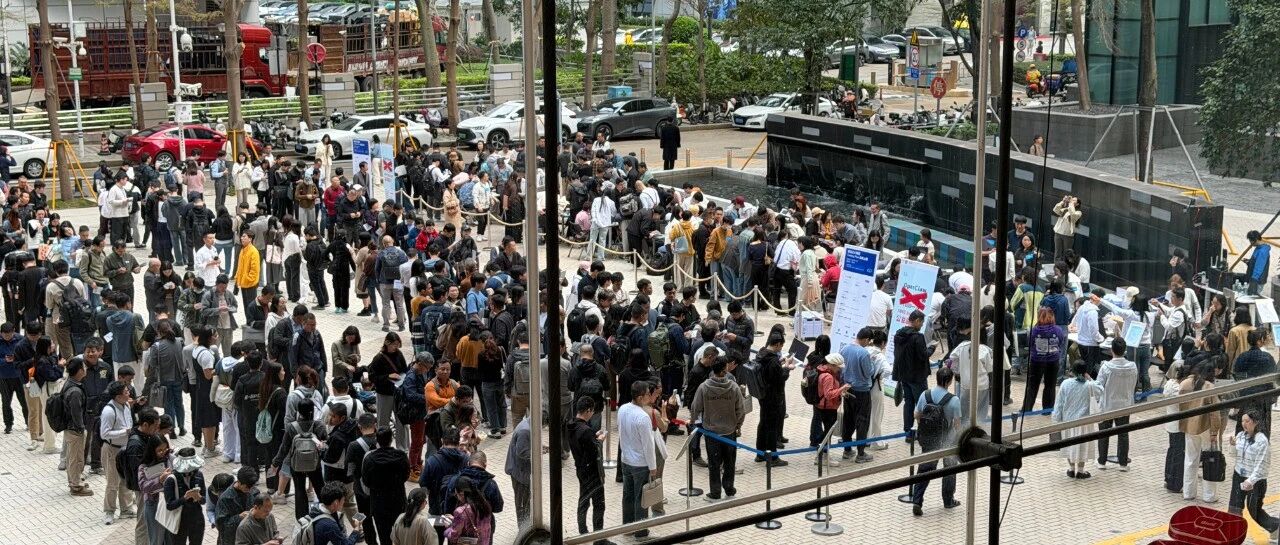
QuestMobile2025中国移动互联网年度大报告:大变局,AI 原生APP 总时长增 177%,吞噬垂类APP用户时长;腾讯、抖音、阿里企业流量均超12亿
QuestMobile· 2026-03-10 01:55
Core Viewpoint - The article emphasizes the significant growth and transformation of the mobile internet landscape in China by 2025, driven by advancements in AI technology and changing user demographics, leading to new competitive dynamics among major internet companies. Group 1: Mobile Internet Growth - By December 2025, the monthly active user (MAU) count for mobile internet reached 1.276 billion, with average daily usage time increasing to 7.96 hours, reflecting a year-on-year growth of 6% [4][18] - The user engagement metrics, including daily usage frequency of 112.9 times, also saw a year-on-year increase of 2.1% [4][18] - The growth is attributed to improved user quality, with 73.3% of users coming from tier-three cities and above, and significant increases in specific sectors like AIGC and audiobooks, which saw usage time growth of 176.7% and 64.4% respectively [4][5] Group 2: User Demographics and Spending Power - The user base is segmented into three age groups: 21.2% under 24 years, 51% between 25 to 50 years, and 27.8% over 51 years, indicating a strong consumer potential among the 25 to 50 age group [5] - The proportion of users with a spending capacity of over 1,000 yuan reached 72.4%, while those in the mid-to-high price segment (over 2,000 yuan) accounted for 70.2% [5] - The aging population trend is leading to an increase in the "silver economy," with older users becoming a significant consumer group [5] Group 3: Competitive Landscape - The competition among major internet companies has intensified, with Tencent, Douyin, and Alibaba leading the user base, each exceeding 1.2 billion MAUs [7][27] - Tencent remains the largest player with 1.275 billion users, while Douyin and Alibaba are rapidly closing the gap with growth rates of 11.9% and 3.7% respectively [7] - The competition has shifted from merely acquiring users to leveraging AI technologies for deeper user engagement and ecosystem development [27][30] Group 4: AI Integration and Application - By December 2025, the overall scale of AI on mobile platforms reached 722 million, with AI-native apps showing a significant increase in user engagement, averaging 143.2 minutes per user [6][30] - AI applications are increasingly replacing traditional apps, with user time on AI-native apps growing by 22.3% from January to December 2025 [6] - Major companies are investing heavily in AI-native applications, with the top 50 AI apps dominated by Alibaba, Baidu, Douyin, and Tencent, which collectively account for 64% of the user base [6][30] Group 5: Marketing and Advertising Trends - The internet advertising market in China reached 793.08 billion yuan in 2025, growing by 4.6% year-on-year, driven by AI marketing and emotional marketing strategies [50] - The advertising strategies are evolving, with a focus on emotional and experiential marketing, particularly in sectors like tourism and lifestyle [50][61] - The integration of online and offline marketing channels is becoming increasingly important, with brands leveraging local consumption scenarios to enhance engagement [75][79]




A股三大指数集体高开
第一财经· 2026-03-10 01:43
Market Overview - The A-share market opened with all three major indices rising, with the Shanghai Composite Index up 0.05%, the Shenzhen Component Index up 1.22%, and the ChiNext Index up 2.29% [4][5]. - The Hong Kong market also saw a positive opening, with the Hang Seng Index rising 1.31% and the Hang Seng Tech Index increasing by 2% [7][8]. Sector Performance - CPO concept stocks experienced a strong opening, with companies like Ruiskanda hitting the daily limit and Tianfu Communication rising over 7% [3]. - The oil and gas sector faced significant declines, with multiple companies such as Intercontinental Oil and Shandong Molong hitting the daily limit down, and others like Keli Co. and Tress dropping over 10% [3]. - The computing hardware industry chain rebounded, with CPO and memory sectors leading the gains, while sectors like coal, shipping, and chemicals saw substantial corrections [5]. AI and Technology Trends - In the Hong Kong market, AI concept stocks opened strongly, with Zhiyu rising 12% and Kingsoft Cloud increasing over 5% [6]. - A new open-source AI assistant named OpenClaw has gained significant traction in China, with daily token consumption of major models skyrocketing from 100 billion in early 2024 to 180 trillion by February 2026, and the number of intelligent agents expected to exceed 350 million by 2031 [6].




全球大公司要闻 | “宁王”去年净赚722亿,腾讯“AI养虾”全家桶上线
Wind万得· 2026-03-10 00:36
Group 1 - CATL expects a net profit of 72.201 billion yuan in 2025, a year-on-year increase of 42.28%, with revenue of 423.702 billion yuan, up 17.04%. The company plans to distribute a cash dividend of 69.57 yuan per 10 shares (tax included) [2] - CATL achieved lithium-ion battery sales of 661 GWh, a year-on-year increase of 39.16%, and power battery sales of 541 GWh, up 41.85%, with a global market share reaching a historical high [2] - Tencent's AI agent OpenClaw has gained global attention, with the launch of its full-scenario AI agent WorkBuddy, which is compatible with OpenClaw's features [2] Group 2 - Apple plans to release its first foldable iPhone, the iPhone Fold, in the second half of the year, increasing supply chain stock levels by 20% compared to initial targets [3] - Anthropic has filed a lawsuit against the U.S. Department of Defense over concerns that its AI technology poses risks to the U.S. supply chain [3] Group 3 - Pop Mart confirmed the establishment of a regional headquarters in California, marking a significant step in its internationalization strategy [5] - Alibaba has made new management arrangements following the sudden departure of Lin Junyang, with key personnel taking over the Qwen model's development [5] - Tianqi Lithium expects a revenue of 16.65 billion yuan in 2025, a year-on-year increase of 33.0%, and a net profit of 1.362 billion yuan, up 181.43% [6] Group 4 - NVIDIA's CEO expressed confidence in memory supply, stating that the company will utilize as much as the suppliers can produce [8] - Microsoft launched the Copilot Wave 3 update and AI software suite, including features developed in collaboration with Anthropic [8] - Tesla plans to expand its supercharging stations globally to 400 stalls, despite facing sales declines in the European market [8] Group 5 - Samsung Electronics faces potential strikes due to failed salary negotiations, which may impact HBM and memory chip supplies [11] - SK Hynix has been selected as a supplier for NVIDIA's Rubin HBM4, with shipments expected to start in March [11] - Toyota has launched the 2026 Corolla Altis in Thailand, introducing a hybrid version [11] Group 6 - ASML announced the appointment of former ASM International CEO Benjamin Lee to its supervisory board at the 2026 annual shareholder meeting [14] - BMW launched the limited edition Alpina XB7 Manufaktur, marking the end of its collaboration with Alpina [14] - Porsche plans to merge the Taycan and Panamera series, offering three powertrain options to reduce R&D costs [14]





8点1氪:特朗普称对伊朗战事“已基本结束”;胖东来12名店长共分2.4亿资产利润;Mac mini销量暴增或因OpenClaw爆火导致
36氪· 2026-03-10 00:23
Group 1 - US President Trump stated that the war with Iran is "basically over" and has progressed faster than expected, initially projected to take 4 to 5 weeks [5] - Trump mentioned that Iran no longer has a navy, communication systems, or air force, indicating a significant reduction in their military capabilities [5] - The US is temporarily lifting some oil-related sanctions to ensure sufficient oil supply and lower prices, as oil prices have not risen as much as feared [15] Group 2 - Domestic retail prices for refined oil in China will increase, with an estimated additional cost of 27.5 yuan for filling a 50-liter tank of 92 gasoline due to rising international oil prices [10] - The average retail price for 92 gasoline, 95 gasoline, and 0 diesel will increase by 0.55 yuan, 0.58 yuan, and 0.57 yuan per liter, respectively [10] Group 3 - Ningde Times plans to issue bonds not exceeding 400 billion yuan to optimize its debt structure and reduce financing costs [24] - The company reported a net profit of 72.2 billion yuan for 2025, a year-on-year increase of 42.28%, with total revenue of 423.7 billion yuan, up 17.04% [24] Group 4 - Same-day trading saw major US stock indices rise, with the Dow Jones up 0.5%, Nasdaq up 1.38%, and S&P 500 up 0.83%, indicating a positive market sentiment [13] - Notable gains were seen in large tech stocks, with Intel rising nearly 5% and Nvidia and Google up over 2% [13]
龙虾又又更新了:OpenClaw 3.8来袭;苹果首款折叠屏iPhone CAD图曝光,或今年9月登场;腾讯版“小龙虾”WorkBuddy正式上线丨邦早报
创业邦· 2026-03-10 00:08
Group 1 - Apple's first foldable iPhone, iPhone Fold, is expected to be released in September, featuring a book-style fold design and improved A20 Pro chip with a 15% performance increase and 30% energy efficiency improvement compared to A19 [2] - Ningde Times announced a projected net profit of 72.2 billion yuan for 2025, a 42.28% year-on-year increase, with lithium-ion battery sales expected to reach 661 GWh, a 39.16% increase [5] - The Chinese film market continues to lead globally, with a total box office nearing 11 billion yuan in 2026, capturing over 28% of the global market share [19] Group 2 - Nscale, a data center company backed by Nvidia, completed a $2 billion Series C funding round, achieving a valuation of $14.6 billion [15] - The AI glasses market is projected to see a shipment of 8.7 million units globally by 2025, with China becoming the fastest-growing market, accounting for 10.9% of the global share [19] - Xiaomi's former wearable business head is reportedly starting a new venture in the vehicle-mounted photovoltaic sector, although he has denied the claims [11]

清华公布毕业生去向:出国比例仅8.5%,华为字节是最大赢家
36氪· 2026-03-09 14:28
Group 1 - The proportion of Tsinghua graduates pursuing further studies abroad is 8.5%, which is lower than the average of the past decade, with undergraduate and master's students at 17.3% and 6.6% respectively [3][25][26] - Employment rate in key domestic sectors exceeds 86%, maintaining above 80% for 16 consecutive years, with major companies hiring including Huawei, BYD, ByteDance, Tencent, and others [3][5] - The employment rate of Tsinghua graduates outside Beijing is 56.3%, consistently above 50% for 11 years, indicating a trend of graduates not solely remaining in Beijing or coastal developed areas [5][18] Group 2 - Tsinghua graduates are primarily flowing into two major sectors: digital technology leaders like Huawei, Tencent, and Alibaba, and advanced manufacturing and energy/national defense-related enterprises like BYD and State Grid [8][10] - The number of graduates entering manufacturing and energy sectors has increased by 11% year-on-year, continuing a five-year growth trend, showing a shift away from "light asset, quick return" industries [11][15] - Tsinghua University has played a significant role in guiding graduates towards key industries, organizing specialized recruitment events and initiatives to promote employment in manufacturing and energy sectors [14][21][23] Group 3 - The demand for technical positions, particularly in AI, has surged, with major companies like Alibaba and Meituan significantly increasing their recruitment for AI-related roles [30][34] - The "Yao Class" from Tsinghua has produced numerous influential figures in AI, contributing to both established companies and startups in the field [36][37] - The latest report indicates that Tsinghua graduates are increasingly entering frontline industries, technology sectors, and national key projects, reflecting a broader trend of top talent moving to areas of high demand [38]

火到出圈!腾讯版龙虾来了,实测……
凤凰网财经· 2026-03-09 13:54
Core Viewpoint - Tencent's WorkBuddy, an AI tool inspired by OpenClaw, is designed to perform tasks based on natural language commands, distinguishing itself from traditional chatbots like ChatGPT by being able to execute actions rather than just engage in conversation [1][2]. Group 1: Product Features and Functionality - WorkBuddy operates similarly to other AI products, featuring a simple interface with a central dialogue box [3]. - Initial attempts to use WorkBuddy included basic commands, such as sending greetings via WeChat, which it declined due to access limitations [3][12]. - Successful commands included organizing desktop files into a new folder named "整理后的文档" (Organized Documents) [9][14]. - WorkBuddy can create folders and move files efficiently, demonstrating its capability in file management tasks [15][21]. Group 2: Limitations and Challenges - WorkBuddy struggles with certain tasks, such as reading image content or handling specific file formats, which limits its functionality [24][25]. - Users experienced delays and occasional system hang-ups when executing complex commands, indicating performance issues [26]. - The AI's inability to directly access certain applications or files necessitates manual intervention from users, which can hinder efficiency [12][27]. Group 3: User Experience and Recommendations - The user experience with WorkBuddy was mixed, with initial excitement tempered by the realization of its limitations [28]. - Recommendations for effective use include starting with simple tasks, providing ample background information for complex requests, and managing expectations regarding image-related tasks [27]. - Overall, WorkBuddy is viewed as a useful tool for repetitive tasks, but it requires further development to enhance its capabilities and address existing shortcomings [28].