SWHY(06806)

Search documents
【申万宏源研究春节见闻】在沪过年,看服务消费的潜力与未来
Xin Lang Cai Jing· 2026-02-22 04:49
Core Viewpoint - The article emphasizes the significant shift towards service consumption in China, driven by technological advancements and changing consumer preferences, particularly during the Spring Festival period [1][17]. Group 1: Service Consumption Trends - There is a growing demand for service consumption that provides emotional value and deep interpersonal connections, which is seen as a key driver for future economic growth and employment absorption [17]. - The logistics sector demonstrated resilience during the Spring Festival, with express delivery services maintaining operations and adjusting prices to reflect demand, thereby ensuring income for frontline workers [18][20]. - The increase in service consumption is linked to a positive economic cycle, where higher demand leads to increased income for service providers, which in turn boosts consumer spending capacity [20][5]. Group 2: Experiential Consumption in Physical Retail - Physical retail spaces are evolving from mere shopping venues to hubs for experience and social interaction, reflecting a shift in consumer behavior towards experiential consumption [21][22]. - During the Spring Festival, various cultural and interactive activities in commercial districts attracted consumers, enhancing their overall experience and increasing spending [21][22]. Group 3: Macro Data Supporting Service Consumption - Macro data indicates a robust growth in travel and cultural consumption, with Shanghai receiving 2.56 million visitors on the first day of the Spring Festival, a 38.97% increase year-on-year, highlighting a shift from traditional goods consumption to service-oriented spending [24]. - This trend signifies a structural transformation in consumer behavior, where service consumption is becoming a necessity rather than an option [24]. Group 4: Future of Service Consumption - The future of service consumption is expected to be multifaceted, driven by technological innovations and demographic changes, which will create new service demands and opportunities [26][28]. - Innovations like generative AI tools are anticipated to democratize content creation, fostering a vibrant cultural service sector and personalized digital consumption [26][28]. - The aging population is prompting institutional innovations in service delivery, such as short-term care services, addressing the growing demand for elder care and creating new job opportunities that are less susceptible to automation [28].


【申万宏源研究春节见闻】贵港:南疆古郡的航运枢纽新阶段 市井经济活跃+AI重塑市民生活习惯
Xin Lang Cai Jing· 2026-02-21 04:27
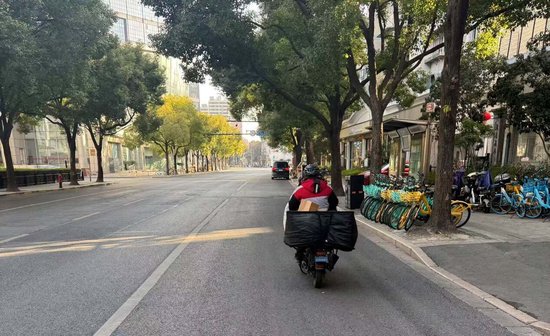
Core Viewpoint - The article discusses the significant changes in the economic landscape of Guigang, particularly due to the opening of the Pinglu Canal and the influence of AI on daily life, highlighting the city's strategic position and emerging industries [1][3][8]. Group 1: Pinglu Canal and Economic Impact - The Pinglu Canal is a key infrastructure project that will reshape the shipping landscape in Southwest China, expected to be completed by the end of 2026, allowing 5,000-ton vessels to navigate [3][18]. - The canal will reduce shipping distances by over 560 kilometers, saving more than 5.2 billion yuan in annual shipping costs, fundamentally changing the export dynamics of the region [3][18]. - Guigang is positioned as a core city in the Pinglu Canal economic belt, enhancing its role as a transportation hub and facilitating the development of local industries [5][20]. Group 2: Local Economic Activity and AI Influence - The local economy in Guigang has become more vibrant, with increased public activity during the Spring Festival, reflecting a resurgence in consumer engagement [8][23]. - AI applications are becoming prevalent in daily life, influencing consumer habits and advertising strategies, with significant competition among AI service providers [12][28]. - The integration of AI into various sectors is expected to reshape the internet traffic distribution and enterprise software landscape, marking a transformative period for technology companies [12][28].
【申万宏源研究春节见闻】江苏阜宁过年记:从数据到烟火的观察
Xin Lang Zheng Quan· 2026-02-21 04:22
Core Viewpoint - The article discusses the evolving economic landscape of Funing, Jiangsu, highlighting changes in population dynamics, consumer behavior, and the local economy during the Spring Festival period. Group 1: Population Dynamics - Funing is transitioning from a traditional labor-exporting county to a region with bidirectional population flow, with more young people settling in major cities and bringing their families to celebrate the New Year with them [2] - The decrease in returning visitors during the Spring Festival is attributed to this shift in family dynamics rather than a decline in population attraction [2] Group 2: Consumer Behavior - The consumer market in Funing has seen a notable increase in service prices during the Spring Festival, with demand remaining strong, indicating a "price increase and volume rise" scenario [6] - Specific examples include KTV prices nearing 800 yuan for two hours, cinema tickets ranging from 60 to 80 yuan, and an increase in average spending at hotpot restaurants from around 50 yuan to 80 yuan [6][9] - The rise in prices is linked to a combination of limited supply in high-quality entertainment options and a surge in demand from both local residents and returning visitors [9] Group 3: Tourism and Cultural Development - Funing aims to enhance its tourism sector with the development of the金沙湖 National Tourism Resort, but actual visitor numbers during the Spring Festival were lower than expected compared to local attractions [13] - The preference for local, interactive, and low-cost leisure activities over standardized tourist attractions indicates a mismatch between product offerings and consumer demand [13] - The article suggests that the key to successful tourism development lies in leveraging existing resources and creating engaging local experiences rather than solely focusing on high-end projects [16]

【申万宏源研究春节见闻】醉美亭城,山水滁州欢迎您
Xin Lang Cai Jing· 2026-02-21 04:21
专题:资本市场大咖2026新春献词:骏马踏春来 驭势稳行启新程 炒股就看金麒麟分析师研报,权威,专业,及时,全面,助您挖掘潜力主题机会! 作者:申万宏源研究家电首席分析师 刘正 2026年2月21日 农历丙午年正月初五 于安徽滁州 当沪漂的身份切换回游子,当研报里的宏观数据变成眼前的真实场景,每一次春节返乡,对我而言都是 一次最生动的"草根考察"。我的家乡在安徽省滁州市,素有"金陵锁钥、江淮保障"之称,因欧阳修的 《醉翁亭记》而名扬天下,每次给别人介绍我的家乡,我都以骄傲地背诵出"醉翁之意不在酒,在乎山 水之间也"的诗句开始,来介绍我的家乡。在外人看来,它是南京都市圈和合肥都市圈的"双圈明星"; 在我们本地人眼中,它是既有千年文脉又有烟火气息的皖东重镇。今年春节归来,有两个地方让我感触 最深:一个是承载着这座城市文化底蕴的"亭",一个是蕴藏着民间消费韧性的"市"。 一、 千年文脉的"新活法":从"醉翁之意"到"古城春联" 二、 狗市里的"烟火经济学":7万人的信心与活力 如果说醉翁亭是滁州的脸面,那么"狗市"就是滁州的胃和心。初三送年结束,虽然寒风料峭,但我还是 一大早驱车直奔紫薇中路的"狗市"。老滁州人都知 ...
【申万宏源研究春节见闻】天津:以油田为基,石化产业迈向高质量发展新阶段
Xin Lang Zheng Quan· 2026-02-21 04:17
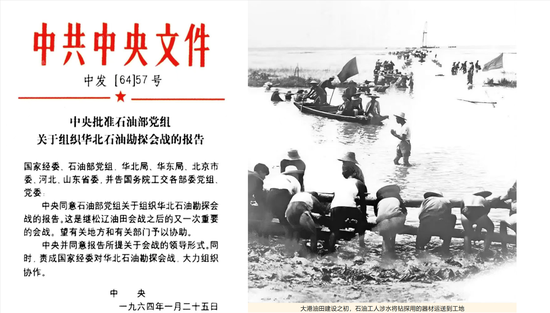
Group 1 - The core viewpoint of the article emphasizes the transformation of Tianjin's petrochemical industry from traditional refining to a modern materials industry, highlighting its significant growth and development [1][10] - Tianjin's oil production reached 40.92 million tons in 2025, making it the highest in the country, accounting for 19% of national output [3][6] - The Bohai Oilfield continues to be a crucial contributor, with its oil and gas equivalent production exceeding 40 million tons in 2025, representing over 60% of the national increase in marine crude oil production [3][6] Group 2 - The petrochemical industry has become the leading industrial sector in Tianjin, with an output value of nearly 450 billion yuan in 2024, constituting over 20% of the city's industrial output [8][10] - The industry has evolved through three stages: initial establishment in the 1970s, growth in the early 2000s, and maturity by 2010, with significant projects like the 1 million-ton ethylene and 10 million-ton refining projects [6][10] - By the end of 2024, Tianjin's refining capacity reached 21 million tons per year, with ethylene production at 3 million tons per year, positioning it among the top producers in the country [6][10] Group 3 - The current period is critical for the high-quality transformation of the petrochemical industry, shifting from fuel-driven growth to material-driven development, with a focus on optimizing structure [10][12] - The South Port Industrial Park is central to this transformation, focusing on high-end chemical products and advanced materials, with strategic projects in various sub-sectors [10][12] - The Dagu Petrochemical Industrial Park aims to attract high-performance chemical projects, indicating a targeted approach to enhance the industry's capabilities [10][12]
【申万宏源研究春节见闻】南通与成都:双城镜像,共绘复苏新图景
Xin Lang Cai Jing· 2026-02-21 04:16
Core Insights - The article highlights the distinct development paths of Nantong and Chengdu during the 2026 Spring Festival, reflecting new demands in housing and the vitality of commercial consumption in China [1][11]. Group 1: Nantong's Housing and Consumption - Nantong's real estate market focuses on "policy precision and service convenience," launching a "New Spring Home Purchase" initiative with 74 projects participating in community benefit activities [2][13]. - The city aims to meet diverse needs such as returning home buyers, talent housing, and senior living through various housing options, from small units to larger apartments [2][13]. - The commercial area of Tangzha Ancient Town saw significant visitor engagement, with over 66,000 tourists during the first two days of the new year, a 50% increase from the previous year [3][14]. - The bustling atmosphere led to a 189% increase in sales for local merchants and market stalls, showcasing strong consumer activity and traditional festive spirit [3][14]. Group 2: Chengdu's Urban Quality and Commercial Real Estate - Chengdu emphasizes "livable quality" in its housing market, with the Luhua community as a model, featuring 8,300 acres of land and a 2,100-acre artificial lake [7][18]. - The city’s commercial real estate sector is thriving, leveraging "scene innovation" and "first-store economy" to attract consumers, becoming a top destination for national consumption [9][20]. - Chengdu's Spring Festival activities included over 90 brands launching limited-time offers, enhancing customer engagement through upgraded flagship stores and unique experiential events [9][20]. - The integration of cultural and commercial elements, such as the large-scale lantern displays and tech-driven experiences, reflects the city's dynamic approach to urban development and consumer engagement [9][20]. Group 3: Economic Implications - Both cities represent contrasting yet complementary aspects of China's economic recovery, with Nantong focusing on stability and foundational growth, while Chengdu showcases vibrant consumer culture and innovation [11][22]. - The developments in Nantong and Chengdu illustrate a broader narrative of China's economic stabilization and the strengthening of internal demand, highlighting the importance of housing and consumption in urban growth [11][22].
【申万宏源研究春节见闻】山东肥城:君子之邑山水秀,宜居宜商迎客来
Xin Lang Cai Jing· 2026-02-21 04:11
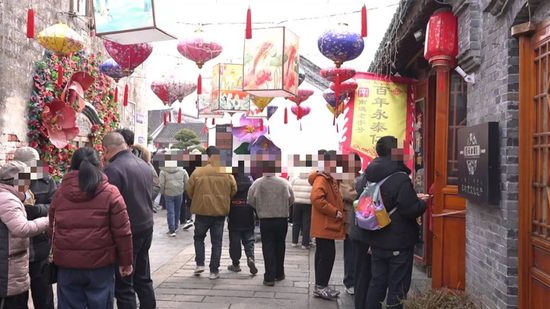
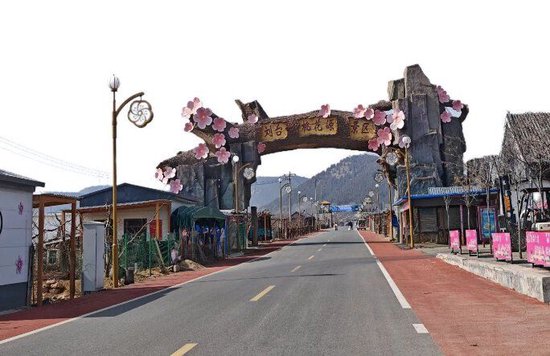
Core Viewpoint - The article highlights the rapid development of Feicheng, Shandong Province, emphasizing its economic growth, geographical advantages, and cultural significance, while encouraging tourism and investment in the region [22]. Geography: "Peach Capital of China" - Feicheng is located in central Shandong, near Mount Tai, with a favorable climate and fertile soil, making it famous for its peaches [23][26]. - The city has excellent transportation links, being approximately 30 kilometers from Tai'an and 60 kilometers from Jinan, with ongoing construction of a general aviation airport to enhance connectivity [26][27]. Culture: "City of Gentlemen" - Feicheng is influenced by Confucian culture, emphasizing etiquette and relationships, with a unique local dialect that fosters social connections [29]. - The city has a rich historical legacy, producing notable figures and having a significant role in the anti-Japanese war, with memorials serving as educational sites [30]. Economy: Nationally Ranked and Industrial Upgrading - Feicheng ranks among the top 100 counties in China, with a projected GDP of 965.6 billion yuan for 2024, reflecting a growth rate of 6.4% [33]. - The city has a strong industrial base, focusing on special steel, high-end equipment, and new energy sectors, while agriculture, particularly peach cultivation, remains a key economic driver [33][12]. - Recent initiatives include the development of a 300MW advanced compressed air energy storage demonstration project, with a total investment of 34 billion yuan in new energy projects [37][38].
【申万宏源研究春节见闻】辽宁大连:港产联动启万亿新程,科创赋能绘振兴新篇
Xin Lang Cai Jing· 2026-02-20 05:37
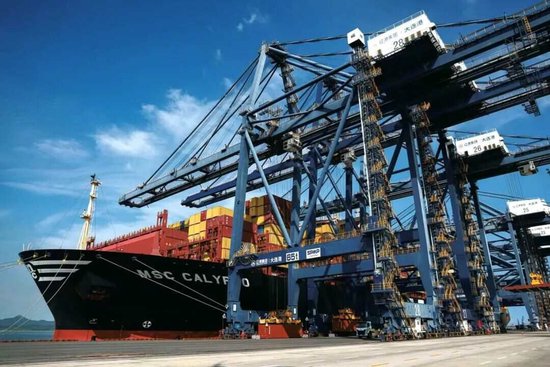
Core Insights - Dalian has become the first "trillion-yuan city" in Northeast China, showcasing its industrial vitality and economic strength during the 2026 Spring Festival [1][13] - The Dalian Port, as the largest comprehensive port in Northeast China, reported a container throughput of over 5.4 million standard containers in 2025, ranking fourth globally, with a year-on-year growth of 3.6% in foreign trade container throughput [1][13] Industry Overview - Dalian has developed traditional industrial clusters centered around petrochemicals and equipment manufacturing, which constitute over 80% of its manufacturing sector [2][15] - The petrochemical industry in Dalian is the largest in Northeast China, with a complete industrial chain from crude oil processing to fine chemicals [3][16] Growth and Transformation - The petrochemical sector is expected to achieve steady growth, aiming to establish a 500 billion yuan green petrochemical industry cluster by 2025, with an industrial added value growth of 8.9% [3][16] - Dalian's industrial transformation is characterized by a shift from "heavy oil" to "light chemicals" and from "quantity" to "quality," supported by the "Three-Year Action Plan for the Cultivation and Enhancement of the Green Petrochemical Cluster" [3][16] Innovation and Research - The Dalian Institute of Chemical Physics is a key driver of innovation, focusing on core technology breakthroughs in energy chemistry and fine chemical materials [5][17] - The institute has established a comprehensive transformation system from basic research to engineering and industrialization, effectively bridging the gap between laboratory breakthroughs and production [5][19] Future Development - Dalian aims to cultivate seven industrial clusters worth over 100 billion yuan during the 14th Five-Year Plan period, including a 500 billion yuan green petrochemical cluster and an 180 billion yuan equipment manufacturing cluster [8][20] - The city is actively developing a new materials industry park in the Puwan Economic Zone, focusing on critical material technology advancements and promoting the cluster's high-end development [8][20]
【申万宏源研究春节见闻】春归姑苏,逐球追雪:一座江南古城的体育消费新热潮
Xin Lang Zheng Quan· 2026-02-20 05:37
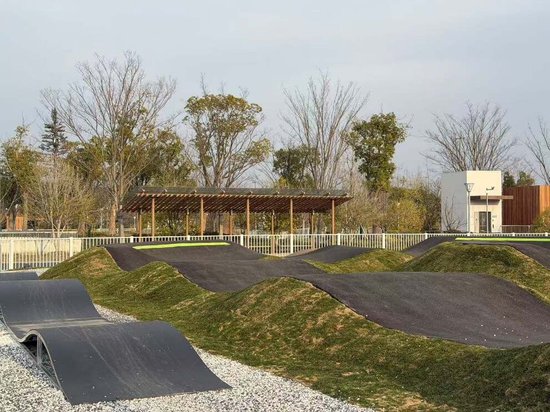
Core Viewpoint - The article highlights the growing sports culture in Suzhou, emphasizing the emergence of new sports facilities and the increasing demand for sports apparel, driven by a shift towards active lifestyles and family-oriented recreational activities [1][2][18]. Group 1: Sports Facilities Development - The Suzhou Taihu Cycling Sports Park, which opened on February 1, is the first comprehensive cycling park in the Yangtze River Delta, featuring a 5-kilometer XC trail and a 3,600-square-meter pump track, attracting significant public interest [1][2]. - The Taicang Alps Snow World has become a popular family vacation destination, offering various winter activities and aiming to enhance the ice and snow economy with plans for the world's longest indoor snow track and the first AI smart snow park [6][7]. - The River Training Base for pickleball is set to open in March 2026, featuring 21 international standard courts and aiming to establish a comprehensive ecosystem for the sport, including talent cultivation and international events [11][12]. Group 2: Emerging Sports and Consumer Trends - The rise of ice and snow sports is creating new consumer demands, with a notable increase in the rental and sale of stylish and functional ski apparel during the holiday season, particularly among young people and families [7][12]. - Pickleball, characterized by its low entry barrier and high fun factor, is gaining popularity, and the River Training Base is expected to drive demand for lightweight sports apparel and durable footwear [12][14]. - The Taicang Cricket Sports Center, set to open in late 2026, aims to become a hub for cricket in China, with a focus on youth training and hosting top-tier events, which will stimulate demand for specialized cricket apparel [14][17]. Group 3: Market Opportunities in Sports Apparel - The development of new sports venues is transforming consumer behavior from merely watching sports to actively participating, thereby driving the demand for professional sports gear [17]. - The sports boom in Suzhou is expected to create three major opportunities for the sports apparel market: rapid growth in demand for professional gear, expansion of niche markets for emerging sports, and a trend towards fashionable sportswear that integrates into everyday life [17][18].
【申万宏源研究春节见闻】深圳:科创的咏叹,续写春天的故事
Xin Lang Cai Jing· 2026-02-20 05:32
Core Viewpoint - Shenzhen has transformed from a small fishing village into a global innovation hub, showcasing its technological prowess and commitment to becoming a benchmark for China's socialist development model [1][25]. Group 1: Historical Context and Development - The establishment of the Shekou Industrial Zone in 1979 marked the beginning of Shenzhen's transformation, symbolized by the phrase "Time is Money, Efficiency is Life" to attract investment [2][4][31]. - The founding of Huawei in 1987 by Ren Zhengfei in Shekou highlights the entrepreneurial spirit that emerged during this period, leveraging initial capital from Hong Kong [4][28]. Group 2: Industry Growth and Key Players - Foxconn, established by Terry Gou in 1988, became the world's largest electronics manufacturing services provider, benefiting from Shenzhen's cost advantages and industrial ecosystem [6][31]. - Shenzhen's EMS capabilities have empowered global tech innovation, with companies like Foxconn, Luxshare Precision, and BYD Electronics playing significant roles in the supply chain [9][33]. Group 3: Current Trends and Future Outlook - Shenzhen is positioning itself as a leader in AI and robotics, with over 2,600 AI enterprises and projected revenue of approximately 220 billion yuan by 2025 [15][39]. - The "Robot Valley" in Shenzhen is emerging as a global innovation center for robotics, supported by a robust ecosystem of over 74,000 related enterprises and numerous educational institutions [19][39]. Group 4: Commercial Landscape - Huaqiangbei, known as "China's Electronics First Street," hosts a vast network of businesses and attracts over 7,000 foreign visitors daily, reflecting its significance in the global electronics market [11][35]. - The area is characterized by a practical and efficient business model, enabling startups to thrive, including notable companies like Ugreen Technology and Transsion Holdings [12][36].