
Tsingtao Brewery(600600)

Search documents
观酒周报|会稽山连续涨停市值破百亿大关;4月全国白酒产量两位数下滑;姜宗祥当选青啤新一届董事长
2 1 Shi Ji Jing Ji Bao Dao· 2025-05-26 02:40
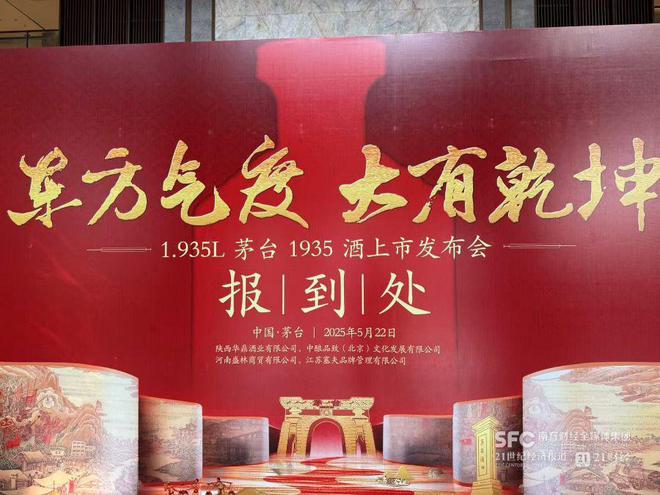
21世纪经济报道肖夏 综合报道 酒业不同细分行业,正处于不同的周期。 上周茅台股东大会召开,汾酒、古井贡酒接连举行业绩说明会,白酒投资者们再次将如何应对周期、看 待行业趋势的问题抛给了各家头部酒企管理层。而会稽山、古越龙山等黄酒企业近期难得受到资本市场 追捧,股价持续上涨。啤酒企业则正在走入旺季,寄望于用更多新品乃至更多非啤酒产品开启新一轮增 长。 行业要闻 4月中国规上企业白酒产量两位数下滑 啤酒增长4.8% 国家统计局披露了4月全国工业主要产品产量及增长速度。2025年4月,中国规模以上企业啤酒产量 289.6万千升,同比增长4.8%,继续保持增长;2025年1-4月,中国规模以上企业累计啤酒产量1144.0万 千升,同比下降0.6%,降幅进一步收窄。 白酒情况相对不乐观。2025年4月中国规模以上企业白酒产量28.1万千升,同比下滑13.8%,今年以来第 三度下滑。2025年1-4月,中国规模以上企业累计白酒产量130.8万千升,同比下降7.8%。 今年以来黄酒备受资本市场追捧,会稽山已经多次涨停,古越龙山也受带动持续上涨,两家酒企也双双 宣布了提价。对于黄酒上涨的逻辑,21世纪经济报道此前已有分析。 ...






食饮行业周报(2025年5月第3期)
ZHESHANG SECURITIES· 2025-05-25 07:20
Investment Rating - The industry rating is maintained as "Positive" [5] Core Views - The food and beverage sector is focusing on three new consumer investment opportunities: "category dividends in the food sector," "new channel drivers such as snack companies in membership supermarkets," and "new hotspots in health products." Traditional consumption is expected to see performance bottoming out and potentially rising [1][2] - The report emphasizes the importance of focusing on leading companies in the industry during this phase, particularly in the liquor sector, which may experience a transition year in 2025 [1][2] - The report continues to recommend leading stocks in the food and beverage sector, highlighting companies such as Jin Zai Food and Yan Jin Pu Zi, while also paying attention to You You Food [1][2] Summary by Sections Food and Beverage Sector - The report highlights the focus on "category dividends," "new channel drivers," and "health product hotspots" as key investment opportunities [1][2] - Recommended stocks include Jin Zai Food, Yi Li, Yan Jin Pu Zi, Dong Peng Beverage, and others, with a focus on leading companies [2][24] Liquor Sector - The liquor sector is currently at a low point, with the first quarter potentially being the lowest for the year. The report recommends focusing on brands with strong momentum and reasonable growth targets [2][16] - High-end liquor recommendations include Guizhou Moutai and Wuliangye, while mid-range and regional brands include Gu Qing Gong Jiu and Shanxi Fen Jiu [2][17] - The report notes that the liquor sector may enter a structural bull market due to policy stabilization and real estate recovery [16][17] Market Performance - From May 19 to May 23, the Shanghai Composite Index fell by 0.18%, while other liquor categories rose by 8.69% and frozen foods by 3.89% [3][29] - The report indicates that the liquor sector experienced a decline of 2.78% during the same period, with specific brands showing varied performance [4][29] Company Updates - Jin Zai Food is highlighted as a leading snack brand with a clear growth path, driven by its main product line and new channel expansions expected to boost revenue and profits [19][20] - Guizhou Moutai is focusing on five key areas for development, including maintaining brand value and enhancing international market presence [7][8] - Liquor companies like Luzhou Laojiao and Shanxi Fen Jiu are also focusing on expanding their market presence and improving brand strength [10][12]



食品饮料行业周观点:白酒行业逐步施压,餐供龙头边际修复
GOLDEN SUN SECURITIES· 2025-05-25 06:23
Investment Rating - The report maintains an "Increase" rating for the food and beverage industry, indicating a positive outlook for key players in the sector [5]. Core Insights - The white liquor industry is experiencing gradual pressure, with a focus on rational targets for 2025. The report emphasizes three main investment lines: leading brands with competitive advantages, high-certainty regional brands, and flexible stocks benefiting from recovery and increased risk appetite [1][2]. - The beer sector shows a slight decline in production, with a 0.6% year-on-year decrease in the first four months of 2025. However, there is potential for recovery in the upcoming peak season, suggesting a favorable investment window [3]. - The report highlights the broad recovery potential in the catering supply space, with leading companies expected to benefit from improved performance and market expansion strategies [4][7]. Summary by Sections White Liquor - The industry consensus is shifting towards stable, high-quality growth with a focus on market share rather than aggressive growth targets. Key strategies include product innovation, market penetration, and international expansion [2]. - Major companies like Guizhou Moutai and Shanxi Fenjiu are focusing on maintaining market stability and enhancing their brand presence among younger consumers [2]. Beer and Beverage - The beer production for January to April 2025 was 11.44 million kiloliters, reflecting a slight decline. However, April showed a 4.8% increase in production, indicating potential for recovery [3]. - The beverage sector is characterized by intense competition, but new product launches and recovery in consumer demand are expected to sustain high growth [3]. Catering Supply - The report notes significant opportunities for leading companies in the catering supply sector, particularly with the introduction of new products and expansion into new categories [4][7]. - Companies like Three Squirrels are diversifying their product lines and enhancing their distribution channels to capture more market share [7].




【青岛啤酒(600600.SH)】以消费者为中心,追求量利齐升——跟踪报告(陈彦彤/汪航宇/聂博雅)
光大证券研究· 2025-05-23 14:03
Core Viewpoint - The new management team emphasizes a consumer-centric approach and sales growth, continuing the previous strategic framework while introducing new initiatives to adapt to market demands [3][4]. Group 1: New Management Strategy - The new management strategy focuses on "beer + biotechnology + health" as strategic areas for future development [3]. - The company aims to deepen its presence in both domestic and international markets [3]. - A product development strategy termed "1+1+1+2+N" will be implemented to enhance product offerings [3]. - Brand communication will be strengthened to improve consumer experience [3]. - The "Five New" framework (new products, new channels, new scenarios, new demographics, new demands) will support the cultivation of new growth points [3]. - Digital transformation will be accelerated to adapt to changing market conditions [3]. - The company plans to solidify its core business while exploring new ventures [3]. Group 2: Focus on Consumer Demand - The beer industry is characterized by stable overall volume and structural upgrades, with a projected per capita beer consumption in China of 30.5 liters in 2024, indicating significant growth potential [4]. - There is a growing demand for mid-range and premium beers, driven by consumer preferences for quality, personalized experiences, and value for money [4]. - The company aims to meet evolving consumer needs through new products, channels, and scenarios, targeting demographics such as Generation Z, women, high-net-worth individuals, and the elderly [4]. Group 3: Emphasis on Sales Growth - The product strategy includes a focus on classic, pure draft, and white beer as core growth products, alongside the development of fresh products and high-end offerings [5]. - The southern market is identified as a growth highlight, with new consumption scenarios and product launches showing initial success [5]. - International expansion will target potential markets in South Korea, Mongolia, Kazakhstan, and West Africa to drive overall sales growth [5].

品牌榜单大揭秘!2025中国酒业揭晓,众多知名酒企为何抢注点商标?
Sou Hu Cai Jing· 2025-05-23 05:19
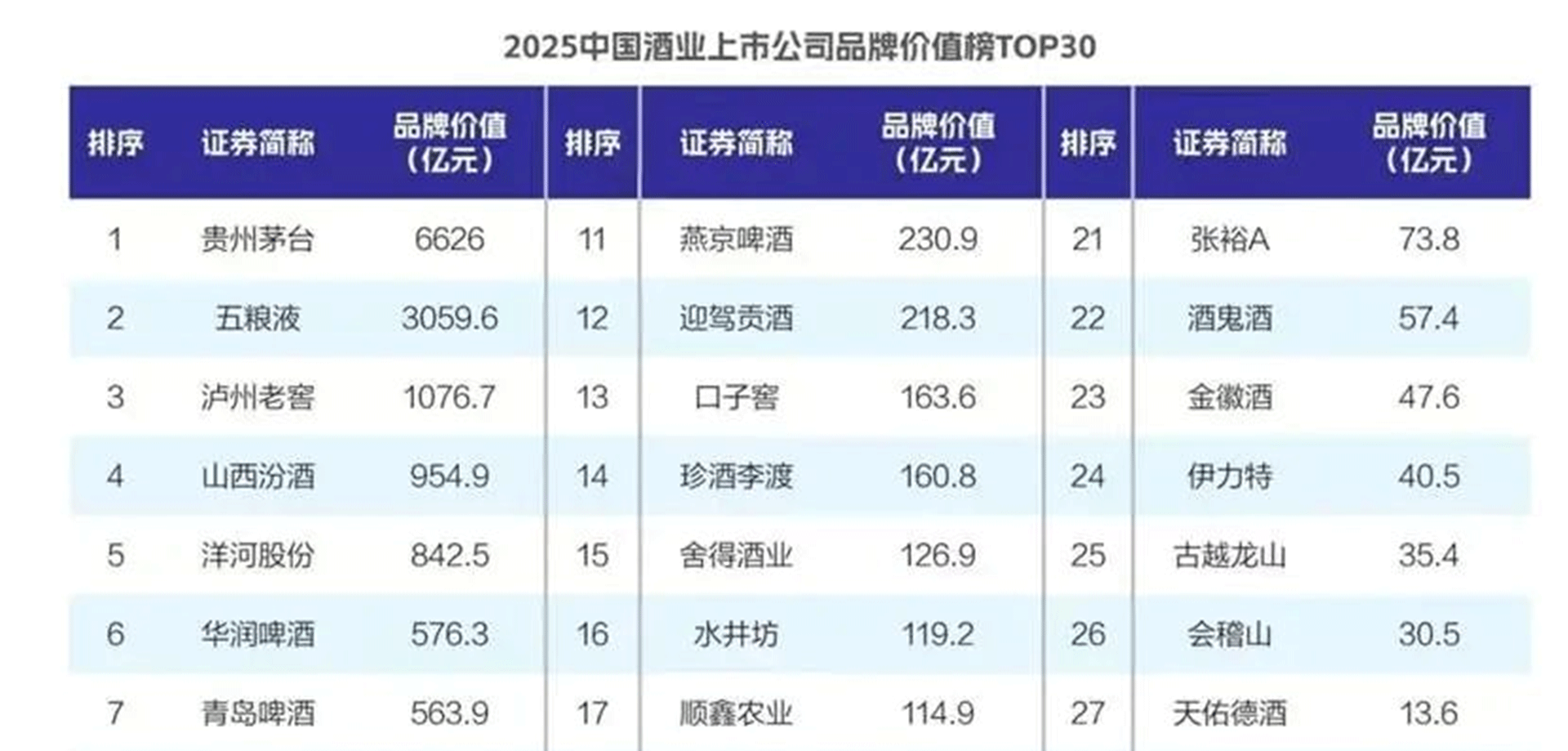
Core Insights - The 2025 China Liquor Industry Capital Forum and the Golden Goblet Award Ceremony highlighted the brand value of listed liquor companies, with a total brand value of 16,578 billion yuan [1] - The event aimed to help liquor companies understand their brand development status and improve brand management efficiency [1] Brand Value Rankings - The top three companies by brand value are: 1. Kweichow Moutai: 6,626 billion yuan 2. Wuliangye: 3,059.6 billion yuan 3. Luzhou Laojiao: 1,076.7 billion yuan [3] - Other notable companies include Shanxi Fenjiu and Yanghe Brewery, with brand values of 954.9 billion yuan and 842.5 billion yuan respectively [3] Domain Name Strategy - Companies like Luzhou Laojiao, Shanxi Fenjiu, and Kouzi Jiao have registered ".商标" domain names, aligning their brand names with their internet presence [3] - This strategy enhances brand recognition and commercial value, as high brand value companies benefit from more recognizable domain names [4] - The ".商标" domain registration process requires trademark rights verification, ensuring brand protection and reducing the risk of counterfeit websites [4][7] Digital Brand Protection - The integration of domain names and trademark protection is crucial in the digital age, necessitating a comprehensive internet brand protection system [7] - Companies are encouraged to adopt strategic layouts, legal measures, and technical monitoring to safeguard their brand value online [7]

青岛啤酒(600600.SH):加大产品、销售模式创新力度,积极应对市场变化
Guoxin Securities· 2025-05-23 04:20
Investment Rating - The investment rating for Qingdao Beer is "Outperform the Market" [6][17]. Core Viewpoints - The beer industry is experiencing a diversification in demand, leading to increased requirements for product innovation among beer companies. Consumers are increasingly pursuing high-end, healthy, personalized, and value-for-money options. From the second half of 2024, leading beer companies are accelerating product and channel innovation, such as launching low-alcohol/non-alcoholic beers and high-quality craft beers, while actively collaborating with emerging channels like instant retail and bulk snacks [2][10]. - Qingdao Beer is proactively responding to market changes by accelerating its innovation pace. The company is focusing on rapidly growing new channels, such as online e-commerce and instant retail, and has introduced a "30-minute fresh delivery" model, which has covered 29 cities nationwide. The management emphasizes that the company will enhance systematic innovation driven by technology to meet changing consumer demands and habits [3][11]. - The company is committed to developing its core beer business while gradually expanding into non-beer sectors. The acquisition of the Jimo Huangjiu business is aimed at meeting diverse consumer needs and balancing seasonal sales fluctuations between beer and Huangjiu, thereby strengthening the company's channel foundation. The management has stated that the expansion into non-beer businesses will not compromise the focus on the beer core business [3][12]. Financial Forecasts - For the years 2025-2027, Qingdao Beer is expected to achieve total revenue of 332.5 billion, 341.8 billion, and 350.3 billion yuan, respectively, with year-on-year growth rates of +3.4%, +2.8%, and +2.5%. The net profit attributable to shareholders is projected to be 47.6 billion, 51.2 billion, and 53.6 billion yuan, with growth rates of +9.7%, +7.5%, and +4.7% [4][17]. - The company is expected to maintain a profit growth rate that outpaces revenue growth, supported by continuous product structure upgrades and cost advantages throughout the year [3][17].
青岛啤酒(600600):加大产品、销售模式创新力度,积极应对市场变化
Guoxin Securities· 2025-05-23 03:12
Investment Rating - The investment rating for Qingdao Beer is "Outperform the Market" [6][17]. Core Viewpoints - The beer industry is experiencing a diversification in demand, leading to increased requirements for product innovation among beer companies. Consumers are increasingly pursuing high-end, healthy, personalized, and value-for-money options. From the second half of 2024, leading beer companies are accelerating product and channel innovation, such as launching low-alcohol/non-alcoholic beers and high-quality craft beers, while actively collaborating with emerging channels like instant retail and bulk snacks [2][10]. - Qingdao Beer is proactively responding to market changes by accelerating its innovation pace. The company is focusing on rapidly growing new channels, such as e-commerce and instant retail, and has introduced a "30-minute fresh delivery" model, which has covered 29 cities nationwide. The management emphasizes systematic innovation driven by technology to adapt to changing consumer demands and habits [3][11]. - The company is committed to developing its core beer business while gradually expanding into non-beer sectors. The acquisition of a yellow wine business is aimed at meeting diverse consumer needs and balancing seasonal sales fluctuations. The management has stated that the expansion into non-beer businesses will not compromise the focus on the beer sector, which remains the company's priority [3][12]. Financial Forecasts and Performance - The company has adjusted its revenue and profit forecasts for 2025-2027, expecting total revenue of 332.5 billion, 341.8 billion, and 350.3 billion yuan, respectively, with year-on-year growth rates of +3.4%, +2.8%, and +2.5%. The expected net profit attributable to shareholders is 47.6 billion, 51.2 billion, and 53.6 billion yuan, with growth rates of +9.7%, +7.5%, and +4.7% [4][17]. - For 2024, the company anticipates total revenue of 321.4 billion yuan, a decrease of 5.3% year-on-year, with a net profit of 43.4 billion yuan, reflecting a slight increase of 1.8% [12][14]. - The company is expected to maintain a strong gross margin due to cost reductions, with a projected gross margin of 41.6% in the first quarter of 2025, up 1.2 percentage points year-on-year [16]. Market Position and Strategy - Qingdao Beer is leveraging its competitive advantages in the market, with a comprehensive product range and leading brand strength. The company's systematic innovation is expected to support its performance growth [4][17]. - The company is focusing on improving the quality of growth by actively controlling channel inventory and enhancing product freshness at the terminal level, which is expected to lead to a strong recovery in sales as it enters the peak season [3][15].
朝闻国盛:股票组合偏离度管理的几个方案:锚定基准做超额收益
GOLDEN SUN SECURITIES· 2025-05-23 01:49
Core Insights - The report emphasizes the importance of benchmark anchoring for generating excess returns in stock portfolios, suggesting that fund managers should focus on individual stock alpha while controlling style and sector deviations [4][5][6]. Financial Engineering - **Strategy 1: Core-Satellite Approach**: Allocate W% of the portfolio to benchmark anchoring and (1-W%) to active management, allowing for better tracking error control while maintaining excess returns. A suggested W parameter is 40% for specific performance metrics [4]. - **Strategy 2: Industry Neutrality**: Ensure the stock portfolio's industry allocation matches that of the benchmark (CSI 300), which can reduce tracking error and lower the probability of underperformance by over 10% compared to the benchmark [5]. - **Strategy 3: Style Neutrality**: Maintain the original stock selection but adjust weights to minimize style deviation from the benchmark, which can effectively lower tracking error at minimal cost [6]. - **Strategy 4: Barbell Strategy**: For funds with distinct style biases, a dual strategy combining growth and defensive investments can help reduce tracking error and volatility, suitable for long-term investment goals [6]. Steel Industry - The report discusses the cyclical nature of national debt cycles, categorizing them into three phases: local government debt, centralization of local debt, and monetization of national debt, reflecting the broader economic cycles of labor and wealth [7]. Electronics Industry - **Company Overview**: 纳芯微 (Naxin Micro) is a leading player in automotive analog chips, with a product portfolio that includes over 3,300 models. The company holds the top market share among domestic manufacturers in automotive analog chips and magnetic sensors [8]. - **Financial Performance**: The company expects significant revenue growth, projecting revenues of 29.59 billion, 37.95 billion, and 47.29 billion yuan for 2025-2027, with corresponding net profits of -0.81 billion, 1.03 billion, and 2.95 billion yuan [8]. Pharmaceutical Industry - **Company Strategy**: 阳光诺和 (Sunshine Novo) plans to acquire 100% of 朗研 (Langyan) to accelerate innovation and enhance its business ecosystem, focusing on R&D services, pipeline cultivation, and a new quality industrial chain [10]. - **Financial Projections**: The company anticipates net profits of 2.33 billion, 2.88 billion, and 3.55 billion yuan for 2025-2027, reflecting growth rates of 31.3%, 23.8%, and 23.0% respectively [10]. Retail Industry - **Market Overview**: The retail sector showed a year-on-year growth of 5.1% in April, indicating a stable recovery with some sub-sectors improving. Key players include 华住集团 (Huazhu Group) and 永辉超市 (Yonghui Supermarket) [15]. - **Investment Opportunities**: The report highlights potential in sectors benefiting from tourism and new retail formats, suggesting a positive outlook for companies adapting to changing consumer behaviors [15]. Textile and Apparel Industry - **Company Performance**: 滔搏 (Tao Bo) reported a revenue decline of 6.6% for FY2025, with a significant drop in net profit by 41.9%, attributed to a challenging consumer environment and inventory adjustments [16]. - **Future Outlook**: Despite short-term pressures, the company is expected to recover with projected net profits of 13.01 billion, 14.81 billion, and 16.47 billion yuan for FY2026-2028 [16]. Food and Beverage Industry - **Company Strategy**: 青岛啤酒 (Qingdao Beer) is focusing on market expansion during peak seasons, leveraging cost advantages and scale effects to enhance profitability [18]. - **Financial Forecast**: The company projects net profits of 48.1 billion, 52.1 billion, and 56.5 billion yuan for 2025-2027, with growth rates of 10.7%, 8.2%, and 8.6% respectively [18]. Snack Industry - **Company Development**: 三只松鼠 (Three Squirrels) is expanding its product categories and distribution channels, aiming to create a comprehensive supply chain that integrates manufacturing, branding, and retail [21]. - **Market Positioning**: The company is leveraging its efficient supply chain to tap into broader market opportunities, transitioning from online to offline sales and exploring new retail formats [21].




啤酒、饮料攻防战:互相卷进对方的赛道|新酒饮变局
2 1 Shi Ji Jing Ji Bao Dao· 2025-05-23 01:02
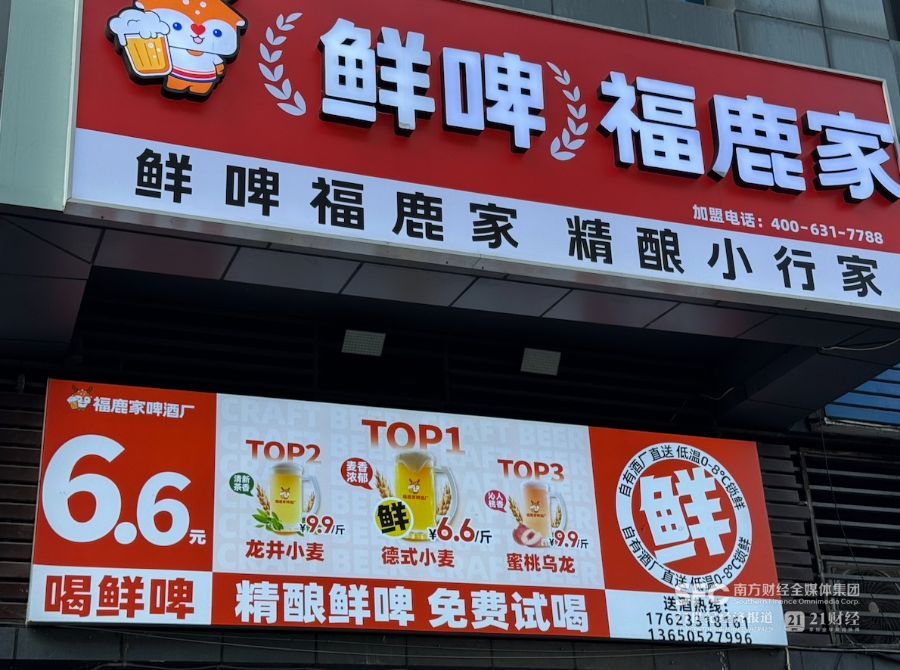
Core Viewpoint - The beverage industry is undergoing significant transformation, with a focus on new alcoholic beverages such as craft beer, pre-mixed drinks, non-alcoholic beverages, and low-alcohol options becoming key growth areas for companies [1][2]. Group 1: New Beverage Trends - The emergence of "fresh beer" stores like "Xianpifulu" in Chongqing offers a variety of craft beer at competitive prices, attracting consumers with low-cost options [2][5]. - The store's pricing strategy includes selling 500ml beers for as low as 6.6 yuan, significantly lower than traditional craft beer prices [5][20]. - Companies are increasingly blurring the lines between alcoholic and non-alcoholic beverages, with major beer brands launching soft drink lines to leverage existing distribution channels [6][12]. Group 2: Market Dynamics - Beer companies like Chongqing Beer and Yanjing Beer are expanding into the soft drink market, launching products like "Dali Cang'e" and "Beisite Jia Bing" to capture a share of the growing beverage market [6][8]. - The soft drink market is projected to grow at an annual rate of 8.58%, while beer production is expected to decline by 1.9% in 2024, prompting beer companies to diversify into beverages [12][13]. - The competitive landscape in the beverage industry is intense, with established brands dominating various segments, making it challenging for new entrants to gain market share [15][22]. Group 3: Strategic Considerations - The strategy of beer companies entering the beverage market is driven by the potential for channel synergy and the need to adapt to changing consumer preferences [11][12]. - Companies are leveraging their existing distribution networks to introduce new products, enhancing production efficiency and market reach [12][13]. - The low entry barriers for new beverage products have intensified competition, requiring companies to innovate rapidly to maintain relevance [22][28]. Group 4: Challenges in the Alcoholic Beverage Sector - Beverage companies venturing into alcoholic drinks face challenges related to product positioning, distribution, and quality expectations from consumers [23][25]. - Recent launches of low-alcohol products by beverage brands have not gained significant traction in the market, indicating potential misalignment with consumer preferences [26][27]. - The need for high-quality base alcohol in pre-mixed drinks is critical, as consumer expectations for taste and quality continue to rise [27][28].


青岛啤酒:以消费者为中心,追求量利齐升-20250523
EBSCN· 2025-05-23 00:25
Investment Rating - The report maintains a "Buy" rating for Qingdao Beer (600600.SH) [5] Core Viewpoints - The new management team emphasizes a consumer-centric approach and aims for stable growth in both volume and profit. The strategy includes focusing on strategic areas such as "beer + biology + health," deepening domestic and international markets, and enhancing brand communication [1][14] - The beer industry is characterized by stable overall volume and structural upgrades, with significant room for growth in per capita consumption in China. The company aims to meet evolving consumer demands through its "Five New" strategy, which focuses on new products, channels, scenes, demographics, and needs [2][15] - The company is implementing multiple core initiatives to drive sales growth, including a product combination strategy and expansion into new markets, particularly in southern China and overseas [3][42] Summary by Sections New Management Strategy - The new management's strategy continues the previous core strategy but emphasizes a stronger consumer focus and sales growth orientation. Key measures include strategic positioning in "beer + biology + health," deepening market presence, and enhancing brand experience [1][14] Focus on Consumer Needs - The beer industry is experiencing a trend of stable total volume and diversified consumer demands. The company is addressing these needs through its "Five New" strategy, targeting new products, channels, scenes, demographics, and needs [2][15][24] Focus on Sales Growth - The company is committed to a product combination strategy, focusing on core products like classic, pure draft, and white beer. It aims to expand its presence in the southern market and overseas, particularly in regions like South Korea and West Africa [3][42][43] Financial Forecast and Valuation - The report forecasts the company's net profit for 2025-2027 to be 48.46 billion, 51.71 billion, and 54.42 billion yuan respectively, with corresponding EPS of 3.55, 3.79, and 3.99 yuan. The current stock price corresponds to a PE of 20x, 19x, and 18x for 2025-2027 [3][44]