AVICHM(600765)

Search documents
中航重机(600765) - 中航重机关于取消监事会并修订《公司章程》的公告
2025-07-20 09:45
证券代码:600765 证券简称:中航重机 公告编号:2025-053 中航重机股份有限公司 关于取消监事会并修订《公司章程》的公告 本公司董事会及全体董事保证本公告内容不存在任何虚假记载、误导性陈述 或者重大遗漏,并对其内容的真实性、准确性和完整性承担个别及连带责任。 重要内容提示: 本次取消监事会及修订《中航重机股份有限公司章程》尚需提交股东大 会审议通过。 中航重机股份有限公司(以下简称"公司")于2025年7月18日召开第七 届董事会第二十二次临时会议审议了《关于修订<中航重机公司章程>的议案》 《关于取消监事会及废除监事会议事规则的的议案》,第七届监事会第十四次临 时会议审议了《关于取消监事会及废除监事会议事规则的的议案》,具体情况 公告如下: 一、取消监事会情况 根据《中华人民共和国公司法》(以下简称"《公司法》")、《上市公司章程 指引》的相关要求和最新规定,结合公司实际情况,公司将不再设置监事会, 《中航重机股份有限公司监事会议事规则》等监事会相关制度相应废止,原监 事自然免职、相关人员由原派出单位负责安置,监事会的职权由公司董事会审 计与风险控制委员会行使。 二、《公司章程》主要修订情况 本 ...

中航重机(600765) - 中航重机关于召开2025年第三次临时股东大会的通知
2025-07-20 09:45
证券代码:600765 证券简称:中航重机 公告编号:2025-055 中航重机股份有限公司 关于召开2025年第三次临时股东大会的通知 本公司董事会及全体董事保证本公告内容不存在任何虚假记载、误导性陈述 或者重大遗漏,并对其内容的真实性、准确性和完整性承担法律责任。 重要内容提示: 一、 召开会议的基本情况 (一) 股东大会类型和届次 2025年第三次临时股东大会 (二) 股东大会召集人:董事会 (三) 投票方式:本次股东大会所采用的表决方式是现场投票和网络投票 相结合的方式 (四) 现场会议召开的日期、时间和地点 召开的日期时间:2025 年 8 月 5 日 9 点 00 分 召开地点:贵州省贵阳市双龙航空港经济区机场路 16 号中航重机股份有限 公司会议室 (五) 网络投票的系统、起止日期和投票时间。 股东大会召开日期:2025年8月5日 本次股东大会采用的网络投票系统:上海证券交易所股东大会网络投票 系统 网络投票系统:上海证券交易所股东大会网络投票系统 网络投票起止时间:自2025 年 8 月 5 日 至2025 年 8 月 5 日 采用上海证券交易所网络投票系统,通过交易系统投票平台的投票时间为股 ...
中航重机(600765) - 中航重机第七届监事会第十四次临时会议决议公告
2025-07-20 09:45
本公司监事会及全体监事保证本公告内容不存在任何虚假记载、误导性陈述或 者重大遗漏,并对其内容的真实性、准确性和完整性承担个别及连带责任。 中航重机股份有限公司(以下简称"公司")第七届监事会第十四次临时会 议于2025年7月18日以通讯方式召开。会议由监事会主席刘强主持,应到监事3 名,监事出席3名。本次会议的召开符合《公司法》和《公司章程》等有关规定。 会议以书面表决方式审议通过如下事项: 一、审议通过《关于取消监事会及废除监事会议事规则的议案》 证券代码:600765 证券简称:中航重机 公告编号:2025-052 中航重机股份有限公司 第七届监事会第十四次临时会议决议公告 2025 年 7 月 21 日 1 该议案尚需提交公司股东大会审议通过。 特此公告。 中航重机股份有限公司监事会 根据《中华人民共和国公司法》(以下简称"《公司法》")、《上市公司 章程指引》的相关要求和最新规定,结合公司实际情况,经审议,监事会同意取 消公司监事会,公司监事自然免职、人员由原派出单位负责安置,《中航重机股 份有限公司监事会议事规则》等监事会相关制度相应废止,监事会的职权由公司 董事会审计与风险控制委员会行使。 表决情 ...
中航重机(600765) - 中航重机第七届董事会第二十二次临时会议决议公告
2025-07-20 09:45
第七届董事会第二十二次临时会议决议公告 本公司董事会及全体董事保证本公告内容不存在任何虚假记载、误导性陈述或 者重大遗漏,并对其内容的真实性、准确性和完整性承担个别及连带责任。 中航重机股份有限公司(以下简称"公司")第七届董事会第二十二次临时 会议于2025年7月18日以通讯方式召开。会议由董事长冉兴主持,应到董事9名, 董事出席9名。公司监事、高级管理人员列席会议。本次会议的召开符合《公司 法》和《公司章程》等有关规定。 会议以书面表决方式审议通过如下事项: 一、审议通过《关于修订<中航重机股份有限公司章程>的议案》 证券代码:600765 证券简称:中航重机 公告编号:2025-051 中航重机股份有限公司 经审议,董事会同意公司对《中航重机股份有限公司章程》进行修订,本次 章程修订取消了监事会、监事会职责由董事会审计与风险控制委员会履行,新增 了职工董事、公司经营范围,"股东大会"整体更名为"股东大会"。 表决情况:9 票同意、0 票反对、0 票弃权。 表决结果:通过。 该议案尚需提交股东大会审议通过。 二、审议通过《关于修订<中航重机股份有限公司董事会议事规则>的议案》 经审议,董事会同意公司根据新 ...
中航重机: 招商证券股份有限公司、中航证券有限公司关于中航重机股份有限公司2023年向特定对象发行股票限售股上市流通的核查见
Zheng Quan Zhi Xing· 2025-07-18 12:16
Core Points - The company, AVIC Heavy Machinery Co., Ltd., has completed a specific issuance of A-shares amounting to 93,719,889 shares, increasing its total share capital from 1,481,772,264 shares to 1,575,492,153 shares [1][2][5] - The newly issued shares will be subject to a six-month lock-up period, during which they cannot be transferred [2][3] - The lock-up commitment has been strictly adhered to by the shareholders involved in this issuance, ensuring compliance with the relevant regulations [3][5] Issuance Details - The issuance was approved by the China Securities Regulatory Commission, with the registration completed on January 20, 2025 [1] - The total number of shares after the issuance is 1,575,492,153, with no changes in share capital due to other corporate actions since the issuance [2][4] Shareholder Commitments - All shareholders who received the newly issued shares have committed to not transferring their shares for six months from the date of issuance [2][3] - The total number of restricted shares being listed for circulation is 93,719,889, representing 5.95% of the company's total shares [4] Capital Structure Changes - The capital structure post-issuance shows a decrease in restricted shares from 104,773,889 to 11,054,000, while unrestricted shares increased from 1,470,718,264 to 1,564,438,153 [4]
中航重机(600765) - 招商证券股份有限公司、中航证券有限公司关于中航重机股份有限公司2023年向特定对象发行股票限售股上市流通的核查见
2025-07-18 11:45
招商证券股份有限公司、中航证券有限公司 关于中航重机股份有限公司2023年向特定对象发行 股票限售股上市流通的核查意见 招商证券股份有限公司、中航证券有限公司(以下简称"保荐机构")作为 中航重机股份有限公司(以下简称"中航重机"或"公司")2023 年向特定对 象发行 A 股股票(以下简称"本次发行")的保荐机构、持续督导机构,根据《证 券发行上市保荐业务管理办法》《上海证券交易所股票上市规则》《上海证券交 易所上市公司自律监管指引第 1 号——规范运作》等有关规定,对公司向特定对 象发行股票限售股上市流通事项进行了核查,具体核查情况如下: 一、本次限售股上市类型 经中国证券监督管理委员会《关于同意中航重机股份有限公司向特定对象发 行股票注册的批复》(证监许可〔2024〕1738 号)批准,公司向特定对象发行 人民币普通股(A 股)数量为 93,719,889 股,公司于 2025 年 1 月 20 日在中国证 券登记结算有限责任公司上海分公司办理完毕本次发行新增股份登记及限售手 续。本次发行后,公司总股本由 1,481,772,264 股变更为 1,575,492,153 股。 本次向特定对象发行的股份自 ...
中航重机(600765) - 中航重机关于2023年向特定对象发行股票限售股上市流通的公告
2025-07-18 11:32
证券代码:600765 证券简称:中航重机 公告编号:2025-050 中航重机股份有限公司 2023 年向特定对象发行股票限售股上市流通的公告 本公司董事会及全体董事保证本公告内容不存在任何虚假记载、误导性陈述 或者重大遗漏,并对其内容的真实性、准确性和完整性依法承担法律责任。 重要内容提示: 本次股票上市类型为非公开发行股份;股票认购方式为网下,上市股数为 93,719,889股。 本次股票上市流通总数为93,719,889股。 本次股票上市流通日期为2025 年 7 月 24 日。 一、本次限售股上市类型 经中国证券监督管理委员会《关于同意中航重机股份有限公司向特定对象发 行股票注册的批复》(证监许可〔2024〕1738 号)批准,中航重机股份有限公司(以 下简称"中航重机"或"公司")向特定对象发行人民币普通股(A 股)数量 93,719,889 股(以下简称"本次发行")。公司于 2025 年 1 月 20 日办理完毕本次发行新增股 份登记、托管及限售手续。本次发行后,公司总股本由 1,481,772,264 股变更为 1,575,492,153 股。 本次发行对象认购的股票自本次发行结束之日起六个 ...
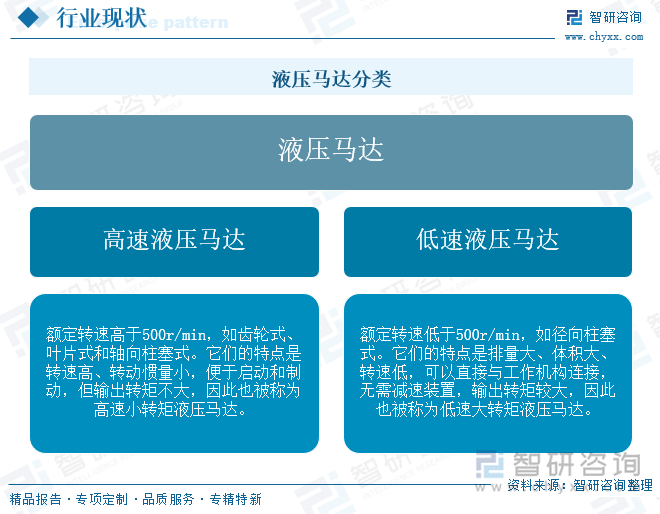
研判2025!中国液压马达行业产业链、进出口情况及重点企业分析:进口高端化凸显产业升级需求,出口量价齐升折射技术突破与市场多元化[图]
Chan Ye Xin Xi Wang· 2025-07-16 01:19
Core Viewpoint - The hydraulic motor industry in China is experiencing structural changes, characterized by differentiated import growth and simultaneous increases in export volume and value, reflecting the demand for high-precision and high-reliability products driven by domestic industrial upgrades [1][11]. Industry Overview - Hydraulic motors are key components in hydraulic systems, converting hydraulic pressure into mechanical energy, widely used in various industrial applications such as construction machinery, shipbuilding, and mining [2]. Industry Development History - The hydraulic motor industry in China has evolved through three main stages: the initial phase from 1952 to 1978, the rapid development phase from 1979 to 2000, and the mature and transformative phase from 2000 to present, with significant advancements in technology and production capabilities [4][5]. Industry Status - In the first five months of 2025, China imported 104,400 hydraulic motors, a year-on-year increase of 2.09%, with an import value of 629 million yuan, up 11.84%. Exports reached 929,900 units, growing 12.76%, with an export value of 810 million yuan, up 9.20% [1][11]. - The demand for high-end hydraulic motors is particularly strong in sectors like construction machinery electrification and industrial automation, with local companies making technological breakthroughs in high-end markets [1][11]. Industry Supply Chain - The upstream of the hydraulic motor industry includes raw materials such as steel, castings, and hydraulic oil, while the downstream applications span across various industrial sectors, with construction machinery being the largest application area [7]. Key Enterprises' Performance - The competitive landscape of the hydraulic motor industry features international giants dominating the high-end market, while domestic companies like Hengli Hydraulic and Aidi Precision are gaining market share through cost-effective strategies [15][19]. Industry Development Trends - The industry is undergoing a transformation towards high-end and intelligent products, with advancements in materials and electronic control technologies enhancing performance [21]. - Green manufacturing is becoming a standard, driven by environmental regulations and energy efficiency standards, pushing companies to adopt energy-saving technologies [22][23]. - The globalization of the hydraulic motor industry is shifting from an export-oriented approach to localized development, with companies establishing production bases in countries along the Belt and Road Initiative [24].


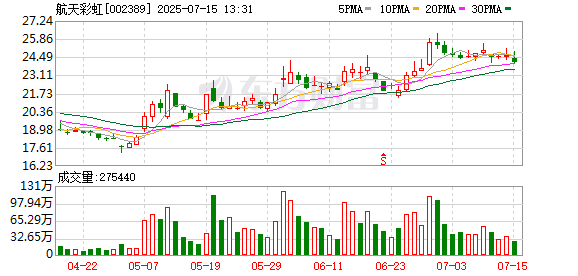
24家低空企业披露业绩预告:上工申贝、航天彩虹等预亏
2 1 Shi Ji Jing Ji Bao Dao· 2025-07-15 05:31
Core Viewpoint - The performance of low-altitude economy companies in the first half of 2025 shows mixed results, with 12 companies reporting profits and 12 companies experiencing losses [3][5]. Group 1: Performance Overview - As of July 14, 2025, 24 companies in the low-altitude economy index disclosed their performance forecasts, revealing a split between profitable and loss-making entities [3]. - Among the 24 companies, 12 reported profits while the other 12 faced losses [3]. - Four companies are expected to see profit increases of over 50%: Zongshen Power (001696.SZ), Longxin General (603766.SH), Huijia Times (603101.SH), and Changyuan Donggu (603950.SH) [6]. Group 2: Profit and Loss Analysis - Companies such as Aerospace Development (000547.SZ) and Aerospace Rainbow (002389.SZ) reported losses, with the latter citing delays in delivery due to user demand plans [8]. - Aerospace Power (600893.SH) and Aerospace Electric (002025.SZ) achieved profitability but saw a decline in net profit compared to the previous year [6]. - North Navigation (600435.SH) turned a profit, expecting a net profit of 105 million to 120 million yuan in the first half of 2025 [7]. Group 3: Industry Challenges - Many companies in the low-altitude economy sector, particularly those in the aviation industry and low-altitude mainframe manufacturers, reported losses [5][8]. - The losses were attributed to various factors, including market environment impacts, product transformation challenges, and increased operational costs [9]. - Despite ongoing losses, some companies like Chuan University Zhisheng (002253.SZ) are actively pursuing low-altitude economy projects, indicating a commitment to future growth [9].





机构调研、股东增持与公司回购策略周报(20250707-20250711)-20250714
Yuan Da Xin Xi· 2025-07-14 11:09
Group 1: Institutional Research on Popular Companies - The top twenty companies with the highest institutional research in the past 30 days include Ice Wheel Environment, Huichuan Technology, Boshi Jie, Jun Ding Da, and Fuguang Co., Ltd. [2][9] - In the last five days, the most researched companies include Ice Wheel Environment, Yanjing Beer, Xingrong Environment, Ningbo Bank, and Superjet Co., Ltd. [2][9] - Among the top twenty companies in the past 30 days, five companies had ten or more rating agencies, namely Yanjing Beer, Huadian Electric, Huichuan Technology, Hangzhou Bank, and Kebo Da, with significant growth in net profit for 2024 compared to 2023 [2][9][11] Group 2: Major Shareholder Increase in A-Share Companies - From July 7 to July 11, 2025, six companies announced significant shareholder increases, with two companies having ten or more rating agencies: Ruipu Biological and Hisense Home Appliances [3][12] - From January 1 to July 11, 2025, a total of 237 companies announced significant shareholder increases, with 64 companies having ten or more rating agencies. Among these, 19 companies had an average proposed increase amount exceeding 1% of the latest market value [3][14] Group 3: A-Share Company Buyback Situation - From July 7 to July 11, 2025, 93 companies announced buyback progress, with 23 companies having ten or more rating agencies. Companies with a proposed buyback amount exceeding 1% of the market value include Aohua Endoscopy, Shantui Co., Ltd., Wanrun Co., Ltd., and AVIC Heavy Machinery [3][16] - From January 1 to July 11, 2025, a total of 1,117 companies announced buyback progress, with 259 companies having ten or more rating agencies. Among these, 93 companies had a proposed buyback amount exceeding 1% of the market value [3][17] Group 4: Institutional Fund Flow - From July 7 to July 11, 2025, sectors such as electric power equipment, real estate, non-bank financials, steel, computer, building materials, beauty care, light industry manufacturing, retail, non-ferrous metals, and comprehensive industries received net inflows of institutional funds [21][23] - In the past 30 days, from June 11 to July 11, 2025, sectors such as real estate, non-bank financials, steel, building materials, light industry manufacturing, and food and beverage also received net inflows of institutional funds [21][23] Group 5: Investment Recommendations - For institutional research, it is recommended to pay attention to Yanjing Beer, Huadian Electric, Hangzhou Bank, and Kebo Da, which have high research intensity and significant growth in net profit for 2024 compared to 2023 [26] - For major shareholder increases, it is suggested to focus on New Energy, Tunnel Co., Ltd., Sailun Tire, and Wanrun Co., Ltd., which have significant proposed increase amounts relative to their market values [26] - For company buybacks, attention is drawn to companies with significant buyback amounts and those in the board proposal stage, including Changhong Meiling, Liugong, Shantui Co., Ltd., and others [26]