YILI(600887)

Search documents
伊利股份(600887) - 内蒙古伊利实业集团股份有限公司关于2025年度第十一期科技创新债券(乡村振兴)发行结果的公告
2025-07-16 08:16
证券代码:600887 证券简称:伊利股份 公告编号:临 2025-057 内蒙古伊利实业集团股份有限公司 关于 2025 年度第十一期科技创新债券(乡村振兴) 发行结果的公告 本公司董事会及全体董事保证本公告内容不存在任何虚假记载、误导性陈述或 者重大遗漏,并对其内容的真实性、准确性和完整性承担法律责任。 内蒙古伊利实业集团股份有限公司(简称"公司")于 2025 年 5 月 20 日召开的 2024 年年度股东大会审议并通过了《公司关于发行境内外 债务融资工具的议案》,同意公司增加 50 亿元多品种债务融资工具(DFI) 发行规模,本次增加发行规模后多品种债务融资工具(DFI)项下所有产 品的余额合计不超过 450 亿元人民币,详见公司刊登于上海证券交易所 网站的相关公告。 根据中国银行间市场交易商协会(简称"交易商协会")出具的编号 为"中市协注〔2024〕DFI44 号"的《接受注册通知书》,交易商协会接 受公司债务融资工具注册。公司债务融资工具注册自《接受注册通知书》 落款之日起 2 年内有效,公司在注册有效期内可分期发行超短期融资券、 短期融资券、中期票据、永续票据、资产支持票据、绿色债务融资工具 ...

食品饮料行业主题报告
2025-07-16 06:13
Summary of Conference Call Notes Industry Overview - The report focuses on the food and beverage industry, analyzing new consumer demands, products, and channels [1][2][3]. Key Points and Arguments New Consumer Demands - The emerging consumer base primarily consists of Generation Z (post-1995), characterized by a heightened self-awareness and faster development compared to previous generations [1]. - Government policies aimed at boosting consumption have been introduced, including the "Special Action Plan to Boost Consumption" and "Consumer Service System Benefit Action 2025" [2]. - Consumer behavior is diversifying, with Generation Z and affluent groups showing more optimistic consumption attitudes, while middle-class and rural older consumers exhibit weaker consumption willingness [3]. Changes in Consumption Patterns - There is a notable shift towards value-for-money products, with consumers increasingly prioritizing cost-effectiveness [4]. - The market has identified four potential growth categories: education, food and beverages, health products, and travel, while three risk categories include home appliances, tobacco, and certain consumables [3]. - The health consciousness among consumers is rising, leading to increased demand for health-related products, with the health food market projected to reach 836.2 billion by 2027, reflecting a 42% growth from 2022 [5]. Innovations in Products and Channels - Companies are innovating to meet health demands, introducing products like konjac, seaweed, and quail eggs [6]. - The focus on cost-effectiveness has led to supply chain optimization, reducing intermediaries to lower prices for consumers [7]. - The beverage market is witnessing significant growth in sugar-free teas and plant-based drinks, with growth rates of 19% and 32% respectively [8]. New Sales Channels - The rise of temporary retail channels has transformed the market, with the temporary retail industry expected to grow from 211 billion in 2019 to 1.5 trillion by 2027 [12]. - Membership warehouse stores are gaining traction, with the market size increasing from 20 billion in 2012 to 36.4 billion in 2023 [14]. - Online sales are rapidly growing, with a 56% year-on-year increase in online sales across nine categories, surpassing 120 billion in 2023 [18]. Recommendations and Risks - The report suggests focusing on new products, channels, and consumer demands as key investment themes, maintaining a strong rating for the food and beverage industry [20]. - Specific recommendations include companies like Three Squirrels, Yili, and Qingdao Beer, while highlighting the potential for profitability recovery in dairy and seasoning sectors [21][22]. - Risks include raw material price fluctuations and intensified industry competition [23]. Additional Important Insights - The emotional value of consumption is increasing, with service-related spending rising from 43% in 2020 to 46% in 2024 [5]. - The shift in consumer purchasing habits is leading to a more significant online presence for traditional products, including liquor, which is becoming a focus for major brands [17].



婴幼儿配方食品:科学配方,守护宝宝健康成长新篇章
2025-07-16 06:13
Summary of the Conference Call on the Infant Formula Industry Industry Overview - The report focuses on the **infant formula food industry in China**, particularly following the implementation of the new national standards for infant formula in February 2023, which provides a regulatory framework for formula registration [1][3] - The new standards emphasize nutritional requirements, product safety, and production process regulations, prompting companies to reapply for formula registration to comply with these standards [1][4] Key Insights and Arguments - The report includes sections on **industry overview, supply chain analysis, competitive landscape, and company profiles** [2] - A comparison between the new national standards and EU standards highlights differences in mandatory vitamins and minerals, indicating varying safety and quality requirements across regions [3] - The market demand for infant formula is declining due to a decrease in birth rates, with the birth rate dropping from **1.0% in 2019 to 0.64% in 2023**, resulting in a reduction of newborns from **14.67 million to 9.02 million** [4][6] - The market size for the infant formula industry decreased from **197.29 billion yuan in 2019 to 176.08 billion yuan in 2023**, with a projected decline to **112.86 billion yuan by 2028**, reflecting a compound annual growth rate (CAGR) of **-2.8%** and **-8.5%** respectively [6] Market Dynamics - The demand for infant formula is expected to drop below **350,000 tons** due to the shrinking population of infants, which will negatively impact market growth [7] - The pricing structure of infant formula is categorized into three segments: - Ordinary formula (below 300 yuan) - High-end formula (300-400 yuan) - Super high-end formula (above 400 yuan) - High-end and super high-end products account for **50.5%** of the overall market despite only holding **35%** of the market share [7] Supply Chain Analysis - The supply chain consists of upstream raw material suppliers, midstream manufacturers, and downstream sales channels, including both online and offline platforms [8] - The number of dairy cows in China is increasing slowly, impacting the supply of milk, which is a primary ingredient in infant formula [9] Competitive Landscape - The competition between foreign and domestic brands is intensifying, with foreign brands like **Mead Johnson and Wyeth** holding over **75%** of the market share, especially in first-tier cities [12] - Domestic brands are increasing their investment in research and quality control to improve their product offerings and adapt to market demands [13] - The new national standards require different stages of formula to have independent standards, affecting the formulation of proteins, fats, and carbohydrates [13] Future Outlook - The market is expected to see a significant shift as nearly one-third of brands may exit the market, solidifying the dominance of leading domestic brands [14] - The concentration of production facilities is skewed towards northern regions, with **119 domestic factories** registered compared to **35 foreign factories** [14] - Leading companies like **Feihe, Junlebao, and Yili** are expanding their production capabilities and product lines to capture market share [15] Conclusion - The infant formula industry in China is facing challenges due to declining birth rates and increasing competition, but there is potential for growth in high-end product segments as consumer preferences shift towards quality and safety [11][16]
品质筑基源头深耕奶业沃土,精益升级携手牧场共赢未来 ——伊利集团携一揽子奶业上游品质成果亮相中国奶业大会
Zhong Jin Zai Xian· 2025-07-16 04:31
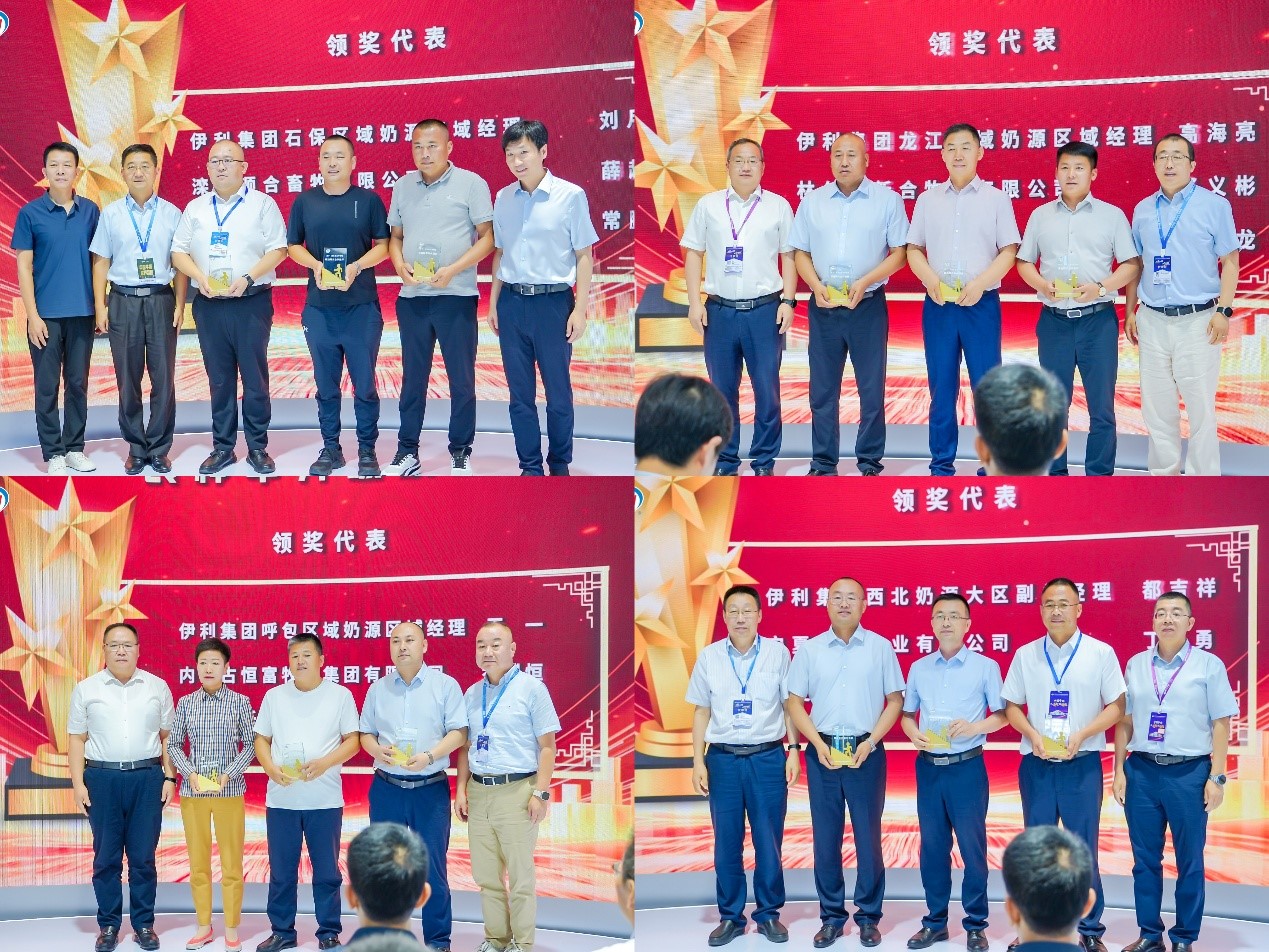
Core Insights - The 16th Dairy Conference and D20 Forum in Xiamen focused on the future of China's dairy industry, emphasizing quality, branding, cooperation, and win-win strategies [1] - Yili Group showcased its commitment to innovation and collaboration with a focus on cost reduction and efficiency improvements in dairy farming [2][25] Group 1: Cost Reduction and Efficiency - Yili Group has successfully reduced the average feeding cost per kilogram of milk to 1.62 RMB in Heilongjiang and 1.68 RMB in Hebei, leading the industry into a new era of 1.6 RMB feeding costs [2] - Since 2018, Yili has helped cooperative farms reduce operational costs by 3.6 billion RMB [6] - The introduction of the "YILI-AI" private language model AI system aims to enhance smart farming practices across the dairy supply chain [2][20] Group 2: Breeding and Genetic Improvement - Yili has initiated a "Quality Upgrade Project for Breeding Cattle" to enhance domestic cattle genetics, addressing the reliance on imported genetic materials [9] - The project employs advanced techniques such as genomic testing and embryo transfer to develop a core herd with six desirable traits: health, high yield, high reproduction, disease resistance, longevity, and low carbon footprint [9] Group 3: Health and Welfare of Dairy Cows - Yili has developed a comprehensive health and welfare management system for dairy cows, focusing on reducing treatment costs and ensuring milk quality [11] - The company emphasizes the importance of cow health as a foundation for farm profitability [11] Group 4: Smart Farming and Data Utilization - Yili's "Smart Dairy Ecosystem" leverages over 10 million dairy cow data points to provide real-time solutions for farming challenges [20] - The implementation of smart logistics has optimized transportation routes by 9.3%, resulting in annual cost savings exceeding 10 million RMB [20] Group 5: Industry Collaboration and Future Vision - The China Dairy Association calls for a focus on technological innovation and sustainable development to enhance the competitiveness of the dairy industry [23] - Yili Group aims to lead the industry towards high-quality development, transitioning from a global follower to a leader in dairy production [25]

积极谋求高质量发展 奶业周期拐点在望
Zheng Quan Ri Bao· 2025-07-15 16:58
Core Viewpoint - The 16th China Dairy Industry Conference focused on how the dairy industry can break through in transformation and seek high-quality development paths amidst challenges [1] Group 1: Industry Challenges and Changes - The Chinese dairy industry is undergoing profound changes, with increasing demand for diversified, personalized, and functional products due to consumption upgrades [1] - High breeding costs, structural contradictions in milk supply, and the need for improved integration of the industry chain are significant challenges facing the industry [1] - The average price of fresh milk in major producing provinces was 3.04 yuan/kg in the first week of July, a year-on-year decrease of 6.5% [9] Group 2: Economic Impact and Financial Data - From 2023 to 2025, the cumulative income loss in China's dairy farming industry is projected to reach 70 billion yuan, with losses from fresh milk powder production amounting to 20 billion yuan [3] - In 2024, the total raw milk production in China is expected to be 40.79 million tons, a year-on-year decrease of 2.8%, marking the first decline since 2018 [3] - Over 60% of the 28 listed dairy companies in A and H shares experienced a decline in revenue in 2024, with 15 companies seeing both revenue and net profit decrease year-on-year [6] Group 3: Strategic Recommendations and Industry Support - Experts suggest that the dairy industry needs to continue reducing production capacity to stabilize prices and achieve a balance between supply and demand [3][4] - The industry is advised to adopt strategic planning and top-level design to avoid drastic fluctuations in the number of dairy cattle [4] - The Ministry of Agriculture and Rural Affairs emphasized the need for effective implementation of industry support measures to enhance competitiveness and extend the industry chain [4] Group 4: Innovation and Market Opportunities - Companies are focusing on optimizing industry structure, enhancing the entire industry chain, and exploring new product categories and consumption scenarios [8] - The dairy industry is characterized by a dominance of liquid milk, which accounted for 92.7% of total dairy product output in 2024, while deep-processed products remain underrepresented [7] - There is a growing demand for B-end dairy products, and companies are exploring opportunities in tea drinks, coffee, and baking ingredients to expand the domestic dairy market [8] Group 5: Future Outlook - Industry insiders believe that with accelerated capacity reduction, structural optimization, and the release of consumer potential, signs of a market reversal are emerging [9] - Historical experience suggests that the dairy industry operates on a cycle of approximately 7 to 8 years, with a potential turning point expected in the second half of this year to the first half of next year [9] - Companies are encouraged to innovate and embrace technology to drive the transformation of the dairy industry and meet consumer demands for high-quality, personalized products [10]
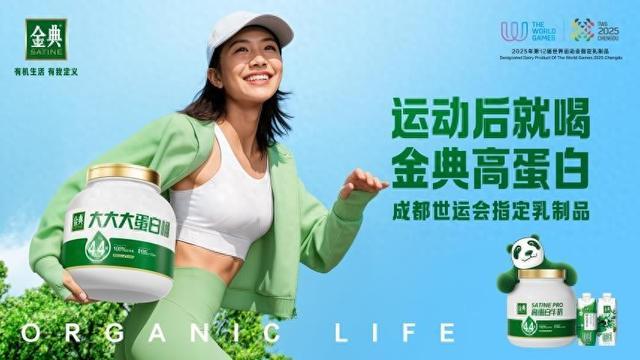
有机生活 运动无限 金典签约成为成都世运会官方指定乳制品
Hua Xia Shi Bao· 2025-07-15 14:18
Group 1 - The signing ceremony for the official dairy product sponsor of the 2025 World Games was held in Chengdu, with Yili Group's JinDian brand partnering with the Chengdu World Games Executive Committee to provide nutritional support for athletes and coaches from over 100 countries and regions [1][11] - Yili Group's Vice President Su Yufeng emphasized the alignment of the JinDian brand's organic lifestyle philosophy with the health and vitality represented by the World Games, introducing a high-protein product specifically for post-exercise nutrition [5][16] - The Chengdu World Games Executive Committee expressed high expectations for the partnership, highlighting the importance of nutritional health support for global participants and the commitment to ensuring a "simple, safe, and exciting" event [7][11] Group 2 - The signing marks a new beginning for collaboration, with JinDian and the Chengdu World Games Executive Committee sharing the mission of providing essential support for the event [11] - The event featured interactive activities related to the World Games, allowing consumers to experience sports and promoting the spirit of teamwork and collaboration [13] - Yili aims to enhance its national brand image on a global stage, showcasing Chinese health wisdom and modern corporate innovation while contributing to public health and international sports culture exchange [16]
中国牛奶从追赶到超越,伊利提供“中国样本”
Jing Ji Wang· 2025-07-15 10:00
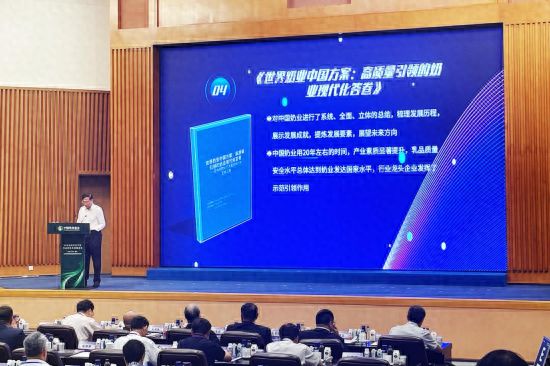
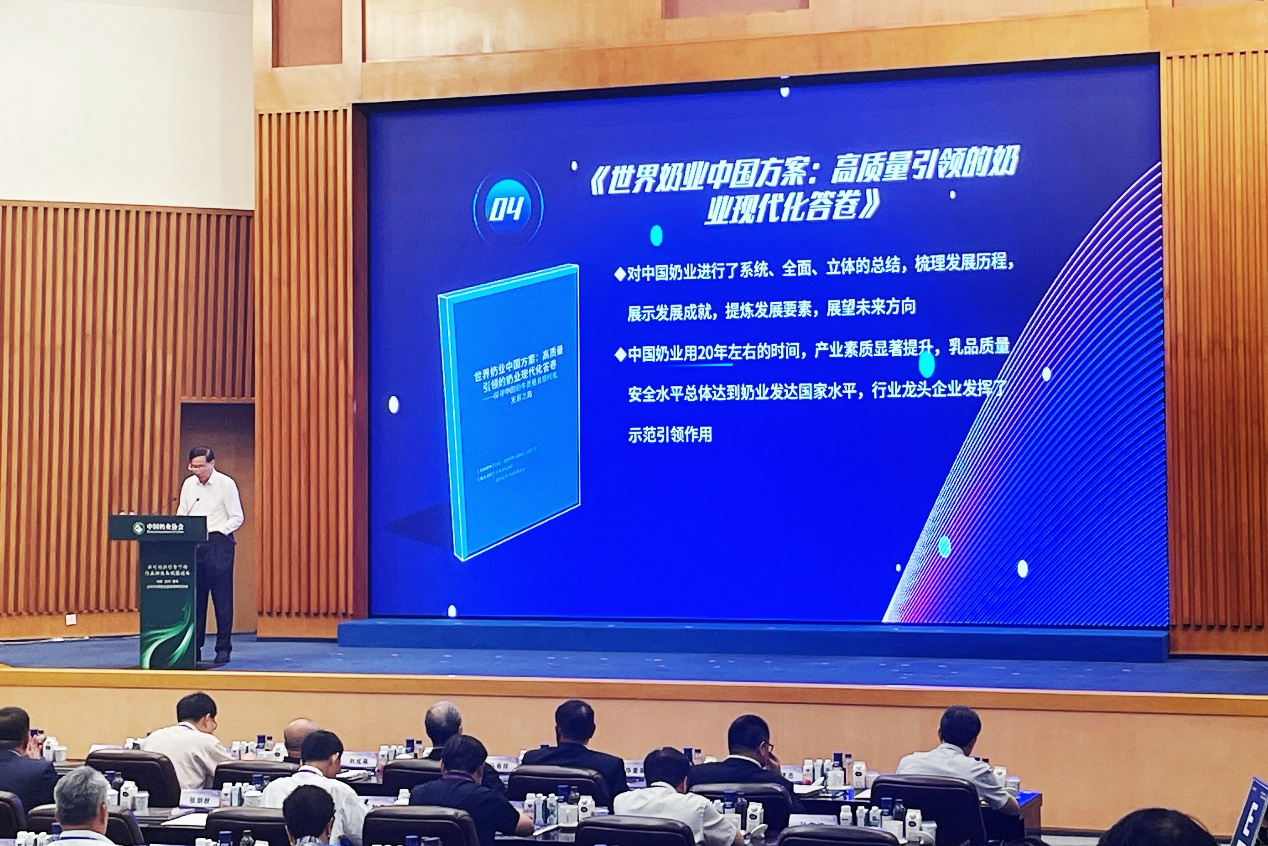
Core Insights - The report highlights that China's dairy industry has made significant advancements in the past two decades, bridging a gap of over a century with developed countries in dairy farming practices [1][3]. Dairy Industry Developments - China's dairy farming has achieved global leadership in scale, standardization, digitization, and intensification, with new directions and initiatives emerging to promote high-quality development [3]. - The quality of raw milk in China has improved significantly, with 17 years of comprehensive safety monitoring leading to protein and fat content levels that meet those of developed countries [3][4]. Raw Milk Quality Metrics - By 2024, raw milk produced in large-scale farms in China will meet EU standards for fat and protein content, with somatic cell counts also surpassing EU benchmarks [4]. - The total bacterial count in milk, a critical quality indicator, has seen significant improvements, with Yili Group achieving an average count below 10,000 CFU/mL, well below the EU limit of 100,000 CFU/mL [4]. Industry Competitiveness - High-quality raw milk enhances the competitiveness of Chinese dairy products internationally and supports the overall upgrade of the industry chain [5]. - Since 2003, China has consistently ranked among the top four in global milk production, with milk yield per cow reaching levels comparable to the United States by 2024 [5]. Technological Advancements - The transformation of the supply chain through mechanization and digitalization has been crucial for the industry's growth, with Yili Group's digital solutions providing comprehensive support for dairy farming [5]. - Yili Group's initiatives include automated monitoring systems, individual cow identification, and precision feeding systems, which contribute to improved management and quality control in dairy production [5].
伊利集团与国际篮联续约合作
news flash· 2025-07-14 14:28
Group 1 - The core point of the article is that Yili Group has officially renewed its partnership with the International Basketball Federation (FIBA), continuing as a global partner for FIBA [1] Group 2 - The renewal of the partnership signifies Yili Group's commitment to enhancing its brand visibility and engagement in the sports industry [1] - This collaboration is expected to provide Yili Group with opportunities to reach a wider audience through FIBA's global events and initiatives [1] - The partnership aligns with Yili Group's strategy to promote its products and strengthen its market presence internationally [1]
奶酪消费迎来复苏迹象,市场加速“国产替代”
Bei Ke Cai Jing· 2025-07-14 08:52
Group 1 - The cheese market in China is showing signs of recovery after four years of adjustment, with sales decline narrowing and penetration rates increasing by mid-2025 [1][4] - The cheese industry is innovating with two main directions: snack-oriented products for all age groups and specialized products for businesses [1][5] - The sales figures for cheese in China from 2020 to 2022 were 3.239 billion, 4.192 billion, and 4.337 billion yuan, with growth rates of 29.5%, 3.5%, and 3.5% respectively [3] Group 2 - The domestic raw milk prices and production costs are decreasing, leading more cheese companies to target the original cheese market to reduce reliance on imports [2][8] - The first quarter of 2025 saw a 6.26% revenue growth and a 114.88% net profit growth for Shanghai Miao Ke Lan Duo Food Technology Co., Ltd. (Miao Ke Lan Duo), attributed to increased cheese product revenue and decreased raw material costs [3][9] - The penetration rate of cheese in the market increased from 28.8% in March 2025 to 29.2% in June 2025, indicating growth potential compared to other dairy products [4][6] Group 3 - The cheese market is experiencing a shift towards adult snack cheese and meal cheese, with significant growth in these segments [6][7] - The number of new SKUs in the cheese sector is high, indicating rapid innovation and product iteration, with 541 existing, 264 new, and 141 discontinued SKUs reported [5] - The market for original cheese is expected to grow, with companies like Miao Ke Lan Duo and Yili investing in domestic production capabilities to meet demand [9][10] Group 4 - The import dependency for various dairy products is decreasing, with the domestic production rates for cream and butter increasing significantly from 2020 to 2024 [10][11] - The cheese market is still primarily composed of reconstituted cheese, with original cheese production relying heavily on imports, highlighting a potential area for growth in domestic production [8][9] - Major companies in the dairy sector, including Yili and Mengniu, are expanding their presence in the cream and butter markets, indicating a competitive landscape [11]

核心指标优于欧盟标准!中国奶业演绎“中国速度”
Hua Xia Shi Bao· 2025-07-14 06:21
Core Insights - The Chinese dairy industry has made significant advancements over the past 20 years, closing the gap with developed countries and achieving world-class quality standards in key metrics such as protein, fat, and bacterial counts [1][3][15] - The report presented at the conference highlights the transformation of the Chinese dairy sector from a laggard to a leader, emphasizing the role of leading enterprises in driving this change [3][6][13] Industry Development - The average milk yield per cow in China has dramatically improved, reaching levels comparable to those in the United States, with projections indicating that by 2024, large-scale farms will achieve an average yield of over 10 tons per cow [5][6] - Key indicators such as protein and fat content in milk produced by large-scale farms now meet or exceed EU standards, showcasing the industry's commitment to quality [6][9] Quality Assurance - The quality of Chinese milk has become a hallmark of the industry, with rigorous monitoring systems in place that ensure safety and quality, including comprehensive testing of fresh milk for 17 consecutive years [9][10] - The bacterial count in milk from leading companies like Yili has achieved groundbreaking results, with averages significantly below the EU standard, indicating superior management and hygiene practices [10][15] Consumer Confidence - There has been a notable shift in consumer perception of Chinese milk, moving from skepticism to confidence, as evidenced by a significant increase in per capita dairy consumption, which has risen to 40.5 kg in 2024 from just 0.4 kg in 1949 [11][12] - The diversification of dairy products available in China, including cheese and butter, reflects changing consumer preferences and a growing acceptance of domestic dairy products [12] Future Outlook - Industry leaders, such as Yili, are committed to maintaining high-quality development and further enhancing consumer trust in Chinese dairy products, positioning the industry for continued growth and innovation [13][15]