YILI(600887)

Search documents
2025年1-10月中国乳制品产量为2441.6万吨 累计下降0.9%
Chan Ye Xin Xi Wang· 2025-12-13 02:42
Core Viewpoint - The Chinese dairy product industry is experiencing a decline in production, with a notable decrease in output for the year 2025, indicating potential challenges for companies in this sector [1] Industry Summary - According to data from the National Bureau of Statistics, the production of dairy products in China for October 2025 was 245,000 tons, representing a year-on-year decrease of 5.7% [1] - From January to October 2025, the cumulative production of dairy products in China reached 2,441.6 million tons, showing a slight decline of 0.9% compared to the previous year [1] - The report by Zhiyan Consulting outlines the operational status and investment prospects of the Chinese dairy product industry from 2026 to 2032, suggesting a need for strategic adjustments in response to the declining production trends [1] Company Summary - Listed companies in the dairy sector include Yili Co., Ltd. (600887), Bright Dairy (600597), San Yuan (600429), New Dairy (002946), Huangshi Group (002329), Yantang Dairy (002732), Zhuangyuan Pasture (002910), and Pinwo Foods (300892) [1]






2025年第49周:食品饮料行业周度市场观察
艾瑞咨询· 2025-12-13 00:07
Group 1 - The pre-prepared food market is experiencing a paradox of consumer trust issues and capital enthusiasm, driven by urbanization and the demand for convenient dining [3][4]. - The "zero additives" concept is being phased out in favor of "clean label" standards, emphasizing ingredient transparency and natural prioritization [5][6]. - The energy drink industry is undergoing rapid transformation with ingredient innovation and scene segmentation, focusing on health trends and diverse flavors [7][8]. Group 2 - The nut import market in China is projected to reach $2.386 billion in 2024, with a significant increase in demand for high-end varieties like pistachios [10]. - The beverage market is facing a downturn, with sales declining due to the rise of on-demand drink services and aggressive pricing strategies [14][15]. - The convenience food industry in China is shifting towards value creation, with a market size expected to grow from 673.6 billion yuan in 2023 to 960.3 billion yuan by 2026 [18]. Group 3 - The dairy industry is seeing a shift from ambient milk to fresh milk, with companies like Bright Dairy exploring new growth areas in the pet food market [20]. - Wangwang is facing challenges in the milk market, prompting the company to diversify into AD calcium milk to regain market share [21]. - The plant-based food sector is experiencing a downturn, with companies focusing on technological innovation and localization to meet market demands [17]. Group 4 - JD.com is enhancing its pre-prepared food strategy, aiming to strengthen its supply chain and align with the growing demand for ready-to-eat meals [31]. - China Resources Beverage is entering the ready-to-drink coffee market, competing against established brands like Nestlé and Starbucks [32]. - Wanglaoji is diversifying into the functional beverage market by acquiring distribution rights for Red Bull in southern China, aiming for significant sales growth [33].





超5万人下单的蛋挞背后,盒马、沃尔玛们盯上清洁标签
Xin Lang Cai Jing· 2025-12-12 05:47
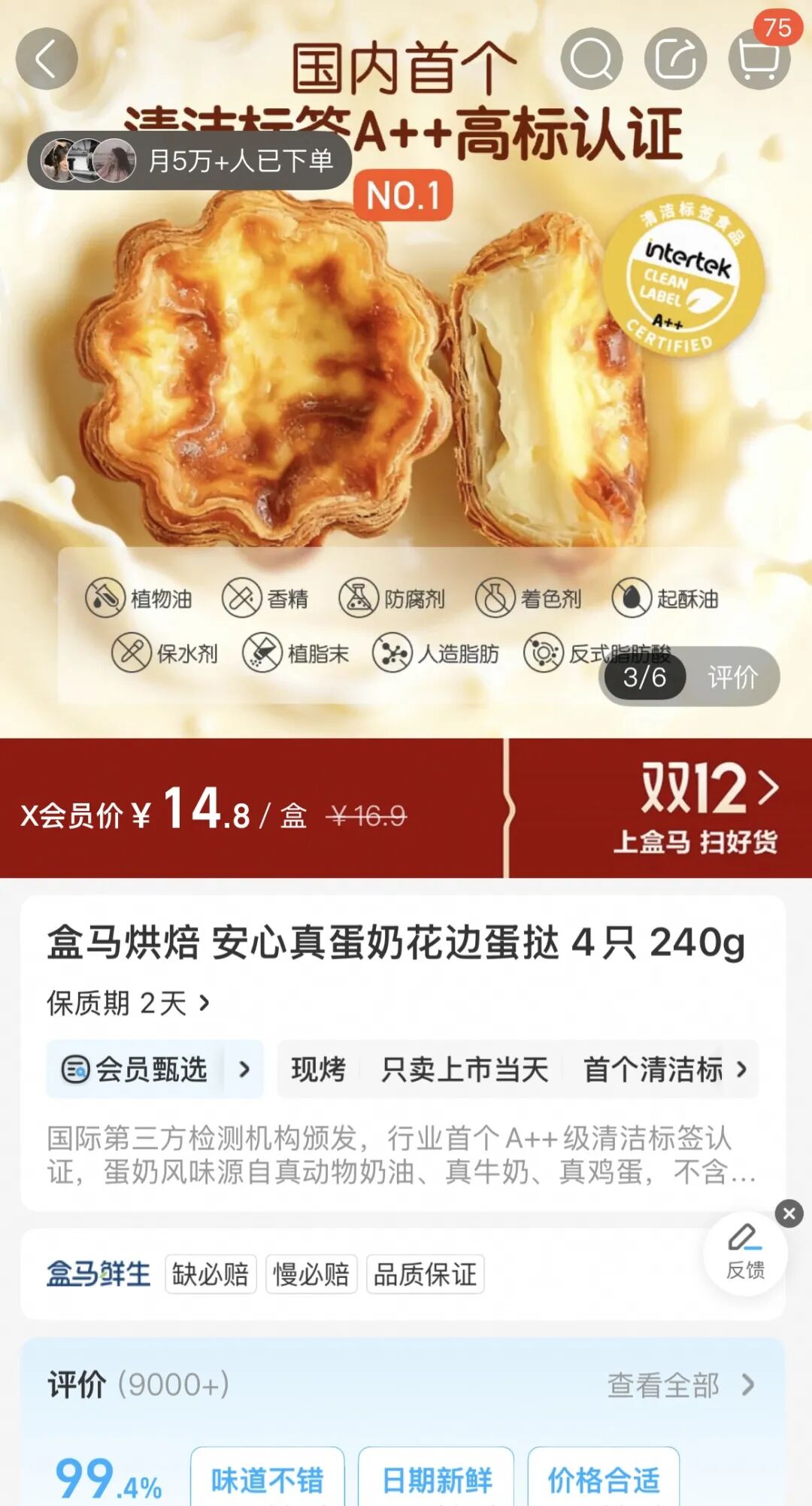
Core Insights - The clean label trend is gaining momentum in the food and beverage industry, with major retailers like Hema and Walmart launching their own clean label certified products [1][8] - Brands are actively pursuing clean label certifications to meet consumer demand for transparency and quality in ingredient lists [5][32] - The establishment of group standards for clean labels indicates a growing recognition of the importance of ingredient transparency among industry stakeholders [15][16] Group 1: Retailers and Clean Label Products - Hema and Walmart have introduced clean label certified products, emphasizing simple and fresh ingredients [8][9] - Hema's first A++ level clean label egg tart received over 50,000 orders shortly after launch, indicating strong consumer interest [5][9] - Walmart's self-owned brand, Woji Xian, has adopted a new brand philosophy focusing on simple ingredients and freshness [9][15] Group 2: Brand Initiatives and Certifications - Brands like Yili's "Yizhi Niu" have obtained clean label certifications, responding to consumer concerns about meat safety and quality [5][24] - The clean label certification process is becoming a common practice among various food categories, including dairy, meat, and condiments [24][32] - Several brands have already received clean label certifications from different testing institutions, showcasing the competitive landscape [24][27] Group 3: Consumer Trends and Preferences - Consumers are increasingly prioritizing clean ingredient lists, with reports indicating that nearly three-quarters of consumers reconsider purchases based on ingredient transparency [7][32] - The clean label concept, which originated in the West, is still relatively new in China, but consumer awareness is rapidly increasing [7][32] - The shift towards clean labels reflects a broader trend of consumers moving from simply wanting to be full to seeking healthier and more transparent food options [38][41] Group 4: Industry Standards and Future Outlook - The establishment of group standards for clean labels, such as the "Clean Label Food Authenticity Evaluation Guidelines," marks a significant step towards industry-wide recognition of clean labeling [15][16] - The clean label certification process is expected to expand to more product categories as consumer demand grows [32][41] - The clean label trend is seen as an opportunity for innovation in the food industry, particularly for mid-to-high-end products [41]



ETF盘中资讯|白酒逆市猛攻,酒鬼酒飙涨超5%!食品ETF(515710)涨超1%,机构高呼底部逻辑清晰!
Sou Hu Cai Jing· 2025-12-12 02:26
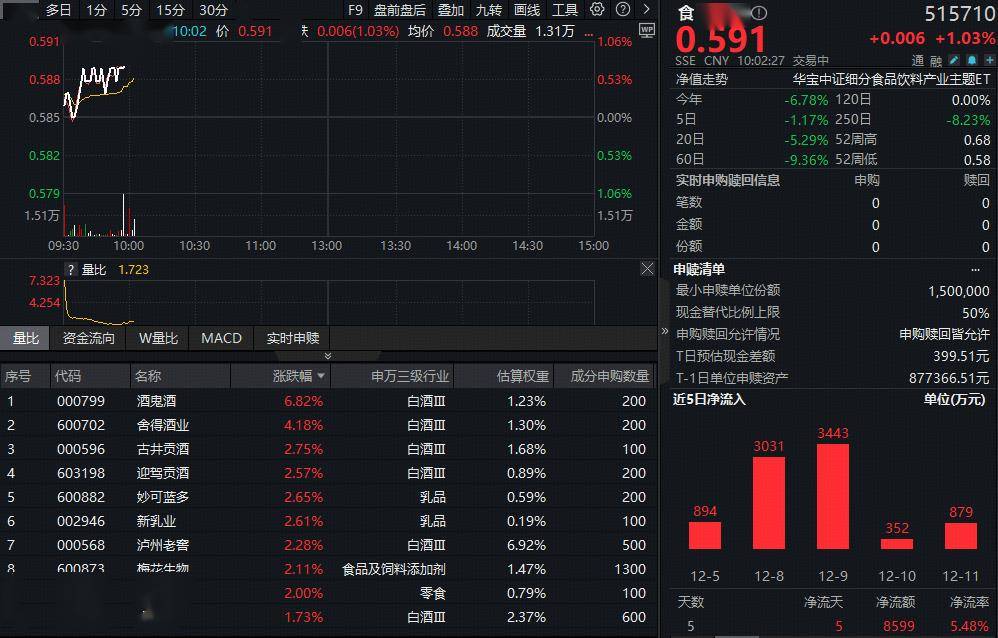
Group 1 - The food and beverage sector experienced a rise in the market, with the food ETF (515710) increasing by 1.03% as of the report time [1] - Notable stocks in the liquor segment saw significant gains, with brands like JiuGuiJiu rising over 6%, and SheDe JiuYe increasing over 4% [1] - Major liquor brands such as Moutai and Wuliangye also showed strong performance, contributing to the overall positive trend in the sector [1] Group 2 - Analysis indicates that the slight decline in liquor prices year-on-year should be viewed as a rational adjustment by the industry to manage inventory and stabilize channel pricing, paving the way for future healthy development [3] - The current valuation of the food and beverage sector is at a historical low, suggesting a favorable time for investment, with the food ETF's price-to-earnings ratio at 19.97, positioned in the lower 4.71% of the past decade [3] - Citic Securities highlights that while Moutai's price drop may temporarily suppress sector performance, potential policy catalysts in December could enhance consumption, making high-quality assets like liquor appealing for investment [3] Group 3 - The consumer market has shown signs of slowing growth due to high base effects and reduced subsidies, with a need for time to recover domestic demand [4] - Looking ahead to 2026, opportunities may arise from supply-side optimization, new product categories, and policies aimed at boosting consumption [4] - The food ETF (515710) is recommended for investors, as it tracks a diversified index with significant allocations to leading liquor brands and other beverage sectors [4]




2026年国补政策再升级!5000亿红包来袭,这些领域将迎来爆发
Sou Hu Cai Jing· 2025-12-11 15:45
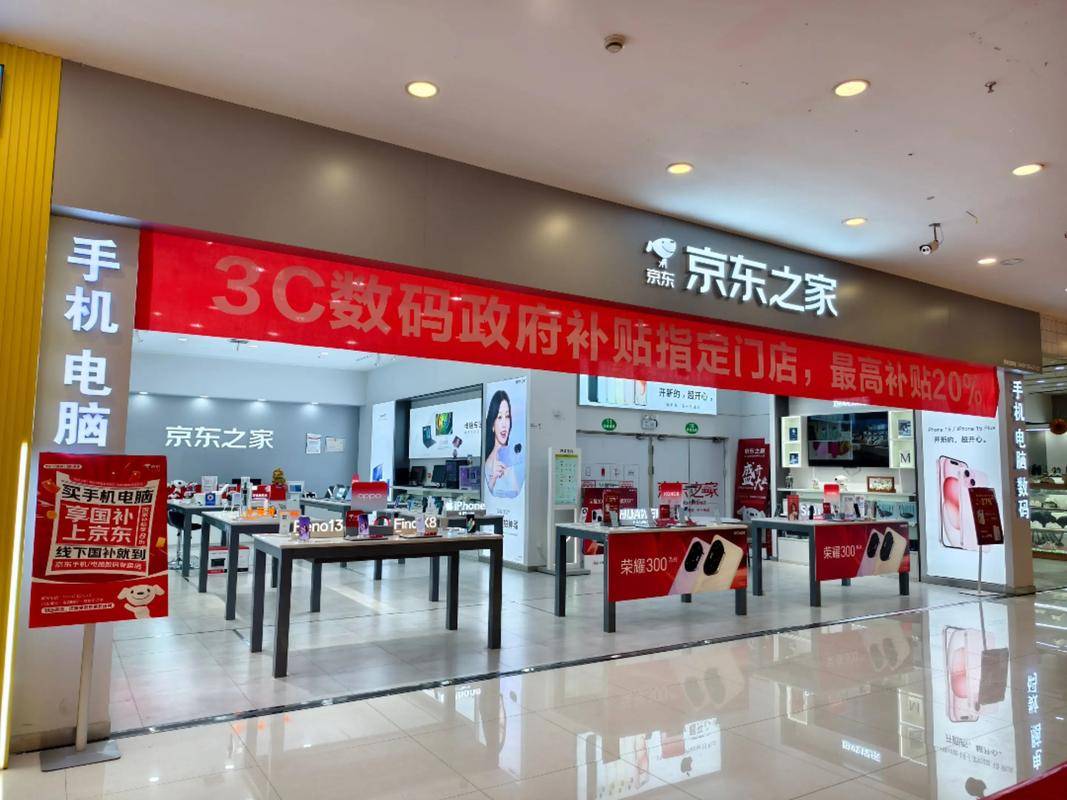
Core Insights - The 2026 "National Subsidy" policy will continue the "old-for-new" consumption initiative with an increased budget of 500 billion yuan, aimed at stimulating consumption and stabilizing economic growth [1][3][16] Group 1: Policy Overview - The "National Subsidy" policy has shown significant results since its launch in 2024, generating over 2.5 trillion yuan in sales and benefiting 360 million people [3] - The policy will focus on three main upgrades: increasing the subsidy amount, expanding coverage to new sectors, and optimizing the distribution process [4][10] Group 2: Sectoral Impacts - Traditional consumption sectors like home appliances and automobiles are expected to see a second wave of growth, with home appliance subsidies potentially increasing from 12.84 million units to 15 million units [6][8] - The service consumption sector, particularly in tourism and health, is anticipated to become a new focal point, with over 100 billion yuan in tourism vouchers expected to be issued [6][10] - Digital and green consumption will be enhanced, with subsidies for smartphones and energy-efficient appliances, benefiting companies like Apple and Huawei [8][10] Group 3: Economic Implications - The policy aims to boost domestic demand and counter economic pressures, with expectations for retail sales growth to rebound to 5%-6% in 2026 [10] - It promotes industrial upgrades by leading consumption upgrades, encouraging innovation in sectors like electric vehicles and smart home appliances [10][14] Group 4: Investment Opportunities - Key investment targets include essential consumer goods like dairy products and condiments, as well as discretionary items like home appliances and new energy vehicles [15] - The policy is seen as a long-term opportunity for investors, with potential for valuation recovery and growth in the consumer sector [16]





伊利股份:公司的伊刻活泉矿泉水和现泡茶还处于发展初期
Zheng Quan Ri Bao Zhi Sheng· 2025-12-11 12:41
Group 1 - The core viewpoint of the article is that Yili Group is in the early development stage of its products, specifically the Yike Huoquan mineral water and freshly brewed tea, focusing on key cities, e-commerce, and convenience store channels [1] - Yili's Yike Huoquan freshly brewed tea is the first of its kind in China to use a screw cap design, featuring a patented fresh-lock technology that allows for instant dissolution in 3 seconds, providing a differentiated drinking experience [1] - The company plans to enhance product quality and brand strength while expanding its distribution channels and regions to reach a broader consumer base in the future [1]
食品饮料行业 2026 年度投资策略报告(一):需求多元、供给升级,大众消费的嬗变与曙光-20251211
Guoxin Securities· 2025-12-11 08:02
Group 1 - The report indicates that the food and beverage industry experienced a slowdown in 2025, with a 5.3% decline in the sector, underperforming the CSI 300 index by 19.4 percentage points [1][25] - The soft drink sector maintained relative strength, while the snack industry showed mixed performance, with leading companies continuing to expand [1][20] - Consumer confidence remained low, with the disposable income growth rate for urban residents at 4.4% year-on-year, reflecting weak internal demand [12][20] Group 2 - Looking ahead to 2026, the report identifies structural opportunities in the consumer goods sector, driven by channel differentiation and supply upgrades [2][29] - The report emphasizes the need for consumer goods companies to adapt to new retail channels and enhance product differentiation to meet evolving consumer preferences [2][29] - The anticipated recovery in consumer confidence and macroeconomic policies is expected to shift consumer focus from extreme price competition to a preference for quality and added value [2][29] Group 3 - Investment recommendations for 2026 include focusing on high-quality and differentiated products, with specific companies highlighted such as Babi Foods and Wanchen Group [3][4] - The report suggests that companies with strong performance recovery expectations, such as Anjui Foods and Yihai International, should be considered for investment [3][4] - High dividend or comprehensive shareholder return stocks, such as Yili Group, are also recommended for investors [3][4] Group 4 - The report provides earnings forecasts and investment ratings for key companies, indicating a positive outlook for companies like Yanjing Beer and Nongfu Spring [4][5] - The food and beverage sector's overall revenue and profit growth rates have weakened, with the industry experiencing a cumulative revenue growth of only 0.3% and a profit decline of 4.5% in the first three quarters of 2025 [20][22] - The snack sector's revenue growth was primarily driven by the expansion of Wanchen Group, while other segments faced challenges [20][22]



富瑞:中国强劲盈利动能驱动15%上行空间 看好高增长科技制造业
智通财经网· 2025-12-11 05:57
Group 1 - The core viewpoint of the report is that Asian stock markets have risen approximately 25% this year, driven by a revaluation of price-to-earnings ratios, with strong support from a resilient macro environment and robust corporate earnings momentum [1] - The report highlights that South Korea and China maintain strong momentum, while India's stock market continues to reach new highs. Japan remains attractive amid accelerated reforms, and the Australian market shows steady performance [1] - The report anticipates that by mid-2026, the reality of AI returns will be tested, with a peak in the US dollar exchange rate, which will help Asian and emerging markets outperform the broader market [1] Group 2 - In China, strong earnings momentum is expected to drive a 15% upside potential, with a consensus forecast of 16% earnings growth per share by 2026. The private sector and high-tech manufacturing are expected to lead this growth [2] - The report identifies key sectors for 2026, including alternative energy (lithium batteries, solar), automotive, beauty, healthcare, industrial automation, internet technology, and semiconductors, while maintaining a cautious stance on materials and durable consumer goods [2] Group 3 - The report recommends several thematic stocks for 2026, including Tencent, CATL, Sungrow Power Supply, Mindray, Yili, Geely, Galaxy Entertainment, Huahai Pharmaceutical, Yihua Healthcare, and InnoCare Pharma [3]




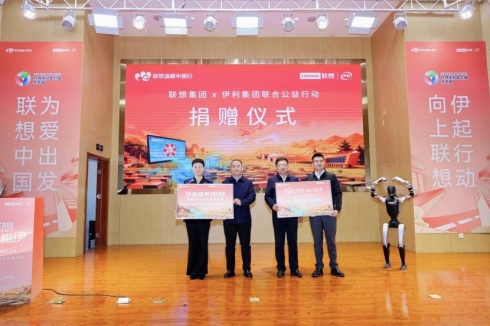
“益起联想 与AI相伊” 伊利与联想打造“生态解法”新实践
Zheng Quan Shi Bao Wang· 2025-12-11 03:47
Group 1 - The core initiative of the collaboration between Yili Group and Lenovo is the "Together with AI" public welfare action, which aims to provide nutritional support to students in Hohhot by donating 160,000 boxes of student milk [1] - Yili's commitment to community support is highlighted by its ongoing partnership with Hohhot's No. 32 School, where it has provided nutritional assistance and contributed to the development of youth activity centers [1][2] - The event featured interactive activities, including AI technology demonstrations and sports games, enhancing the children's experience and engagement with the initiative [2] Group 2 - The collaboration represents a shift in Yili's approach to public welfare, moving towards a sustainable social value ecosystem, as evidenced by the establishment of the "Sustainable Social Value Ecosystem" with partners like Tencent and Lenovo [3] - The joint donation activity is one of the first practical implementations of three major collaborative plans aimed at creating a synergistic effect in social value creation [3] - Yili and Lenovo's engagement in discussions about digitalization and sustainable practices at the ecological smart ranch indicates a commitment to exploring further opportunities for collaboration beyond immediate donations [4]
益起联想 与AI相伊 | 伊利与联想打造“生态解法”新实践
Zhong Jin Zai Xian· 2025-12-11 03:01
Core Viewpoint - The collaboration between Yili Group and Lenovo Group aims to enhance the nutritional support for students in Inner Mongolia through the "Yili Nutrition 2030" public welfare project, combining nutrition and technology to empower local youth [1][12]. Group 1: Event Overview - On December 9, Yili Group and Lenovo Group launched a public welfare initiative in Hohhot, donating 160,000 boxes of student milk to provide stable nutritional support for students [1]. - The event included interactive activities, such as Tai Chi with Lenovo's first silicon-based employee, "LeXiang YiHao," and various games that engaged children in a fun and educational environment [6][7]. Group 2: Corporate Responsibility - Yili Group's Vice President, Liu Dapeng, emphasized the company's commitment to giving back to its hometown and supporting the growth of local youth as part of its corporate mission [2]. - The initiative is part of Yili's long-term partnership with the 32nd School in Hohhot, where it has consistently provided nutritional support and contributed to the development of youth activity centers [5]. Group 3: Sustainable Development Initiatives - The collaboration represents a significant step in Yili's understanding of future public welfare models, as it aligns with the establishment of a "Sustainable Social Value Ecosystem" with partners like Tencent and Lenovo [12]. - The event is one of the first practical implementations of three joint action plans aimed at creating a collaborative public welfare ecosystem, showcasing the synergistic effect of combining nutrition and technology [14]. Group 4: Future Prospects - Following the event, Yili and Lenovo engaged in discussions about digitalization, smart manufacturing, and green low-carbon initiatives at Yili's ecological smart ranch, indicating a commitment to exploring further opportunities for collaboration [16]. - The initiative aims to create a lasting impact on education and sustainable development, with Yili dedicated to extending its positive influence in the community [16].