Bank Of Jiangsu(600919)

Search documents
事关A股、港股!重要指数调整!
证券时报· 2025-06-04 12:30
Core Viewpoint - FTSE Russell announced the results of the quarterly review for various indices including the FTSE China 50 Index, which will take effect after the market closes on June 20, 2025. The changes reflect the performance of leading companies in the A-share market and are significant for international investors looking to gauge the Chinese market [1][6]. Group 1: FTSE China A50 Index Adjustments - Jiangsu Bank has been added to the FTSE China A50 Index, while Great Wall Motor has been removed. Companies like BeiGene, Yili, SAIC Motor, Seres, and Huichuan Technology are on the watchlist for potential inclusion [4][5]. - The FTSE China A50 Index consists of the 50 largest stocks by market capitalization from the Shanghai and Shenzhen stock exchanges, serving as a key indicator of the most influential companies in the A-share market [6]. Group 2: Market Trends and Investment Insights - The banking sector has seen significant interest from various institutional investors, including insurance funds and ETFs, due to their stable earnings and high dividend returns. This trend is expected to continue as new regulations encourage more investment in the banking sector [8]. - The recent performance of stocks like Jiangsu Bank, which has seen substantial price increases, highlights the growing preference for high-dividend assets amid declining interest rates [7]. Group 3: FTSE China 50 Index New Additions - The FTSE China 50 Index has added Pop Mart and SF Express, while removing China Merchants Securities and China Railway Construction. The watchlist includes China Galaxy, China Merchants Securities, Fuyao Glass, Geely, and Huatai Securities [9][10]. - Pop Mart's stock has been particularly favored, reflecting a broader trend in consumer stocks that cater to niche markets and innovative products, indicating a shift in consumer preferences towards quality and differentiation [15]. Group 4: Adjustments in Other FTSE Indices - The FTSE China A150 Index has included Guohua Airlines, Chongqing Rural Commercial Bank, Great Wall Motor, and Xiaoshangcheng, while removing Jiangsu Bank, CNOOC, Zhi Fei Biology, and Dahua Technology [17][19]. - The FTSE China A200 Index has similar adjustments, reflecting ongoing changes in market dynamics and company performances [20]. - The FTSE China A400 Index has added 19 stocks including YK International and CNOOC, while removing 19 others, indicating a comprehensive reevaluation of the index constituents [21].








“苏超”火出圈,这些上市公司盯上赞助赛事“镀金”
Xin Jing Bao· 2025-06-04 10:45
Group 1 - The "Su Super" football league in Jiangsu has gained significant popularity, with a 16-fold increase in keyword search volume in the past week, particularly in cities like Suzhou, Wuxi, and Nanjing [2] - Jiangsu Bank is the title sponsor of the "Su Super" league, with a retail AUM of over 1.42 trillion yuan, leading among city commercial banks [2] - The event has attracted various sponsors, including high-end liquor brand Guoyuan V from Jinshiyuan, which sees this as an opportunity to enhance brand visibility [3] Group 2 - Other sponsors include Kang Shifu's bottled water brand "He Kai Shui," indicating a diverse range of corporate involvement in the league [4] - Local listed companies are also leveraging the event for brand promotion, such as Weiweijia, which aims to enhance its brand visibility through participation [5] - CITIC Special Steel, based in Jiangyin, has its logo on the Wuxi team's jersey, showcasing the regional corporate support for the league [5]




村镇银行“变形记”
3 6 Ke· 2025-06-04 09:25
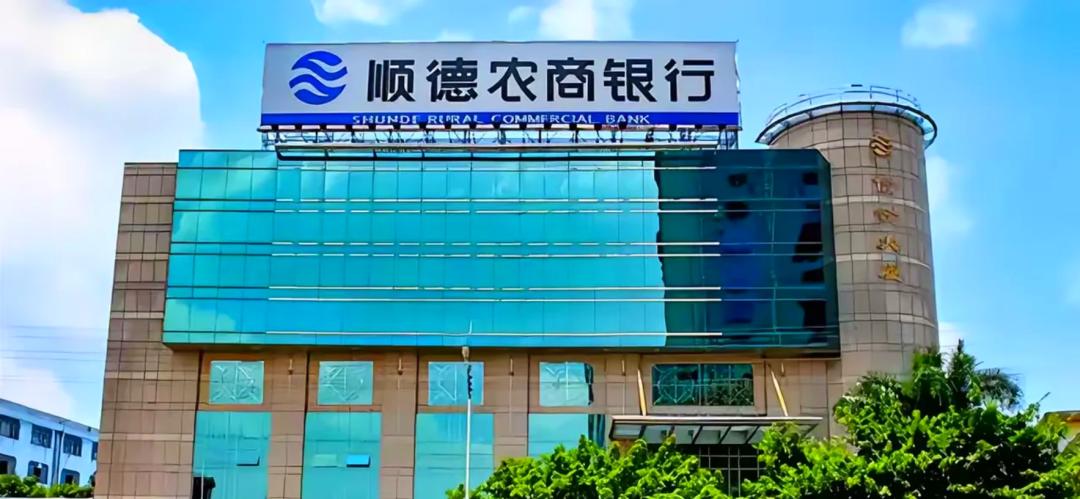
Core Viewpoint - The article discusses the challenges faced by village banks in China and the increasing trend of mergers and acquisitions as a means to mitigate risks and enhance operational efficiency in the banking sector [1][4][34]. Group 1: Village Banks' Role and Challenges - Village banks serve as crucial financial institutions in rural areas, often being the only bank available, thus filling a significant service gap [1]. - Many village banks are struggling due to their small scale, weak capital strength, and inadequate risk management, leading to operational difficulties [28][30]. - The number of village banks in China has reached 1,587, serving over 30 million customers, but they face intense competition from larger banks and internet banking [28]. Group 2: Mergers and Acquisitions - Several banks have initiated plans to absorb and merge village banks into their branches, with notable actions from institutions like Hubei Jingmen Rural Commercial Bank and Shunde Rural Commercial Bank [2][4]. - In 2024, over 100 village banks were merged or absorbed by larger banks, with more than 75 being absorbed and over 55 being acquired across various provinces [4]. - The trend of mergers is seen as a dual benefit, helping to clear high-risk institutions while allowing stronger banks to expand their market presence [4][11]. Group 3: Regulatory Environment and Future Outlook - The regulatory focus has shifted towards promoting the restructuring of small financial institutions to mitigate risks, with a clear emphasis on market-driven solutions [18][33]. - The approach of merging village banks into larger commercial banks is viewed as a practical method for risk resolution, enhancing service capabilities and operational efficiency [24][26]. - The future of village banks is likely to see a reduction in their numbers as the industry undergoes structural changes, with stronger institutions dominating the market [34][35].
富时罗素公布2025年6月季检结果,富时中国A50指数成分股纳入江苏银行
news flash· 2025-06-04 08:39
Group 1 - FTSE Russell announced the results of the June 2025 quarterly review, including the addition of Jiangsu Bank (600919) to the FTSE China A50 Index and the removal of Great Wall Motors (601633) [1] - Companies such as BeiGene, Yili Group (600887), SAIC Motor (600104), Seres (601127), and Huichuan Technology (300124) have been included in the watchlist for potential inclusion [1]

没想到,浓眉大眼的江苏银行也干了
3 6 Ke· 2025-06-04 08:24
Group 1 - Jiangsu Bank has received approval from the Ningbo Financial Regulatory Bureau to open a branch in Ningbo, marking a significant step as it expands its presence in Zhejiang Province with two primary branches [2][3] - The Ningbo branch is not a traditional new establishment but is formed through the acquisition and restructuring of the Ningbo Jiangbei Fumin Village Bank, a relatively rare approach in the industry [3][5] - The acquisition process began with Jiangsu Bank's board approving the purchase of Ningbo Jiangbei Fumin Village Bank shares, which is still subject to regulatory approval and has inherent uncertainties [5][9] Group 2 - Ningbo Jiangbei Fumin Village Bank was established in August 2011, primarily initiated by Shengjing Bank, which held 100% ownership before the transfer [7][12] - As of November 2024, Ningbo Jiangbei Fumin Village Bank reported total assets of 204 million yuan, with a revenue of 4.24 million yuan and a net loss of 688,000 yuan for the first eleven months [9][12] - The restructuring of village banks often involves either converting them into branches of the initiating bank if it has a presence in the area or selling them to local banks if it does not [9][13] Group 3 - The approval for Jiangsu Bank's cross-regional branch establishment is notable as it comes amid strict regulations on city commercial banks expanding outside their provinces [17][21] - The recent cases of Jiangsu Bank and Harbin Bank acquiring local village banks for branch establishment may signal a potential easing of the long-standing restrictions on cross-regional operations for city commercial banks [17][23] - Jiangsu Bank's asset scale has grown significantly, reaching 4.46 trillion yuan by the first quarter of 2025, positioning it as the second-largest among listed city commercial banks [26][24] Group 4 - Jiangsu Bank has maintained a steady growth trajectory since its establishment in 2007, with a consistent increase in revenue and net profit since its listing in 2016 [24][26] - In 2024, Jiangsu Bank achieved an operating income of 80.81 billion yuan, a year-on-year increase of 8.78%, and a net profit of 31.84 billion yuan, up 10.76% [26][24] - The bank's non-performing loan ratio stood at 0.89% in 2024, indicating a stable asset quality, although the amount of loans under special attention has increased, raising potential risk concerns [27][29]
今年已有近200家中小银行合并或解散!未来银行或减至3000家
21世纪经济报道· 2025-06-03 09:11
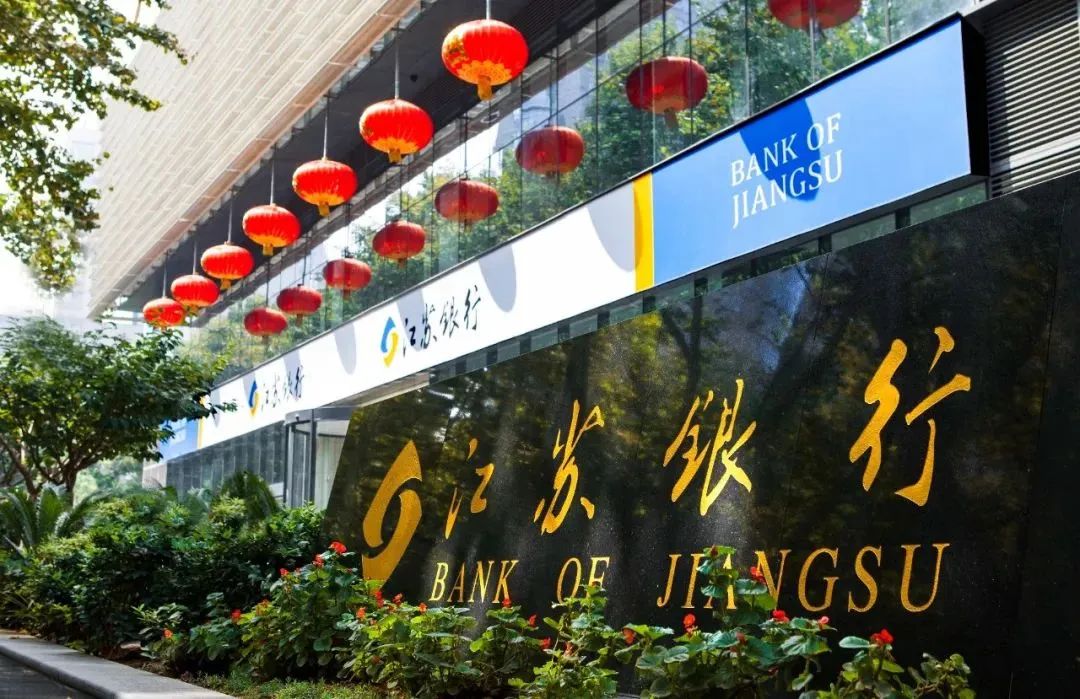
Core Viewpoint - The consolidation and restructuring of small and medium-sized banks in China is accelerating, with a significant increase in mergers and dissolutions expected to continue through 2025, leading to a potential reduction in the number of banks from over 4,600 to around 3,000 [1][6][7]. Group 1: Mergers and Acquisitions - In the first five months of this year, 184 small and medium-sized banks have been approved for mergers or dissolutions, indicating a rising trend in bank consolidations [1][4]. - Notable mergers include Ningxia Bank's absorption of Ningxia Helan Huishang Village Bank and Inner Mongolia Rural Commercial Bank's establishment through the merger of 120 institutions [3][4]. - Jiangmen Rural Commercial Bank and other banks are also planning to absorb village banks, reflecting a broader trend of consolidation in the sector [4][5]. Group 2: Industry Trends - The banking industry is shifting from a focus on quantity to quality, with an emphasis on improving operational efficiency and risk management [7][8]. - The government is actively promoting the restructuring of small financial institutions to address risks and enhance governance, management, and business restructuring [7]. - Analysts suggest that the consolidation of smaller village banks into larger commercial banks will improve service capabilities and risk resilience [8]. Group 3: Historical Context and Future Outlook - The number of small banks undergoing mergers has increased from 43 in 2022 to 204 projected for 2024, indicating a clear upward trend in consolidation [4][7]. - Historical examples from other countries show that post-merger banking sectors tend to be more stable and efficient, with improved capital adequacy and reduced operational costs [8].
券商6月份132只金股“揭开面纱”
Zheng Quan Ri Bao Zhi Sheng· 2025-06-02 16:41
5月份,格力电器和江苏银行均获得6家券商推荐,当月股价分别上涨4.11%、8.07%;海大集团获得5家 券商推荐,当月股价上涨9.25%。 券商金股组合指数的表现也能反映出券商研究所的业务实力。5月份,有26只券商金股组合指数实现上 涨,其中14只券商金股组合指数当月涨超3%。"国元证券金股指数"当月上涨11.91%,涨幅居首;"国盛 证券金股指数""华创证券金股指数""浙商证券金股指数"当月分别上涨5.29%、4.8%、4.63%。 本报记者 周尚伃 见习记者 于宏 近日,券商密集发布6月份金股名单。截至6月2日,券商已合计推荐132只金股,其中,亚钾国际被推荐 次数暂居第一,已获得4家券商推荐。从行业分布来看,上述132只金股中,来自工业和信息技术行业 (Wind一级行业,下同)的金股数量较多。展望6月份市场行情,多位券商分析师预计,科技、消费板 块仍为投资主线。 5月份最强金股涨超45% 回顾5月份,券商5月份合计推荐的272只金股中,132只金股当月股价实现上涨,占比48.53%。32只金 股当月股价涨幅超10%,占比11.76%。 具体来看,5月份涨幅最高的金股为天风证券推荐的潮宏基,当月涨幅为45 ...




100家银行年报里的中国
虎嗅APP· 2025-05-29 23:59
Core Viewpoint - The article emphasizes the performance of regional banks in China, particularly focusing on city commercial banks and rural commercial banks, highlighting the economic vitality of regions like Jiangsu and Zhejiang compared to others like Guangdong and Shanghai [3][4][10]. Group 1: Regional Bank Performance - Jiangsu and Zhejiang regions are identified as having strong city commercial banks, with institutions like Jiangsu Bank and Ningbo Bank showing robust performance, indicating high economic vitality [8][9]. - In contrast, banks headquartered in Shanghai, such as Shanghai Bank and Hu'nong Bank, have underperformed, attributed to the city's "deposit surplus" characteristic and intense competition [17][21]. - Guangdong, despite being the largest economy, lacks representation in the top city commercial banks, with local banks like Guangzhou Bank showing poor performance and significant declines in revenue and profit [23][25][28]. Group 2: Economic Indicators - Jiangsu and Zhejiang's GDP growth rates are 5.8% and 5.5% respectively, outperforming Guangdong's 3.5%, showcasing their economic competitiveness [9][28]. - The article suggests that examining local bank performance can provide a clearer picture of regional economic health than GDP figures alone [6][10]. Group 3: Specific Bank Analysis - Jiangsu Bank reported a 16.12% growth in asset scale, with a net profit of 31.84 billion yuan, while Ningbo Bank achieved a 15.25% growth with a net profit of 27.12 billion yuan [11]. - Chengdu Bank has shown significant growth, with a 14.56% increase in asset scale and a 10.17% rise in net profit, attributed to its focus on local infrastructure projects [38][40]. - In contrast, Guangzhou Bank's asset scale grew only 2.77%, with a net profit decline of 66%, reflecting its struggles in retail and corporate sectors [25][26]. Group 4: Risk and Asset Quality - The article notes that banks in Jiangsu and Zhejiang maintain non-performing loan ratios below 1%, indicating strong asset quality, while banks in regions like Northeast China face higher non-performing rates [5][14][58]. - The article highlights that many banks in Jiangsu and Zhejiang have high provision coverage ratios, often exceeding 300%, which helps mitigate risks associated with potential loan defaults [14][15]. Group 5: Governance and Management Issues - Governance issues are prevalent in some central region banks, with several high-level executives facing investigations, impacting their performance [70][71]. - In contrast, banks in Jiangsu and Zhejiang have fewer governance issues, contributing to their stronger performance [31][72].





100家银行年报里的中国
Hu Xiu· 2025-05-29 22:12
Core Viewpoint - The banking sector in China serves as a crucial economic barometer, reflecting regional economic conditions more accurately than the stock market, especially in the context of the new normal of slower economic growth [1][2][3]. Group 1: Regional Banking Performance - Over 100 city commercial banks and rural commercial banks released annual reports, revealing that banks in economically vibrant regions like Jiangsu and Zhejiang maintain low non-performing loan (NPL) ratios, often below 1% [2][4]. - Jiangsu and Zhejiang provinces rank second and fourth in GDP size, with growth rates of 5.8% and 5.5% respectively, outperforming Guangdong's 3.5% growth rate [5]. - Jiangsu Bank, Ningbo Bank, Nanjing Bank, and Hangzhou Bank are among the top city commercial banks, demonstrating strong performance despite macroeconomic pressures [4][6]. Group 2: Financial Metrics of Key Banks - Jiangsu Bank reported an asset scale of 3.95 trillion with a growth rate of 16.12%, revenue of 808.15 billion, and a net profit of 318.43 billion, reflecting a net profit growth of 10.76% [6]. - Ningbo Bank's asset scale reached 3.13 trillion, with a revenue of 666.31 billion and a net profit of 271.27 billion, showing a net profit growth of 6.23% [6]. - Hangzhou Bank's net profit growth was notably high at 18.07%, despite a lower net interest margin due to its focus on low-risk local government financing [8]. Group 3: Challenges in Other Regions - In contrast, banks in Guangdong, despite being in the top economic province, show poor performance, with Guangzhou Bank's asset scale growing only 2.77% and a significant drop in revenue and net profit [17][19]. - The performance of banks in the Northeast is hindered by high NPL ratios, often exceeding 2%, and low net interest margins, with some banks like Shengjing Bank reporting as low as 0.8% [56][58]. - The banking sector in the Northwest faces similar challenges, with low growth rates and high NPL ratios, reflecting a lack of quality projects and competition with larger state-owned banks [51][53]. Group 4: Governance Issues - Governance issues are prevalent in the central region, with several banks experiencing high-profile executive investigations, impacting their performance [68][70]. - Despite governance challenges, Huishang Bank has shown significant growth, with revenue increasing over 180% in the past decade, driven by the local economy [69][71]. Group 5: Emerging Opportunities - The banking sector in Fujian is thriving, with banks like Xiamen International Bank showing a 150% growth in asset scale over the past decade, supported by a robust private economy [26][28]. - Chengdu Bank has also seen substantial growth, with a 14.56% increase in asset scale, driven by a focus on local infrastructure projects [38][39].
存款降息幅度大跟进快 折射银行息差压力大
Zhong Guo Zheng Quan Bao· 2025-05-28 20:34
Core Viewpoint - The recent adjustment of deposit interest rates by various banks reflects significant pressure on net interest margins, with a notable trend of rapid follow-up and substantial rate cuts observed across the banking sector [1][4][5]. Group 1: Rate Adjustments - Since May 20, multiple city commercial banks and private banks have quickly followed suit in lowering deposit interest rates, with some banks reducing rates by as much as 30 basis points [1]. - Shanghai Huari Bank has lowered its deposit rates for the third time since April, with a 10 basis point reduction for both demand and 3-year fixed deposits [2]. - As of May 28, several city commercial banks, including Beijing Bank and Jiangsu Bank, have completed their deposit rate adjustments [2]. Group 2: Comparative Analysis - After adjustments, Ningbo Bank's deposit rates remain higher than those of other city commercial banks, with rates for various terms ranging from 0.80% to 1.60% [3]. - In contrast, Changsha Bank has implemented larger rate cuts, with reductions of up to 30 basis points for longer-term deposits [3]. Group 3: Implications of Rate Cuts - The current round of deposit rate cuts is characterized by larger and faster adjustments compared to previous rounds, indicating ongoing pressure on banks' net interest margins [4][5]. - Analysts suggest that the average reduction in deposit rates exceeds the LPR cut, which may lead to a structural adjustment in bank liabilities, potentially causing a "deposit migration effect" [6]. - The significant rate cuts may prompt depositors to move funds from lower-rate banks to those offering higher rates or to shift some deposits into non-bank financial products [6].