VANKE(000002)

Search documents
国泰海通晨报-20251202
Haitong Securities· 2025-12-02 05:43
Fixed Income Research - In the current low interest rate environment, real estate bonds have certain yield exploration space, but the fundamentals of the sector still need further improvement. The overall strategy recommendation remains focused on steady defense [2][6]. Paper and Light Industry Research - The operational efficiency and employee motivation of Bohui Paper Industry have improved, backed by Golden Light Paper Industry, enhancing long-term competitiveness [2][10]. Telecommunications Research - Guangku Technology has raised its profit forecast and target price, maintaining a buy rating. Revenue has significantly increased, driven by rapid growth in data communication [2][12]. Retail and Social Services Research - Tongcheng Travel's Q3 2025 performance exceeded expectations, with seasonal growth in hotel and transportation sectors improving sequentially. The company continues to achieve stable profit release through take rate enhancement and efficiency improvements [2][15][16]. Public Utilities Research - In the context of market capitalization assessment, state-owned enterprises with weak stock prices may have buyback demands. There is also potential for thermal power companies to increase dividends or buybacks [2][19][37].






奇瑞汽车:集团五大品牌11月总销量同比减少约2%|首席资讯日报
首席商业评论· 2025-12-02 05:07
1.奇瑞汽车:集团五大品牌11月总销量同比减少约2% 12月1日,奇瑞汽车在港交所公告,集团于2025年11月的五大品牌总销量为255,809辆汽车,较去年同期减少 约2%。 2.曾毓群回应宁德时代基层员工涨薪:没错 据21世纪经济报道,12月1日,"宁德时代发布涨薪通知"的词条迅速冲上微博热搜首位,引发大量网友关 注。宁德时代通知称,为更好地吸引和保留新老员工,不断地提升工作效率和产品品质,以增强公司竞争 力,经公司管理层决定,2026年1月1日起对1~6职级员工进行薪资调整,基本工资上调150元,其他薪资结 构及标准不变。据了解,此次宁德时代涨薪涉及的员工职级为基层员工。据中国企业家杂志报道,记者就 此事向宁德时代创始人、董事长曾毓群求证,曾毓群回应称"没错"。 点评:成本与人心博弈,涨薪留人显战略远见。 3.英伟达与新思科技扩大合作,投资20亿美元购买后者普通股 12月1日,英伟达与新思科技宣布扩大合作,将整合英伟达在人工智能和加速计算方面的优势,以及新思科 技的工程解决方案,帮助研发团队以更高精度、更快速度和更低成本设计并验证智能产品。此外,英伟达 宣布投资20亿美元购买新思科技普通股。 8.Stra ...







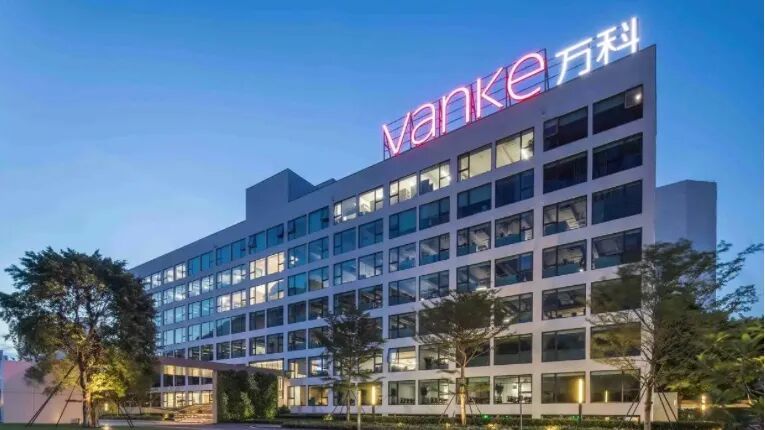
万科多只债券盘中再触临停
Di Yi Cai Jing· 2025-12-02 04:55
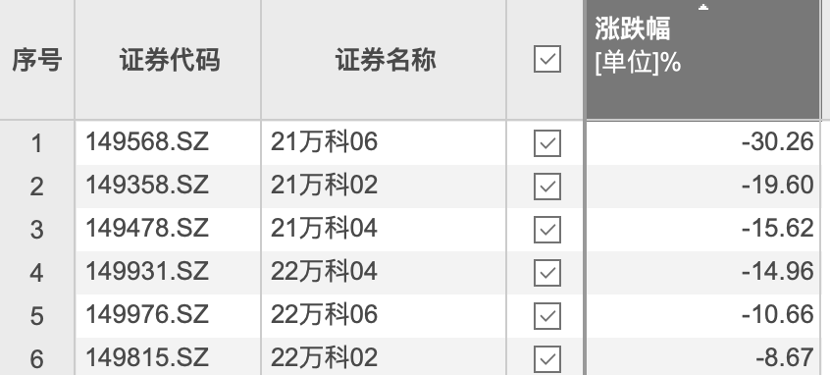
Core Viewpoint - Vanke's bond prices have significantly declined, raising concerns about its debt issues despite a preliminary extension plan for its bonds [2][4][6] Group 1: Bond Performance - As of December 2, several Vanke bonds experienced substantial declines, with "21 Vanke 06" dropping over 30% and "21 Vanke 02" falling over 19% [2][3] - The decline in bond prices has led to temporary trading suspensions for multiple bonds due to significant volatility [2] Group 2: Debt Extension Plan - Vanke is set to hold a creditors' meeting on December 10 to discuss the extension of a 2 billion yuan medium-term note originally due on December 15, 2025, to December 15, 2026 [4][5] - The preliminary extension plan maintains a 3.00% interest rate during the extension period, but the proposal is still under negotiation and not finalized [4][6] - Industry insiders believe the proposed one-year extension is weaker than a previously rumored eight-month plan that included staggered principal payments [6] Group 3: Debt Pressure and Liquidity - Vanke's short-term debt pressure remains significant, with 42.7% of its interest-bearing debt (approximately 151.3 billion yuan) maturing within a year, while cash reserves have decreased by 25.5% to 65.68 billion yuan [6] - The company's cash-to-short-term debt ratio has dropped to 0.43, indicating a tightening liquidity situation [6] Group 4: Future Funding Gaps - Goldman Sachs estimates that Vanke will face a funding gap of approximately 30 billion yuan in 2026, contingent on support from banks or major shareholders [7][9] - The company is likely to face a bond maturity wave of about 11.4 billion yuan between December 2025 and May 2026, with projected negative operating cash flow [9]
逆市拉升!涨停!
中国基金报· 2025-12-02 04:34
Market Overview - The A-share market saw all three major indices decline, with the Shanghai Composite Index down 0.55% to 3892.55, the Shenzhen Component Index down 0.77% to 13045.95, and the ChiNext Index down 0.88% to 3065.15 [3][4] - The total trading volume reached 1.06 trillion CNY, with a predicted volume of 1.65 trillion CNY, indicating a decrease of 234.9 billion CNY [4] Sector Performance - Local stocks in Fujian showed strength, with sectors such as ice and snow tourism, duty-free shops, and consumer electronics manufacturing experiencing gains, while shipping, education, and lithium battery sectors faced declines [5][6] - The ice and snow tourism index strengthened, with stocks like Iceberg Cold and others reaching their daily limit [14][15] Consumer Stocks - Several consumer stocks performed well, including Hai Xin Food, Tong Qing Lou, and Gao Le Co., which hit their daily limit, while others like Mao Ye Commercial and Qi Xin Group also saw significant gains [10][13] - Hai Xin Food rose by 10.05% to 8.76 CNY, with a trading volume of 146 million shares [13] Commercial Aerospace Sector - The commercial aerospace sector became active again, with Aerospace Development achieving 9 limit-up days in 13 trading days, alongside other companies like Yaguang Technology and Leike Defense [18] - The National Space Administration announced the establishment of a "Commercial Aerospace Department" to oversee the industry, with a projected market size growth from approximately 0.38 trillion CNY in 2015 to 2.3 trillion CNY by 2024, reflecting a compound annual growth rate of about 22% [20]

万科债券展期一年?地产“优等生”陷危机,最终会债务重组吗?
Sou Hu Cai Jing· 2025-12-02 04:22
Core Viewpoint - Vanke Group is facing significant liquidity challenges, prompting a proposal to extend the maturity of its 2 billion yuan bond by one year, from December 15, 2025, to December 15, 2026, while maintaining a 3% simple interest rate [1][3]. Group 1: Bond Extension Proposal - The bond, originally due for full repayment, is now proposed to be extended, requiring repayment of principal, accrued interest, and interest during the extension period at maturity [1]. - The proposal is subject to approval by a creditors' meeting, as it constitutes a special resolution requiring a high percentage of creditor votes [3]. Group 2: Financial Support and Debt Pressure - Vanke is heavily reliant on financial support from its major shareholder, Shenzhen State-owned Assets, having drawn 30.8 billion yuan since February 2025 to repay 30.5 billion yuan in public debt [5]. - The company faces additional debt repayment pressures in the near future, indicating a likelihood of seeking further extensions for upcoming debts [3][5]. Group 3: Potential Debt Restructuring - Possible debt restructuring options include debt-to-equity swaps, principal reductions, or significant extensions with installment repayments, each carrying different implications for creditors [7]. - The situation reflects a broader trend of financial distress spreading from private real estate firms to mixed-ownership enterprises, raising concerns about the stability of state-owned enterprises [7]. Group 4: Industry Context and Challenges - The real estate market is undergoing deep adjustments due to multiple factors, including slowing economic growth, declining homebuyer sentiment, and tightened financing channels [9]. - Vanke's predicament may signal a shift away from high-leverage, high-turnover business models, necessitating exploration of new development paths and improved debt structures [9]. Group 5: Credit System Reflection - The challenges faced by Vanke highlight the need for reflection on the industry's credit system, as downgrades in credit ratings could exacerbate financing difficulties, creating a vicious cycle of credit deterioration and operational decline [11]. - Maintaining credit stability and preventing risk spillover into the financial system is crucial for policymakers, who must balance risk prevention with market vitality [11].
债市早报:资金面稳中偏松,债市偏强震荡
Sou Hu Cai Jing· 2025-12-02 04:19
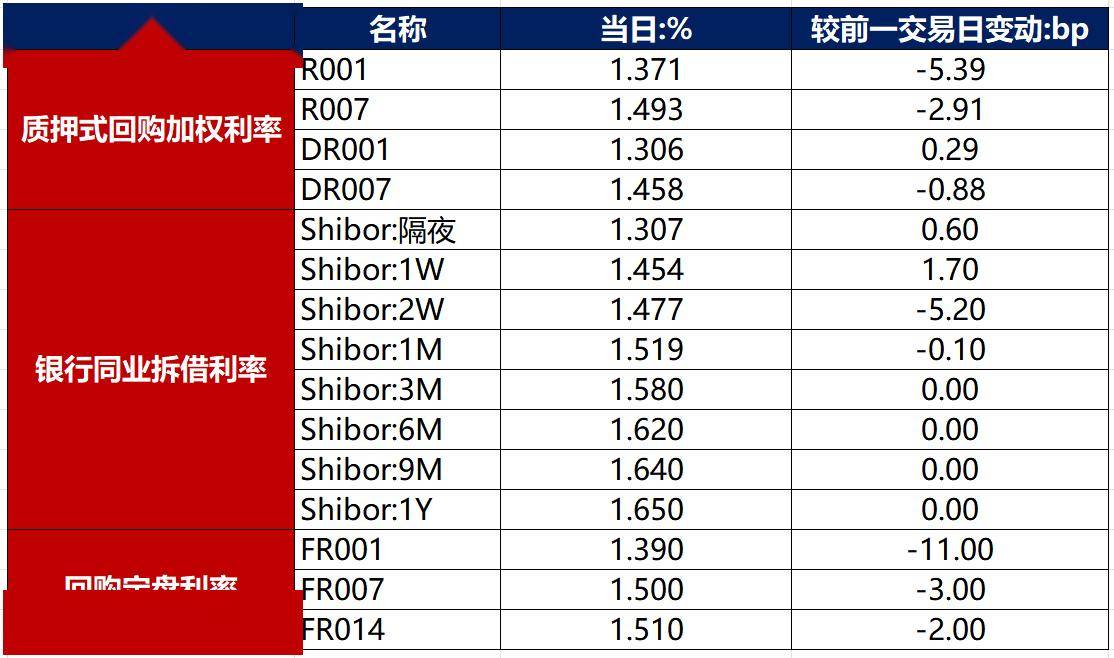
Group 1: Domestic News - The National Development and Reform Commission has expanded the scope of infrastructure REITs, including commercial office facilities and urban renewal facilities as independent asset categories [2] - The Ministry of Finance and the Ministry of Science and Technology issued guidelines to prevent illegal funding practices and ensure timely debt settlement [2] Group 2: International News - Russia will issue its first sovereign bonds denominated in RMB, starting on December 2, with a target coupon rate of 6.25%-6.5% for the 3.2-year portion and up to 7.5% for the 7.5-year portion [3] - The US ISM Manufacturing PMI for November fell to 48.2, indicating continued contraction in the manufacturing sector, with new orders and employment indices also declining [4] - The Bank of Japan's Governor hinted at a potential interest rate hike in December, leading to declines in both Japanese stocks and bonds [5] Group 3: Commodity Market - International crude oil prices increased, with WTI rising by 1.31% to $59.32 per barrel and Brent up by 1.26% to $63.17 per barrel [6] Group 4: Financial Market - On December 1, the central bank conducted a 7-day reverse repurchase operation of 107.6 billion yuan at a rate of 1.40%, resulting in a net withdrawal of 231.1 billion yuan [7] - The funding environment remained stable, with major repo rates showing slight fluctuations [8][9] Group 5: Bond Market Dynamics - The bond market showed strong fluctuations, with the 10-year government bond yield slightly decreasing to 1.8275% while the 10-year policy bank bond yield increased to 1.9000% [11] - In the secondary market, several corporate bonds experienced significant price deviations, with some bonds from Vanke dropping over 75% [14] Group 6: Credit Bond Events - Vanke's equity stake in Shenzhen Vanke Development was frozen for three years, and the company faced scrutiny over its financial practices [15] - Aoyuan Group announced it failed to pay interest on its bonds, accumulating a total of 6.44 billion yuan in unpaid principal and interest [15] Group 7: Convertible Bonds - The convertible bond market saw mixed performance, with the China Securities Convertible Bond Index and the Shanghai Stock Exchange Convertible Bond Index rising by 0.10% and 0.19% respectively [18] - The total trading volume in the convertible bond market was 55.329 billion yuan, a decrease of 9.851 billion yuan from the previous trading day [18] Group 8: Overseas Bond Market - US Treasury yields rose across all maturities, with the 2-year yield increasing by 7 basis points to 3.54% and the 10-year yield rising by 7 basis points to 4.09% [20] - Major European economies also saw an increase in 10-year government bond yields, with Germany's yield rising by 6 basis points to 2.75% [23]
万科多只债券盘中再触临停
第一财经· 2025-12-02 04:02
Core Viewpoint - Vanke's bond prices have significantly declined, raising concerns about its debt issues and liquidity situation, despite a slight recovery in its stock prices [3][4]. Debt Situation - Vanke's bonds have experienced a continuous decline since November 26, with "21 Vanke 06" dropping over 30% and several others also seeing significant decreases [3][4]. - The company is facing increasing debt repayment pressure and restructuring risks, with a notable reliance on external support and sales recovery to improve its liquidity [4][9]. Extension Proposal - A preliminary proposal for extending the maturity of a 2 billion RMB medium-term note, originally due on December 15, 2025, has been circulated, suggesting a one-year extension to December 15, 2026, with a fixed interest rate of 3.00% during the extension period [7][8]. - The proposed extension is considered weaker than market expectations, which previously included an 8-month extension with staggered principal repayments [8][9]. Financial Analysis - As of the third quarter, Vanke's interest-bearing debt accounted for 42.7% of its total liabilities, amounting to 151.3 billion RMB, while its cash reserves decreased by 25.5% to 65.68 billion RMB, leading to a cash-to-short-term debt ratio of 0.43 [9]. - Goldman Sachs estimates a funding gap of approximately 30 billion RMB for Vanke in 2026, contingent on the support from banks or major shareholders [11][12]. Restructuring Risks - Vanke is expected to face a bond maturity wave of around 11.4 billion RMB between December 2025 and May 2026, with projected negative operating cash flow [13][14]. - The risk of a restructuring event is increasing due to weak liquidity, with analysts indicating that the company's financial commitments may become unsustainable [14].

展期方案弱于预期,万科多只债券盘中再触临停
Di Yi Cai Jing· 2025-12-02 03:53
Group 1 - Vanke's debt restructuring plan has been revealed, but it has not alleviated concerns regarding its debt issues, leading to a decline in its bond prices [1][3] - As of December 2, Vanke's bonds have seen significant drops, with "21 Vanke 06" down over 30% and "21 Vanke 02" down over 19% [1][2] - The company's stock has shown some recovery, with Vanke A (000002.SZ) up 0.19% and Vanke Enterprises (02202.HK) up 1.13% [1] Group 2 - The preliminary extension plan for Vanke's "22 Vanke MTN004" involves a 12-month extension, moving the maturity date to December 15, 2026, while maintaining a 3.00% interest rate [3][4] - The current proposal is considered weaker than previously rumored plans, which included an 8-month extension with staggered principal payments [4] Group 3 - Vanke's short-term debt pressure remains significant, with 42.7% of its interest-bearing debt due within a year, amounting to 151.3 billion yuan, while cash reserves have decreased by 25.5% to 65.68 billion yuan [5] - The company has relied on two main channels for debt repayment: support from shareholders and operational cash flow, both of which are under pressure [5] Group 4 - Even if the extension is successful, Vanke will face new debt maturity pressures, with a projected funding gap of approximately 30 billion yuan in 2026 [6][7] - Since 2022, over 20 developers have had their debt restructuring plans approved, with cumulative restructuring exceeding 1.2 trillion yuan by October 2025 [7] Group 5 - Vanke is expected to face a bond maturity wave of about 11.4 billion yuan between December 2025 and May 2026, with negative operating cash flow predicted [8] - The company's liquidity issues raise concerns about its financial commitments being unsustainable, increasing the risk of default or restructuring [8]
银行间主要利率债收益率午间多数上行
Mei Ri Jing Ji Xin Wen· 2025-12-02 03:46
Group 1 - The core viewpoint of the article indicates that the yields on major interbank bonds have mostly risen, with the 30-year active bond "25超长特别国债06" increasing by 0.8 basis points to 2.199% [1] - Vanke bonds continue to show weakness, with "21万科02" dropping by 25.34% during the midday session [1] - The "21万科06" bond experienced a decline of over 30%, leading to a second trading suspension [1]
越秀证券每日晨报-20251202
越秀证券· 2025-12-02 03:22
Market Performance - The Hang Seng Index closed at 26,033, up 0.67% for the day and up 29.78% year-to-date [1] - The Hang Seng Tech Index rose by 0.82% to 5,644, with a year-to-date increase of 26.33% [1] - The Shanghai Composite Index increased by 0.65% to 3,914, with a year-to-date rise of 16.77% [1] - The Dow Jones Index fell by 0.90% to 47,289, with a year-to-date increase of 11.15% [1] Currency and Commodity Overview - The Renminbi Index stands at 97.920, with a 1-month increase of 0.38% and a 6-month increase of 1.79% [2] - Brent crude oil is priced at $63.570 per barrel, down 0.98% over the past month but up 3.13% over the past six months [2] - Gold is priced at $4,256.22 per ounce, with a 1-month increase of 6.37% and a 6-month increase of 25.87% [2] Company News - Kangji Medical's privatization plan has been approved by the Grand Court, with the plan expected to take effect on December 5, 2025 [19] - HashKey Holdings has passed the listing hearing with plans to raise $500 million and seek a listing this month [16] - The real estate crisis in China continues, with major data providers instructed to halt the release of sales data for property companies [17] Economic Indicators - China's official manufacturing PMI for November recorded at 49.2, below market expectations of 49.3 [13] - The non-manufacturing PMI for November was reported at 49.5, also below expectations of 50 [10] - Hong Kong's retail sales value for October increased by 6.9% year-on-year, with online sales rising over 27% [15]