
BMW(BMWYY)

Search documents
欧美贸易协议或使宝马、奔驰等利润提升40亿欧元
news flash· 2025-07-28 08:15
Group 1 - The core point of the article is that the EU's decision to reduce car import tariffs from 27.5% to 15% is expected to boost profits for European car manufacturers like BMW and Mercedes by €4 billion [1] - Analysts indicate that this trade agreement will significantly benefit the European automotive sector, leading to a rise in stock prices for these companies [1] - Despite the reduction in tariffs, the German automotive industry association warns that the new agreement will still have a detrimental impact on the automotive industry compared to the previous 2.5% tariffs before Trump's trade measures [1]
X @Bloomberg
Bloomberg· 2025-07-28 07:50
Financial Impact - European automakers, including BMW and Mercedes-Benz, are expected to receive a €4 billion earnings boost from the EU-US trade deal [1]
准备开战?奉陪到底!德国不再忍让,中方打出三张王牌
Sou Hu Cai Jing· 2025-07-27 04:52
Group 1 - The transatlantic alliance is experiencing unprecedented fractures, with Germany taking a strong stance against U.S. tariffs, marking a significant shift in global trade dynamics [1][2] - The U.S. tariff policy, particularly the proposed 30% tariff on EU automobiles, threatens to cause losses of up to €100 billion for German automotive exports, impacting major companies like Daimler, BMW, and Volkswagen [2] - Germany's response includes halting discussions with the U.S. and adopting a "cold treatment" strategy, indicating a shift in power dynamics in trade relations [2] Group 2 - China is providing strategic support to Germany through three key advantages: access to a large market, control over rare earth resources, and a model for strategic autonomy [4][5] - The Chinese market is crucial for German automotive companies, with significant sales percentages coming from China, highlighting the importance of this relationship for maintaining profitability [5] - Germany's unique position in rare earth material production gives it leverage in negotiations with the U.S., especially in light of U.S. dependency on Chinese supply chains [7] Group 3 - Germany's strategic response to U.S. tariffs includes a proposal targeting U.S. sectors such as electric vehicles, medical devices, and smart manufacturing, aiming to limit U.S. market access in Europe [10] - Public sentiment in Germany is shifting towards questioning reliance on the U.S., with mainstream media and social movements advocating for a strategic transformation [9] - The global trade landscape is evolving into a tripartite structure, with China positioning itself as a key player, facilitating trade partnerships while not forcing alignment with either the U.S. or Europe [9][11]

给电动车二次生命,宝马、本田、福特联手搞事情
汽车商业评论· 2025-07-24 16:31
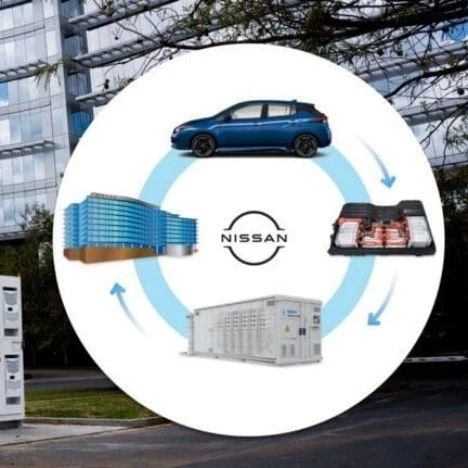
Core Viewpoint - The article discusses the growing importance of Vehicle-to-Grid (V2G) technology in enhancing the efficiency of electric vehicles (EVs) and promoting sustainable energy development, highlighting ChargeScape's collaboration with PSEG Long Island as a significant step in this direction [2][4][5]. Group 1: ChargeScape and V2G Technology - ChargeScape, a startup formed by BMW, Honda, Ford, and Nissan, is at the forefront of integrating EVs into the energy grid through V2G technology [2][4]. - The collaboration with PSEG Long Island marks the first time EVs are included in the utility's demand response program, aiming to intelligently manage the charging behavior of over 6,000 EV owners during peak electricity demand [4][7]. - The AI-driven platform by ChargeScape will optimize charging times and intensity, alleviating grid pressure while providing economic incentives to participants [5][7]. Group 2: Benefits and Challenges of V2G - V2G technology can dynamically adjust EV charging to prevent grid overload, thus enhancing grid stability and efficiency [5][8]. - Concerns about battery degradation due to V2G usage are being addressed, with studies indicating that controlled charging can actually prolong battery life [8]. - The potential for reusing retired EV batteries in energy management is highlighted, as these batteries can support the grid during peak demand periods [10][12]. Group 3: Global Implementation and Regulatory Environment - Utrecht has launched the first large-scale V2G car-sharing service in Europe, demonstrating the need for collaboration among automakers, charging infrastructure providers, energy companies, and local governments for successful V2G implementation [15][16]. - Renault has initiated V2G practices in France, emphasizing the need for unified regulations in Europe to unlock the full potential of V2G technology [17]. - In China, while the rapid adoption of EVs is noted, the implementation of V2G technology faces challenges due to differences in market conditions and regulatory environments compared to the US and Europe [18][19].


晚一天多花10万,豪车税惊了买车人
3 6 Ke· 2025-07-21 10:11
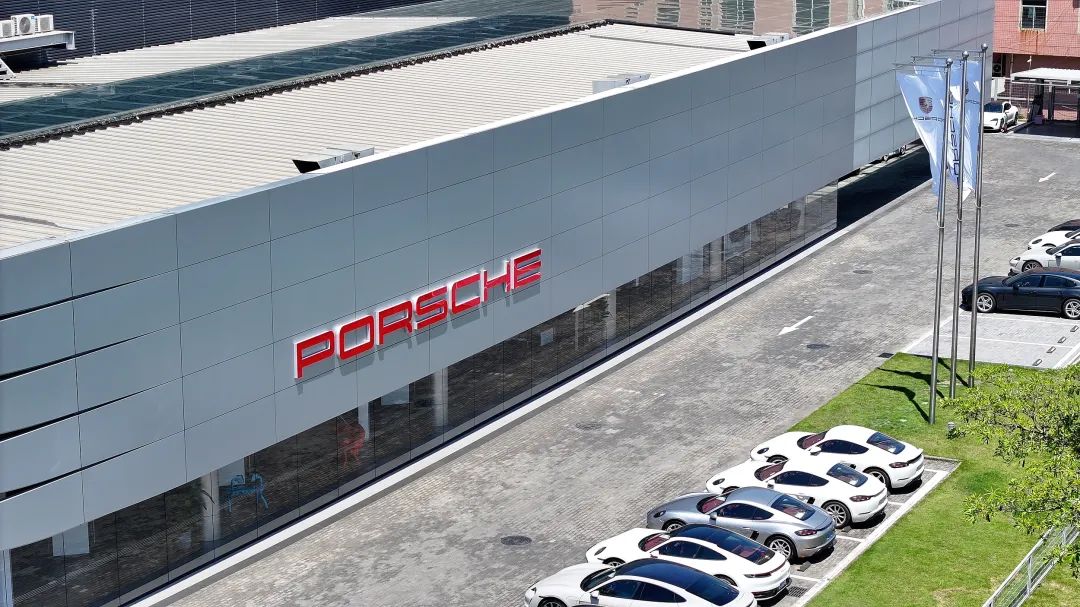
Core Viewpoint - The new luxury car tax policy in China, effective from July 20, 2023, lowers the threshold for luxury car taxation, impacting the sales dynamics of high-end automotive brands significantly [1][2][14]. Group 1: Tax Policy Changes - The luxury car tax threshold has been reduced from a retail price of 1.3 million yuan (excluding VAT) to 900,000 yuan, now including various types of vehicles, including electric and fuel cell cars [1][2]. - The new tax policy results in a new taxable price range for vehicles, with the inclusive tax price threshold dropping from 1.469 million yuan to 1.017 million yuan [2][14]. Group 2: Market Reactions - The announcement of the tax change led to a surge in sales as consumers rushed to purchase vehicles before the new tax took effect, with reports of extended store hours and high sales activity [3][11]. - Major luxury brands like Porsche, Land Rover, and Mercedes-Benz experienced significant consumer interest, with many buyers attempting to finalize purchases before the tax increase [3][5][11]. Group 3: Impact on Luxury Brands - The new tax policy is expected to affect the sales of high-end models from brands such as Porsche, Land Rover, Mercedes-Benz, BMW, Audi, and Lexus, with many models now falling under the new tax bracket [7][9][10]. - Brands like Porsche and Land Rover are particularly impacted, as a significant portion of their models exceed the new tax threshold [10][11]. Group 4: Consumer Behavior - Consumers who had already placed orders for vehicles are reconsidering their purchases due to the unexpected tax increase, with some contemplating canceling their orders [6][7]. - The market dynamics are shifting, with potential buyers now looking at alternative models that may fall below the new tax threshold, indicating a possible change in consumer preferences [17][18]. Group 5: Market Outlook - The adjustment in luxury car tax is seen as a response to the changing market conditions, where high-end car sales have been declining, and promotional pricing has increased [14][18]. - The new tax structure may provide opportunities for domestic luxury brands, as the lowered threshold could allow them to capture a larger market share previously dominated by imported luxury vehicles [18][19].
天“塌了”?超豪华车消费税起征点降至90万
3 6 Ke· 2025-07-21 04:09
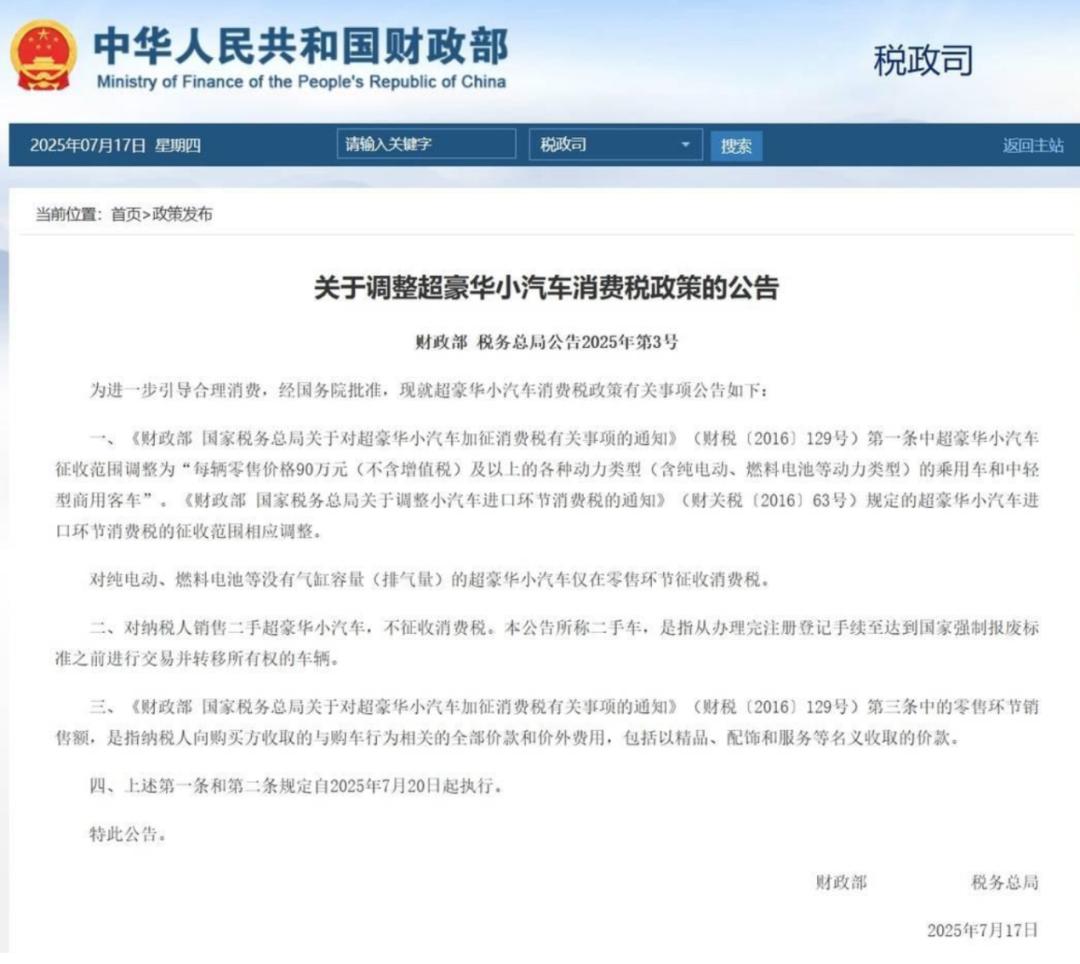
Core Viewpoint - The recent adjustment of the consumption tax threshold for super luxury cars from 1.3 million yuan to 900,000 yuan is expected to significantly impact the luxury car market, particularly affecting brands like Porsche and Mercedes-Benz that fall within the new tax range [1][3][18] Group 1: Policy Changes - The consumption tax threshold for super luxury cars has been lowered from a retail price of 1.3 million yuan (excluding VAT) to 900,000 yuan [1][4] - The new policy will take effect shortly after its announcement, leaving little time for car manufacturers to adapt [1][3] Group 2: Market Reactions - Consumers are reacting quickly to the policy change, with reports of increased sales activity in luxury car showrooms prior to the implementation date [8][9] - Brands like Porsche, Mercedes-Benz, and BMW are expected to be most affected, as many of their models now fall within the taxable range [6][11] Group 3: Competitive Landscape - The adjustment may intensify competition among luxury car manufacturers, as they may need to reconsider pricing strategies to maintain market share [11][18] - If luxury brands do not adjust prices, potential buyers may shift their interest towards second-hand vehicles or domestic luxury brands that are not affected by the new tax [13][15] Group 4: Impact on Different Segments - The policy change primarily impacts traditional fuel-powered luxury vehicles, while electric and fuel cell vehicles are less affected [12][18] - The adjustment could create opportunities for electric vehicles priced just below the new threshold, making them more attractive to consumers [16]
头部玩家格局加速重塑,智驾行业圈地运动不断升级
经济观察报· 2025-07-19 09:55
Core Viewpoint - The article discusses the emerging trend of collaboration between automotive manufacturers and intelligent driving solution companies, highlighting a shift from self-research to partnerships for developing advanced driving technologies [2][6][16]. Group 1: Industry Dynamics - Major players in the intelligent driving sector are engaging in a "land-grabbing" strategy, forming partnerships to enhance their technological capabilities [2][3]. - The collaboration model has evolved, with automotive companies increasingly relying on specialized intelligent driving firms to overcome technical challenges [2][6]. - The competition has shifted towards high-level intelligent driving, with "point-to-point" driving becoming a new benchmark for assessing capabilities [8][9]. Group 2: Key Players and Market Share - Companies like Momenta, Huawei, and Horizon Robotics have emerged as leading players in the intelligent driving market, each forming partnerships with various automotive manufacturers [3][11]. - As of 2023, Momenta holds a market share of 60.1%, followed by Huawei's Hi model at 29.8%, with other players like Baidu and Bosch+WeRide holding smaller shares [12]. - The landscape is dominated by six key players: Huawei, Zhuoyue Technology, Horizon Robotics, Momenta, Qingtou Zhihang, and Yuanrong Qihang, with significant market activity and partnerships [13][14]. Group 3: Investment Trends - Automotive companies are increasingly investing in intelligent driving solution providers to secure reliable partnerships, as seen with significant investments from companies like Anbofu and Great Wall Motors [9][10]. - The trend indicates a move towards deeper equity relationships and ecosystem development between automotive manufacturers and intelligent driving suppliers [16]. Group 4: Future Outlook - The intelligent driving sector is expected to see rapid growth, with companies like Momenta planning to increase their production from 8 models in 2023 to 26 models in 2024 [11]. - Qingtou Zhihang aims for a production target of one million units of its intelligent driving solutions by 2025, indicating a strong growth trajectory in the sector [14].
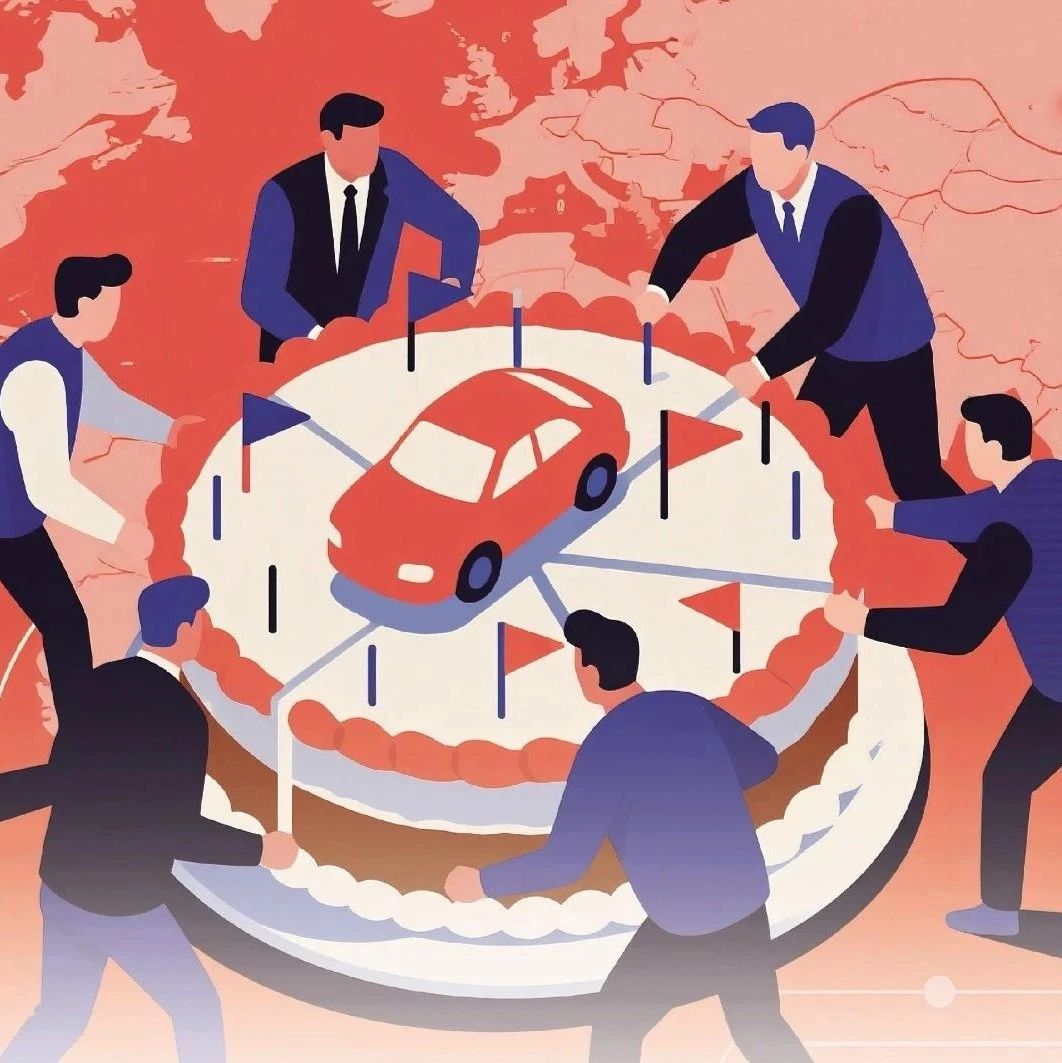
头部玩家格局加速重塑,智驾行业圈地运动不断升级
Jing Ji Guan Cha Wang· 2025-07-19 04:38
Core Insights - The smart driving sector is experiencing a "land grab" phase as major players prepare for an imminent explosion in advanced intelligent driving technology [2] - BMW China has partnered with Momenta to develop a China-specific intelligent driving solution, marking another instance of collaboration between automakers and intelligent driving companies [2][4] - The development model for intelligent driving has shifted towards collaboration between automakers and intelligent driving solution providers, moving away from the previous focus on in-house development [2][5] Industry Dynamics - Several intelligent driving solution companies, including Huawei, Momenta, and Horizon Robotics, have emerged as leaders in the field, each forming partnerships with various automakers [3][8] - The competition has intensified, with a notable shift towards high-level intelligent driving capabilities, as "point-to-point" driving becomes the new benchmark for assessing advanced driving capabilities [6][8] - The trend of "intelligent driving equality" is emerging, with leading automakers like BYD pushing for widespread adoption of intelligent driving technologies, putting pressure on slower-moving companies [5][6] Company Collaborations - BMW began recruiting suppliers for advanced driver assistance systems in early 2025, with Momenta winning the bid [4] - Automakers are increasingly opting to collaborate with leading intelligent driving solution providers to quickly address their technological gaps [5][6] - Momenta has secured partnerships with major luxury brands, including BMW, Mercedes-Benz, and Audi, enhancing its credibility in the market [7] Market Positioning - Momenta has achieved significant market share, with 60.1% in the domestic third-party intelligent driving supplier market, followed by Huawei with 29.8% [7] - The competitive landscape is evolving, with a focus on deepening partnerships between automakers and intelligent driving suppliers, moving towards equity-based collaborations [9] - Companies like Lightyear and Yuanrong Qixing are gaining traction, with Lightyear aiming for a million units of advanced driving solutions by 2025 [8][9]


领悦南京升级为宝马集团“全球信息技术研发中心”并成立新公司
news flash· 2025-07-18 15:30
Core Insights - BMW Group has upgraded its Nanjing facility to become a "Global Information Technology R&D Center" and established a new subsidiary [1] - The new subsidiary, "BMW (Nanjing) Information Technology Co., Ltd.", will operate independently and is based on the enhancement of local innovation capabilities in China [1] - This center is the first and only IT R&D center established by BMW Group in China and is the largest IT research and development base in Asia [1]
宝马全球信息技术研发中心落户南京
news flash· 2025-07-18 14:01
Core Viewpoint - BMW has established its global information technology research and development center in Nanjing, marking it as the first and only IT R&D center in China and the largest in Asia [1] Group 1: Company Development - The signing ceremony between Nanjing Jianye District People's Government and Brilliance BMW Automotive Ltd. signifies the official establishment of BMW (Nanjing) Information Technology Co., Ltd. [1] - This center is one of six global IT R&D centers of the BMW Group [1] Group 2: Investment and Economic Impact - Nanjing has attracted 304 German-funded projects, with actual foreign investment reaching 2.17 billion USD [1] - The annual revenue of German enterprises in Nanjing has exceeded 45 billion CNY, with total profits amounting to 3.46 billion CNY [1]