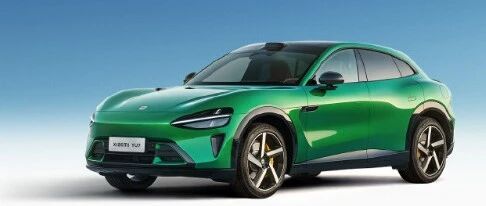
LI AUTO(LI)

Search documents
理想下了“死命令”,势必拿回属于自己的一切
3 6 Ke· 2026-01-22 10:08
Core Viewpoint - Li Auto has established its strategic focus for 2026, aiming to regain its leading position in the range-extended vehicle segment [1] Group 1: Product Strategy - The company has issued a strict internal directive that its self-developed smart driving chip M100 must debut in the L9 model to ensure successful implementation [2] - The new L9 model is expected to feature significant enhancements, including a revamped exterior and interior design, with an anticipated increase in vehicle dimensions [4] - The L9 will incorporate a large front display and improved software interactivity, alongside a battery pack exceeding 70 kWh, aiming for a pure electric range of over 400 km, a notable increase from the current 280 km [5][6] Group 2: Market Performance - In 2024, Li Auto was the top seller among new energy vehicle manufacturers, with cumulative deliveries of 500,500 units, reflecting a year-on-year growth of 33.1% [8] - However, in 2025, sales dropped to 406,300 units, marking an 18.81% decline, leading to a shift from profitability to losses [9][10] - In Q3 2025, Li Auto reported revenues of 27.4 billion yuan, a 36.2% year-on-year decrease, with a net loss of 624 million yuan [11] Group 3: Competitive Landscape - The decline in sales is attributed to Li Auto's struggle to establish itself in the range-extended segment while facing strong competition from rivals like Tesla and others in the pure electric market [13][15] - The competitive landscape has intensified, with more manufacturers entering the range-extended segment, leading to increased pressure on Li Auto [13][15] - The company aims to reclaim its position in the market by reallocating resources to the L9 model, signaling a renewed focus on range-extended vehicles [15][16] Group 4: Industry Trends - The range-extended vehicle segment has seen explosive growth over the past four years, with market size reaching 1.075 million units in 2024, but has faced a downturn in 2025, with only a 2.1% year-on-year increase in sales [18][19] - As of October 2025, sales of range-extended vehicles have declined by 11.6% year-on-year, with market share dropping to 8.57% [20] - The future of range-extended vehicles is uncertain, as advancements in pure electric battery technology continue to improve range and charging speed [21][31]


理想的VLA,不只是辅助驾驶
Jin Rong Jie· 2026-01-22 09:22
Core Insights - The introduction of the VLA (Visual-Language-Action) driver model by Li Auto in 2025 marks a significant leap in AI's understanding of the physical world, moving beyond traditional assisted driving to a more advanced form of intelligent interaction [1][9][14] Group 1: Evolution of Assisted Driving - Li Auto's evolution in assisted driving reflects the technological advancements and cognitive deepening within China's smart automotive industry, transitioning from rule-based systems to AI-driven models [3][6] - The shift from "imitation" to "thinking" in driving models highlights the limitations of earlier systems, which relied heavily on human-engineered rules and lacked deep reasoning capabilities [3][6] - The introduction of the VLA model aims to overcome the communication barriers and slow reasoning speeds that hindered previous models, enhancing the overall performance of assisted driving [6][10] Group 2: VLA Technology and Its Implications - The VLA model is positioned as a foundational technology for the next generation of AI systems, transforming vehicles from passive tools into proactive service robots [9][12] - Li Auto's commitment to the VLA model is supported by a vast dataset from over 1.5 million vehicles, enabling a data loop that enhances the model's training and performance [6][10] - The VLA model's ability to exhibit "human-like" behaviors signifies a shift towards a more intuitive interaction between humans and vehicles, allowing for voice commands and complex decision-making [7][10] Group 3: Future of the Automotive Industry - The ongoing development of the VLA model is expected to lead to the emergence of "automobile robots," capable of achieving higher levels of automation and intelligence [12][14] - Li Auto's exploration of VLA technology is influencing other leading companies in the industry, indicating a broader trend towards integrating large-scale data and advanced algorithms into automotive systems [12][14] - The ultimate goal of the assisted driving industry may evolve from merely achieving "autonomous driving" to creating mature embodied intelligent products, marking a new era in the automotive and AI sectors [12][14]
美股异动丨理想汽车盘前涨3.5% H股今日涨超4% 全新理想L9 3月登场
Ge Long Hui· 2026-01-22 09:18
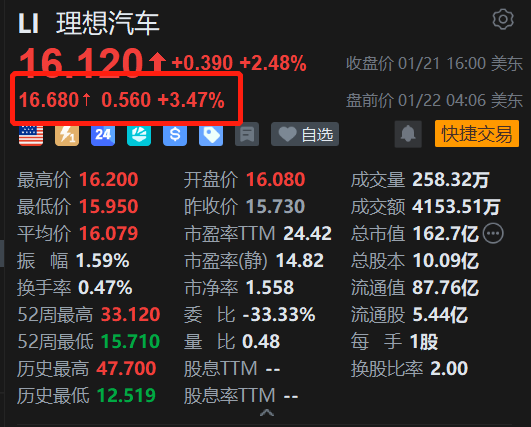
Core Insights - Li Auto's Hong Kong stock rose over 4%, leading to a 3.5% pre-market increase in its U.S. shares, driven by anticipation for the new model, the Li L9, set to launch in March [1] Group 1: Company Performance - The closing price of Li Auto on January 21 was $16.120, with a pre-market price of $16.680, reflecting a 3.47% increase [2] - The stock's highest price was $16.200, and the lowest was $15.950, with a trading volume of 2.5832 million shares [2] - The total market capitalization of Li Auto is approximately $16.27 billion, with a total share count of 1.009 billion [2] Group 2: New Model Launch - The new Li L9 model is expected to create significant market impact due to its multiple upgrades, although specific pricing details have not yet been disclosed [1] - Industry expectations suggest that the new model will maintain a competitive price-performance ratio while enhancing brand premium through upgraded features [1]
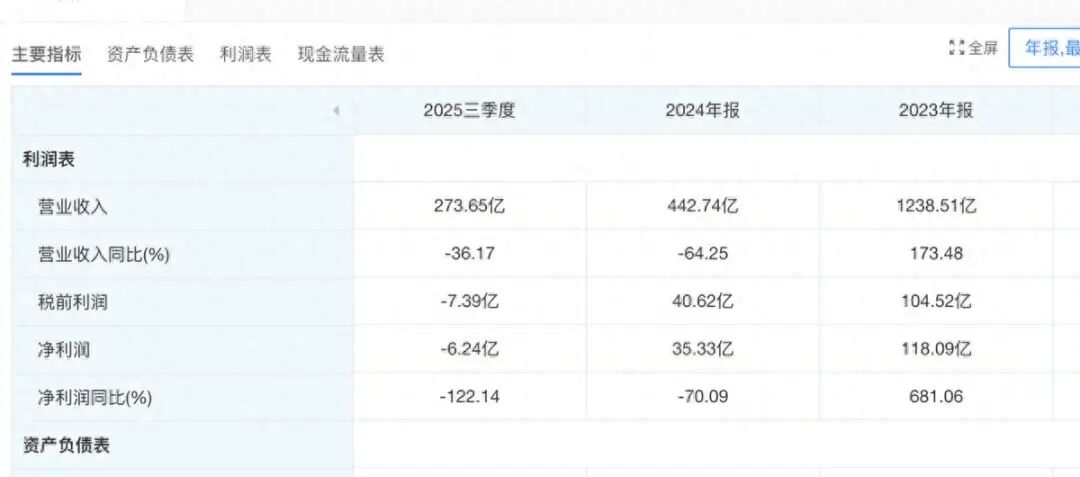
2025年几家自动驾驶公司的采访总结
自动驾驶之心· 2026-01-22 09:07
Core Algorithm - The industry has shifted towards end-to-end solutions, moving away from modular approaches, at least in public discourse [1] - The introduction of world models is prevalent, with some companies using them to generate training data, while others incorporate them into end-to-end models to enhance performance [1][8] - There is a divergence in opinions regarding the necessity of language models (VLA) in autonomous driving, with some companies arguing that language is not essential for driving tasks [1][11] Simulation and Infrastructure - The closed-loop systems have evolved from data-driven to simulation testing and training loops [2] - 3DGS is highlighted as a crucial technology for building simulation environments, as emphasized by Tesla at CVPR 2025 [5] - Infrastructure is critical, with companies like Xiaomi and Li Auto noting its benefits for development efficiency [3][14] Organizational Capability - Organizational ability is vital, as large autonomous driving teams face significant management challenges [4] - Team culture and collaboration are emphasized as essential for overcoming complex technical and management issues [5] Technical Choices Comparison - A comparison of various companies' technical choices reveals differing approaches to core technologies and the role of world models and simulation tools [9] - Companies like Li Auto advocate for a training loop that evolves from imitation to self-learning, while NVIDIA emphasizes interpretability and reasoning in AI [9] Key Non-Core Factors - R&D infrastructure and engineering efficiency are crucial for the success of autonomous driving technologies [14] - Simulation and synthetic data are becoming essential for addressing corner cases that real-world data cannot cover [14] - The scale of computing power and chip adaptation is critical, as autonomous driving is not just a software issue but also a hardware challenge [15] User Experience and Safety - User experience and safety are paramount, with companies like Xiaomi stressing the importance of balancing advanced technology with user concerns [17] - The need for a dual-stack safety mechanism is highlighted, ensuring that even aggressive end-to-end models have a fallback to traditional rule-based systems for safety [19]


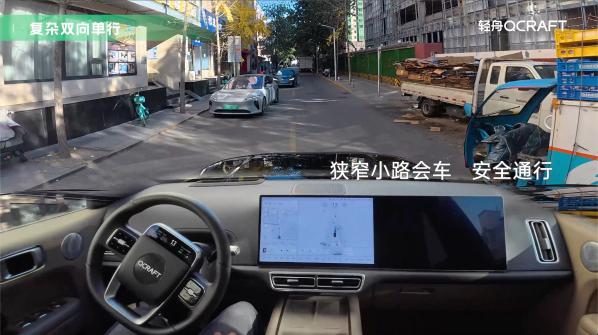
安全端到端首发量产轻舟智航单芯片跑通城市NOA
Zhong Guo Jing Ji Wang· 2026-01-22 09:04
Core Insights - QCraft has announced the mass production of the industry's first city NOA solution based on a single Horizon 6M chip, which is now available in the Li Auto L series [1] - The solution utilizes 128 TOPS computing power to deliver an advanced urban NOA experience, emphasizing the efficient use of computing resources [1] - QCraft's co-founder and CEO, Dr. Yu Qian, highlighted the company's pioneering approach in identifying the potential of a single chip for urban NOA and achieving high performance [1] Group 1 - The mass production solution is based on QCraft's innovative end-to-end safety model, which comprehensively covers urban travel scenarios [1] - The system features human-like defensive driving capabilities, ensuring safety throughout the driving process by anticipating and mitigating risks in complex environments [2] - The safety model integrates with the vehicle's HMI, providing real-time insights into system decision-making, moving away from traditional "black box" models [4] Group 2 - The solution is designed to efficiently handle various urban driving scenarios, including traffic lights and city cruising, by automatically adjusting driving rhythms [6] - The system's smooth action planning enhances passenger comfort by avoiding abrupt stops and hesitations in complex situations [6] - The successful mass production of the single Horizon 6M city NOA demonstrates QCraft's capabilities in large-scale production and optimization, making advanced driving assistance more accessible to a wider range of vehicles [6]
Macquarie Keeps an Underperform Rating on Li Auto Inc. (LI)
Insider Monkey· 2026-01-22 08:30
Core Insights - Artificial intelligence (AI) is identified as the greatest investment opportunity of the current era, with a strong emphasis on the urgent need for energy to support its growth [1][2][3] - A specific company is highlighted as a key player in the AI energy sector, owning critical energy infrastructure assets that are essential for meeting the increasing energy demands of AI technologies [3][7] Investment Opportunity - Wall Street is investing heavily in AI, with hundreds of billions directed towards developing smarter technologies, but there is a looming question regarding the energy supply needed to sustain this growth [2] - The company in focus is positioned to benefit from the surge in demand for electricity driven by AI data centers, making it a potentially lucrative investment [3][8] Company Profile - The company is described as a "toll booth" operator in the AI energy boom, collecting fees from energy exports and poised to capitalize on the onshoring trend due to tariffs [5][6] - It possesses significant nuclear energy infrastructure, enabling it to play a crucial role in the U.S. energy strategy and LNG exportation [7][8] Financial Health - The company is noted for being debt-free and having a substantial cash reserve, which is approximately one-third of its market capitalization, providing it with a strong financial position [8][10] - It is trading at a low valuation of less than 7 times earnings, making it an attractive option for investors seeking undervalued stocks in the AI and energy sectors [10][11] Market Trends - The article discusses the broader trends of AI disruption across industries, emphasizing the importance of investing in companies that are adapting to these changes [11][12] - The influx of talent into the AI sector is expected to drive continuous innovation and advancements, further solidifying the importance of investing in this field [12][13] Future Outlook - The potential for significant returns is highlighted, with projections suggesting a possible 100% return within 12 to 24 months for investors who act now [15][19] - The company is positioned to benefit from the convergence of AI, energy infrastructure, and tariff-driven onshoring, making it a unique investment opportunity [14][19]
地平线(09660)与轻舟智航深度协同 行业首个单征程6M城区NOA量产交付
智通财经网· 2026-01-22 08:01
Core Insights - The first end-to-end city NOA solution based on Horizon's Journey 6M chip has been officially delivered, marking a significant milestone in urban mobility [1] - The collaboration between Li Auto, Lightyear, and Horizon showcases a complete closed-loop from technology development to large-scale delivery [7] Group 1: Product and Technology - The city NOA system, built on a single Journey 6M chip, offers advanced defensive driving capabilities, enhancing safety during urban travel [2][5] - The system utilizes 128 TOPS of computing power, optimizing safety and traffic efficiency while supporting various sensor integrations [4] - The Journey 6M chip enables lightweight urban driving assistance and memory driving functions, significantly improving performance and reducing costs [4] Group 2: Industry Collaboration - The partnership between Horizon, Lightyear, and Li Auto exemplifies a strong industry collaboration, achieving multiple industry records since their strategic alliance began in May 2022 [7] - Horizon is also collaborating with Bosch, Denso, and other partners to promote the mass production of the city NOA solution, targeting the 100,000 yuan market segment [8] - The ecosystem collaboration is seen as a key pathway to advancing the widespread adoption of intelligent driving technology [8] Group 3: Market Impact - Li Auto's L series models are equipped with the Journey 6M chip, enhancing their reputation as reliable and user-friendly smart driving vehicles [7] - The successful deployment of the city NOA solution is expected to accelerate the scale of mass production in the intelligent driving sector [8] - Horizon aims to continue building a reliable and inclusive future for intelligent driving through its collaborative ecosystem approach [10]
汽车视点 | 7年低息购车潮席卷车市,行业格局加速洗牌
Xin Hua Cai Jing· 2026-01-22 07:30
Core Insights - The automotive market is experiencing a significant shift towards innovative financial services, with multiple companies introducing 7-year low-interest financing options to stimulate sales [1][2][3] - The trend indicates a move away from traditional price-cutting strategies, as companies seek to enhance competitiveness through financial promotions [2][3] Group 1: Financial Innovations - Xpeng Motors announced a 7-year low-interest financing plan with monthly payments starting at 1,355 yuan [1] - Geely Galaxy followed suit, offering a similar plan with a down payment starting at 25,800 yuan and monthly payments from 1,999 yuan [1] - Tesla initiated the trend with a financing option for its Model 3 and Model Y, featuring an annual interest rate of approximately 0.98% and monthly payments starting at 2,947 yuan [2] Group 2: Market Dynamics - Over 20 automotive companies have implemented price reductions since the beginning of 2026, but retail sales have not shown significant growth, with a 28% year-on-year decline in passenger vehicle sales from January 1-18 [3] - The retail sales of new energy vehicles also fell by 16% year-on-year during the same period [3] - Regulatory bodies are emphasizing the need to avoid chaotic price wars, aiming to maintain a fair market environment [3] Group 3: Consumer Impact - The 7-year low-interest financing significantly lowers the barrier to vehicle ownership, making it accessible for younger consumers [5] - However, the long loan term introduces uncertainties, as rapid technological advancements may lead to depreciation of vehicles, potentially resulting in negative equity [5] - The extended repayment period requires stable financial conditions, as any significant changes could create financial pressure [5] Group 4: Industry Challenges - Companies face challenges in cash flow management due to the extended repayment period associated with 7-year financing [4] - Financial reports indicate that companies like Xpeng and Li Auto are experiencing thin profit margins, with Li Auto reporting its first quarterly loss [4] - The long-term viability of low-interest financing strategies may lead to a "sell one at a loss" scenario for brands with already tight margins [4] Group 5: Competitive Landscape - The shift towards 7-year financing may accelerate industry consolidation, favoring companies with strong technological foundations [6][7] - Non-leading brands may struggle to balance the costs of low-interest financing with the risk of declining sales if they do not adopt similar strategies [6] - Ultimately, the competitive edge will rely on technological innovation rather than financial gimmicks, as the market will revert to valuing product quality and user experience [6][7]
L9上猛料,理想要打增程翻身仗 |36氪独家
3 6 Ke· 2026-01-22 07:04
Core Viewpoint - Li Auto plans to rebound in 2026 after a projected decline in 2025, targeting a 40% growth with a sales goal of approximately 550,000 units, up from around 410,000 units last year [2][3]. Group 1: Strategic Focus - The company is refocusing on its core business, aiming to regain its leading position in range-extended products by simplifying its product strategy and reducing the number of model variants [3][4]. - The new L9 model will undergo significant upgrades, including a larger size, enhanced battery capacity exceeding 70 kWh, and improved electric range of over 400 kilometers [5][12]. - Li Auto anticipates that the upgraded L9 will contribute over 100,000 units to its sales forecast [5]. Group 2: Market Position and Competition - Li Auto faces increased competition in the range-extended market, with other companies like Xpeng and Xiaomi planning to launch their own range-extended models [11][12]. - The company acknowledges that it has lost market share and aims to stabilize its sales before pursuing further growth [10][13]. - The shift towards larger battery capacities in the industry has prompted Li Auto to consider more aggressive upgrades, although it remains cautious compared to competitors [11][12]. Group 3: Product and Organizational Adjustments - Li Auto's product focus has shifted towards pure electric models, but the company plans to return to its range-extended roots, with only one new pure electric SUV expected in 2026 [6][14]. - Recent organizational changes include the departure of key personnel and a restructuring of product lines to enhance competitiveness [15][16]. - The sales system is undergoing a comprehensive review, with a focus on improving store efficiency and closing underperforming locations [18][19].
小鹏、理想汽车推出7年低息购车方案
新华网财经· 2026-01-22 06:24
Core Viewpoint - The automotive industry is witnessing a trend of introducing low-interest financing options for vehicle purchases, aimed at making cars more affordable for consumers, particularly in the electric vehicle segment. Group 1: Financing Plans - Xpeng Motors announced a 7-year low-interest financing plan with a down payment starting at 15% and monthly payments as low as 1355 yuan, valid until January 31, 2026 [1] - Li Auto introduced a similar 7-year low monthly payment plan starting from 32,500 yuan down payment and monthly payments as low as 2578 yuan, effective from January 20, 2026 [2] - Xiaomi Motors launched a 7-year low-interest plan with a down payment starting at 49,900 yuan and monthly payments starting at 2593 yuan, available from January 16 to February 28 [5] - Tesla announced a 7-year low-interest plan for Model 3/Y/Y L with monthly payments starting at 1918 yuan and a down payment starting at 79,900 yuan, with a maximum interest rate of 0.5% [8] Group 2: Market Trends - The introduction of low-interest financing options by multiple companies, including Xiaomi and Tesla, indicates a competitive strategy to lower the barriers for consumers to purchase electric vehicles [5][8] - Tesla's recent delivery data shows a decline in delivery volumes, with Q4 2025 deliveries at 418,200 units, down 15.6% year-over-year, and an annual total of 1.6361 million units, marking an 8.6% decrease, the largest annual drop [8]