
TSMC(TSM)

Search documents
信创ETF(159537)大涨超4%,半导体产业龙头建厂扩产需求明确
Mei Ri Jing Ji Xin Wen· 2026-01-21 03:04
Group 1 - The core viewpoint of the article highlights a significant increase in the semiconductor industry, driven by clear expansion demands from leading companies, as evidenced by TSMC's capital expenditure plan for fiscal year 2026, which is projected to be between $52 billion and $56 billion, representing a year-on-year increase of 27% to 37% compared to fiscal year 2025 [1] - The demand for advanced processes and memory chips is outpacing supply, leading to a robust need for cleanroom construction and expansion within the semiconductor sector, which is expected to positively impact order volumes and profit margins [1] - The 信创 ETF (159537) tracks the CN5075 index, focusing on information technology innovation, with a significant portion of its components in the semiconductor sector, followed by software development and computer equipment, reflecting a growth-oriented investment style [1]

东海证券晨会纪要-20260121
Donghai Securities· 2026-01-21 02:57
Group 1: Key Recommendations - The report emphasizes the revaluation of private refining companies in the petrochemical industry, highlighting that the petrochemical cycle is under pressure but shows signs of improvement ahead [6][7] - Key drivers for the petrochemical cycle include rising oil prices, supply-side capacity clearance, and demand-side stimulus from a loose monetary environment [6][7] - The report predicts that Brent oil prices will fluctuate between $55 and $75 per barrel in 2026, which could benefit refining profitability [7][8] Group 2: Economic Observations - The nominal GDP growth rate stabilized, with Q4 2025 GDP growth at 4.5%, slightly down from 4.8% in Q3 [11][12] - The contribution rates to GDP from final consumption, capital formation, and net exports were 52.9%, 16.0%, and 31.1% respectively in Q4 2025, indicating strong export support and stable consumption [13] - Investment showed a downward trend, with fixed asset investment growth at -3.8% for the year, highlighting the need for policy support to stabilize investment [15][16] Group 3: Industry Insights - TSMC's capital expenditure for 2026 is projected to be between $52 billion and $56 billion, significantly exceeding market expectations, driven by demand for AI and advanced process technologies [18][20] - The global smartphone market showed resilience in 2025, with a total shipment of 1.26 billion units, a 1.9% increase year-on-year, driven by high-end models and foldable screens [21][22] - The report suggests that the semiconductor industry is experiencing upward price trends, particularly in storage chips, indicating structural investment opportunities [19][23]
国台办:所谓“供应链合作”只会逼得台湾自断筋骨
Yang Shi Xin Wen· 2026-01-21 02:28
发言人彭庆恩表示,美国向来以美国利益优先,挥舞关税"大棒"损人利己。所谓"美台贸易"及"供应链 合作"只会把台湾榨干,逼得台湾自断筋骨。在美国人眼里,台湾的价值不是什么"供应链伙伴",而 是"以台制华"的棋子、军工复合体的"摇钱树"、制造业回流的"提款机"。 (文章来源:央视新闻) 1月21日,国务院台办举行例行新闻发布会。总台记者提问:日前,赖清德与美国亚利桑那州访问团见 面时称,近年来美国已成为台湾最大海外直接投资地,期盼双方尽早签署关税协定,帮助台积电等业者 在美国长期深耕,也为当地创造高薪就业机会。对此有何评论? ...
龙芯中科封板,科创50ETF涨超3%,冲击前期高点
Mei Ri Jing Ji Xin Wen· 2026-01-21 02:15
Market Performance - The A-share market showed signs of recovery in the early session, with all three major indices rising: the Shanghai Composite Index increased by 0.17%, the Shenzhen Component Index rose by 0.54%, and the ChiNext Index climbed by 1.15% [1] - The Kweichow Moutai ETF (588000) surged by 3.46%, with the latest price at 1.614 yuan, and the intraday trading volume reached 2.121 billion yuan, resulting in a turnover rate of 2.67% [1] Semiconductor Sector - The semiconductor sector experienced a significant rally, with notable stocks such as Longxin Technology hitting the limit up, Haiguang Information rising by 14.07%, Lanke Technology increasing by 6.80%, Zhongwei Company up by 3.97%, and SMIC gaining 3.04% [1] - The domestic semiconductor equipment sector is witnessing dual catalysts: the successful launch of the first high-energy hydrogen ion implanter developed by China National Nuclear Corporation, breaking foreign monopolies in key semiconductor manufacturing processes, and TSMC's financial report indicating a projected 35% increase in net profit by Q4 2025 and a gross margin of 62% [1] Industry Outlook - The dual catalysts are expected to accelerate the localization of domestic equipment, combined with AI-driven technological upgrades and capacity expansion, suggesting that the industry may enter a "golden period" of expansion cycles and technological breakthroughs [1] - The Kweichow Moutai ETF (588000) tracks the Sci-Tech 50 Index, which has a 70.35% allocation in the electronics sector, aligning well with the current development trends in artificial intelligence and robotics [1] - The ETF also covers multiple sub-sectors, including semiconductors, medical devices, software development, and photovoltaic equipment, indicating a high content of hard technology, and investors optimistic about the long-term development prospects of China's hard technology are encouraged to continue monitoring [1]




未知机构:申万电子25年12月台股电子板块景气跟踪先进制程满载AIHPC扩张带-20260121
未知机构· 2026-01-21 02:05
Summary of Conference Call Records Industry Overview - The conference call primarily discusses the semiconductor industry, focusing on companies such as TSMC, Xilinx, and others within the electronic sector in Taiwan. Key Points and Arguments AI Sector - TSMC reported a December revenue increase of 20% year-over-year and a 32% increase for the entire year, with a gross margin of 62.3% in Q4 2025, exceeding previous guidance [1] - For Q1 2026, TSMC's guidance indicates revenue between $34.6 billion and $35.8 billion, with a gross margin of 63% to 65% and an operating profit margin of 54% to 56%, highlighting resilience in advanced process demand driven by AI and HPC [1] - TSMC's capital expenditure guidance for 2026 is set at $52 billion to $56 billion, with 70% to 80% allocated to advanced processes [1] - Xilinx reported a December revenue increase of 18%, benefiting from strong demand for AI servers and improved PCB supply, achieving new highs across monthly, quarterly, and yearly metrics [1] Mature Process - United Microelectronics Corporation (UMC), World Advanced, and Powerchip reported December revenue increases of 2%, 15%, and 22% year-over-year, respectively, with annual revenue growth of 2%, 10%, and 4% [2] - The 8-inch wafer utilization rate is expected to recover from approximately 75%-80% in 2025 to 85%-90% in 2026, with some foundries indicating price increases for foundry services [2] Memory Sector - Nanya Technology, Winbond, and Macronix reported December revenue increases of 445%, 53%, and 45% year-over-year, respectively, with annual revenue growth of 95%, 10%, and 12% [2] - Nanya has transitioned from a loss to profit, noting that DDR4 prices continue to rise, with price increases significantly outpacing shipment growth, indicating better profit elasticity [2] - In the NOR Flash segment, the upgrade from HBM3E to HBM4 is expected to increase NOR Flash usage due to the increase in stacking layers, leading to tighter supply and improved pricing conditions [2] - Macronix may raise NOR prices by 30% in Q1 2026 [2] Passive Components - Yageo reported a December revenue increase of 30%, with a 9% year-over-year increase for the entire year, driven by AI server demand [3]
未知机构:①近1个月来化工行业迎来一场全球性涨价潮巴斯夫陶氏亨斯迈等-20260121
未知机构· 2026-01-21 02:00
Summary of Key Points from Conference Call Records Industry Overview - The chemical industry has experienced a "global price surge" in the past month, with major companies like BASF, Dow, and Huntsman implementing price increases across Europe, Asia, and the Middle East [1][1][1] - Significant price increases have been noted for certain chemical products, with propylene oxide prices rising by 7.9% week-over-week [2][2][2] Companies Mentioned - Companies involved in the chemical sector include: - Xinxiang Chemical Fiber - Cangzhou Dahua - Weiyuan Co. - Shandong Heda - Hongbaoli - Hongbai New Materials - Red Wall Co. - Zhongyida - Zanyu Technology - China National Chemical - Jiangtian Chemical - Meibang Technology [2][2][2] Core Insights and Arguments - The recent price increases in the chemical market are attributed to a combination of supply chain pressures and increased demand for chemical products globally [1][1][1] - The government has introduced new policies to support urban renewal and stimulate the economy, which may further impact the demand for chemical products [2][2][2] Additional Important Information - The National Energy Administration reported that national electricity load has reached a historical winter high, exceeding 1.4 billion kilowatts for the first time, indicating strong energy demand [2][2][2] - The investment in new power systems is expected to grow significantly, with a projected 40% increase in investment during the 14th Five-Year Plan period [2][2][2] - The chemical industry is likely to benefit from these macroeconomic trends, as increased urban development and energy demands will drive further consumption of chemical products [1][1][1]



A Once-in-a-Decade Investment Opportunity: 1 Artificial Intelligence (AI) Semiconductor Stock to Buy Hand Over Fist Before It Soars Up to 32%, According to a Wall Street Analyst
The Motley Fool· 2026-01-21 01:25
Core Viewpoint - Wall Street is optimistic about Taiwan Semiconductor Manufacturing Company (TSMC), viewing it as a key player in the AI revolution and a strong investment opportunity due to its significant role in the semiconductor industry [1][4][16] Industry Overview - The semiconductor industry is crucial for the development of generative AI models, serving as the foundational hardware for technologies like ChatGPT [2] - TSMC is positioned at the intersection of technology and infrastructure, making it a vital component in the ongoing AI supercycle [4][10] Company Performance - TSMC is the largest chip manufacturer by revenue, surpassing competitors like Samsung and Intel, and is integral to the supply chains of major chip designers [9][10] - In Q4 2025, TSMC reported revenue of $33.7 billion, a 25% year-over-year increase, with a gross margin of 62%, up from 59% earlier in the year [12][13] - The company is experiencing increased demand driven by larger capital expenditures from hyperscalers, which enhances its pricing power and profit margins [13] Future Growth Potential - TSMC's CEO indicated plans for geographic expansion, suggesting that new facilities could contribute to growth by the end of the decade, aligning with the long-term AI megatrend [14] - Analysts are overwhelmingly bullish on TSMC, with 17 out of 18 rating the stock as a buy, and an average price target of $408, indicating a potential 19% upside [15] Investment Outlook - TSMC is seen as a compelling long-term investment due to its ability to grow revenue and profitability amid the ongoing AI infrastructure supercycle [16]

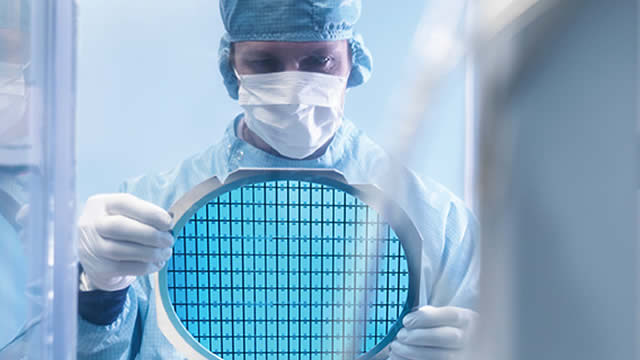
芯片的警钟敲响
半导体行业观察· 2026-01-21 01:23
Core Viewpoint - The semiconductor market is expected to experience significant growth driven by artificial intelligence, but there are differing opinions on the extent and sustainability of this growth, with some experts predicting a market size exceeding $1 trillion by the end of this year, while others caution against over-optimism due to capacity constraints and economic weaknesses [1][2][5]. Group 1: Market Predictions - The semiconductor market is projected to grow from approximately $650 billion in 2024 to over $1 trillion by the end of the decade, with some forecasts suggesting this milestone could be reached as early as 2028-2029 [2]. - Omdia predicts that the semiconductor market will exceed $1 trillion not in 2030, but this year, driven by strong demand for data center servers and memory-intensive applications [3][5]. - Future Horizons' Malcolm Penn anticipates a growth rate of about 12% for 2026, significantly lower than other predictions that suggest growth rates could reach as high as 40% due to AI chip demand [1][5]. Group 2: AI Impact on Semiconductor Demand - The demand for AI infrastructure is seen as a major driver of a fundamental restructuring in the semiconductor industry, impacting various technology categories [2]. - Strong demand for memory chips and rising prices are expected to lead to a 41.4% year-over-year growth in the computing and data storage sectors by 2026, surpassing $500 billion [3]. - The capital expenditure of the top four hyperscale data center operators is projected to reach approximately $500 billion this year, further propelling the market [3]. Group 3: Industry Concerns and Cautions - Malcolm Penn warns of potential market corrections, suggesting that economic growth could turn negative, with declines ranging from -8% to -30% depending on the speed of the correction [1]. - Concerns about overcapacity in the semiconductor industry are raised, with Penn describing current capital expenditures as potentially indicative of a capacity bubble [6]. - TSMC's CEO expresses caution regarding the impact of tariff policies and rising component prices on the semiconductor market, emphasizing a focus on business fundamentals to maintain competitive advantages [6].


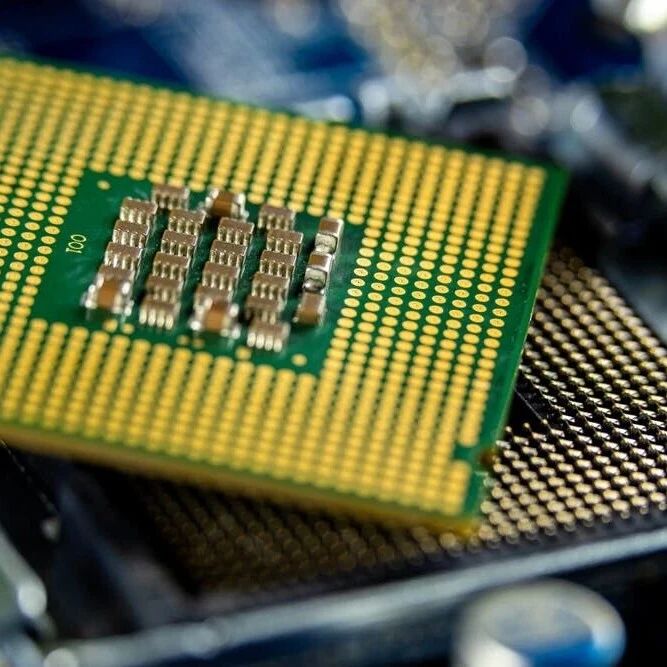
手机芯片,大战开打
半导体行业观察· 2026-01-21 01:23
Core Insights - TSMC's 2nm process is in high demand, with estimated tape-out volumes 1.5 times that of the 3nm process, attracting companies like Apple, Qualcomm, and MediaTek to secure supply for competitive advantage this year [1] - Despite the advancements in chip technology, consumer interest in smaller process nodes is waning, leading companies to pivot towards architecture improvements and increased memory cache as key strategies [1][2] - Apple has reportedly secured over half of TSMC's initial 2nm capacity, while Qualcomm and MediaTek are also vying for the enhanced 2nm "N2P" process to gain an edge in wafer shipments and CPU frequency [1][4] Group 1 - TSMC is expected to cancel Apple's priority status as its largest customer due to the rise of AI, with TSMC's revenue increasingly coming from different sectors [3][4] - Analysts note that while flagship devices drive industry growth, consumers are now more focused on actual user experience rather than just annual specification upgrades [2] - TSMC is facing supply constraints for 2nm wafers, leading to price increases for advanced process technologies starting in 2026, with the estimated price for Apple's A20 SoC being $280 [6] Group 2 - Apple's A19 Pro chip showcased significant architecture improvements, achieving a performance increase of 29% with minimal power consumption [2] - The competitive landscape is shifting, with companies like MediaTek's Dimensity 9500s surpassing Snapdragon 8 Gen 5 by utilizing a 19MB CPU cache [2] - TSMC's CEO has reportedly informed Apple of a significant price increase, marking the largest in recent years, indicating a shift in the dynamics of their partnership [4]

今日A股市场重要快讯汇总|2026年1月21日
Xin Lang Cai Jing· 2026-01-21 00:33
一、外围市场与关联资产 隔夜美股三大股指收盘普跌,道指跌1.82%,纳指跌2.42%,标普500指数跌2.07%,主要因特朗普威胁 提高对欧洲八国关税引发市场避险情绪升温。 科技股集体下挫,英伟达跌超4%,苹果跌超3%,特斯拉跌超3%,台积电跌超4%。 纳斯达克中国金龙指数收跌1.50%,中进医疗、晶科能源、世纪互联等多只中概股跌超10%。 国际贵金属价格受地缘政治危机推动再创历史新高,纽约商品交易所2月黄金期价一度突破每盎司4760 美元,3月白银期价一度突破每盎司95美元。 截至今日凌晨,纽约期金进一步突破4780美元/盎司,日内涨0.31%;现货黄金突破4770美元/盎司,日 内涨0.16%。 加密货币市场大幅波动,比特币日内跌破89000美元,跌幅达4.46%,随后进一步下探至88000美元,日 内跌5.00%。 以太坊也跌破3000美元,日内跌5.98%。 原油价格小幅上涨,布伦特原油突破65美元/桶,日内涨1.68%;WTI原油突破60美元/桶,日内涨 1.13%。 国内白银期货表现疲软,连续主力合约日内跌2%,现报22680.00元。 二、宏观经济与市场分析 美国商务部长卢特尼克表示,若降息10 ...

