
零跑

Search documents
5倍大牛股,最新辟谣四季度业绩有变
21世纪经济报道· 2025-12-01 10:54
12月1日,21财经《辟谣财知道》注意到,市场出现有关印制电路板龙头企业胜宏科技(300476.SZ)第四季度业绩有 变的相关传闻,引发投资者关注。 对此,21财经·南财快讯记者以投资者身份致电胜宏科技,接线工作人员表示, 目前市场流传的相关业绩预告并非公司 发布,且公司在手订单正常,未出现异常情况。 此前影响第三季度业绩的"料号切换"问题已结束,但公司暂未披露第 四季度的业绩预测。 事实上,当前市场对胜宏科技业绩走势高度敏感。时间回溯至10月28日,胜宏科技披露2025年三季报,数据显示第三 季度实现营业收入50.86亿元,同比增长78.95%;归母净利润11.02亿元,同比大增260.52%。 尽管同比数据亮眼,但第三季度归母净利润较第二季度的12.23亿元环比下降9.88%。受此影响,10月28日,胜宏科技 股价盘中一度跌超7%,而自三季报披露至今,其股价开启震荡走低态势,目前已累计下滑21%。 针对净利环比下滑,胜宏科技在电话会上解释称,主要受三大因素影响: 一是配合客户需求进行HDI产线调整导致短期产能波动;二是新厂房投产后员工数量增加约两三千人,人力成本上 升;三是新产品导入(NPI)研发投入增加 ...



左手AI,右手生态
Zhong Guo Qi Che Bao Wang· 2025-12-01 01:44
Core Insights - The automotive industry is transitioning from traditional hardware competition to a new era driven by AI, which is deeply integrated into vehicle control and intelligent driving, transforming cars into essential "smart partners" and "ecological hubs" in daily life [2][12] AI Empowerment and Breakthroughs - AI technology has penetrated various aspects of the automotive sector, including intelligent driving and smart cockpits, showcasing significant advancements in both technical depth and application breadth [3] - The shift towards software-defined intelligent platforms is evident, with companies like Li Auto and Xiaomi showcasing advanced driver assistance systems that enhance user experience and mimic human decision-making [3][4] Market Accessibility and Cost Reduction - The price range of 120,000 to 150,000 yuan has emerged as a new battleground for intelligent driving, with companies like GAC Toyota and Dongfeng Nissan introducing advanced features at lower price points due to a significant drop in core component costs [4] - The cost of automotive-grade lidar has decreased from approximately 8,000 yuan in 2023 to below 3,000 yuan, indicating a trend towards more affordable intelligent driving technologies [4] Intelligent Cockpit Innovations - AI models are transforming traditional vehicles into emotionally aware travel companions, as seen in the Roewe M7 DMH's AI cockpit system, which offers advanced interaction capabilities and personalized user experiences [5] - The system can understand complex commands and remember user preferences, enhancing the overall driving experience [5] New Automotive Ecosystem - AI serves as a core hub connecting various elements of a vast automotive ecosystem, integrating travel services, energy networks, hardware, software applications, and urban infrastructure [7] - This integration breaks down the traditional isolation of vehicles, creating a more interconnected and efficient transportation network [7] Integrated Smart Mobility - AI is the foundational technology for building an integrated "vehicle-road-cloud" smart mobility ecosystem, enhancing collaborative driving and optimizing traffic network efficiency [8] - In the energy sector, AI is transforming vehicles into active participants in smart energy networks, improving battery management and charging efficiency [8] Comprehensive User Experience - AI is becoming the central engine for connecting "people-vehicles-home" ecosystems, evolving cars from mere transportation tools to personal mobility control centers [9] - The shift in human-machine interaction is moving towards an AI-centric model, where AI understands user intentions and provides tailored services [9] Industry Transformation - The dual drive of AI and ecosystem integration is reshaping the global automotive industry's competitive landscape, requiring participants to reassess their roles and value [11] - The focus of competition has shifted from mechanical performance to intelligence and ecosystem integration, with new business models emerging that emphasize lifecycle value rather than one-time hardware sales [11] Future Outlook - The automotive industry is moving from a horsepower competition to one focused on computing power and collaboration, with AI as the driving force behind this transformation [12] - Companies must understand these trends and build comprehensive capabilities to thrive in the evolving automotive landscape [12]

告别“中低端”,国产车规MCU吹响高端突围号角
半导体行业观察· 2025-12-01 01:27
Core Viewpoint - The automotive industry is undergoing a transformative change driven by electrification and intelligence, evolving from mere transportation tools to "super mobile intelligent terminals" that integrate smart computing, real-time perception, and complex control [1] Group 1: Evolution of Automotive Electronics - The traditional distributed architecture of automotive electronics is inadequate for the data processing and cross-domain collaboration required by software-defined vehicles (SDV), leading to the emergence of a new "central computing + regional control" architecture [1] - Major manufacturers like XPeng, Leapmotor, and GAC have begun mass production of new generation EE architecture vehicles, with quasi-central and central + regional control architectures becoming mainstream for optimizing costs and improving efficiency [1] Group 2: Demand for High-Performance MCUs - The limitations of traditional MCUs in computing power, storage, peripherals, and security are becoming increasingly apparent, creating a rising demand for high-performance automotive MCUs to support complex control tasks in cross-domain scenarios [4] - The global evolution of the smart automotive industry presents significant opportunities for domestic chip manufacturers, allowing them to transition from followers to innovators, particularly in the high-end automotive MCU sector [4] Group 3: Market Dynamics and Challenges - The automotive-grade MCU chip market is characterized by a "strong outside, weak inside" dynamic, with domestic high-end MCU self-sufficiency below 5%, dominated by international giants like Infineon, Renesas, NXP, and STMicroelectronics [5] - These international companies maintain a competitive edge not only through chip technology but also by building ecological barriers with long-term partnerships with Tier 1 suppliers and OEMs, complicating market entry for domestic firms [5] Group 4: Domestic MCU Breakthroughs - Domestic MCU companies have historically focused on lower-end applications but are now advancing towards higher-end markets, leveraging accumulated design experience and supply chain management capabilities [6] - The emergence of companies like Chipsea Technology, which is redefining high-end automotive MCUs, marks a significant shift in the domestic market [8] Group 5: Chipsea Technology's Innovations - Chipsea Technology's E3650 MCU, produced using a 22nm process, offers significant energy efficiency advantages over competitors using 28-40nm processes, and features an 8-core Arm Cortex-R52+ architecture with a frequency of 600MHz [9] - The E3650 MCU meets ISO21434 standards for information security, addressing specific market needs in China, and provides over 350 I/Os for flexible integration in regional control applications [12] Group 6: Future Market Outlook - The domestic automotive MCU market is projected to reach 29.4 billion yuan by 2025, with the localization rate of automotive-grade MCUs increasing from under 5% to 18% [8] - The rise of domestic MCUs is reshaping industry value logic, moving from being seen as "cheap alternatives" to becoming key players that offer rapid market responses and tailored services to meet local automotive manufacturers' needs [20]
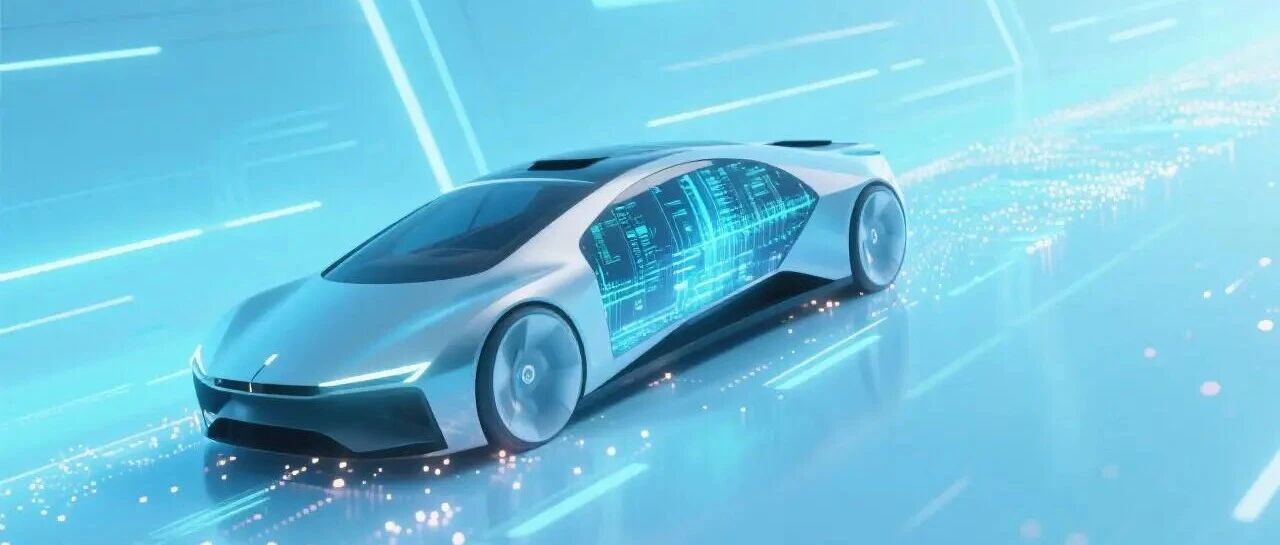
拥抱万亿级消费市场 汽车产业迎新机遇
Zhong Guo Jing Ji Wang· 2025-12-01 01:09
Group 1 - The demand for "large space and multiple seats" is driving the sales of new energy MPVs, with three-row seating providing comfortable travel for families [1] - The new policy aims to enhance the adaptability of supply and demand in consumer goods, targeting the smart connected vehicle sector as one of the three trillion-level consumption areas by 2027 [1] - The implementation plan encourages the development of iconic products and innovative enterprises in the new energy vehicle sector, promoting green low-carbon consumption [1] Group 2 - China's new energy vehicle production has surged from approximately 1.4 million units in 2020 to over 13 million units in 2024, with a market scale that has more than tripled [2] - By October 2025, new energy vehicle sales accounted for 51.6% of total new car sales, marking a significant milestone [2] Group 3 - The automotive industry is enhancing supply quality to meet the growing and diverse consumer demands, with a complete smart connected vehicle industry system established [3] - New passenger cars with Level 2 driving assistance features now represent over 60% of new car sales, showcasing advancements in technology [3] - The average range of pure electric passenger vehicles is nearing 500 kilometers, with battery costs reduced by 30% and charging speeds improved by over three times [3] Group 4 - The Ministry of Commerce plans to promote automotive circulation reforms, expand the used car market, and develop the automotive aftermarket, including modifications, rentals, and camping [4]
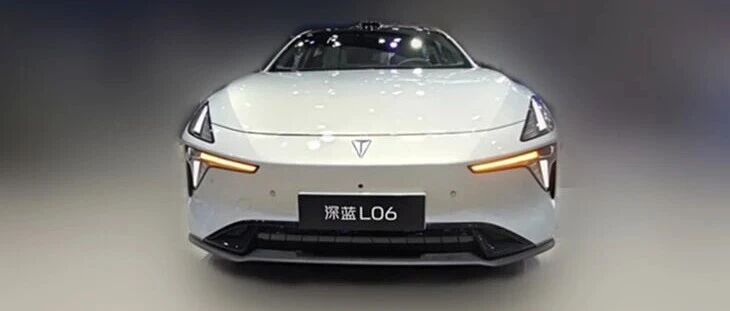
深蓝L06:紫色占比达到六成,对比最多的是自家兄弟启源A06
车fans· 2025-12-01 00:30
Core Viewpoint - The article discusses the recent launch of the L06 vehicle, highlighting its market performance, customer demographics, and promotional offers to attract buyers [2][3][12]. Group 1: Market Performance - The number of customers visiting the dealership has decreased by 30-40% due to changes in provincial subsidy policies, with weekday visits dropping from 6-7 groups to 3-4 groups and weekend visits from 15-16 groups to just over 10 [2]. - The official launch of the L06 on November 18 has generated renewed interest, leading to an increase in customer visits, particularly through online inquiries [2]. Group 2: Customer Offers and Financing - Customers can enjoy various incentives when purchasing the L06, including a cash discount of 2,000 yuan from the manufacturer, 3,000 yuan for trade-ins of other brands, and 5,000 yuan for trade-ins of the same brand. Additional limited-time offers include free purple paint, a magnetic suspension system, and a technology comfort package [3]. - Financing options through the Bank of Communications allow for a loan of 100,000 yuan with a "5免3" policy, meaning no interest for the first three years, with a monthly interest of 250 yuan thereafter [7]. Group 3: Customer Preferences - The most popular configuration among customers is the 560 Ultra+, with the trendy purple exterior and interior color combination accounting for 60% of sales [4]. - The target demographic for the L06 is primarily young individuals under 30, including recent graduates and young professionals looking for their first vehicle [12]. Group 4: Competitive Landscape - The L06 competes with models such as the Seagull 06 EV, XPeng M03, and Leapmotor B01, but is often compared to its sibling model, the Qiyuan A06, which offers a lower price and higher configuration [10]. - The L06 features a full suite of advanced technologies, including laser radar and a magnetic suspension system, making it a strong contender in its segment [10][17]. Group 5: Customer Feedback - Initial customer feedback has been limited due to low delivery volumes, but some concerns have been raised regarding space constraints and the lack of covering in the trunk area, which are common issues in sporty hatchback designs [19].
拥抱万亿级消费大市场,汽车产业迎广阔新机遇
Xin Hua She· 2025-11-30 08:19
Core Insights - The automotive industry is poised for significant growth, driven by consumer demand for larger, more versatile vehicles, particularly in the new energy MPV and off-road segments, as well as advancements in smart technology [1][3] - The new implementation plan aims to create three trillion-level consumption sectors and ten hundred-billion-level consumption hotspots by 2027, with smart connected vehicles being a key focus area [1] - The rapid increase in new energy vehicle production in China, from approximately 1.4 million units in 2020 to over 13 million units projected for 2024, indicates a tripling of market size [3] Industry Developments - The supply side of the automotive industry is enhancing quality and adapting to diverse consumer needs, with a complete smart connected vehicle industry system established in China [4] - Significant technological advancements have been made, including a 30% reduction in battery costs, a 40% increase in battery lifespan, and a more than threefold improvement in charging speed [4] - The introduction of innovative products targeting younger consumers, such as the Lafa5 electric sedan and the Zeekr 9X with AI-driven safety features, reflects the industry's response to evolving market demands [4] Policy and Market Initiatives - The government is promoting measures to stimulate automotive consumption, including expanding the market for second-hand vehicles and enhancing the automotive aftermarket [5] - The focus on green and low-carbon consumption in the new energy vehicle sector is expected to further boost market activity [1][5] - The automotive industry is encouraged to leverage high-quality supply to better meet diverse consumer demands, aiming for a dynamic balance between supply and demand [4]
李想否定三年来的理想,要做回创业公司
晚点Auto· 2025-11-26 15:44
Core Viewpoint - The company is shifting back to a startup management model to address challenges posed by new technologies and market dynamics, rejecting the previous attempt to adopt a professional management system which was deemed ineffective [4][6]. Group 1: Company Performance - In Q3 2025, the company delivered over 110,000 new vehicles, but faced a 16% decline in sales quarter-on-quarter and a gross margin drop to 16.3% [4][8]. - The company reported a net loss of 620 million yuan in Q3, marking the first time it lost to a competitor, with the recall of the MEGA model contributing significantly to this loss [8][11]. - Excluding the impact of the MEGA recall, the gross margin would have been 20.4%, indicating a loss of approximately 1.12 billion yuan in gross profit due to this event [8]. Group 2: Market and Competitive Landscape - The domestic electric vehicle industry is transitioning from policy-driven to market-driven, with expectations of a sales adjustment due to the phasing out of purchase tax subsidies [14]. - The company anticipates that by 2026, the penetration rate of new energy vehicles in China will reach 55% to 60%, with the high-end market exceeding 60% [14]. - The competitive landscape is intensifying, with new models from competitors being launched, which may affect the company's market position and product delivery continuity [14]. Group 3: Future Strategy and Product Development - The company aims to redefine its product strategy by focusing on "embodied intelligence" rather than just electric vehicles, positioning itself as a technology company rather than merely an automotive manufacturer [8][14]. - Plans for future product iterations include adopting an 800V high-voltage platform and expanding the number of supercharging stations to approximately 4,800 by 2026 [14]. - The company recognizes the need for significant changes in product and marketing strategies to keep pace with competitors who are rapidly iterating their offerings [14].

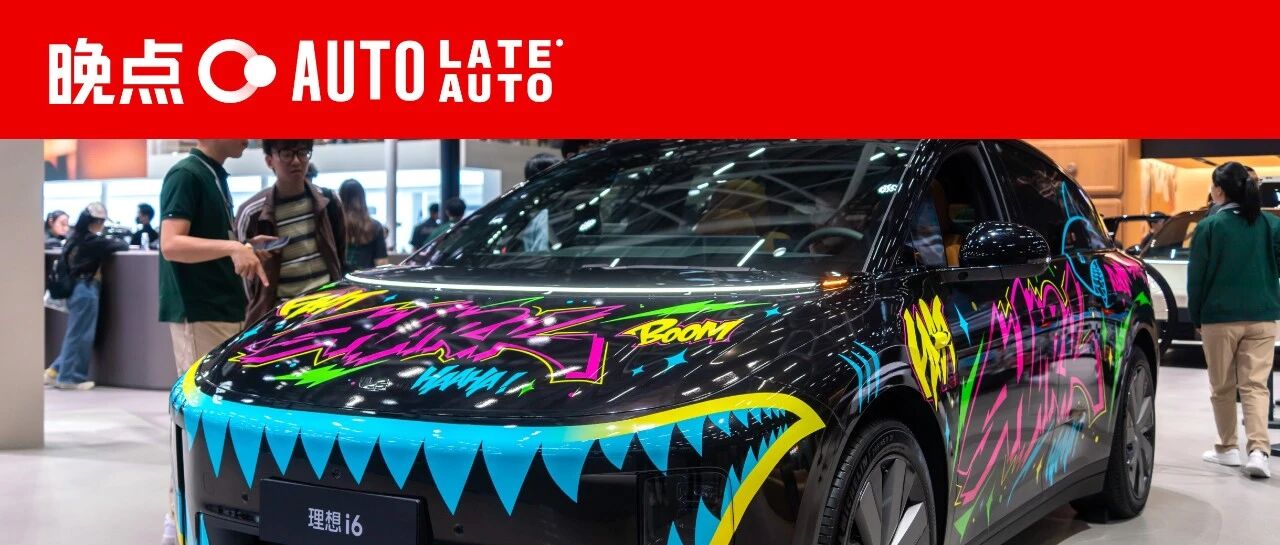
超豪华品牌悉数缺席!广州车展,到底把寒气传给了谁?
电动车公社· 2025-11-23 00:37
Core Viewpoint - The Guangzhou Auto Show reflects a cooling sentiment in the automotive industry, with notable absences of major brands and a shift in marketing strategies as companies prepare for upcoming market changes [9][10]. Group 1: Market Sentiment and Trends - The absence of major brands like Tesla, Rolls-Royce, and Ferrari at the Guangzhou Auto Show indicates a potential shift in the automotive market, suggesting a forthcoming major reshuffle in 2026 [7][9]. - The automotive market has seen an 8.0% year-on-year growth from January to October, with an estimated 4% increase in November and potential growth in December, indicating that pessimistic conclusions about the market may be premature [12]. Group 2: Marketing Strategies - Many automotive brands are increasingly utilizing celebrities for promotional purposes, aiming to enhance brand visibility and attract consumer attention in a crowded market [15][44]. - The trend of creating IPs (intellectual properties) for brands is driven by the need for increased traffic and engagement in an era of information overload [44][55]. Group 3: Technological Advancements - The introduction of advanced technologies, such as laser radar in lower-priced models, signifies a trend towards making cutting-edge technology accessible to a broader consumer base [67][70]. - The upcoming launch of semi-solid-state batteries and enhanced safety features in vehicles reflects the industry's commitment to improving user experience and safety [72][75]. Group 4: International Presence - The presence of more foreign visitors at the auto show suggests a growing interest in China's automotive advancements, with international attendees coming from diverse regions including the Middle East and India [76][84]. - Chinese automotive brands are increasingly showcasing their technological capabilities, indicating a shift in confidence and competitiveness on the global stage [86][87].



美媒:在汽车安全上,西方似乎也要追赶中国
Huan Qiu Wang Zi Xun· 2025-11-21 23:07
Group 1 - The article highlights that the safest cars currently available in the European market are primarily from Chinese manufacturers, with the Leap Motor B10 being the top-rated model according to the European New Car Assessment Programme (Euro NCAP) [1] - The Leap Motor B10 achieved impressive scores of 93% in adult and child protection and 85% in safety assistance, earning a five-star safety rating, which is the highest possible [1] - Among the 23 new cars tested, four were from Chinese brands, all receiving the five-star safety rating, indicating a significant advancement in automotive safety standards among Chinese manufacturers [1] Group 2 - The Tesla Model 3, primarily manufactured in China, remains at the top of the Euro NCAP rankings for 2025, despite a lower score of 90% in occupant protection, showcasing strong performance in other safety categories [2] - The NIO ET5, with a record-high occupant protection score of 96%, secured the second position in the rankings, reflecting the growing emphasis on safety among car manufacturers [2] - The article suggests that the perception of Chinese cars being inferior is outdated, as evidenced by their competitive safety ratings, indicating that Western manufacturers may need to catch up in both electric vehicle technology and safety standards [2]
