宝马

Search documents
芯片人去德国!一口气看两场行业大展
芯世相· 2025-06-20 09:24
Core Viewpoint - The article emphasizes the importance of exploring overseas markets for the chip industry, particularly in Europe, as a strategy for industry upgrade and sustained growth amidst intense domestic competition and technological innovation [3]. Group 1: Overview of the European Market Exploration - The chip industry is increasingly focusing on overseas markets, with "going abroad" seen as a new option for growth [3]. - A business investigation trip to Germany is planned from September 4 to September 14, focusing on key cities and major exhibitions like IFA and IAA [3][4]. - The IFA exhibition, one of the largest in the world, attracted over 1,800 exhibitors and more than 210,000 visitors from 138 countries in its last edition [4]. - The IAA exhibition, a key event in the global automotive industry, had 750 exhibitors from 38 countries and over 500,000 visitors [4]. Group 2: Activities and Engagements - The trip will include deep-dive salons and visits to renowned companies and universities, facilitating connections with local resources [6][7]. - Previous trips to Germany in 2018 and 2023 have built a strong resource network and experience in organizing industry-specific itineraries [10]. - The itinerary includes visits to significant cities like Berlin, Leipzig, Dresden, Stuttgart, and Munich, each representing key industrial characteristics [7]. Group 3: Exhibition Insights - IFA covers various aspects of consumer electronics, providing insights into market demands in Germany and globally [5]. - IAA encompasses the entire automotive supply chain, featuring major manufacturers and component suppliers, allowing for efficient identification of potential partners and projects [5]. Group 4: Company Visits and Learning Opportunities - The itinerary includes visits to notable companies such as GlobalFoundries and Mercedes-Benz, which are pivotal in the semiconductor and automotive sectors [19][20]. - Nexperia, a leading semiconductor company, and Fraunhofer, a model for integrating scientific research with industrial development, will also be explored [22][23].


超400亿电池投资或撤离,美国电池业遭“特朗普寒流”
Sou Hu Cai Jing· 2025-06-20 09:24
Core Viewpoint - International companies are collectively adjusting their electric vehicle and battery investment projects in the U.S. due to increasing policy uncertainty and a slowdown in the electric vehicle market growth [1][5][9] Group 1: Company Adjustments - Faraday Future has postponed its battery factory project in South Carolina until U.S. policies become clearer, citing "policy uncertainty" and "cost sensitivity" as reasons for this decision [1][4] - CATL and Ford's battery project in Michigan is also at risk of being shelved due to similar uncertainties [1][4] - Faraday Future's Tennessee factory has begun production of energy storage cells, marking it as the first energy storage cell factory in North America [1][3] Group 2: Market Dynamics - The U.S. battery manufacturing landscape is facing challenges due to the Trump administration's complex trade policies and the halt of green transition initiatives, which have overshadowed the rapid growth seen under the Biden administration [5][7] - Over $6 billion in battery factory investments have been canceled or postponed in the first quarter of 2025 due to increased costs and policy risks [7][9] Group 3: Global Strategy - Chinese battery companies are optimizing their global capacity structure, shifting focus to more stable markets in Europe and Asia amid uncertainties in North America [9][10] - Faraday Future has expanded its production capabilities in Europe, with significant investments in factories across France, Germany, and Hungary, reflecting a strategic pivot towards the European market [10][12] Group 4: Future Outlook - The European market is experiencing a significant shift towards electrification, with BEV market share rising to 15.3% in early 2025, indicating a growing opportunity for Chinese battery manufacturers [10][12] - Faraday Future emphasizes the importance of a "global manufacturing + local delivery" capacity coordination system to enhance supply chain resilience and response efficiency [13]
都市车界|奥迪撤回全面电动化计划为哪般?
Qi Lu Wan Bao· 2025-06-20 02:55
Core Viewpoint - Audi's global CEO announced the withdrawal of the plan to stop producing internal combustion engine vehicles by 2033, indicating a shift towards new generations of internal combustion and plug-in hybrid models, reflecting the deep contradictions faced by traditional luxury car manufacturers in their electrification transition [1] Sales and Profit Pressure - Audi's global sales are projected to decline by 11.8% in 2024, the largest drop among the BBA group, with electric vehicle sales down 8% to 164,000 units, accounting for only 9.81% of total sales [2] - The brand's operating profit is expected to plummet by 45.3% in 2024, with an operating margin falling to a historical low of 4.6% [2] - In China, Audi's sales decreased by 10.9%, losing nearly 80,000 units, and profit contributions fell by 28.8% [2] Market Demand and Profitability Challenges - The strategic adjustment is driven by uneven global electric vehicle market development, with China achieving a 47.6% penetration rate in 2024, while Audi's electric vehicle sales face bottlenecks [3] - In North America, the electrification process is slower, and Europe saw a 5.9% decline in electric vehicle sales in 2024 [3][4] - The cancellation of subsidies in Germany led to a 33% drop in electric vehicle sales, with overall European electric vehicle sales plummeting by 43.9% in 2024 [4] Technical Constraints - Audi's electrification strategy relies on the PPE and SSP platforms, both facing production delays, with the Q6 e-tron delivery pushed back by 18 months due to software issues [5] - The SSP platform is not expected to be operational until 2029, while the optimization of fuel vehicle technology continues to provide a viable alternative [5] Industry Competition and Profit Balancing - Audi faces strong competition from emerging companies like Tesla, which has superior range capabilities compared to Audi's electric models [6] - The high logistics costs and low production efficiency at the Brussels plant, along with high labor costs in Europe, make maintaining traditional manufacturing increasingly uneconomical [7] - Audi's decision to pause its full electrification plan allows it to leverage profits from fuel vehicles to sustain operations and reduce R&D pressure [7] Industry-Wide Strategic Shift - Audi's strategic shift reflects a broader trend among traditional automakers moving from a "technology worship" approach to a "market-oriented" strategy [8] - Major automakers like BMW and Toyota are questioning the absolute necessity of full electrification, indicating a collective conservative shift in the industry [8][9] - This trend suggests that traditional manufacturers are adapting to regional demand differences through differentiated product offerings while maintaining fuel vehicle production as a competitive advantage [8][10]
大众起飞前夜的第一场人事任命
汽车商业评论· 2025-06-19 23:06
Core Viewpoint - The appointment of Robert Cisek as the new CEO of Volkswagen Brand China marks a strategic shift towards a more technically focused leadership, emphasizing product strategy and manufacturing efficiency in the face of upcoming challenges in the electric vehicle market [4][18]. Group 1: Leadership Transition - Robert Cisek will officially take over as CEO of Volkswagen Brand China on July 1, succeeding Stefan Mecha [4]. - Cisek has a strong technical background, holding a PhD in Mechanical Engineering from RWTH Aachen University, and has extensive experience in production strategy and efficiency optimization [9][10][16]. - His previous roles include managing production strategy at Volkswagen and serving as Managing Director in South Africa, where he successfully navigated challenges during the pandemic [12][14]. Group 2: Upcoming Product Launches - In 2026, Volkswagen China plans to launch at least six new electric models, with four based on the CMP platform and CEA architecture, targeting a price point around €20,000 [23][24]. - The new models will include compact SUVs and sedans, with specific models already showcased at the Shanghai Auto Show [25][26]. - The collaboration between FAW-Volkswagen, SAIC Volkswagen, and Volkswagen Anhui will be crucial for the successful rollout of these new products [21]. Group 3: Strategic Focus on Electric Vehicles - From 2026 to 2030, Volkswagen China aims to significantly increase its offerings of new energy vehicles, including pure electric, range-extended, and plug-in hybrid models, all utilizing the CEA architecture [27]. - The CEA architecture is expected to extend beyond A-class vehicles, potentially being applied to a wider range of models [28]. - There is ongoing internal evaluation regarding the integration of CEA into Audi platforms, with plans for a new vehicle featuring CEA to be launched in the second half of this year [29]. Group 4: Autonomous Driving Plans - Volkswagen China has outlined a phased approach to advancing its driver assistance technologies, starting with L2+ capabilities by the end of 2023 and aiming for L3 capabilities by 2027 [32][33]. - The collaboration between VCTC and CARIAD is central to the development of the CEA architecture, with significant investments being made to learn from existing frameworks [34][38]. Group 5: Organizational Structure and Concerns - There are rumors regarding the potential merger of VCTC and CARIAD, driven by concerns over the future of CARIAD's software development business as the lifecycle of existing platforms nears its end [31][39]. - Despite these concerns, Volkswagen China has stated that CARIAD will continue to operate independently for the time being, with multiple ongoing projects [40].

车企造人,急不来
虎嗅APP· 2025-06-19 14:42
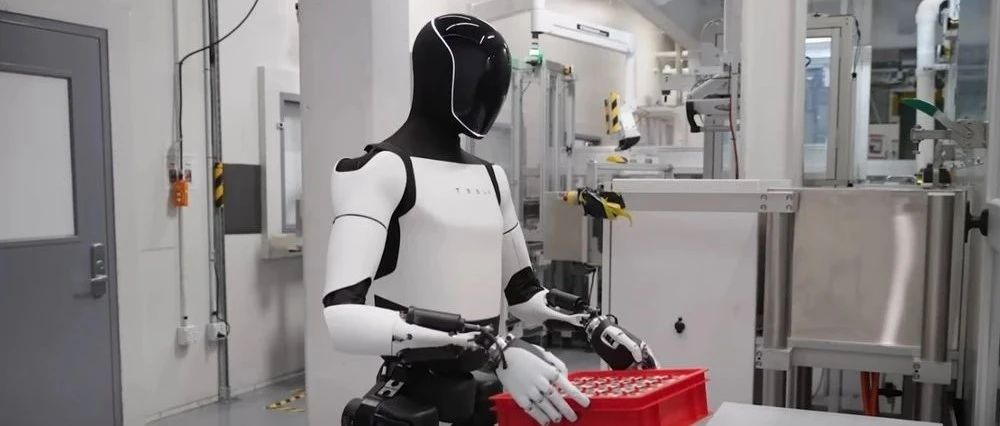
Core Viewpoint - The automotive industry is increasingly exploring humanoid robots as a new business growth point, driven by the success of Tesla's robot initiatives and the potential market opportunities in this sector [2][3][21]. Group 1: Market Potential and Growth - The humanoid robot market in China is projected to reach approximately 2.76 billion yuan in 2024 and 75 billion yuan by 2029, with an expected shipment of 350,000 units by 2030 [2]. - The automotive industry sees humanoid robots as a more lucrative business opportunity compared to traditional automotive manufacturing [2]. Group 2: Current Industry Involvement - Various automotive companies are at different stages of involvement in the humanoid robot sector, with some like Xpeng and Xiaomi already launching products, while others are still in the research phase [1][3]. - Despite the enthusiasm, many companies have not yet clarified whether their robots are developed in-house or purchased, and most products lack detailed specifications [4][21]. Group 3: Technical Challenges - The transition from automotive technology to humanoid robotics presents significant technical challenges, with only about 20% of the necessary standards and specifications established for humanoid robots compared to 80% for automobiles [7][10]. - Key components such as motors, dexterous hands, and sensors are still under development, and the hardware limitations affect the robots' operational capabilities [10][12]. Group 4: Data and Training Limitations - The data requirements for training humanoid robots are substantially higher than for autonomous vehicles, with most companies currently lacking sufficient data to validate their models [14][15]. - The industry consensus is that at least 10 million data points are needed to effectively train humanoid robots, yet most companies have collected fewer than 1 million [15]. Group 5: Industrial Application Challenges - The integration of humanoid robots into automotive factories is fraught with challenges, as the complexity of tasks such as assembly and quality control requires advanced capabilities that current robots do not possess [17][20]. - The cost of humanoid robots remains high, with Tesla's Optimus priced at $60,000 and other models ranging from 500,000 to 600,000 yuan, making it economically unfeasible to replace human labor in the near term [20][21]. Group 6: Industry Reality vs. Expectations - Many companies' claims about the readiness of humanoid robots for factory work are often overstated, with actual deployment being limited and primarily focused on training rather than operational tasks [21][23]. - The historical context of failed projects, such as Honda's ASIMO, serves as a cautionary tale for the automotive industry as it navigates the complexities of humanoid robotics [22].

AI在工业铺开应用,英伟达的“AI工厂”并非唯一解
第一财经· 2025-06-19 13:47
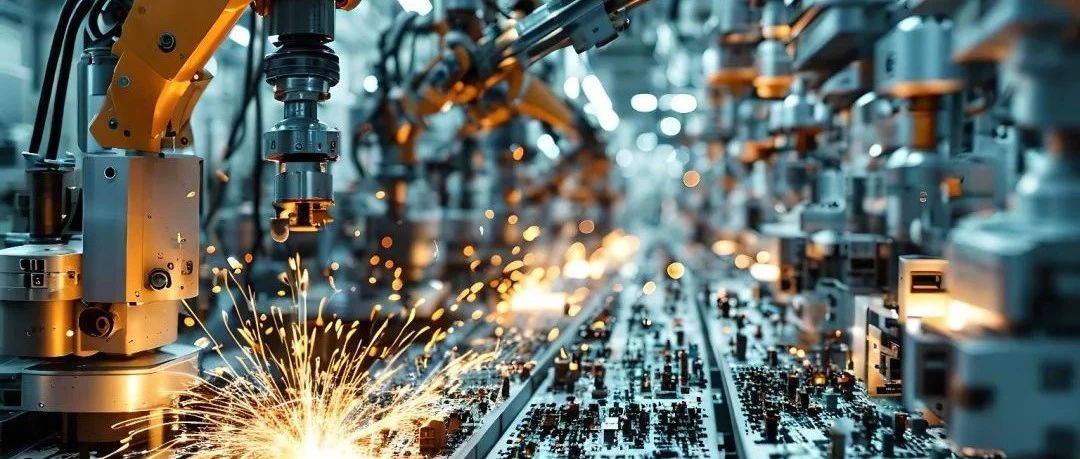
Core Viewpoint - Nvidia is increasingly emphasizing the concept of AI factories, which are designed to leverage AI for value creation, contrasting with traditional data centers that focus on general computing [1][2]. Group 1: Nvidia's AI Factory Concept - Nvidia's CEO Jensen Huang announced collaborations to build AI factories in Taiwan and Germany, featuring supercomputers equipped with 10,000 Blackwell GPUs [1]. - The AI factory concept includes a computational center and a platform to upgrade factories into AI factories, with a focus on simulation and digital twin technologies [4]. - The Omniverse platform is integral to Nvidia's strategy, allowing manufacturers to utilize AI for simulation and digital twin applications [2][3]. Group 2: Industry Applications and Collaborations - Various manufacturers are integrating Nvidia's AI technology through software from companies like Siemens and Ansys, enhancing applications in autonomous vehicle simulations and digital factory planning [3]. - Companies like Schaeffler and BMW are utilizing Nvidia's technology for real-time collaboration and optimization in manufacturing systems [3]. Group 3: AI Model Utilization - The industrial sector has been using small models for AI applications prior to the emergence of large models, focusing on data intelligence and visual intelligence [6][10]. - Small models are expected to continue to dominate industrial AI spending, with estimates suggesting they will account for 60-70% of the market [10][11]. Group 4: Cloud and Computational Needs - Nvidia's approach to building large-scale AI clouds is one option, but many companies prefer private cloud solutions due to data security concerns [13][14]. - The demand for computational power is expected to grow as AI applications become more prevalent, although current infrastructure may not be a bottleneck [15].

【快讯】每日快讯(2025年6月19日)
乘联分会· 2025-06-19 08:37
Domestic News - Fujian Province has issued a long-term plan for hydrogen energy industry innovation, aiming to establish over 10 high-level innovation platforms and achieve a production capacity of 30,000 tons/year of green hydrogen by 2035 [3] - In May, the Shanghai South Port exported 72,000 vehicles, marking a 200.9% year-on-year increase, with a total of 222,000 vehicles exported in the first five months, a 37.9% increase [4] - Hongqi's hydrogen fuel cell vehicle has passed key tests, achieving a 15% reduction in hydrogen consumption compared to competitors, indicating industry-leading performance [5] - ByteDance and BYD have deepened their collaboration to accelerate lithium battery research through a joint laboratory focusing on fast charging, lifespan, and safety [6] - Baidu's autonomous driving service, "萝卜快跑," has expanded its testing area in Hong Kong to include Tung Chung, with over 15,000 kilometers of safe driving recorded [7] - Huawei's rotating chairman predicts that the proportion of 5G-connected vehicles in China's passenger car sales will rise to 95% by 2030, emphasizing the need for independent vehicle decision-making [8] - Guoxuan High-Tech has initiated road testing for its all-solid-state battery PACK system, marking a significant step in battery technology [10] - The scale of fuel cell vehicle promotion in China is expanding, with over 28,000 units expected by the end of 2024, highlighting the need for policy support and technological innovation [11] International News - Düsseldorf, Germany, has opened Europe's largest hydrogen refueling station, capable of distributing up to 5 tons of hydrogen daily [13] - Volkswagen's subsidiary MOIA has launched its first fully autonomous vehicle, ID. Buzz AD, which will be deployed in Europe and the US starting in 2026 [14][15] - BMW's iX3 prototype has achieved a charging power of over 400 kW, allowing for a range increase of 350 kilometers in just 10 minutes [16] - Cadence has expanded its collaboration with Samsung Foundry to enhance AI-driven design solutions for AI data centers and automotive applications [17] Commercial Vehicles - Henan Province has announced a subsidy policy for the scrapping and updating of old freight vehicles, with a maximum subsidy of 140,000 yuan [19] - Suzhou King Long's brand value has surpassed 100 billion yuan, ranking 129th in the "China's 500 Most Valuable Brands" list [20] - Shaanxi Automobile has delivered its first batch of 100 electric dump trucks, marking a significant step in the new energy commercial vehicle sector [21] - Yutong has launched its C series luxury buses in Sri Lanka, enhancing its presence in the local market [22]


新能源大跃进时代结束,中国车市依然存在变数
Hu Xiu· 2025-06-19 07:07
Group 1 - In May, the domestic passenger car market in China saw total sales of 1.873 million units, a year-on-year increase of 9.71%, raising the cumulative sales growth rate for January to May to 5.3% [2] - The penetration rate of new energy vehicles reached 51.59% in May, marking a new high, but only a slight increase from April [7][8] - The total insurance volume for domestic brands in May was 1.175 million units, accounting for 62.7% of the market share, indicating a slowdown in growth after surpassing 60% [10][11] Group 2 - BYD's insurance volume in May was 282,000 units, significantly higher than other brands, but its market share has been declining in recent months [13][15] - Geely achieved a total sales volume of 185,000 units in May, with a year-on-year growth of 49.3%, indicating strong performance compared to the industry average [16] - Changan's sales reached 109,000 units in May, with an 18% growth rate, although cumulative sales for the first five months still showed a decline of 3.1% [19][21] Group 3 - Toyota's total sales in May were 128,000 units, with a year-on-year increase of 7.6%, outperforming the market average [26] - Volkswagen's cumulative sales from January to May reached 749,000 units, down 4.2%, but May sales showed a recovery with an 11.6% increase [28] - Honda and Nissan experienced significant declines, with Honda's sales down over 20% and Nissan's cumulative sales down 34.3% [29][31] Group 4 - In the luxury brand segment, Lexus was the only brand to maintain stable sales, with May sales of 14,900 units, a year-on-year increase of 6.95% [36] - Mercedes-Benz, BMW, and Audi all experienced declines in May, with Mercedes-Benz's drop being the least severe at 17% [34] - The overall trend for traditional luxury brands is a struggle for stability rather than growth [38] Group 5 - Tesla's sales in May fell by 29.7%, further highlighting its declining trend, with a cumulative sales drop of 9% for the first five months [39] - The AITO M8 model achieved impressive sales of 11,800 units in its first full month, indicating strong market potential [41][43] - Xpeng's sales in May dropped to 27,000 units, with significant declines in several models, while NIO's total sales reached 25,200 units, showing a 20% year-on-year growth [44][46] Group 6 - The Chinese automotive market is currently experiencing a stalemate in the competition between domestic brands and new energy vehicles, with both segments showing signs of stagnation [48] - The resilience of traditional fuel vehicles and the efforts of joint venture brands to innovate are evident, suggesting ongoing competition for market share [49]
Gartner发布全球供应链Top 25排名:联想第8,京东第22
news flash· 2025-06-19 04:38
金十数据6月19日讯,市场咨询机构发布2025年全球供应链Top25榜单,排名参考公司业务绩效、公开 财务与ESG数据、以及同行和分析师的专业评议。两家中国企业入选,联想集团排名第8,比去年提升2 位,超过沃尔玛、宝马等跨国企业;京东排第22名。 Gartner发布全球供应链Top 25排名:联想第8,京东第22 ...


“高位股”震荡,A股调整
新华网财经· 2025-06-19 04:37
Market Overview - A-share market experienced a "high-low switch" with strong sectors like innovative drugs, controllable nuclear fusion, and digital currency facing adjustments, while previously weak humanoid robot sector rebounded significantly [1][2] - High-position stocks faced significant fluctuations, with companies like Changshan Pharmaceutical and Yong'an Pharmaceutical hitting the daily limit down, contributing to a 1.98% drop in the micro-cap stock index [2] Index Performance - As of the morning close, the Shanghai Composite Index fell by 0.86% to 3359.78, the Shenzhen Component Index decreased by 1.01% to 10072.42, and the ChiNext Index dropped by 1.1% to 2032.19 [3] Innovative Drug Sector - The innovative drug sector saw a pullback, with Changshan Pharmaceutical hitting a 20% daily limit down and other stocks like Hanyu Pharmaceutical also experiencing significant declines [5][6] - Despite the current adjustments, institutions remain optimistic about the innovative drug sector's investment opportunities in the second half of the year, citing supportive policies and improving fundamentals [8] Solid-State Battery Sector - The solid-state battery sector showed strong performance in the morning, with stocks like Haike Xinyuan and others experiencing significant gains [10] - Key factors driving the solid-state battery sector include policy support, breakthroughs in research by leading battery manufacturers, continuous optimization of equipment, and unexpected commercial progress [11][12][13]