小米汽车

Search documents
2025全年销量出炉:汽车行业维持“一超多强”格局,三大预期打开行业空间
智通财经网· 2026-01-08 06:29
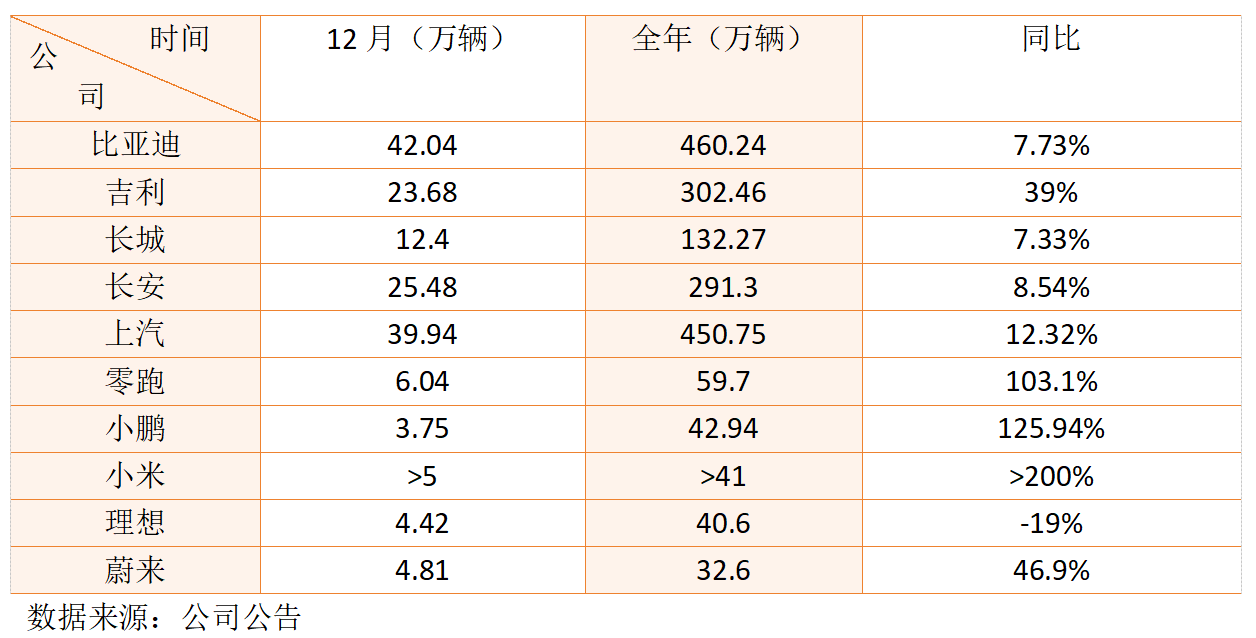
Core Insights - The automotive industry in 2025 has shown a mixed performance, with new energy vehicle (NEV) sales growing significantly while traditional brands face challenges [1][2][10] - BYD remains the dominant player with 4.6024 million units sold, while Leap Motor has emerged as a leading new force with 597,000 units sold [1][2][3] - The market is experiencing a shift towards domestic NEVs, with traditional brands like SAIC and Volkswagen seeing significant declines in sales [2][4] Sales Performance - In December, Leap Motor sold 64,000 units, a 42.11% increase, while NIO and Xiaomi also reported substantial growth [2] - For the entire year, BYD led with 4.6024 million units sold, followed by Geely with 302,460 units and Leap Motor with 597,000 units, which represents a 103.1% increase [3][4] - Traditional automakers, except for BYD, are accelerating their transition to NEVs, with SAIC's NEV sales reaching 1.643 million units, a 33.12% increase [4] Market Trends - The NEV retail penetration rate has surpassed 50%, indicating a slowing growth trend in a high base market [1][4] - The industry is witnessing three major trends: intelligent driving, long-range requirements, and increasing exports [4][5] - The introduction of L3-level autonomous driving vehicles is expected to create new market dynamics [5] Export Growth - NEV exports have surged, with BYD and Chery leading the charge, achieving over 90% growth in export volume [6] - BYD's overseas sales reached 1.0496 million units, a 145% increase, while Chery maintained its position as the top Chinese brand in passenger car exports [6] Investment Opportunities - The automotive sector is currently in an adjustment phase, with some stocks undervalued, presenting potential investment opportunities [8] - BYD is highlighted as a strong investment due to its comprehensive supply chain and rapid overseas growth [8] - Leap Motor is recognized as a leading new force with consistent sales growth and profitability, making it an attractive investment target [8][9] Competitive Landscape - The competition in the NEV market is intensifying, with traditional brands struggling against the rise of domestic manufacturers [7][10] - The market is expected to face challenges in 2026, including the potential withdrawal of purchase tax subsidies and increased competition [7][10]


A股晚间热点 | 八部门联合发文!事关“人工智能+制造”
智通财经网· 2026-01-07 15:21
Group 1: Artificial Intelligence and Manufacturing - The Ministry of Industry and Information Technology and seven other departments issued the "Implementation Opinions on the Special Action of 'Artificial Intelligence + Manufacturing'" aiming for key AI technologies to achieve reliable supply by 2027, with the industry scale and empowerment level remaining at the forefront globally [1] - The plan includes promoting the development of intelligent chips, supporting breakthroughs in high-end training chips, edge inference chips, AI servers, high-speed interconnects, and intelligent cloud operating systems [1] - It emphasizes the innovation of model training and inference methods, developing high-performance algorithm models suitable for the real-time, reliability, and safety characteristics of the manufacturing industry [1] Group 2: Central Bank and Gold Reserves - The People's Bank of China has increased its gold reserves for the 14th consecutive month, holding 74.15 million ounces as of December 2025, an increase of 30,000 ounces from the previous month [3] - Analysts suggest that the continuous increase in gold reserves is driven by changes in the global political and economic landscape, indicating a rising necessity to optimize international reserve structures [3] Group 3: Monetary Policy - The People's Bank of China announced a buyout reverse repurchase operation of 1.1 trillion yuan, set to take place on January 8, 2026, with a term of three months [4] - Experts predict that the central bank may conduct another six-month buyout reverse repurchase operation this month, indicating a potential continuous injection of medium-term liquidity into the market for the eighth consecutive month [4] Group 4: Investment in Agricultural Bank - Ping An Life announced an increase in its stake in Agricultural Bank of China H-shares to 20% as of December 30, 2025, triggering disclosure requirements under Hong Kong market rules [5] Group 5: Automotive Industry - Xiaomi plans to launch four new car models next year, including two range-extended SUVs, with the first models expected to be released in the first half of the year [7] Group 6: Trade Investigations - The Ministry of Commerce has initiated an anti-dumping investigation into imported dichlorodihydrosilane from Japan, responding to domestic industry applications [8] Group 7: Battery Industry Regulation - A meeting was held by multiple departments to discuss the regulation of the power and energy storage battery industry, focusing on controlling production capacity, managing price wars, and protecting patents [9] Group 8: Market Opportunities - The Ministry of Industry and Information Technology has issued an action plan to enhance the integration of industrial internet and artificial intelligence, aiming to support the upgrade of at least 50,000 enterprises by 2028 [11] - The market is currently focused on AI hardware sectors such as optical modules and PCBs, with a recommendation for investments in AI application companies showing marginal improvements in their third-quarter performance [11]

2026年,这些“创二代”,谁能突围,谁是扶不起的阿斗?
3 6 Ke· 2026-01-07 13:07
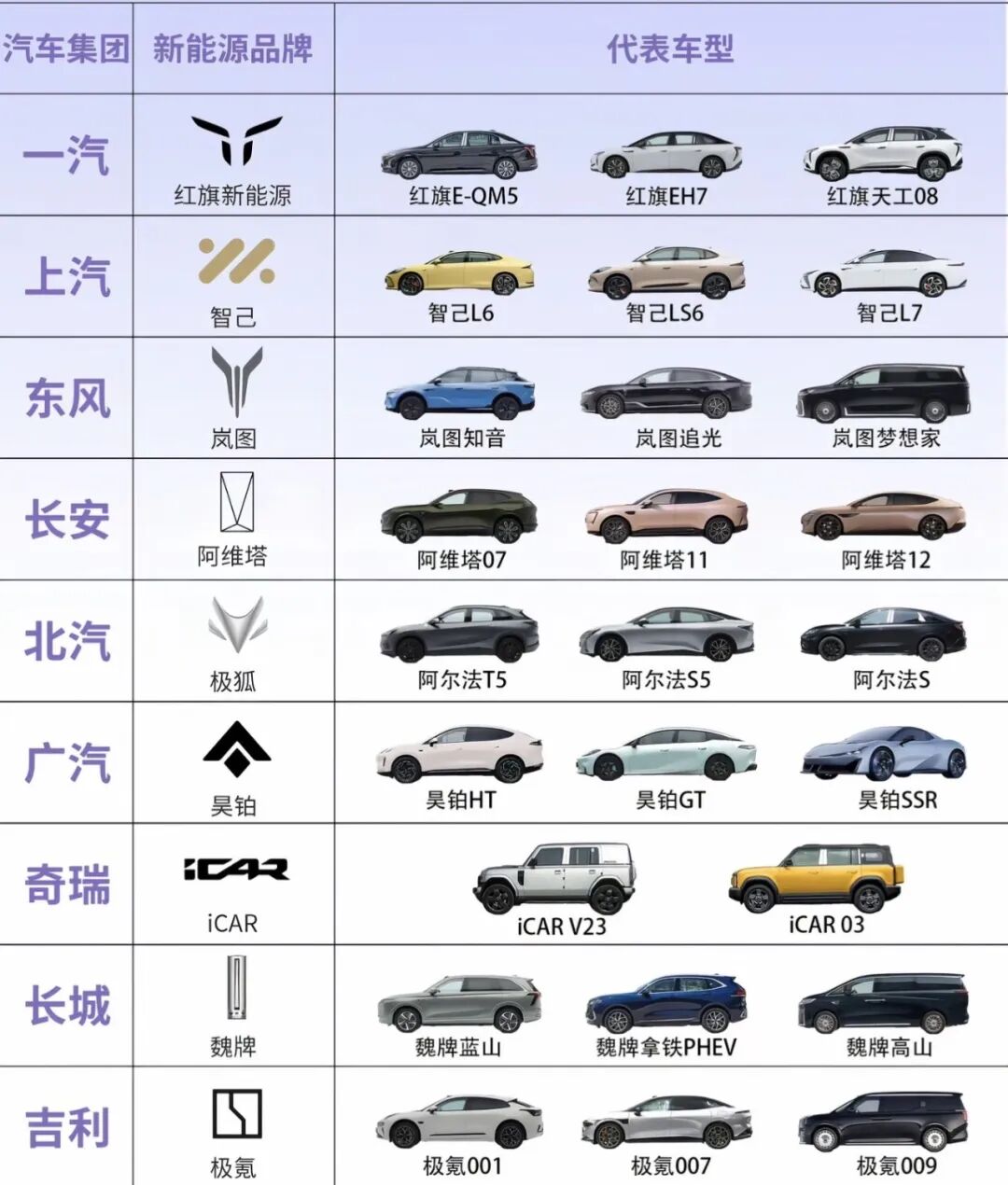
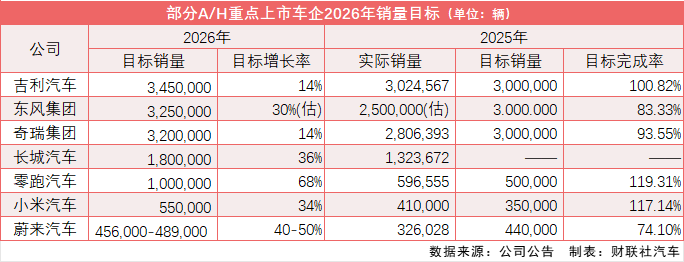
Core Insights - The new energy vehicle (NEV) industry in 2025 has seen a clear division between leading brands and those lagging behind, with companies like Leap Motor, Hongmeng Zhixing, and Xiaopeng firmly establishing themselves in the top tier, while traditional automaker-backed brands struggle to gain traction [1][6][11] Group 1: Market Performance - In 2025, the top three new car brands were Leap Motor (596,555 units, +103%), Hongmeng Zhixing (589,107 units, +32%), and Xiaopeng (429,445 units, +126%) [6][7] - The second tier includes Xiaomi Auto (over 411,625 units), Li Auto (406,343 units), and Deep Blue (333,117 units), while brands like Lantu, Avita, and Zhiji lagged with sales of 150,169, 128,772, and 81,017 units respectively [6][7][8] - The overall NEV market is expected to enter a phase of slower growth and intensified competition in 2026, with significant price cuts from major players like BMW and Tesla reigniting a price war [2][5] Group 2: Brand Dynamics - The "second-generation" brands, despite their backing from established automakers, have not been able to match the performance of pure new car brands, with significant sales gaps [6][11] - However, brands like Deep Blue and Lantu have shown impressive growth rates, with Lantu achieving a 87% increase in sales [8][21] - Traditional automakers are heavily investing in these "second-generation" brands, providing them with essential resources and support to compete in the high-end NEV market [11][13][15] Group 3: Future Outlook - Predictions for 2026 indicate a potential market growth of only about 2%, significantly lower than the previous year's growth [16] - Lantu is expected to expand its product lineup significantly and is on track for an IPO, which could enhance its market position [21][23] - Deep Blue is also positioned for growth, having achieved a high completion rate of its annual sales target [21][23] - Brands like Avita and Zeekr may stabilize but face challenges in maintaining competitive pricing and market share [26][29]





多家车企公布2026销量目标:传统车企审慎、新势力乐观
Feng Huang Wang· 2026-01-07 12:58
Core Viewpoint - The implementation of the half-price purchase tax policy for new energy vehicles and adjustments to the "two new" subsidy policies have introduced new variables for the domestic automotive market in 2026, leading to divergent sales targets among traditional and new car manufacturers [1] Traditional Automakers - Geely has set the highest sales target for 2026 at 3.45 million units, with a growth rate of 14%, including 2.75 million for the Geely brand, 300,000 for Zeekr, and 400,000 for Lynk & Co [3] - Dongfeng Group aims for a total sales target of 3.25 million units in 2026, with an estimated growth rate of 30%, and plans to sell 1.7 million new energy vehicles, reflecting a 63% increase [4] - Chery Group has set a target of 3.2 million units for 2026, a 14% increase from 2025, with its five brands aiming for a combined sales target of 3 million units [4] - Great Wall Motors has lowered its 2026 sales target from 2.49 million to 1.8 million units, reflecting a 36% increase from the previous year, while maintaining its net profit target [4] New Automakers - Leap Motor has set an aggressive target of 1 million units for 2026, representing a 68% increase from the previous year, following a record sales performance in 2025 [5][6] - Xiaomi aims for a sales target of 550,000 units in 2026, a 34% increase from 2025, with plans to launch new models including the SU7 [6] - NIO has set a target of 456,000 to 489,000 units for 2026, with a growth rate of 40-50%, and plans to introduce several new models [6] Market Outlook - The automotive market is expected to experience a "front low and back high" trend in 2026, with overall growth driven by supportive national policies, including the continuation of the vehicle replacement subsidy policy [7] - Industry experts predict that the overall growth rate of the automotive market in 2026 will exceed zero growth, with January expected to show strong sales performance [7]


AI Day直播 | 自动驾驶中的渐进鲁棒世界模型全面盘点(一作分享)
自动驾驶之心· 2026-01-07 01:07
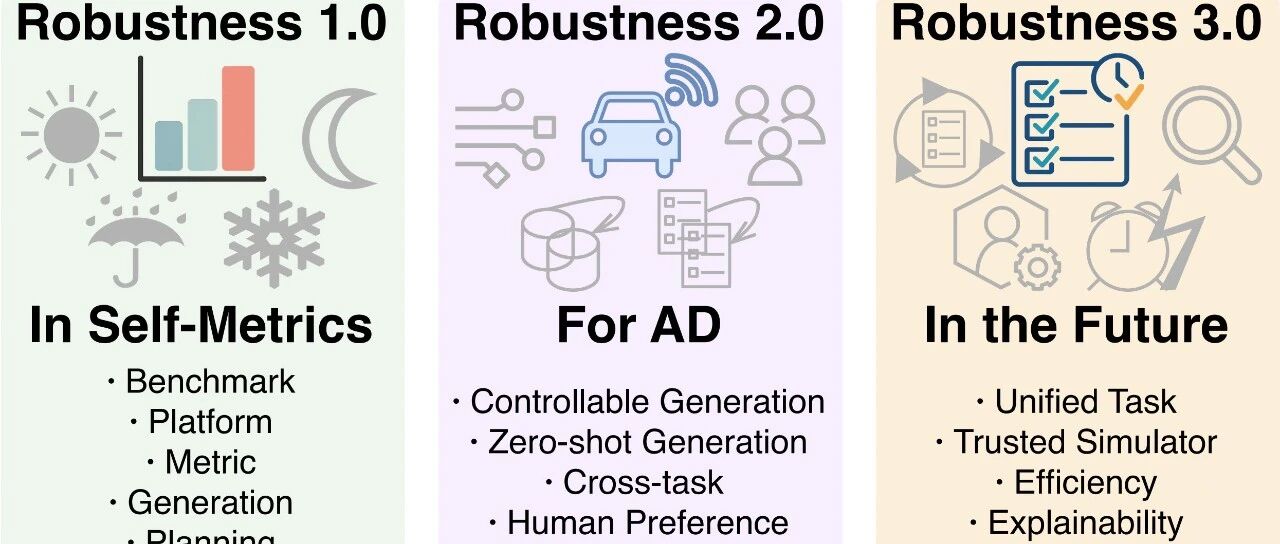
点击下方 卡片 ,关注" 自动驾驶之心 "公众号 戳我-> 领取 自动驾驶近30个 方向 学习 路线 >>直播和内容获取转到 → 自动驾驶之心知识星球 点击按钮预约直播 驾驶世界模型(DWM)因其能够显式建模车辆动力学特性、将多模态传感器输入融合为统一表征,并支持长时序推理的 核心能力,已引发学界与业界的广泛关注——为提升自动驾驶系统的安全性与鲁棒性展现出巨大潜力。 为此, 北京交通大学联合澳门大学、哈工大、新加坡南洋理工、清华、北航、小米汽车及 昆士兰大学提出了 自动驾驶中 的渐进鲁棒性感知世界模型综述。 本综述以鲁棒性为核心视角,对DWM进行了全面梳理: 首先概述了DWM的基础原理 及其在自动驾驶中的独特价值,随后按技术范式、架构设计及下游应用场景,对现有方法进行了体系化分类;进而创新 性地提出递进式鲁棒性分析框架,将DWM鲁棒性的发展历程划分为三个明确阶段(鲁棒性1.0至鲁棒性3.0)。 论文链接 : https://doi.org/10.36227/techrxiv.176523308.84756413/v1 分享介绍 今天,自动驾驶之心非常荣幸邀请到本文一作 北交贾飞阳博士 为大家分享驾驶世界模型的 ...
德赛西威筹划赴港上市 推进国际化战略布局
Zheng Quan Shi Bao Wang· 2026-01-06 14:33
Core Viewpoint - Desay SV's announcement of planning to issue H-shares and list on the Hong Kong Stock Exchange aims to enhance its international strategy and brand influence while accelerating overseas business expansion [1] Group 1: Company Developments - Desay SV's stock reached a limit-up on January 6, closing at 137.39 yuan per share, with a market capitalization of 82 billion yuan [2] - The company focuses on three main areas: smart cockpits, intelligent driving, and connected services, maintaining a leading position in the industry [2] - In the first half of 2025, the sales revenue from the smart cockpit business is projected to reach 9.459 billion yuan, an increase of 18.76% year-on-year, while the intelligent driving business is expected to generate 4.147 billion yuan, up 55.49% year-on-year [2] Group 2: Client and Market Engagement - Desay SV's fourth-generation smart cockpit has been mass-produced for clients such as Li Auto, Xiaomi, and Geely, with new project orders from GAC Passenger Vehicle and others [2] - The company holds the top market share in the domestic auxiliary driving domain, providing flagship auxiliary driving controllers to major automakers including Xiaomi, Li Auto, Great Wall Motors, and others [2] - Desay SV has deepened strategic cooperation with global core chip manufacturers and OEMs, securing new project allocations from VW and Toyota in the first half of 2025 [2] Group 3: Global Expansion and Supply Chain - The company is building an international supply chain system with global R&D and manufacturing capabilities, having established branches in key countries such as Germany, France, Spain, Japan, and Singapore [3] - Desay SV's production capacity will begin contributing in Indonesia by May 2025, enhancing supply chain resilience in Southeast Asia, while a plant in Monterrey, Mexico, will provide localized services for the Americas [3] - The smart factory in Spain is expected to start production in 2026, offering advanced products in the smart cockpit and auxiliary driving sectors for the European market [3] Group 4: Financial Performance - For the first three quarters of 2025, Desay SV achieved a revenue of 22.337 billion yuan, reflecting a year-on-year growth of 17.72%, and a net profit of 1.788 billion yuan, up 27.08% year-on-year [3]
取消年终奖?长安回应:还没宣贯
Zhong Guo Jing Ji Wang· 2026-01-06 13:00
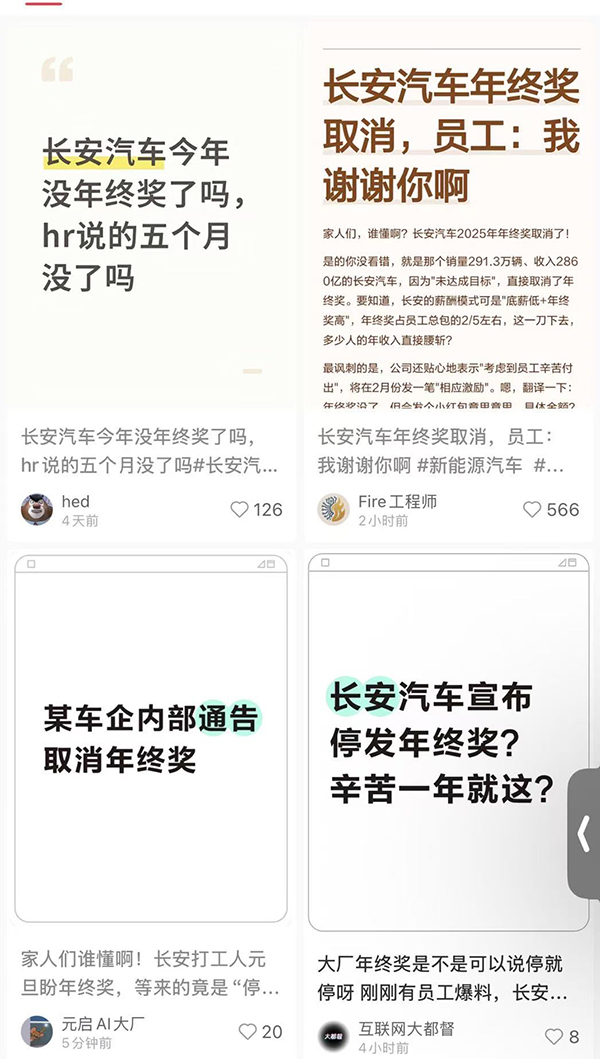
Core Viewpoint - Changan Automobile, despite achieving a sales volume of 2.913 million vehicles in 2025, has decided to cancel year-end bonuses for employees due to not meeting certain performance targets, leading to employee dissatisfaction [1][2][8]. Group 1: Company Performance - Changan Automobile's total sales for 2025 reached 2.913 million vehicles, marking an 8.5% year-on-year increase [1][9]. - The company reported a revenue of approximately 286 billion yuan for the year [1][9]. - The sales of new energy vehicles (NEVs) reached 1.11 million units, reflecting a significant year-on-year growth of 51.1% [8][9]. Group 2: Employee Compensation - The cancellation of year-end bonuses has caused unrest among employees, as bonuses constitute about 40% of their total compensation [2][8]. - Employees expressed frustration on social media regarding the cancellation, especially given the company's strong sales performance [2][4][8]. - The company has indicated that there may be alternative incentives announced before the Lunar New Year, but no specific plans have been disclosed yet [1][8]. Group 3: Industry Context - Changan Automobile's performance stands out in the industry, as it is one of the few companies to achieve close to its sales targets, with a completion rate of 97.1% [9][10]. - The automotive industry has faced challenges, including price competition and declining profits, which have impacted employee compensation structures across the sector [12].

55万辆!雷军砍了友商一刀
Sou Hu Cai Jing· 2026-01-06 07:58
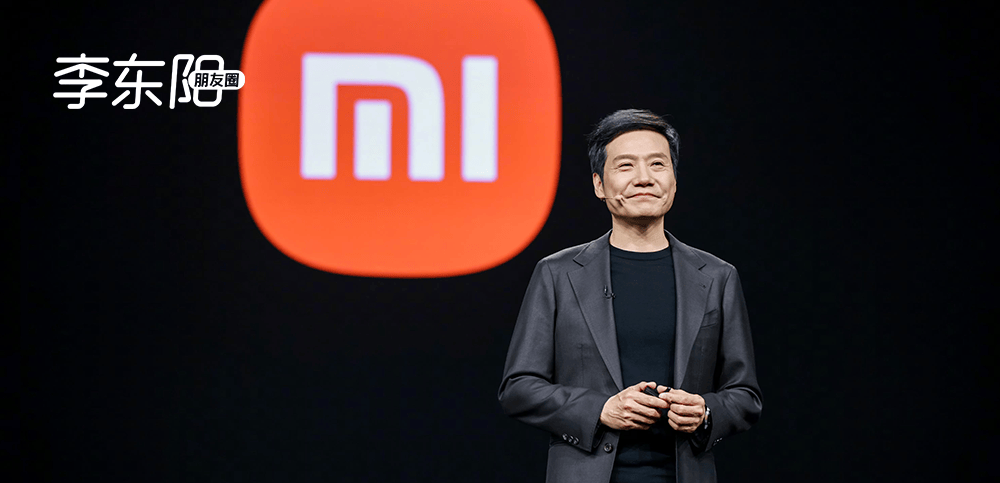
小米汽车,挑战不可能 封面 I 雷军微博 作者I 李东阳 报道 I 李东阳朋友圈 进入2026年,雷军率先向车圈扔下一颗炸雷,其表示小米汽车新的一年全年交付目标为55万辆。 这个数字想必米粉看完流泪,友商看完心碎,雷总本人看完也有些自我陶醉! 要知道,2025年小米汽车超额交出了超41万辆的成绩单,但长期纠缠在智驾与安全质疑、质量危机、过度营销等各类争议中,雷军是咬着牙完成年度目标 的。 图源:雷军直播截图 何况这场没有硝烟的车圈淘汰赛愈发激烈,留在桌上的玩家往后掏出来的都是看家本领,整个2025年,只有零跑、小鹏、小米三家新势力完成年度交付目 标就足以说明问题。 当然了,雷军是有底气画出大饼的,小米汽车只用一年多的时间就已盈利,超越了部分车企十年都没迈过的门槛;推出的车型接连成为爆款,为后续改款 推出打下了坚实基础。 从交付目标和盈利门槛来看,小米汽车已经少年老成了。 荣耀与考验是共生关系,正所谓"受得了多大赞美,就经得起多大诋毁"。 从话题和讨论度来说,小米绝对是过去一两年里当之无愧的顶流车企,销量端同样一飞绝尘,让那些有几十年历史的车企们一脸懵,顶流光环笼罩下自然 少不了阴影面,小米汽车的质疑与关注度是 ...
车市进入高销量低增长周期,行业从拼价格转向拼价值
Bei Jing Ri Bao Ke Hu Duan· 2026-01-06 00:34
Group 1 - The core viewpoint of the articles highlights the transformation and challenges in the Chinese automotive market, emphasizing a shift from price competition to value-driven growth, with a focus on innovation and technology integration [1][5][8] - In 2025, China's automotive market is expected to achieve record production and sales, driven by policies such as trade-in incentives and tax exemptions for new energy vehicles, indicating sustained consumer demand [1][6] - The competition landscape is evolving, with companies like BYD surpassing Tesla in electric vehicle sales, marking a shift towards systematic competition based on cost, supply chain, and product matrix [2][3] Group 2 - The industry is witnessing a significant shift towards "boundaryless integration," with companies exploring new technologies and markets beyond traditional automotive manufacturing, such as AI and robotics [3][4] - The year 2025 is anticipated to be a turning point for intelligent driving technology, with advancements making high-level autonomous driving features more accessible to the broader market [3][4] - The automotive sector is facing increasing pressure from regulatory changes and market dynamics, leading to a decline in profit margins and a need for companies to focus on value creation through innovation and quality [5][7] Group 3 - The outlook for 2026 suggests a transition to a phase of high sales but low growth, with expectations of stable annual sales around 30 million vehicles, and a significant increase in exports, particularly in the new energy vehicle segment [6][8] - Capital operations within the automotive industry are becoming more active, with several companies successfully listing on stock exchanges, indicating a trend towards consolidation and value reassessment [7][8] - The competitive environment is expected to intensify, with companies needing to accelerate their transition to new energy and global markets to survive the anticipated market shakeout [8]
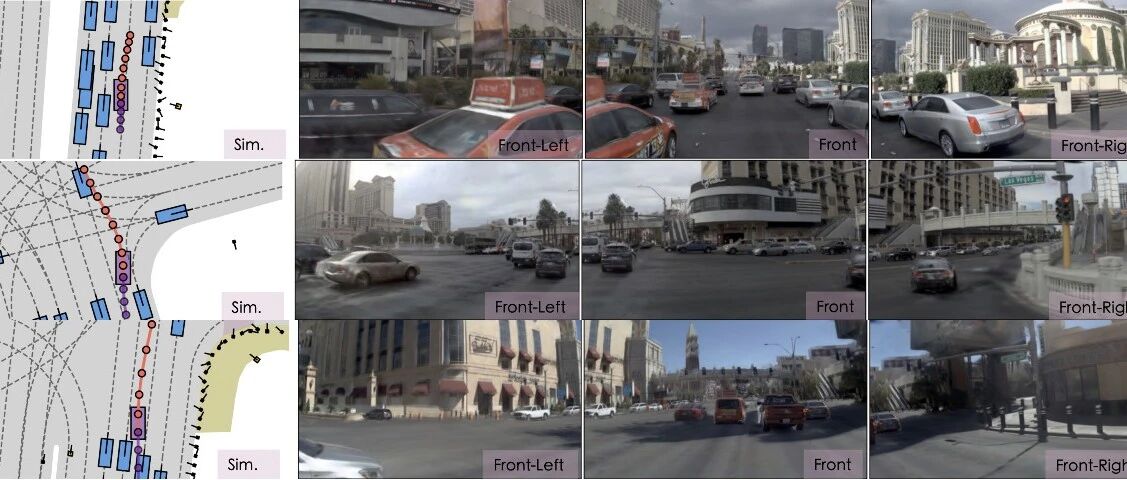
李弘扬团队最新!SimScale:显著提升困难场景的端到端仿真框架......
自动驾驶之心· 2026-01-06 00:28
点击下方 卡片 ,关注" 自动驾驶之心 "公众号 戳我-> 领取 自动驾驶近30个 方向 学习 路线 >>直播和内容获取转到 → 自动驾驶之心知识星球 点击按钮预约直播 李弘扬老师团队的新工作 - SimScale,中科院、港大OpenDriveLab和小米汽车联合完成。 近年来,大模型领域背靠 Data Scaling 取得了前所未有的突破,但到了自动驾驶,这套方法却突然失灵了。不是因为模型不够大,而是现实世界根本给 不了足够多的关键场景。 现实道路中的绝大多数驾驶片段都是重复而安全的"常态行为",真正决定策略能力上限的高风险、长尾、极端场景却往 往难以遇见,更难以大规模收集。因此自动驾驶不是缺数据,而是缺"对的"数据,行业亟需一种能系统性生成大量关键 场景、并规模化训练的新路径。 针对这些问题,SimScale应运而生,SimScale探索了在scalable的3DGS交互式仿真下,生成reward、recovery等多种数据, 进行联合训练以最大化现有训练数据的利用效率。 最终在NavSim leaderboard 上取得了新的 SOTA,并在多类主流 E2E planner 上带来了显著提升! 今天自 ...