
美的集团

Search documents
经济大省挑大梁|智聚湾区 广东联通加速布局“AI+制造”
2 1 Shi Ji Jing Ji Bao Dao· 2025-12-13 12:13
Core Insights - The Guangdong-Hong Kong-Macao Greater Bay Area is positioned as a key area for promoting new industrialization and intelligent manufacturing, driven by its strong industrial foundation and rich application scenarios [1][2] Group 1: Industry Development - The 2025 Guangdong-Hong Kong-Macao Greater Bay Area Artificial Intelligence and Robotics Industry Conference (XAIR Conference) was held in Guangzhou from December 12 to 14, focusing on the applications and integration of AI and robotics in manufacturing and transportation [1] - In the first ten months of this year, the core AI industry scale in Guangdong exceeded 230 billion yuan, with over 40% of industrial robots and over 80% of service robots produced in the province, maintaining the highest industrial robot output in the country for five consecutive years [1] Group 2: Corporate Initiatives - Guangdong Unicom has established the China Unicom (Guangdong) New Industrialization Research Institute, forming a team of over 1,000 experts to support digital transformation and innovation in the industrial sector [2][4] - The company is focusing on three key areas in the "AI + Manufacturing" sector: building a robust "cloud-network-computing-intelligence-security" foundation, enhancing platform applications, and accelerating AI empowerment in new industrialization [4] Group 3: Alliance Formation - The "Guangdong Province Artificial Intelligence + Manufacturing Industry Alliance" was officially established, aiming to tackle technical challenges, promote efficient sharing of production factors, and enhance the transition of technology from labs to large-scale production [5] - The alliance, initiated by Guangdong Unicom and leading manufacturing enterprises, has formed a team of over 1,000 professionals and established over 20,000 5G industry-specific networks, managing over 12.5 million devices and creating 800 5G factories [5]


行业年度策略报告:新兴需求领航,传统消费破局-20251213
Ping An Securities· 2025-12-13 08:08
Group 1 - The core viewpoint of the report emphasizes that emerging demand is leading the way, while traditional consumption is breaking through. The year 2026, as the start of the 14th Five-Year Plan, is expected to see continued implementation of consumption stimulus policies, effectively releasing residents' consumption willingness and promoting a steady recovery in consumption demand [4][11] - The report suggests that the traditional consumption industry is likely to experience a rebound, while new demands such as "new products, new channels, and new business formats" will continue to drive the rapid development of new consumption [4][11] - The report highlights the importance of the 14th Five-Year Plan, which emphasizes the need to stimulate consumption and enhance domestic demand as a key driver of economic growth [11][12] Group 2 - In the textile and media sectors, new demand is leading to new supply, and new supply is creating new demand. The report recommends focusing on investment opportunities in three segments: outdoor sports, gold jewelry, and cultural and trendy IP in 2026 [4][30] - The outdoor sports segment is identified as a growing trend, with social aspects becoming increasingly important for young consumers. The report notes that outdoor activities such as cycling, hiking, and climbing are gaining popularity [32][33] - The gold jewelry market is expected to see continued growth in consumer spending, with a positive outlook for retail sales in 2026. The report suggests focusing on leading gold jewelry brands [32][33] Group 3 - The social services sector is evolving, with a focus on leading companies that actively respond to changes in consumer demand. The report indicates that tourism and beauty industries are experiencing changes, with a shift towards rational consumption and a focus on value for money [4][30] - The food and beverage sector is expected to stabilize, with signs of recovery emerging. The report notes that the industry is closely tied to macroeconomic conditions and consumer income expectations [4][30] - The agricultural, forestry, animal husbandry, and fishery sectors are experiencing a cyclical upturn, particularly in the pig farming segment, which is expected to stabilize due to policy-driven transformations [4][5] Group 4 - The home appliance industry is characterized by resilience in demand, with policies such as "trade-in for new" supporting consumption. The report suggests looking for structural highlights within the home appliance sector, particularly in high-dividend white goods and rapidly growing new consumption categories [4][5] - The report emphasizes the importance of exploring new consumption trends and adapting to changing consumer preferences, particularly in the context of the ongoing economic recovery [4][5]






让机器人从舞台走向工厂,广东加速布局“AI+制造”创新生态
2 1 Shi Ji Jing Ji Bao Dao· 2025-12-13 04:24
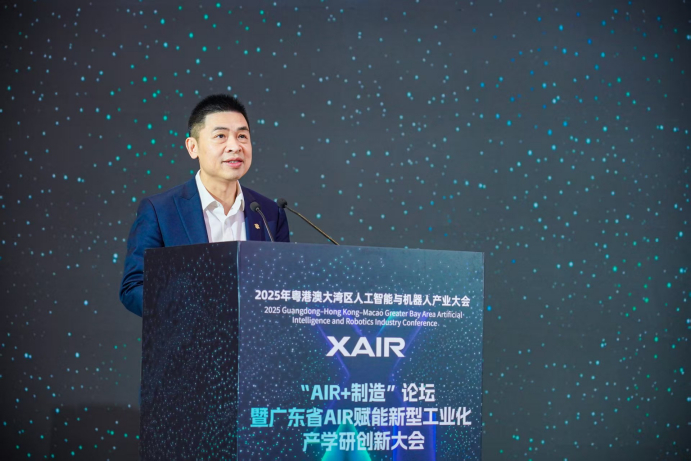
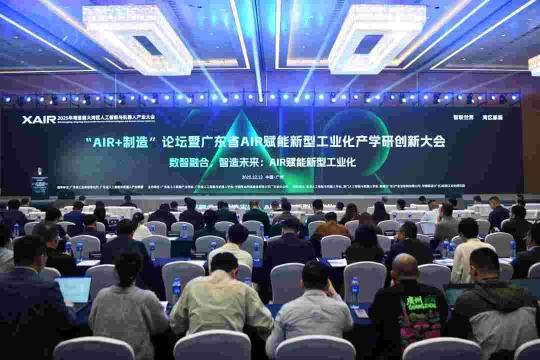
Core Insights - The Guangdong-Hong Kong-Macao Greater Bay Area is positioned as a key area for promoting new industrialization and intelligent manufacturing upgrades, leveraging its strong industrial foundation and rich application scenarios [1][3] Group 1: Event Overview - The 2025 Guangdong-Hong Kong-Macao Greater Bay Area Artificial Intelligence and Robotics Industry Conference and the Guangdong Province Artificial Intelligence and Robotics Skills Competition (XAIR Conference) took place in Guangzhou from December 12 to 14 [1] - The "AIR + Manufacturing" forum focused on critical questions regarding the transition of robots from stage use to factory applications and the construction of intelligent workshops and factories [1] Group 2: Digital Transformation Initiatives - Guangdong has implemented various policies to support the digital transformation of its manufacturing sector, including the establishment of a leadership group for AI and robotics innovation [3] - Over 400 digital transformation benchmark demonstrations have been created, with 51,000 industrial enterprises undergoing digital transformation, enhancing revenue and efficiency [3] Group 3: AI and Manufacturing Integration - Chen Xin, an academician, emphasized that AI + manufacturing represents not just a technological overlap but a complete reconfiguration of the manufacturing industry, necessitating collaboration across various sectors [5] - Guangdong Unicom is focusing on three key areas in the AI + manufacturing sector: establishing a robust cloud-network-computing foundation, developing platforms for device management and intelligent decision-making, and deepening real-world applications in eight major industrial clusters [5][7] Group 4: Industry Collaboration and Ecosystem Development - The establishment of the "Guangdong Province AI + Manufacturing Industry Alliance" aims to integrate resources and expertise from various stakeholders to foster an innovative ecosystem for AI and manufacturing [7] - Major companies like Midea and Baiyun Electric are actively applying AI technologies to enhance their manufacturing processes, with Midea focusing on intelligent supply chain algorithms and Baiyun Electric developing comprehensive intelligent control solutions [7]

破解“增长焦虑”,必须要有成长型思维
首席商业评论· 2025-12-13 04:21
Core Insights - The article discusses the "growth anxiety" faced by companies in a rapidly changing market characterized by shifting consumer preferences, emerging technologies, and deep globalization [2][4] - It highlights the importance of innovation, value chain reconstruction, and digitalization in implementing growth strategies [4][5] - The book "Evergreen Tree New Method" by Hua Xiaoliang provides a theoretical and practical framework for growth, emphasizing the necessity of a growth mindset [2][4] Market Environment - The market environment is accelerating changes due to evolving consumer preferences, new technology applications, and globalization [4] - Companies need to focus on innovation, reconstruct value chains, and leverage digital tools to ensure the implementation of growth strategies [5] Growth Framework - Hua Xiaoliang's framework consists of "growth opportunity insight - path planning - execution empowerment," with a strong emphasis on the growth mindset as a key to successful growth [4][5] - The core of the growth mindset includes embracing challenges, maintaining an open attitude, and demonstrating resilience in the face of setbacks [5] Case Study: Midea Group - Midea Group is highlighted as a benchmark for growth in Chinese enterprises, achieving an average annual revenue growth rate of over 10% and a net profit growth rate exceeding 12% over the past decade [6] - The company has successfully transformed from a traditional home appliance manufacturer to a global technology group by embracing digitalization, globalization, and technological innovation [6] - Midea's leadership exemplifies a growth mindset by reconstructing channels and value chains, and actively supporting partners through digital and lean improvements [6] Challenges for Industry Leaders - Some former industry leaders are experiencing stagnation due to their adherence to past successful experiences and neglecting market changes [7] - These companies often fail to adapt to new consumer behaviors and market dynamics, leading to a loss of growth momentum [7] - The article emphasizes the need for continuous adaptation and the importance of a growth mindset in overcoming challenges and driving transformation [7]

湾区制造谋“智变”,AI智能工厂加速落地开花
2 1 Shi Ji Jing Ji Bao Dao· 2025-12-13 03:17
Core Insights - The Guangdong-Hong Kong-Macao Greater Bay Area is hosting the 2025 AI and Robotics Industry Conference, focusing on the integration of AI in manufacturing and its transformative potential for industrialization [1] Digital Transformation - Guangdong has established over 400 digital transformation benchmarks and has promoted the digital transformation of 51,000 industrial enterprises, creating a national model for intelligent manufacturing [2] - China Unicom has connected 74,000 enterprises in Guangdong, emphasizing the region's strong industrial foundation and diverse AI application scenarios [2] Intelligent Manufacturing - The manufacturing sector in the Greater Bay Area is transitioning from automation to intelligence, with AI moving from cloud-based solutions to on-site applications [3] - AI is increasingly being integrated into various manufacturing processes, enhancing efficiency and reducing costs, as demonstrated by Midea Group's AI@Factory initiative [4] Investment in New Technologies - GAC Group is investing over 1.2 billion in a new digital factory, with the first phase of construction underway, highlighting the commitment to digital transformation in the automotive sector [5] - The need for high-quality data is identified as a significant bottleneck in AI implementation, with efforts underway to create a reliable data ecosystem [6] Talent Development - There is a pressing demand for skilled talent in AI, with initiatives in Guangdong aimed at fostering a collaborative ecosystem between academia and industry to cultivate the necessary workforce [7] - The establishment of the "Guangdong AI + Manufacturing Industry Alliance" aims to drive technological innovation and resource collaboration to support the development of the manufacturing sector [7]
老赛道新思维,顺德新解“中国创造”
2 1 Shi Ji Jing Ji Bao Dao· 2025-12-13 03:12
Core Insights - Traditional industries in China are at a critical juncture, with companies like Midea and Keda Manufacturing showcasing successful transformations from traditional manufacturing to global technology groups, emphasizing the importance of innovation and brand value over mere profit [1][2][3] Group 1: Transformation of Traditional Industries - Midea, with annual revenue exceeding 400 billion, achieved double-digit growth in the first three quarters of the year by transitioning from a "home appliance manufacturer" to a "global technology group," investing over 100 billion in R&D [1] - The shift from "profit-driven" to "value-driven" business models is crucial, focusing on technological innovation to define industry standards and secure future market positions [1][3] Group 2: Government and Enterprise Collaboration - The collaborative model between government and enterprises in Shunde addresses the environmental challenges of traditional industry transformation, with initiatives like "error-tolerant approval" and "annual inspections" to support innovation [2] - New enterprises are emerging in Shunde, such as Haichuang Technology and TianTai Robotics, which focus on long-term value creation rather than short-term profits [2] Group 3: Future Pathways for Traditional Industries - The future of traditional industries lies not in abandoning old practices but in integrating technology innovation, brand value, and social responsibility into their operations [3] - The transformation narrative from "Chinese manufacturing" to "Chinese creation" is achievable through a unified approach between government and enterprises, emphasizing innovation as the core driver of high-quality development [3]
专访张崟:解码“软硬融合”的广东AI与机器人产业路径
2 1 Shi Ji Jing Ji Bao Dao· 2025-12-13 00:14
Core Insights - Guangdong's artificial intelligence and robotics industry is rapidly advancing, highlighted by the recent showcase of innovative technologies at the 2025 Guangdong-Hong Kong-Macao Greater Bay Area AI and Robotics Industry Conference [1][4] - The establishment of the Guangdong AI and Robotics Industry Alliance aims to foster collaboration among enterprises, universities, and research institutions, focusing on ten key initiatives to enhance industry development [2][3] Industry Development - The Guangdong AI and Robotics Industry Alliance was formed in June, bringing together various stakeholders to promote collaboration and innovation within the industry [2] - The alliance's "Ten Ones" initiative includes the development of an industry index, a comprehensive industry chain map, a white paper, application scenarios, an innovation and entrepreneurship competition, an award, an industry conference, an expo, an information platform, and an industry fund [2][3] Competitive Advantage - Guangdong's unique "soft-hard integration" capability is a significant advantage, providing vast industrial data for AI and a robust hardware supply chain for robotics [3] - The province leads the nation in the production of smart terminals, with 40.9% of mobile phones, 24.6% of computers, 57.7% of televisions, and 35.3% of smartwatches produced in 2024 [3] - Guangdong accounts for 44% of China's industrial robot production, maintaining its position as the leading manufacturing base and supply chain hub for the robotics industry [3] Technological Breakthroughs - Guangdong has made significant advancements in humanoid robots and industry-specific AI models, with notable achievements in generative AI and core technologies like AR waveguides and high-precision force control [4][5] - The province has completed 105 registrations for generative AI services, representing approximately 17% of the national total, showcasing its leadership in the sector [5] Commercialization and Application - Leading companies in Guangdong, such as GAC and Xpeng, have successfully commercialized advanced technologies in smart connected vehicles and intelligent manufacturing [6] - The alliance is focused on accelerating the transition of research outcomes from laboratories to production lines through innovative application scenarios [7] Funding and Support - The Guangdong Intelligent Industry Fund aims to support high-tech sectors with a target size of 10 billion yuan, focusing on long-cycle, high-barrier areas such as embodied intelligence and AI chips [10] - The fund has already secured 6 billion yuan in its first phase and is designed to act as "patient capital" to support critical technology development [10] Future Outlook - In the next 3-5 years, Guangdong aims to integrate AI technology into consumer electronics, enhancing product functionality and value [11] - The alliance plans to release the "AIR Pearl River Index" and a white paper to guide industry development and avoid homogenization, focusing on high-growth sectors [11]
借力AI,TCL加速进军白电
Guan Cha Zhe Wang· 2025-12-12 15:10
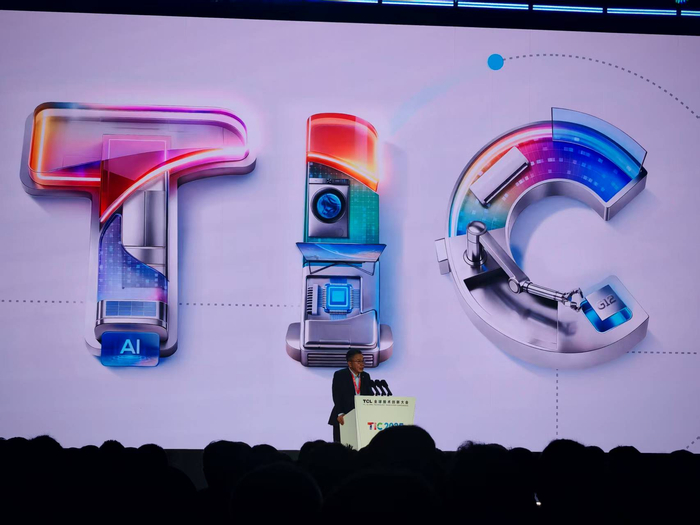
Core Viewpoint - AI is transitioning from concept to deep industrialization, becoming a key driver for future growth, as emphasized by TCL's founder and chairman, Li Dongsheng, at the 2025 TIC [1] Group 1: Industry Landscape - TCL is shifting resources towards the white goods sector to compete against traditional giants like Midea, Gree, and Haier, as well as internet brands like Xiaomi [1][4] - The white goods market is characterized by a "Matthew effect," where the strong get stronger, making TCL's ambition to enter the top tier more urgent [4][10] Group 2: AI Implementation - TCL aims to utilize AI in practical applications for air conditioners, refrigerators, and washing machines, addressing the industry's pain points of "pseudo-intelligence" [3][5] - The company focuses on energy-saving solutions, achieving a 40% reduction in energy consumption for air conditioners through a combination of small models and reinforcement learning [5][9] Group 3: Product Innovations - TCL's washing machines tackle the "iron triangle" of speed, cleanliness, and energy efficiency, achieving a 5% reduction in energy consumption and a 10% decrease in washing time [5] - The refrigerator features dual magnetic preservation technology and a deep freeze function at -40°C, enhancing food preservation for up to 15 days [5] Group 4: User Experience - TCL has integrated AI voice assistants to simplify user interaction, allowing for natural language control of appliances [6] - The company offers tailored solutions for different scenarios, such as AI sleep mode for air conditioners and AI smart washing for washing machines [6] Group 5: Competitive Advantages - TCL's advantages stem from group-level technology reuse and channel integration, allowing for stable supply and cost control amid market fluctuations [9][10] - The company has established a comprehensive channel and after-sales service team, comparable to Midea and Haier, enhancing its competitive edge [9][10] Group 6: Market Position and Goals - TCL aims to rapidly enter the mid-to-high-end market, with a focus on promoting its ice-wash products [11] - The company recognizes challenges such as brand recognition and global market expansion, acknowledging a gap in technical capabilities compared to international benchmarks [13][14]

AI赋能由虚向实,TCL加速进军白电
Guan Cha Zhe Wang· 2025-12-12 15:08
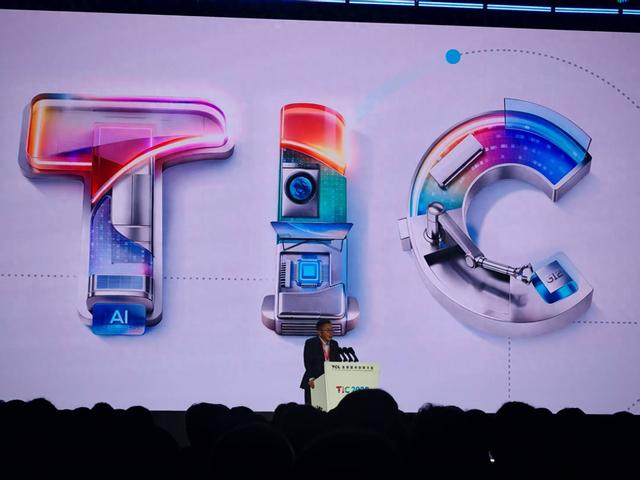
Core Viewpoint - AI is transitioning from concept to deep industrialization, becoming a key driver for future growth, as emphasized by TCL's founder and chairman, Li Dongsheng, at the 2025 TIC [1] Group 1: Industry Landscape - TCL is shifting resources towards the white goods sector to compete against traditional giants like Midea, Gree, and Haier, as well as internet brands like Xiaomi [1][4] - The white goods market is characterized by a "Matthew effect," where the strong get stronger, making TCL's ambition to enter the top tier more urgent [4][10] Group 2: AI Implementation - TCL aims to utilize AI technology in air conditioners, refrigerators, and washing machines to differentiate itself in a saturated market [1][5] - The company focuses on practical AI applications rather than superficial "smart" features, addressing real user needs and enhancing product relevance [3][4] Group 3: Product Innovations - In air conditioning, TCL employs a "small model + reinforcement learning" approach to significantly reduce energy consumption, achieving a 40% reduction in initial hours and an additional 18% over time [5] - The washing machine addresses the "iron triangle" of speed, cleanliness, and resource efficiency, achieving a 5% reduction in energy consumption and a 10% decrease in wash time [5] - The refrigerator features advanced preservation technology, enhancing food freshness for up to 15 days and improving freezing speed from 58 minutes to 30 minutes [5] Group 4: User Experience - TCL integrates AI voice assistants to simplify user interaction, allowing for natural language control of appliances [6] - The company offers tailored solutions for different scenarios, such as AI sleep mode in air conditioners and AI smart washing features [6] Group 5: Competitive Advantages - TCL benefits from group-level technology and channel reuse, enhancing its competitive edge in the white goods market [7][9] - The company has established a robust service and support network, comparable to that of Midea and Haier, which aids in its brand expansion [9][10] Group 6: Market Strategy - TCL's strategy emphasizes full-chain layout to mitigate market risks, contrasting with competitors reliant on external supply chains [10] - The company has achieved vertical integration, maintaining stable supply and cost advantages amid industry challenges [10] Group 7: Future Goals - TCL aims to rapidly penetrate the mid-to-high-end market, with a focus on promoting its washing and refrigeration products [12] - The company acknowledges challenges such as brand recognition and global market expansion, while committing to original innovation and core technology development [14]
如何看待海外扫地机黑五大促表现?
Guolian Minsheng Securities· 2025-12-12 14:58
Investment Rating - The report maintains a "Recommended" rating for the industry, indicating a positive outlook for key players in the market [4]. Core Insights - The overseas market for robotic vacuum cleaners is experiencing significant growth, driven by Chinese brands leading the expansion. Notably, during the recent Black Friday and Cyber Monday promotions, sales for Roborock in Europe increased by 59% year-on-year, while sales in North America rose by at least 50%. The brand Chase achieved a remarkable 90% growth in Europe and 270% in North America [8][18]. - The pricing dynamics in the industry show a coexistence of upgrades and competition, with the average price of robotic vacuums expected to rise. For instance, the average prices on Amazon for best-selling models in the US, Germany, France, and Japan increased by 17%, 22%, 9%, and 3% year-on-year, respectively [23][28]. - The competitive landscape indicates that traditional overseas leaders are under pressure, while Chinese brands are poised to benefit from this shift. iRobot is facing liquidity and debt default risks, which may allow Chinese brands to capture market share in Europe and North America [34][36]. Summary by Sections Growth - The overseas robotic vacuum market has seen rapid growth, with a 58% increase in downloads for the top eight brands from January to November 2025. Europe is leading this growth, followed by Asia-Pacific and North America, which still shows over 30% growth despite tariff uncertainties [11][15]. Pricing - The combination of premium products becoming more affordable and consumers opting for upgrades is driving the average price increase in the industry. However, aggressive pricing competition during year-end promotions has led to some price reductions in specific markets [23][28]. Competitive Landscape - iRobot is under significant operational and debt pressure, which may allow Chinese brands to gain market share. The report suggests that iRobot's overseas market share has dropped below 10%, indicating a potential opportunity for Chinese brands to capitalize on this situation [34][36]. Investment Recommendations - The report suggests continued investment in leading cleaning appliance brands such as Roborock and Ecovacs, which are expected to maintain high growth rates in overseas markets. The domestic market is also anticipated to grow rapidly due to ongoing product innovation and increasing penetration rates [51][52].

