霸王茶姬

Search documents
黄金大涨,白银狂飙
Zheng Quan Shi Bao· 2026-01-24 00:31
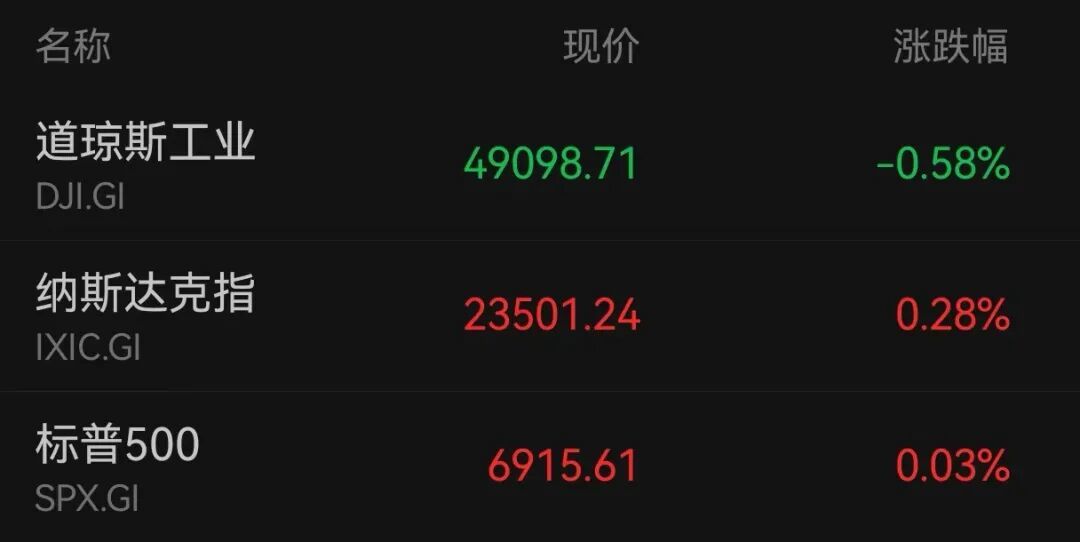
隔夜美股盘中走弱。黄金拉升再创历史新高,白银暴涨。 截至收盘,美股三大指数涨跌不一,道指跌0.58%,纳指涨0.28%,标普500指数涨0.03%。 | 名称 | 现价 | 涨跌幅 | | --- | --- | --- | | 道琼斯工业 | 49098.71 | -0.58% | | DJI.GI | | | | 纳斯达克指 | 23501.24 | 0.28% | | IXIC.GI | | | | 标普500 | 6915.61 | 0.03% | | SPX.GI | | | | < 日 | 纳斯达克中国金龙指数(HXC) 01-23 16:00:04 | | | | | | --- | --- | --- | --- | --- | --- | | 7878.38 | | 昨收 | 7899.10 | 成交额 | 0.00 | | -20.71 | -0.26% | 今开 | 7909.61 | 成交量 | 0 | | 上涨 | 0 | 平臺 | 0 | 下跌 | 0 | | 最高价 | 7918.23 | 市智率 | 23.94 | 近20日 | 3.13% | | 最低价 | 7871.98 ...

芯片巨头大跌17% 英伟达市值一夜增超4700亿元!贵金属领涨 现货白银大涨超7% 现货黄金逼近5000美元
Mei Ri Jing Ji Xin Wen· 2026-01-24 00:22
Group 1: Stock Market Performance - The three major U.S. stock indices closed mixed, with the Dow Jones down 0.58%, the Nasdaq up 0.28%, and the S&P 500 up 0.03% [2] - Technology stocks showed mixed results, with Microsoft and Netflix rising over 3%, while AMD and Amazon increased over 2% [2] - Intel experienced a significant drop of 17%, marking its largest single-day decline since August 2024 [2] Group 2: Chinese Stocks and Indices - The Nasdaq Golden Dragon China Index fell by 0.26%, with notable declines in stocks such as Xpeng down over 3%, NIO and Alibaba down over 2%, and Weibo down over 1% [3] - Conversely, stocks like Youdao rose over 4%, New Oriental increased over 2%, and Trip.com gained over 1% [3] - The FTSE China A50 Index futures rose by 0.41%, closing at 14,843 points [4] Group 3: Precious Metals - Spot silver surged by 7.34%, reaching $103.21 per ounce [5] - New York silver also increased by 7.17%, priced at $103.28 per ounce [6] - Silver saw a substantial annual increase of approximately 147%, driven by strong demand, limited refining capacity, and ongoing supply shortages [6] - Analysts noted that geopolitical tensions, a generally weaker dollar, and expectations of a shift to monetary easing by the Federal Reserve are influencing gold demand [6] - Spot gold rose by 1.01%, reaching $4,986.02 per ounce [7]





专访国盾量子唐世彪:AI与量子计算 将开始深度融合
2 1 Shi Ji Jing Ji Bao Dao· 2026-01-22 23:10
Core Viewpoint - GuoDun Quantum (国盾量子) has established itself as a pioneer in the quantum technology sector, being the first company globally to go public with a core focus on quantum technology, marking a significant milestone in the capital market [2] Group 1: Company Background and Development - GuoDun Quantum was founded by Tang Shibiao, who currently serves as the company's vice president and chief engineer, and has played a crucial role in the development of quantum communication technology [3] - The company has transitioned from a research-focused entity to one that emphasizes market application, particularly since the launch of the Beijing-Shanghai quantum communication line project in 2017 [5][6] - The company has received significant support from local governments, particularly in Hefei and Jinan, which have invested in quantum technology infrastructure [5] Group 2: Technological Advancements - GuoDun Quantum has developed quantum communication products, such as "quantum secret talk," which have already reached over 6 million users, showcasing the practical application of quantum technology [8] - The company is involved in the development of the "Tianyan" quantum computing platform, which has gained attention for its accessibility to students and researchers, with global visits exceeding 30 million by July 2025 [8] - The company is recognized as one of the few globally capable of delivering quantum computing systems, actively participating in the development of quantum computers like the "Zu Chongzhi" and "Jiu Zhang" [9] Group 3: Future Directions and Market Integration - The company aims to enhance research on next-generation quantum chips and promote quantum computing cloud platforms to increase accessibility and application [10] - There is a strong emphasis on integrating quantum computing with artificial intelligence (AI), as both fields are seen to mutually enhance each other, with AI aiding in quantum research and quantum computing addressing AI's computational challenges [12][13] - The national "14th Five-Year Plan" has positioned quantum technology as a strategic priority, aiming to drive economic growth through advancements in this field [14]

我驻菲大使:中国把菲当做朋友、邻居,真心相助,不求回报
Xin Lang Cai Jing· 2026-01-22 13:01
Group 1 - The Philippines and China are working towards managing maritime disputes through diplomatic dialogue, with both sides expressing a desire to avoid conflict and maintain communication channels [2][5] - The Philippines has been a significant trade partner for China, with a notable trade deficit, but China encourages the Philippines to export more products, especially high-quality agricultural goods [2][4] - Recent developments include the successful completion of infrastructure projects, such as the Bucana Bridge, which enhances transportation and economic development in the region [4][6] Group 2 - There is a growing interest in Chinese technology and investment in the Philippines, particularly in sectors like renewable energy and waste management, which could benefit the local economy [3][4] - The recent announcement of a 14-day visa exemption for Chinese citizens is seen as a positive step towards increasing tourism and strengthening bilateral relations [5][6] - The Chinese embassy emphasizes the importance of constructive dialogue and the role of media in fostering a positive narrative around China-Philippines relations [6][7]
要看懂2025年,这是你无法避开的41篇文章丨36氪年度精选
36氪· 2026-01-22 11:08
Group 1 - The core theme of 2025's business narrative revolves around "war" and "turbulence," particularly highlighted by the epic competition in the food delivery market, where major players like Alibaba, Meituan, and JD engaged in fierce price wars, leading to a significant merging of e-commerce and food delivery boundaries [2][4] - The global narrative shifted from "connection" to "disconnection" due to tariff wars, impacting cross-border e-commerce sellers and manufacturing industries, prompting them to seek survival strategies within supply chain gaps [2][28] - A new generation of Chinese hardware companies, such as DJI and Anker, is successfully penetrating the European and American markets, showcasing a trend of smaller firms achieving significant market impact through unique products and rapid execution [2][9] Group 2 - The Shanghai Composite Index surpassed 3900 points, marking a new high in nearly a decade, while Starbucks' sale in China for 10 billion USD signified the end of the era of foreign premium pricing [3] - The passing of Zhong Qinghou and the succession of his daughter Zhong Fu Li highlighted the complexities of generational transitions in business ownership, particularly in state-owned enterprises [3][5] - The listing of Bawang Tea Princess on NASDAQ amidst a generally cold consumer market provided a significant "non-consensus" example, illustrating the potential for success even in challenging conditions [3][29] Group 3 - The article on the unexpected epic internet war in 2025 details how major companies in the food delivery sector engaged in fierce competition, betting their financial resources and reputations [4] - The narrative of generational succession in companies like Wahaha reveals the intricate dynamics of ownership and control, especially following the death of a founding figure [5] - The report on Starbucks' 13 billion USD sale in China explores the factors leading to this significant transaction, questioning how a leading brand with no competitors reached a point of sale [6][7] Group 4 - The hardware industry is experiencing a renaissance, with new Chinese players leveraging top-tier supply chains and unique speed to capture global markets, marking a shift in the perception of this traditionally less glamorous sector [9][10] - The article on the rise of domestic bag brands illustrates a significant trend in the market, with brands like Shanshiyou Song achieving top rankings in e-commerce, indicating a strong movement towards brand localization [51] - The analysis of the AI application landscape highlights the shift towards application-level competition as foundational capabilities mature, with a focus on global expansion and practical business models [23][62]

“2025城市生活消费影响力年度推荐” 新消费食力推荐今日公布
Sou Hu Cai Jing· 2026-01-21 13:42
Group 1 - The "2025 City Life Consumption Influence Annual Recommendation" event has been launched, focusing on the food and fast-moving consumer goods (FMCG) sector, which is of great interest to the public [1][3] - The food FMCG industry is undergoing a deep transformation in the 2025 market environment, with brands emphasizing aspects such as "redefining lifestyles," "emotional and transparent engagement," "technology-enabled green factories and service system upgrades," and "rationally creating new consumption scenarios" [3] - Brands are leveraging digital transformation and service upgrades to reshape urban residents' "living circles" and "sense of happiness," successfully addressing consumers' "fragmented emotional" needs and securing top positions in various shopping lists [3] Group 2 - The "2025 Annual New Consumption Power List" has recognized several brands and products, including Starbucks and Burger King for the Annual Brand Value Award, and Yili's Meiyitian and Holley for the Annual Product Innovation Award [5][6] - The Annual Green Intelligent Brand Award was given to McDonald's China, Mengniu Dairy, and Yuanqi Forest, while the Annual New Consumption Scenario Innovation Award went to New Hope Liuhe Dairy and Kang Shifu Instant Noodles [6]

从蜜雪冰城到鸣鸣很忙,中国县城为何走出一个又一个成功的新消费?
Xin Lang Cai Jing· 2026-01-21 07:10
Core Insights - The central economic work conference in December 2025 will prioritize boosting consumption as a key macro policy, highlighting its importance in China's economic strategy [2] - The report by Black Ant Capital focuses on the county-level economy, which is crucial for understanding the future of consumption in China, emphasizing the need for in-depth field research [2][3] Group 1: County Market Dynamics - The county market represents about one-third of China's population (450 million people) and GDP (33%), making it a significant area for consumption growth [3] - The county economy exhibits stronger consumption resilience compared to first-tier cities, with unique challenges such as "scale inefficiency" [3][4] - The rise of brands like Mixue Ice Cream and Mingming Busy from lower-tier markets indicates the potential of county economies in shaping future consumption trends [3][4] Group 2: Consumer Behavior Changes - From 2022 to 2025, county residents have become more cautious in their spending, particularly on non-essential items, reflecting a shift from identity-driven consumption to practical and emotional needs [13][24] - The demand for identity symbols has decreased, with consumers prioritizing practical value and emotional connections in their purchasing decisions [24][28] - There is a notable increase in the importance of "gaining knowledge" as a consumer need, indicating a shift towards valuing experiences and personal growth [24][28] Group 3: Spending Patterns - County households are experiencing stable income levels, yet they are actively reducing discretionary spending, particularly on clothing and identity-related items [13][50] - Essential expenditures such as education and healthcare remain a priority, while personal discretionary spending is being redirected towards experiences that provide immediate satisfaction and long-term health benefits [35][37] - The trend indicates a transformation in spending from acquiring more goods to enhancing quality of life and emotional well-being [35][50] Group 4: Channel Evolution - There is a growing preference for high-value, convenient shopping channels in county markets, with a decline in traditional retail and an increase in modern formats like discount stores [45][48] - The rise of interest-driven e-commerce and local life platforms reflects changing consumer habits, aligning more closely with trends seen in higher-tier cities [45][48] Group 5: Future Outlook - The report emphasizes the importance of continuous research on county-level consumer behavior to identify emerging trends and investment opportunities [10][12] - The evolving landscape of consumer expectations and spending habits in county markets will be critical for brands aiming to penetrate these areas effectively [11][12]
商场B1B2层,“最强开店王”大洗牌!
3 6 Ke· 2026-01-20 02:17
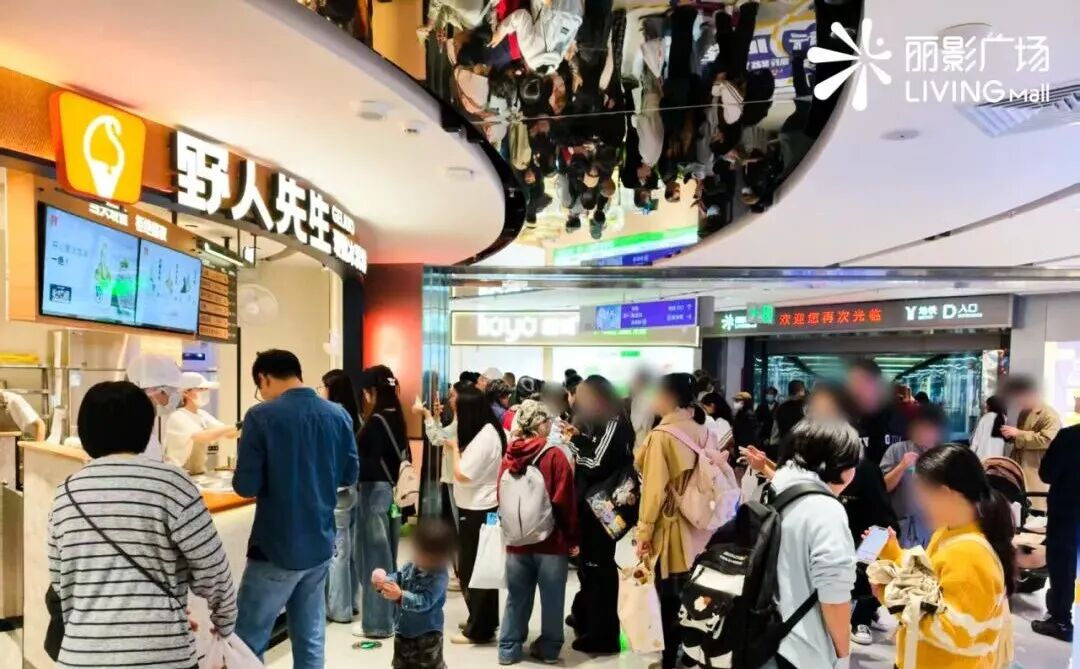
Core Insights - The B1B2 levels of shopping malls have transformed into vibrant spaces that attract young consumers, reflecting a shift in the Chinese consumer market towards experiences that provide emotional value rather than mere ownership [1][2] - The B1B2 levels are characterized by a mix of instant dining and emotional retail, with dining accounting for approximately 45% and retail around 35% of the space [2][3] Group 1: B1B2 Level Dynamics - The B1B2 levels are experiencing a value reassessment, with a stable distribution of five major sectors: retail, dining, children's activities, cultural and entertainment, and lifestyle services [2] - Instant dining, particularly snack and beverage options, is a key driver of foot traffic, appealing to young consumers with low prices and high convenience [3][4] - The popularity of baked goods is on the rise, projected to exceed 7.15% by 2025, with new brands emerging to meet social and self-indulgent needs [4][5] Group 2: Emotional Retail and Consumer Trends - Emotional retail focuses on sales experiences and social currency, providing a sense of joy without spending money, thus injecting freshness and engagement into the B1B2 levels [5][7] - Young consumers prioritize emotional returns on investment, seeking experiences that enhance their feelings rather than just acquiring products [7][20] - The presence of lifestyle services, such as pet shops and lottery stations, contributes to maintaining foot traffic and a relaxed atmosphere in the B1B2 levels [14] Group 3: Market Adjustments and Brand Opportunities - Certain categories, such as automotive showrooms and luxury goods, are shrinking in the B1B2 levels due to their low-frequency nature, while traditional categories like beauty and women's apparel are also declining [8][12] - The B1B2 levels are seeing a significant turnover, with over 22% of total store adjustments occurring in this area, indicating a dynamic market environment [15][16] - Brands that align with the instant dining and emotional retail trends, such as Wildman and Tamkoko, are rapidly expanding, indicating a shift towards brands that offer immediate satisfaction and emotional engagement [19][20]
茶颜悦色三入深圳:属于它的时代已经不再
36氪· 2026-01-20 00:11
Core Viewpoint - Chayan Yuese is attempting to expand its presence in major cities like Shanghai, Shenzhen, and Beijing, indicating a shift in strategy after years of cautious growth. The brand faces intense competition in the saturated tea beverage market, particularly from emerging players like Bawang Chaji, which has begun to encroach on its home market in Hunan [5][24][78]. Expansion Strategy - Chayan Yuese has established a new office in Shanghai and is actively recruiting for various positions, signaling its intent to open stores in these cities [5][9]. - The brand's cautious approach to expansion is evident, as it has only recently begun to explore markets outside its home province of Hunan, with previous attempts in Shenzhen resulting in a temporary withdrawal due to market challenges [18][20]. Market Dynamics - The tea beverage market is experiencing a dichotomy, with leading brands pursuing aggressive financing and IPOs while others like Nayuki and Heytea are closing stores and slowing down franchise growth [6]. - Chayan Yuese's expansion into northern and southern regions is seen as a response to competitive pressures, particularly from brands that have already established a foothold in these areas [6][24]. Competitive Landscape - The brand's core market in Hunan is under threat from competitors like Bawang Chaji, which has rapidly expanded and is now competing directly with Chayan Yuese in terms of market share and brand loyalty [24][31]. - Chayan Yuese's unique selling proposition has been its emotional connection with local communities, but this advantage is being challenged as competitors adopt similar localized marketing strategies [25][67]. Operational Challenges - Chayan Yuese's operational model, which emphasizes in-store experiences and a member-based pricing strategy, may not translate well in new markets where consumer behavior differs significantly [73][76]. - The brand's reliance on a traditional point-of-sale system and in-store verification may hinder its ability to compete effectively in fast-paced urban environments like Shenzhen, where convenience is paramount [60][62]. Marketing and Brand Perception - The brand has faced criticism for its marketing strategies, which some consumers perceive as overly didactic or disconnected from current trends [68][71]. - Recent controversies, including accusations of design plagiarism, have negatively impacted the brand's image and raised questions about its ability to innovate and resonate with a broader audience [38][41]. Future Outlook - Chayan Yuese's future growth will depend on its ability to adapt its operational and marketing strategies to meet the demands of a more competitive and diverse consumer base [78][79]. - The brand's historical focus on maintaining a "small and beautiful" image may need to evolve as it seeks to establish a more significant presence in the national market [80].

2025年中国餐饮品牌力白皮书
Sou Hu Cai Jing· 2026-01-19 15:43
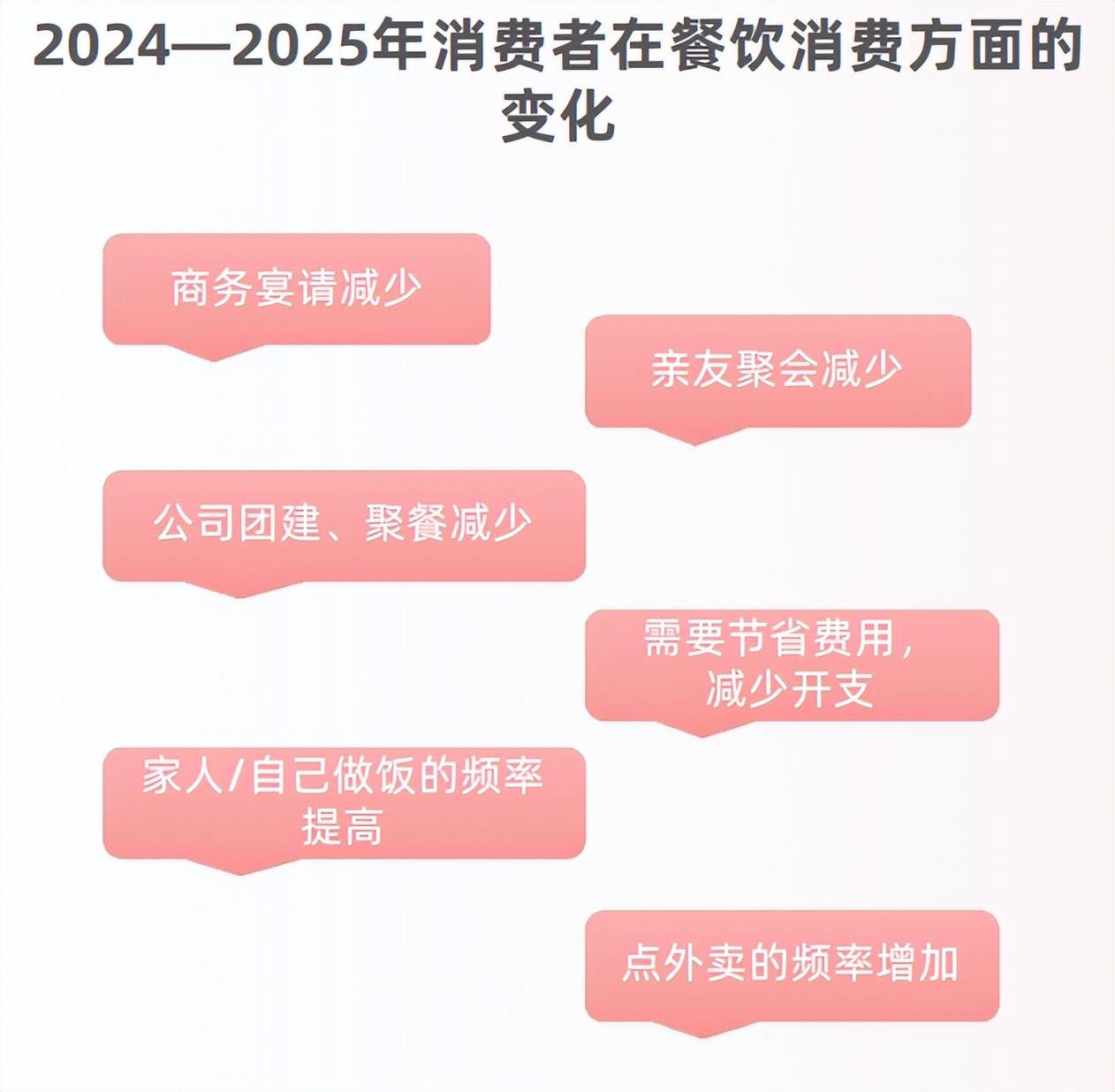
Core Insights - The Chinese catering industry is experiencing a significant slowdown, with a 3.6% year-on-year growth in revenue from January to August 2025, down from 6.6% in the same period of 2024, indicating a shift to a "micro-profit era" [1] - The total number of catering outlets in China has seen a rare negative growth, decreasing by 1.9% year-on-year to over 7.6 million by August 2025, marking a transition from "incremental competition" to "stock competition" [1] Industry Trends - Different segments within the catering industry show a clear divergence in outlet growth, with ready-to-drink beverages and Chinese cuisine being among the few segments experiencing growth, while fast food, bakery, barbecue, hot pot, Western cuisine, and Asian cuisine have all seen declines [2] - The overall operating efficiency of the industry is under pressure from rising costs and changing consumer demand, leading to the elimination of underperforming outlets and the survival of those with brand advantages and high operational efficiency [2] - The chain rate in the catering industry has steadily increased from 15% in 2020 to an expected 25% in 2025, highlighting the growing importance of brand and scale in the industry [2][3] Consumer Behavior - Consumer spending on dining is becoming more cautious, with a significant drop in the proportion of consumers planning to increase their dining expenditures in 2025 compared to 2024 [5] - A notable shift in dining habits is observed, with 24.2% of consumers reducing business meals and gatherings, while over 40% are cooking more at home, indicating a move towards more economical and healthier dining options [6] Market Dynamics - The takeaway market is undergoing a historic transformation, with the market size expected to exceed 1.4 trillion yuan in 2025, driven by a new competitive landscape following the entry of JD.com and Alibaba's "Taobao Flash Purchase" [4][5] - The competitive landscape in the takeaway market has shifted to a three-way competition among Meituan, Alibaba, and JD.com, moving beyond mere subsidy wars to focus on service quality and technological innovation [5] Operational Strategies - Brands are increasingly optimizing their store models to reduce costs and improve efficiency, with various new store formats emerging, such as satellite stores and delivery-focused outlets [10][11] - The average lifespan of catering outlets is decreasing, with projections indicating a further reduction to around 15 months in 2025, emphasizing the need for strong operational capabilities and brand differentiation [8] Product Innovation - The number of new products launched by brands has surged, with over 5,263 new items introduced from January to July 2025, reflecting a focus on regional ingredients and flavors to meet consumer demand for diversity [9] - Brands are leveraging regional specialties to create unique product offerings, enhancing brand value and consumer engagement through localized flavors [9]