蔚来

Search documents
阿维塔赴港IPO:营收爆发背后,百亿融资究竟去哪了?
Sou Hu Cai Jing· 2025-12-08 10:12
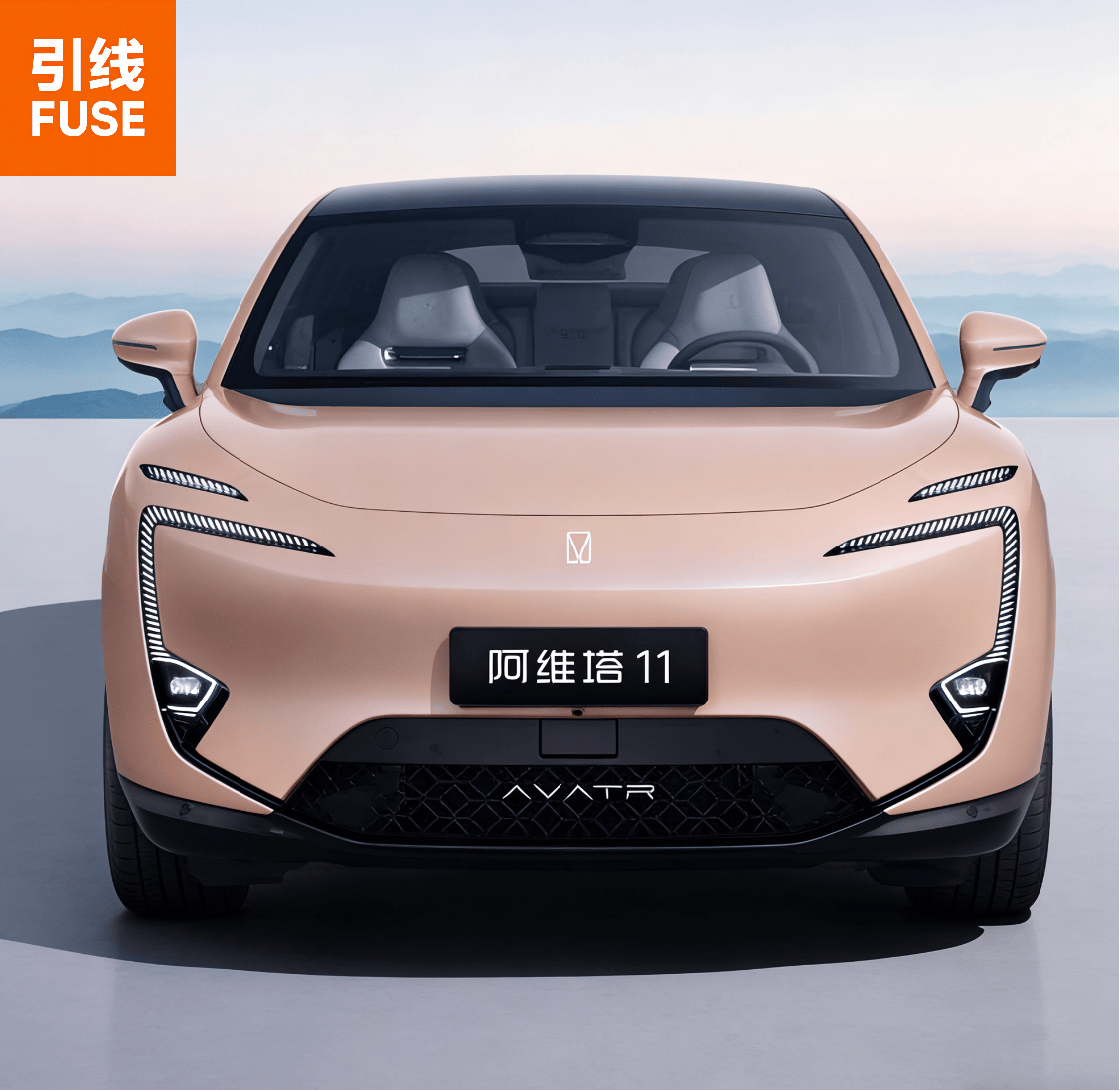
Core Viewpoint - Avita Technology, backed by major stakeholders including Changan Automobile, CATL, and Huawei, is facing a paradox of rapid revenue growth alongside significant cash flow challenges as it prepares for its IPO [1][4][10]. Group 1: Company Overview - Avita Technology submitted its IPO application to the Hong Kong Stock Exchange in November 2025, leveraging its partnerships with Changan Automobile and CATL, while also integrating Huawei's advanced technology [1][2]. - The company has experienced explosive revenue growth, with a 98.5% year-on-year increase in revenue for the first half of 2025, and a gross margin improvement to 10.1% [1][4]. Group 2: Financial Performance - Despite the revenue surge, Avita has accumulated losses exceeding 11.3 billion yuan over the past three and a half years, indicating a struggle to achieve profitability [5][10]. - The company reported a cash and cash equivalents balance of 13.48 billion yuan as of June 30, 2025, but its current liabilities exceeded current assets by 5.24 billion yuan, highlighting liquidity pressures [10][11]. Group 3: Strategic Adjustments - In response to market pressures, Avita shifted its product strategy from pure electric vehicles to range-extended electric vehicles (EREV), aiming to capture a broader market segment [7]. - The company made a significant investment of 11.5 billion yuan to acquire a 10% stake in Huawei's subsidiary, "Yinwang," enhancing its access to cutting-edge technology and distribution channels [8][9]. Group 4: Market Challenges - Avita faces intense competition in the 200,000 yuan market segment, where it competes against established players like Tesla and Li Auto, raising concerns about maintaining its gross margin amid price wars [11][12]. - The company must continue to invest in new vehicle development and market expansion, which may prolong its path to profitability [11][12].



中国汽车市场一周行业信息快报——2025年12月第2期
Zhong Guo Zhi Liang Xin Wen Wang· 2025-12-08 08:58
Group 1: National Standards Implementation - The implementation of national standards for dynamic monitoring and early warning of new energy vehicle safety performance, as well as remote service and management systems, began on December 1 [1][2] - The standards aim to enhance data monitoring on safety platforms and establish a new safety management model for new energy vehicles [1] Group 2: November Sales Data - Multiple automotive companies reported their November sales figures, with China FAW selling 306,000 vehicles and producing 312,000 [5] - Changan Automobile's sales reached 283,000 units, a year-on-year increase of 2.3% [5] - BYD's sales slightly declined, while Hongmeng Zhixing saw an 89.61% year-on-year increase in new car deliveries [5] - Other companies like NIO and Li Auto reported significant year-on-year growth, while Li Auto experienced a continuous decline for six months [5] Group 3: Government Initiatives - The Ministry of Industry and Information Technology encouraged leading companies in lithium batteries and new energy vehicles to expand internationally and invest in green energy projects [6] - The ministry emphasized the importance of international cooperation in green technology and standards [6] Group 4: Automotive Repair Industry - The China Automotive Maintenance Industry Association announced the initiation of a credit evaluation system for automotive repair enterprises to enhance integrity and market order [7][9] Group 5: New Standards and Initiatives - The new national standard GB17675-2025 for steering systems will replace the previous standard starting July 1, 2026, focusing on the safety of new technologies [9] - Geely Auto Group declared December as "Geely Safety Month" and will open a global safety center on December 12 [9][10] Group 6: New Product Launches - ZF announced the mass delivery of the Indi coaxial reducer, which significantly improves efficiency while saving space and weight [11] - The National Lithium Battery Material and Product Quality Inspection and Testing Center passed a national acceptance check, equipped with advanced testing facilities [12][14] - Scania's first locally manufactured Super trucks were officially launched from its production base in Jiangsu, with a total investment of 2 billion euros [16]




如何看待高成长与经典价值?柏基“传奇基金经理”詹姆斯·安德森2019年深度撰文︱重阳荐文
重阳投资· 2025-12-08 07:33
Core Viewpoint - The article discusses the evolving perspectives on growth and value investing, highlighting the need to reassess traditional investment principles in light of modern economic realities and the success of high-growth companies [5][6][7]. Group 1: Growth vs. Value - There is an acknowledged and widening divergence between growth and value investing, with traditional value principles struggling to account for the sustained high growth of companies like Microsoft, Google, and Amazon [7][8]. - The underlying economic structure has shifted, suggesting that reliance on historical value metrics may no longer be sufficient for investment success [7][8]. - Despite the differences, there are fundamental commonalities between growth and value investing, particularly in the importance of honest long-term cash flow estimation and risk management [8][9]. Group 2: Historical Context and Evolution - Historically, there has been a lack of literature supporting growth investing compared to the extensive documentation of value investing, which has created a bias in the investment community [13][14]. - The belief that "value will ultimately prevail" remains entrenched, despite evidence that growth strategies have outperformed passive indices over the long term [14][15]. - The past decade has seen a significant deviation from Graham's observations, with high-growth stocks yielding substantial returns, contrary to his predictions [18][19]. Group 3: Case Studies - Microsoft serves as a prime example of a company that has achieved remarkable long-term growth, with revenue increasing from $60 billion in 2008 to $110 billion in 2018, showcasing a compound annual growth rate of 24% [20]. - Google also exemplifies this trend, with its revenue growing from $21.8 billion in 2008 to $136.8 billion in 2018, reflecting the potential of high-growth companies to deliver exceptional returns [21]. - The article contrasts Coca-Cola's stagnation in stock value over the past 20 years with Facebook's growth trajectory, suggesting that the latter may align more closely with modern investment principles [70][75]. Group 4: Future Investment Landscape - The future of investing will likely be shaped by structural changes in the global economy, necessitating a shift in focus from short-term financial metrics to long-term transformative trends [40][41]. - The concept of "creative destruction" is becoming increasingly relevant, indicating that traditional investment strategies may need to adapt to a rapidly changing economic environment [41][42]. - Companies that can leverage network effects and platform positions may exhibit "super-linear growth," challenging traditional value investment assumptions [61][62].





2025中国企业家年会探讨智能商业新形态
Bei Ke Cai Jing· 2025-12-08 05:12
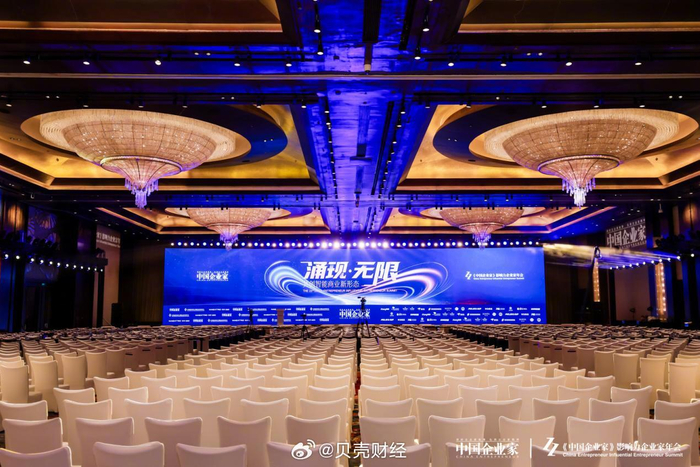
Core Insights - The 2025 (23rd) Influence Entrepreneur Annual Conference was held in Beijing, focusing on the theme "Emergence·Infinity - Co-creating a New Form of Intelligent Business" [1] - Over 100 prominent entrepreneurs participated in nearly 60 discussions, addressing topics such as the rise of artificial intelligence, changes in consumer environments, and how to discover new growth drivers [1][2] - The conference emphasized the transformative impact of artificial intelligence on various industries, highlighting the need for entrepreneurs to rethink value creation and organizational structures [2][7] Group 1: Artificial Intelligence and Business Transformation - The conference theme aligns with the national strategy to implement "Artificial Intelligence+" actions, which aims to accelerate scientific discovery and promote intelligent upgrades in enterprises [2] - Discussions highlighted that AI is reshaping the economic landscape and business logic at an unprecedented pace, necessitating a transformation in corporate strategies and cultures [7] - The emergence of various AI applications, particularly in the transition from large model technologies to intelligent agents, was a focal point of the discussions [6] Group 2: Industry-Specific Insights - The automotive industry is experiencing a dual advancement of oil and electric vehicles, with a notable acceleration in intelligence and export capabilities [3] - The low-altitude economy is transitioning from concept to reality, with discussions on the commercialization of low-altitude scenarios such as logistics and travel [4] - The global expansion of Chinese enterprises is evolving into a comprehensive output of technology ecosystems, value concepts, and global responsibilities [4] Group 3: Cultural Confidence and Corporate Governance - Cultural confidence is closely linked to effective corporate governance, with discussions on how to integrate cultural values into business operations [5] - Entrepreneurs shared experiences on how personal decisions can significantly impact company trajectories and individual destinies [5] - The importance of internal focus and innovation in navigating the complexities of the current global economic landscape was emphasized [8]
“2025还没正式结束,2026已经露出獠牙”
3 6 Ke· 2025-12-08 02:36
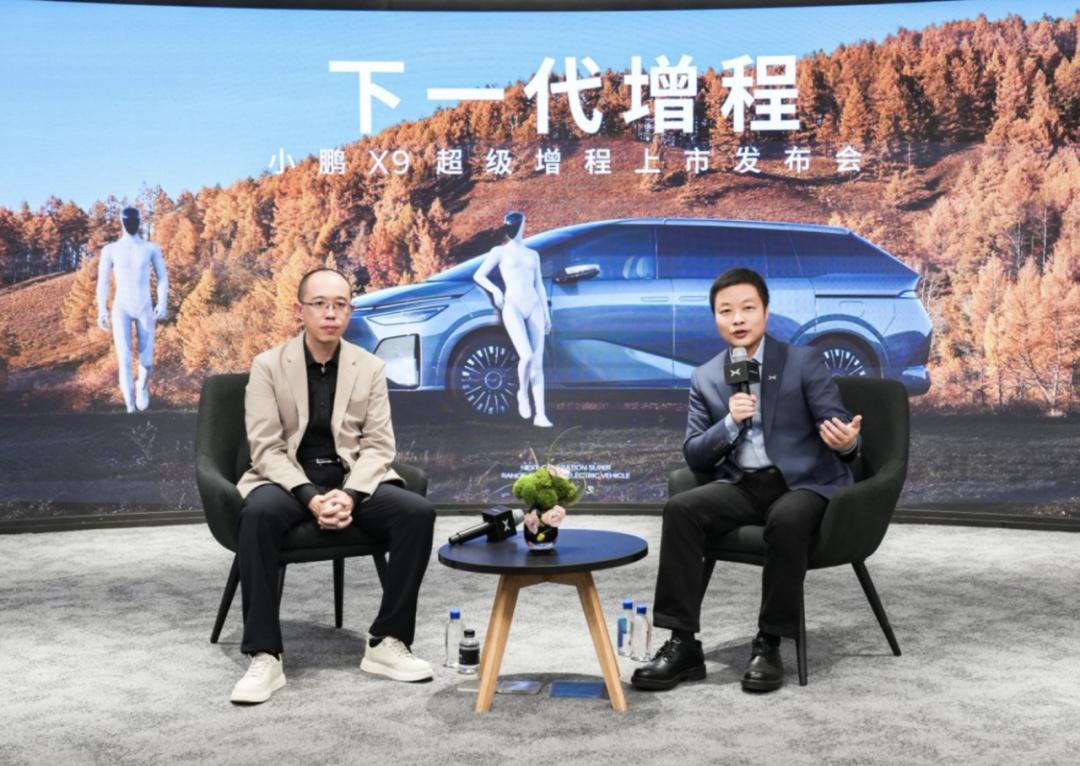
Core Viewpoint - The Chinese automotive market is entering a phase of intensified competition, with industry leaders acknowledging that the battle for market share will become increasingly brutal in the coming year [3][6][10]. Industry Insights - Executives from major automotive companies express a shared sentiment that the competition in the Chinese car market is escalating, with no signs of stabilization until at least 2035 [3][6]. - The market is expected to be saturated with new products across various segments, leading to fierce competition among both established and emerging players [3][5]. - The transition to a "stock competition" era is evident, as the rapid growth phase of the Chinese automotive market has ended, giving way to a more challenging environment for many manufacturers [8][10]. Market Dynamics - The withdrawal of subsidies and tax incentives is anticipated to further exacerbate the market's cooling trend, making the first quarter of the next year particularly difficult for many companies [8][10]. - Companies like Li Auto and NIO are experiencing sales fluctuations, with NIO's delivery numbers showing a decline in November, reflecting broader market challenges [8][10]. - The competitive landscape is likely to lead to price wars, concentrating resources among leading manufacturers while pushing weaker players out of the market [10][12]. Strategic Responses - Companies are adopting various strategies to navigate the competitive landscape, with some focusing on increasing the frequency of new product launches to maintain market presence [12][14]. - Others, like Li Auto, advocate for a more measured approach, suggesting that fewer, well-timed product releases can be more effective than a rapid-fire strategy [14]. - The emphasis is on enhancing operational efficiency, precise market positioning, and customer-centric innovation to thrive in the evolving market [12][14].
明年买车,赚到了,刹车偷偷升级了
3 6 Ke· 2025-12-08 02:36
Core Viewpoint - The introduction of the EMB (Electric Motor Brake) technology is expected to significantly enhance automotive safety by eliminating traditional hydraulic systems and allowing for more precise control of braking systems, thus marking a major upgrade in vehicle safety standards [1][24]. Group 1: EMB Technology Overview - EMB is a fully electric control braking system that replaces traditional hydraulic systems, allowing each wheel to be independently controlled by an electric motor [6][8]. - The technology promises a response time of under 100 milliseconds and eliminates the need for hydraulic fluid, which can lead to delays in braking response [8]. - EMB represents a shift from mechanical to intelligent systems in vehicles, aligning with the industry's move towards smarter automotive technologies [24]. Group 2: Safety and Standards - The new national standard GB21670-2025 has been established to regulate EMB technology, emphasizing safety redundancy and functional safety levels [9][12]. - The standard requires that in the event of a primary power failure, a backup power source must take over within 5 seconds to ensure continuous operation of the braking system [12]. - EMB systems must achieve the highest safety level in automotive electronics (ASIL D), which necessitates rigorous testing and redundancy in both hardware and software [13][14]. Group 3: Cost Implications - The implementation of EMB technology is expected to increase vehicle costs by 30% to 50% compared to existing EHB systems due to the stringent safety requirements and advanced technology involved [16]. - Potential cost reduction strategies include integrated design to minimize component count and economies of scale through localized production [16][20]. Group 4: Market Adoption and Future Outlook - EMB technology is likely to be adopted first in electric vehicles and high-end models, as these segments demand lightweight and efficient braking systems [22]. - The commercial viability of EMB is supported by the new national standards and the growing emphasis on safety in the automotive industry, which is becoming a key competitive factor [20][24]. - As the penetration of electric vehicles increases, EMB technology is expected to become more widespread, potentially extending to commercial vehicles as well [23].
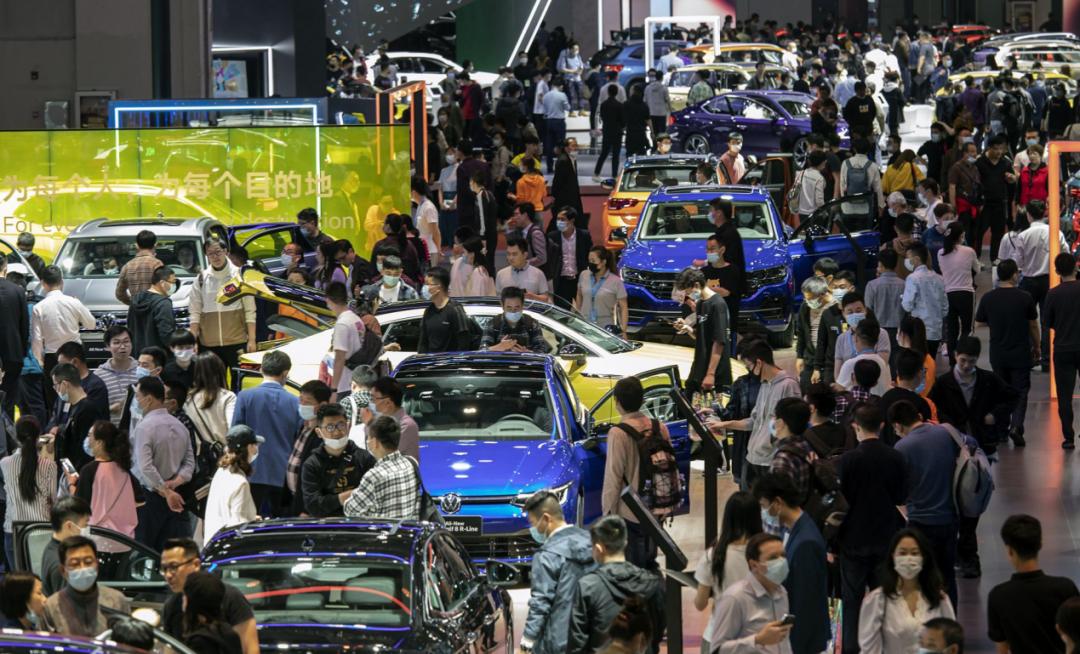
理想“背水一战”:MEGA召回、L系列滞销,百亿研发能否换来“具身智能”未来?
Xin Lang Cai Jing· 2025-12-08 02:14
Core Viewpoint - Li Auto is facing its most severe test since its establishment, with significant declines in revenue and net loss reported in the third quarter, marking the end of 11 consecutive quarters of profitability [2][24][26]. Financial Performance - In Q3, Li Auto reported revenue of 27.365 billion RMB, a year-on-year decline of 36.2%, and a net loss of 624 million RMB, compared to a profit of 2.821 billion RMB in the same period last year [3][26]. - Vehicle sales revenue for Q3 was 25.9 billion RMB, down 37.4% year-on-year and 10.4% quarter-on-quarter, attributed to a decrease in vehicle deliveries [6][28]. - The total vehicle deliveries in Q3 were 93,211 units, a 39.0% decrease year-on-year, while competitors like NIO and Xpeng saw significant growth in their deliveries [6][28]. Future Outlook - The company expects Q4 deliveries to decline further, projecting a drop of 37% to 30.7%, with total revenue anticipated to be between 26.5 billion and 29.2 billion RMB, reflecting a year-on-year decrease of 34.2% to 40.1% [13][35]. - Li Auto has revised its annual sales target for 2025 from 700,000 to 640,000 units, with cumulative deliveries reaching only 328,916 units by October, indicating less than 60% of the target achieved [8][31]. Challenges and Strategic Shifts - Li Auto's CEO, Li Xiang, indicated that the company is returning to a startup model, moving away from a professional management structure, and aims to innovate through self-developed AI and hardware technologies [18][39]. - The company is facing challenges in its range-extended electric vehicle (REEV) segment, which has seen a decline in market share due to increased competition and the maturation of the market [14][36]. - Li Auto's flagship pure electric model, MEGA, has faced criticism and has not replicated the success of its REEV models, contributing to the overall decline in sales [15][37]. Financial Health - As of Q3 2025, Li Auto's cash reserves stood at 98.9 billion RMB, but the company is experiencing cash flow issues, with a net cash outflow of 7.4 billion RMB compared to a net inflow of 11 billion RMB in the same period last year [11][35]. - The company reported a free cash flow deficit of 8.9 billion RMB, indicating a significant deterioration in financial health [11][33]. Market Position - Li Auto is the only new energy vehicle manufacturer among its peers to report a revenue decline in Q3, contrasting sharply with the growth reported by NIO and Xpeng [6][28]. - The company's stock price has also suffered, dropping over 33% from its peak in September, reflecting investor concerns about its future performance [15][37].


AI眼镜取代不了手机,它想“干掉”传统眼镜
3 6 Ke· 2025-12-08 00:50
Core Insights - The current trend in AI glasses is not to replace smartphones but to replace traditional glasses with smart features. The focus is on creating high-quality eyewear that integrates AI technology [7][4]. Market Overview - In the past two months, 20 AI glasses have been launched in the Chinese market, including products from major companies like Baidu, Lenovo, and Alibaba, as well as startups like Rokid and Yingmu Technology [1]. - There are approximately 5 billion smartphone users globally, while the number of people who wear glasses is around 2 billion, indicating a significant market opportunity for AI glasses [2]. - The decision-making process for purchasing AI glasses is simplified for nearsighted individuals, as many are already spending hundreds to thousands of yuan on traditional glasses [3]. Competitive Landscape - The AI glasses market is becoming increasingly competitive, with five main categories of participants: smartphone manufacturers, internet giants, established AR glasses companies, new automotive players, and traditional eyewear brands collaborating with tech companies [4]. - IDC predicts that global shipments of smart glasses will reach 12.8 million units by 2025, with a 26% year-on-year growth, and the Chinese market alone is expected to exceed 2.75 million units, growing by 107% [4]. Product Development - The current AI glasses lack a "killer application" that makes them indispensable, which is a challenge for widespread adoption [6]. - A good pair of glasses must meet basic requirements of comfort and style, and partnerships between tech companies and traditional eyewear brands are a direct approach to achieving this [8][9]. - The weight of AI glasses is a critical factor; for instance, Ray-Ban Meta weighs 49 grams, significantly lighter than previous AR devices, while traditional prescription glasses weigh between 20-30 grams [13]. User Experience - AI glasses currently offer limited functionality, primarily focused on navigation and translation, and there is a gap between user expectations and the current capabilities of these devices [17]. - The most clear and irreplaceable function of AI glasses is hands-free recording, which is particularly useful in scenarios where users need to capture video without using their hands [19][21]. - Battery life remains a concern, with mainstream products offering 7-18 hours of usage, but improvements are being made, such as charging cases and replaceable components [17]. Future Outlook - The future of AI glasses is seen as a combination of AI and AR, aiming for a seamless integration of virtual and real-world experiences [28]. - The potential for AI glasses to become a primary interface for AI interaction is significant, with the possibility of them replacing smartphones in the long term [30]. - The market for specialized AI glasses, such as those designed for visually impaired users, represents an untapped opportunity that could address specific needs without requiring major technological breakthroughs [29].


中国电动车专家电话会-2026 年本土需求与出口展望速览-China Auto_EV Expert call_ outlook for local demand and exports in 2026E Quick Note
2025-12-08 00:41
Summary of the Expert Call on China Auto/EV Market Outlook Industry Overview - **Industry**: China Auto/EV - **Focus**: Local demand and exports outlook for 2026E Key Takeaways 1. **Declining Market Demand**: Market demand has been on a declining trend since late October 2025, primarily due to the expiration of national subsidies [1][2][3] 2. **Subsidy Standards**: There is a likelihood of higher standards for subsidies in 2026E to ensure healthy growth, despite anticipated impacts on demand [1][2] 3. **Export Focus**: Exports are expected to become a key focus for Chinese OEMs to mitigate the effects of a potentially muted local market [1][2][10] 4. **Battery and Technology Trends**: The trend towards larger batteries and increased intellectualization in vehicles will be significant as the industry aims for high-quality growth [1][11] Market Dynamics 1. **Order Trends**: Orders have been declining since mid-late October 2025, with a notable slump in November as customers await national subsidies [3][4] 2. **OEM Performance**: Weekly orders for major OEMs have decreased, with BYD at less than 70k units and Geely at less than 30k units for its Galaxy brand [4] 3. **EV Penetration Rate**: The discount ratio for ICE car models is decreasing, leading to a record-high monthly EV penetration rate, expected to exceed 60% in November 2025 [5] Policy Outlook 1. **Tightening Policies**: A tightening policy is anticipated for 2026, with potential continuation of trade-in/scrapping policies until the end of 2027E [6][8] 2. **Subsidy Adjustments**: Future trade-in subsidies may be based on a percentage of the average selling price (ASP) of vehicles, potentially reducing discounts for lower-end models [6][8] Competitive Landscape 1. **Impact of EV Tax Exemption**: The reduction of the EV purchase tax exemption in 2026 may slightly benefit ICE models, while upgraded hybrid cars could challenge low-end PHEV models [9] 2. **Luxury Brand Challenges**: Luxury brands are facing significant challenges, with many BMW dealerships closing and shifting focus towards NEV players [9] Export Strategies 1. **Government Support for Exports**: The Chinese government is encouraging exports, with many OEMs expanding their international presence [10] 2. **Global Market Expansion**: BYD, Chery, and Geely have established over 1,000 shops in overseas markets, while Leapmotor and XPENG are also increasing their international footprint [10] Future Trends 1. **Technological Advancements**: The focus will shift from price wars to technology and platform upgrades, with large-size batteries and advanced intelligent features becoming essential for competitiveness [11] This summary encapsulates the critical insights from the expert call regarding the future of the China auto market, highlighting both challenges and opportunities as the industry navigates through changing demand dynamics and policy landscapes.
A股申购 | “宁德时代战略供应商商纳百川开启申购 从事新能源车动力电池热管理产品研发
Zhi Tong Cai Jing· 2025-12-07 22:41
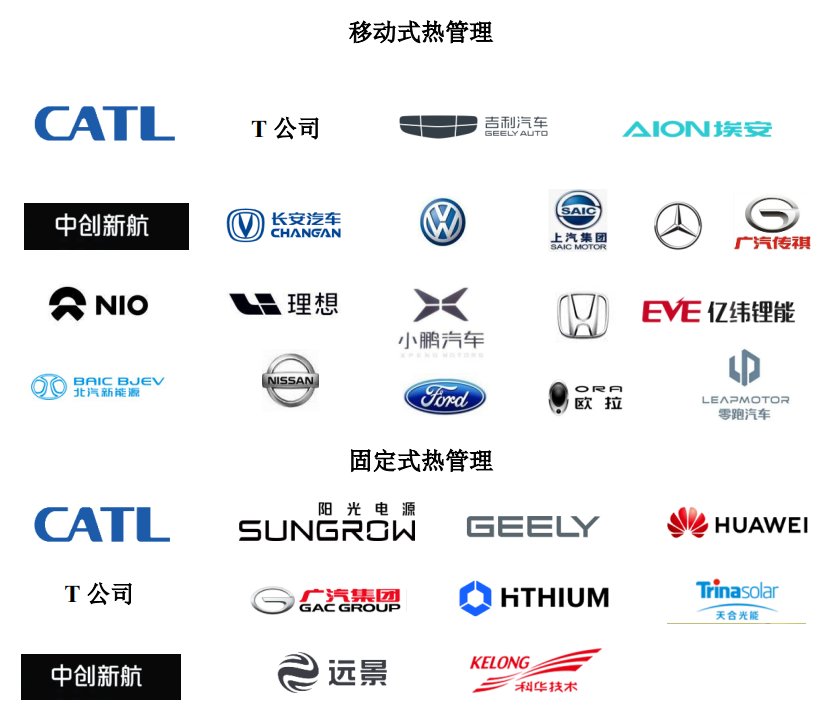
Core Viewpoint - Nabaichuan (301667.SZ) has initiated its subscription on December 8, with an issue price of 22.63 yuan per share and a maximum subscription limit of 0.65 million shares, reflecting a price-to-earnings ratio of 28.7 times [1] Group 1: Company Overview - Nabaichuan focuses on the research, production, and sales of thermal management products for new energy vehicle power batteries, fuel vehicle power systems, and energy storage batteries [1] - The company has been collaborating with CATL since 2012 and is a strategic supplier for various automotive brands including NIO, Xpeng, and Geely [1] Group 2: Financial Performance - The company reported revenues of approximately 1.031 billion yuan, 1.136 billion yuan, and 1.437 billion yuan for the years 2022, 2023, and 2024 respectively, with net profits of about 113 million yuan, 98.25 million yuan, and 95.43 million yuan during the same periods [3] - For the first nine months of 2025, the company expects a revenue growth of 22.26% to 35.18% compared to the same period in 2024, and a net profit increase of 19.79% to 33.10% [3] Group 3: Financial Metrics - As of December 31, 2022, the total assets were 1.265 billion yuan, with equity attributable to shareholders at 431 million yuan [4] - The company’s asset-liability ratio was 56.26% in 2022, decreasing to 51.91% by March 31, 2025 [4] - The basic earnings per share were 1.35 yuan in 2022, dropping to 0.18 yuan in the first quarter of 2025 [4]