
奔驰

Search documents
奔驰段建军:蓄力、再次腾飞,2026年做好三件事
Zhong Guo Jing Ji Wang· 2026-01-16 13:13
Core Insights - 2025 is a challenging year for Mercedes-Benz, with a shrinking luxury car market above 400,000 yuan and a product update cycle that is in its later stages [1][3] - Despite market challenges, Mercedes-Benz aims to strengthen its presence in China by focusing on product and service enhancements [1][4] Market Trends - The market share for vehicles priced above 400,000 yuan is expected to decline from 6.3% to 5.2%, while the share for vehicles priced between 300,000 and 400,000 yuan will drop from 9.0% to 8.4% [3] - Conversely, vehicles priced below 50,000 yuan and in the 50,000 to 100,000 yuan range are seeing growth, with shares increasing from 2.6% to 3.5% and from 11.5% to 13.8%, respectively [3] Sales Performance - Mercedes-Benz plans to deliver over 575,000 new vehicles to Chinese customers in 2025, maintaining a leading market share in the core luxury segment and the high-end luxury market [3] - The annual delivery of the Mercedes-Maybach GLS SUV is projected to grow by nearly 14% [3] Product Strategy - The company will introduce over 15 new and updated models, covering various luxury segments and drive types, including the new electric platforms MB.EA, AMG.EA, and VAN.EA [4] - Key upcoming models include the new electric GLC SUV and the next-generation S-Class sedan, set to launch within the year [4] Digital Transformation - Mercedes-Benz is accelerating the upgrade of its entire vehicle lineup with intelligent features, including multiple over-the-air software updates for models equipped with the MB.OS operating system [4] - The company is focusing on enhancing retail experiences and digital operations through AI applications for customer communication and service [4] Sustainability Initiatives - The company is committed to sustainable development, promoting a green transition and aiming for a "dual 6 million" milestone in vehicle and engine production [5] - Mercedes-Benz is also involved in social initiatives, including a youth education project that is expected to benefit over 100 schools nationwide [5] Long-term Vision - The CEO emphasizes the importance of product quality, service excellence, and continued investment in China as key strategies for the company's future [7]

全球六大汽车冬测地:“极寒坐标系”下的另类温度
Guan Cha Zhe Wang· 2026-01-16 12:18
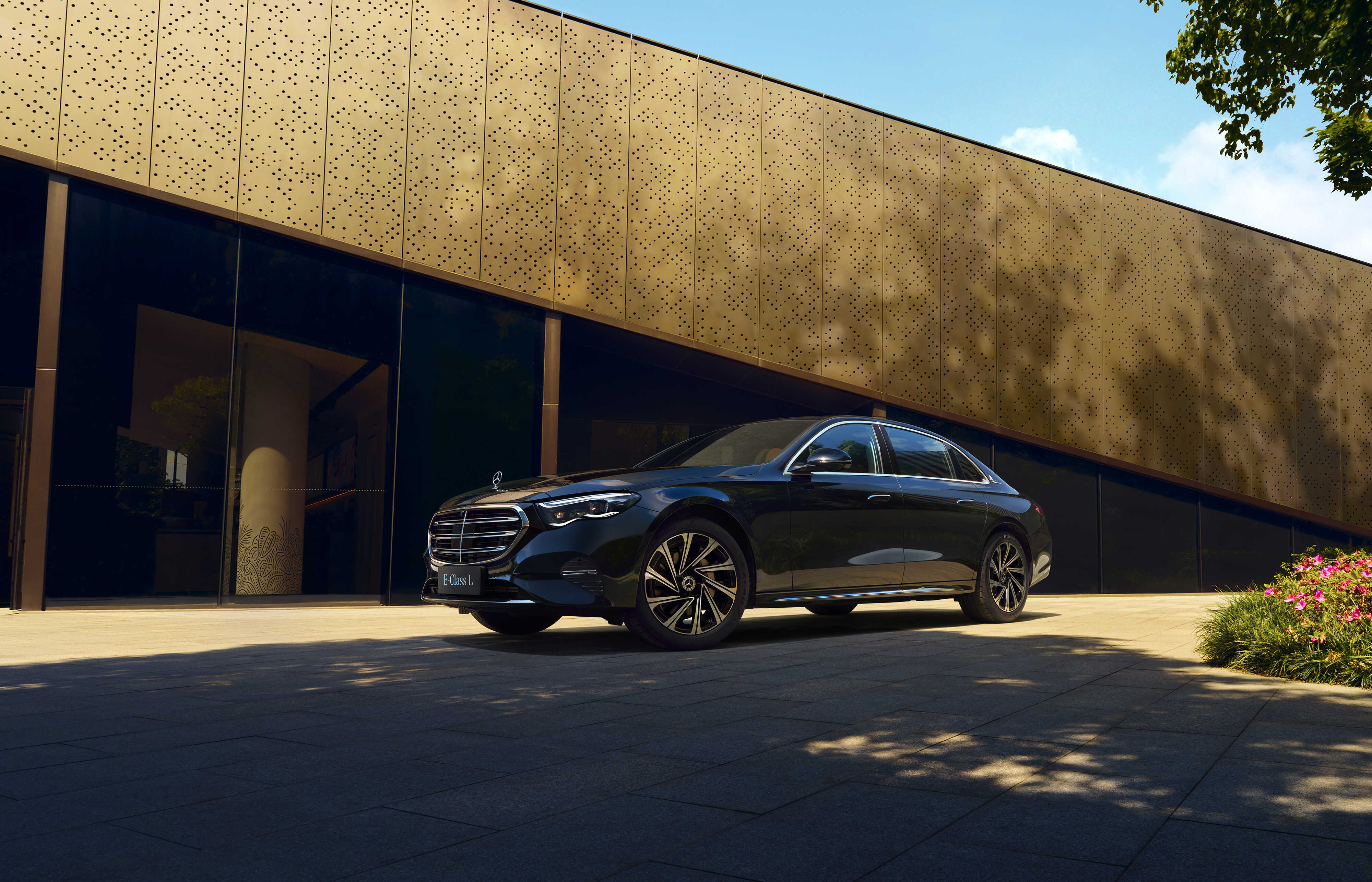
(文/观察者网 张家栋、王勇 编辑/高莘) 据1月16日央视报道,近期国家网信办协同工信部等部门整治汽车行业网络乱象时,通报了最新一批典 型案例。其中提及,部分媒体平台开展所谓"冬测""智驾横评"等不规范测评项目,并通过相关账号发布 以偏概全的汽车测评类信息,误导社会公众对汽车产品质量、功能性能等方面的认知。 事实上,在汽车研发体系中,冬季测试从来不是"可有可无"的附加环节,更不是为营销而缔造的噱头。 它更像是整车工程中最接近物理边界的一段旅程——当温度跌破零下二三十摄氏度,几乎所有系统都会 进入"异常态":电池活性骤降,橡胶与塑料变脆,润滑油黏度上升,电子元件的响应延迟被放大,传感 器开始面对雪雾、反光、结冰的干扰。 "冬测"不是冷就行 近期,多家车企向观察者网表示,真正的冬测并不是为了证明"车还能跑",而是要确认在最差的自然条 件下,这辆车是否依然可控、可预测、可被信任。 奔驰冬测场景 奔驰强调,冬测的核心价值不在某一个参数,而在"系统稳定性":"在冰雪路面上,底盘控制、转向系 统、制动系统、热管理,以及辅助驾驶传感器的协同能力,都会被放大。我们关注的不只是'能不能 跑',而是车辆在低附着路面上的行为是否 ...
曾经遥遥领先的德国制造,为何骤然“跌落神坛”?
3 6 Ke· 2026-01-16 11:09
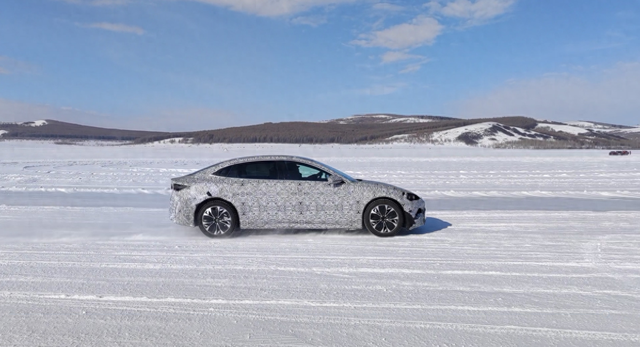
Group 1 - The core manufacturing industry in Germany is facing significant challenges, with a record number of bankruptcies expected in 2025, reaching 17,604 cases, the highest since 2005 [1][2] - Major companies, including Volkswagen, BMW, and Bosch, are experiencing factory closures and layoffs, with 471 companies with annual revenues exceeding €10 million filing for bankruptcy, a 25% increase year-on-year [1][2] - The manufacturing sector's contribution to Germany's GDP was 26.6% in 2021, but the industry is now under severe pressure from both internal and external factors, leading to a decline in production and profitability [2][3] Group 2 - Germany's reliance on imported energy, particularly natural gas, which accounts for about 25% of its primary energy consumption, is a critical vulnerability, exacerbated by geopolitical tensions [4] - The manufacturing sector's dependence on exports, which constitute over one-third of GDP, has made it susceptible to trade protectionism and market fluctuations, leading to idle capacity and shrinking profits [4][5] - The automotive industry, a cornerstone of German manufacturing, is particularly affected, with a 27.4% drop in electric vehicle sales in 2024 and a projected decline in domestic production [14][16] Group 3 - The rise of Asian manufacturing, particularly in sectors like electric vehicles and semiconductors, is encroaching on Germany's traditional manufacturing strengths, with significant market share losses reported [6][7][8] - Germany's manufacturing costs are significantly higher than those of competitors, with labor costs 22% above the average of 27 surveyed industrial countries, prompting companies to relocate production [11][12] - Foreign investments in Germany are crucial for revitalizing the manufacturing sector, with 1,724 foreign investment projects reported in 2024, particularly in electronics, energy, and logistics [25] Group 4 - The German defense industry is being viewed as a potential savior for the manufacturing sector, with increased defense spending expected to double demand in the sector [20][21] - Companies like Rheinmetall are successfully transitioning to defense, reporting significant profits compared to their automotive divisions [21] - However, this shift may lead to structural imbalances in the economy, as the defense sector's closed supply chains may not support the broader manufacturing ecosystem [24][26]
9系双旗舰重塑50万级豪华市场,极氪的“破壁”方法论
Jing Ji Guan Cha Wang· 2026-01-16 10:58
Core Insights - The Chinese luxury car market is undergoing significant changes, with traditional luxury brands experiencing a decline in sales while domestic brands like Zeekr are gaining market share [1][2][3] Group 1: Market Dynamics - In 2025, traditional luxury brands saw a decline in imported car sales, with some brands experiencing a drop of over 60% year-on-year due to inventory pressure and slow electrification [2] - Conversely, Chinese high-end brands such as Zeekr, NIO, and Li Auto are steadily increasing their market share in the 300,000 to 500,000 yuan price range [2] - The shift in consumer perception among high-net-worth individuals in China is a key driver of this change, moving from valuing brand history to prioritizing technological advancement and smart experiences [3] Group 2: Product Innovation - The Zeekr 9X is recognized for its technological superiority over traditional luxury SUVs, achieving over 1,000 kilometers of range and exceptional performance through its 900V architecture [4] - The Zeekr 009 has also established itself as a leader in the MPV segment, demonstrating the brand's understanding of luxury beyond vehicle categories [5] Group 3: Global Expansion - Zeekr is transitioning from merely exporting products to a comprehensive global strategy that includes localizing products, channels, and services in various markets [7] - The brand has received international recognition, being praised as a leading global brand from China, indicating a shift from manufacturing to intelligent manufacturing and branding [8] Group 4: Strategic Integration - Zeekr's integration with its parent company Geely has allowed it to focus on long-term product development and user experience without the pressures of short-term profitability [9] - This integration provides Zeekr access to Geely's extensive resources, enhancing its ability to compete in the luxury market [9] Group 5: User Engagement - Zeekr has initiated a "communication transparency revolution," making key information accessible to users and inviting them to supervise service processes [11] - The brand's "mystery experience officer" program engages users in the feedback process, ensuring quality control from the customer's perspective [12] Group 6: Brand Evolution - Zeekr has successfully transitioned from a nascent brand to a significant player in the luxury market, showcasing that Chinese automotive brands can achieve high market scale and brand value [13]
鸡肋L3,奔驰不玩了
3 6 Ke· 2026-01-16 09:18
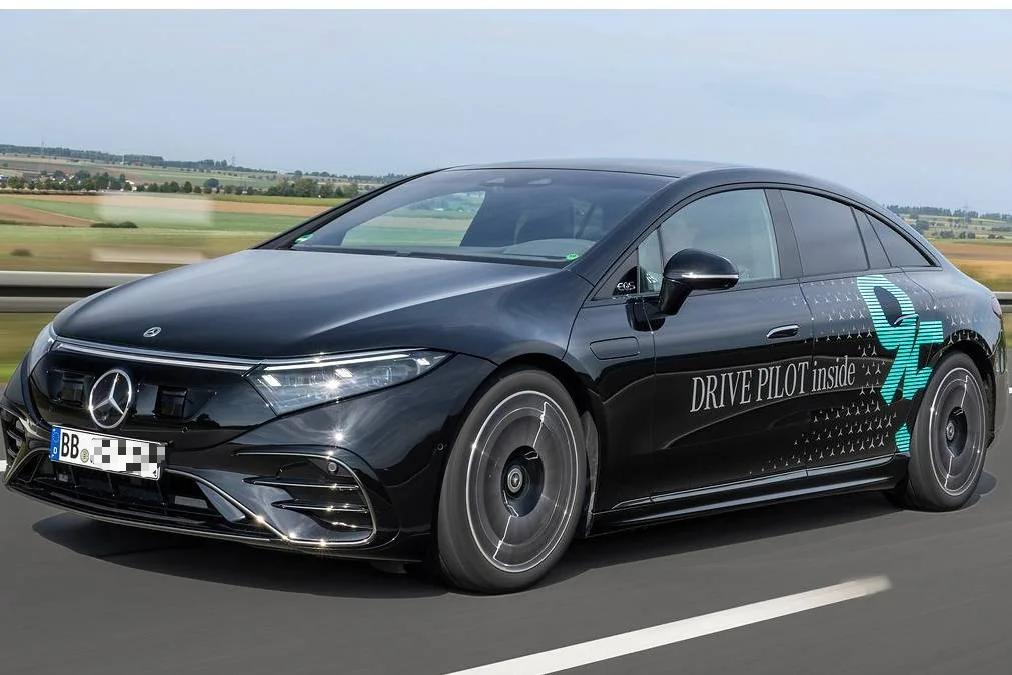
Core Viewpoint - Mercedes-Benz has decided to abandon its L3 autonomous driving system, focusing instead on L2+ and L4 technologies, as L3 has proven to be impractical and limited in its application [1][2][7]. Group 1: Company Actions - Mercedes-Benz, a pioneer in L3 technology, will no longer supply L3 systems and will concentrate on developing L2+ assisted driving systems [2][5]. - The company had previously developed the Drive Pilot system, which allowed conditional L3 autonomous driving, but this feature will not be included in the upcoming S-Class model [5][7]. - Mercedes-Benz is collaborating with Momenta for L2 systems and with NVIDIA for L4 systems, indicating a strategic shift away from L3 [5][7]. Group 2: Industry Context - The L3 autonomous driving level has been criticized for its strict operational conditions, which limit its usability and user experience [4][7]. - Industry players have varying attitudes towards L3; while some, like Huawei, are optimistic, others, including Tesla, are focusing on L2 and L4 without emphasizing L3 [7][8]. - The current trend in the industry suggests a move away from L3, with companies like NIO and XPeng prioritizing L4 development over L3, reflecting a broader shift in technological focus [8][9].
【快讯】每日快讯(2026年1月16日)
乘联分会· 2026-01-16 08:50
Domestic News - Hangzhou's "15th Five-Year Plan" aims to accelerate the development of two trillion-level industrial clusters in artificial intelligence and visual intelligence, focusing on nine key areas including intelligent robots, integrated circuits, and new energy equipment [7] - Shanghai has implemented a traffic congestion model at 360 intersections, resulting in a 12.9% increase in average vehicle speed at trial intersections, with traffic accidents expected to decrease by 2.7% and fatalities by 7% by 2025 [9] - BAIC Group and Hyundai Motor are deepening strategic cooperation to accelerate the transformation of Beijing Hyundai [10] - China National Building Material Group and Chery Automobile have signed a strategic cooperation agreement to focus on new materials for industries such as new energy vehicles and robotics [11] - Xiaomi plans to lower the safety mileage requirement for its urban navigation assistance feature to enhance user experience, with a target of 1,000 kilometers set for 2024 [12] - Dongfeng's solid-state battery, with an energy density of 350Wh/kg, is undergoing extreme cold testing in Mohe, demonstrating significant performance in low temperatures [13] - Zeekr's 007GT has launched in Europe, with prices in the Netherlands ranging from 374,000 to 467,000 RMB [14] - Baidu's Robotaxi service has quietly expanded to approximately 20 cities nationwide, with significant investments in smart connected vehicle testing projects [15] International News - General Motors plans to invest $1 billion in the Mexican manufacturing sector over the next two years, focusing on projects aimed at domestic demand [17] - South Korea's automotive exports are projected to reach a record $72 billion in 2025, marking a 1.7% increase from 2024 [18] - Honda's U.S. division aims for a sales target of 1.5 million vehicles by 2026, employing a balanced strategy of hybrid, fuel, and electric models [19] - Mercedes-Benz is expanding its electric vehicle charging network to Canada, with the first three fast-charging stations now operational [20] Commercial Vehicles - The Xiangling V5 gas engine product has been launched in the southwest region, targeting logistics solutions for various sectors [21] - Dongfeng's Rui Lida has completed extreme cold testing, demonstrating superior performance in low-temperature conditions [22] - Shaanxi Automobile is set to unveil three strategic new products at its upcoming partner conference [23] - The Yuanmeng Super VAN has achieved a 212% year-on-year sales increase in 2025, maintaining the top market share in the new energy wide-body light truck segment [25]

受中国市场需求疲软及欧盟网络安全新规影响 保时捷2025年交付量下滑10%
Xin Lang Cai Jing· 2026-01-16 08:19
德国跑车制造商保时捷于周五发布公告称,公司2025年全球汽车交付量同比下滑10%,与奔驰、 BMWYY>宝马等德国同行一道陷入业绩疲软的局面。 该车企表示,尽管北美市场销量保持稳定增长,但公司在中国、德国及欧洲其他地区的销量分别大幅下 滑26%、16%和13%。 该车企在一份声明中表示,欧洲市场销量下滑是受欧盟网络安全法规的影响;而在中国市场,保时捷不 仅面临豪华车细分市场的严峻竞争环境,还需应对纯电动车型领域的激烈角逐。 该车企在一份声明中表示,欧洲市场销量下滑是受欧盟网络安全法规的影响;而在中国市场,保时捷不 仅面临豪华车细分市场的严峻竞争环境,还需应对纯电动车型领域的激烈角逐。 保时捷称,2025年其全球交付量中,纯电动车型占比达22.2%,插电式混合动力车型占比为12.1%。 该公司指出:"这使得纯电动车型的全球销量占比达到了2025年20%至22%既定目标区间的上限。" 责任编辑:李肇孚 德国跑车制造商保时捷于周五发布公告称,公司2025年全球汽车交付量同比下滑10%,与奔驰、 BMWYY>宝马等德国同行一道陷入业绩疲软的局面。 保时捷2025年共交付汽车279449辆,而2024年的交付量为310 ...
东方证券:镁铝性价比逆转 新材料应用奇点将至
Zhi Tong Cai Jing· 2026-01-16 03:57
Core Viewpoint - Magnesium-aluminum price ratio has dropped to historical lows, and with technological breakthroughs, the economic and performance advantages of magnesium alloys are becoming evident, opening up space for replacing aluminum materials [1][2]. Group 1: Price Dynamics and Market Outlook - The magnesium-aluminum ratio is at a historical low of 0.75, which is only 0.4% of its historical range, indicating that magnesium alloys will have cost-effectiveness when the ratio is below 1.2-1.3 [2]. - The demand for aluminum is expected to increase significantly by 2025 due to steady growth in comprehensive demand, limited domestic capacity, insufficient overseas expansion, and various project disruption risks [2]. Group 2: Technological Advancements - Traditional disadvantages of magnesium alloys, such as poor corrosion resistance and immature processing equipment, are being addressed with advancements in semi-solid forming technology [3]. - Domestic manufacturers like Yizhiming are developing large-scale semi-solid forming equipment, which can produce magnesium alloy products with mechanical and corrosion properties comparable to die-cast aluminum alloys [3]. Group 3: Application Growth in Key Industries - The application of magnesium alloys in the automotive sector is accelerating, with major manufacturers like Mercedes-Benz, Ford, SAIC, and FAW increasing their use in vehicle body and chassis systems [4]. - Global demand for magnesium alloys in the automotive sector is projected to grow from 950,000 tons in 2024 to 5.12 million tons by 2030, representing a 4.4-fold increase with a CAGR of 32% [4]. - The humanoid robot industry is expected to experience explosive growth in magnesium alloy demand as several manufacturers begin mass production of commercial robots in 2026 [4]. Group 4: Investment Recommendations - The magnesium industry is entering a "singularity moment" as the penetration rate of magnesium alloys in the automotive and humanoid robot sectors increases, leading to accelerated order releases from leading manufacturers [5]. - Recommended investment targets include Baowu Magnesium Industry and Xingyuan Zhuomai [5].


汽车公司或降价或补贴,但没能迎来预想中的“开门红”
Xin Lang Cai Jing· 2026-01-16 03:48
Core Insights - The Chinese automotive market in 2026 has not experienced the anticipated "opening red" sales, with significant declines in both retail and wholesale figures for passenger vehicles compared to the previous year [1][10] - The adjustment of the new energy vehicle (NEV) purchase tax from full exemption to a 50% reduction has led to increased vehicle costs, impacting consumer purchasing decisions [1][11] - Despite promotional efforts from over 20 automakers to mitigate the effects of policy changes, consumer sentiment remains cautious, with many opting to wait for better deals [4][5][10] Market Performance - From January 1 to January 11, 2026, retail sales of passenger vehicles reached 328,000 units, a 32% decrease year-on-year, while wholesale figures were 381,000 units, down 40% year-on-year [1] - The penetration rate of NEVs has dropped significantly, with retail penetration at 35.5% and wholesale at 43.9%, both below the 50% average of 2025 [1] Consumer Behavior - Consumers are increasingly comparing NEVs with traditional fuel vehicles due to the increased cost of NEVs, with a price difference of around 10,000 yuan influencing purchasing decisions [2][5] - Many consumers are adopting a wait-and-see approach, seeking to compare various brands and waiting for potential discounts before making a purchase [5][10] Promotional Strategies - Over 20 automakers have introduced promotional policies, including price reductions and extended financing options, to attract buyers amid declining sales [4][5] - BMW has made significant price adjustments, with some models seeing reductions of over 300,000 yuan, reflecting the competitive landscape in the luxury car market [4][5] Inventory and Production - The delivery times for previously popular models have shortened, indicating a shift in demand and production capacity [7] - Some automakers are facing inventory pressure, with certain models being offered at substantial discounts to clear stock [8][10] Industry Trends - The automotive industry is shifting from a focus on price competition to value competition, with an emphasis on product quality and technological advancements [14][15] - The market is expected to see a growth in the 15 to 20 million yuan NEV segment, as automakers adjust their strategies to focus on this profitable market [11][14] Future Outlook - The overall automotive market in China is projected to reach 34.75 million units in 2026, with NEVs expected to grow by 15.2% to 19 million units [14] - The industry is anticipated to undergo a transformation as it adapts to policy changes and consumer preferences, with a focus on enhancing product value and expanding into international markets [14][15]


镁行业系列报告一:奇点已至,镁业腾飞
Orient Securities· 2026-01-16 02:21
Investment Rating - The report maintains a "Positive" investment rating for the magnesium industry [7]. Core Viewpoints - The magnesium industry is approaching a "singularity moment" as the penetration of magnesium alloys in the electric vehicle and humanoid robot sectors accelerates, with leading manufacturers expected to see a rapid release of orders [4][14]. - The magnesium-aluminum ratio is at a historical low, opening up cost-effective opportunities for magnesium to replace aluminum in various applications [10][12]. - Technological advancements are addressing the corrosion resistance and processing challenges of magnesium alloys, facilitating broader application [10][11]. Summary by Sections 1. Lightweight Cycle Review - The penetration rate of magnesium alloys has lagged behind expectations, particularly in the electric vehicle sector, where the aluminum usage per vehicle is significantly higher than that of magnesium [23][24]. 2. Low Magnesium-Aluminum Ratio - The magnesium-aluminum ratio has dropped below 1, indicating that magnesium alloys are becoming more economically viable compared to aluminum [10][12]. - The supply of aluminum remains tight due to high overseas electricity prices and operational challenges, while the magnesium supply is gradually stabilizing [34][46]. 3. Technological Breakthroughs - Advances in semi-solid forming technology are improving the mechanical properties and corrosion resistance of magnesium alloys, thus expanding their application potential [10][11][32]. - The demand for lightweight materials in electric vehicles and humanoid robots is increasing, with projections indicating a significant rise in magnesium alloy usage [10][12][41]. 4. Summary - The magnesium industry is expected to experience growth driven by increasing demand and supply optimization policies, benefiting leading magnesium refining companies [54][56]. 5. Listed Companies - Key investment targets include Baowu Magnesium Industry (002182, Buy) and Xingyuan Zhuomag (301398, Not Rated), both of which are positioned to benefit from the industry's growth [4][14].
