奔驰

Search documents
新能源车全年渗透率首超燃油车
Mei Ri Shang Bao· 2026-01-14 23:16
Core Insights - In 2025, China's passenger car retail reached 23.744 million units, a year-on-year increase of 3.8%, with new energy vehicles (NEVs) surpassing 57% penetration rate, marking a significant shift in market dynamics [1] - BYD topped the global pure electric vehicle sales with 4.6024 million units, while China's total vehicle exports exceeded 7 million units, setting a new historical record [1] - The competition in the automotive market has shifted from price wars to value comparisons, with models like Geely's Xingyuan and Wuling's Hongguang MINIEV leading their respective segments [1] Industry Performance - In the 2025 sales rankings, domestic brands occupied seven out of the top ten spots, with NEVs leading significantly; Geely's Xingyuan sold 465,775 units, becoming the annual "dark horse" [2] - Wuling Hongguang MINIEV ranked second with 435,599 units sold, contributing nearly half of SAIC-GM-Wuling's NEV sales [2] - The top three models included Nissan's Sylphy, which sold 319,990 units, maintaining a strong market presence despite the rise of NEVs [2] New Entrants and Innovations - Among new entrants, Xiaomi's SU7 performed well with 258,164 units sold, but faced challenges due to safety concerns and controversies [3] - Leap Motor led the new force segment with 596,600 units sold, achieving a completion rate of 119.3%, marking it as the fastest-growing new force brand [3] Upcoming Models and Market Trends - The 2026 automotive market is set to intensify with the release of several flagship models, focusing on diverse technologies and smart features [4] - New models include Xiaomi's SU7, which is set to launch at a starting price of 229,900 yuan, and NIO's flagship SUV ES9, aimed at competing with luxury models like BMW X7 and Mercedes GLS [4] - The market is expected to shift from "incremental expansion" to "stock competition," with domestic brands pushing for high-end development and joint ventures accelerating technological transitions [5]

奔驰 S 级将迎“史上幅度最大改款”,新车 1 月 29 日发布
Xin Lang Cai Jing· 2026-01-14 14:09
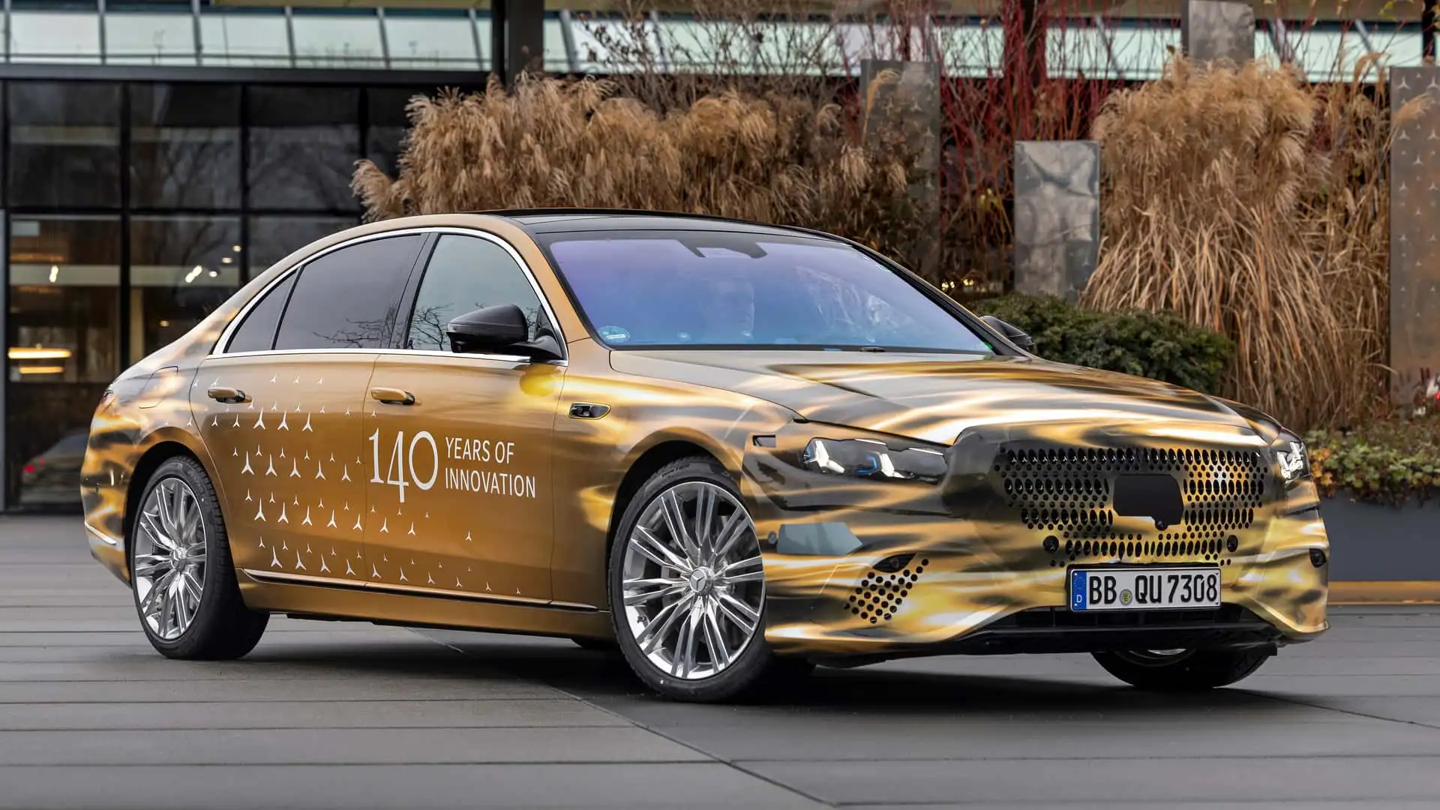
Core Insights - The Mercedes-Benz S-Class mid-cycle facelift will be officially launched on January 29, featuring the most extensive update in the model's history with approximately 2,700 new or redesigned components [1][7]. Powertrain Enhancements - The S450 and S500 models will be upgraded to the "M256 Evo" inline-six engine, with maximum torque increased to 600Nm, and a temporary boost to 640Nm via overboost [4][10]. - The higher-end S580 version will feature the "M177 Evo" flat-crank V8 engine, delivering 530 horsepower and 750Nm of torque, representing a significant improvement over the previous generation [6][10]. - The plug-in hybrid S580e will also see an upgrade, with system power increased by 74 horsepower and an expected electric range of over 100km under WLTP conditions [6][10]. - All gasoline versions will incorporate particulate filters and upgraded fuel systems, while diesel models will meet stricter emissions standards with the "OM 656 Evo" engine and will be the first to use electric heating catalysts for improved cold-start emissions [10]. Chassis and Suspension Improvements - The new model will feature rear-wheel steering as standard, with a steering angle of 4.5 degrees, and an optional 10 degrees to significantly reduce the turning radius of the long-wheelbase version [11]. - The air suspension system has been further optimized, allowing for pre-adjustment of damping based on cloud-based road condition data to enhance comfort [11].

2025城市NOA汽车辅助驾驶研究报告发布 搭载城市NOA功能的乘用车销量超300万辆
Zhong Zheng Wang· 2026-01-14 13:18
Core Insights - The report indicates that 2025 will be a pivotal year for the commercialization of urban NOA (Navigation Assisted Driving) in China, with rapid market growth expected [1] - By 2030, urban NOA is projected to become a mainstream feature in assisted and autonomous driving [1] Group 1: Market Growth and Projections - In the first three quarters of 2025, new car sales in China with Level 2 (L2) driving assistance features increased by 21.2% year-on-year, achieving a penetration rate of 64%, expected to rise to 66.1% by the end of 2025 [1] - By November 2025, cumulative sales of passenger cars equipped with urban NOA reached 3.129 million units, with a penetration rate of 15.1%, an increase of 5.6 percentage points compared to the entire year of 2024 [2] Group 2: Industry Dynamics and Competitiveness - Major automotive manufacturers are accelerating the adoption of intelligent driving assistance, with domestic brands accounting for 81.1% of urban NOA-equipped passenger car sales, totaling 2.5373 million units [2] - Global automotive brands, including Mercedes-Benz, BMW, Audi, Cadillac, Buick, and Toyota, are collaborating with leading domestic third-party suppliers to achieve breakthroughs in intelligent driving assistance [2] Group 3: Future Outlook and Challenges - The Ministry of Industry and Information Technology anticipates that by 2030, combined driving assistance and connected collaborative functions will be widely adopted, with advanced autonomous driving features entering the market at scale, potentially creating trillions in value for the automotive industry [2] - Challenges remain for the high-quality development of NOA, including insufficient core technology, the need for enhanced data security and computing power, and the necessity for a more comprehensive standards and regulatory framework [2]
欧盟为何在贸易战最后一刻踩刹车?两年较量背后,中国靠三张王牌逼出大和解
Sou Hu Cai Jing· 2026-01-14 13:18
Group 1 - The core issue revolves around the escalating trade tensions between the EU and China, particularly concerning electric vehicles and rare earth materials, with a significant increase in China's rare earth magnet exports to the EU by 21% in one month [1] - The EU initiated an anti-subsidy investigation into Chinese electric vehicles in October 2023, leading to a potential tariff of up to 35.3%, which prompted China to retaliate with investigations into European products [4] - The EU's decision to allow Chinese car manufacturers to raise prices instead of imposing tariffs indicates a strategic retreat, as Chinese electric vehicles are already priced 50% to 100% higher in Europe, yet still see a 91% increase in sales [4][9] Group 2 - The EU's reliance on Chinese rare earth materials, which account for 90% of global processing, poses a significant risk to its green transition and high-end manufacturing if China restricts exports [7] - Internal divisions within the EU regarding tariffs on Chinese electric vehicles highlight the economic implications, with countries like Germany opposing tariffs due to fears of losing access to the Chinese market [8] - The compromise reached between the EU and China reflects a recognition of China's competitive advantage in technology, supply chains, and cost control, leading to a shift towards cooperation rather than confrontation [9]
价格承诺替代高额关税,中欧车企受益几何?
2 1 Shi Ji Jing Ji Bao Dao· 2026-01-14 12:21
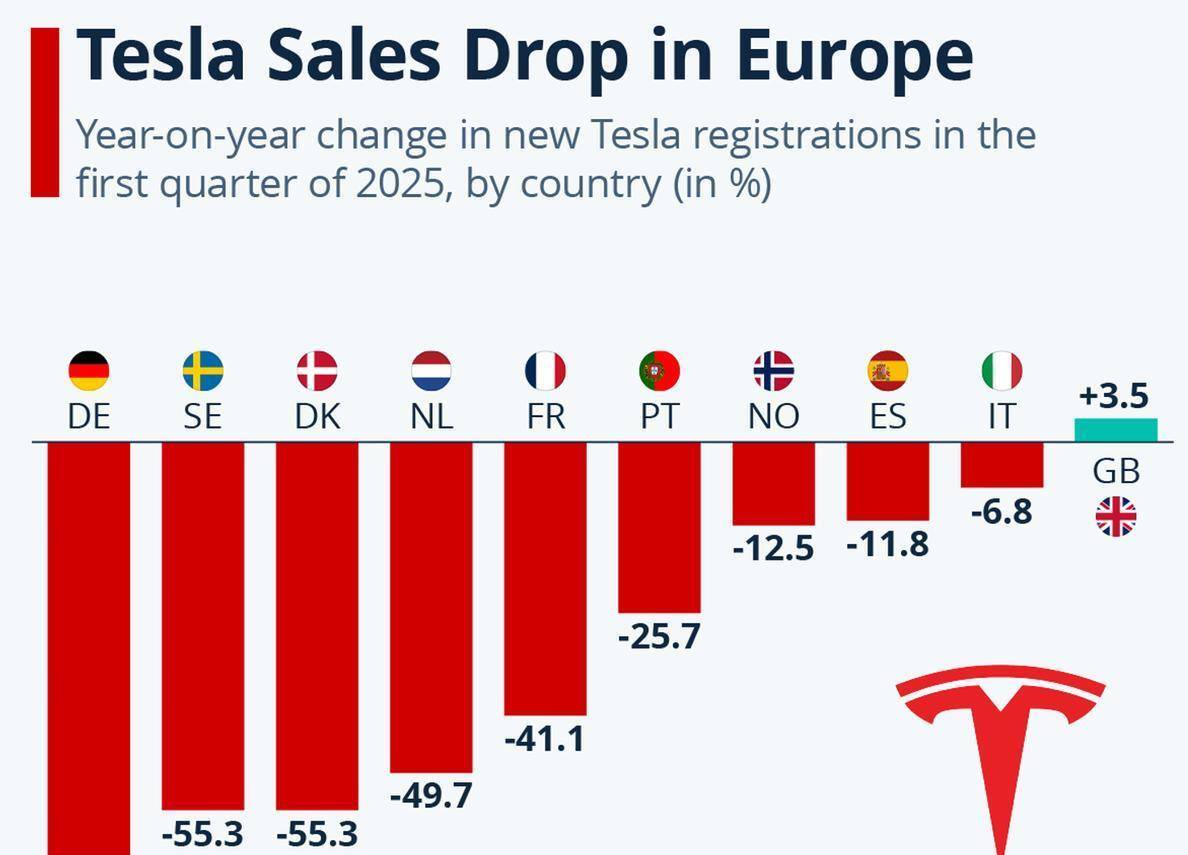
Core Viewpoint - The negotiations regarding the EU's anti-subsidy measures on Chinese electric vehicles have made significant progress, with the EU set to issue guidelines for price commitment applications, allowing Chinese manufacturers to potentially avoid high tariffs by committing to minimum pricing [1][2]. Group 1: Negotiation Progress - The EU will release guidelines for Chinese electric vehicle manufacturers to submit price commitment applications, which could exempt them from anti-subsidy tariffs [1][2]. - The EU's anti-subsidy investigation began in October 2023, with high tariffs set to be imposed in October 2024, but recent negotiations have led to a more favorable outcome for Chinese manufacturers [1][2]. Group 2: Tariff Implications - Chinese electric vehicle manufacturers faced tariffs ranging from 17.0% to 35.3%, with an overall import tax potentially reaching 45.3% when combined with the EU's 10% import duty [2]. - The new agreement allows manufacturers to replace these tariffs with price commitments, which could enhance profit margins and provide a more stable market environment for expansion in Europe [2][3]. Group 3: Market Dynamics - Despite the new pricing commitments, experts believe that the retail prices of Chinese electric vehicles in Europe will not significantly change, maintaining a high price point compared to domestic sales [3]. - The average selling price of Chinese electric vehicles in Europe is estimated to be around €25,000, while the average for all imported electric vehicles is approximately €30,000, indicating a substantial markup for Chinese models [4]. Group 4: Competitive Landscape - Chinese brands like BYD and SAIC have seen significant growth in the EU market, with BYD's registrations increasing by 240% year-on-year, while other brands like Xpeng and Leap Motor have also reported explosive growth [8]. - In contrast, Tesla's market share in the EU has declined, highlighting the increasing competitiveness of Chinese electric vehicles in the region [8]. Group 5: Industry Collaboration - The new agreement is expected to foster deeper collaboration between European and Chinese automakers, with European companies looking to China for battery and smart technology advancements [9][10]. - Recent investments, such as CATL's joint battery factory with Stellantis in Spain and BYD's new factory in Hungary, indicate a trend towards closer ties and shared technological development between the two regions [10].
对手更惨,特斯拉第四季度美国电动汽车份额大增至59%
Feng Huang Wang· 2026-01-14 01:08
Core Insights - The article highlights Tesla's significant increase in market share in the U.S. electric vehicle (EV) market, reaching 59% in Q4, up from 41% in the previous quarter, as competitors struggle without government subsidies [1] - Tesla sold 138,000 electric vehicles in the U.S. during Q4, benefiting from economies of scale that allow it to maintain profitability while keeping prices relatively low [1] Group 1: Tesla's Performance - Tesla's Cybertruck sales were disappointing, with only 20,237 units sold in the U.S. last year, which is nearly half of the expected sales for 2024, and a 68% year-over-year decline in Q4 [2] - Despite the Cybertruck's poor performance, Tesla's overall market dominance remains strong due to its production efficiency and scale [5] Group 2: Competitors' Struggles - Most competitors lack the sales volume and production efficiency of Tesla, leading to higher manufacturing costs and potential losses [3] - Ford's market share in Q4 was only 6%, Rivian's was 4%, and General Motors managed just over 10%, with GM incurring a $6 billion charge due to cuts in its U.S. EV plans [3] - Ford abandoned a large EV project due to unprofitability, resulting in a $20 billion impairment charge, while Rivian continues to operate at a loss [3][4] Group 3: Industry Trends - The end of federal EV subsidies has led many manufacturers to reconsider or abandon their EV plans, as achieving large-scale production is critical to avoid ongoing losses [4] - Companies like Mercedes and Stellantis have halted or scaled back their EV initiatives, indicating a broader trend of caution in the industry [3]

奔驰:2026年在中国市场推超15款新车 继续推进数字化落地
Xin Jing Bao· 2026-01-13 13:49
Core Insights - In 2026, Mercedes-Benz plans to enhance its product offerings, luxury services, and customer experience in the Chinese market, with over 15 new and updated models expected to launch [1][2] - The luxury car market in China is facing challenges, particularly in the segment priced above 400,000 yuan, which is experiencing a contraction [1] - Despite market fluctuations, Mercedes-Benz has maintained a leading position in the luxury segment, with a reported global sales figure of 2.16 million units in 2025, including over 575,000 units sold in China [1] Group 1 - Mercedes-Benz will introduce over 15 new and updated models in 2026, including the new long-wheelbase electric GLC SUV and the next-generation S-Class [2] - The company aims to implement a product strategy focusing on both traditional and electric vehicles, ensuring a diverse lineup that caters to various luxury market segments [2] - The brand's flagship model, the Maybach GLS SUV, saw a nearly 14% increase in annual deliveries in 2025, indicating strong demand in the high-end luxury market [2] Group 2 - Mercedes-Benz has adjusted its business expectations in response to market changes and product lifecycle challenges, while still achieving its basic business goals [1] - The company plans to enhance its digital capabilities by rolling out multiple over-the-air software updates for vehicles equipped with the MB.OS operating system in 2026 [2] - AI-powered smart cockpit features and advanced driver assistance systems are set to be integrated across the entire product lineup within the next 12 to 18 months [2]
必须得承认, 2025年问界在30万以上市场表现明显好于理想
理想TOP2· 2026-01-13 12:21
Core Insights - The article provides a detailed analysis of the sales performance of various automotive brands in the high-end market segment (vehicles priced above 300,000 yuan) for the years 2024 and 2025, highlighting significant changes in rankings and sales volumes among competitors [1][2]. Sales Performance Summary - In the period from January to November 2025, the sales figures for vehicles priced above 300,000 yuan are as follows: - Li Auto sold approximately 164,000 units, ranking fifth - Aito (问界) sold about 245,000 units, ranking third - NIO sold around 52,000 units, ranking eleventh - Tesla sold approximately 29,000 units, ranking sixteenth [1][2]. - Comparing the sales from January to November 2024, the figures were: - Li Auto: 281,000 units - Aito: 135,000 units - NIO: 122,000 units - Tesla: 2,000 units [1]. - The total sales for 22 brands in the same price segment in 2025 reached 1,992,000 units, a decrease of 204,000 units (9.29%) from 2,196,000 units in 2024 [2]. Brand Performance Changes - The absolute sales change for brands with significant fluctuations in the high-end segment includes: - Li Auto: -117,000 units - Audi: -116,000 units - Aito: +110,000 units - NIO: -70,000 units - Toyota: -69,000 units - Mercedes-Benz: -54,000 units - BMW: -43,000 units - Lynk & Co: +40,000 units [3]. Average Price Analysis - The average prices for vehicles in the high-end segment for 2025 are approximately: - Mercedes-Benz (including Maybach): 426,000 yuan - BMW: 333,000 yuan - Audi: 281,000 yuan - Aito: 381,000 yuan - Li Auto: 303,000 yuan - NIO: 305,000 yuan [4]. - Li Auto's average price is higher than Audi's but lower than Aito's by about 78,000 yuan [4].


从AI眼镜到高阶智驾:CES释放电子产业链多终端进化信号
Ge Long Hui· 2026-01-13 08:47
Group 1: Wearable Devices and IoT - AI glasses and camera headphones remain the focus of wearable devices, with over 50 companies participating, primarily from mainland China, emphasizing aesthetics, lightweight design, all-day wear, multimodal interaction, and multi-chip solutions [1] - The innovation in headphones has shifted from single audio performance to a comprehensive evolution of sound quality, AI, and multimodal capabilities, with some products integrating cameras and environmental sensing [1] - New IoT categories such as smart imaging devices, 3D printers, and NAS are gaining attention, with many startups entering the market, alongside creative new products in AI home, AI recording cards, and AI displays [1] Group 2: Automotive Industry - AI is driving the intelligent upgrade of the entire automotive chain, with high-level autonomous driving expected to achieve large-scale implementation [2] - Chip manufacturers like NVIDIA are releasing open-source AI models to accelerate technology penetration and commercialization in the autonomous driving sector [2] - Domestic automakers such as Geely and Great Wall are showcasing their AI systems, while international companies like Mercedes and Jaguar Land Rover are partnering with AI giants to enhance their capabilities [2] Group 3: Robotics - Home and service robots are continuously upgrading, with traditional vacuum robots evolving to cover more cleaning scenarios and showcasing new intelligent models [3] - Humanoid robots remain a focal point, with companies demonstrating robots capable of complex movements and interactions [3] - The participation of domestic electronic industry companies in showcasing robotic components and manufacturing products has increased significantly [3] Group 4: PCs and Smartphones - Lenovo has introduced a cross-device super intelligent entity, Lenovo Qira, and partnered with NVIDIA for a new AI cloud super factory initiative, showcasing a range of AI-integrated devices [4] - Chip companies are upgrading edge chips to enhance the PC experience, with major players like Intel, Qualcomm, and AMD leading the advancements [4]



大众ID.ERA 9X、蔚来ES9等 1月工信部新车盘点
Zhong Guo Zhi Liang Xin Wen Wang· 2026-01-13 06:56
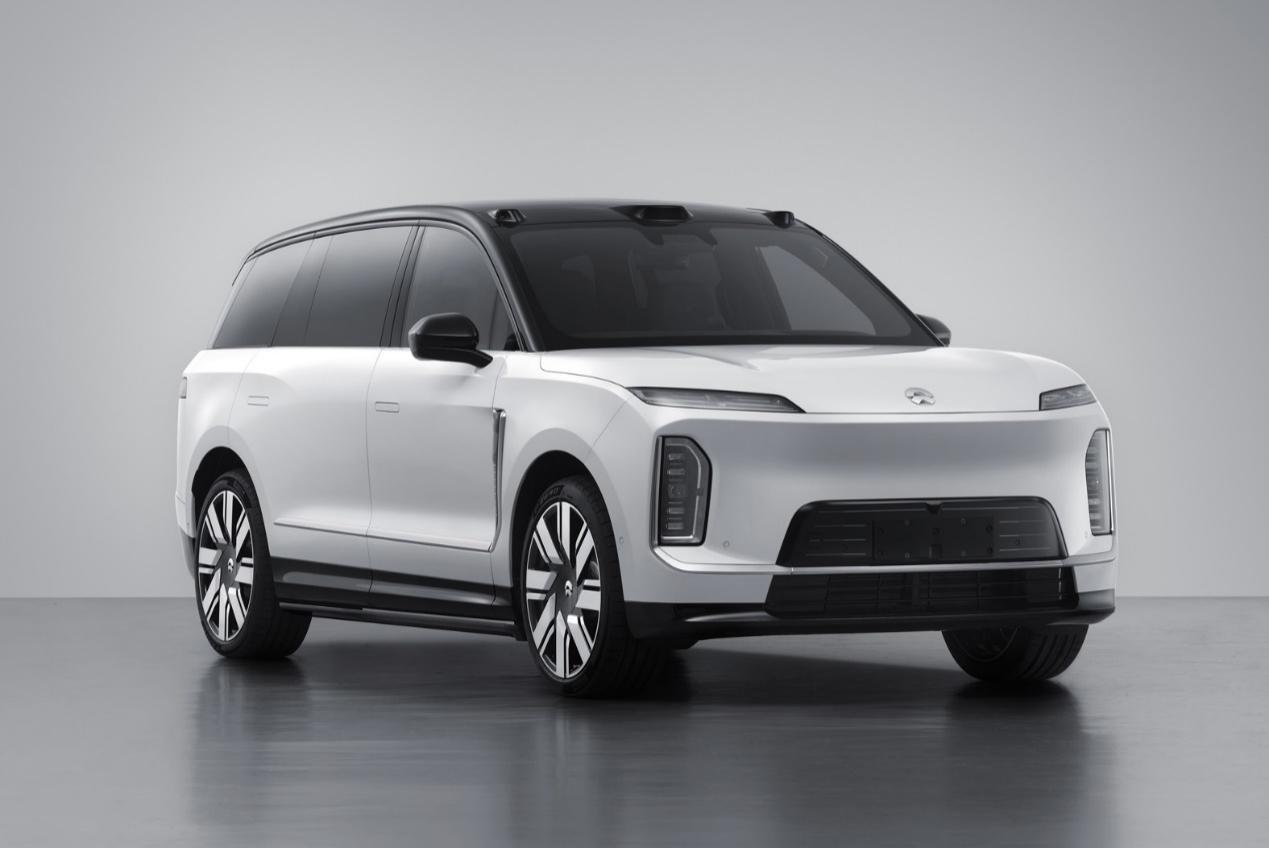
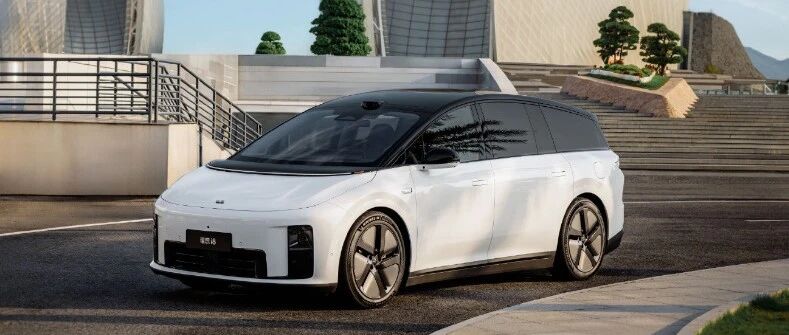
Group 1 - The Ministry of Industry and Information Technology announced the 403rd batch of "Announcement of Production Enterprises and Products of Road Motor Vehicles," featuring several new vehicles set to debut at the 2026 Beijing Auto Show [1] - NIO's ES9 is positioned as a full-size SUV with dimensions of 5365×2029×1870mm and a wheelbase of 3250mm, starting with a curb weight of 2845kg [3][5] - The Volkswagen ID.ERA 9X is a large range-extended SUV featuring a new design language, with dimensions of 5207×1997×1810mm and a wheelbase of 3070mm [4][5] Group 2 - The ID.ERA 9X offers single and dual motor versions, with peak power outputs of 160kW and 220kW for the dual motor version, and a range of battery options including 51.1kWh and 65.2kWh [7] - Leap Motor's D19 is a large SUV with both pure electric and range-extended versions set to launch in April, featuring a two-tone body and various customizable options [8] - The new Xiaomi SU7 has three configurations with pre-sale prices ranging from 229,900 to 309,900 yuan, expected to launch in April [13] Group 3 - The new generation Xiaomi SU7 features enhanced safety with standard laser radar and driving assistance systems, maintaining a similar design to the current model [15][17] - The Mercedes-Benz all-electric GLC is built on the MB.EA platform, with dimensions of 4949×1970×1710mm and a wheelbase of 3027mm, offering a design consistent with its fuel-powered counterpart [19] - The Zhijie V9, as the first MPV from Hongmeng Zhixing, features a 7-seat layout and dimensions of 5359×2009×1859mm, with a dual motor setup providing a total peak power of 463kW [20][21]