万辰集团

Search documents
大消费行业 2026 年 1 月金股推荐
Changjiang Securities· 2025-12-29 14:31
Investment Rating - The report maintains a "Buy" rating for all recommended stocks in the consumer sector [11][12][13][14][16][17][21][22]. Core Insights - The report highlights nine advantageous sectors within the consumer industry, including agriculture, retail, social services, automotive, textiles, light industry, food, home appliances, and pharmaceuticals, with key stock recommendations for January 2026 [4][7]. - The report emphasizes the expected growth and profitability of the recommended companies, projecting significant increases in net profits and improvements in cash flow over the next few years [11][12][13][14][16][17][21][22]. Summary by Sector Agriculture - Recommended Stock: Muyuan Foods (牧原股份) - Projected net profits for 2025-2027 are 154.9 billion, 160.2 billion, and 225.5 billion respectively, with corresponding PE ratios of 18, 17, and 12 [11][27]. Retail - Recommended Stock: Shangmei Co., Ltd. (上美股份) - Projected net profits for 2025-2027 are 11.2 million, 14.0 million, and 17.0 million respectively, with corresponding PE ratios of 24, 19, and 16 [12][27]. Social Services - Recommended Stock: Jinjiang Hotels (锦江酒店) - Projected net profits for 2025-2027 are 9.53 million, 10.57 million, and 11.63 million respectively, with corresponding PE ratios of 28, 25, and 23 [13][27]. Automotive - Recommended Stock: Top Group (拓普集团) - Projected net profits for 2025-2027 are 27.8 million, 34.1 million, and 43.3 million respectively, with corresponding PE ratios of 45, 37, and 29 [14][27]. Textiles - Recommended Stock: HLA (海澜之家) - Projected net profits for 2025-2027 are 21.6 million, 23.1 million, and 24.5 million respectively, with corresponding PE ratios of 14, 13, and 12 [16][17][27]. Light Industry - Recommended Stock: Craft Home (匠心家居) - Projected net profits for 2025-2026 are 9.2 million and 12.0 million respectively, with corresponding PE ratios of 22 and 17 [17][27]. Food - Recommended Stock: Wancheng Group (万辰集团) - Projected net profits for 2025-2027 are 12.81 million, 20.46 million, and 26.81 million respectively, with corresponding PE ratios of 30, 19, and 14 [18][27]. Home Appliances - Recommended Stock: Anker Innovations (安克创新) - Projected net profits for 2025-2027 are 26.57 million, 31.98 million, and 38.95 million respectively, with corresponding PE ratios of 22.5, 18.7, and 15.4 [21][27]. Pharmaceuticals - Recommended Stock: Zhaoyan New Drug (昭衍新药) - Projected net profits for 2025-2027 are 0.61 million, 0.85 million, and 0.97 million respectively, with corresponding PE ratios of 31.8, 22.9, and 19.9 [22][27].


千店巨头被传多地闭店,曾拿下5轮融资,品控频遭吐槽
2 1 Shi Ji Jing Ji Bao Dao· 2025-12-28 23:17
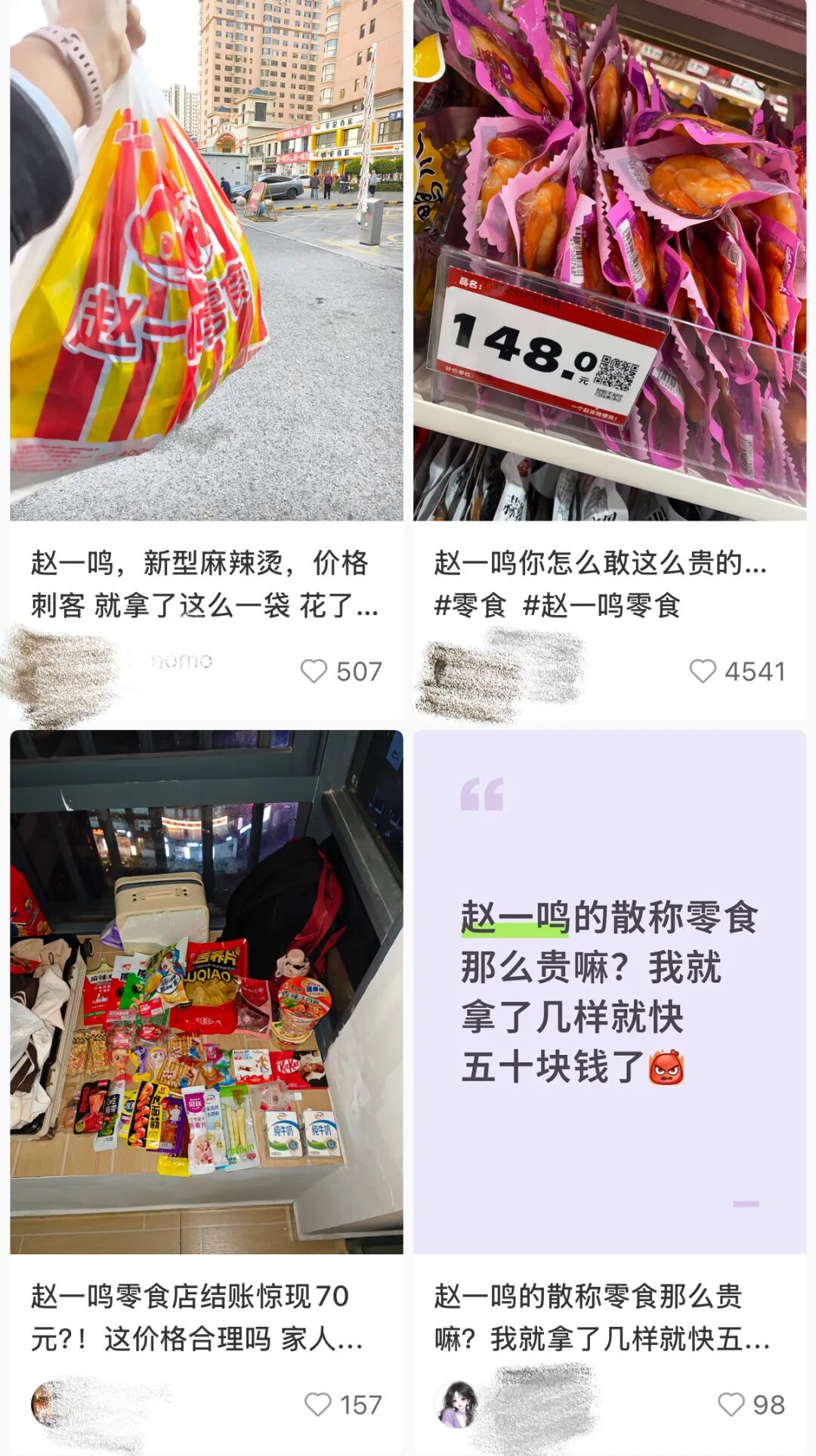
Core Insights - The discount snack market is experiencing explosive growth, with a market size increase from 40.8 billion to 1045.9 billion from 2019 to 2024, driven by young consumers [4][12] - The competitive landscape is intensifying, with major players like Meituan, JD, and Hema entering the market, putting pressure on traditional discount brands like Haote Mai [2][10] - Haote Mai, once a leading brand with nearly 1,000 stores, is now facing store closures and strategic contraction due to fierce competition and market challenges [1][2] Market Dynamics - The number of discount snack stores in China has surpassed 45,000, reflecting a growth of over 460% since 2022, indicating a rapidly expanding market driven by young consumers [12] - The demographic of consumers purchasing near-expiry products is predominantly young adults aged 19-35, who make up 65.5% of this market segment [13] - The market is projected to exceed 1500 billion by 2027, highlighting the potential for continued growth in the discount snack sector [13] Pricing and Product Quality - Many products in discount stores like Haote Mai are not significantly cheaper than those in regular supermarkets, with some items priced higher than their non-expired counterparts [3][4] - Consumer complaints regarding product quality, including issues with expired or moldy snacks, have been prevalent, indicating potential risks to brand reputation [6] - The low pricing strategy of discount snacks is largely based on selling near-expiry products and reducing supply chain costs, allowing for prices that are 20%-30% lower than traditional supermarkets [10] Competitive Landscape - The rapid expansion of brands like Zhao Yi Ming and Huan Huan has led to a significant increase in store numbers, with Zhao Yi Ming and other brands growing from 1,902 stores in 2022 to over 15,000 by mid-2025 [13] - The intense competition has resulted in some brands, including Haote Mai, closing stores and halting new franchise agreements to manage crisis situations [12][13] - The reliance on low prices and rapid expansion may not be sustainable, suggesting a need for brands to focus on product quality and supply chain optimization to build consumer trust [12]

可选消费W51周度趋势解析:A/H零食和零售板块表现亮眼,海外NIKE拖累运动服饰表现-20251228
Haitong Securities International· 2025-12-28 14:45
Investment Rating - The report assigns an "Outperform" rating to multiple companies including Nike, Midea Group, JD Group, Haier, Gree Electric, Anta Sports, and others, while Lulu Lemon is rated as "Neutral" [1]. Core Insights - The A/H snack and retail sectors have shown strong performance, while overseas Nike has negatively impacted sportswear performance [4][11]. - The report highlights a recovery in overseas consumer sectors and anticipates the implementation of supportive consumption policies in the A/H markets [3]. Performance Review by Sector - **Snacks**: The snack sector saw a weekly increase of 5.7%, with companies like Qiaqia Food and Three Squirrels rising by 6.0% and 7.5% respectively. The performance is attributed to seasonal sales and expectations for new products in Q1 2026 [5][13]. - **Retail**: The retail sector increased by 2.3%, driven by the rapid expansion of Wancheng Group's stores and positive same-store sales growth [6][14]. - **Overseas Cosmetics**: This sector rose by 2.4%, with notable increases from ELF Beauty and Estée Lauder [6][14]. - **Luxury Goods**: The luxury sector increased by 0.8%, with Samsonite benefiting from high-end consumer recovery [6][14]. - **Domestic Sportswear**: This sector experienced a decline of 0.3%, with Li Ning showing a 7.5% increase due to the opening of a flagship store [6][14]. - **Gold and Jewelry**: This sector fell by 1.9%, with Chow Tai Fook and other companies facing price increases and market volatility [6][14]. - **Overseas Sportswear**: This sector declined by 2.6%, primarily due to Nike's poor performance, which saw a 13.0% drop [6][14]. Valuation Analysis - The report indicates that most sectors are currently valued below their average over the past five years. For instance, the expected PE for the overseas sportswear sector is 31.2 times, which is 59% of its historical average [9][15]. - Other sectors such as domestic sportswear, gold and jewelry, and luxury goods also show lower expected PE ratios compared to their historical averages, indicating potential investment opportunities [9][15].
行业周报:白酒龙头抗风险能力突出,原奶供需平衡点渐行渐近-20251228
KAIYUAN SECURITIES· 2025-12-28 10:44
Investment Rating - The industry investment rating is "Positive" (maintained) [1] Core Viewpoints - The value of layout in the high-end liquor sector is becoming evident, and the optimization of raw milk supply and demand is creating investment opportunities [3][12] - The food and beverage index experienced a decline of 0.6% from December 22 to December 26, ranking 25th among 28 sectors, underperforming the CSI 300 by approximately 2.5 percentage points [12][14] - The high-end liquor industry is currently in a deep adjustment period due to slowing economic growth and insufficient consumer confidence, but there are signs of demand improvement compared to the second and third quarters [12] - The price strategy for premium liquor brands like Moutai is stabilizing, with recent prices in the range of 1500-1600 RMB, and significant price drops are not expected in the near future [12] - The raw milk supply-demand gap has slightly narrowed, with a short-term recovery in demand due to pre-holiday stocking, but long-term supply remains in surplus [4][13] Summary by Sections Weekly Insights - The liquor sector shows layout value, and the raw milk supply-demand optimization is generating investment opportunities [3][12] - The food and beverage index underperformed the market, with specific sub-sectors like health products and other foods showing relative strength [12][14] Market Performance - The food and beverage index fell by 0.6%, ranking 25th out of 28 sectors, with health products (+0.5%) and other foods (+0.0%) performing relatively better [12][14] Upstream Data - Recent data indicates a decline in some upstream raw material prices, with full-fat milk powder auction prices down 18.7% year-on-year [20][21] Liquor Industry News - Prices for premium Moutai products have increased, reflecting strong market demand and limited supply [42] Recommended Portfolio - Recommended stocks include Guizhou Moutai, Shanxi Fenjiu, and West Oat Foods, among others, focusing on companies with strong performance stability and risk resilience [5][48]





商业行业2026年度策略报告:把握多元需求,服务消费释放潜力-20251228
CMS· 2025-12-28 09:04
Group 1: Macro Retail and Service Consumption - Retail data shows that essential goods maintain resilience while optional goods exhibit differentiated performance, with social retail growth slightly slowing down due to high base effects from government subsidies [10][16] - Service retail continues to show strong growth, with a year-on-year increase of 5.4% from January to November 2025, outpacing overall social retail growth [10][18] - Travel demand is steadily releasing, with domestic tourism numbers reaching 4.85 trillion yuan, a year-on-year increase of 11.5% [18][20] Group 2: E-commerce Sector - E-commerce maintains a steady growth rate, with online retail sales of physical goods increasing by 5.7% year-on-year, surpassing the overall social retail growth [13][25] - The penetration rate of e-commerce continues to rise, reaching 25.9% of total social retail sales by November 2025, an increase of 3.6 percentage points since the beginning of the year [13][25] - The competitive landscape in e-commerce is easing, with platforms like Taobao and JD.com focusing on maintaining stable growth rather than aggressive price competition [28][36] Group 3: Retail Focus on Downstream Markets - The focus is on the resilience of consumption in lower-tier markets, with recommendations for bulk snack retailers and the "锅圈" brand, which excels in the home dining sector [5][31] - The bulk snack market is characterized by low prices and high turnover, effectively meeting consumer demand for snacks [5][31] - "锅圈" is positioned as a leader in the home dining market, leveraging its multi-channel advantages and strong supply chain [5][31] Group 4: Service Sector Recovery - The hotel industry is stabilizing with a recovery in demand, and recommendations include Huazhu Group and Atour Hotel [5][31] - The OTA sector is experiencing stronger leisure demand compared to business travel, with international business continuing to grow rapidly [5][31] - Policies aimed at boosting service consumption are expected to further stimulate demand in the travel and hospitality sectors [23][24] Group 5: Investment Recommendations - Recommended companies include Alibaba, Meituan, Pinduoduo, JD.com, and Didi Chuxing for their strong fundamentals and low valuations [2][3] - The report highlights the potential for growth in the e-commerce and service sectors, driven by favorable policies and market dynamics [5][23]

今年,消费彻底变了
Ge Long Hui A P P· 2025-12-28 08:57
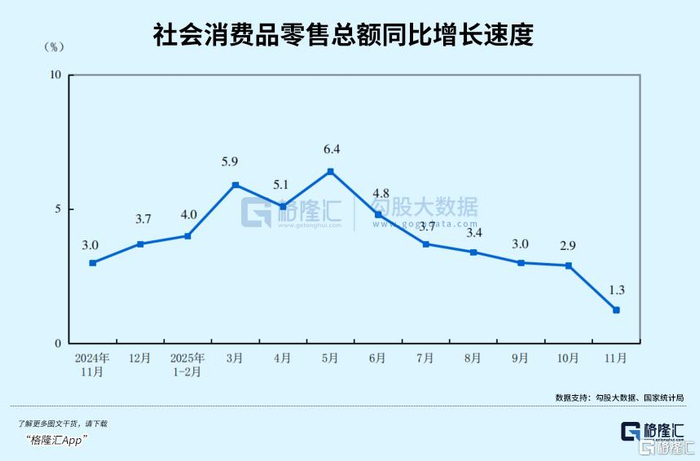
Core Insights - The consumption industry has undergone significant changes over the past year, with a shift in focus from traditional products like liquor to new consumption trends driven by emotional and social factors [1][10]. Group 1: Consumption Trends - Despite perceptions of a cooling consumption market, consumer demand has shown stability, with retail sales growing by 4.0% year-on-year in the first 11 months of this year, surpassing the 3.5% growth expected for the entire year of 2024 [4][5]. - The contribution of final consumption expenditure to economic growth reached 53.5% in the first three quarters of 2025, an increase of 9 percentage points compared to the entire year of 2024 [4]. - The concept of "new consumption" has emerged, characterized by emotional and social attributes, as seen in the popularity of brands like Bubble Mart and the rise of "self-reward" consumption [8][9]. Group 2: Consumer Behavior - Young consumers, particularly those from the Z generation, are becoming the main drivers of consumption, with 56.3% of them willing to spend on emotional value and interests, a 16.2 percentage point increase from 2024 [10][9]. - The trend of "rational consumption" is also evident, where consumers are increasingly focused on quality and value, with 47% of respondents indicating they only purchase essentials to avoid waste, while 68% are willing to spend more on products that help relieve stress [11][10]. Group 3: Market Opportunities - The second-hand economy is thriving, with platforms like Xianyu seeing a 30% year-on-year increase in transaction volume, reflecting young consumers' acceptance of "recycled consumption" [12]. - The health and wellness industry is benefiting from consumers' desire to invest in personal growth, with products like smart home devices and effective skincare gaining traction [14][13]. - The pet economy is emerging as a significant market, driven by the emotional support pets provide, with a wide range of related products and services [24]. Group 4: Future Outlook - The emotional consumption market in China is projected to reach 2.3 trillion yuan in 2024, with expectations to exceed 4.5 trillion yuan by 2029, indicating substantial growth potential [16]. - The consumption landscape is evolving into a complex ecosystem where rational and emotional consumption coexist, reshaping investment strategies and market dynamics [27].
千店巨头被传多地闭店,曾拿下5轮融资,品控频遭吐槽
21世纪经济报道· 2025-12-28 07:34
Core Viewpoint - The discount snack market is experiencing explosive growth, but competition is intensifying, leading to store closures among brands like Haotemai, which is struggling to maintain its position amidst fierce competition from both internet giants and traditional retailers [4][20]. Group 1: Market Dynamics - The discount snack market in China has seen its scale grow from 40.8 billion yuan in 2019 to 1,045.9 billion yuan in 2024 [10]. - The number of discount snack stores nationwide has surpassed 45,000, representing a growth of over 460% since 2022, driven primarily by young consumers [24]. - Young consumers aged 19-35 account for 65.5% of the consumption of near-expiry food products, making them the dominant demographic in this market [27]. Group 2: Competitive Landscape - Major players like Meituan, JD.com, and Hema are entering the discount snack sector, increasing competition for brands like Haotemai, which is now facing significant pressure to adapt [4]. - Haotemai, once a leader with nearly 1,000 stores, is now reportedly closing locations in key cities and has paused new franchise sign-ups [4][20]. - The rapid expansion of competitors such as Zhao Yiming Snacks and Wantian Group has led to a significant increase in store numbers, with Zhao Yiming reaching 9,189 stores and Wantian's brand "Haoxianglai" reaching 14,334 stores by mid-2025 [27]. Group 3: Pricing and Product Quality - Many products in discount snack stores, including Haotemai, are priced similarly to or even higher than regular supermarkets, raising questions about the actual value proposition of these stores [6][11]. - Complaints regarding product quality, including issues with expired or moldy snacks, have been prevalent among consumers, indicating potential risks to brand reputation [16]. - The low prices of discount snacks are primarily due to the sale of near-expiry products and a simplified supply chain that reduces costs by 20%-30% compared to traditional supermarkets [20].
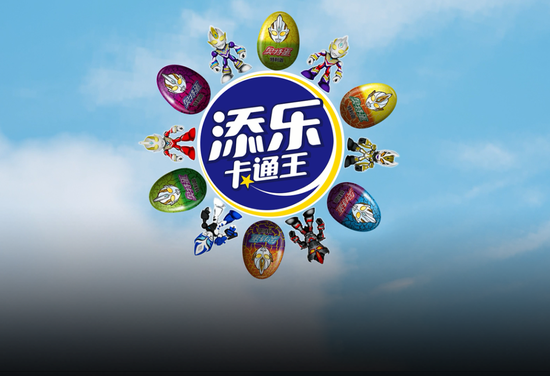
玩过“奥特蛋”吗?金添动漫冲击港股IPO:IP授权方撤资,渠道转型反噬现金流
Xin Lang Cai Jing· 2025-12-26 10:28
Core Viewpoint - The article discusses the rise of IP (Intellectual Property) in the snack industry, focusing on JinTian Animation's potential as the first "IP food play" stock in Hong Kong, while highlighting the challenges and risks associated with reliance on licensed IPs [3][52]. Group 1: Market Overview - The IP snack market in China is projected to grow from 11.5 billion yuan in 2024 to 30.5 billion yuan by 2029, with a compound annual growth rate (CAGR) of approximately 20.9%, significantly outpacing the overall retail market growth of 4.1% [6][55]. - JinTian Animation claims to be the largest IP snack company in China, achieving revenues of 877 million yuan and a net profit of 122 million yuan in 2024, capturing a market share of 7.6% [10][60]. Group 2: Product and Profitability - JinTian Animation's gross margin reached 34.7% in the first half of 2025, an increase of over 8 percentage points from 2022, while competitors like Three Squirrels and Liangpinpuzi maintained margins around 25% [5][54]. - The company's flagship product, the "Ultraman Egg," has sold 70 million units since its launch, contributing 1.27 billion yuan in revenue over three and a half years [13][62]. Group 3: Licensing and Dependency Risks - JinTian Animation relies heavily on licensed IPs, with Ultraman accounting for approximately 63% of its revenue in 2022-2023, and 43.9% in the first half of 2025 [16][65]. - The licensing agreement for Ultraman is set to expire in less than 12 months, raising concerns about the company's core revenue source if the contract is not renewed [14][63]. Group 4: Corporate Governance and Changes - The departure of key shareholder Sun Jian, who was also the controlling party of the IP licensing entity, has severed the previously strong ties between JinTian Animation and its core IP sources [19][68]. - Following Sun Jian's exit, the company's IP licensing fees have increased significantly, from 21.14 million yuan in 2022 to 36.79 million yuan in 2024, indicating rising costs amid uncertain renewal terms [23][72]. Group 5: Sales Channels and Financial Performance - JinTian Animation's revenue structure has shifted, with sales through distributors dropping from 95% of total revenue in 2022 to 55.1% in the first half of 2025, while direct sales to retailers have increased significantly [37][41]. - Despite revenue growth, the company's cash flow from operating activities has declined by 34.7% year-on-year, raising concerns about financial sustainability [43][46].
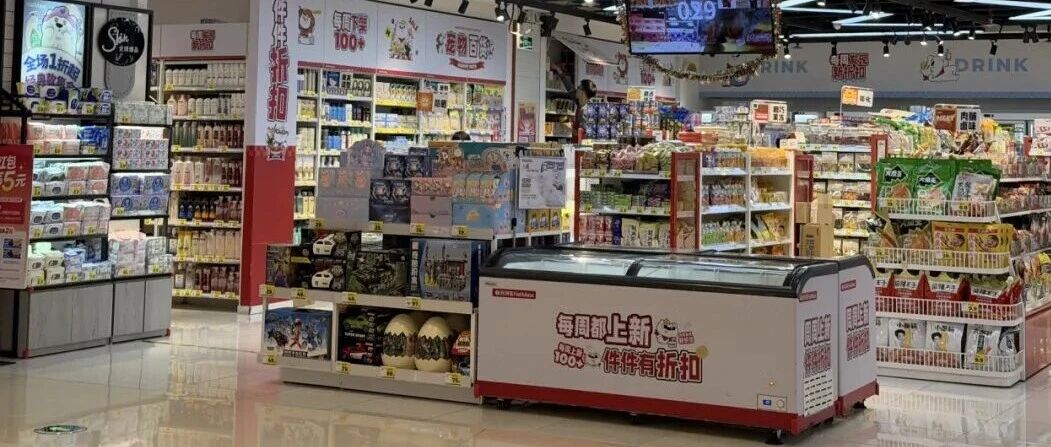
万辰集团13.8亿元收购:现金扫货推高杠杆至90% 标的净利率低于5%
Xin Lang Cai Jing· 2025-12-26 09:37
Core Viewpoint - The recent acquisition of a 49% stake in Nanjing Wanyou Commercial Management Co., Ltd. by Wancheng Group is a strategic move to enhance control over its snack brand "Laiyoupin," but it poses significant financial risks due to a sharp increase in the company's debt levels [1][2][4]. Group 1: Acquisition Details - Wancheng Group has completed the cash acquisition of a 49% stake in Nanjing Wanyou, increasing its total ownership to 75.01% [1][3]. - The acquisition involves a combination of cash payment, share transfer, and voting rights delegation, with shareholders transferring 9.89 million shares (5.27% of total shares) to the original controller of Nanjing Wanyou [1][3]. Group 2: Financial Impact - Following the acquisition, Wancheng Group's debt-to-asset ratio is projected to rise dramatically from 67.57% to 90.97% [2][4]. - The cash payment of 1.379 billion yuan will significantly deplete the company's cash reserves and increase interest-bearing liabilities [5]. - Nanjing Wanyou is expected to meet profit commitments of at least 320 million yuan, 330 million yuan, and 350 million yuan for the years 2025 to 2027, respectively [5]. Group 3: Industry Context - The snack retail industry is characterized by high turnover and low profit margins, with Nanjing Wanyou's net profit margins at 3.19% for 2024 and 3.45% for the first five months of 2025 [5]. - Wancheng Group's overall revenue is projected to exceed 30 billion yuan in 2024, but the net profit margin is only 0.91% [5]. - The sustainability of the low-margin business model under high leverage remains uncertain, especially in the face of intensified competition and potential slowdowns in expansion [5].
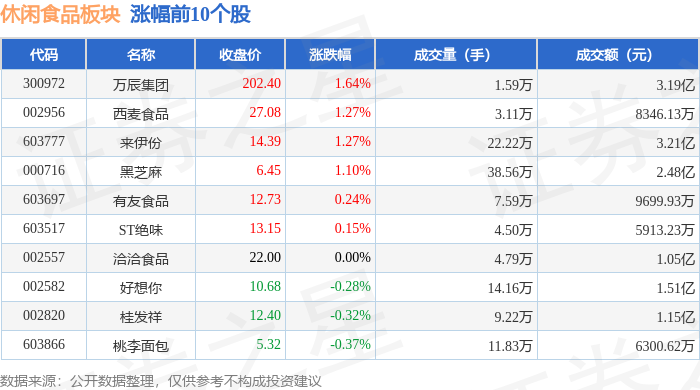
休闲食品板块12月26日涨0.02%,万辰集团领涨,主力资金净流出5517.24万元
Zheng Xing Xing Ye Ri Bao· 2025-12-26 09:07
Core Viewpoint - The leisure food sector experienced a slight increase of 0.02% on December 26, with Wancheng Group leading the gains, while the overall market indices also showed positive movement [1]. Group 1: Market Performance - The Shanghai Composite Index closed at 3963.68, up by 0.1% [1]. - The Shenzhen Component Index closed at 13603.89, up by 0.54% [1]. - Key stocks in the leisure food sector showed varied performance, with Wancheng Group closing at 202.40, up by 1.64% [1]. Group 2: Stock Performance Summary - Wancheng Group (300972) led the sector with a closing price of 202.40 and a gain of 1.64% [1]. - Other notable performers included Ximai Food (002956) at 27.08, up by 1.27%, and Laiyifen (603777) at 14.39, also up by 1.27% [1]. - Stocks such as Good Idea (002582) and Guilin Faxiang (002820) saw slight declines of 0.28% and 0.32%, respectively [1]. Group 3: Capital Flow Analysis - The leisure food sector saw a net outflow of 55.17 million yuan from institutional investors, while retail investors contributed a net inflow of 48.18 million yuan [2]. - The overall capital flow indicates a mixed sentiment, with institutional investors withdrawing funds while retail investors showed interest [2]. Group 4: Individual Stock Capital Flow - Laiyifen (603777) experienced a significant net outflow of 42.53 million yuan from institutional investors, indicating a bearish sentiment [3]. - Wancheng Group (300972) had a net inflow of 2.78 million yuan from retail investors, suggesting some level of support from individual investors [3]. - Ximai Food (002956) saw a net inflow of 3.03 million yuan from institutional investors, reflecting positive interest [3].