光大环境

Search documents
环保行业点评:险资持续增持,环保红利凸显
Shenwan Hongyuan Securities· 2025-07-22 14:43
Investment Rating - The report rates the environmental industry as "Overweight" indicating that it is expected to outperform the overall market [2][10]. Core Insights - Insurance capital is increasingly investing in environmental assets, driven by favorable policies and the potential for long-term stable returns [2]. - The report highlights that insurance companies have made multiple significant investments in environmental firms, showcasing the sector's investment value [2]. - The water and waste management sectors are characterized by stable demand and revenue, with a strong potential for profit growth due to factors like water price adjustments and reduced financial costs [2]. - Cash flow in the environmental sector is expected to improve, leading to higher dividends as companies respond to shareholder return demands [2]. - Investing in environmental assets offers insurance companies a combination of dividends, earnings per share (EPS) growth, and valuation increases [2]. Summary by Sections Investment Opportunities - The report identifies specific companies for investment, recommending A-shares such as Hanlan Environment, Xingrong Environment, Yongxing Co., Hongcheng Environment, Green Power, Junxin Co., and Chengfa Environment, as well as H-shares like Conch Venture, Everbright Environment, and Yuehai Investment [2]. Financial Metrics - The report provides detailed financial metrics for various environmental companies, including market capitalization, dividend rates, and expected earnings growth for 2024 and 2025 [5]. For instance, Junxin Co. has a market cap of 120 billion RMB with a projected PE of 22 and a dividend yield of 4.23% for 2024 [5].


海富通红利优选混合A:2025年第二季度利润46.07万元 净值增长率6.48%
Sou Hu Cai Jing· 2025-07-22 08:56
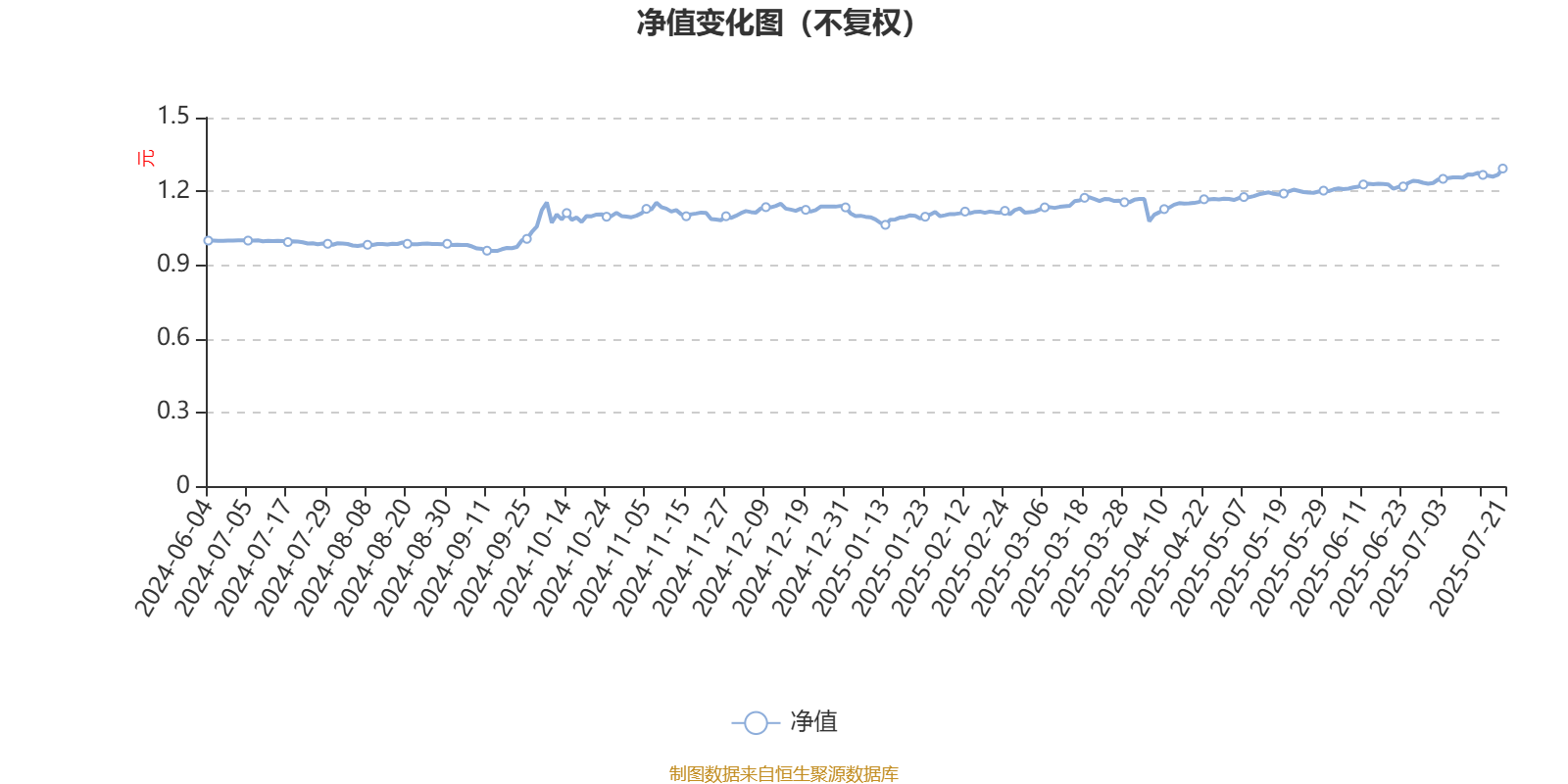
基金管理人在二季报中表示,报告期间,本基金保持红利投资的特征。从仓位上看,继续保持相对较高位置,行业分布上较为均衡,持仓个股较为分散,银 行、公用事业、非银等行业配置比例较高;从对组合贡献来看,公用事业、银行、非银正贡献较大,家电、轻工对组合有所拖累。从组合整体表现来看,相 对基准有所跑赢并取得正收益。随着无风险收益率的下行,红利类股票整体的股息率水平依然处于相对有吸引力阶段,后续仍有绝对收益空间。 AI基金海富通红利优选混合A(020695)披露2025年二季报,第二季度基金利润46.07万元,加权平均基金份额本期利润0.0764元。报告期内,基金净值增长 率为6.48%,截至二季度末,基金规模为1158.72万元。 该基金属于偏股混合型基金。截至7月21日,单位净值为1.293元。基金经理是江勇,目前管理7只基金近一年均为正收益。其中,截至7月21日,海富通红利 优选混合A近一年复权单位净值增长率最高,达29.93%;海富通悦享一年持有期混合A最低,为5.65%。 截至6月27日,基金成立以来夏普比率为1.392。 截至7月21日,基金成立以来最大回撤为8.29%。单季度最大回撤出现在2025年二季度,为 ...

14.16万亿元!深圳重磅发布!
Zhong Guo Ji Jin Bao· 2025-07-22 08:07
Core Insights - As of June 2025, the total balance of various deposits in Shenzhen reached 14.16 trillion yuan, an increase of nearly 600 billion yuan since the beginning of the year [1] - The total balance of various loans in Shenzhen reached 9.85 trillion yuan, with an increase of over 350 billion yuan since the beginning of the year [1] - The balance of loans to the private economy in Shenzhen reached 4.26 trillion yuan, with a net increase of 849.75 billion yuan since the beginning of the year [1] Financial Innovations - The scale of technology innovation bonds (referred to as "科创债") reached 20.75 billion yuan, with 14 bonds issued by nine enterprises including major tech firms like Luxshare Precision, ZTE, and BYD [3] - The People's Bank of China Shenzhen Branch has implemented risk-sharing tools for technology innovation bonds, facilitating the issuance of bonds and supporting tech enterprises [3] - In the first half of 2025, 102 enterprises in Shenzhen signed agreements for "Tengfei Loans" totaling 3.6 billion yuan, while the "Technology Startup Pass" helped 3,761 enterprises secure loans amounting to 4.84 billion yuan [3] Cross-Border Financial Activities - In the first half of 2025, the number of foreign card transactions via WeChat Pay increased by 1.6 times, with nearly 2 million foreign users linking their cards [5] - Foreign non-cash payment transactions in Shenzhen reached 85.8754 million, totaling 11.81 billion yuan, representing year-on-year growth of 29% and 35% respectively [5] - The cross-border RMB payment amount reached 27.6328 trillion yuan, a year-on-year increase of 24.3%, with trade-related payments accounting for 5.5128 trillion yuan, up 12.5% [6] Digital Finance and Data Empowerment - The Shenzhen local credit platform launched over 50 credit products, enabling enterprises to secure financing of 574.4 billion yuan [6] - The digital RMB pilot program has seen nearly 30 million digital wallets opened, with 3,800 prepaid business institutions managing nearly 3.1 billion yuan in prepaid funds [6] - Shenzhen is promoting the application of multi-central bank digital currency bridges in cross-border transactions, successfully executing the first "bulk commodity transaction + multi-central bank digital currency bridge" business [6]
14.16万亿元!深圳重磅发布!
中国基金报· 2025-07-22 07:56
Core Insights - As of June 2025, the total balance of various deposits in Shenzhen reached 14.16 trillion yuan, an increase of nearly 600 billion yuan since the beginning of the year [1] - The balance of various loans in Shenzhen reached 9.85 trillion yuan, with an increase of over 350 billion yuan since the beginning of the year [1] - The balance of loans to the private economy in Shenzhen reached 4.26 trillion yuan, with a new addition of 849.75 billion yuan [1] Financial Innovations - The scale of technology innovation bonds (referred to as "科创债") reached 20.75 billion yuan, with 14 bonds issued by 9 enterprises including major tech firms [3] - The People's Bank of China Shenzhen Branch has facilitated the issuance of technology innovation bonds, providing a model for financial support in the tech sector [3] - In the first half of 2025, 102 enterprises signed agreements for "腾飞贷" totaling 3.6 billion yuan, while "科技初创通" helped 3,761 enterprises secure loans amounting to 4.84 billion yuan [3] Cross-Border Transactions - In the first half of 2025, the number of foreign card transactions via WeChat Pay increased by 1.6 times, with nearly 2 million foreign users binding their cards [5] - Foreign personnel in Shenzhen conducted 85.8754 million non-cash payment transactions totaling 11.81 billion yuan, marking increases of 29% and 35% respectively [5] - The cross-border RMB payment amount reached 27.6328 trillion yuan, a year-on-year increase of 24.3%, with goods trade accounting for 5.5128 trillion yuan of this total [6] Digital Finance Development - The Shenzhen local credit platform launched over 50 credit products, enabling enterprises to secure financing of 574.4 billion yuan [8] - The digital RMB pilot program has seen nearly 30 million digital wallets opened, with pre-paid funds management reaching nearly 3.1 billion yuan [8] - Shenzhen is advancing the application of a multi-central bank digital currency bridge in cross-border transactions, successfully executing the first transaction involving "bulk commodity trading + multi-central bank digital currency bridge" [8]

垃圾焚烧、水务运营资产:险资持续举牌,长期配置价值凸显
Changjiang Securities· 2025-07-21 08:43
Investment Rating - The report maintains a "Positive" investment rating for the environmental protection industry [10] Core Insights - In 2023, insurance capital has collectively acquired stakes in five environmental companies, focusing on waste incineration and water utility state-owned enterprises, which exhibit stable operational performance and significant free cash flow improvement, indicating high dividend potential [2][6][7] - The report emphasizes the long-term investment value of waste incineration and water utility assets due to their high dividend potential and low valuation, recommending several companies in these sectors [8][38] Summary by Sections Insurance Capital Allocation - Insurance capital is increasingly allocating to equity investments due to declining net investment returns and the need for higher-yielding assets [6][18] - Policy changes and the expansion of long-term investment trials are encouraging insurance capital to invest in dividend and high ROE assets [24] Focus on Waste Incineration and Water Utility Assets - Insurance capital has targeted five environmental companies, primarily in waste incineration and water utility sectors, indicating a preference for stable operational assets [7][26] - The report highlights the potential for increased dividend payouts as the industry has passed its infrastructure peak, with a focus on long-term equity investments [37] Long-term Investment Value - Waste incineration and water utility assets are characterized by steady growth, improving cash flows, and increasing dividends, making them attractive for long-term investment [38][41] - The report identifies specific companies such as Huanlan Environment, Xingrong Environment, and others as key recommendations for investment [8][38] Financial Performance and Valuation - The report notes that the financial performance of waste incineration and water utility companies has shown resilience, with significant improvements in free cash flow and dividend payouts expected in the coming years [30][41] - Valuation metrics indicate that these companies are not overvalued, with PE ratios suggesting room for valuation recovery [34][41]
申万公用环保周报:雅江水电正式开工,欧亚气价回落-20250721
Shenwan Hongyuan Securities· 2025-07-21 07:43
Investment Rating - The report maintains a positive outlook on the power and gas sectors, recommending specific companies for investment based on their potential benefits from recent developments [3][4]. Core Insights - The commencement of the Yarlung Tsangpo River downstream hydropower project is expected to significantly boost demand for hydropower equipment, benefiting leading companies in the sector [4][14]. - The report highlights a decline in European and Asian gas prices due to varying supply and demand dynamics, suggesting a potential opportunity for gas companies [17][18]. Summary by Sections 1. Power: Yarlung Tsangpo Downstream Hydropower Project Commencement - The Yarlung Tsangpo River has substantial hydropower resources, with a theoretical capacity of 113 million kilowatts, making it one of the richest rivers in Tibet [8]. - The project involves the construction of five cascade power stations with a total investment of approximately 1.2 trillion yuan, primarily for power transmission outside Tibet [9][10]. - The project is expected to create a demand for hydropower equipment, with estimated annual orders of 4 billion yuan for Dongfang Electric and Harbin Electric, ensuring stable long-term performance for these companies [14][16]. 2. Gas: Global Supply and Demand Variations - As of July 18, the Henry Hub spot price in the US was $3.57/mmBtu, reflecting a weekly increase of 7.57%, while European gas prices showed a decline [17][19]. - The report notes that despite high temperatures increasing gas demand in the US, the overall supply remains stable, leading to a mixed outlook for gas prices [20][26]. - Recommendations include focusing on integrated gas companies like Kunlun Energy and New Hope Energy, which are expected to benefit from cost reductions and improved profitability [37]. 3. Weekly Market Review - The report indicates that the public utility, power, power equipment, environmental protection, and gas sectors underperformed compared to the CSI 300 index during the week [41]. 4. Company and Industry Dynamics - Recent government initiatives in Qingdao aim to accelerate the development of non-fossil energy and offshore wind projects, indicating a supportive policy environment for renewable energy [45]. - The report also highlights significant developments in nuclear power and energy storage projects in various provinces, showcasing ongoing investments in clean energy [47][48]. 5. Key Company Valuation Table - The report includes a valuation table for key companies in the public utility and environmental sectors, providing insights into their market positions and potential for growth [51].




公用环保202507第3期:雅鲁藏布江下游水电工程开工,甘肃容量电价拟提升至330元/千瓦
Guoxin Securities· 2025-07-21 05:16
Investment Rating - The report maintains an "Outperform" rating for the public utility and environmental sectors [1][5][8]. Core Views - The report highlights the commencement of the Yarlung Tsangpo River downstream hydropower project, with a total investment of approximately 1.2 trillion yuan, focusing on power delivery and local consumption [1][15]. - The Gansu Provincial Development and Reform Commission has proposed a capacity price mechanism for power generation, setting a standard of 330 yuan per kilowatt per year starting January 1, 2026, for compliant coal power units and new energy storage [2][17]. - The report emphasizes the potential for stable profitability in coal-fired power generation due to synchronized declines in coal and electricity prices, recommending major coal power companies [3][22]. Summary by Sections Market Review - The Shanghai Composite Index rose by 1.09%, while the public utility index fell by 1.37% and the environmental index by 0.49%, with relative returns of -2.46% and -1.58% respectively [1][14]. - In the electricity sector, coal-fired power decreased by 1.04%, hydropower by 2.13%, and new energy generation by 0.68%, while the gas sector saw a slight increase of 0.31% [1][25]. Important Policies and Events - The Yarlung Tsangpo River downstream hydropower project was officially launched on July 19, 2025, with a focus on five tiered power stations [1][15]. - The National Bureau of Statistics reported a 1.7% year-on-year increase in industrial power generation in June, with a total of 796.3 billion kilowatt-hours produced [1][16]. Investment Strategy - The report recommends several companies based on their sector performance: - Coal-fired power: Huadian International and Shanghai Electric [3][22]. - New energy: Longyuan Power and Three Gorges Energy, among others [3][22]. - Nuclear power: China Nuclear Power and China General Nuclear Power [3][22]. - Hydropower: Yangtze Power [3][22]. - Gas: China Resources Gas and Jiufeng Energy [3][22]. - Environmental: China Everbright Environment and Zhongshan Public Utilities [3][23]. Key Company Earnings Forecasts and Investment Ratings - The report provides earnings per share (EPS) and price-to-earnings (PE) ratios for various companies, all rated as "Outperform" [8]. For example, Huadian International has an EPS of 0.46 for 2024 and a PE of 11.7 [8]. Industry Key Data Overview - In June, the total industrial power generation reached 796.3 billion kilowatt-hours, with a year-on-year growth of 1.7% [1][48]. - The report notes that coal-fired power generation saw a 1.1% increase, while nuclear power generation grew by 10.3% [1][48]. Environmental Sector Insights - The report indicates that the water and waste incineration sectors are entering a mature phase, with improved free cash flow and declining risk preferences among investors [3][23]. - The domestic waste oil recycling industry is expected to benefit from the EU's SAF blending policy [3][23].




环保行业跟踪周报:金科环境就新水岛达成RWA发行合作意向,瀚蓝环境内生、并购成长超预期-20250721
Soochow Securities· 2025-07-21 02:31
Investment Rating - The report maintains an "Increase" rating for the environmental protection industry [1] Core Views - The report highlights the collaboration between Jinko Environment and Kunheng International to issue RWA, enhancing the market value of quality assets [9] - Huanlan Environment's internal growth and acquisition performance exceeded expectations, with a significant increase in net profit [12] - The report emphasizes the decline in capital expenditure in waste incineration, leading to improved free cash flow and increased dividends, while also noting the efficiency improvements in heating and IDC that boost ROE and valuation [16] - The water service sector is positioned as the next growth area similar to waste incineration, with a focus on marketization and cash flow improvements [19] Summary by Sections Jinko Environment - Jinko Environment has reached a cooperation intention for RWA issuance with Kunheng International, aiming to enhance the market value of its quality assets through digital asset management [9][10] Huanlan Environment - Huanlan Environment reported a net profit of 9.67 billion yuan for H1 2025, a year-on-year increase of 9.00%, with a significant internal growth rate of 18% in Q2 2025 [12][14] - The integration of Yuefeng has contributed positively to the company's performance, with a monthly profit contribution exceeding previous levels [14][15] Waste Incineration - The report notes a decrease in capital expenditure in the waste incineration sector, leading to a substantial improvement in free cash flow and increased dividends for companies like Junxin and Green Power [16][17] - The sector is transitioning into a mature phase, with a focus on efficiency improvements and cost reductions to enhance ROE [16][18] Water Services - The water service sector is highlighted as a stable and low-valuation area with high dividend potential, with companies like Xingrong and Hongcheng Environment expected to see significant cash flow improvements [19][21] - The report anticipates a shift in water pricing policies that will support sustainable growth and valuation increases similar to trends observed in the US water industry [20][21] Environmental Equipment - The report indicates a 90.56% year-on-year increase in sales of new energy sanitation vehicles, with a penetration rate of 15.86% [28] - The overall sales of sanitation vehicles increased by 3.59%, indicating a positive trend in the environmental equipment sector [28][34] Biodiesel and Lithium Battery Recycling - Biodiesel prices remained stable, but profit margins have decreased, with the average profit per ton dropping to 130 yuan [42] - The lithium battery recycling sector is experiencing an upward trend in metal prices, leading to slight improvements in profitability [44]
垃圾不够烧?变化如何发生的
Guan Cha Zhe Wang· 2025-07-18 14:42
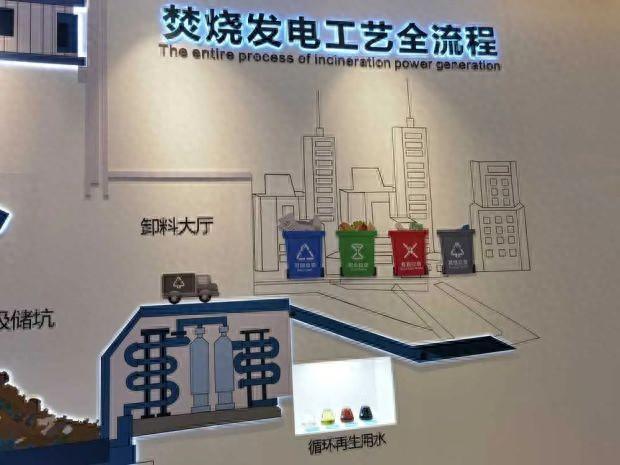
Core Viewpoint - The rapid increase in waste incineration capacity in China is a significant advancement in the waste management industry, with many cities achieving zero landfill for original household waste and beginning the excavation of aged landfill waste for secondary treatment [1][19]. Group 1: Waste Management Progress - The implementation of waste classification and the encouragement of incineration plant construction have led to a notable improvement in waste management capabilities across China [1]. - The excavation of aged landfill waste is primarily driven by the need to manage the ash produced from incineration, as policies restrict the expansion of landfill areas [1][20]. - The shift from "waste siege" to "zero waste cities" reflects the heavy burden of waste management in China, with a historical reliance on imported waste materials [3][4]. Group 2: Waste Classification and Incineration - The introduction of mandatory waste classification aims to optimize waste processing by separating recyclable materials and hazardous waste, which enhances incineration efficiency [8][9]. - In Shanghai, the implementation of waste classification has resulted in a 20% reduction in the amount of combustible dry waste available for incineration, despite an increase in the overall recycling rates [10][12]. - The number of waste incineration plants is increasing, with a goal to have 80 million tons of daily incineration capacity by 2025, reflecting a significant investment in waste-to-energy infrastructure [14][16]. Group 3: Market Dynamics and Challenges - The rapid expansion of incineration capacity has led to reports of a "garbage shortage," prompting some regions to excavate old landfill waste to meet processing needs [19][20]. - The industry faces challenges such as subsidy reductions and stricter environmental regulations, which may lead to a market reshuffle and the closure of smaller, less efficient plants [25][26]. - Major companies are seeking to expand their market presence and improve operational efficiency through technological innovation and strategic partnerships, both domestically and internationally [27][28].
中国垃圾是如何不够烧的
投资界· 2025-07-16 03:27
Core Viewpoint - The Chinese waste incineration industry is experiencing a shift from a "garbage siege" to "oversupply," with many incineration plants facing insufficient waste supply due to overcapacity and changes in waste generation patterns [3][4][5]. Industry Changes - In the first half of 2025, a survey revealed that two-thirds of waste incineration plants are struggling with insufficient waste supply [3]. - The proportion of waste incineration in urban waste management has dramatically increased from 9.8% in 2005 to 82.5% in 2023, while landfill disposal has decreased from 85.2% to 7.5% [3]. - The average capacity utilization rate of domestic waste incineration projects is around 60%, indicating a significant portion of capacity is underutilized [4][7]. Reasons for Supply-Demand Imbalance - The overcapacity is attributed to two main factors: overly optimistic projections of future waste generation and the impact of waste classification, which has reduced the amount of combustible waste available for incineration [3][9]. - The construction of incineration plants has outpaced actual waste generation, leading to a mismatch between supply and demand [8][9]. Future Trends - Waste incineration plants are being urged to diversify their operations, such as providing steam and hot water or collaborating on sludge treatment, to adapt to the changing market [4][15]. - The industry is also looking to expand into international markets, with over 80 overseas waste incineration projects involving Chinese companies [4][8]. Financial Challenges - The revenue model for waste incineration plants relies heavily on government subsidies and waste disposal fees, with electricity sales accounting for about two-thirds of their income [14][15]. - Recent policy changes have led to a reduction in government subsidies, increasing the financial pressure on these plants and prompting them to seek higher waste disposal fees from local governments [15][17]. Market Dynamics - The shift in waste generation patterns, including the impact of the COVID-19 pandemic, has led to a notable decrease in waste supply, with some plants reporting utilization rates as low as 24% [8][9]. - The industry is facing increased operational costs due to the need to excavate previously landfilled waste to meet incineration capacity [11][12].