波司登

Search documents
“机器人和人工智能已在重塑中国经济,而美国寸步难行”
Guan Cha Zhe Wang· 2025-11-25 16:04
Core Insights - China's ambition in AI is focused on practical applications, such as improving manufacturing processes, contrasting with the more theoretical aspirations seen in the U.S. [1] - The Chinese government is actively promoting AI integration into various sectors to enhance productivity and maintain competitive advantages in the global market [3][4] Industry Transformation - AI is driving a significant transformation in China's manufacturing and export sectors, with factories utilizing AI for decision-making and operational efficiency [1] - The implementation of AI has led to substantial reductions in production times, such as a clothing company reducing sample-making time by over 70% [1] - The emergence of "dark factories" in China, which operate with minimal human intervention, exemplifies the shift towards fully automated production environments [1] Robotics and Automation - China installed 295,000 industrial robots last year, nearly nine times the number in the U.S., and is projected to have over 2 million industrial robots by 2024 [3] - Companies like Baowu Steel are embracing smart technologies, with Baosteel achieving significant operational efficiency through AI-driven processes [4] Case Studies - Midea Group's factories utilize AI to optimize production, with robots and AI systems managing operations autonomously, resulting in a nearly 40% increase in employee income from 2015 to 2024 [7] - Bosideng, a clothing brand, has successfully reduced its sample production cycle from 100 days to 27 days using AI, while also cutting development costs by 60% [7] AI Development Amid Sanctions - Despite U.S. sanctions, Chinese companies are making strides in AI, with Huawei playing a crucial role in AI industrialization by deploying its models in factories [8] - AI applications in industries such as cement production have shown significant improvements in efficiency and cost savings, with predictions of substantial annual savings if trends continue [8] Port Automation - The automation of ports, such as Tianjin Port, is critical for maintaining China's manufacturing dominance, with advanced AI systems significantly reducing planning times and increasing operational efficiency [10] - In contrast, U.S. ports face challenges in automation due to labor union restrictions, highlighting a competitive disadvantage for American ports [10]



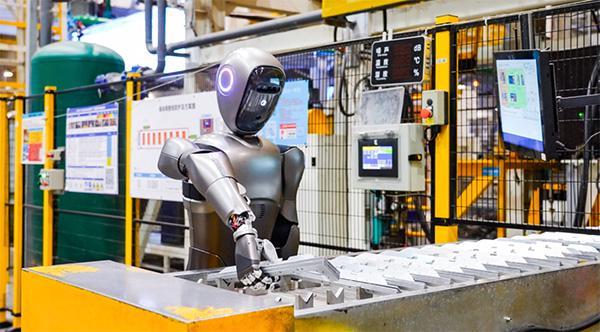
美媒:机器人和人工智能已在重塑中国经济,而美国寸步难行
Guan Cha Zhe Wang· 2025-11-25 15:59
Core Insights - China's ambition in AI is focused on practical applications, such as improving manufacturing processes, contrasting with the more theoretical aspirations seen in the U.S. [1] - The Chinese government is actively promoting AI integration into various sectors to enhance productivity and maintain competitive advantages in the global market [3][4] Industry Transformation - AI is driving a significant transformation in China's manufacturing and export sectors, with factories utilizing AI for decision-making and operational efficiency [1] - The implementation of AI has led to substantial reductions in production times, such as a clothing company reducing sample-making time by over 70% [1] - The concept of "black factories" is emerging, where operations can run autonomously with minimal human intervention [1] Robotics and Automation - China installed 295,000 industrial robots last year, nearly nine times more than the U.S., and is projected to have over 2 million industrial robots by 2024 [3] - Major companies like Baowu Steel are adopting AI-driven strategies to enhance operational efficiency, with Baosteel achieving significant reductions in operator intervention times [4] Scale and Competitive Advantage - China's scale in AI ambition is highlighted by companies like Midea, which has integrated AI into its manufacturing processes, enhancing productivity and efficiency [5][6] - Midea's use of AI has resulted in a nearly 40% increase in employee income from 2015 to 2024, showcasing the economic benefits of AI integration [6] AI in Various Sectors - Companies like Bosideng are leveraging AI to accelerate product development, significantly reducing production cycles and costs [6] - Huawei is playing a crucial role in AI industrialization, collaborating with companies to enhance production processes and reduce energy consumption [7] Port Automation - The automation of ports, such as Tianjin Port, is critical for solidifying China's manufacturing dominance, with a high degree of automation achieved compared to U.S. ports [10] - Tianjin Port's collaboration with Huawei has led to significant improvements in operational efficiency, reducing planning times from 24 hours to 10 minutes [10]
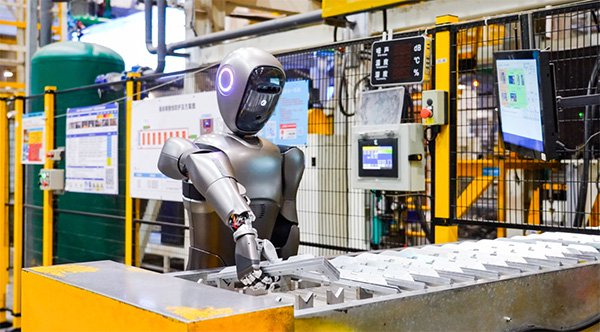
WOOLRICH姗姗来迟,报喜鸟在户外还有多少机会
Bei Jing Shang Bao· 2025-11-25 11:25
Group 1 - WOOLRICH has opened a pop-up space "THE WOOLBOX" in Beijing as a prelude to its retail expansion in China, with its first flagship store set to open next year [1] - The acquisition of WOOLRICH's global trademarks and operating rights outside Europe by Baoxinniao was completed in March 2023, indicating a strategic partnership aimed at expanding WOOLRICH's presence in Asia and North America [3][4] - WOOLRICH's product pricing ranges from $200 to $1,200, and the brand aims to grow its market share in China, where the outdoor equipment market is projected to exceed 111.3 billion yuan by 2028 [4][5] Group 2 - Baoxinniao has seen initial success in the outdoor market, with its brand Lafuma reporting a revenue increase of 41% to 260 million yuan in 2023, and a projected revenue of 335 million yuan in 2024, growing by 27.95% [5] - Despite the booming outdoor market, competition is intensifying, with established brands like Anta and Nike, as well as specialized outdoor brands, making market entry challenging for Baoxinniao, which is relatively new to this sector [6][7] - The outdoor market in China is currently experiencing a surge, but analysts suggest that the competition is shifting towards a more professional focus, posing significant challenges for Baoxinniao as it transitions from a business menswear background [7]

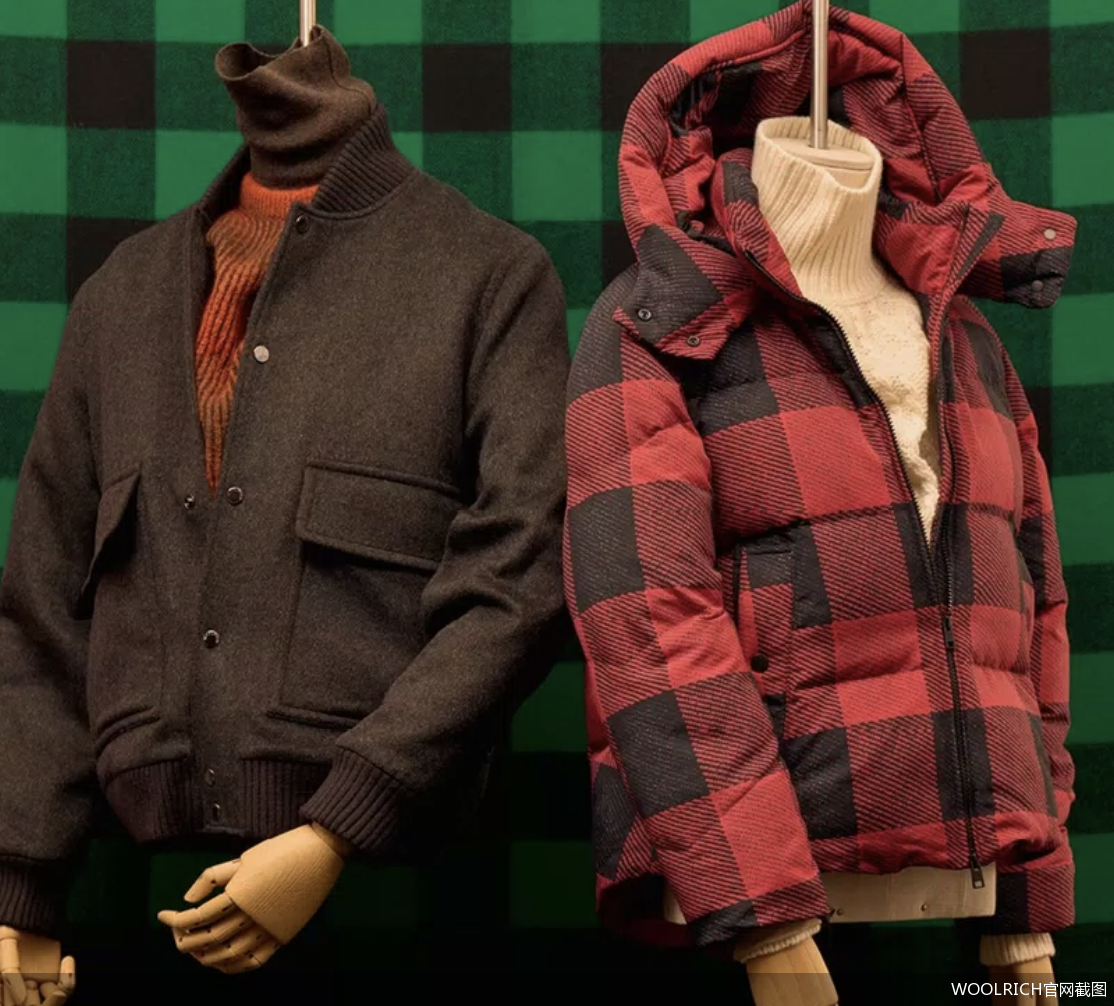
港股、海外周观察:美联储降息预期摇摆下的全球市场
Soochow Securities· 2025-11-25 09:02
Core Insights - The report suggests that short-term risk factors for the Hong Kong stock market are decreasing, but a confirmation of the rebound requires catalysts. The current position is considered attractive for medium to long-term allocation [1] - The expectation of a Federal Reserve rate cut in December is fluctuating, which has led to a relatively weak performance in overseas markets represented by US stocks. An increase in rate cut expectations could benefit the Hong Kong market [1][2] - The upcoming Central Economic Work Conference in December may refocus market attention on policy, which has not yet been priced in [1] - The narrative surrounding the AI technology bubble in US markets has weakened, leading to significant corrections in Hong Kong's tech sector, which now presents an attractive allocation opportunity [1] - Despite short-term macroeconomic and geopolitical risks remaining unresolved, a balanced allocation strategy is still recommended, with relative strength in dividends [1] Market Performance - In the past week, both developed and emerging markets experienced declines, with emerging markets down 3.7% and developed markets down 2.3% [4] - The Hang Seng Tech Index fell by 7.2%, the Hang Seng Index decreased by 5.1%, and the Hang Seng Stock Connect dropped by 5.3%. All sectors showed varying degrees of decline, with southbound funds primarily flowing into non-essential consumer sectors and out of the energy sector [4] US Market Analysis - The Nasdaq Composite led the decline in US markets with a drop of 2.7%, while the S&P 500 and Dow Jones Industrial Average both fell by 1.9%. The healthcare and consumer staples sectors outperformed, while energy and information technology sectors lagged [1] - The non-farm payroll data showed a mixed picture, with job additions significantly exceeding expectations at 119,000, but the unemployment rate rose to a four-year high of 4.4%. Average hourly wages increased by 3.8% year-on-year, slightly below expectations [1][2] - Concerns regarding the sustainability of profits from AI projects have resurfaced, despite Nvidia's strong earnings report, leading to a broader risk-off sentiment in the tech sector [2] Federal Reserve Outlook - The Federal Reserve's stance remains generally hawkish, with most members expressing reservations about a December rate cut. However, Vice Chairman Williams indicated some room for a rate cut due to increased downside risks to employment and alleviated inflationary pressures, causing the probability of a December rate cut to rise from 33% to 60% [2][3] Investment Trends - The report highlights a significant net inflow into global stock ETFs amounting to $101.61 billion, with the US stock ETFs seeing the largest inflow of $26.71 billion. Emerging markets, particularly Chinese stock ETFs, also saw notable inflows [7][39] - In terms of sector performance, the top three sectors for net inflows were materials, technology, and healthcare, while financials, energy, and consumer discretionary sectors experienced the largest outflows [8][39]
10月瑞表出口中国金额同比增长12.6%,连续两月双位数正增
Haitong Securities International· 2025-11-25 06:24
Investment Rating - Investment advice is to outperform the market, with a focus on specific companies such as Huali Industrial Group, Stella International Holdings, Shenzhou International, and Best Pacific International [40][16]. Core Insights - October Swiss watch exports to China increased by 12.6% year-on-year, marking two consecutive months of double-digit growth. The overall Swiss watch exports showed a global decline of 4.4% [40][4]. - The report highlights a clearer recovery logic for the export manufacturing sector in 2026, driven by three main factors: clarity in US tariff policies, reduced tariff pressure with brands, and improved production efficiency [40][4]. - The North American luxury market is showing leading growth, supported by expectations of interest rate cuts, although Q4 performance needs to be monitored due to high base effects [40][4]. Industry Data Tracking - In October 2025, China's retail sales of clothing increased by 6.8%, while textile and apparel exports fell by 12.6% [17][19]. - Cumulative textile and apparel exports from January to October 2025 amounted to approximately $243.94 billion, reflecting a year-on-year decline of 1.79% [19][19]. - The report notes that the export of textiles and clothing in October 2025 was approximately $22.26 billion, down 12.64% year-on-year [19][19]. Recommended Stocks and Valuation - Recommended stocks include Huali Group, Stella International, Shenzhou International, and Best Pacific International, all rated as outperforming the market [16][40]. - The report provides earnings forecasts for these companies, indicating a positive outlook for their performance in the coming years [16][40].


\十五五\辅导读本中的增量信息:环球市场动态2025年11月26日
citic securities· 2025-11-25 03:45
环球市场动态 " 十 五 五 " 辅 导 读 本 中 的 增 量 信 息 股 票 新一轮美联储官员发声较为鸽派, 美联储 12 月降息预期回升,全球 市场周一回暖。A 股小幅上涨,市 场继续关注中日紧张关系;港股止 跌,科技股反弹明显;欧洲股市收 高,俄乌和谈取得进展进一步提振 市场;美股大幅反弹,科技股上涨 明显推动纳指涨 2.7%,金龙中国指 数同样大涨。 外 汇 / 商 品 交易员权衡乌克兰与俄罗斯达成和 平协议的前景,周一国际油价漲超 1%;美联储 12 月降息预期升温, 国际金价格上涨 0.4%。 固 定 收 益 周一美国国债上涨,长端领涨。美 联储官员再放鸽。市场上调对美联 储 12 月降息预期。2 年期美国国债 拍卖表现良好。亚洲债市交投清淡, 但表现稳健。 产品及投资方案部 注:bp/bps=基点;pt/pts=百分点 中信证券财富管理 (香港) 免责声明请参考封底 2025 年 11 月 25 日 ▪ 中央印发两本 "十五五" 辅导书籍,在经济增速方面,辅导书籍就 2035 远景目标所需的经济增速给出具体指 引,其中暗含引导物价回升或汇率在未来适度升值的诉求。在宏观政策方面,辅导书籍透露财政 ...
男装求解:海澜之家香港IPO加速出海,报喜鸟挤入户外赛道
Sou Hu Cai Jing· 2025-11-24 15:40
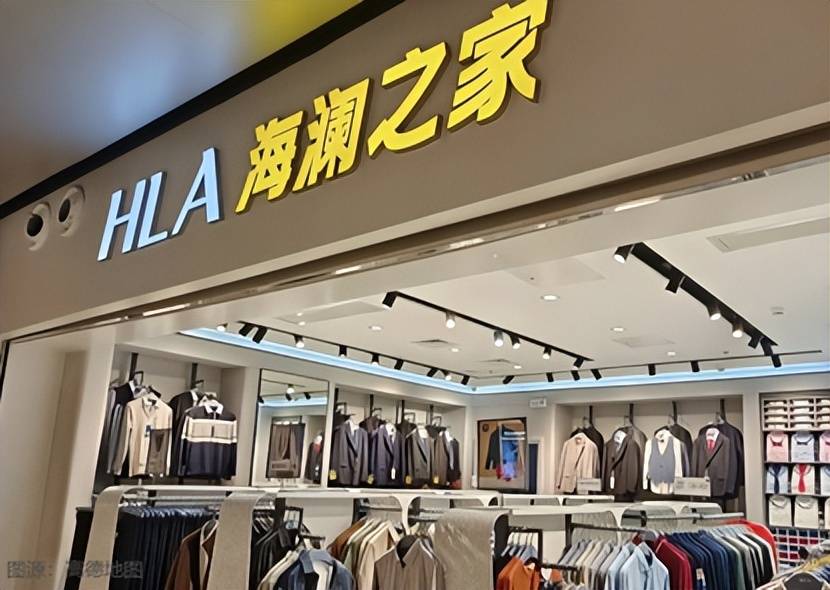
Core Viewpoint - Hailan Home has submitted an application for H-share listing on the Hong Kong Stock Exchange, aiming to enhance its global strategy and expand overseas operations [2][4] Group 1: Company Developments - Hailan Home plans to open its first overseas store in Sydney as part of its global expansion strategy, which began in 2017 [2][4] - The company reported revenues of 179.05 billion yuan, 207.54 billion yuan, 201.62 billion yuan, and 156.0 billion yuan for the years 2022 to 2024 and the first three quarters of 2025, respectively [2] - Net profits attributable to shareholders for the same periods were 21.55 billion yuan, 29.52 billion yuan, 21.59 billion yuan, and 18.62 billion yuan [2] - As of June 2025, Hailan Home had a total of 7,241 stores, with 1,583 being direct-operated and 4,101 being franchise and other types [2] Group 2: Market Position and Performance - Hailan Home ranked sixth in Tmall's "Double Eleven" sales for men's clothing, with Uniqlo leading the rankings [4] - The main brand, Hailan Home series, generated 108 billion yuan in revenue, a year-on-year decline of 3.99%, accounting for 69% of total revenue [2] - The company’s offline sales accounted for nearly 80% of total revenue, while online sales made up about 20% [2] Group 3: Industry Context - The overall apparel industry in China faced challenges, with 13,673 companies reporting revenues of 8,685.18 billion yuan, a year-on-year decline of 4.63% [14] - The profit total for the industry was 319.23 billion yuan, down 16.19% year-on-year, indicating increased pressure on domestic men's apparel companies [14] - Hailan Home and other brands like Baoxini are focusing on internationalization to navigate the competitive landscape, with Hailan Home targeting the global market through its IPO [14]


可选消费W47周度趋势解析:AI泡沫论调和12月减息可能性降低影响全球资产表现-20251124
Haitong Securities International· 2025-11-24 14:05
Market Performance - The US hotel sector increased by 2.8%, with Marriott and Hilton rising by 3.8% and 1.83% respectively, demonstrating resilience under pressure[6] - The overseas sportswear sector decreased by 0.2%, with Amer Sports surging by 12.2% due to strong Q3 performance, leading to a revenue increase of 30%[14] - The jewelry sector fell by 2.1%, influenced by AI bubble concerns and reduced expectations for a December rate cut, strengthening the dollar[14] Sector Analysis - The domestic sportswear sector dropped by 2.4%, with major OEMs like Shenzhou International and Crystal International declining by 6.7% and 2.6% respectively due to geopolitical tensions[14] - The retail sector saw a decline of 4.0%, with China Duty Free falling by 10.5% as investors took profits amid uncertain policy outlooks[14] - The pet sector decreased by 5.7%, with concerns over sustainability as sales expenses outpaced revenue growth[14] Valuation Insights - The expected PE for the overseas sportswear sector in 2025 is 29.0x, which is 54% of the past 5-year average[15] - The expected PE for the domestic cosmetics sector is 27.6x, representing 52% of the past 5-year average[15] - Most sectors are valued below their historical 5-year averages, indicating potential investment opportunities[15]
【IPO前哨】海澜之家闯港股:男装巨头失速,创二代能否破局?
Sou Hu Cai Jing· 2025-11-24 11:32
Core Viewpoint - The company, Hailan Home, is facing significant challenges as it prepares for its IPO in Hong Kong, including slowing growth and high inventory levels, despite maintaining its position as a leading men's apparel brand in China for 11 consecutive years [2][5][16]. Company Overview - Hailan Home, established in 1997, is synonymous with "value for men's clothing" and has rapidly expanded through a light-asset and franchise model, covering a wide range of men's apparel [3][5]. - At its peak, Hailan Home had a market share that ranked it first in China's men's clothing sector and second globally by 2024, with over 7,200 stores worldwide [5][16]. Current Challenges - The overall apparel industry is experiencing a downturn, with a reported 2.4% decline in industrial added value for major clothing enterprises in the first nine months of 2025, and a 16.19% drop in total profits [5][7]. - Hailan Home's revenue growth has stagnated, with a mere 3% increase in revenue to 11.24 billion RMB in the first half of 2025, while net profits have been declining [7][9]. - The company is grappling with a significant inventory issue, with stock levels reaching 11.52 billion RMB by September 2025, a 12.3% increase from June 2025, and an average inventory turnover period of 361 days [9][16]. Financial Performance - Hailan Home's gross merchandise volume (GMV), transaction numbers, and average store revenue have all declined since 2024, with 195 franchise stores closing in the first half of 2025 [7][9]. - The company's sales expense ratio has increased from 13.38% in 2020 to 24% in 2024, indicating rising costs associated with marketing and sales efforts [12][16]. Strategic Initiatives - The new leadership under Zhou Licheng has implemented various marketing strategies, including celebrity endorsements and a focus on online sales, but these efforts have not yet translated into significant financial recovery [10][12]. - Hailan Home has attempted to diversify its offerings by entering the sportswear market and expanding its international presence, with overseas revenue growing by 27.42% in the first half of 2025 [14][15]. Conclusion - The upcoming IPO in Hong Kong is seen as a critical move for Hailan Home to secure necessary funding to address its growth challenges, high inventory costs, and marketing expenses [16]. The company must shift its focus from mere expansion to quality growth through targeted marketing and product innovation to regain investor confidence [16].
2025出海标杆榜单揭晓:做好世界的合伙人
虎嗅APP· 2025-11-23 13:41
Core Insights - The article discusses the transformation of Chinese companies in their overseas expansion, marking the beginning of "Overseas 2.0" era, characterized by a shift from price competition to organizational strength, innovation, and localized operations [2][3]. Group 1: Strategic Upgrades - In the past year, there has been a significant upgrade in overseas strategies, with more companies establishing global operational systems, transitioning from product export to brand export [3]. - Many manufacturing and emerging consumer brands are setting up localized teams and data management units in specific regions, enhancing innovation, service, and marketing at community and user touchpoints [3][4]. Group 2: External Challenges - The external environment for overseas expansion is becoming increasingly complex, with geopolitical factors significantly impacting companies' strategies [4]. - Trade barriers in Europe and the U.S., data protection regulations in Southeast Asia, and market access issues in the Middle East require companies to possess higher strategic sensitivity and local adaptability [4][5]. Group 3: Local Adaptation and Risk Management - Compliance has become a critical threshold, necessitating that Chinese companies develop cross-border risk control and emergency response capabilities [5]. - Companies are moving from a "hit-and-run" approach to a more rooted strategy, focusing on local talent, data, ecosystems, and teams to withstand external risks and achieve resilient growth [5][6]. Group 4: Evolving Competitive Landscape - The competitive landscape and philosophies of Chinese companies are evolving, transitioning from product sales to creating value ecosystems [6]. - The most promising sectors for overseas expansion by 2025 include smart manufacturing, consumer electronics, renewable energy, and cross-border e-commerce brands [7][8]. Group 5: Benchmark Enterprises - The article emphasizes that true benchmark enterprises are not just defined by high revenue or size but by their continuous evolution of capabilities and ecological innovation [11][12]. - The evaluation criteria for benchmark enterprises include innovation capability, localization, organizational resilience, and sustainable growth [12]. Group 6: Award Winners - The article lists several companies recognized for their outstanding performance in overseas markets, including Haier, Lenovo, Midea, Didi, and Changan Automobile, highlighting their contributions to global brand building and market penetration [16][19][20][21][22][23][24][25][26][27][28]. - New emerging companies like United Imaging, Baseus, and Fantuan are also acknowledged for their rapid rise and innovative business models in overseas markets [30][31][32][33][34][35][36][37][38][39]. Group 7: Service Providers - The article identifies key service providers that support overseas enterprises, including logistics, marketing, and payment solutions, which help lower the barriers for Chinese brands to reach global users [41][42][43][44][45][46][47][48][49][50][51]. Group 8: Future Outlook - The future of Chinese companies' overseas expansion is expected to be defined by the integration of localization capabilities, data-driven strategies, and ecological collaboration [51]. - The evolution of Chinese brands in the global market is not a sprint but a long-term contest of organizational strength, innovation, and belief [51].