
吉利

Search documents
汽车出口与反内卷近况政策展望
2025-07-29 02:10
Summary of Conference Call on Automotive Industry and Policies Industry Overview - The conference call discusses the automotive industry in China, focusing on the impact of anti-involution policies and the growth of automotive exports, particularly in the context of electric vehicles (EVs) and traditional car manufacturers [1][2][4]. Key Points and Arguments Anti-Involution Policies - The Chinese government has strengthened regulations to combat involution in the automotive industry, including production consistency checks, cost audits, and tracking of payment terms to stabilize market prices [1][3]. - The anti-involution policies are expected to benefit traditional car manufacturers significantly, leading to a stabilization of the market and a consistent penetration rate of new energy vehicles (NEVs) at around 53% [1][5]. Automotive Exports - China's automotive exports have surged, with 2 million vehicles exported in the first half of the year, marking a 70% year-on-year increase, with NEVs accounting for 40% of total exports [1][4]. - Brands like BYD have made significant inroads into the European market, while demand remains strong in the Middle East and Southeast Asia [1][4]. Market Dynamics - The traditional car manufacturers, including joint ventures like FAW, Dongfeng, SAIC, and GAC, have shown stable profits and robust growth, with companies like Geely and Wuling also experiencing significant sales increases [1][5]. - The tightening of anti-involution policies has led to longer approval processes for new products, impacting companies' flexibility in responding to price wars but ultimately stabilizing market confidence [1][6]. Consumer Behavior - Consumer purchasing intentions are influenced by market confidence and reasonable purchasing reasons, with high-income levels and savings supporting consumption capacity [1][9]. - Companies like Xiaomi have successfully stimulated demand through marketing strategies that create a sense of urgency among consumers [1][9]. Future Outlook - The anti-involution policies are expected to continue until at least the end of 2027, although the subsidy amounts per vehicle may decrease [2][11]. - The EU's imposition of tariffs on Chinese electric vehicles is a concern, but China can counter this by developing plug-in hybrids and fuel vehicles [2][14][15]. - The outlook for 2026 suggests continued strong growth in automotive exports, with expectations of over 10% growth driven by markets in Russia, the US, and other regions [18][19]. Challenges and Opportunities - The EU's minimum import price policy for electric vehicles may restrict the export of small vehicles from China, but manufacturers can adapt by producing in Southeast Asia and leveraging partnerships [16][17]. - The performance of plug-in hybrid vehicles in both domestic and international markets is strong, with significant advantages over traditional fuel vehicles [20][21]. Additional Important Insights - The average income in China is approximately 21,800 yuan, with an average expenditure of 14,300 yuan, indicating a healthy consumer spending capacity despite price stability in the automotive market [8]. - The automotive industry is seen as a critical sector for economic growth, with the government keen to avoid setbacks in this area due to its role in new energy and industrial transformation [11][12]. This summary encapsulates the key discussions and insights from the conference call regarding the automotive industry, highlighting the interplay between government policies, market dynamics, and consumer behavior.

21独家|上汽大众内部信:决胜2026之前,要做好三件大事
2 1 Shi Ji Jing Ji Bao Dao· 2025-07-28 13:02
Core Insights - SAIC Volkswagen has achieved a terminal sales volume of 523,000 units in the first half of 2025, representing a year-on-year increase of 2.3%, with June sales reaching 96,000 units, up 15.1% [1][2] - The company is preparing for a significant product year in 2026, with nearly seven new energy products expected to launch, which is anticipated to enhance market competitiveness and improve revenue and profitability [2][3] Sales Performance - In the first half of 2025, SAIC Volkswagen ranked sixth among domestic manufacturers in terms of sales, outperforming several competitors such as GAC Toyota and Dongfeng Nissan [1] - The company’s key fuel models, including the Lavida, Passat, and Tiguan, achieved significant sales, with Lavida selling 136,900 units, Passat 115,100 units, and Tiguan 91,100 units, making them the top sellers in their respective categories [1] Financial Goals and Challenges - Despite the sales growth, SAIC Volkswagen has not met its financial targets, prompting a call for collective effort to face challenges head-on [2] - The sales target for 2025 is set at 1.2 million units, maintaining the same level as 2024, with a completion rate of 43.6% in the first half [2] Strategic Focus Areas - The first strategic focus is on product portfolio optimization, assessing each project’s potential for sales and profitability [3] - The company aims to enhance product strength while maintaining quality and safety, leveraging competitive costs and advanced software and technology systems [3] New Product Development - In 2026, SAIC Volkswagen plans to launch nearly seven new energy products, including two pure electric models and three plug-in hybrid models, alongside two range-extended models [3] - The company is collaborating with local suppliers for intelligent systems, such as the IQ.Pilot developed with DJI for specific Chinese road conditions [3] Pricing Strategy - SAIC Volkswagen emphasizes the importance of stable market pricing and effective marketing activities to align with competitors' profitability levels [5] - The company has implemented a "one-price" strategy to eliminate price discrepancies and enhance customer service focus among dealers [5] Cost Optimization Initiatives - The company is pursuing cost reduction and efficiency improvements, with a focus on maintaining product safety and reliability while enhancing technological leadership [6][7] - A special cost optimization and efficiency enhancement plan has been initiated for the second half of 2025, with clear management and tracking mechanisms established [6] Organizational Changes - SAIC Volkswagen has reformed its dealer assessment system to prioritize retail performance and service quality over wholesale metrics [10] - A new department focused on user service has been established to improve customer experience and ensure that overall corporate interests take precedence over departmental interests [10] Innovation and Market Adaptation - The company encourages innovative thinking and breaking conventional norms to adapt to market changes, as demonstrated by past successful product launches [8] - The ID family of electric vehicles has achieved over 180,000 units in sales, establishing SAIC Volkswagen as a leader in the joint venture electric vehicle market [8][9]

浙江拥有有效专利企业数突破15万家,杭州“六小龙”成代表
Nan Fang Du Shi Bao· 2025-07-28 10:01
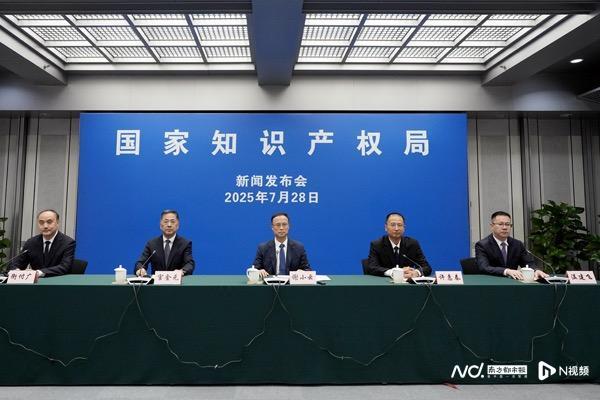
Core Viewpoint - The Zhejiang Provincial Intellectual Property Office has outlined its goals and achievements in intellectual property (IP) work for 2025, highlighting significant growth in patent and trademark registrations, as well as enhanced protection measures for IP rights [1][3]. Group 1: Achievements in Intellectual Property - The number of effective patent-holding enterprises in Zhejiang has increased to 154,000, with high-level innovative companies emerging rapidly, exemplified by Yushu Technology winning a global award from WIPO [3]. - As of June this year, the province has 451,000 effective invention patents and 4.916 million valid trademark registrations, both ranking among the top in the country [3]. - The social satisfaction rate regarding IP protection has been rising, with Zhejiang receiving excellent ratings in national IP protection assessments for four consecutive years [3]. Group 2: Strategies for Enhancing IP Utilization - Zhejiang is promoting IP through four key strategies, including revitalizing dormant patents, with 8,777 patents from universities and research institutions being activated [4]. - The province's value-added output from patent-intensive industries reached 1.57 trillion yuan, accounting for over 20% of GDP, which is nearly 7 percentage points higher than the national average [4]. - A total of 22,000 data IP registrations have been recorded, generating nearly 7.7 billion yuan in utilization [4]. Group 3: Strengthening IP Protection - Zhejiang has established 21 national-level IP protection centers and rapid rights protection centers, with 24.6% of invention patents benefiting from expedited examination services, reducing the average authorization period to under three months [5]. - The province has delegated patent administrative enforcement powers to county levels, achieving a 50% reduction in case handling time for patent disputes [5]. - A total of 7,256 cases of infringement and counterfeiting were investigated in 2024, with a case closure rate of 99.36% under the improved judicial mechanism [5].

全球化智库(CCG)副秘书长张伟:出海不是简单的“地理迁移”,而是企业的全面变革 | 2025出海大会
3 6 Ke· 2025-07-28 09:01
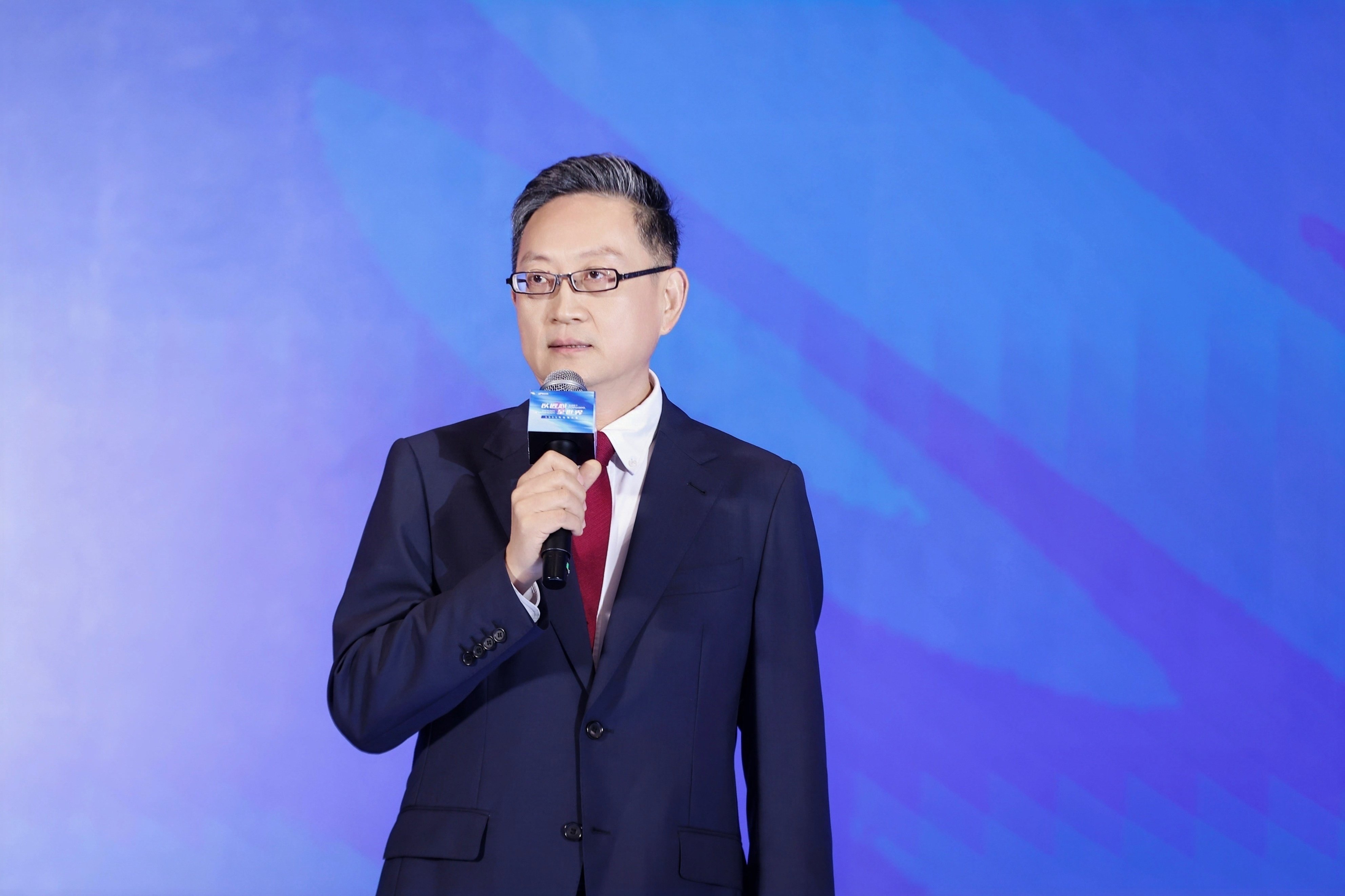
Core Insights - The conference "Going Global with Craftsmanship" aims to provide a platform for Chinese companies to explore globalization opportunities and challenges, focusing on sustainable overseas expansion strategies [1] - Zhang Wei from the Globalization Think Tank (CCG) presented a framework termed "344 formation," highlighting three major opportunities, four significant challenges, and four core capabilities for Chinese enterprises going global [2] Opportunities - The era of Globalization 3.0 presents three strategic windows for Chinese enterprises, characterized by digital technology reshaping production relationships and creating unique opportunities for overseas expansion [3] - Regional economic integration is accelerating, with initiatives like RCEP enhancing trade facilitation and reducing costs for Chinese products entering markets like ASEAN and the Middle East [4] - Chinese companies are transitioning from OEM to brand and technology exporters, achieving breakthroughs in high-end manufacturing and electric vehicles, supported by improved infrastructure connectivity [5] - Digital technology is driving a paradigm shift, enabling companies like SHEIN and TikTok to reach global users rapidly, although it also intensifies international competition [6] Challenges - Companies face a dual challenge of traditional and new risks, including heightened geopolitical tensions that label various sectors as "national security" concerns [7] - Regulatory compliance presents significant hurdles due to vast differences in laws across countries, which can lead to severe penalties for non-compliance [8] - There is a structural shortage of talent capable of managing cross-cultural operations, necessitating the development of local teams [9] - Supply chain resilience is tested as companies may overlook local industry support and policy fluctuations when expanding into new regions [10] Success Strategies - Successful overseas enterprises must shift from being followers to co-creators of international standards, as demonstrated by companies like Huawei and CATL [11] - Localization goes beyond mere market entry; it requires deep cultural integration, as seen with Transsion's adaptations for African consumers [12] - Companies should establish intelligent risk management systems using AI to monitor policy changes and public sentiment, ensuring proactive compliance [13] - Building sustainable development models through local partnerships and community engagement can create a protective "soft power" for companies [14] Regional Focus: Yangtze River Delta - Companies in the Yangtze River Delta should leverage their strengths in high-end manufacturing and digital economy to pursue differentiated paths in global markets [15] - Emphasizing a "win-win" approach with local governments, communities, and partners is crucial for successful overseas ventures [16]
三重机遇驱动 内燃机行业“十五五”谋定价值跃升
Zhong Guo Chan Ye Jing Ji Xin Xi Wang· 2025-07-26 00:53
Core Insights - The internal combustion engine (ICE) industry in China is undergoing a historic transition from "scale expansion" to "value enhancement" amid the backdrop of the "dual carbon" strategy, the rise of new productive forces, and the global restructuring of industrial chains [1][2] - The "14th Five-Year Plan" serves as a crucial guide for the ICE industry, emphasizing low-carbon and zero-carbon development paths while promoting technological innovation and industrial collaboration [2][4] Policy and Technological Breakthroughs - The ICE industry is expected to encounter three major opportunities during the "14th Five-Year Plan," driven by national strategic design and the industry's own innovative vitality [2][4] - National policies, such as the "Hydrogen Energy Industry Standard System Construction Guide (2023 Edition)" and the "Industrial Structure Adjustment Guidance Catalog (2024 Edition)," provide strong support for the low-carbon transition of the ICE industry [4] Strategic Needs and Industry Advantages - The demand for major technological equipment is critical for national economic security and industrial upgrading, necessitating a focus on advanced equipment in power, rail transport, and aerospace [3] - The ICE industry has established itself as a cornerstone of China's manufacturing sector, with a complete domestic supply chain and growing research and testing capabilities [4][10] Market Demand and Innovation - The core development trend for the next generation of ICEs is "high efficiency, low carbon, and near-zero pollutant emissions," driven by both policy mandates and market demand [5][6] - The industry is focusing on multi-dimensional technological innovations, including the development of alternative fuels such as ammonia, hydrogen, and methanol [5][11] Challenges and Strategic Focus - The ICE industry faces multiple challenges, including the need to meet stringent emission regulations and enhance the reliability of alternative fuel engines [8][9] - A systematic response plan is required, focusing on nine key areas such as strengthening foundational research, consolidating traditional industry advantages, and enhancing international competitiveness [9][12] Achievements and Future Directions - By the end of the "14th Five-Year Plan," China has solidified its position as the world's largest manufacturer of ICEs, with significant technological advancements and a stable sales volume between 76 million to 82.6 million units from 2021 to 2024 [10][11] - The industry has made notable progress in developing new generation diesel engines and alternative fuel applications, indicating a promising future in the context of the "dual carbon" era [11][12]


硅谷观察:马斯克罕见哀叹处境艰难,卖不动电车指望无人出租车
Xin Lang Ke Ji· 2025-07-24 23:06
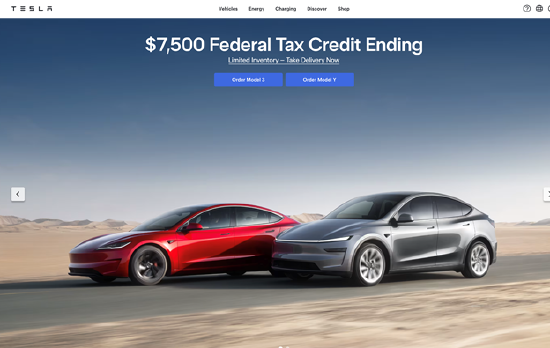
Core Viewpoint - Tesla is facing significant challenges with declining sales and revenue, leading to a bleak outlook for the company, as highlighted by CEO Elon Musk's repeated use of the term "difficult" during the earnings call [1][3][10]. Financial Performance - Tesla reported Q2 revenue of $22.5 billion, a 12% year-over-year decline, marking the largest drop in a decade [3]. - The automotive segment saw a 16% decrease in revenue, while the energy business declined by 7% [3]. - Gross profit for the quarter was $3.88 billion, down 15.3% year-over-year, and free cash flow was only $146 million, significantly below the expected $760 million [3]. Sales and Deliveries - Q2 vehicle deliveries fell by 13.5%, from 443,000 units in the same period last year to 384,000 units [4]. - Total vehicle deliveries for the first half of the year were 720,000, a 13.24% decrease compared to the previous year [4]. - In the U.S., Tesla's sales dropped by 13% in the first half of the year, with California experiencing a 21% decline in Q2 [6][7]. Market Challenges - Tesla is facing intense competition in the Chinese market, with Q2 sales of 129,000 units, a 12% year-over-year decline [7]. - The company is undergoing significant management changes in response to declining sales, with several key executives leaving [7]. Strategic Issues - Musk's controversial political actions have negatively impacted Tesla's brand image, particularly among liberal consumers in the U.S. and Europe [10]. - The cancellation of electric vehicle incentives and carbon credit trading could further harm Tesla's sales and revenue [14]. Future Outlook - Musk is focusing on autonomous vehicles and robotics as potential new revenue sources, despite current challenges in these areas [16][20]. - Tesla plans to expand its autonomous taxi service, although it faces regulatory hurdles and safety concerns [23]. - The company is expected to introduce a lower-priced version of the Model Y, which may help boost sales [15].

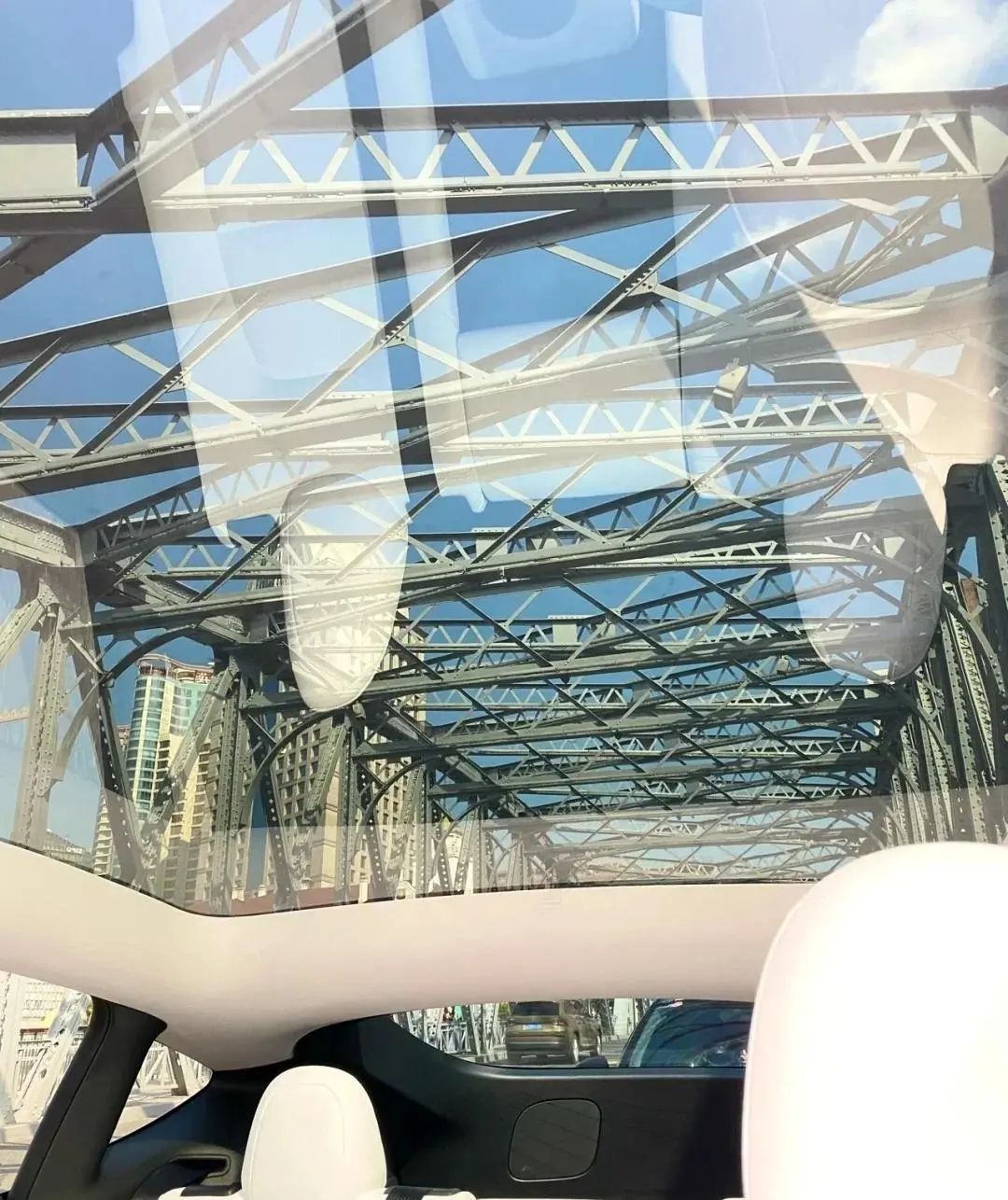
40°C成了照妖镜,盘点新能源车“反人类”的六大设计
3 6 Ke· 2025-07-23 11:27
Core Viewpoint - The article highlights the discomfort and practical issues faced by electric vehicle (EV) owners due to innovative designs that prioritize aesthetics and technology over user comfort and safety, particularly in extreme weather conditions [1][3][54]. Group 1: Issues with Panoramic Glass Roofs - The panoramic glass roofs, initially marketed for their spaciousness and aesthetic appeal, have become a source of discomfort, turning vehicles into "sauna rooms" during summer [4][5]. - Many EV models, including those from brands like Zhiji, Zeekr, and NIO, feature panoramic roofs, but owners report excessive heat and discomfort, leading to potential interior damage [9][11]. - The automotive industry’s focus on design has overshadowed the need for comfort, as the technology for heat insulation has not fully addressed the issue of heat retention in extreme temperatures [11][57]. Group 2: Hidden Door Handles - Hidden door handles, while designed to reduce drag and enhance aesthetics, have received significant criticism, with 69% of consumers expressing concerns about their usability and reliability [13][15]. - Issues such as freezing in winter and mechanical failures have led to frustrating experiences for users, including incidents where door handles failed to operate during emergencies [19][20]. - The repair costs for hidden door handles are significantly higher than traditional handles, leading to dissatisfaction among consumers [20]. Group 3: Full Touchscreens - The shift to full touchscreen controls has complicated user interactions, with many drivers finding it less efficient than traditional buttons, particularly for essential functions like air conditioning [22][24]. - Complaints about infotainment systems being overly complex and slow to respond have increased, with drivers reporting delays in critical situations [26][28]. - The reliance on touchscreens can also pose safety risks, as it distracts drivers from the road [28]. Group 4: Half-Width Steering Wheels - The introduction of half-width steering wheels has created operational challenges for drivers, making standard maneuvers more difficult and increasing the risk of losing grip [29][31]. - New drivers have reported difficulties adapting to this design, leading to potential safety hazards during driving [35][39]. Group 5: Electronic Side Mirrors - Electronic side mirrors, while visually appealing, have been criticized for their delayed response times and performance issues in adverse weather conditions [41][43]. - Users have reported that these mirrors can become obscured in rain or snow, compromising visibility and safety [43][46]. Group 6: Single-Pedal Driving Mode - The single-pedal driving mode, designed to simplify driving and enhance efficiency, has led to confusion and safety concerns among drivers accustomed to traditional dual-pedal systems [49][52]. - Drivers have reported instances of mistakenly treating the accelerator as a brake, resulting in near accidents [52]. Group 7: Industry Response and Future Directions - As consumer dissatisfaction grows, some manufacturers are beginning to prioritize user experience over flashy designs, with improvements in heat insulation for panoramic roofs and adjustments to door handle designs [55][57]. - Regulatory changes are also being implemented, such as new standards for hidden door handles and restrictions on single-pedal driving modes, indicating a shift towards enhancing safety and usability in EV designs [57][59].
超9000万元!“人形机器人第一股”中标最大金额采购订单
机器人圈· 2025-07-21 11:59
Core Viewpoint - The humanoid robot sector has achieved record-high bidding amounts, indicating significant growth and investment potential in the industry [1][2]. Group 1: Major Contracts and Achievements - UBTECH Robotics won a procurement project from Miyi (Shanghai) Automotive Technology Co., amounting to 90.51 million yuan, marking the largest procurement order for humanoid robots globally [1][2]. - Prior to this, Zhiyuan Robotics and Yushu Technology secured a project from China Mobile (Hangzhou) with a total budget of 124.05 million yuan, setting a record for the largest single bidding order in China's humanoid robot industry [2]. - UBTECH Robotics, established in March 2012, focuses on the research, design, and commercialization of intelligent service robot solutions and was listed on the Hong Kong Stock Exchange on December 29, 2023, becoming known as the "first stock of humanoid robots" [2][3]. Group 2: Product Development and Market Presence - The Walker S series, an industrial humanoid robot developed by UBTECH, was first showcased on the day of its listing and has been deployed in various automotive manufacturing facilities, including NIO's advanced manufacturing base [3]. - UBTECH plans to deliver 500 units of the Walker S2, the world's first humanoid robot capable of autonomous battery swapping, to the smart manufacturing sector this year [3]. - The company aims to produce approximately 1,000 humanoid robots in 2023, excluding emotional companion robots, to gather data for future development [3]. Group 3: Financial Performance - In the previous year, UBTECH reported total revenue of 1.305 billion yuan, a year-on-year increase of 23.7%, with R&D investment of 478 million yuan, accounting for 36.6% of revenue [3]. - The gross profit reached 374 million yuan, reflecting a 12.4% year-on-year growth, while losses narrowed by 8.3% compared to the previous year [3]. Group 4: Stock Market Reaction - Following the announcement of the major contract, UBTECH's stock price surged over 9%, with a current increase of 4.61%, reaching 89.70 HKD per share, resulting in a market capitalization of 396 million HKD [4].

大厂们,在机器人上着急了
投中网· 2025-07-21 07:12
以下文章来源于科技新知 ,作者新知-前沿科技组 科技新知 . 读懂硬科技,尝鲜新硬件;把脉产业互联网,关注智能新基建。专注于AI、大模型、云计算、互联 网、智能硬件、企业服务、新能源与车、新质生产力等科技内容领域。高频更新、常有爆款和权威平台 弹窗推送。交流联系VX:zlei036 大厂们渴望通过具身智能实现补课、超车和押注未来。 作者丨 樱木 编辑丨 江蓠 来源丨 科技新知 2025年,此前分歧最大的具身智能赛道,最近却异常火爆。 近日,具身智能融资不断加速,就在7月8日,美团领投的它石智航,拿下了1.22亿美元融资。 而更进一步来看,仅7月7日至9日三天,星海图、星动纪元、云深处、它石智航等四家企业累计融资 超25亿元。若将时间范围扩大至6月,银河通用(6月23日获宁德时代领投的11亿元融资)、宇树科 将投中网设为"星标⭐",第一时间收获最新推送 技(6月19日完成C轮融资,估值超100亿元)等企业同样表现亮眼。IT桔子数据显示,2025年前5 个月,具身智能领域投资事件达114起,融资额232亿元,均已超过2024年全年总和。 而从投资方来看,大厂与产业资本成了这一轮的主力,美团、宁德时代、腾讯、阿里等 ...



国际观察|中国新能源汽车“链通”东南亚共赢未来
Xin Hua She· 2025-07-19 08:42
Core Insights - Chinese electric vehicle (EV) companies are deepening cooperation with Southeast Asian countries in supply chain integration, creating new paths for mutual benefit amid rising external uncertainties [1][2][7] - The ASEAN region is increasingly seen as a destination for Chinese companies, particularly in the EV sector, due to favorable policies and supply chain advantages [2][3] Group 1: Market Potential - Southeast Asia has become a key target market for Chinese EVs, with significant growth potential as the region's middle-income population is projected to reach 472 million by 2030 [4] - The electric vehicle market in Indonesia, Malaysia, Thailand, and Singapore is expected to grow significantly, with sales projected to increase from $2 billion in 2021 to between $80 billion and $100 billion by 2035 [4] Group 2: Local Production and Strategy - Chinese automakers like BYD, Geely, Great Wall, and others are actively establishing local production facilities in Southeast Asia to meet regional market demands and reduce costs [3][5] - The local assembly of vehicles, such as the Haval H6 in Malaysia and BYD's factory in Thailand, is enhancing the competitiveness of Chinese brands in the region [4][5] Group 3: Technological and Industrial Collaboration - Chinese EV companies are contributing to the technological advancement and modernization of the local automotive industry in Southeast Asia through innovation and talent development [6] - The integration of advanced manufacturing techniques and flexible production solutions by companies like BYD in Thailand is driving the transformation of the local automotive supply chain [6] Group 4: Market Leadership - Chinese brands dominate the electric vehicle market in Indonesia, accounting for over 90% of wholesale sales, with significant growth attributed to local production and brand diversification [5] - In Thailand, Chinese brands hold a leading position in the electric vehicle market, with four out of the top five best-selling electric vehicles being from Chinese manufacturers [5]
