蜜雪冰城

Search documents
2025投资界「F40中国青年投资人」,正式开启
Sou Hu Cai Jing· 2025-10-24 09:12
Core Insights - The "F40 China Young Investors" initiative by Zero2IPO has been launched for eight consecutive years, aiming to identify outstanding investors under 40 years old with a focus on innovation and future trends [1][3] - Young investors are playing a crucial role in the revaluation of China's technology assets, actively participating in the funding of high-profile projects and companies [1][4] Group 1: Event Overview - The 2025 "F40 China Young Investors" program will start on October 24, 2025, with nominations open until November 15, 2025, and the results to be published on November 28, 2025 [3] - Candidates must be under 40 years old, hold a position of Vice President or higher, and have notable investment cases [3] Group 2: Industry Context - Investment界 (PEdaily.cn), a platform under Qingke Holdings, has a significant influence in the venture capital sector, focusing on high-tech industries such as semiconductors, new energy, and AI [4] - Qingke Holdings, listed on the Hong Kong Stock Exchange, has developed a comprehensive service infrastructure for the entrepreneurial and investment market over the past two decades [5]


中泰国际每日晨讯-20251024
ZHONGTAI INTERNATIONAL SECURITIES· 2025-10-24 07:45
Market Overview - The Hong Kong stock market opened lower but closed higher, with the Hang Seng Index reaching 25,968 points, up 0.7%. The National Enterprises Index rose 0.8% to 9,301 points. Total trading volume increased to HKD 245.3 billion from HKD 227.5 billion the previous day [1] - In sector performance, Energy, Consumer Discretionary, and Telecommunications sectors rose by 1.6%, 1.0%, and 0.8% respectively, while Industrials, Consumer Staples, and Healthcare sectors declined by 0.1%, 0.2%, and 1.2% respectively [1] Company Performance - Li Ning (2331 HK) and China Hongqiao (1378 HK) were the top gainers, increasing by 6.6% and 4.5% respectively. Conversely, Pop Mart (9992 HK) and CSPC Pharmaceutical Group (1093 HK) were the biggest losers, falling by 9.4% and 3.0% respectively [1] - In the beverage sector, the price war in the mainland's ready-to-drink tea market intensified, leading to a decline in leading companies such as Mixue Ice City (2097 HK) by 4.5% and Gu Ming (1364 HK) by 6.9% [5] - In the gaming sector, Sands China (1928 HK) reported a 7.5% year-on-year increase in total revenue for Q3, with net profit up 1.5% and adjusted property EBITDA up 2.7%. This positive performance led to a more than 4% increase in Sands China's stock price [5] Industry Dynamics - The energy sector saw a rise in crude oil prices, with WTI rebounding to USD 61.5 per barrel amid concerns over tight supply due to sanctions on Russian oil companies [2] - The electricity consumption in China for September was reported at 888.6 billion kWh, reflecting a year-on-year growth of 4.5%, which is lower than the 5.0% growth in August. This indicates a potential slowdown in the energy sector [6]
2025投资界「F40中国青年投资人」正式开启
投资界· 2025-10-24 07:43
Group 1 - The article highlights the launch of the "F40 China Young Investors" initiative by Qianhai Holdings, aimed at recognizing outstanding investors under 40 years old who demonstrate imagination and foresight in the investment landscape [2] - Young investors are becoming pivotal in China's technology asset revaluation, actively participating in early-stage investments in high-tech projects and contributing to the success of unicorn companies [2] - The initiative will run from October 24, 2025, to November 28, 2025, with a focus on identifying young investors who have made significant contributions to the investment field [2] Group 2 - Investment界, a platform under Qianhai Holdings, has been observing trends in China's venture capital for over a decade, particularly focusing on hard-tech industries such as semiconductors, new energy, and AI [3] - Qianhai Holdings aims to provide comprehensive services for the entrepreneurial and investment sectors, having established itself as a foundational infrastructure in China's investment market since its listing on the Hong Kong Stock Exchange in 2020 [4]
港股IPO从“备胎”变“力推” VC/PE抢抓市场窗口期
Zheng Quan Shi Bao· 2025-10-23 17:12
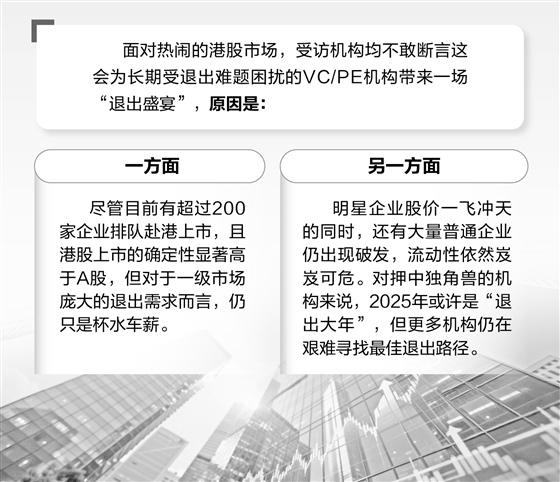
常言道"风水轮流转",一度被VC/PE(风险投资与私募股权投资)机构视为退出"备胎"的港股市场,今 年却成为众多VC/PE机构眼中的热门选择,几乎每家机构手中都有已启动或计划赴港IPO的项目。这背 后,既有赚钱效应带来的态度转向,也暗藏退出分化的隐忧。对一级市场而言,眼下既要审慎评估被投 企业与港股市场的适配度,又要全力抢抓当下的上市窗口期,机遇与挑战交织,VC/PE机构不想错过这 场盛宴。 投资人提高 企业赴港IPO包容度 回顾2025年港股市场,上半年热度达到高峰时,曾出现一天五家公司排队敲锣,且多数企业背后都有 VC/PE机构的身影。"我们有几家被投企业近期有准备明年提交上市材料,比原计划提前了一些,也是 赶上了港股IPO市场的火热窗口期。"LongRiver江远投资合伙人李佳安在接受证券时报记者采访时表 示。 数据显示,截至2025年第三季度末,香港市场共有69只新股上市,合计融资1829亿元。香港财政司司长 陈茂波近期进一步透露,目前有超过200家企业正排队等待在香港进行IPO。 这种转变颇具戏剧性。此前曾有投资人放出"我们投资的公司若去港交所IPO,就打断他的腿"的争议言 论,如今面对港股行情,该 ...
菜鸟、美团、滴滴抢滩,出海“新大陆”已找到
3 6 Ke· 2025-10-23 12:49
Core Insights - Brazil is emerging as a new frontier for Chinese companies expanding overseas, with significant investments and operations being established in various sectors, particularly in food delivery and manufacturing [1][2][4]. Group 1: Investment Trends - Meituan's international food delivery brand Keeta is set to launch operations in Brazil by the end of the month, while Didi's 99Food has begun trial operations in Rio de Janeiro [1]. - Chinese companies are increasingly investing in Brazil, with plans such as Mijue Ice City investing 3.2 billion Brazilian Reais to open stores and build a supply chain factory, and Great Wall Motors planning to invest 6 billion Brazilian Reais to expand its factory [1][2]. - Approximately 40 Chinese companies have expressed interest in establishing subsidiaries in Brazil since last year, a significant increase from the previous average of 15 to 20 inquiries per year [1][4]. Group 2: Market Dynamics - The automotive sector is a leading area for Chinese investment in Brazil, with at least eight Chinese car manufacturers conducting market research in 2024, and GAC planning to invest over 1 billion USD to build a factory [2]. - The perception of Chinese companies in Brazil is shifting, with local families now seeking partnerships with Chinese firms, recognizing their advancements in high technology beyond just low-cost goods [2][3]. Group 3: E-commerce and Logistics - The Brazilian e-commerce market is maturing, with platforms like TikTok Shop achieving significant growth, reaching a GMV of 46.135 million USD within four months of entry, marking a 45-fold increase [3]. - Cainiao, a logistics company, has secured a commercial customs clearance license in Brazil and is focusing on ensuring timely logistics for the upcoming peak season, particularly for Brazil and Mexico [3][5]. Group 4: Challenges and Opportunities - Despite the potential, Chinese companies face challenges in Brazil, including complex tax regulations and compliance issues that increase operational costs [5][6]. - The urbanization rate in Brazil is high at 83%, but the service sector remains underdeveloped, presenting opportunities for Chinese companies to fill the investment gap in infrastructure and services [4].

回本周期拉长,闭店加剧,量贩零食争抢上岸
3 6 Ke· 2025-10-23 12:20
Core Insights - The snack retail industry is witnessing a competitive race for the title of the first snack stock, with two major brands, Wancheng Group and Mingming Hen Mang, filing for IPOs within a short span of time [1] - Both companies have shown significant revenue growth, with Wancheng Group projecting revenues of 5.49 billion, 9.29 billion, and 32.33 billion CNY from 2022 to 2024, while Mingming Hen Mang expects revenues of 4.29 billion, 10.30 billion, and 39.34 billion CNY in the same period [1] - The rapid expansion of these brands is marked by a high number of franchise stores, with Wancheng Group aiming for 15,365 stores and Mingming Hen Mang claiming over 20,000 stores by mid-2025 [1] Expansion Strategies - Wancheng Group and Mingming Hen Mang have adopted aggressive expansion strategies, with Wancheng adding nearly 10,000 stores in just one year, averaging 26 new stores per day [3][4] - The companies rely heavily on franchise models, with Wancheng stating that 99.4% of its stores are franchises, indicating a high dependency on franchisee performance for revenue [4] Financial Performance - Both companies exhibit low profit margins compared to other sectors, with Mingming Hen Mang's gross margins ranging from 7.45% to 7.62% from 2022 to 2024, while Wancheng's gross margin is projected to be around 10.9% in 2024 [5] - The average payback period for franchisees has extended to about 29 months, indicating increasing challenges in achieving profitability [7] Market Challenges - The snack retail market is becoming saturated, leading to increased competition and a decline in profitability for franchisees, with many reporting losses and closures [9][10] - Franchisees are facing difficulties in maintaining sales, with many unable to achieve the necessary monthly revenue to break even, leading to a rise in store closures [8][9] Industry Trends - The industry is experiencing a shift as brands explore new growth avenues, such as diversifying product offerings to include trendy items like blind boxes and collectibles [11] - There are indications that brands like Wancheng Group are considering transforming into comprehensive supermarket formats to adapt to changing market dynamics [11][12]
05后的第一杯酒,可能是奶茶店里买的
东京烘焙职业人· 2025-10-23 08:37
Core Insights - The article discusses the emerging trend of "micro-drinking" among young consumers, highlighting how brands like "Mixue Ice Cream" and "Chayan Yuese" are adapting to this trend by expanding their product offerings to include alcoholic beverages [3][6][8]. Group 1: Market Trends - The rise of "micro-drinking" is characterized as a business focused on emotional value, providing consumers with psychological and emotional satisfaction rather than just selling alcohol [6]. - Young consumers are increasingly rejecting traditional drinking culture, favoring personal enjoyment and comfort over the pressure of social drinking [8]. - The success of brands like Rio and Helen's Little Bar indicates that "micro-drinking" has become a significant lifestyle choice for young people [8]. Group 2: Brand Strategies - Mixue Ice Cream is expanding into the beer market by acquiring a majority stake in the fresh beer brand "Fulu Family," aiming to leverage its supply chain efficiency to offer affordable beer [10][12]. - Chayan Yuese is developing a cultural-driven approach by launching a sub-brand for alcoholic tea drinks, focusing on emotional experiences and cultural symbols [17][19]. - Both brands are targeting different consumer segments: Mixue focuses on cost-effective solutions, while Chayan Yuese emphasizes cultural experiences and high-quality products [10][17]. Group 3: Financial Performance - Mixue Ice Cream reported a revenue of 14.875 billion yuan, with 97.4% coming from sales to franchisees, indicating a strong supply chain model [12][15]. - Chayan Yuese achieved a revenue of 1.59 billion yuan in the first half of 2024, with a growth rate of 29.1%, and 78.9% of its revenue coming from member purchases, showcasing strong customer loyalty [17][24]. Group 4: Challenges and Opportunities - Mixue Ice Cream faces saturation in the market, with a significant number of stores leading to declining sales per store and increasing closure rates [14][15]. - Fulu Family's challenge lies in competing with established beer brands and navigating the complexities of the beer market, which has higher barriers to entry compared to the tea market [16]. - Chayan Yuese must balance its cultural identity with the need for expansion outside its home region while maintaining quality and operational efficiency [24].
飞鹤,急速打响市场保卫战丨消费参考
2 1 Shi Ji Jing Ji Bao Dao· 2025-10-23 02:24
Core Viewpoint - Under market pressure, China Feihe is taking various measures to stabilize its position, including launching new products that replicate the nutritional ecology of breast milk [1][2]. Company Performance - Feihe's revenue for the first half of the year decreased by 9.36% year-on-year to 9.151 billion yuan, with sales pressure attributed to increased competition and a deliberate reduction in milk powder channel inventory [3]. - The revenue breakdown shows that ultra-high-end, high-end, regular, and adult milk powder segments generated revenues of 6.19 billion, 1.69 billion, 330 million, and 290 million yuan, respectively, with declines of 13%, 14%, 3% growth, and 4% decline year-on-year [3]. Market Dynamics - The infant formula market is experiencing intensified competition, with leading brands like Yili, Nutricia, and FrieslandCampina expanding, while mid-tier brands like a2 are also showing strong growth potential [3][7]. - Feihe has maintained its position as the top seller in the infant formula market for six consecutive years, but the growth momentum in the market appears weak, with a projected decline in newborn numbers due to a significant drop in marriage registrations [4][5]. Membership and Tools - Feihe's "Star Mom Club" membership has surpassed 85 million, and the company plans to offer a free developmental self-assessment tool tailored to Chinese babies through this platform [2].

进军千亿市场,蜜雪冰城买下一家鲜啤公司
3 6 Ke· 2025-10-23 00:01
Core Insights - Mixue Ice Cream has entered the fresh beer market by acquiring a 53% stake in Fresh Beer Fulu Family for nearly 300 million yuan, leading to a 10% increase in its stock price [1] - The fresh beer market is expected to undergo significant changes, similar to previous disruptions in the tea and coffee sectors [1][9] - Fulu Family aims to expand its store count from 1,000 to 2,500 by 2026, leveraging a low-cost franchise model with zero franchise fees [2][10] Company Overview - Mixue Ice Cream operates over 53,000 stores globally, with a revenue of 14.9 billion yuan, positioning itself alongside other notable brands in the Hong Kong stock market [1][2] - Fulu Family has rapidly expanded its store count from 100 to 1,000 in just 14 months, benefiting from Mixue's brand recognition and operational support [2][3] Market Strategy - Fulu Family's pricing strategy focuses on affordability, with prices ranging from 5.9 to 9.9 yuan per cup, significantly lower than competitors [5][10] - The company plans to utilize Mixue's supply chain capabilities to reduce costs and enhance operational efficiency, including shared logistics and marketing resources [3][6] Product Offering - Fulu Family offers a diverse range of nearly 20 products, with over half being fruit-flavored beers, and plans to introduce 3-5 new products each quarter [6][8] - The brand aims to transform fresh beer consumption from a social product to a daily consumer good, similar to the approach taken in the tea industry [5][9] Financial Performance - Fulu Family reported a pre-tax loss of 1.5277 million yuan in 2023 but is projected to achieve a profit of 1.0709 million yuan in 2024, indicating a potential turnaround in its business model [11]
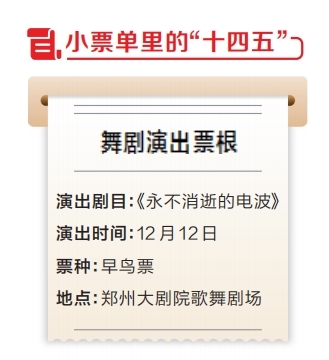
奋进的河南——决胜“十四五”丨文旅票根里的消费活力
He Nan Ri Bao· 2025-10-22 23:51
Core Insights - The article discusses the emerging "ticket root economy" in Zhengzhou, where ticket purchases for performances and events unlock various consumer benefits, enhancing the overall travel and entertainment experience [2][3][5] - In 2024, Zhengzhou is set to host 47 large-scale commercial performances, attracting approximately 960,000 attendees, indicating a robust demand for cultural events [2] - The integration of ticketing with local services such as hotels and restaurants is driving a new wave of consumer spending, creating a comprehensive consumption chain [2][3] Group 1: Ticket Root Economy - The "ticket root economy" links various consumption scenarios through discounts and promotions associated with event tickets, fostering a new economic model that includes ticket sales, derivative consumption, and cultural dissemination [2][5] - This model allows consumers to access discounts on hotels and attractions with their event tickets, effectively turning a ticket into a "universal pass" for exploring the city [3] Group 2: Impact on Local Economy - The collaboration between cultural events and local businesses, such as restaurants and hotels, has revitalized commercial activity in Zhengzhou, as seen during the recent 2025 Mayday concert, which drew significant crowds to nearby establishments [3] - From 2023 to the first half of 2025, Henan province received 2.723 billion tourists, generating a total tourism revenue of 2.64 trillion yuan, reflecting an annual growth rate of 6.8% and 7% respectively [4]