小米

Search documents
努比亚CEO谈豆包手机助手:发展势不可逆/华为成立基础大模型部/英伟达H200芯片获批对华出口,中外方回应
Sou Hu Cai Jing· 2025-12-10 03:13
Group 1: AI and Mobile Technology - Nubia CEO Ni Fei emphasized that the development of AI smartphones is an irreversible trend, with a focus on open collaboration to enhance user experience [12][13][14] - The first foldable iPhone is projected to have a production target of approximately 10 million units, exceeding initial industry expectations by about 30% [3] - The foldable iPhone is expected to drive a significant increase in global foldable smartphone shipments, with IDC forecasting a 30% growth in the market by 2026 due to Apple's entry [4] Group 2: Xiaomi's Organizational Changes - Xiaomi has initiated a series of personnel adjustments in its China operations, with Wang Xiaoyan taking charge of performance [5][7] - The company is experiencing a slowdown in orders across its mobile, automotive, and home appliance sectors, prompting a shift in retail strategy towards optimizing existing stores rather than expanding [8][10] - Xiaomi anticipates a one-time loss of approximately 27.26 million yuan to assist partners in reducing their annual losses by over 72.46 million yuan [9] Group 3: AI Developments and Strategic Moves - Huawei has established a new department focused on foundational large models, marking a significant upgrade in its AI strategy [24][26] - Alibaba has formed a new C-end business group, aiming to develop its "Qianwen" app into a super app that serves as a gateway to AI [35] Group 4: Market Reactions and Future Projections - Nvidia's H200 chip has been approved for export to China, with the U.S. government set to take a 25% cut from sales, highlighting the competitive landscape in AI technology [20][21][22] - The anticipated price of the foldable iPhone is expected to start at $2400, capturing over 22% of the foldable smartphone market share in its first year [3]



机构预计Labubu年销售额或将达到155亿元人民币,较2023年增长41倍
Mei Ri Jing Ji Xin Wen· 2025-12-10 02:29
港股消费ETF(513230)跟踪中证港股通消费主题指数,一键打包互联网电商龙头+新消费,成分股近 乎囊括港股消费的各个领域,包括泡泡玛特、老铺黄金、蜜雪集团等新消费龙头,又包含腾讯、快手、 阿里巴巴、小米等互联网电商龙头,科技+消费属性突出。 (文章来源:每日经济新闻) 12月10日,港股三大指数涨跌不一,恒指开盘微涨,恒科指跌0.04%,国企指数涨0.01%。板块方面, 科网股涨跌不一,航空股高开,黄金股普遍上涨,内房股活跃,宝济药业上市首日涨超129%。港股消 费板块早盘窄幅震荡,港股消费ETF(513230)现小幅微跌近0.2%,持续打开布局通道。持仓股涨跌互 现,古茗、万洲国际、老铺黄金、美团、吉利汽车、名创优品等涨幅居前,思摩尔国际、中国儒意、泡 泡玛特、小鹏汽车、中升控股等跌幅居前。 大摩预计,Labubu今年的销售额将达到155亿元人民币,较2023年增长41倍,但估计增长速度明年放 缓,主要因部分消费者的流失。鉴于较低的广告与推销费用比率、较低的降价幅度、较高比例的线上直 销及较低的租金比率,大摩认为,泡泡玛特能够维持约30%的净利润率增长。德银最新研报指出,为应 对需求激增,泡泡玛特将La ...
信达国际控股港股晨报-20251210
Xin Da Guo Ji Kong Gu· 2025-12-10 01:58
Market Overview - The Hang Seng Index has short-term support at the 25,000 point level, with recent hawkish signals from the Federal Reserve indicating limited rate cut space in 2026. Economic conditions in mainland China are cooling, and corporate earnings in Hong Kong are unlikely to improve significantly in the short term [2][3] - The Hang Seng Index closed at 25,434, down 1.29% year-to-date, with a cumulative increase of 26.79% [5] Sector Focus - The AI sector is gaining attention with the launch of AI glasses and smartphones, benefiting related stocks [7] - The biopharmaceutical sector is expected to thrive due to rising flu cases and favorable financing conditions [7] - The insurance sector is seeing improved investment returns driven by strong A-share performance [7] Corporate News - Vanke (2202) is reportedly willing to pay some interest to bondholders to facilitate debt extension negotiations [10] - Xiaomi (1810) is undergoing personnel adjustments in China and plans to close unprofitable stores [10] - Longi Green Energy (6869) is raising over HKD 2.2 billion through a nearly 15% discounted share placement [10] - SenseTime (0020) reports double-digit growth in domestic chip computing power and plans to launch a new generation of AI models in spring [10] - Novartis (NVS) has reached a USD 1.7 billion drug target collaboration agreement with UK biotech company Relation [10] - Midea (0300) has completed its share repurchase plan, buying back 135 million A-shares for approximately CNY 10 billion [10] Economic Indicators - The U.S. job openings reached 7.67 million in October, the highest in five months, alleviating concerns about labor market deterioration [8] - China's urban rail transit completed a passenger volume of 2.83 billion in November, showing a 4.4% year-on-year increase [8] - The Chinese express delivery development index for November was 478.1, up 3% year-on-year, indicating a positive trend in the industry [8] Investment Sentiment - Approximately half of the surveyed companies in Hong Kong are optimistic about the economic outlook for next year, a significant increase from 18% last year [9] - The Hong Kong government is planning to implement an automatic exchange of tax information related to cryptocurrency transactions starting in 2028 [9]

AI眼镜新品陆续亮相 6只概念股年内涨幅抢眼
Zheng Quan Shi Bao· 2025-12-09 17:42
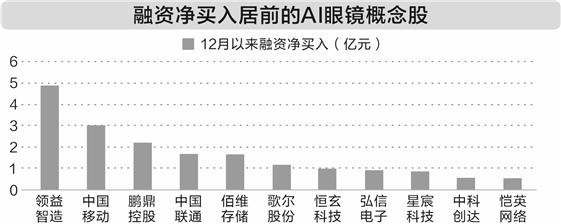
Group 1 - Google is developing two types of AI glasses, one with a display and another focused on audio functionality, with the first model expected to launch in 2026 [2] - Major early hardware partners for Google's AI glasses include Samsung Electronics, Warby Parker, and Gentle Monster, although final designs have not yet been revealed [2] - Domestic brands such as Alibaba, Xiaomi, and Ideal Auto have also entered the AI glasses market, indicating a competitive landscape [2] Group 2 - The AI glasses market is entering a phase of scaled growth, with IDC predicting global shipments to reach 12.8 million units in 2025, a 26% year-on-year increase, and China's market to hit 2.75 million units, growing by 107% [3] - Wellsenn XR forecasts annual sales of AI glasses to exceed 55 million units within the next decade [3] - Over 40 A-share stocks are involved in the AI glasses industry, with a combined market value exceeding 1.8 trillion yuan, and an average increase of 15.96% in stock prices this year [3] Group 3 - Nine AI glasses concept stocks have been researched by institutions more than ten times this year, with Jiangbolong receiving the most attention at 56 times [4] - Longli Technology and Yidao Information follow with 34 and 24 institutional research sessions, respectively, indicating strong interest in these companies [4] - Six AI glasses concept stocks have seen net financing exceeding 100 million yuan since December, highlighting investor confidence [4]
众擎机器人踹翻自家老板背后:是技术突破,还是营销泡沫? 原创 凤凰网财经 凤凰网财经 2025年12月9日 20:49 北京
Feng Huang Wang Cai Jing· 2025-12-09 14:26
Core Viewpoint - The incident involving the T800 humanoid robot kicking its CEO, Zhao Tongyang, has sparked widespread discussion about the safety and marketing strategies of humanoid robots, highlighting the balance between innovation and consumer safety concerns [2][6]. Group 1: Product and Performance - The T800 humanoid robot is equipped with a high-performance solid-state battery, providing 4-5 hours of stable operation and capable of executing complex movements, achieving approximately 90% of an adult male's physical capabilities [3]. - The T800 is priced starting at 180,000 yuan, and it is the fourth humanoid robot launched by the company, which also offers various versions including basic, ecological, sharpened, and flagship models [4]. Group 2: Market and Competition - The company is in direct competition with other leading humanoid robot manufacturers, particularly Yushun Technology, as both companies aim to commercialize humanoid robots [3]. - The global humanoid robot market is projected to reach $154 billion by 2035, indicating significant growth potential despite current challenges in finding a clear profit model [13]. Group 3: Funding and Financial Backing - The company has successfully raised significant funding, including nearly 1 billion yuan in angel financing and a total of 1 billion yuan in Pre-A++ and A1 rounds, with major investors like JD.com and CATL participating [10]. - The company has also faced scrutiny regarding its production capabilities, particularly after reports of delays in its "robot police" product, raising questions about its operational sustainability [11]. Group 4: Industry Context and Challenges - The humanoid robot industry is becoming increasingly crowded, with major tech companies like Tesla, Xiaomi, and Google investing heavily in this space, indicating a competitive landscape [12]. - Despite the hype and investment, the industry has yet to establish a stable cash flow, with current profitable applications limited to specific industrial environments and research demonstrations [13].

首家A+H模拟芯片企业诞生,被海外价格狙击的纳芯微加码汽车
2 1 Shi Ji Jing Ji Bao Dao· 2025-12-09 12:30
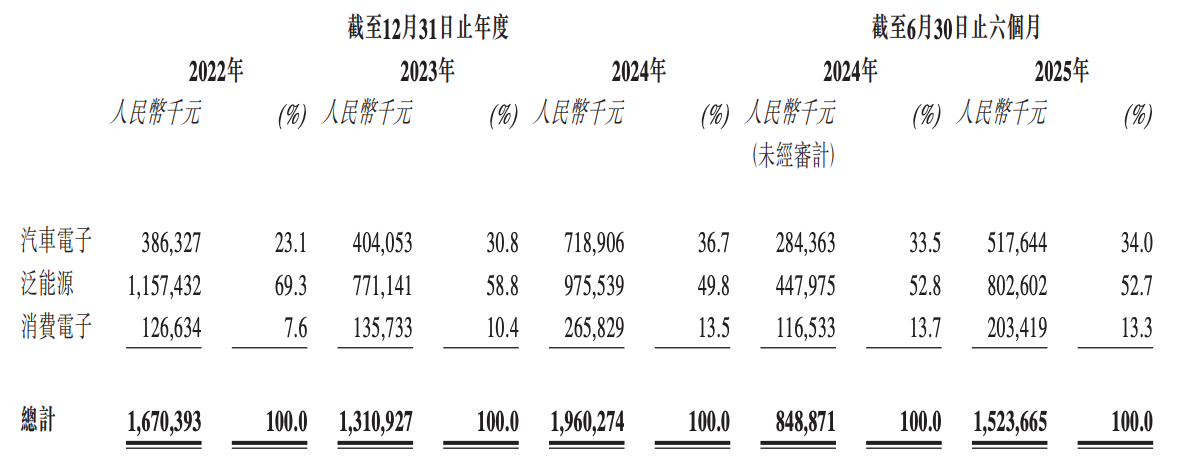
Core Viewpoint - Naxin Micro (688052.SH, 02676.HK) has successfully listed on the Hong Kong Stock Exchange, becoming the first domestic analog chip company to achieve a dual listing in both A-share and H-share markets, aiming to enhance its global presence and customer service capabilities [1][2]. Group 1: Company Strategy and Goals - The company aims to have overseas revenue account for approximately 20% by 2029, positioning its Hong Kong office as a global operational and sales headquarters [1]. - Naxin Micro plans to allocate around 22% of its IPO proceeds to enrich its product portfolio, focusing on expanding automotive electronics [2]. - The company has identified the automotive sector as a critical growth area, with expectations that it will become the highest revenue segment within the next 4-5 years [5]. Group 2: Financial Performance and Projections - Despite experiencing a decline in revenue in 2023, the company has seen a continuous quarter-on-quarter revenue growth from Q2 2023 to Q3 2025, with a notable recovery projected for 2024 and 2025 [2][9]. - The revenue for automotive electronics has shown significant growth, increasing from 386.3 million RMB in 2022 to an expected 1.2 billion RMB in 2025 [4][5]. - The company recorded a net profit of 250 million RMB in 2022 but faced net losses of 305 million RMB in 2023 and 403 million RMB in 2024, with further losses expected in the first half of 2025 [8][10]. Group 3: Market Dynamics and Competitive Landscape - Naxin Micro's average selling prices for various products have decreased significantly due to aggressive pricing strategies from competitors, impacting its gross margins [6][7]. - The company has adjusted its pricing strategy in response to intense market competition, leading to a decline in gross margins from 48.5% in 2022 to an expected 28% in 2024 [8]. - The competitive landscape is evolving, with expectations that extreme price competition will diminish as more domestic chip companies gain market competitiveness [10].

外卖大战刚打完,大厂新一轮「烧钱抢市场」又来了
3 6 Ke· 2025-12-09 12:15
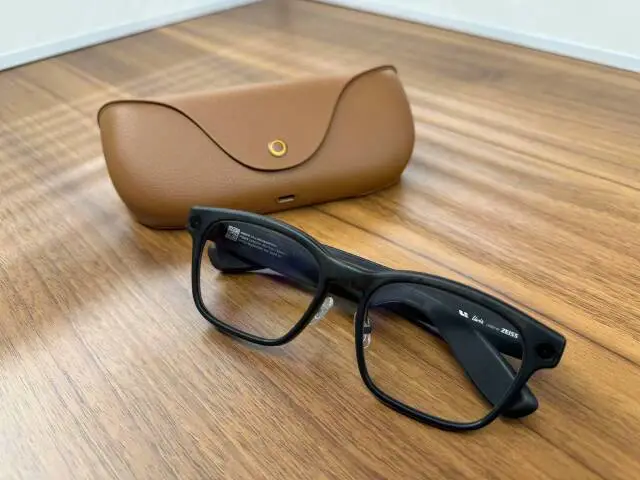
Core Viewpoint - The competition in the AI glasses market is intensifying as major companies like Baidu, Alibaba, and Li Auto launch their products, with Li Auto's Livis glasses selling out quickly after release [1][3]. Group 1: Market Dynamics - Li Auto's AI glasses Livis were launched without pre-sale, directly shipping at a competitive price of 1699 yuan, leading to rapid sell-out within two hours [1]. - Other major players, including Google, Vivo, and Xiaomi, are also exploring AI glasses, with Google reportedly in the POC stage for two products [3][4]. - The entry of various companies into the AI glasses market indicates a significant shift, with many viewing it as a strategic necessity for data collection and user interaction [4][18]. Group 2: Strategic Importance - AI glasses are seen as a critical extension of existing hardware experiences for consumer electronics companies, while for internet giants, they represent a necessary entry point for data collection and model enhancement [4][17]. - Companies like Alibaba and Baidu are aggressively pursuing AI glasses as a strategic product, with Baidu defining it as an S-level strategic initiative [20][22]. - The competition is not just about hardware but also about the underlying data that can be collected through these devices, which is crucial for future AI developments [12][17]. Group 3: Industry Trends - The hardware barrier for entering the AI glasses market has lowered significantly, allowing a wide range of players to participate [25][29]. - The supply chain for AI glasses is rapidly evolving, with companies like Qualcomm and Foxconn involved in production, leading to shorter project cycles and controlled hardware costs [28][29]. - The market is characterized by a "comprehensive competition," where the ability to deliver high-quality products without flaws is essential for success [30].
【港股收盘快报】港股恒指跌1.29% 科指跌1.9% 科网股普跌 黄金股、内房股走弱 泡泡玛特...
Xin Lang Cai Jing· 2025-12-09 12:14
Market Overview - The Hong Kong stock market experienced a decline on December 9, with the Hang Seng Index falling by 1.29% to close at 25,434.23 points [1] - The Hang Seng Tech Index decreased by 1.90%, while the State-Owned Enterprises Index dropped by 1.62% [1] Sector Performance - Technology stocks faced widespread declines, with companies such as Bilibili, Xiaomi, and Baidu each dropping over 3% [1] - Kuaishou and Meituan saw declines exceeding 2%, while NetEase, Alibaba, Lenovo, and JD.com fell by more than 1% [1] - Gold and non-ferrous metal stocks were under pressure, with Zijin Mining experiencing a drop of over 4% [1] - The real estate sector weakened significantly, highlighted by a decline of over 18% for Yaloo Group [1] - The semiconductor sector was notably weak, with Huahong Semiconductor falling by more than 5% [1] - New consumption concept stocks also faced declines, with Pop Mart dropping over 5% [1]

老虎环球新基金启动,聚焦这一领域!
Zheng Quan Shi Bao Wang· 2025-12-09 11:55
Group 1 - Tiger Global Management has launched its latest venture capital fund "PIP 17" with a fundraising target of $2.2 billion, marking a shift from a broad investment strategy to a more cautious and focused approach [1] - The new fund will concentrate on artificial intelligence, with its size, strategy, and structure similar to earlier funds, reflecting a reassessment of the current market environment [2] - PIP 16 has achieved a return rate of 33%, while PIP 15 has a return rate of 16%, largely due to early investments in OpenAI and Waymo, which have seen significant valuation increases [2] Group 2 - Tiger Global Management has acknowledged the valuation bubble risk in the AI sector, emphasizing a humble approach to the significant technological shift, while still planning to mitigate risks through selective investments [3] - The founder, Chase Coleman, highlighted a strategy of "actively pruning and reinforcing winners," with PIP 15 having sold 85 portfolio companies, raising over $1 billion for reinvestment in leading firms [3] - The fund's investment style has evolved from a conservative approach in its early years to a more aggressive strategy, with the number of investments increasing from an average of 30 projects per year to 45 in the following decade [4][5] Group 3 - The investment strategy has shifted from targeting the top 2% of tech companies to the top 10%, with rapid due diligence and investment processes, although the pace has slowed in recent years due to changing liquidity conditions [5][6] - In 2023 and 2024, the company plans to invest in only 13 and 8 projects respectively, reflecting a broader industry shift from a "scale-oriented" to a "quality-oriented" strategy [5][6]
外卖大战刚打完,大厂新一轮「烧钱抢市场」又来了
36氪· 2025-12-09 10:38
Core Insights - The article discusses the emerging competition in the AI glasses market, highlighting the aggressive strategies of major tech companies like Google, ByteDance, Vivo, Xiaomi, Tencent, and others in developing AI glasses products [4][10][12]. Group 1: Market Dynamics - Major companies are entering the AI glasses market, with Ideal's AI glasses priced at 1699 yuan, leading to rapid sell-out within two hours of launch [6][7]. - Google is reportedly in the POC stage for two AI glasses products, collaborating with Qualcomm, Samsung, and Foxconn for development [9]. - ByteDance is pursuing multiple AI glasses projects, with plans to release a light display version by Q4 next year and a non-display version by Q1 [12][12]. Group 2: Strategic Importance - For consumer electronics companies, AI glasses represent an extension of existing hardware experiences and a strategic defense move [14]. - For internet giants, AI glasses are seen as a necessary entry point to enhance their models and applications, with significant data implications [15][30]. Group 3: Data Collection and Competition - AI glasses are viewed as optimal devices for collecting real-world data, which is becoming increasingly valuable for AI development [22][25]. - The competition in the AI glasses market is fundamentally a data competition, as these devices will serve as data collection points for improving AI models [30]. Group 4: Hardware and Supply Chain - The entry of major players has lowered the hardware barriers, allowing for rapid development cycles and cost control in the AI glasses supply chain [48][52]. - The industry is witnessing a surge in AI glasses prototypes, with a typical timeline of three months for samples, six months for mass production, and nine months for shipping [51]. Group 5: Challenges and Risks - The AI glasses market is characterized by high competition, where any shortcomings in product quality can lead to significant failures [55]. - Previous product launches have faced challenges, such as Xiaomi's first-generation AI glasses experiencing a 40% return rate due to issues like Bluetooth connectivity and chip selection [56].