
奔驰

Search documents
买车像炒股?有车主爱车一年跌价近5万
Jing Ji Guan Cha Wang· 2025-10-11 06:14
Core Insights - The automotive market in September saw a record number of new model releases, leading to a surge in consumer purchases, but many buyers faced rapid depreciation of their vehicles [2][3] - The average resale value of plug-in hybrid vehicles is only 43.9% after three years, while pure electric vehicles have an even lower average of 42.6%, both significantly below traditional fuel vehicles [2][3] - The rapid introduction of new models and aggressive pricing strategies by manufacturers are contributing to the depreciation of vehicles, particularly in the electric vehicle segment [4][8] Market Trends - Over 70 new models were launched in September, indicating a strong sales season [3] - The automotive consumption index rose by 15.2% in August, signaling the arrival of the traditional sales peak [3] - Price wars have intensified, with companies like Tesla reducing prices, prompting competitors to follow suit [3][8] Depreciation Factors - The rapid pace of technological advancement and frequent model updates are accelerating vehicle depreciation, especially for electric vehicles [4][7] - Brand influence remains a key determinant of resale value, with luxury and mainstream brands maintaining higher average resale values [4][5] - The average resale value for three-year-old electric vehicles is only 43.25%, while traditional fuel vehicles often exceed 45% [3][5] Consumer Guidance - Consumers are advised to reference authoritative resale value data before purchasing, focusing on three-year resale rates to gauge long-term value [9] - Choosing brands with stable pricing strategies is crucial, as these brands tend to maintain higher resale values [9][10] - The importance of after-sales service and warranty policies, particularly for electric vehicle batteries, is emphasized as a factor in maintaining vehicle value [9][10]


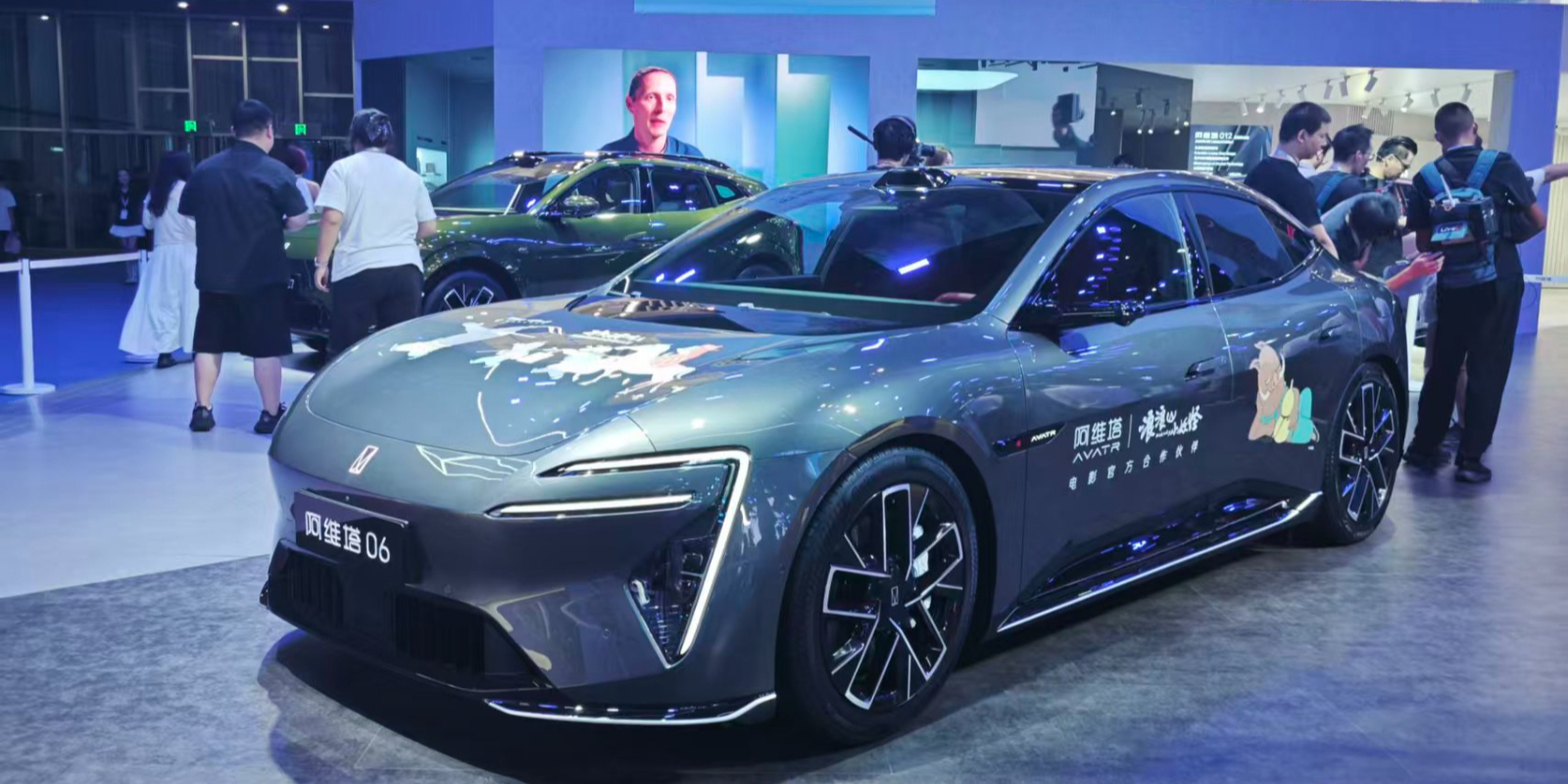
今日新闻丨新能源减免购置税政策延续两年,技术要求更加严苛!多款新车登录工信部!新款吉利星愿上市,限时售价6.58-9.58万元!
电动车公社· 2025-10-10 17:20
Core Viewpoint - The article highlights the introduction of a new policy for the exemption of vehicle purchase tax for new energy vehicles (NEVs) in 2026-2027, emphasizing the need for manufacturers to enhance their technology and efficiency to qualify for subsidies [2][5]. Group 1: Policy Changes - The Ministry of Industry and Information Technology, Ministry of Finance, and State Taxation Administration jointly announced adjustments to the technical requirements for NEVs to qualify for purchase tax exemptions in 2026-2027 [2]. - The existing policy of halving the purchase tax for NEVs will continue, but vehicles with high energy consumption or insufficient electric range will not receive subsidies, indicating a competitive environment focused on technology [5]. Group 2: New Vehicle Launches - The new Geely Star Wish was launched on October 10, with a limited-time price range of 65,800 to 95,800 yuan [6][7]. - The new model offers six variants with prices and specifications aimed at maintaining competitive positioning in the market [10]. - The vehicle features a design that retains the current model's aesthetics while introducing new color options and upgraded configurations without increasing prices, which may help sustain sales performance [18]. Group 3: Market Dynamics - The introduction of the new tax exemption policy and the launch of new models like the Geely Star Wish indicate a shift in the NEV market towards a focus on technological advancements and competitive pricing [5][18]. - Other manufacturers are also launching new models, such as the Tesla Model Y and Xpeng P7+, which aim to meet diverse consumer needs and enhance market share [22][32].


政策消费双驱动 石家庄“十一”车市热度与理性并存
Sou Hu Cai Jing· 2025-10-10 13:29
Core Insights - The automotive market in Shijiazhuang experienced a surge in consumer activity during the National Day and Mid-Autumn Festival holiday, driven by government subsidies and promotional events [1][3] - This year's market showed a combination of enthusiasm and rationality, with consumers making more informed purchasing decisions compared to previous years [1] Group 1: Policy and Promotions - The increase in market activity was initiated by the early release of policy benefits, including a vehicle trade-in subsidy and a promotional event organized by 13 cities in Hebei [1] - From September 26 to October 5, a limited number of vehicle trade-in qualification vouchers were distributed through the "Dongche Di" app, which significantly boosted consumer interest [1] Group 2: Sales Performance - During the holiday, foot traffic in many 4S stores increased dramatically, with some reporting a rise of 30% to 200% compared to pre-holiday levels [3][5] - Certain brands, such as BYD and Great Wall Motors, reported order volumes that exceeded their typical monthly sales, with increases of up to 400% in some cases [5][8] Group 3: Consumer Behavior - Consumers are increasingly taking a rational approach to purchasing, often comparing multiple brands and models before making a decision, with the decision-making period extending from 15-30 days [10][15] - Factors influencing consumer choices have diversified, including price, configuration, range, charging convenience, after-sales service, and resale value [15][17] - Sales strategies have adapted to this shift, with many dealerships offering test drive events and personalized service to meet consumer needs [17]
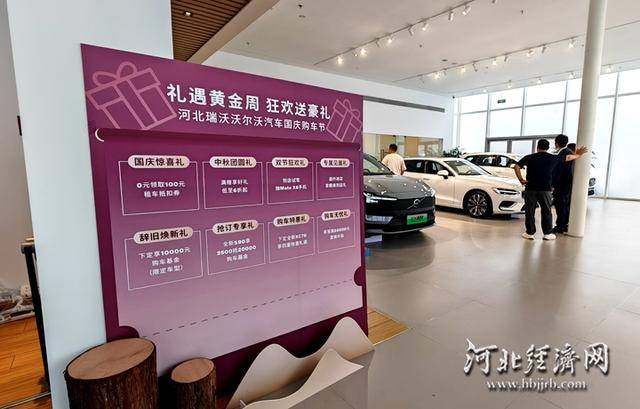
“金九”上大分 中国豪华汽车保值率全面回升
Zhong Guo Jing Ying Bao· 2025-10-10 13:13
Group 1 - The core viewpoint of the news is that the Chinese automotive market is experiencing a recovery in vehicle resale values, particularly among luxury brands and domestic brands in the new energy segment [1][2] - The "2025 September China Automotive Resale Value Research Report" indicates that mainstream vehicle models are seeing an overall increase in resale values, with luxury brands showing a comprehensive rebound [1] - The report highlights a divergence in trends between luxury brands and mainstream joint venture brands, with luxury brands like BBA (Benz, BMW, Audi) maintaining stable performance due to a complete product line [1] Group 2 - The "Automotive Industry Stabilization Growth Work Plan (2025-2026)" has been introduced to provide direction and momentum for the industry, emphasizing the importance of the automotive sector as a key economic pillar in China [2] - The plan includes 15 specific measures aimed at facilitating used car transactions and improving circulation efficiency, which is expected to support the recovery of resale values [2] - The industry is currently in a structural adjustment phase, where brands with core technologies, comprehensive service systems, and clear development strategies will gain greater advantages in resale values [2]
BBA最后的堡垒,快守不住了
商业洞察· 2025-10-10 09:29
Core Viewpoint - The article discusses the significant shift in the Chinese luxury car market, highlighting the decline of traditional German brands (BBA: BMW, Benz, Audi) due to the rapid rise of domestic electric vehicle brands, particularly in the entry-level and mid-range luxury segments [3][4][10]. Group 1: Market Dynamics - Over the past two decades, BBA has established itself as a symbol of luxury in China, but is now losing market share in the entry-level luxury sedan segment, where prices have dropped significantly [3][4]. - In the first half of 2025, the sales of Benz C-Class and Audi A4L fell by 16% and 27% respectively, while BMW 3 Series saw a slight increase [3]. - The market share of new energy vehicles in the 200,000 to 300,000 yuan price range has increased from 60% to 63.3% year-on-year, further squeezing the market for traditional luxury entry-level cars [3][4]. Group 2: Financial Impact - BBA's financial performance has been adversely affected, with Benz's net profit dropping by 55.8%, Audi's by 37.5%, and BMW's by 29% in the first half of 2025 [4]. - The mid-range luxury sedan market is also experiencing price cuts, with the entry-level BMW 5 Series seeing a price reduction of 40% [4]. Group 3: Competition from Domestic Brands - Domestic brands like NIO and BYD are increasingly targeting the ultra-luxury market, with models like the NIO ET9 and BYD's Yangwang U8 directly competing with BBA's offerings [4][5]. - NIO's ET9 surpassed BMW 7 Series and Audi A8L in sales shortly after its launch, indicating a shift in consumer preference [5]. - The Huawei-backed ZunJie S800 received over 14,000 pre-orders within 109 days, suggesting a strong market response that could challenge BBA's dominance [5][19]. Group 4: Historical Context and Future Outlook - The luxury car market in China has evolved significantly from 2010 to 2020, with BBA's market share dropping from 94.03% in 2012 to 63% in 2020 [7][10]. - By 2024, BBA's combined market share is projected to fall to 35%, while domestic brands like Li Auto and AITO are gaining traction [10]. - The competition in the ultra-luxury segment remains challenging for domestic brands, as they must overcome brand perception issues and establish a strong market presence [24][26].

15.98万元起!鸿蒙智行攻入主流大众车市!或将重塑行业竞争格局|人民智行
Zheng Quan Shi Bao Wang· 2025-10-10 03:14
Core Insights - Huawei's automotive division, Hongmeng Zhixing, has officially launched the Shangjie H5, its most affordable model, priced starting at 159,800 yuan, marking its entry into the sub-200,000 yuan automotive market [1][2] - The launch of Shangjie H5 is expected to intensify competition in the domestic automotive market, particularly affecting self-owned and some joint venture brands in the same price range [2][6] Market Dynamics - In 2024, vehicles priced below 200,000 yuan are projected to account for over 70% of the domestic automotive market share, with the segment currently dominated by fuel vehicles, while the penetration rate of new energy vehicles stands at approximately 40% [2][5] - Over the past four years, Huawei has captured a significant share of the traditional luxury car market, delivering 930,000 vehicles, and has positioned itself as a leader among new force brands in the automotive sector [3][4] Competitive Landscape - The Shangjie H5 is designed to compete directly with models like Tesla Model Y and BYD Song PLUS, potentially forcing joint venture brands to accelerate their electrification efforts [4][6] - Traditional luxury brands, including BMW, Mercedes-Benz, and Audi, are experiencing declining sales, with each brand's sales dropping over 10% year-on-year, indicating increased pressure from new entrants like Huawei [3][4] Strategic Implications - Huawei's dual strategy of high-end and mainstream market penetration is seen as a significant move to challenge traditional luxury brands while expanding its market presence [4][9] - The introduction of Shangjie H5 is expected to push the automotive industry towards greater technological integration and lower pricing, altering consumer expectations regarding the value of smart vehicles [5][6] Future Outlook - The automotive industry is anticipated to shift from mechanical manufacturing to smart terminal production, with technology capabilities becoming the core competitive advantage [9] - Companies are advised to enhance their product intelligence, optimize cost structures, and explore new markets to maintain competitiveness against emerging players like Huawei [7][8]
宝马4.2万元,奔驰3.6万元!深圳二手车市场“量升价跌”
Shen Zhen Shang Bao· 2025-10-09 23:01
Core Insights - The automotive industry is experiencing a seasonal sales peak during the "Golden September and Silver October," but the used car market shows signs of recovery while facing structural pressures of "increased volume and decreased prices" [1] Group 1: New Car Pricing and Promotions - Significant discounts are being offered on new cars, with some models being sold at 60% off their original prices, such as the BMW 2 Series and BMW X2 [2] - The aggressive pricing strategies are impacting the used car market, leading to a substantial decline in the prices of previously high-value luxury cars [2] Group 2: Used Car Market Dynamics - The average inventory cycle for used cars has extended to 43 days, with 35.6% of businesses experiencing inventory cycles longer than 30 days, indicating increased operational pressure on dealers [3] - A high percentage of used car dealers, 73.6%, reported losses, primarily due to the ongoing price war in the new car market, which adversely affects used car sales and customer satisfaction [2][3] Group 3: Cost and Profitability Challenges - The cost of maintaining inventory is rising, with monthly parking fees for a used car reaching approximately 2500 yuan, necessitating a profit of at least 3000-4000 yuan per vehicle to achieve minimal profitability [4] - Online sales now account for over half of the sales volume for some dealers, but the cost of customer acquisition through online platforms has also increased significantly, with average acquisition costs reaching 6200 yuan [4] Group 4: Electric Vehicle Market Trends - Despite a strong sales performance for new energy vehicles (NEVs), which accounted for 36.7% of total vehicle sales, their representation in the used car market remains low at only 5.3% [5] - The rapid technological advancements in NEVs lead to quicker depreciation, making them less attractive in the used car market compared to gasoline vehicles [5] Group 5: Market Outlook - The used car market is projected to reach a transaction volume of approximately 20.5 million units for the year, with a year-on-year growth rate expected to remain between 4% and 5% [6]
今日新闻丨极简版Model 3/Y发布,降价4万,配置大砍?上汽集团9月新能源销量近19万辆!奔驰/宝马公布三季度全球销量!
电动车公社· 2025-10-09 15:59
Core Viewpoint - SAIC Motor Corporation achieved significant growth in September, with nearly 190,000 units of new energy vehicles sold, reaffirming its position as the industry leader in sales volume [2][4]. Group 1: SAIC Motor Corporation Performance - In September, SAIC Motor's total vehicle sales reached 440,000 units, regaining the top position in the industry [2]. - The sales of SAIC's self-owned brands amounted to 294,000 units, while new energy vehicles contributed nearly 190,000 units to the total [2]. - Cumulatively, from January to September, SAIC sold 3.193 million vehicles, marking a year-on-year increase of 20.5% [4]. Group 2: Competitor Analysis - Mercedes-Benz reported global passenger car sales of 441,500 units in Q3, a year-on-year decline of 12%, with sales in China dropping by 9% [8][9]. - BMW Group's global sales reached 588,300 units in Q3, reflecting an 8.8% year-on-year increase, although sales in China saw a slight decline of 0.4% [10][12]. - Tesla launched the Model 3/Y Standard with starting prices of $36,990 and $39,990, respectively, aiming to boost sales despite a modest price reduction [14][21]. Group 3: Market Trends and Insights - The competitive landscape in the domestic automotive market remains intense, particularly affecting BMW, which has seen a decline in its Chinese market performance [13]. - SAIC's brands, including Wuling, MG, and Roewe, are experiencing substantial growth, indicating a strong internal momentum [6]. - The introduction of advanced electric models by competitors like Mercedes-Benz aims to regain market share in the evolving electric vehicle segment [9].


德系豪华车,失守中国市场
第一财经· 2025-10-09 13:55
Core Viewpoint - The performance of German luxury car manufacturers in the Chinese market has not improved in the third quarter, with significant declines in sales for brands like Mercedes-Benz and Porsche, while BMW shows slight resilience in other global markets [3][4]. Group 1: Sales Performance - BMW's global sales in Q3 increased by 8.8%, but in China, sales decreased by 0.4% to 147,000 units [3]. - Mercedes-Benz and Porsche reported significant declines in their Chinese sales, with Mercedes-Benz down 27% to 125,000 units and Porsche down 20.7% to 11,000 units [3][4]. - In the first half of the year, Audi's sales in China fell by 10.2%, while BMW and Mercedes-Benz saw declines of 15.5% and 14%, respectively [3]. Group 2: Market Challenges - Mercedes-Benz faced severe challenges in the Chinese market, with a 40% month-on-month decline in July, marking the first time in five years that monthly sales fell below 28,000 units [3]. - Porsche's sales in China have been on a downward trend since 2022, with a 15% drop in 2023 and a projected 28% decline in 2024 [5]. - The competitive landscape in the luxury car segment has intensified, with Chinese brands like AITO and Li Auto gaining market share through their advantages in electrification and smart technology [5][6]. Group 3: Electric Vehicle Strategy - BMW is the only German luxury brand with a notable presence in the electric vehicle market, while Mercedes-Benz and Audi have struggled [6]. - Mercedes-Benz plans to phase out the "EQ" sub-brand and integrate electric models into its main product lineup [6]. - Porsche has adjusted its product strategy, slowing down electric vehicle development and shifting focus back to fuel and hybrid models [6].
比亚迪系列专题:技术为本,向高端化演进
Guolian Minsheng Securities· 2025-10-09 13:54
Investment Rating - The report maintains an investment rating of "Outperform the Market" for BYD [7] Core Viewpoints - The luxury image of traditional brands is a result of historical accumulation, technology, and brand strength. Under the wave of new energy, domestic brands are redefining luxury through new technologies. BYD's path to high-end positioning relies on its technological advantages to foster brand preference among consumers [4][11] - BYD's high-end strategy is built on "technology foundation, brand stratification, and global expansion," utilizing a three-tier brand matrix for precise market coverage [11][59] Summary by Sections Introduction: Where Will BYD's High-End Path Lead? - In 2024, BYD's passenger car sales reached 4.25 million units, with models priced below 200,000 yuan accounting for 84.3% of sales. The launch of the Tengshi D9 in 2022 marked the beginning of BYD's high-end journey, followed by the introduction of the Yangwang and Fangchengbao brands [8][15] Quantitative Standards for Successful High-End Definition - High-end brands are defined as those with an average price above 300,000 yuan. In 2024, 14 brands met this criterion, with six being domestic brands. The top three brands by sales were traditional luxury brands "BBA," followed by domestic brands like Li Auto and AITO [20][23] Key to BYD's High-End Breakthrough: Focus on Technological Strength - BYD's high-end strategy includes the Tengshi brand, which integrates advanced technologies to create a comprehensive product matrix. The Tengshi brand achieved sales of 107,000 units in 2024, with an average transaction price of approximately 350,000 yuan [32][36] - The Fangchengbao brand focuses on the personalized automotive market, leveraging leading technologies to create unique products [46] Investment Recommendations - The report suggests that BYD's exploration of high-end positioning is gradually correcting its strategic direction, with a focus on technology-driven sales growth. The "Universal Intelligent Driving" strategy is expected to accelerate brand high-end positioning and enhance revenue and profit margins in the medium to long term [12][59]
