
海信视像

Search documents
益普索中国智能家电市场趋势洞察
益普索· 2026-02-10 08:14
Investment Rating - The report does not explicitly provide an investment rating for the smart home appliance industry. Core Insights - The Chinese home appliance market is transitioning from scale expansion to quality upgrades, with a focus on deep competition driven by changing demand structures [3] - Generation Z is becoming the new consumer driving force, shifting the consumption logic towards emotional value, personalization, and aesthetic appeal [4] - Consumers are moving from external display to internal experience, emphasizing the need for brands to innovate based on local user demands [5] - Companies need to build a forward-looking insight system to identify future opportunities amidst market changes [5] - The focus on sustainable growth and core competitiveness is essential, guiding product innovation and brand communication [6] Summary by Sections Market Trends - The market is experiencing a "micro-segmentation" wave, moving away from universal big-ticket items to innovative product categories that match the evolving lifestyle and spatial needs of Chinese consumers [9][19] - The demand for personalized appliances is increasing, with a significant portion of consumers willing to invest in products that cater to individual preferences [26] Design and Aesthetics - Home appliance design is undergoing a revolution towards "de-industrialization," aiming for seamless integration with home environments and visual subtlety [11][35] - Aesthetic appeal is becoming a key factor in purchasing decisions, with 84% of consumers considering appearance and 69% willing to pay more for aesthetically pleasing products [36] Functionality and User Experience - Functionality remains a critical consideration for consumers, but its definition is evolving to include emotional and experiential aspects [12][86] - The demand for "zero-maintenance" solutions is rising, with consumers seeking appliances that require minimal user intervention [99][101] Health and Wellness - Health has become a core value in home appliances, with consumers increasingly focused on products that enhance both physical and mental well-being [111][113] - There is a growing expectation for appliances to provide proactive health management solutions, moving beyond basic functionality [113] Smart Home Integration - The shift from isolated smart devices to interconnected home ecosystems is a significant trend, with consumers desiring seamless, intuitive interactions [135][138] - AI is expected to play a crucial role in enhancing user experience by predicting needs and providing personalized services [140]




制造业31个大类全覆盖,2025年山东人工智能核心产业营收超1200亿
Feng Huang Wang Cai Jing· 2026-02-10 07:32
Core Insights - Shandong Province has outlined ten key highlights for the high-quality development of its artificial intelligence industry, aiming for 1,124 backbone enterprises and core industry revenue exceeding 120 billion yuan by 2025, accounting for approximately 10% of the national total [1] Group 1: AI Industry Development - The province has achieved significant breakthroughs in model empowerment applications, ecological infrastructure improvement, core technology breakthroughs, and quality enterprise cultivation [1] - 122 vertical specialized large models have been implemented, covering 31 major categories in the manufacturing sector, with over 170 key monitored large model enterprises, and expected revenue from large model businesses to exceed 6 billion yuan by 2025, doubling year-on-year [1] - 266 large model products have been evaluated by third-party organizations, with 105 typical application scenarios published, and 20 projects selected as national AI development and cooperation typical application cases, ranking first in the country [1] Group 2: Data Infrastructure and Computing Power - The number of 5G base stations in the province has exceeded 270,000, with significant advancements in intelligent computing power, including 234 operational computing centers with a total scale of approximately 23.18 Eflops, and over 51% of the capacity being intelligent computing [2] - The intelligent computing industry (including AI servers and intelligent computing cloud services) is projected to exceed 90 billion yuan by 2025, also doubling year-on-year [2] Group 3: Robotics and Intelligent Products - Shandong has introduced a high-quality development action plan for the robotics industry, with cities like Jinan and Qingdao developing characteristic industrial clusters, leading to a robotics manufacturing industry scale exceeding 32 billion yuan [2] - A number of embodied intelligent products are being piloted in various scenarios, including industrial sorting and high-risk operations, with several intelligent laboratories established in key cities [2] Group 4: Intelligent Terminals and Integration - The province has implemented an action plan for the innovative development of AI terminals, with major companies like Haier and Hisense ranking among the top 20 in China's electronics sector, launching popular products in smart home appliances and wearable devices [3] - Shandong has fostered a deep integration of AI technology across various fields, with 2 national leading intelligent factories and 49 excellent-level factories, as well as numerous applications in education and government services [3] Group 5: Enterprise Cultivation - The province has initiated an enterprise cultivation project themed "selecting waves and nurturing flowers," forming a positive development trend with leading enterprises and emerging companies [4] - Six enterprises are recognized as chain leaders in key manufacturing industries, with 108 enterprises identified as "wave enterprises," and several receiving national-level accolades for excellence [4]
中国银河证券:空调行业提价坚决 扫地机在犹豫中减少自补
智通财经网· 2026-02-10 01:51
Core Viewpoint - The home appliance industry is facing price increases driven by costs and some structural upgrades, with a significant difference from the previous cost increase cycle from Q3 2020 to Q2 2022 [1][2] Group 1: Cost-Driven Price Increases - The current cost increase cycle is primarily driven by rising prices of various metal raw materials, memory, and MCU, rather than strong retail demand [2] - The CPI is expected to return to positive growth in October 2025, with rates of +0.2%, +0.7%, and +0.8% for October, November, and December respectively [1] - The demand for home appliances is weak, and the marginal utility of national subsidies is decreasing, leading to cost-driven price increases [1][2] Group 2: Air Conditioner Price Increases - Air conditioners face higher cost pressures due to the significant cost share of copper, leading to decisive price increases by major brands like Midea, which implemented a tiered price increase strategy [3] - Retail prices for air conditioners have risen, with online and offline average prices reaching 3151 yuan and over 4000 yuan respectively in early 2026 [3] - The peak of competition and cost pressure in the air conditioner market is expected in Q4 2025, with price increases in 2026 alleviating some of the cost pressures [3] Group 3: Robotic Vacuum Cleaners - The robotic vacuum cleaner market is experiencing complexities as national subsidies are set to stop in the second half of 2025, leading brands like Ecovacs and Roborock to face profit pressures [4] - Despite attempts to end self-subsidization, some provinces have resumed subsidies, affecting market dynamics [4] - The average retail price of robotic vacuum cleaners showed a decline in late 2025 but began to recover in early 2026 [4] Group 4: TV Structural Upgrades and Competition in Action Cameras - Although TV demand is declining, the penetration rate of MiniLED TVs has increased since September 2024, contributing to a rise in retail prices [5] - Retail volume and value for TVs in 2025 decreased by 10.4% and 7.3% respectively, while the average retail price increased by 3.51% [5] - The action camera market is seeing intense competition, particularly with brands like DJI and Insta360, leading to price reductions for popular models [6]

海外品牌发布财报,产能外迁是主方向
Orient Securities· 2026-02-09 13:11
Investment Rating - The report maintains a "Positive" outlook for the home appliance industry, indicating an expectation of returns exceeding the market benchmark by over 5% [4]. Core Insights - The report highlights that while the domestic subsidy effect is slowing, the "Two New" policy is expected to stimulate greater consumer potential in the home appliance sector. Leading white goods companies with higher energy efficiency product ratios and mature trade-in management processes are likely to benefit more significantly [3]. - The long-term strategy of expanding overseas production capacity remains a key focus, with companies that diversify their production locations expected to outperform. The report anticipates a valuation shift in 2026, particularly for companies like Roborock Technology and Lek Electric [3]. - The report emphasizes the importance of stable performance in core businesses and the potential for developing secondary growth avenues, with companies like Anfu Technology being highlighted for their strong cash flow and manufacturing capabilities [3]. Summary by Sections Domestic Market Insights - The report notes that the domestic market is experiencing a marginal slowdown in subsidy effects, but ongoing policy optimizations are expected to unlock more consumer potential [3]. Overseas Expansion - Companies are increasingly focusing on overseas production as a long-term strategy, with expectations of accelerated price increases starting in Q1 2026 due to tariff impacts and rising raw material costs [3]. Investment Recommendations - Key investment themes include: - Leading companies with higher operational efficiency and stable dividend yields are recommended for conservative allocation, with Haier Smart Home and Hisense Visual Technology as notable mentions [3]. - Companies with a focus on international expansion are expected to see valuation shifts, with Roborock Technology and Lek Electric recommended for buying [3]. - Companies with stable core business performance and potential for secondary growth avenues, such as Anfu Technology, are also highlighted [3].


纳米“小尺度”撬动产业“大变革” 广纳院为“论文到产品”架桥
2 1 Shi Ji Jing Ji Bao Dao· 2026-02-09 12:29
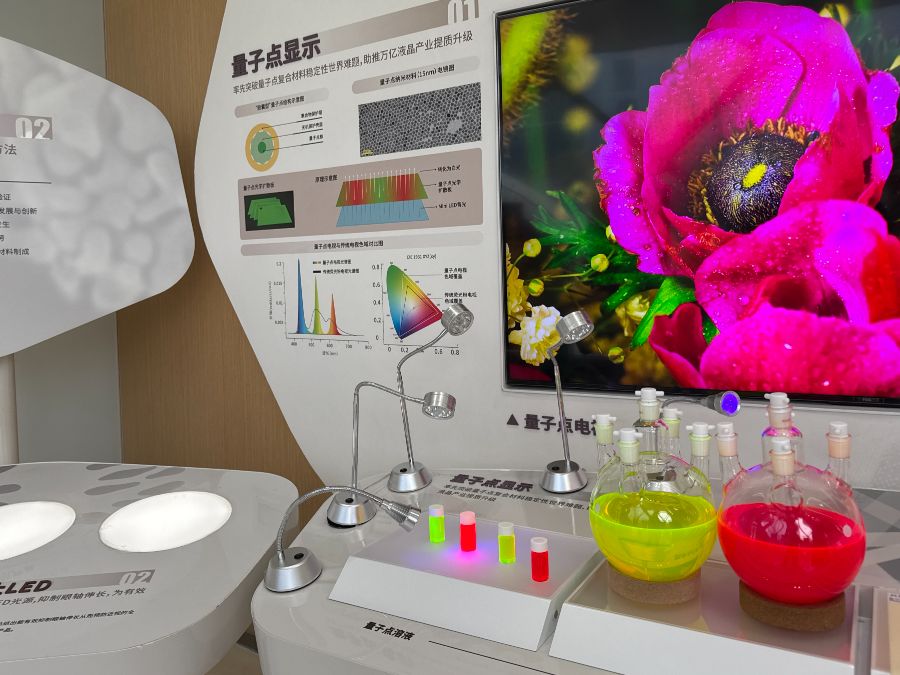
Core Viewpoint - Nanotechnology, despite its minuscule scale of 10^-9 meters, holds the potential to break technological barriers and create new productive forces, serving as a cornerstone for advancements in AI, chips, and biomedicine [1] Group 1: Nanotechnology Applications - Almost all upstream industries can benefit from the application of nanomaterials and technologies [2] - The display industry has seen advancements with quantum dot technology, which enhances screen quality and reduces energy consumption [4] - Various products utilizing nanotechnology, such as AR glasses and rapid drug testing devices, are emerging, indicating the broad applicability of nanotechnology in daily life [6] Group 2: Industry Development and Goals - The Guangdong-Hong Kong-Macao Greater Bay Area is focusing on overcoming "bottleneck" technologies and building platforms for concept verification and pilot testing to bridge the gap between laboratory research and market products [1][7] - The goal is to accelerate the industrialization of high-end nanomaterials, supporting future industries like quantum information and precision medicine [7] - The establishment of a national-level innovation platform for nanotechnology aims to enhance collaboration among leading enterprises and support the innovation chain [9] Group 3: Research and Development Mechanisms - The Guangdong Nanotechnology Innovation Research Institute (广纳院) is shifting from a bottom-up approach to a top-down model, addressing industry needs directly to shorten marketization cycles [8] - The institute has developed various platforms for technology transfer, including clinical trial centers and performance testing centers, to support R&D and commercialization [9] - The institute has successfully nurtured several enterprises and raised significant funding, indicating a robust ecosystem for nanotechnology innovation [9]

影音游戏党的终极奖励:RGB-MiniLed电视年底推荐
Sou Hu Wang· 2026-02-09 08:04
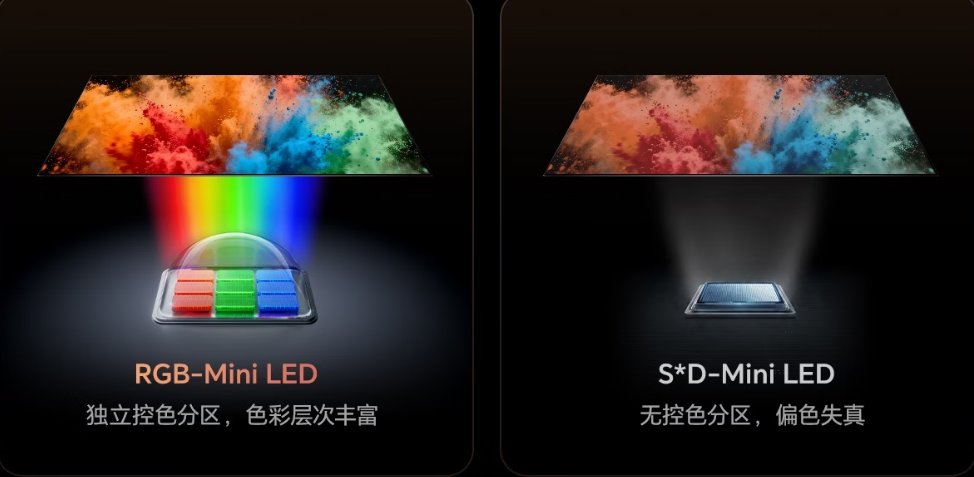
对于辛苦打拼了一年的"打工人"来说,什么是最好的自我奖励?也许不是名牌包表,而是在深夜回到 家,打开电视,沉浸在《黑神话:悟空》的世界里,或者是享受一部4K HDR的高码率电影。 在这个时间节点做年底电视推荐,我不想聊那些平庸的大路货。今天要聊的,是能够代表目前显示技术 巅峰水准的产品——海信E8S。如果你是追求极致体验的玩家,这台RGB-MiniLed电视可能会刷新你对 电视的认知。 拒绝光晕,RGB才是画质的终点 懂行的朋友都知道,玩游戏或者看暗黑风格的电影(比如《权力的游戏》夜戏),最怕的就是"光晕"。明 明是漆黑的夜空,月亮周围却泛着一圈灰白色的雾,瞬间出戏。这是传统MiniLed单色背光的通病。 但海信E8S作为RGB-MiniLed电视,用了一种极其"奢侈"的方案解决了这个问题:它采用了RGB三原色 芯片。这不仅仅是亮度的提升,更是控光的革命。它的AI自然光晕消融技术,能让背光颜色跟着画面 变——画面是红的,背光就是红的;画面是绿的,背光就是绿的。 结果就是,光晕减少了60%,色彩可视角度提升了50%。当你用海信100吋电视E8S玩3A大作时,那种 黑得深邃、亮得通透的画面,没有任何杂光干扰,沉浸 ...
增长51%!苏宁零售云新智家电下乡迎“开门红”
Sou Hu Cai Jing· 2026-02-09 07:39
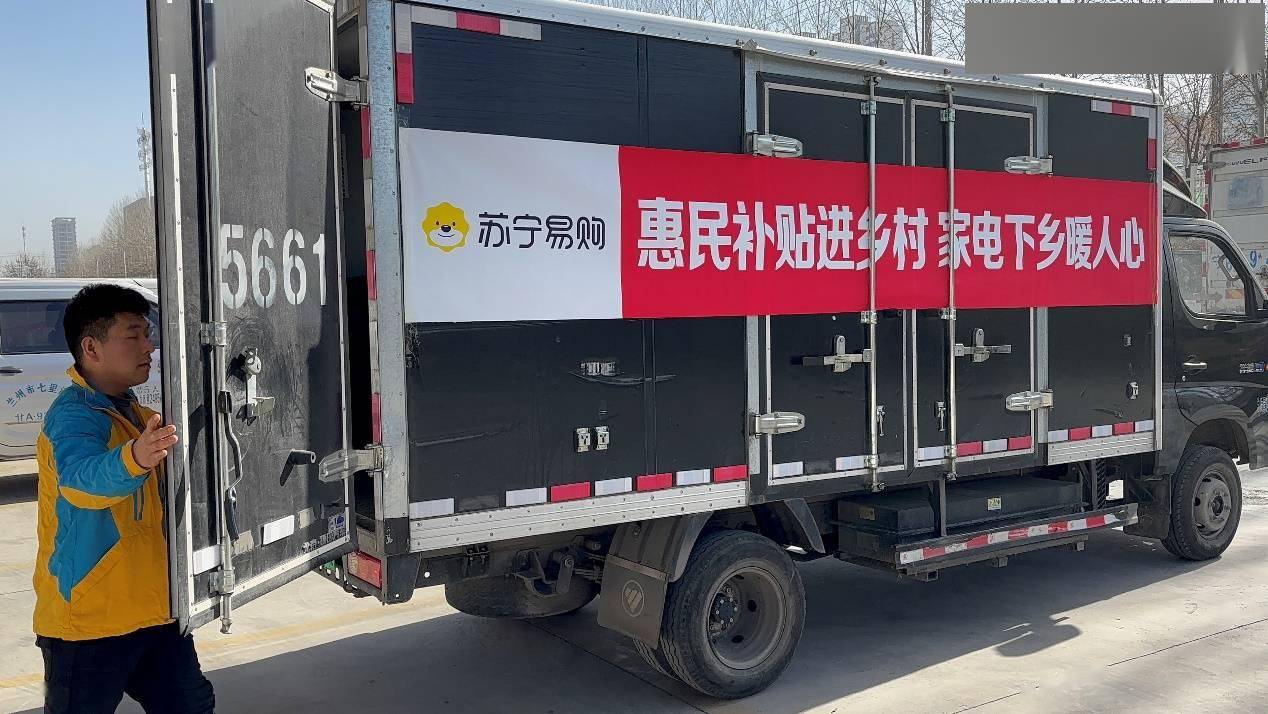
Core Insights - The 2026 Central Document emphasizes the modernization of agriculture and rural areas, supporting rural consumption upgrades and the recycling of old appliances [1] Group 1: Company Initiatives - Suning Retail Cloud plans to leverage the upcoming New Year Festival to launch the "Subsidy for Rural Areas" initiative across over 10,000 stores, enhancing rural consumer access to smart appliances [1][4] - The company is focusing on a "walk into villages" service model to facilitate the exchange of old appliances and promote consumption policies [1][4] Group 2: Market Trends - The county market is experiencing a generational shift in consumer demographics, with younger consumers prioritizing quality and digital experiences [3] - There is a transition in household consumption from basic appliances to a demand for smart, healthy, and comfortable home experiences [3] Group 3: Sales Performance - In January 2026, Suning Retail Cloud reported a 51% year-on-year increase in sales, with significant growth in "burden-reducing" and "atmospheric" appliances [6] - Specific product sales saw remarkable increases: robotic vacuum sales up 147%, dishwashers up 83%, and large-screen TVs up 75% [6] Group 4: Strategic Developments - Suning Retail Cloud is enhancing its large store strategy, with 24.10% of new franchise stores being large format, providing ample space for experiential retail [3] - The integration of local cultural elements into the "Subsidy for Rural Areas" initiative aims to create a festive atmosphere while facilitating consumer engagement [4][8] Group 5: Future Outlook - The comprehensive rollout of the "Subsidy for Rural Areas" initiative is expected to amplify the synergy between policy and market, invigorating the New Year consumption market [8] - The deep service model being explored by Suning Retail Cloud is anticipated to unlock further potential in rural consumption and improve residents' quality of life through smart appliance adoption [8]

招商证券:LCD面板价格2月涨幅扩大 供需共振释放业绩弹性
智通财经网· 2026-02-09 07:01
Supply Side - The oligopoly structure has formed, with mainland Chinese manufacturers achieving absolute dominance in the LCD sector, leading to stable profitability due to cyclical weakening [2] - The reduction in supply from panel manufacturers during the Spring Festival will further support the upward trend in panel prices [3] Demand Side - The World Cup events in North America and Mexico are driving demand, while rising storage costs are accelerating the trend towards larger TV sizes, with BOM cost for storage in TVs expected to rise from 2.5-3% to 6-7% [3] - TCL Electronics' acquisition of Sony's TV division poses a challenge to Samsung's global TV leadership, with projected shipments in 2025 showing only a 1 million unit difference between TCL+Sony and Samsung [3] Upstream Panels - Mainland China's LCD panel global market share is 72%, with TCL Huaxing and BOE holding over 50% market share [4] - The depreciation peak for TCL Huaxing's panel lines has passed, releasing profit elasticity, with overall depreciation expected to decline from 2026 onwards [4] Downstream TVs - The global shipment of MiniLED TVs is expected to exceed 20 million units by 2026, with a penetration rate surpassing 10%, which will indirectly reduce panel cost proportions [5] - The combination of MiniLED technology and larger sizes is expected to alleviate cost pressures, with TCL Electronics and Hisense Visual continuing to be favored for their global strategies and technological leadership [5]



从功能消费到情绪消费:2026,人们把家“买”成了什么样?
第一财经· 2026-02-09 06:00
Core Insights - The article emphasizes the transformation in consumer behavior from merely purchasing products to seeking comprehensive "home living solutions" that cater to emotional and experiential needs [1][3][60] Group 1: Consumer Trends - The demand for "ceremony" is shifting inward, focusing on self-care rather than social display, with 40.2% of individuals preferring to spend personal time at home and 77.8% willing to pay a premium for home products that provide emotional value [4][10] - The concept of "meta-scenes" is introduced, breaking down the abstract notion of home rituals into four actionable categories: "reset," "link," "light up," and "renew," which brands can leverage to connect with consumers [6][12] - The trend of "AI personalization" indicates that consumers are willing to invest in smart appliances that understand and meet their needs, moving away from cold, technical specifications to more human-like interactions [14][17] Group 2: Marketing Trends - The integration of online and offline channels is crucial, as consumers prefer immersive experiences in physical stores while valuing the convenience of online shopping [34][35] - Emotional resonance is becoming a key marketing strategy, with brands creating "emotional events" that connect with consumers' feelings rather than relying on traditional advertising methods [40][42] - Products must be contextualized within familiar life scenarios, allowing their functional value to naturally integrate into consumers' daily lives [48][49] Group 3: Future Predictions - The future of smart home technology will focus on "emotional alignment," where devices not only respond to commands but also anticipate user emotions and needs [55][56] - Brands will need to cater to specific consumer segments, offering tailored products that meet the unique demands of different demographics [57] - A shift towards providing "holistic value" will be essential, where brands offer comprehensive solutions that encompass functionality, emotional connection, and service throughout the product lifecycle [58][59]


家电行业周报20260207:25年全球TV出货面积略增,26年初面板价格小幅上行
SINOLINK SECURITIES· 2026-02-08 02:45
Investment Rating - The report suggests a "Buy" rating for the industry, anticipating a price increase exceeding 15% over the next 3-6 months [55]. Core Insights - The global TV market is expected to experience a slight decline in total shipments by 0.5% in 2026, despite a 1.6% increase in shipment area in 2025, driven by structural improvements and a shift from scale-driven to value-driven growth [11][15]. - The average TV size has increased to 53.6 inches, with OLED TV shipments growing by 6.9% year-on-year, indicating a trend towards higher-end products [11][12]. - The market is seeing a significant regional disparity, with emerging markets like Latin America, Middle East & Africa, and Asia-Pacific showing growth rates of 5.8%, 3.0%, and 2.3% respectively, while the Chinese market has declined by 8.8% [15]. - TV panel prices have seen a slight increase in early 2026, with demand from top brands rising by 5% in January, although a 7% decline was noted in February due to seasonal factors [17][18]. Market and Sector Performance - The Shanghai and Shenzhen 300 Index increased by 1.98%, while the home appliance index rose by 2.11% during the week [22]. - Notable stock performances included Sichuan Changhong (+22.33%), Skyworth Digital (+17.52%), and Ecovacs (+17.40%), while Galaxy Electronics (-6.73%) and *ST Tongzhou (-5.18%) saw declines [22]. Raw Material Prices - Copper prices decreased by 1.13%, while aluminum prices increased by 0.10% during the week of February 2-6, 2026 [28]. - Year-to-date, copper prices have risen by 2.14%, and aluminum prices by 1.98%, indicating fluctuating raw material costs that could impact the industry [28]. Real Estate Data - In December 2025, new residential construction, construction in progress, completions, and sales all showed significant year-on-year declines of -19.9%, -10.4%, -20.3%, and -10.0% respectively, indicating ongoing pressure on the home appliance sector [37][43]. Investment Recommendations - Leading brands are expected to achieve stable growth due to their integrated advantages and strong pricing power. The report recommends TCL Electronics, Hisense Visual, Midea Group, and Haier Smart Home as key investment opportunities [53].