流量竞争

Search documents
马云督战,千问剑指“AI入口”高地
Hua Er Jie Jian Wen· 2026-02-06 10:59
Core Viewpoint - Alibaba's recent aggressive marketing strategy, including a 30 billion yuan "Spring Festival Treat Plan," aims to establish its AI app, Qianwen, as a dominant player in the market, especially during the high-traffic period of the Spring Festival [1][7][10]. Group 1: Marketing Strategy and Competition - Alibaba's Qianwen app launched a significant promotional campaign, including a 30 billion yuan budget for user engagement during the Spring Festival, marking the largest investment in such activities in the company's history [1][7]. - The competition among major tech giants like Alibaba, Tencent, and Baidu has intensified, with each company investing heavily to capture user attention during the Spring Festival, reminiscent of past marketing battles [9][10]. - Tencent and Baidu have also initiated their own promotional activities, with Tencent offering 10 billion yuan and Baidu 5 billion yuan, but Alibaba's investment is notably higher [7][9]. Group 2: User Engagement and Market Dynamics - The presence of Jack Ma at Alibaba's headquarters and his focus on user engagement highlights the importance of capturing consumer interest in the AI sector, as failing to do so could render technological advancements ineffective [5][6]. - The traditional methods of user acquisition through financial incentives are being questioned in the context of AI, as the sustainability of such strategies remains uncertain [2][12]. - The market's reaction to these promotional efforts has been mixed, with stock prices for Alibaba and Tencent declining despite the announcements, indicating investor skepticism about the long-term viability of these strategies [13][15]. Group 3: Future Challenges and Considerations - The challenge for Alibaba lies not only in attracting users through subsidies but also in retaining them post-campaign, as user loyalty in AI applications is less predictable compared to traditional services [14][16]. - The financial implications of acquiring users through heavy subsidies could lead to increased operational costs, raising concerns about profitability in the long run [13][14]. - The shift towards AI-driven platforms necessitates a reevaluation of user engagement strategies, as the competitive landscape evolves beyond traditional app-based interactions [12][16].




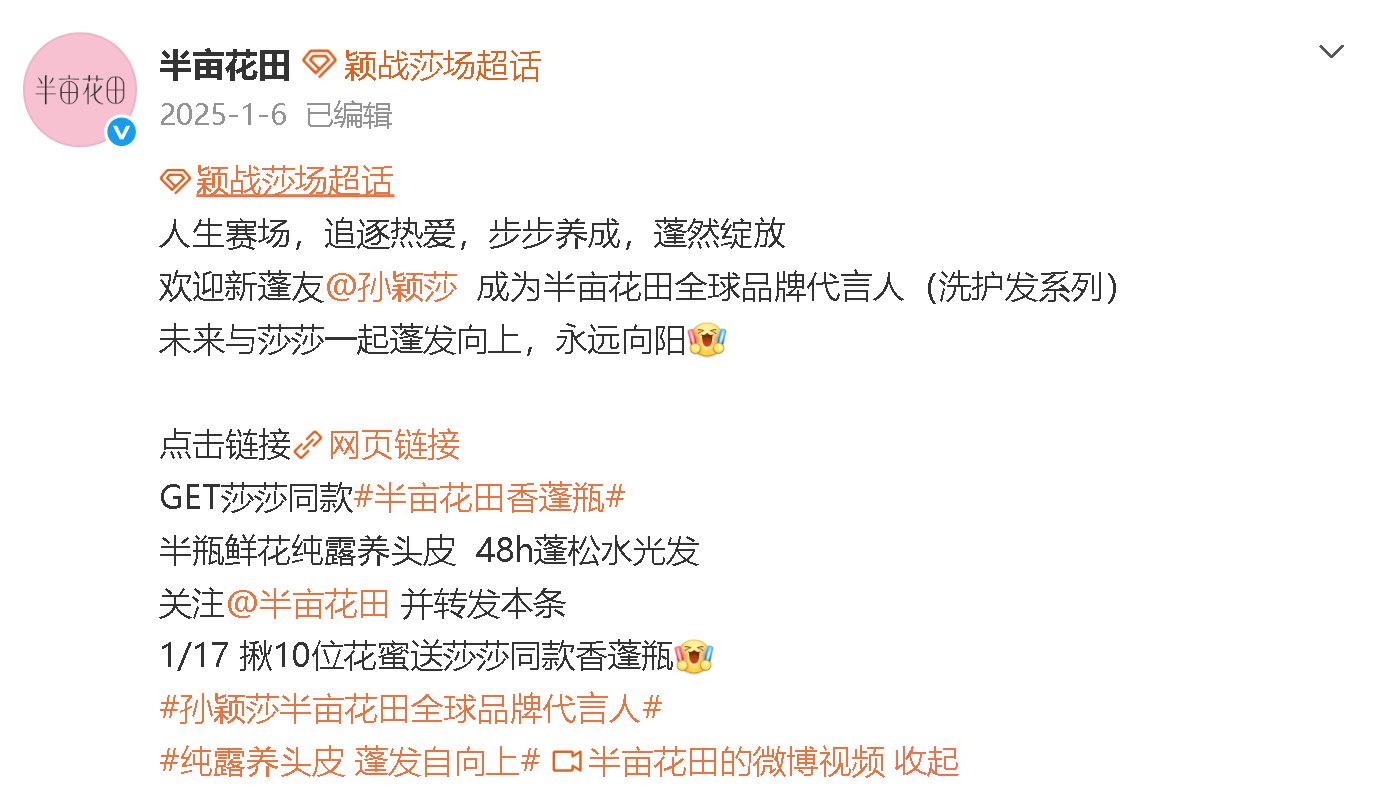
半亩花田IPO,“流量依赖 + 质量争议”双重困局如何破解?
Sou Hu Cai Jing· 2026-01-23 15:28
Core Viewpoint - The company, 半亩花田, is attempting to become the first domestic beauty brand listed on the Hong Kong Stock Exchange, showcasing impressive revenue growth but facing significant challenges related to high marketing costs, declining R&D investment, and product quality complaints [1][4][18]. Financial Performance - For the first three quarters of 2023, 半亩花田 reported a revenue of 18.95 billion RMB, with a net profit increase of 197.2% [1]. - The company's revenue for 2023, 2024, and the first nine months of 2025 is approximately 11.98 billion RMB, 14.99 billion RMB, and 18.95 billion RMB, respectively [4][5]. - The gross profit margin has consistently remained above 60%, but the adjusted net profit margin has not exceeded 10%, standing at about 7.8% [4][5]. Marketing and Sales Strategy - 半亩花田's marketing strategy relies heavily on celebrity endorsements, KOL collaborations, and social media promotions, with marketing expenses accounting for nearly 50% of total revenue [1][2]. - Monthly marketing expenses approached 1 billion RMB in the first three quarters of 2025, while the cost of acquiring customers on platforms like Douyin has increased by over 30% [3]. R&D Investment - R&D expenditure has been declining, with its proportion of total revenue dropping from 2.4% to 1.5% between 2023 and 2025 [3][4]. - In contrast, leading domestic brands like 珀莱雅 and 薇诺娜 invest 3%-5% of their revenue in R&D, creating a competitive edge [7]. Cash Flow and Financial Health - As of September 2025, the company's asset-liability ratio was 67.6%, indicating high financial leverage [8]. - The operating cash flow for the first nine months of 2025 was approximately 1.37 billion RMB, but financing cash flow turned negative starting in 2024 [8][9]. - The company has a total of about 1.47 billion RMB in bank loans and liabilities, while cash reserves are only 1.62 billion RMB, indicating tight liquidity [8]. Quality Control and Consumer Complaints - The company has faced quality control issues, including a significant number of consumer complaints related to product safety and effectiveness, with 280 complaints recorded on the Black Cat complaint platform [12][16]. - Regulatory inspections have revealed non-compliance with safety standards, which could harm the brand's reputation [12][18].
腾讯能为书业打开一条确定性增长路径吗?
Xin Lang Cai Jing· 2026-01-21 10:24
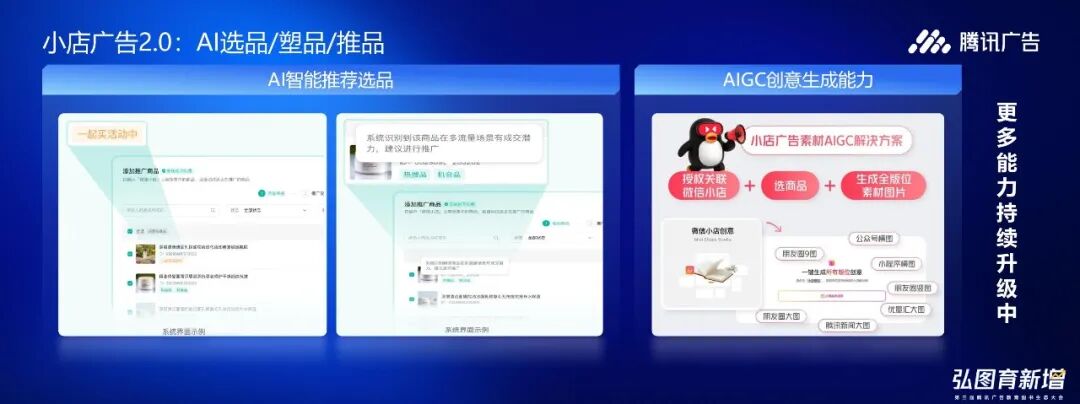
Core Insights - The publishing industry is experiencing significant anxiety and differentiation as it faces a declining market size and a historical shift in channel structure, with content e-commerce growing by 30.43% year-on-year and capturing 40.53% of the overall market share, surpassing platform e-commerce for the first time [1][11] - The industry is at a crossroads where abandoning content e-commerce means forfeiting growth, while diving into it may lead to intense competition for traffic and profit pressure [11] - The third Tencent Advertising Education Book Ecosystem Conference aims to address the core question of what will drive the next round of growth in the publishing industry as traffic dividends diminish [11] Transition from "Selling Books" to "Selling Good Books" - The growth engine of the book industry has shifted, but many publishing institutions have not adapted their thinking and operational capabilities accordingly [11] - Tencent Advertising proposes a systematic solution encapsulated in the phrases "selling books well, good books sell, and selling good books," which signifies a strategic shift from "traffic competition" to "value management" [11] Key Strategies for Selling Books - The key to "selling books well" lies in selecting the right platforms and establishing differentiated advantages, with Tencent's "social + content" dual foundation providing unique value to the publishing industry [12] - High-value private domain soil within Tencent's ecosystem allows publishers to build trust and sustainable dialogue with readers, leading to higher repurchase rates and average transaction values compared to other platforms [13] Empowerment through Intelligent Tools - Tencent Advertising's book sector has seen a year-on-year growth of over 65%, with publisher spending increasing by 121%, driven by tools like small store advertising and intelligent investment that significantly lower operational thresholds [13] - For instance, a well-known children's book brand achieved monthly sales exceeding 5 million yuan through small store advertising, with a stable ROI of over 1.5 [13] Continuous Support for Quality Content - Tencent Advertising is committed to nurturing quality book content creators and plans to invest more resources by 2026 to foster a return to value competition in the industry [14] - The launch of the "Good Book New Voice Video Number Excellence Management Creation Camp" aims to provide comprehensive support for publishers to transition from "selling goods" to "long-term management" [14] Collaborative Ecosystem Development - In a stagnant market, the publishing industry must break down "capability silos" and build a collaborative ecosystem to address complex market challenges [15] - Tencent Advertising's "Book Trading Growth Middle Platform" aims to create an efficient collaborative network, allowing publishers to easily list distributable products and connect with suitable supply chains [15] Responding to Market Changes Collectively - The industry is witnessing a shift in consumer demand from "cost-effectiveness" to "emotional value," with emotional resonance and content connection becoming key purchasing factors [16] - The success of the bestseller "Onshore" illustrates the effectiveness of a multi-dimensional content strategy that resonates with readers' emotions [16] Focused Growth Strategies - Tencent Advertising suggests two pathways for publishers: enhancing customer lifetime value or improving content conversion efficiency, emphasizing meticulous cultivation rather than broad-based advertising [17] - The integration of public and private domain traffic within Tencent's ecosystem enhances flow efficiency, allowing for a more effective advertising strategy [17] Long-term Development Approach - The publishing industry is encouraged to adopt a phased strategy for advertising, focusing on high-potential placements in the short term and expanding into deeper user ecosystems over time [18] - This strategic thinking reflects a maturation of operational concepts in the publishing industry, shifting from short-term hits to building sustainable user assets and brand value [18]
直播预告 | 12月19日15:00,2025新媒体生态盘点:从流量竞争到生态协同
QuestMobile· 2025-12-16 02:01
Group 1 - The core viewpoint of the article focuses on the evolution of the new media ecosystem, highlighting the shift from traffic competition to ecological collaboration [2] Group 2 - New media platforms are experiencing user growth trends and changes in user behavior characteristics [4] - Differentiated content ecosystem strategies and competitive points among new media platforms are being analyzed [4] - The commercialization paths in advertising and e-commerce differ across new media platforms [4]

李斌的苦,雷军还要再吃一遍?
虎嗅APP· 2025-11-20 13:53
Group 1 - The article discusses the recent challenges faced by Xiaomi and its founder Lei Jun, drawing parallels with NIO's CEO Li Bin, highlighting the shifting dynamics in the Chinese electric vehicle (EV) industry [2][3] - The narrative emphasizes the dual nature of "traffic" in the EV sector, where it can both elevate and harm reputations, as seen in the contrasting experiences of Li Bin and Lei Jun [4][5] - Xiaomi's initial success in pre-orders for its SU7 and YU7 models is overshadowed by safety incidents, leading to a rapid decline in public perception and trust [6][15] Group 2 - The article contrasts the testing approaches of Li Bin and Lei Jun, noting that Li Bin's hands-on, transparent methods have garnered public trust, while Lei Jun's marketing-driven approach has led to skepticism [7][10] - The narrative points out that while both CEOs engage in showcasing their products, the public's reaction varies significantly based on their perceived authenticity and the outcomes of their demonstrations [11][12] Group 3 - The article highlights a shift in consumer priorities within the EV market, with safety now taking precedence over smart features, posing a significant challenge for Xiaomi [14][15] - It notes that Xiaomi's vehicles are facing declining resale values, indicating concerns about their long-term reliability and market perception [15][16] Group 4 - The piece discusses the broader implications for the EV industry, suggesting that the focus is shifting from marketing and traffic to safety and compliance, driven by regulatory changes [16][17] - It concludes that both Lei Jun and Xiaomi must navigate these challenges by prioritizing safety and rebuilding consumer trust, similar to the journey taken by NIO [18][19]

我很怀念那个全民都为“双十一”狂欢的时代
3 6 Ke· 2025-11-10 12:25
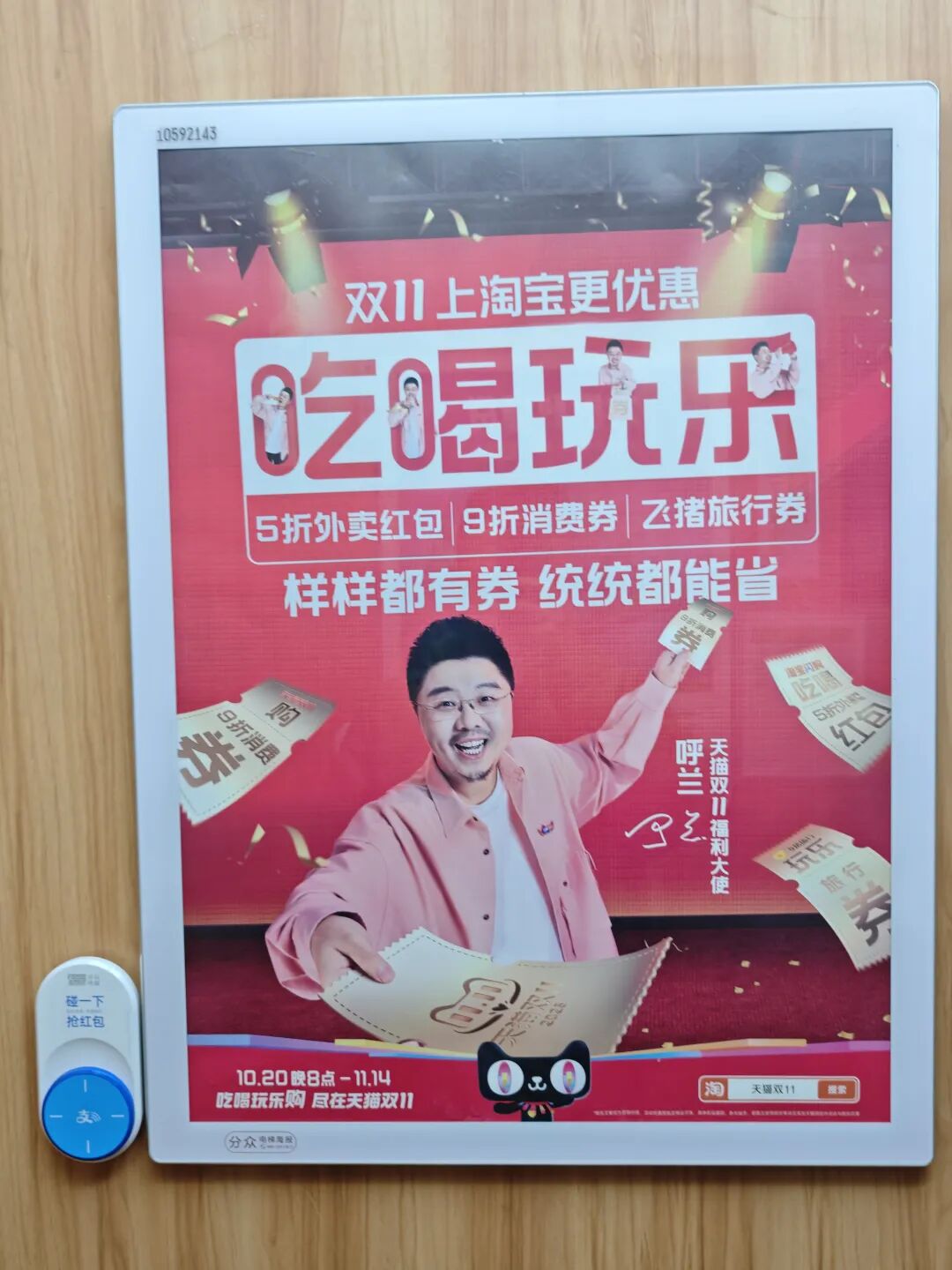
Core Insights - The article reflects on the evolution of the e-commerce landscape in China from 2015 to 2025, highlighting the shift from a booming growth phase to a more competitive and saturated market environment [1][2][4][52]. Group 1: Historical Context - In 2015, the e-commerce environment was characterized by rapid growth, with Alibaba dominating the market, holding nearly 80% of the e-commerce share [22]. - The number of internet users in China increased from 668 million in 2015 to approximately 1.108 billion in 2025, indicating a significant expansion of the digital consumer base [11][15]. - The excitement surrounding events like "Double Eleven" was palpable, with consumers actively engaging in shopping sprees during promotional events [2][3]. Group 2: Current Market Dynamics - The current e-commerce landscape is marked by intense competition, with platforms like Pinduoduo and Douyin emerging as significant players, disrupting traditional market dynamics [20][23][28]. - The competition has shifted from merely attracting users to retaining their attention, leading to a focus on innovative marketing strategies such as live streaming and extended promotional periods [34][36]. - The concept of "Double Eleven" has evolved from a unique shopping event to a more normalized promotional period, losing some of its initial excitement and urgency [50][52]. Group 3: Future Outlook - The article suggests that the e-commerce sector is approaching a saturation point, where the growth of internet users will stabilize, and competition will become increasingly challenging [41][42]. - Future strategies will likely involve more sophisticated methods of attracting consumer attention, such as integrating short dramas and other engaging content into shopping experiences [46]. - The competitive landscape will continue to evolve, with companies needing to adapt to changing consumer behaviors and preferences to maintain relevance in the market [54][55].


和互联网一样,国产AI产品重回“大厂叙事”时代
3 6 Ke· 2025-10-21 11:21
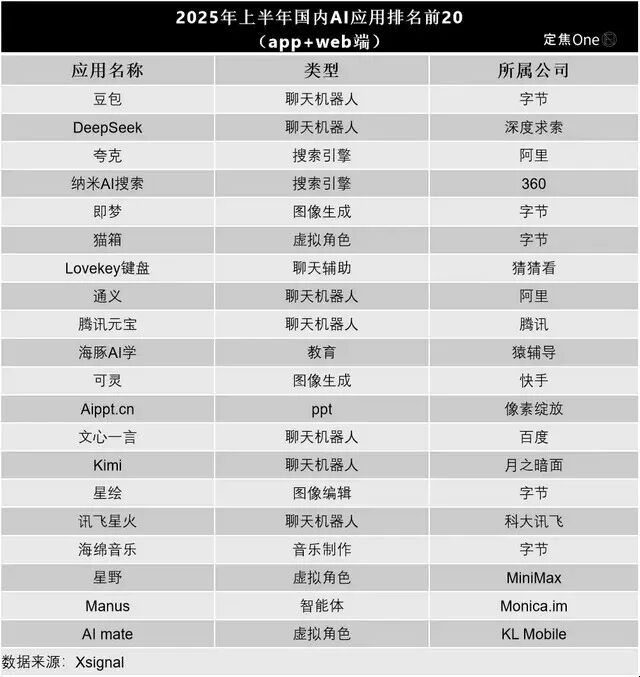
Core Insights - The recent actions of Zhipu AI, including layoffs and internal turmoil, highlight the challenges faced by this once-prominent AI company as it approaches its IPO [1] - The competitive landscape for AI applications in China has shifted dramatically, with major companies dominating the market, leaving little room for startups [2][7] - The trend of major firms capturing market share is evident, as they leverage their existing ecosystems to enhance AI applications, effectively sidelining smaller competitors [7][12] Group 1: Company Developments - Zhipu AI's research and development center has been reportedly dissolved, retaining only about half of its staff, with many employees receiving abrupt notifications regarding their termination and loss of benefits [1] - Since 2025, Zhipu AI has experienced a series of executive departures, indicating instability within its core team [1] - The company, once part of the "AI Six Dragons," has seen a rapid decline in its fortunes within a year, as larger firms gain traction in the AI space [1] Group 2: Market Dynamics - In the first half of 2025, major companies accounted for 70% of the top 20 AI applications in China, with only 7 slots occupied by startups [2][3] - The dominance of large firms in the AI application market contrasts sharply with the global landscape, where only 15% of top products are from major companies [3][4] - The shift towards major firms is further evidenced by the significant user engagement metrics, with applications like ChatGPT and Quark leading the charts [4][5] Group 3: Competitive Landscape - The competition among AI applications in China resembles the early days of the mobile internet, where major players are increasingly solidifying their market positions [8][9] - The lack of innovation in the domestic AI application market raises concerns about the potential for a repeat of past market consolidations, where only a few dominant players emerge [9][11] - The trend of startups moving their focus overseas indicates a potential loss of domestic innovation, as they seek better opportunities in international markets [12][13] Group 4: Future Implications - The ongoing dominance of large firms in the AI sector may stifle the emergence of new, disruptive applications, leading to a stagnation in innovation [11][16] - As more AI startups shift their focus to international markets, the risk of losing local talent and innovation capabilities increases [12][13] - The current landscape suggests that the window for AI product innovation in China may be closing, with startups facing significant challenges in competing against established giants [7][16]


外卖战没有熄火,商家、骑手、消费者面临的问题也未解决
2 1 Shi Ji Jing Ji Bao Dao· 2025-07-22 23:18
Core Viewpoint - The recent regulatory talks with major food delivery platforms like Ele.me, Meituan, and JD.com signal a shift in the aggressive subsidy strategies that have characterized the industry, indicating a need for more sustainable promotional practices [1][2]. Group 1: Regulatory Actions and Industry Response - The State Administration for Market Regulation has urged platforms to standardize their promotional behaviors, suggesting that the current subsidy wars need to be moderated [1]. - Multiple restaurant industry associations have called for a halt to aggressive subsidies, citing that such practices have led to unsustainable pricing and profit pressures on traditional dining establishments [2]. Group 2: Impact on Businesses - Some businesses have reported significant order increases due to subsidies, with one brand noting a nearly 30% rise in orders since May, although profit margins have been squeezed [3][4]. - The average profit margin for many businesses has reportedly decreased by 10% to 30% during subsidy campaigns, highlighting the financial strain on restaurants [3]. Group 3: Challenges Faced by Restaurants - Restaurants face operational challenges due to sudden spikes in low-priced orders, which can overwhelm delivery capabilities and degrade service quality [4]. - Smaller brands are particularly disadvantaged, as they struggle to compete for visibility and customer engagement against larger chains that benefit from platform resources [4]. Group 4: Future of Subsidy Strategies - Experts suggest that the focus should shift from mere subsidies to enhancing quality and efficiency in service delivery, with a call for platforms to develop better operational tools for small businesses [9]. - The potential for a transition from a "traffic competition" model to a "quality competition" model is seen as crucial for the long-term sustainability of the industry [9].

字节终于出手了
虎嗅APP· 2025-07-18 00:20
Core Viewpoint - The article discusses the intensifying competition in the OTA (Online Travel Agency) industry, particularly with the entry of new players like JD.com and the aggressive strategies of existing platforms such as Douyin and Meituan, highlighting the evolving landscape and market dynamics in the hotel booking sector [3][4][12]. Group 1: Market Dynamics - The OTA market is experiencing a significant shift, with Douyin investing heavily in local life services and offering substantial platform subsidies to attract users [4][5]. - The competitive landscape is characterized by a "7+2+1" market structure, where the Ctrip group dominates with a 70% market share, followed by Meituan and Douyin as emerging players [10][24]. - Ctrip's user base reached 165 million by August last year, leveraging dynamic commissions and strategic partnerships to strengthen its market position [9][10]. Group 2: Competitive Strategies - Douyin's strategy includes live streaming and promotional pricing, aiming to capture a significant share of the hotel booking market, particularly in the mid-range segment [5][30]. - JD.com’s entry into the OTA space is seen as a move to enhance its product offerings and compete more effectively with Meituan, focusing on local life services [13][15]. - The competition is intensifying as platforms like Meituan and Douyin target the mid to low-end hotel market, while Ctrip maintains a focus on high-end hotels and business travel [20][22]. Group 3: User Behavior and Market Trends - There is a growing trend of price-sensitive users comparing multiple platforms, leading to a shift in hotel partnerships as they seek better deals [28][30]. - The rise of short video and social media platforms is reshaping consumer behavior, with users increasingly relying on these channels for travel bookings [33]. - Douyin's hotel booking GMV is projected to reach 90 billion in 2024, reflecting a 50% increase from 2023, driven by its content ecosystem and promotional strategies [32][33]. Group 4: Challenges and Opportunities - The hotel industry remains fragmented, with low barriers to entry, making it crucial for OTA platforms to establish strong supply chain relationships and maintain pricing stability [14][18]. - Despite aggressive pricing strategies, the sustainability of low-price competition is questioned, as hotels prioritize stable pricing and brand recognition when choosing OTA partners [18][19]. - The article suggests that while new entrants like JD.com may disrupt the market, the established players like Ctrip still hold significant advantages in terms of user loyalty and service offerings [25][26].


餐饮商家,困在外卖大战里
创业邦· 2025-07-15 04:09
Core Viewpoint - The article discusses the intense competition in the food delivery industry, highlighting the impact of promotional activities on both consumers and merchants, leading to a chaotic market environment where many merchants struggle to maintain profitability while trying to attract customers through discounts and promotions [3][4][6]. Group 1: Market Dynamics - The food delivery market has seen unprecedented order volumes, with Meituan reaching 150 million daily orders and Taobao Flash Sale surpassing 80 million [6]. - Promotional activities have led to a surge in orders for some merchants, but the financial burden from platform fees and discounts has significantly reduced their profits [10][12]. - The competition has intensified, with platforms offering aggressive discounts, leading to a situation where merchants feel compelled to participate despite the financial strain [31][40]. Group 2: Merchant Experiences - Many merchants report overwhelming order volumes, with some experiencing a tenfold increase in orders, but ultimately receiving very little profit after expenses [8][10]. - Merchants like Xu Ting and Li Bin express frustration over the unsustainable nature of the promotions, where they end up with minimal earnings after fulfilling orders [10][33]. - New entrants to the market, such as Tang Tang, face challenges with promotional activities that lead to losses, highlighting the pressure from platforms to participate in discount campaigns [25][26]. Group 3: Consumer Behavior - The article notes a shift in consumer behavior, with many users taking advantage of low prices and discounts, leading to a temporary increase in demand for food delivery services [42][43]. - Consumers are increasingly participating in "sheep shearing" activities, where they seek to maximize benefits from promotions, often leading to a lack of loyalty to specific merchants [48][51]. - The influx of new customers attracted by low prices does not translate into repeat business for many merchants, as these customers are primarily motivated by discounts rather than brand loyalty [51][52]. Group 4: Long-term Implications - The article suggests that the current promotional strategies may harm the long-term viability of many restaurants, as low-price expectations could lead to a devaluation of their offerings [57][58]. - Merchants are concerned that the trend of low-cost consumer behavior will persist, potentially damaging their brand reputation and profitability [54][56]. - The competitive landscape is forcing merchants to adapt quickly, with some considering exiting the market due to unsustainable financial pressures [63][64].