Workflow
市场情绪
icon
Search documents
综合晨报-20251121
Guo Tou Qi Huo· 2025-11-21 02:18
Group 1: Energy - The international oil price fell overnight, with the Brent 01 contract down 0.8%. The geopolitical risk premium of the Russia-Ukraine conflict was suppressed, and the oil price rebound due to geopolitical factors was limited. The market is expected to be weak and volatile [1] - Low-sulfur fuel oil is stronger than high-sulfur fuel oil. The low-sulfur market is supported by supply disruptions and strong diesel cracking, while the high-sulfur market is expected to face supply increases in the medium term [21] - The cost support for asphalt is weakening, and the demand is expected to decline seasonally. The market sentiment is bearish [22] - The expected import cost of liquefied petroleum gas (LPG) is rising in December. The demand from both the chemical and combustion sectors is improving, and the LPG market is expected to be strong [23] Group 2: Metals - Precious metals are oscillating at a high level. The employment data is mixed, and the Fed officials' statements are divided. The possibility of the Fed keeping interest rates unchanged in December is high. Attention should be paid to the directional breakthrough on the technical side [2] - Copper prices fell overnight due to a stronger dollar and weak demand. Short positions can be held with a stop-loss at 87,000 yuan [3] - Aluminum prices fluctuated narrowly. The Fed's interest rate cut prospects are uncertain, and the aluminum market may continue to adjust. Attention should be paid to the support of the middle Bollinger Band [4] - Zinc prices are expected to oscillate in the range of 22,200 - 23,000 yuan/ton. The inventory structure is gradually being repaired, and there is still profit potential for cross-market arbitrage [7] - Lead prices are supported by low inventory levels, but the external market is under pressure due to high inventory. The import window for aluminum ingots may open, and the upward momentum of aluminum prices is insufficient [8] - Nickel prices are weakening. The macro risk is increasing, and the support from the upstream price rebound is weakening. The inventory of nickel and stainless steel is increasing [9] - Tin prices are oscillating. The environmental rectification in Malaysia has limited impact on the market. The import of tin concentrate in China has improved slightly, but the resumption of supply from Myanmar is not strong. Short positions can be held with a stop-loss at 295,000 yuan [10] - Lithium carbonate prices are strengthening. The downstream demand is strong, and the inventory is decreasing. The technical analysis shows a range breakthrough, and a buy-on-dip strategy can be adopted [11] - Polycrystalline silicon prices are falling. The photovoltaic demand is weak, and the actual supply-demand improvement is limited. The price is expected to oscillate in the short term [12] - Industrial silicon prices are undergoing a technical correction. The downstream demand for polycrystalline silicon and organic silicon is expected to improve, which may boost the price [13] Group 3: Building Materials - Steel prices rebounded at night. The demand for rebar and hot-rolled coils is improving, but the supply pressure is gradually easing. Attention should be paid to the environmental protection restrictions in Tangshan [14] - Iron ore prices are oscillating. The supply is strong, and the demand is weak. The market is expected to be range-bound in the short term [15] - Coke and coking coal prices are expected to be weak and oscillating. The supply of carbon elements is abundant, and the downstream demand is stable, but the steel mills' profit is average, and the pressure on raw material prices is high [16][17] - Manganese silicon and silicon iron prices are falling. The market expects coal supply to increase, which may lower the cost. The demand is stable, but the supply is high, and the bottom support may weaken [18][19] Group 4: Chemicals - Urea prices are oscillating narrowly. The Indian tender results will affect the market sentiment. The agricultural demand is weakening, but the industrial demand is improving, and the inventory is decreasing [24] - Methanol prices are in a weak position. The overseas supply is high, and the demand is expected to decline. The market is expected to remain weak in the short term [25] - Pure benzene prices are rebounding, but the sustainability is uncertain. The supply pressure is easing, and the demand is expected to improve, but the export to the US faces challenges [26] - Styrene prices are supported by cost and supply reduction. The demand from the European market is strong [27] - Polypropylene, polyethylene, and propylene prices are expected to be weak. The supply is high, and the demand is low, and the supply-demand contradiction is increasing [28] - PVC and caustic soda prices are falling. The cost support is weakening, and the demand is insufficient. Attention should be paid to the cost changes and profit margins [29] - PX and PTA prices are oscillating. The supply from overseas may be affected, and the demand is weakening. The market is cautiously bullish [30] - Ethylene glycol prices are expected to be bearish. The supply is increasing, and the demand is weakening. A short strategy can be adopted [31] - Short fiber and bottle chip prices are under pressure. The demand is weakening, and the prices are expected to follow the raw material prices [32] Group 5: Agricultural Products - Soybean and soybean meal prices are oscillating. The US soybean planting area is expected to increase, and the impact of La Nina on South American soybean production needs to be monitored. A buy-on-dip strategy can be considered after the correction [36] - Soybean oil and palm oil prices are affected by the US biodiesel policy. The palm oil price may have bottomed out [37] - Rapeseed and rapeseed oil prices are under pressure. The import volume has decreased, and the demand is weak. A bearish strategy is recommended [38] - Corn prices are oscillating. The supply is increasing, and the demand is improving. The Dalian corn futures 01 contract may continue to decline [40] - Hog prices are at a low level. The futures market is trading on the potential supply pressure in the future. The pig price may form a double bottom in the first half of next year [41] - Egg prices are rebounding strongly. The spot price is stable. Attention should be paid to whether the previous price decline has ended [42] - Cotton prices are range-bound. The US cotton export sales are increasing, but the domestic demand is average. The Zhengzhou cotton futures are expected to be range-bound in the short term [43] - Sugar prices are oscillating. The international market supply is sufficient, and the domestic market is focusing on the new season's production estimate. The production in Guangxi is expected to be good [43] - Apple prices are oscillating at a high level. The short-term price is strong due to low inventory, but the long-term inventory pressure may exist. Attention should be paid to the inventory reduction [44] Group 6: Others - The container shipping index (European line) is expected to be stable in early December and may improve in late December. The 02 contract may be slightly discounted compared to the 12 contract, and the far-month contracts are expected to be low and oscillating [20] - Wood prices are oscillating. The low inventory supports the price, and a wait-and-see strategy is recommended [45] - Pulp prices are falling. The supply is abundant, and the demand is weak. The market is expected to remain weak in the short term [46] - Stock index futures are falling. The A-share market is volatile, and the external market is uncertain. A wait-and-see strategy is recommended, and attention can be paid to stable, consumer, and cyclical sectors [47] - Treasury bond futures are falling. The market is trading lightly, and the structure is differentiated. The change in market risk preference may bring new opportunities [48]
刚刚全线大跳水,超18万人爆仓,市场震荡加剧
Sou Hu Cai Jing· 2025-11-20 16:56
Market Overview - The market experienced a significant downturn, with over $1 billion in liquidations within 24 hours and a total of 183,500 individuals affected, highlighting the volatility in the cryptocurrency sector [1] - Bitcoin dropped from over $90,000 to below $80,000, while Ethereum fell below $3,000, resulting in a total market capitalization loss exceeding $1 trillion since early October [1] Options Market Activity - A surge in put options for contracts expiring in late November was noted, with a total value exceeding $740 million, indicating a hedge against further market declines [3] - The demand for protective options at various lower price points, such as $90,000 and $85,000, has increased significantly, reflecting traders' bearish sentiment [5] Market Sentiment - The market sentiment index indicates extreme fear, with data from CoinMarketCap showing a gradual accumulation of fear rather than isolated incidents [5] - Discussions among market participants have shifted from excitement to strategies for managing cash and restructuring positions, indicating a change in collective sentiment [5] Regulatory and Systemic Issues - The recent downturn has exposed flaws in leverage trading platform rules and clearing mechanisms, raising concerns about systemic risks associated with margin trading and information asymmetry [7] - The rapid spread of information through media and social platforms has amplified individual anxieties, complicating market judgments [7] Future Outlook - Upcoming events, such as Nvidia's earnings report and the Federal Reserve meeting, are anticipated to be critical in determining market direction, as traders reassess their positions and risk tolerance [8] - The current market turmoil serves as a reminder of the fragility of economic systems and the need for rational responses to such disruptions [8]
黄金大跌17元/克!现在抄底是馅饼还是陷阱?专家揭秘三大投资痛点
Sou Hu Cai Jing· 2025-11-20 08:11
Group 1 - The recent volatility in the gold market is primarily driven by a combination of monetary policy expectations and market sentiment [1][4] - The World Gold Council's CEO for China highlighted three main challenges in gold investment: understanding the market, timing the investment, and holding onto the asset [2] - The decline in gold prices is seen as both a risk release and an opportunity, emphasizing that gold serves as a safety net rather than a quick profit generator [2] Group 2 - The Federal Reserve's shift towards a more hawkish stance has led to a stronger dollar, putting downward pressure on gold prices as it is a non-yielding asset [4] - A recovery in global risk appetite, due to easing geopolitical tensions, has resulted in funds moving away from gold to riskier assets like stocks and cryptocurrencies [4] - Technical selling pressure has emerged as many investors sought to lock in profits after a period of rising gold prices, contributing to the recent price drop [4] Group 3 - Since November, international gold prices have dropped over 5%, while domestic gold jewelry prices have decreased by approximately 20-30 yuan per gram, yet remain about 15% higher than at the beginning of the year [4] - Investors face difficulties in understanding the multitude of factors influencing gold prices, leading to impulsive buying and selling behaviors [4] - The average gold price increase over the past three years has been over 20%, but more than 60% of investors exited early, missing out on further gains [4] Group 4 - Different strategies are recommended for various types of investors: immediate buyers should consider current prices for planned purchases, long-term holders should adopt a dollar-cost averaging approach, and short-term speculators should be cautious due to market volatility [2][4] - It is crucial for all investors to choose reputable channels for purchasing gold and to be aware of buyback policies to ensure liquidity [4]
黄金、比特币大震荡:传统投资逻辑不灵了?|财经早察
(原标题:黄金、比特币大震荡:传统投资逻辑不灵了?|财经早察) 11月19日黄金和比特币价格在经历暴跌后有所回调,但想必前些天的震荡行情一定让不少人心惊肉跳。 今天咱们来复盘一下最近比特币和黄金的刺激行情,风险资产和避险资产一起下跌,如此"反常"现象, 到底什么原因? 我们先看比特币。11月18日,比特币一度跌破9万美元,这可是最近7个月内头一回啊!相信大家还有印 象,10月6日,比特币还曾经飙升到12.6万美元之上,刷新历史最高纪录,但仅仅几天之后,美国总统 特朗普出人意料的关税言论,导致全球市场震荡,比特币也开始坐上了过山车。短短一个多月,直接把 今年的涨幅全跌没了。 为什么呢?这是宏观预期、政策效应和市场情绪等因素叠加影响的结果。 第一,美国市场宏观预期变了。这是最关键的原因。最近啊,美联储内部在关于12月要不要降息的问题 上分歧更大了,有官员认为美国通胀还没达到理想水平呢,不能降;还有一派就说了,现在劳动力市场 不行啊,得赶紧继续降息、保持宽松来挽救就业和居民消费呀。市场一看,好家伙,你们美联储内部要 达成共识,短时间内看来是没戏了,那12月的降息也有可能会泡汤。美国金融市场就像一个游泳池,美 元就是 ...
黄金、比特币大震荡:传统投资逻辑不灵了?
Group 1 - Bitcoin experienced a significant drop, falling below $90,000 for the first time in seven months after reaching a record high of over $126,000 on October 6 [1][2] - The decline in Bitcoin's price is attributed to changing macroeconomic expectations, particularly regarding the Federal Reserve's interest rate decisions, which have led to increased market uncertainty [2][3] - Institutional investors are reducing leverage and selling off high-risk assets like Bitcoin in response to rising funding costs, creating initial selling pressure [2][3] Group 2 - The anticipated favorable regulatory environment for cryptocurrencies has not materialized, leading to a loss of bullish sentiment in the market [3] - The simultaneous decline of gold, traditionally viewed as a safe-haven asset, is unusual and indicates a broader liquidity crisis in the market [4] - The strengthening of the US dollar and systemic tightening of liquidity have forced investors to liquidate various assets, including gold, to secure cash [4]
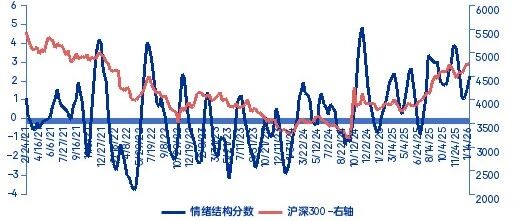
行业比较框架系列(一)大宗周期篇:价格景气为锚,情绪博弈为帆
Ping An Securities· 2025-11-19 03:21
Investment Rating - The report emphasizes the importance of timing in investing in the cyclical industry due to its high volatility and low long-term compound returns [2][16][18] Core Insights - The cyclical industry, which includes coal, steel, petrochemicals, non-ferrous metals, and basic chemicals, is closely linked to macroeconomic performance, with nominal GDP growth serving as a synchronous or lagging indicator, while new social financing growth is a leading indicator [2][15] - Commodity prices are direct indicators of the cyclical industry's prosperity, typically leading or synchronizing with stock price bottoms but lagging at peaks [2][35] - Market sentiment is assessed through valuation extremes and trading volume, with high trading volumes indicating potential market reversals [2][40] Summary by Sections Industry Classification - The cyclical sector encompasses coal, steel, petrochemicals, basic chemicals, and non-ferrous metals, with a total market capitalization share of 13.5% as of October 2025 [10][8] Market Characteristics - The cyclical industry exhibits high volatility and lower long-term returns, necessitating a focus on timing for investments [16][18] - Historical data shows that significant excess returns in the cyclical sector often coincide with periods of rising commodity prices, particularly in 2007, 2009, 2016, and 2021 [19][20] Industry Prosperity - Policy changes significantly impact the cyclical industry's performance, with supply-side constraints playing a crucial role [23][26] - Commodity prices are critical indicators of industry health, with manufacturing PMI and the South China index serving as leading or synchronous macro indicators [35][36] Market Sentiment - Valuation extremes signal potential market reversals, while trading volume and turnover rates provide insights into market participation [2][40] - The cyclical sector's performance is influenced by overall market risk appetite, with high-dividend sectors like coal and steel gaining traction during defensive market phases [2][40] Outlook - The cyclical sector's investment value is expected to improve with a recovery in sentiment and economic conditions, particularly in non-ferrous metals, coal, and steel [2][19]
黄金:降息预期回升白银:震荡调整铜:内外库存增加,价格承压
Guo Tai Jun An Qi Huo· 2025-11-19 02:43
1. Report Industry Investment Ratings No specific industry investment ratings are provided in the report. 2. Core Views of the Report - The report presents the trend judgments and fundamental data of various commodities, including precious metals, base metals, energy, chemicals, and agricultural products, on November 19, 2025. These judgments are based on factors such as inventory changes, supply - demand relationships, and macro - industry news [2][5]. 3. Summaries by Commodity Precious Metals - **Gold**: The expectation of interest rate cuts has rebounded. The trend strength is 0, indicating a neutral view. Yesterday, the prices of domestic and foreign gold futures showed different trends, and the inventory of Comex gold decreased [6]. - **Silver**: It is in a state of shock adjustment. The trend strength is 0. The prices of domestic and foreign silver futures also had different performances, and the inventory of Comex silver decreased significantly [6]. Base Metals - **Copper**: The increase in domestic and foreign inventories has put pressure on prices. The trend strength is 0. Peru's copper production increased in September, while China's copper product output in October decreased [10][12]. - **Zinc**: It is in a range - bound shock. The trend strength is 0. The prices of domestic and foreign zinc futures declined, and LME zinc inventory increased [13][14]. - **Lead**: The decrease in inventory limits the price decline. The trend strength is 0. The prices of domestic and foreign lead futures fell, and both domestic and LME lead inventories decreased [17]. - **Tin**: It has fallen from a high level. The trend strength is - 1, indicating a bearish view. The prices of domestic and foreign tin futures decreased slightly, and the inventory of Shanghai tin decreased [20]. - **Aluminum**: It has slightly stabilized. The trend strength is 0. The price of electrolytic aluminum decreased slightly, and the inventory of LME aluminum decreased [23]. - **Alumina**: It is in a range - bound shock. The trend strength is 0. The price of alumina decreased, and the inventory data showed different trends [23]. - **Nickel**: The nickel price has broken through the support level and is under pressure to fluctuate. The trend strength is 0. The prices of domestic and foreign nickel futures declined, and some nickel - related news affected the market [26][27]. - **Stainless Steel**: The weak reality suppresses the steel price, but the downward space is limited. The trend strength is 0. The price of stainless - steel futures decreased, and the market was affected by multiple factors [27]. Energy and Chemicals - **Carbonate Lithium**: It may have a short - term correction. The trend strength is - 1. The prices of carbonate lithium futures decreased, and the inventory of warehouse receipts decreased [32][33]. - **Industrial Silicon**: Organic silicon may cut production to support prices in the future. The trend strength is 0. The price of industrial silicon futures decreased, and the inventory of industrial silicon decreased [37][38]. - **Polysilicon**: It is in a weak shock pattern. The trend strength is - 1. The price of polysilicon futures decreased, and the inventory of polysilicon increased [38]. - **Iron Ore**: The downstream demand space is limited, and the valuation is high. The trend strength is - 1. The price of iron - ore futures increased slightly, and the prices of imported and domestic iron ores decreased [41]. - **Rebar**: It is in a wide - range shock. The trend strength is 0. The price of rebar futures increased, and the inventory of rebar decreased [44][45]. - **Hot - Rolled Coil**: It is in a wide - range shock. The trend strength is 0. The price of hot - rolled coil futures increased slightly, and the inventory of hot - rolled coil increased slightly [45]. - **Silicon Iron and Manganese Silicon**: The market sentiment has weakened, and the alloys are making up for the decline. The trend strength of both is - 1. The prices of silicon - iron and manganese - silicon futures decreased, and the price differences showed different trends [51][52]. - **Coke and Coking Coal**: Both are in a wide - range shock. The trend strength of both is 0. The prices of coke and coking - coal futures decreased, and the prices of spot coking coal and coke were stable [55]. - **Log**: It is in a repeated shock. The trend strength is 0. The prices of log futures showed different trends, and the inventory data was not provided [57][58]. - **Para - Xylene and PTA**: Both are in a single - sided shock market, and it is not recommended to chase high. The trend strength is not provided. The prices of para - xylene and PTA futures decreased [62][64]. - **MEG**: There is still supply pressure, and the trend is weak. The trend strength is not provided. The price of MEG futures decreased [62][64]. Agricultural Products - **Palm Oil**: The short - term negative factors have been fully reflected, and attention should be paid to the inventory reduction process in the producing areas. The trend strength is not provided [5]. - **Soybean Oil**: The price of US soybeans has stabilized, and soybean oil is in a relatively strong shock. The trend strength is not provided [5]. - **Soybean Meal and Soybean No. 1**: Both are in an adjustment shock. The trend strength is not provided [5]. - **Corn**: It is in a shock operation. The trend strength is not provided [5]. - **Sugar**: It is in a range adjustment. The trend strength is not provided [5]. - **Cotton**: The pressure of new cotton listing still suppresses the futures price. The trend strength is not provided [5]. - **Egg**: The near - term is weak, and the far - term is strong, showing a reverse - spread pattern. The trend strength is not provided [5]. - **Live Pig**: The expectation of price increase due to cooling has failed, and the pressure is gradually being released. The trend strength is not provided [5]. - **Peanut**: Attention should be paid to the spot market. The trend strength is not provided [5].
量化择时周报:市场情绪进一步修复,价量一致性与行业涨跌持续性双双回升-20251116
Group 1: Market Sentiment Model Insights - The market sentiment score has rapidly increased to 3.9 as of November 14, up from 3 the previous week, indicating a further recovery in market sentiment and a bullish outlook [2][8] - The price-volume consistency indicator has stabilized and rebounded, showing a phase of sentiment recovery after a previous decline, with increased trading activity and a positive correlation between price elasticity and attention to stocks [11][12] - The overall trading volume for the entire A-share market increased by 1.56% week-on-week, with an average daily trading volume of 20,438.27 billion yuan, indicating sustained market activity [15] Group 2: Industry Trends and Performance - The short-term trend scores for industries such as beauty care, pharmaceuticals, banking, food and beverage, and textiles have shown upward momentum, with steel, electric equipment, construction decoration, environmental protection, and coal being the strongest short-term performers [40][41] - The industry trend consistency has significantly improved, breaking through the upper Bollinger Band, indicating a stronger consensus on industry outlooks and enhancing the beta effect of sector indices [25][28] - The financing balance ratio continues to rise, reflecting an increase in market leverage sentiment and a more active trading atmosphere in the financing market [29][31] Group 3: Industry Crowding and Investment Opportunities - The correlation coefficient between industry crowding and weekly price changes is 0.60, indicating a significant positive relationship, with high crowding in sectors like basic chemicals, agriculture, and forestry, which have seen high price increases [44][46] - Sectors with high crowding but low price increases, such as electric equipment and environmental protection, may have potential for catch-up gains if fundamental catalysts arise [44] - Low crowding sectors like communication, electronics, and computers, which have seen lower price increases, present opportunities for gradual long-term investment as risk appetite improves [44][46]
黄金、科技股都有人抄底 只有比特币“一蹶不振”
智通财经网· 2025-11-15 09:48
Core Viewpoint - The cryptocurrency market, particularly Bitcoin, is experiencing significant declines while traditional tech stocks are rebounding, highlighting a stark contrast in market behavior and sentiment [1][3][4]. Group 1: Market Performance - On November 14, the U.S. stock market saw a dramatic reversal, with the Nasdaq and S&P 500 indices rebounding after initial panic selling, while Bitcoin fell 5%, dropping below $94,000, marking a six-month low [1][4]. - Bitcoin has now declined for three consecutive weeks, with a total market cap loss exceeding $1 trillion since the October 10 flash crash [3][8]. - The Nasdaq 100 index and S&P 500 index rebounded strongly after hitting key support levels, while Bitcoin's performance diverged negatively from these indices [4][8]. Group 2: Bitcoin Market Dynamics - Bitcoin's correlation with the Nasdaq 100 remains high at 0.8, but it exhibits a "larger drop and weaker rise" characteristic, indicating a lack of upward momentum despite market recoveries [11][14]. - The cryptocurrency market is facing extreme pessimism, with the fear and greed index dropping to 15, the lowest level since February, suggesting a potential for further declines [15][18]. - Long-term holders have sold approximately 815,000 Bitcoins in the past 30 days, the highest level of selling activity since early 2024, indicating a significant shift in market sentiment [20][21]. Group 3: Institutional and Retail Investor Behavior - ETF trading activity has surged, accounting for 37% of the day's trading volume, significantly higher than the 27% average for the year, reflecting a strong interest in tech stocks [7]. - The outflow from Bitcoin ETFs has reached $311.3 million this week, marking the fifth consecutive week of net outflows, totaling $2.6 billion over the past five weeks [21]. - The Trump family's investments in cryptocurrency-related assets have also suffered, with declines of approximately 30% since Bitcoin's peak on October 5 [24][25].
《有色》日报-20251114
Guang Fa Qi Huo· 2025-11-14 02:34
1. Report Industry Investment Ratings No industry investment ratings are provided in the reports. 2. Core Views Zinc - The fundamentals and macro - environment have limited changes. The supply is generally loose, and the subsequent supply pressure may be limited due to the decline in smelting profits. The demand is average, and the domestic zinc ingot remains at a discount. The LME zinc has upward pressure, while the export window of zinc ingots may boost the domestic zinc price. The Shanghai - London ratio may be repaired, with the main contract referring to 22300 - 23000 [2]. Copper - After the implementation of interest - rate cuts and tariffs, the market may enter a macro "vacuum period" in November. The supply of copper ore is in short supply, and the downstream demand has strong resilience. The medium - and long - term supply - demand contradiction supports the upward movement of the copper price bottom. The main contract refers to 86500 - 88000 [4]. Tin - The supply of tin ore is tight, and the demand shows regional differentiation. The fundamentals are strong, and long positions should be held. Attention should be paid to macro - level changes and the supply recovery in Myanmar [7]. Aluminum - The alumina market is in a state of loose supply and demand, and the price is expected to maintain a weak shock pattern. The electrolytic aluminum market is driven by the macro - environment, but the fundamentals are weak. The aluminum price will fluctuate between macro - level benefits and weak fundamentals in the short term, and attention should be paid to the risk of high - level callback [9]. Aluminum Alloy - The cost of aluminum alloy is strongly supported, and the demand is differentiated. The inventory is accumulating. The ADC12 price is expected to maintain a strong shock pattern, with the main contract referring to 20800 - 21400 [11]. Nickel - The nickel market is in a state of long - short interweaving. The refined nickel production is at a high level, and the supply of nickel ore is generally stable. The nickel - iron price is under pressure, and the stainless - steel demand is weak. The nickel price is expected to maintain a weak shock pattern, with the main contract referring to 118000 - 124000 [13]. Stainless Steel - The stainless - steel market is in a weak shock state. The macro - level drive is weakened, the nickel - ore market is temporarily stable, and the nickel - iron price is under pressure. The supply is under pressure, and the demand is insufficient. The price is expected to continue to be weak and volatile, with the main contract referring to 12400 - 12800 [16]. Lithium Carbonate - The lithium carbonate market is running strongly. The supply is increasing, and the demand is optimistic. The short - term supply and demand are expected to increase simultaneously, but attention should be paid to the sustainability of demand improvement. The price may fluctuate and adjust in the short term [17]. Industrial Silicon - The industrial silicon spot price is stable, and the futures price is falling. If the organic silicon enterprises cut production, the inventory pressure will increase. The price is expected to fluctuate at a low level, with the main price range being 8500 - 9500 [18]. Polysilicon - The polysilicon spot price is stable, and the futures price is rising. The supply and demand are both weak. The price is expected to fluctuate in a high - level range. Attention should be paid to the support of the spot price and the digestion of warehouse receipts [19]. 3. Summaries According to Relevant Catalogs Zinc - **Price and Spread**: The SMM 0 zinc ingot price increased by 0.09% to 22630 yuan/ton, and the import loss was - 4587 yuan/ton. The Shanghai - London ratio decreased to 7.36 [2]. - **Fundamental Data**: In October, the refined zinc output was 61.72 million tons, a month - on - month increase of 2.85%. The galvanizing and other开工 rates showed different changes [2]. Copper - **Price and Basis**: The SMM 1 electrolytic copper price increased by 0.48% to 87210 yuan/ton, and the import loss was - 827 yuan/ton [4]. - **Fundamental Data**: In October, the electrolytic copper output was 109.16 million tons, a month - on - month decrease of 2.62%. The copper rod and other开工 rates increased [4]. Tin - **Spot Price and Basis**: The SMM 1 tin price increased by 1.72% to 296000 yuan/ton, and the import loss was - 15428.41 yuan/ton [7]. - **Fundamental Data (Monthly)**: In September, the tin ore import decreased by 15.13%, and the SMM refined tin output in October increased by 53.09% [7]. Aluminum - **Price and Spread**: The SMM A00 aluminum price increased by 1.15% to 21920 yuan/ton, and the alumina price in some regions decreased slightly [9]. - **Fundamental Data**: In October, the alumina output was 778.53 million tons, a month - on - month increase of 2.39%, and the electrolytic aluminum output was 374.21 million tons, a month - on - month increase of 3.52% [9]. Aluminum Alloy - **Price and Spread**: The SMM ADC12 price increased by 0.70% to 21650 yuan/ton, and the scrap - to - refined aluminum price difference in some regions increased [11]. - **Fundamental Data**: In October, the recycled aluminum alloy ingot output decreased by 2.42%, and the primary aluminum alloy ingot output increased by 1.06% [11]. Nickel - **Price and Basis**: The SMM 1 electrolytic nickel price increased by 0.17% to 120650 yuan/ton, and the import loss was - 1765 yuan/ton [13]. - **Supply and Inventory**: The domestic refined nickel output increased, and the LME inventory decreased by 0.47% [13]. Stainless Steel - **Price and Spread**: The 304/2B (Wuxi Hongwang 2.0 coil) price increased by 0.39% to 12750 yuan/ton, and the nickel - iron price decreased by 0.22% [16]. - **Fundamental Data**: The 300 - series stainless - steel crude steel output in China increased by 0.38%, and the social inventory increased by 1.73% [16]. Lithium Carbonate - **Price and Basis**: The SMM battery - grade lithium carbonate price increased by 1.26% to 84350 yuan/ton, and the lithium spodumene concentrate price increased by 1.73% [17]. - **Fundamental Data**: In October, the lithium carbonate output was 92260 tons, a month - on - month increase of 5.73%, and the demand increased by 8.70% [17]. Industrial Silicon - **Spot Price and Basis**: The East China oxygen - containing S15530 industrial silicon price remained unchanged at 9500 yuan/ton, and the basis increased [18]. - **Fundamental Data (Monthly)**: The national industrial silicon output was 45.22 million tons, a month - on - month increase of 7.46%, and the social inventory decreased by 1.09% [18]. Polysilicon - **Spot Price and Basis**: The N - type re - feed material average price remained unchanged at 52150 yuan/ton, and the N - type silicon wafer price was stable [19]. - **Fundamental Data**: The polysilicon output was 13.40 million tons, a month - on - month increase of 3.08%, and the inventory increased by 3.09% [19].