扩内需

Search documents
信息含金量拉满,嘉实基金2026投资策略峰会干货集锦!
Xin Lang Cai Jing· 2026-01-24 01:23
Core Insights - The 2026 investment strategy conference hosted by Harvest Fund focused on macro policy trends, equity market layout, ETF evolution, and structural opportunities in the context of "反内卷" (anti-involution) and "扩内需" (expanding domestic demand) [1][35] Market Outlook - The Chinese economy demonstrated significant policy resilience and development stability in 2025, with proactive fiscal and stable monetary policies creating a relatively loose macro environment [3][37] - The equity market in 2026 is expected to experience a rationally optimistic outlook, with potential significant shifts in market style and structure, influenced by domestic demand sectors [3][39] Investment Strategies - Investors are advised to focus on two main opportunities: the "AI+" downstream applications and upstream raw materials, as well as low-position domestic demand sectors benefiting from profit recovery and domestic demand expansion measures [5][39] - The ETF market is anticipated to see explosive growth in 2025, with a focus on dynamic asset allocation to navigate market volatility effectively [5][40] Fixed Income Insights - The fixed income sector remains a cornerstone for asset allocation, with approximately 50 trillion yuan in term deposits maturing in 2026, creating substantial demand for stable fixed income products [5][43] - The current economic environment is characterized by a "K-shaped recovery," necessitating adjustments in bond market analysis frameworks [5][43] Multi-Strategy Approach - A multi-strategy investment approach is essential to adapt to the accelerating market rotation, with a focus on "胜率思维" (probability thinking) to enhance certainty in investment outcomes [5][45] - Harvest Fund has developed a diverse product range to meet varying investor needs, emphasizing both standardized and personalized investment products [5][47] Technology and AI Investment - The "科技AI" (technology and AI) sector is highlighted as a key growth area, with ongoing advancements expected to reshape industry ecosystems [5][49] - Investment in AI is still in its early stages, with significant long-term potential despite current volatility [5][53] Policy-Driven Opportunities - The dual policies of "反内卷" and "扩内需" are seen as central to understanding current and future macroeconomic and industrial changes in China [5][59] - Investors are encouraged to identify structural investment opportunities that benefit from improved competitive environments and potential profit recovery [5][61]

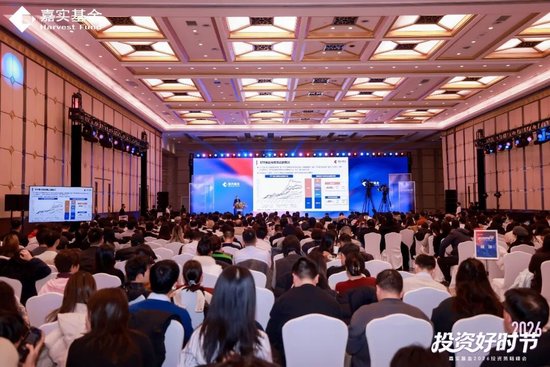
嘉实基金梁铭超:把握反内卷时代的价值机遇
Xin Lang Cai Jing· 2026-01-23 13:20
Core Viewpoint - The investment strategy summit held by Harvest Fund on January 23, 2026, highlighted opportunities arising from the "anti-involution" and "expanding domestic demand" policies, focusing on asset allocation and investment timing [1][6]. Group 1: Investment Opportunities - The "anti-involution" trend presents observable opportunities, primarily driven by production cuts and price increases, benefiting industries such as steel, photovoltaics, aquaculture, and chemicals over the past six months to a year [3][8]. - Three deep investment clues emerge from the "anti-involution" trend: 1. Transition from non-market to market competition, where companies will shift from price competition to technological competition, increasing R&D investments to enhance product quality [4][9]. 2. The national income doubling plan may favor companies that focus on value-added growth, particularly in labor-intensive sectors like food delivery and internet platforms, despite short-term pressures from labor cost inflation [4][9]. 3. The "anti-involution" will suppress ineffective investments, leading the market to prioritize company quality, cash flow generation, and dividend levels, which are suitable for long-term investment strategies [4][9]. Group 2: Market Dynamics and Strategies - In a market with ample liquidity, the correlation between January and February's rising stocks and the annual main trends is often inconsistent, making it challenging to derive fundamental logic from short-term price increases [5][9]. - Some stocks that have already risen may represent "pre-selection" for new main directions for the year, indicating sustainable new logic [5][9]. - Investors who missed the initial market surge should focus on tracking new rising stocks and identifying quality candidates for future accumulation, as exemplified by the chemical sector, which has not shown significant fundamental improvement yet [5][9].
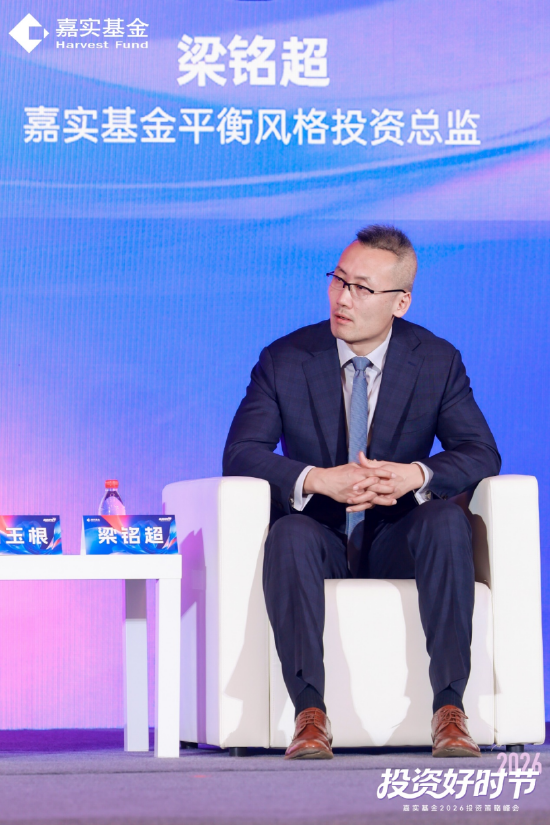
2025年12月社零数据跟踪报告12月社零总额同比+0.9%,已连续7个月增速环比下降
Wanlian Securities· 2026-01-23 12:35
Investment Rating - The industry is rated as outperforming the market, with an expected increase of over 10% relative to the market index in the next six months [49]. Core Insights - In December 2025, China's total retail sales of consumer goods reached 451.36 billion yuan, showing a year-on-year growth of 0.9%, but the growth rate has declined by 2.8 percentage points compared to the same period last year and decreased by 0.4 percentage points month-on-month [11][12]. - The Consumer Price Index (CPI) in December increased by 0.8% year-on-year, up from 0.7% in November [11]. - Retail sales of goods and dining both saw a month-on-month decline, with goods retail growing by 0.7% year-on-year and dining income increasing by 2.2% year-on-year [12][13]. Summary by Sections Overall Performance - December 2025 retail sales showed a year-on-year increase of 0.9%, but both year-on-year and month-on-month growth rates have been declining [11][12]. - The total retail sales figure for December was 451.36 billion yuan, with a CPI increase of 0.8% [11][12]. Breakdown by Categories - In December, among 16 categories of goods, 6 categories experienced negative growth, including household appliances and audio-visual equipment, which saw a decline of 18.7% year-on-year [18]. - Conversely, 10 categories showed positive growth, with communication equipment experiencing a remarkable increase of over 20% [18]. - The retail sales growth rate for 7 categories, including grain and oil, pharmaceuticals, and beverages, declined, while 9 categories, including daily necessities and cosmetics, saw an increase in growth rates [18]. Online Retail Performance - In 2025, the total online retail sales reached 1,597.22 billion yuan, with a year-on-year growth of 8.6%, accounting for 31.87% of total retail sales [36]. - The online retail sales of physical goods amounted to 1,309.23 billion yuan, with a growth of 5.2% year-on-year [36]. Investment Recommendations - The report suggests focusing on several sectors: 1. **Food and Beverage**: The white liquor industry is seen as bottoming out, with low valuations and high dividends providing support [42][43]. 2. **Social Services**: Sectors like tourism, duty-free, and education are expected to benefit from policy support [46]. 3. **Retail**: Gold and jewelry are highlighted as attractive due to their status as safe-haven assets, while domestic cosmetics brands are gaining market share [46][47]. 4. **Light Industry Manufacturing**: The demand for home appliances and furniture is expected to rise due to policies aimed at stabilizing the real estate market [47].
业绩预警前夜套现!风语筑“夫妻档”减持之谜:四年“提款”超12亿元,公司却连续亏损
Hua Xia Shi Bao· 2026-01-23 11:12
Core Viewpoint - The company Fengyuzhu (603466.SH) is facing significant challenges, including a projected net loss for the second consecutive year, while its major shareholders have been actively reducing their stakes, raising concerns about the company's future performance and management confidence [2][3][4]. Group 1: Shareholder Actions - Non-independent director and controlling shareholder Xin Haoying reduced her holdings by 4.3034 million shares, accounting for 0.72% of the total share capital, cashing out approximately 42.17 million yuan [2]. - Since June 2021, Xin Haoying has cumulatively reduced her holdings by 87.8357 million shares, amounting to about 1.205 billion yuan, with her shareholding dropping to 17.71% [2][8]. - The combined shareholding of major shareholders, including Xin Haoying and her husband Li Hui, has decreased from approximately 67.6% to 41.2% since June 2021, indicating a significant reduction of nearly 40% [8]. Group 2: Financial Performance - Fengyuzhu's 2025 annual performance forecast indicates a net loss of between 30 million to 20 million yuan, marking the second consecutive year of losses [2][4]. - The company reported a total profit of -164 million yuan for 2024, with a net profit attributable to shareholders of -135 million yuan [5]. - Despite expected revenue growth due to successful cultural IP projects, the company continues to face strong cost pressures, particularly from labor and operational expenses, leading to ongoing losses [5][9]. Group 3: Market and Operational Insights - The company is focusing on traditional cultural IP innovation and immersive consumer experiences to drive revenue growth, aligning with current trends in cultural tourism consumption [5][9]. - The management has indicated that the key to achieving profitability in 2026 lies in optimizing cost structures and enhancing project gross margins [9]. - The company is experiencing operational cash flow net inflow, which is crucial for maintaining operations during a period of consecutive losses [9].


万家宏观择时多策略A:2025年第四季度利润863.39万元 净值增长率0.2%
Sou Hu Cai Jing· 2026-01-23 08:17
Group 1 - The core viewpoint of the news is that the AI Fund Wanji Macro Timing Multi-Strategy A (519212) reported a profit of 8.634 million yuan in the fourth quarter of 2025, with a weighted average profit per fund share of 0.0335 yuan, and a net value growth rate of 0.2% during the reporting period [2] - As of January 21, the fund's unit net value was 2.398 yuan, and the fund manager, Huang Hai, has managed three funds that have all yielded positive returns over the past year [2] - The fund's scale was 551 million yuan at the end of the fourth quarter [15] Group 2 - The investment strategy indicates that the global macro and geopolitical landscape, centered around the US-China rivalry, is experiencing high volatility, prompting countries to likely increase fiscal and monetary expansion to mitigate risks [3] - The fund's management believes that high cash flow and high dividend assets remain scarce quality assets that can withstand macro volatility, and they will continue to explore significantly undervalued investment opportunities [3] - As of January 21, the fund's performance metrics show a three-month net value growth rate of -6.06%, a six-month growth rate of 9.41%, a one-year growth rate of 9.56%, and a three-year growth rate of 16.12% [3] Group 3 - The fund's three-year Sharpe ratio is 0.395, ranking 830 out of 1275 comparable funds [8] - The maximum drawdown over the past three years was 31.34%, with the largest single-quarter drawdown occurring in Q3 2024 at 21.86% [10] - The fund's average stock position over the past three years was 92.28%, significantly higher than the comparable average of 72.57% [13] Group 4 - The fund has a high concentration of holdings, with the top ten stocks consistently representing over 60% of the portfolio for the past two years [19] - As of the end of the fourth quarter of 2025, the top ten holdings included companies such as Shanmei International, Jinkong Coal Industry, and China Shenhua [19]
渤海证券研究所晨会纪要(2026.01.23)-20260123
BOHAI SECURITIES· 2026-01-23 01:10
Macro and Strategy Research - The market is expected to continue its oscillation and consolidation, with a focus on expanding domestic demand and addressing internal competition issues. The A-share market shows mixed performance, with the Shanghai Composite Index rising by 0.24% and the ChiNext Index falling by 1.17% over the past five trading days [2][3] - Fixed asset investment in December 2025 decreased by 3.8% year-on-year, indicating a weakening trend in investment. Meanwhile, retail sales growth also slowed down due to policy withdrawal and high base effects. Overall, the economic growth rate for 2025 is expected to show a pattern of high first and low second half, with a successful completion of the annual target [2][3] - The government is focusing on strengthening domestic circulation and addressing supply-demand imbalances. A new strategy for expanding domestic demand from 2026 to 2030 is being developed, alongside measures to improve capacity exit mechanisms and control "involution" competition [3] Industry Research - The computer industry is experiencing a downturn, with the sector declining by 7.27% from January 15 to January 21. Most sub-sectors within the computer industry also saw declines, with IT services dropping by 9.54% [6] - The Ministry of Industry and Information Technology is accelerating breakthroughs in key technologies such as training chips and heterogeneous computing power, which is expected to speed up the development of the domestic computing power industry. Domestic cloud computing companies are anticipated to see a rebound in capital expenditure [6][8] - AI applications are expanding, with Alibaba's Qianwen App integrating various services within its ecosystem, indicating a strong potential for AI commercial applications. The report suggests focusing on leading companies that demonstrate strong capabilities in AI technology implementation and scene adaptation [6][8]

用最拼的招 卖最靓的货
Sou Hu Cai Jing· 2026-01-22 23:10
Group 1 - The core initiative "Guangdong Goods Going Global" aims to boost local consumption and showcase Guangdong's manufacturing capabilities through a series of promotional events [1][2] - The campaign includes 12 events in the first quarter, focusing on key categories such as home appliances, mobile phones, clothing, food, and beauty products, demonstrating a strong organizational effort and marketing intensity [1][3] - The initiative is part of a broader strategy to enhance domestic demand, with consumer spending projected to contribute 44.5% to GDP growth in 2024, highlighting the need for increased consumption [2] Group 2 - Guangdong's manufacturing sector is well-positioned to meet evolving consumer demands, with a diverse range of products from traditional industries to emerging sectors like smart appliances and electric vehicles [3][4] - The changing consumer landscape emphasizes emotional value and experiential marketing, requiring innovative approaches to engage modern consumers effectively [4][5] - The campaign not only aims to increase sales but also encourages traditional manufacturers to adopt new marketing strategies and upgrade their products, facilitating a shift from "workshop thinking" to "user thinking" [6]
936亿超长期特别国债落地 带动总投资超4600亿元
Zhong Guo Jing Ying Bao· 2026-01-22 16:25
Core Viewpoint - The issuance of 93.6 billion yuan in ultra-long-term special government bonds aims to support equipment upgrades across various key sectors, facilitating approximately 4,500 projects and driving total investment exceeding 460 billion yuan, thereby implementing strategies to expand domestic demand [1][2]. Group 1: Investment and Economic Impact - The funds will be directed towards critical areas such as industrial manufacturing, energy, education, healthcare, and the replacement of old residential elevators, addressing both economic development and public welfare needs [1][3]. - Since the implementation of the "Two New" policy in 2024, the special bonds have supported around 8,400 equipment upgrade projects, leading to over 1 trillion yuan in total investment and an 11.8% year-on-year increase in equipment purchasing investment [2][3]. - The program has also stimulated consumer activity, with over 360 million people applying for subsidies related to the replacement of consumer goods, resulting in sales exceeding 2.6 trillion yuan and contributing 0.6 percentage points to the growth of total retail sales of consumer goods [2]. Group 2: Policy Implementation and Management - The 93.6 billion yuan will be allocated directly to local governments to support the scrapping and upgrading of old operational vehicles, new energy city buses, and outdated agricultural machinery, marking a significant step in enhancing growth and improving public welfare [3]. - The National Development and Reform Commission (NDRC) plans to optimize the support scope and subsidy standards of the "Two New" policy, enhancing the accuracy and effectiveness of the funding allocation [3]. - The government aims to leverage the 93.6 billion yuan to stimulate over 460 billion yuan in total investment, showcasing the effectiveness of government investment in mobilizing social capital and stabilizing the macroeconomic environment [3].
中加基金固收周报|市场面临降温
Xin Lang Cai Jing· 2026-01-22 08:23
Market Overview - A-shares showed mixed performance last week with major indices fluctuating and trading volume declining from high levels [1][8] Macro Data Analysis - China's exports in December increased by 6.6% year-on-year in USD terms, exceeding market expectations and also showing month-on-month growth [4][13] - For the entire year of 2025, exports are projected to grow by 5.5%, making it the largest contributor to economic growth among the three driving forces [4][13] - The strong export performance in December is attributed to sustained external demand during the global manufacturing cycle and a rush to export due to reduced domestic tax rebates [4][13] - The new export orders index for China's manufacturing PMI rose by 1.4 percentage points to 49.0% in December, while JPMorgan's global manufacturing PMI recorded 50.4%, indicating robust external demand [4][16] - Key export items included computers, integrated circuits, and automobiles, with the latter showing the strongest growth, potentially influenced by the EU's proposed minimum import price policy for Chinese cars [4][16] - ASEAN remains China's largest export destination [4][16] Short-term Market Strategy - The market is experiencing a cooling phase after a period of heightened enthusiasm, with a rapid decline in trading volume and financing levels [8][18] - Factors supporting the market include favorable liquidity conditions, a weak dollar cycle, and a gradual appreciation of the RMB [8][18] - The spring rally is driven by hotspots in commercial aerospace and AI applications, enhancing market risk appetite [8][18] - Regulatory measures have been implemented to cool down the market due to the rapid accumulation of risks from strong momentum [8][18] - The market's trading heat is quickly diminishing, and short-term thematic trends may enter a consolidation phase [8][18] Mid-term Market Outlook - Technology growth remains a favored direction, with expectations of improving economic fundamentals gradually accumulating [9][19] - The current economic fundamentals and technology narratives have not fundamentally changed, and the technology sector remains a priority for allocation [9][19] - Defensive dividend sectors may enter an observation period, with potential for fund allocation if aggressive sectors continue to face pressure [22] Long-term Market Perspective - The long-term dynamics of the US-China struggle are becoming clearer, with increasing skepticism about the US government's governance and institutional credibility [10][20] - Despite uncertainties in the US economic outlook and the Fed's interest rate cuts, the credit of the dollar remains intact [10][20] - The trend of long-term capital inflow into the Chinese equity market is expected to strengthen due to regulatory policies promoting passive investment products [10][20] - The increase in equity market profitability is likely to encourage residents to allocate more of their excess deposits into the stock market [10][20] Industry Insights - For defensive dividend sectors, a short-term observation period is recommended, with attention to potential fund allocation in response to worsening market sentiment [22] - In aggressive sectors, technology remains a key focus, particularly in AI and commercial aerospace, which are expected to continue driving performance [22] - The market should monitor the stabilization of AI applications and aerospace sectors for potential investment opportunities [22]
菏泽农商银行:邻里节搭台 消费热升温 多元服务激活民生消费
Qi Lu Wan Bao· 2026-01-22 06:44
Core Viewpoint - Heze Rural Commercial Bank is leveraging local financial services to promote consumer spending through the "Neighborhood Festival," integrating online and offline shopping experiences to enhance community consumption potential [1][3]. Group 1: Event Overview - The "Neighborhood Festival" themed "Beautiful Life Season, Good Times with Neighbors" and the "Harvest Sweetness, Enjoy Life" picking season are part of a cross-industry alliance activity [3]. - The bank has conducted 193 Neighborhood Festival events, attracting 35,000 participants and collaborating with 163 merchants, with 73 merchants joining the online smart shopping mall [3]. Group 2: Financial Services Integration - Heze Rural Commercial Bank has introduced easy-to-access, low-interest consumer loans, with a total of 5.25 billion yuan in various consumer loans issued [3]. - The bank's financial services are embedded in local governance and consumer platforms, effectively increasing foot traffic and sales for partner merchants [4]. Group 3: Community Impact - The initiative addresses the "last mile" challenge in consumer spending while expanding business channels for merchants, creating a positive cycle of "scene building—credit empowerment—consumption growth" [4].