全球化

Search documents
美国先下手为强,芯片战再掀波澜!中美高层通话成唯一出路?
Sou Hu Cai Jing· 2025-06-03 01:14
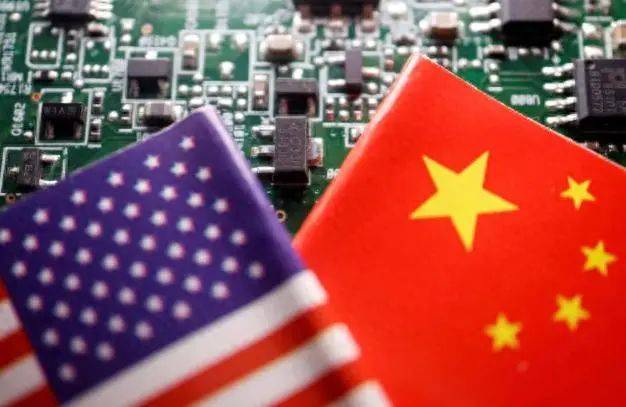
Group 1: Core Insights - The article discusses the escalating "chip war" between the US and China, highlighting the strategic nature of this conflict as opposed to the previous tariff battles [1] - The US has implemented strict measures to cut off American companies from engaging with Chinese firms in the semiconductor sector, aiming to isolate China's semiconductor industry [1] - The article emphasizes the legal uncertainties surrounding the US's tariff policies, which have been deemed "overreaching" by courts, creating pressure on the Trump administration [3] Group 2: US-China Negotiation Dynamics - The US-China trade negotiations are described as being in a deadlock, with calls for direct communication between leaders seen as a potential way to break the impasse [4] - The US faces significant challenges in resource imports, particularly with China's export controls on strategic minerals, which could impact the US defense industry [4] Group 3: China's Response Strategies - In response to US actions, China is pursuing a "three-line counterattack" strategy, focusing on self-sufficiency in semiconductor development and acquiring technology from countries like South Korea and Japan [6] - China is also leveraging international legal avenues, such as WTO litigation, to challenge US technology restrictions [6] - The article notes that despite US efforts to isolate China, the latter is building a "de-Americanized" technology network with support from countries in Asia, Africa, and Latin America [6] Group 4: US Domestic and International Challenges - The US's aggressive stance towards China has led to international isolation and domestic discontent, with rising public dissatisfaction reflected in protests and stagnant approval ratings for the Trump administration [8] - The article argues that the US's "America First" strategy is misaligned with the realities of global interdependence, suggesting that unilateral protectionism is unsustainable [8] Group 5: Future Implications - The ongoing trade conflict is framed as a broader struggle involving global supply chains, technological advancement, and geopolitical dynamics, rather than merely a trade issue [10] - The article posits that the pressure from the US may ultimately drive China towards greater technological independence and innovation [10] - The future of US-China relations is anticipated to have significant implications for global economic direction, emphasizing that monopolistic practices cannot halt the progress of science and economics [10]

中国公司全球化周报|霸王茶姬Q1海外总GMV大增85%/快手海外业务首次季度盈利
3 6 Ke· 2025-06-01 04:06
Group 1: Industry Insights - A series of themed events will be launched to help Chinese companies explore opportunities in Indonesia's $50 billion healthcare market, featuring insights from Indonesian government officials [2] - The Chinese Ministry of Commerce announced the completion of the 3.0 version upgrade negotiations for the free trade area with ASEAN, aiming to enhance trade and investment cooperation [12] - The China-Middle East and Gulf Cooperation Council (GCC) summit highlighted the potential for deeper economic collaboration, particularly in digital economy and green energy sectors [12] Group 2: Company Developments - Bawang Tea Ji reported a 38% year-on-year increase in total GMV to 8.23 billion yuan in Q1 2025, with overseas GMV growing by 85.3% to 178 million yuan [3] - Kuaishou's overseas revenue reached 1.3 billion yuan in Q1 2025, marking a 32.7% year-on-year growth, with the company achieving its first quarterly operating profit in international markets [3] - Wanglaoji has initiated local production in Malaysia, marking its first overseas manufacturing venture, which will also serve markets in Indonesia and Thailand [4] Group 3: Market Expansion - GAC Group has officially launched operations in Brazil, planning to establish 120 sales points by the end of 2025 and introduce five new vehicle models [9] - Xiaomi's Q1 2025 revenue reached 111.3 billion yuan, a 47.4% increase, with a focus on expanding its market share in Africa [7] - Pinduoduo's Q1 2025 revenue was 95.7 billion yuan, a 10% year-on-year increase, but faced challenges with a 38% decline in operating profit [8] Group 4: Strategic Partnerships - Xiaoma Zhixing has partnered with the Dubai Roads and Transport Authority to launch a Robotaxi fleet, with plans for full commercial operation by 2026 [6] - WeRide is set to enter the Saudi market with plans for comprehensive Robotaxi services by 2025, having already tested its products in key cities [6] - Meituan's new business segment reported a revenue increase of 19.2% to 22.2 billion yuan in Q1 2025, with a focus on international expansion [6]



奈雪的茶年报点评 —— 品牌升级聚焦全球化,新模式探索待验证
Orient Securities· 2025-06-01 00:15
Investment Rating - The report maintains a rating of "Accumulate" for the company [7] Core Views - The company is undergoing brand upgrades focusing on global expansion, while new business models are still to be validated [2] - The company experienced a revenue decline in 2024, with total revenue of 4.921 billion yuan, down 4.7% year-on-year, and a net loss of 917 million yuan, a significant shift from profit to loss [10] - The company is actively restructuring its store operations and exploring new store formats, including promoting a franchise model and expanding into international markets [10] Financial Forecast and Investment Recommendations - The earnings per share (EPS) forecast for 2025-2027 is projected at -0.15, -0.12, and 0.00 yuan respectively, with a downward adjustment in revenue and gross margin due to weak downstream demand [4] - The target price for the company is set at 1.33 HKD, based on a discounted cash flow (DCF) valuation method [4] - The company’s revenue is expected to recover gradually, with projected revenues of 5.067 billion yuan in 2025, 5.333 billion yuan in 2026, and 5.838 billion yuan in 2027, reflecting growth rates of 3.0%, 5.3%, and 9.5% respectively [6][10] Key Financial Information - In 2024, the company reported a gross margin of 63.2%, down 3.9 percentage points year-on-year, and a net margin of -18.8% [6][10] - The number of direct stores decreased by 121 to 1,453, while franchise stores increased by 264 to 345, indicating a shift towards a franchise model [10] - The company’s total assets are projected to be 6.201 billion yuan in 2025, with total liabilities of 2.568 billion yuan [13]
为什么高收入可能不会持续:从行业红利到时代红利 | 螺丝钉带你读书
银行螺丝钉· 2025-05-31 13:52
Core Viewpoint - The article discusses the concept of "era dividends," emphasizing the different stages of industry development and the opportunities and challenges they present for individuals and companies [4][11]. Industry Dividend Periods - **Startup Phase (0-5%)**: In this initial stage, small entrepreneurial teams innovate to meet customer needs, while large companies are less involved due to limited profit potential [6]. This phase is characterized by high risk for founders [7]. - **High Growth Phase (5%-30%)**: As the industry matures, larger companies enter the market, leading to rapid growth and increased demand for professionals. During this period, personal income can grow significantly, often outpacing average societal growth [8][9]. - **Mature Phase (30% and above)**: The competitive landscape stabilizes, with a few leading companies dominating the market. This results in an oversupply of professionals, leading to slower income growth and potential layoffs [10]. Recent Era Dividends - The last few decades have seen widespread era dividends driven by globalization, urbanization, and technological advancements. For instance, joining the WTO spurred rapid growth in domestic manufacturing, transitioning from low-end to high-end industries [11][12]. - Urbanization led to a real estate boom, benefiting various related sectors and significantly increasing wealth accumulation for many [12][13]. - Technological progress, particularly in the internet and AI sectors, has also resulted in explosive salary growth for professionals in these fields [13]. Conclusion on Era Dividends - Era dividends are finite, and every industry will eventually reach a saturation point. Individuals should be aware of the cyclical nature of income growth and prepare for future changes by saving during high-growth periods [15][16]. - New era dividends will continue to emerge, with disruptive innovations occurring approximately every 10-20 years, providing new opportunities for each generation [18][19]. - The current economic landscape suggests a reduction in high-growth sectors, prompting individuals to consider their strategies for future success [20][22].

打破垄断,中国第一!全钢巨胎龙头海安橡胶:净利润超6亿,国产替代、全球化双线崛起
市值风云· 2025-05-30 10:02
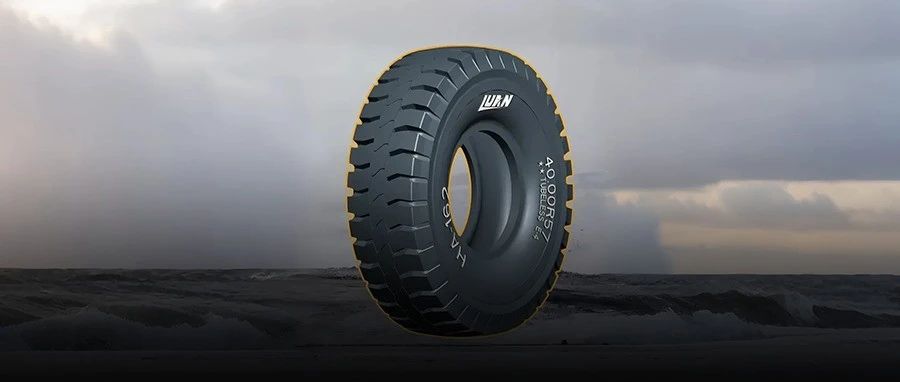
Core Viewpoint - The article highlights the significant advancements and market position of Hai'an Rubber Group in the production of giant all-steel radial tires, emphasizing its role in breaking the monopoly of international giants and achieving import substitution in China. Group 1: Company Achievements - In December 2019, China became the third country capable of producing 59/80R63 all-steel giant tires, filling a domestic gap and reaching international advanced levels [2][3] - Hai'an Rubber is the first and largest manufacturer of 63-inch tires in China, with nearly 100 million yuan in orders on hand [6] - The company has delivered hundreds of 63-inch products, demonstrating successful application and validation [6] Group 2: Market Position - In 2022, Hai'an Rubber produced approximately 14,000 giant all-steel tires, accounting for about 52.4% of China's total production of 27,000 units [12] - Globally, Hai'an Rubber holds a 6.5% market share, ranking fourth after Michelin, Bridgestone, and Goodyear [13] - The company has successfully provided products and services to over a hundred mining companies, indicating strong market penetration [15] Group 3: Financial Performance - Hai'an Rubber's revenue is projected to reach 2.3 billion yuan in 2024, reflecting a 360% increase from 2020 [18] - Sales volume increased from 3,300 units in 2020 to 15,100 units in 2024, nearly a fivefold growth [19] - The company’s net profit for 2024 is expected to be 679 million yuan, nearly double that of 2022 [37] Group 4: Growth Drivers - The demand for giant all-steel tires is driven by the recovery of global mining companies, with domestic and international growth rates around 50% [23] - The exit of major international brands from the Russian market has created opportunities for Hai'an Rubber to expand its customer base [24] - The company has seen significant revenue growth in Europe, reaching 1.218 billion yuan in 2023 [25] Group 5: Competitive Advantages - Hai'an Rubber's operational management services for mining tires enhance customer loyalty and provide valuable feedback for product development [29][30] - The company maintains the highest gross margin in the industry, with a gross margin of 48.71% in 2024 [39] - Hai'an Rubber's production capacity utilization exceeds 90%, significantly higher than the industry average [43] Group 6: Market Outlook - The global market for giant all-steel tires is expected to grow at a compound annual growth rate (CAGR) of 5.18%, while China's market is projected to grow at a CAGR of 12.47% [48] - The exit of international brands from key markets presents a strategic opportunity for domestic companies to secure supply chains and enhance market share [50] - The shift towards giant all-steel tires, which have a longer lifespan than diagonal tires, indicates a structural opportunity for market growth [51]
智能化、低碳化、全球化是中国动力电池长久趋势
Zhong Guo Qi Che Bao Wang· 2025-05-30 07:12
Core Viewpoint - The China Automotive Battery Innovation Alliance held its annual conference, highlighting significant achievements in the past year and discussing future development strategies for the automotive battery industry in China [5]. Group 1: Industry Achievements - In 2024, China's power battery installation volume is projected to reach 548.4 GWh, accounting for over 60% of the global market, maintaining a leading position [6]. - The shipment volume of energy storage batteries also ranks first globally, showcasing China's strong competitiveness in the global power battery market [6]. - Key materials' self-sufficiency rate exceeds 90%, ensuring supply chain security and stability [6]. Group 2: Technological Innovations - Breakthroughs in battery technology include a 10%-20% increase in energy density for lithium iron phosphate batteries and the mass production of semi-solid batteries with energy densities exceeding 360 Wh/kg [6]. - AI-driven battery management systems have been developed to intelligently adjust charge and discharge strategies, reducing usage risks [6]. - The industry is focusing on the development of solid-state batteries, lithium-sulfur batteries, and ultra-fast charging technologies to enhance battery performance [10]. Group 3: Challenges Facing the Industry - Resource issues are becoming more prominent, with significant price fluctuations for key metals like lithium and cobalt, and a high dependence on imports [9]. - The industry faces technical bottlenecks, particularly in developing high energy density, fast-charging, and safe solid-state batteries [9]. - International policy pressures are increasing, with the EU's new battery law requiring all exported batteries to have a carbon footprint record by 2027, impacting China's export costs and competitiveness [9]. Group 4: Future Strategies - The industry aims to enhance technological leadership and innovation to address challenges, focusing on low-carbon development and improving the battery lifecycle carbon footprint management system [10]. - There is a push for expanding open cooperation with international enterprises and research institutions to tackle global technological challenges and market risks [10]. - The emerging low-altitude economy is expected to create new opportunities for the power battery industry, with demand projected to exceed 100 GWh by 2035, leading to a trillion-level market scale [11].


对话全球商会|中国比利时商会:全球商业的未来绝不是把门关起来
Bei Ke Cai Jing· 2025-05-30 02:53
Core Viewpoint - The global economy is facing challenges due to geopolitical uncertainties, particularly from the U.S. "reciprocal tariff" policy, yet the need for strong and stable supply chains remains critical for sustainable development in global business [1]. Group 1: China's Economic Development - China has developed a robust supply chain and manufacturing capability that supports global trade, with an accelerating capacity for technological innovation [2]. - The perception of China's market changes is overwhelmingly positive, described as "Amazing," reflecting rapid advancements in cities and technology, as well as a cultural respect for all [6][11]. - China is now the second-largest economy in the world and leads in several technological fields [13]. Group 2: China-Belgium Economic Relations - Belgium has been an early entrant into the Chinese market, maintaining long-term trade relations in sectors like beer, pork, chocolate, pharmaceuticals, and diamonds [7]. - By the end of 2024, Belgian direct investment in China is projected to reach $2.69 billion, with over 1,400 projects primarily in chemicals, food, and life sciences [8]. Group 3: Future Cooperation Areas - Future cooperation between Belgium and China is expected to focus on three key sectors: logistics, artificial intelligence, and green agriculture [16]. - The pharmaceutical logistics sector is particularly significant for Belgium, which is a leading global player in drug research and exports [16]. Group 4: Global Trade Dynamics - The current global trade landscape is shifting, necessitating a rethinking of supply chain structures, emphasizing the importance of cooperation and mutual understanding [21]. - The need for open dialogue and partnership is highlighted as essential for overcoming trade barriers and fostering a collaborative global business environment [22].
小米集团-W(01810.HK):业绩再创新高 经营效率提升 关注中长期战略持续兑现
Ge Long Hui· 2025-05-30 01:47
Core Viewpoint - Xiaomi reported strong Q1 2025 performance with revenue of 111.29 billion, a year-on-year increase of 47.4%, and adjusted profit of 10.68 billion, up 64.5% [1] Group 1: Financial Performance - Q1 2025 revenue reached 1112.93 billion, reflecting a 47.4% year-on-year growth [1] - Adjusted profit for Q1 2025 was 106.75 billion, marking a 64.5% increase compared to the previous year [1] - The mobile and AIoT segments showed improved operational efficiency, with a gross margin of 22.8% and a decrease in operating expense ratio to 11.4% [1] Group 2: Mobile Segment - Xiaomi regained the top market share in mainland China with a 40% increase in smartphone shipments, totaling 13.3 million units [2] - The average selling price (ASP) of smartphones increased by 5.8% to 1210.6 yuan [2] - Internet revenue from mobile devices reached 9.1 billion, up 12.8% year-on-year [2] Group 3: IoT and Smart Devices - IoT business revenue grew by 58.7% to 32.34 billion, with smart home appliances seeing a 113.8% increase [2] - The gross margin for IoT reached a record high of 25.2%, up 4.7 percentage points [2] - The tablet segment saw a 56.1% increase in shipments, entering the global top three [2] Group 4: Automotive Segment - Q1 2025 saw 76,000 vehicle deliveries, with an ASP of 238,000 yuan [3] - Revenue from smart vehicles and AI-related businesses was 18.58 billion, accounting for 16.7% of total revenue [3] - The gross margin for the automotive segment improved to 23.2%, indicating ongoing scale effects [3] Group 5: Strategic Outlook - Xiaomi's competitive advantages include strong technology investments, supply chain management, and marketing capabilities [3] - The company is focusing on long-term strategies in AI, high-end products, and global expansion [3] - Revenue projections for 2025-2027 are estimated at 501.5 billion, 634.4 billion, and 733.2 billion respectively [4]

A股公司“剧透”二季度经营暖意 新兴产业释放发展新动能
Shang Hai Zheng Quan Bao· 2025-05-29 18:59
Group 1 - The core viewpoint of the articles highlights the positive operational developments of listed companies in the second quarter of 2025, showcasing advancements in various sectors such as semiconductors, robotics, new energy, and new materials [2][3] - Companies are actively sharing updates on project progress, new technologies, and orders, indicating a trend of industrial upgrades and strategic transformations [2][3] - High-growth sectors continue to exhibit strong growth momentum, while cyclical industries are seeking balance amid supply-demand adjustments [3] Group 2 - Chip companies are benefiting from the AI industry, with interconnect chip orders exceeding RMB 12.9 billion as of April 22, 2025, and expectations for significant growth in DDR5 memory interface chip demand [4] - Traditional cyclical industries like coal and chemicals are showing resilience through cost control and structural optimization, with companies like Guanghui Energy anticipating stabilization in coal prices due to various market factors [4][5] - Manufacturing companies are focusing on improving production efficiency and meeting customer demands, with firms like Xinqianglian and Guangxin Materials reporting strong order backlogs and plans for product launches [5] Group 3 - Many listed companies are already building momentum for annual revenue growth, particularly in emerging sectors like new energy and robotics, with plans for market expansion and quality enhancement through mergers and acquisitions [6] - Companies like Longmag Technology are localizing raw material supply to reduce production costs and enhance supply chain stability [6] - Hechuan Technology is actively developing humanoid robots and plans to launch new products in the second half of 2025 [6] Group 4 - The new merger regulations have made acquisitions a key strategy for A-share companies to optimize resource allocation, with firms like Chenhua Co. targeting investments in new materials and fine chemical agents [7] - Guoxing Optoelectronics is focusing on upstream and downstream opportunities in the LED and optical sensing sectors, while Zhenbaodao is exploring new industries through asset acquisitions [7] - Huichuan Technology is looking for overseas acquisition opportunities, concentrating on automation, digitalization, and intelligent sectors that align with its core business [7]





2025中国家电出海:不高端,就出局
芯世相· 2025-05-29 07:03
Core Insights - The article highlights the impressive financial performance of China's major home appliance companies in 2024, with Midea leading the growth with a revenue of 409.1 billion yuan, a 9.5% increase year-on-year [3][4][6] - The growth of these companies is attributed to two main factors: globalization and premiumization, as they adapt to changing market dynamics and consumer preferences [7][10] Group 1: Financial Performance - Midea's revenue reached 409.1 billion yuan, marking a 9.5% year-on-year growth, making it the fastest-growing company among the four major appliance manufacturers [3][4] - Haier and TCL both reported revenues close to 300 billion yuan, with growth rates, while Hisense achieved a revenue of 151.3 billion yuan, reflecting an 8.7% increase [4][6] - Gree Electric Appliances, however, experienced a decline in revenue, reporting 190 billion yuan, a 7.31% drop [6] Group 2: Market Trends - The report indicates a trend of slowing growth in China's white goods market, while the black goods segment is seeing a shift towards high-end and smart products as key growth drivers [7][10] - The overseas market contribution has significantly increased, with major Chinese appliance companies adopting an OBM (Own Brand Manufacturing) strategy [7][10] Group 3: Globalization and Premiumization - Midea's overseas revenue reached 169.03 billion yuan, a 12.01% increase, with overseas sales accounting for 41.32% of its total revenue [8] - Haier's overseas revenue grew by 13% to 1.44 billion yuan, while Hisense's overseas revenue surged by 28% [8] - The article emphasizes that the high growth rates of these companies are primarily driven by their global expansion and focus on high-end products [9][10] Group 4: Strategic Initiatives - Midea has established 22 R&D centers globally, focusing on localized product development to meet regional demands, which has enhanced its competitive edge [13][14] - Haier has successfully implemented a multi-brand strategy and has made significant investments in North America, with 80% of its U.S. sales produced locally [15][19] - TCL's strategy focuses on large-screen products, with a 100.5% increase in shipments of 75-inch and larger TVs, indicating a strong push towards premium offerings [23][24] Group 5: Market Positioning - The article notes that Chinese home appliance brands are becoming increasingly popular in international markets, with significant growth in exports to Asia, Latin America, and Africa [29][30] - Chinese appliance manufacturers have established a strong global presence, with Haier and Hisense leading in various segments, including high-end markets [30][31]