以旧换新补贴

Search documents
2025年12月中国物价数据解读:物价回升的背后:补贴和输入性因素
ZHONGTAI SECURITIES· 2026-01-09 11:25
Group 1: CPI and PPI Trends - In December 2025, China's CPI increased from 0.7% to 0.8% month-on-month, while PPI rose from -2.2% to -1.9% year-on-year[2] - The CPI reached a new high since February 2023, with a month-on-month increase of 0.2%, consistent with the seasonal average of the past three years[2] - Among eight categories, only transportation and communication, and other goods and services showed significant month-on-month increases, at 0.0% and 2.8% respectively[2] Group 2: Factors Influencing CPI - The rise in transportation costs is attributed to constraints on price reductions in the automotive industry due to anti-involution measures[2] - Subsidies for "old-for-new" vehicle exchanges and corporate subsidies may have led to an overestimation of transportation costs in the CPI[2] - The decline in oil prices has narrowed, with transportation fuel costs showing a month-on-month decrease of -1.1%, compared to a three-year average of -3.6%[2] Group 3: Other Notable Increases - The category of other goods and services saw a month-on-month increase of 2.8%, significantly higher than the three-year average of 0.2%[2] - The year-on-year increase for this category was 17.4%, driven primarily by rising prices of precious metals[2] - The household appliances category experienced a year-on-year increase of 5.9%, indicating a discrepancy between consumer perception and actual price data due to subsidies[2] Group 4: PPI Insights and Future Outlook - The transmission of upstream price increases to downstream consumer goods remains weak, with downstream living goods showing zero month-on-month change for several months[2] - The coal mining and washing industry reported a year-on-year decline of -15.7%, the only major industrial sector with a double-digit drop[2] - Looking ahead, CPI is expected to decline significantly in January 2026 due to the Spring Festival effect, but may return to above 1% thereafter[2]
连云港海州:151家门店迎家电数码“焕新”高峰
Yang Zi Wan Bao Wang· 2026-01-07 11:00
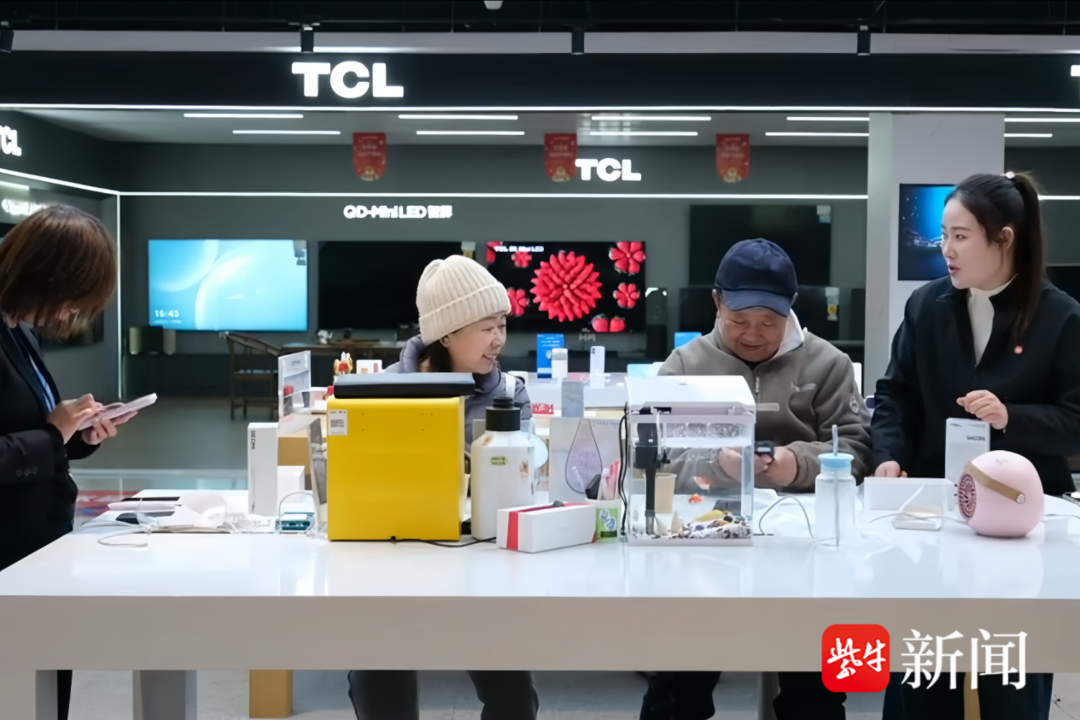
Core Insights - The launch of the "old-for-new" subsidy program in Lianyungang City has significantly boosted consumer spending in the Haizhou district, with a total subsidy fund usage of 530,000 yuan during the New Year holiday, leading to 4.4 million yuan in effective consumption [1][3] Group 1: Subsidy Program Impact - The "old-for-new" subsidy program officially started on January 1, 2026, with 151 participating stores in Haizhou, becoming a key area for policy implementation [1] - The program has led to a 300% increase in inquiries and transactions related to the "old-for-new" initiative compared to regular weekends [5] Group 2: Consumer Behavior - Consumers are taking advantage of multiple discounts, including government subsidies, store promotions, and manufacturer discounts, resulting in significant savings on new appliances [3][5] - High-demand products include large appliances like televisions, refrigerators, and washing machines, with notable sales increases for specific brands such as Hisense air conditioners (up 102%) and Huawei smartphones (up 45%) [5] Group 3: Program Details - The subsidy program will run until December 31, 2026, covering six categories of home appliances and four categories of digital products, with a 15% subsidy on eligible items [5] - Consumers can receive a subsidy of up to 1,500 yuan for home appliances and 500 yuan for digital products, with a limit of one subsidy per product category per consumer [5] Group 4: Economic and Environmental Benefits - The program is designed to stimulate consumer spending while promoting the adoption of green and smart products, benefiting both residents and the local economy [5]


新一轮以旧换新补贴元旦落地,北京家电市场销售红火
Bei Jing Ri Bao Ke Hu Duan· 2026-01-03 12:42
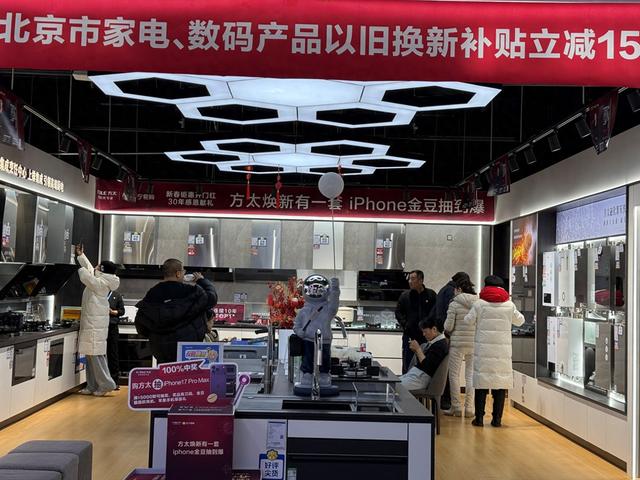
Core Insights - The new "National Subsidy" policy for replacing old home appliances and digital products has significantly boosted consumer spending during the New Year holiday, leading to increased foot traffic and sales in stores [1][3]. Group 1: Sales Performance - During the New Year holiday, foot traffic at Suning.com stores in Beijing increased by over 110% from January 1 to 2, with sales of energy-efficient products accounting for 92% of total sales [1]. - Sales of mobile phones and smartwatches at Suning.com saw year-on-year growth of 110% and 75%, respectively, on the first day of the New Year [4]. Group 2: Consumer Preferences - Consumers are increasingly favoring high-efficiency and smart appliances, with products like intelligent refrigerators, washing machines, and air conditioners becoming the most popular choices [3]. - Health features have become essential for consumers, with over 70% considering deep health functionalities, such as sterilization and self-cleaning, as core decision factors when purchasing appliances [3]. Group 3: Subsidy Details - The subsidy program offers a 15% discount on the final sale price of eligible products, with a maximum subsidy of 1,500 yuan for home appliances and 500 yuan for digital products [3]. - Eligible products include six categories of home appliances and four categories of digital products, with specific price limits for subsidies [3].

花旗:内地以旧换新补贴新政或令入门级车型市场加快整合 比亚迪股份(01211)等更具规模优势
智通财经网· 2026-01-02 08:19
Group 1 - Citigroup reports that China's new vehicle replacement subsidy policy for 2023 maintains the subsidy cap from last year but changes the calculation method to a percentage of vehicle price instead of a fixed amount [1] - Only new energy vehicles priced above 166,700 RMB and fuel vehicles above 150,000 RMB qualify for the maximum subsidy under the scrappage policy; under the replacement policy, new energy vehicles priced above 187,500 RMB and fuel vehicles above 216,700 RMB qualify [1] - The new subsidy policy may accelerate market consolidation for entry-level models (average price below 160,000 RMB), benefiting companies like BYD, Geely, and Great Wall Motors due to their cost control and export profit leverage [1] Group 2 - Citigroup predicts that China's passenger car retail sales in Q4 last year may deviate from normal seasonal fluctuations by approximately 700,000 to 800,000 units; even if this sales volume is fully added back in Q1 this year, wholesale sales are expected to decline by 33% quarter-on-quarter (8% year-on-year) [2] - Citigroup also anticipates that Pony.ai-W's H-shares will enter the Hong Kong Stock Connect around mid-2026 [2]



花旗:内地以旧换新补贴新政或令入门级车型市场加快整合 比亚迪股份等更具规模优势
智通财经网· 2026-01-02 08:19
Group 1 - Citigroup reports that China's new vehicle replacement subsidy policy for 2023 maintains the subsidy cap from last year but changes the calculation method to a percentage of vehicle price instead of a fixed amount [1] - Under the scrappage policy, only new energy vehicles priced above 166,700 RMB and fuel vehicles above 150,000 RMB qualify for the maximum subsidy; under the replacement policy, new energy vehicles priced above 187,500 RMB and fuel vehicles above 216,700 RMB qualify for the maximum subsidy [1] - The new subsidy policy may accelerate market consolidation for entry-level models (average price below 160,000 RMB), benefiting companies like BYD, Geely, and Great Wall Motors due to their cost control and export profit leverage [1] Group 2 - Citigroup predicts that China's passenger car retail sales in Q4 last year may deviate from normal seasonal fluctuations by approximately 700,000 to 800,000 units; even if this sales volume is fully added back in Q1 this year, wholesale sales are expected to decline by 33% quarter-on-quarter (8% year-on-year) [2] - The company anticipates that Pony.ai's H-shares will enter the Hong Kong Stock Connect around mid-2026 [2]
2026“国补”继续!几类补贴有变化,一文看懂
Yang Shi Xin Wen· 2026-01-02 07:54
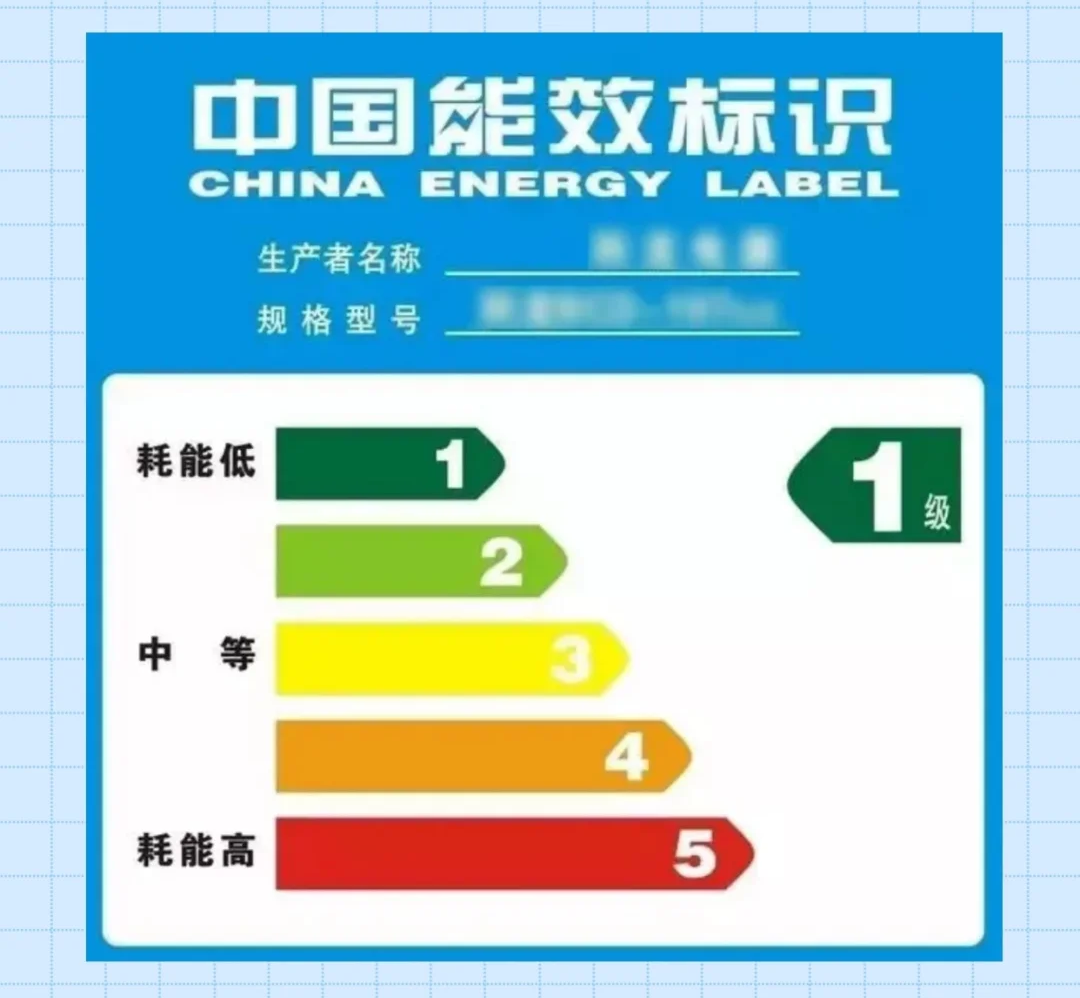
最近,不少人在关心 "2026年以旧换新补贴,还有没有?" 答案是:有! 1月1日,新一轮"国补"正式开始! 2026年首批625亿元国补资金已下达 延续消费品以旧换新 并加大对设备更新的支持力度 新一轮"国补"有哪些看点和变化? 一次梳理清楚 01 数码和智能产品继续享受 家电产品只补贴1级能效 或水效标准产品 除了数码产品,家电补贴在2026年也继续推进,条件更聚焦于高能效产品。家电以旧换新只补贴1级能效或水效标准产品,不再补贴2级能效或水效标准的 产品。 补贴品类:包括冰箱、洗衣机、电视、空调、电脑、热水器等6类产品。 15%国补 单件最高500元 数码和智能产品的补贴标准基本与2025年保持一致。但补贴品类进一步扩大:在延续手机、平板、智能手表(手环)和智能家居产品(含适老家居)的基 础上,新增了智能眼镜这一品类。 补贴规则:单件产品销售价格不超过6000元,按销售价格的15%给予补贴。单件补贴最高不超过500元(每位消费者每一类产品限补1件)。 02 补贴规则:补贴条件是达到1级能效或水效标准。每位消费者每类产品可补贴1件,每件补贴不超过1500元。 03 汽车调整为按价格比例补贴 最高补贴2万元 ...
买家电、手机、汽车都能省!2026年重庆“国补”来了→
Xin Lang Cai Jing· 2026-01-02 01:59
Core Viewpoint - Chongqing will fully implement a vehicle scrapping and replacement policy starting January 1, 2026, which includes subsidies for automobile scrapping, appliance replacement, and digital product purchases. Vehicle Scrapping Update - Consumers can receive a maximum government subsidy of 20,000 yuan for scrapping eligible gasoline and diesel vehicles registered before specified dates and purchasing new energy vehicles or fuel vehicles with an engine size of 2.0 liters or less [2] - The subsidy for scrapping eligible vehicles and purchasing new energy vehicles is 12% of the new vehicle sales price, capped at 20,000 yuan; for fuel vehicles, the subsidy is 10%, capped at 15,000 yuan [2] - All required documents for subsidy applications must be obtained after January 1, 2026, and the scrapped vehicle must be registered in the applicant's name by January 8, 2025 [2] Vehicle Replacement Update - A maximum subsidy of 15,000 yuan is available for consumers who sell their registered vehicles and purchase new energy or fuel vehicles [3] - The subsidy for purchasing new energy vehicles is 8% of the new vehicle sales price, capped at 15,000 yuan; for fuel vehicles, the subsidy is 6%, capped at 13,000 yuan [3] - Similar to the scrapping policy, all documents must be dated after January 1, 2026, and the old vehicle must be registered in the applicant's name by January 8, 2025 [3] - Each consumer can only choose one subsidy option during the policy implementation period [3] Appliance and Digital Product Subsidies - Consumers purchasing energy-efficient appliances such as refrigerators, washing machines, televisions, air conditioners, computers, and water heaters can receive a subsidy of 15% of the final sales price, capped at 1,500 yuan per item [4] - For digital products like smartphones, tablets, smartwatches, and smart glasses, consumers can receive a subsidy of 15% of the final sales price, capped at 500 yuan per item, with a price limit of 6,000 yuan per item [5] - The subsidy policy will be effective from January 1, 2026, to December 31, 2026, and will be implemented on a first-come, first-served basis until funds are exhausted [5]
2026“国补”继续!几类补贴有变化,一文看懂→
Xin Lang Cai Jing· 2026-01-01 22:54
Core Viewpoint - The new round of "National Subsidy" for 2026 has officially started, with a total of 62.5 billion yuan allocated to support the replacement of old products and enhance consumer spending [3]. Group 1: Digital and Smart Products - Digital and smart products will continue to receive a 15% subsidy, with a maximum of 500 yuan per item. The subsidy categories have expanded to include smart glasses alongside existing products like smartphones and smart home devices [3]. - The subsidy applies to products priced up to 6,000 yuan, with each consumer limited to one subsidy per product category [3]. Group 2: Home Appliances - The subsidy for home appliances in 2026 will focus solely on products that meet the highest energy efficiency standards (1st level) or water efficiency standards, excluding lower-rated products [4]. - Eligible appliances include refrigerators, washing machines, televisions, air conditioners, computers, and water heaters, with a maximum subsidy of 1,500 yuan per item [4]. Group 3: Automotive Subsidies - The automotive subsidy will be adjusted to a fixed percentage of the new car sales price, with a maximum subsidy of 20,000 yuan for eligible vehicles [5]. - For gasoline vehicles, the registration date must be before June 30, 2013, while for diesel and other fuel vehicles, it must be before June 30, 2015. For new energy vehicles, the registration date must be before December 31, 2019 [7]. - The subsidy for purchasing new energy vehicles after scrapping an old vehicle is set at 12% of the new car price, with a cap of 20,000 yuan [7]. Group 4: Addressing Public Concerns - The new round of subsidies aims to address public concerns regarding issues such as the installation of elevators in old residential areas and the updating of equipment in elderly care facilities [6][8]. - Additional support will be provided for updating equipment in commercial facilities, including shopping centers and supermarkets [8]. Group 5: Application Process - Consumers can apply for subsidies through designated platforms or mini-programs related to specific product categories, ensuring a streamlined process for accessing the benefits [10][12]. - There will be strict measures to combat fraudulent claims and ensure that the subsidy benefits reach the intended consumers effectively [12].
2026年汽车、家电以旧换新补贴细则发布
Xin Hua She· 2026-01-01 00:24
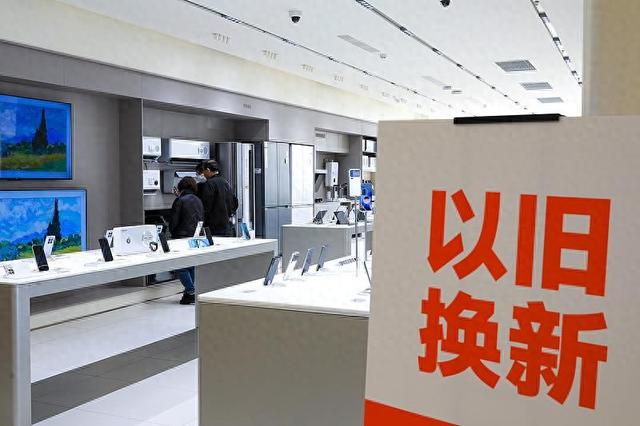
同日,商务部等部门发布关于做好2026年家电以旧换新、数码和智能产品购新补贴工作的通知:2026年 1月1日起,按照全国统一的品类和标准,对个人消费者购买1级能效或水效标准的冰箱、洗衣机、电 视、空调、热水器、电脑6类家电产品,以及单件销售价格不超过6000元的手机、平板、智能手表(手 环)、智能眼镜4类数码和智能产品给予补贴。补贴标准为上述产品扣除各环节优惠后最终销售价格的 15%,每人每类可补贴1件,其中,家电产品每件补贴不超过1500元,数码和智能产品每件补贴不超过 500元。 来源:新华社 据新华社电 商务部等部门昨日发布关于2026年汽车以旧换新补贴实施细则,明确参与申领2026年汽车 报废更新补贴旧车的注册登记时间,相比2025年进一步扩大支持范围。 2026年汽车报废更新中,若参与申领补贴的报废旧车为汽油乘用车,则其注册登记时间应在2013年6月 30日(含当日,下同)之前;若参与申领补贴的报废旧车为柴油及其他燃料乘用车,则其注册登记时间 应在2015年6月30日之前;若参与申领补贴的报废旧车为新能源乘用车,则其注册登记时间应在2019年 12月31日之前。报废更新最高补2万元,置换更新最高补1 ...
11月汽车零售销量三年来同比首降
第一财经· 2025-12-08 15:47
Core Viewpoint - The Chinese passenger car market experienced a significant decline in retail sales in November 2023, marking the first year-on-year negative growth in retail sales for the year, with a decrease of 8.1% compared to the same month last year [3]. Group 1: Market Performance - In November, the national retail sales of passenger cars reached 2.225 million units, reflecting a month-on-month decline of 1.1% [3]. - The year-on-year decline in retail sales has worsened compared to October's 0.5% decrease, indicating a challenging market environment as the year-end approaches [3]. - The production and wholesale sales of vehicles maintained growth on a month-on-month and year-on-year basis, leading to an increase in dealer inventory by 60,000 units in November, contrasting with a decrease of 220,000 units in the same month last year [7]. Group 2: Policy Impact - The "old-for-new" subsidy policy has been a crucial factor in adjusting the growth rate of car sales, with over 11.2 million applications for subsidies by October 22, 2023 [6]. - The average daily subsidy scale dropped to 30,000 units in November due to the widespread suspension of subsidies across various regions [6]. - The penetration rate of new energy vehicles (NEVs) in domestic retail reached a record high of 59.3% in November, up 7 percentage points from the same period last year [6]. Group 3: Segment Analysis - The pure electric vehicle market was the only segment showing growth in November, with retail sales increasing by 9.2% year-on-year, while the range-extended and plug-in hybrid markets saw declines of 4.3% and 2.8%, respectively [6]. - The retail sales of fuel vehicles experienced a significant year-on-year decline of 22% [6]. - The market share of new forces in pure electric and range-extended vehicles shifted from 57%:43% last November to 73%:27% this year [6]. Group 4: Industry Profitability - The automotive industry is facing notably low profit margins, with the sales profit margin for the automotive sector at only 4.4%, compared to 30.3% for the upstream non-ferrous metal industry [8]. - Increased inventory levels of new energy vehicles in October and November led to a misperception of high demand in the upstream lithium carbonate industry, resulting in price increases [8].