战略储备

Search documents
银河期货每日早盘观察-20260204
Yin He Qi Huo· 2026-02-04 02:10
期 货 眼 ·日 迹 每日早盘观察 银河期货研究所 2026 年 2 月 4 日 0 / 46 研究所 期货眼·日迹 | | | | 蛋白粕:供应压力较大 | 盘面大幅下行 5 | | --- | --- | | 白糖:国际糖价大涨 | 国内糖价小幅上调 5 | | 油脂板块:美国 | 45z 拟议规则出台,带动油脂上涨较多 6 | | 玉米/玉米淀粉:北港现货偏弱,盘面偏弱震荡 7 | | | 生猪:出栏压力增加 | 现货整体下行 8 | | 花生:花生现货稳定,花生盘面窄幅震荡 9 | | | 鸡蛋:节前备货进入尾声 | 蛋价有所下跌 10 | | 苹果:节前走货尚可,苹果价格坚挺 11 | | | 棉花-棉纱:基本面变化不大 | 棉价有所支撑 12 | | 钢材:需求边际转弱,钢价跟随市场情绪延续震荡 13 | | --- | | 双焦:基本面权重降低,资金扰动加大 13 | | 铁矿:市场预期反复,矿价偏弱运行 14 | | 铁合金:恐慌情绪有所缓和,仍可作为多头配置 15 | | 金银:金银市场回暖,节前风控仍是主线 16 | | --- | | 铂钯:风险释放后行情企稳 贵金属谨慎参与低多机会 1 ...
镍矿处于短缺的强预期中 镍产业链价格整体向上
Jin Tou Wang· 2026-01-15 06:07
Group 1 - The core viewpoint of the article highlights the upward trend in nickel prices due to geopolitical tensions and supply constraints, with the main contract for nickel futures reported at 144,410.00 yuan/ton, reflecting a 2.42% increase [1] Group 2 - On the macro level, the article notes a significant trend of de-globalization and frequent geopolitical conflicts, leading to a general increase in "strategic reserve" metals [1] Group 3 - In terms of industry specifics, Indonesia has drastically reduced its nickel ore production target for 2026 by approximately 34%, and 50 nickel mines are facing potential fines for illegal land use [1] Group 4 - Regarding demand, the announcement from two departments to gradually lower and eliminate the VAT refund for battery product exports is expected to positively impact nickel demand in the new energy sector [1] Group 5 - Looking ahead, the article indicates that strong policy expectations from Indonesia are driving prices upward, with a projected quota of 260 million tons for 2026 against an estimated demand of over 320 million tons, suggesting a strong expectation of overall nickel supply shortage [1]
从商品到战略资产
GUOTAI HAITONG SECURITIES· 2026-01-12 15:24
Investment Rating - The report assigns an "Overweight" rating for the non-ferrous metals industry [5] Core Insights - The balance between supply and demand is crucial, but macroeconomic factors such as monetary policy, geopolitical tensions, and supply disruptions will significantly influence metal price trends [2] - Precious metals are supported by geopolitical factors, with gold prices expected to be bolstered by central bank purchases and rising ETF holdings [5] - Copper is transitioning from a commodity to a strategic asset, with price fluctuations influenced by macroeconomic resilience and supply disruptions [5] - Aluminum prices are expected to remain strong due to robust macroeconomic performance and easing liquidity [5] - Energy metals like lithium are facing demand preemption due to export tax adjustments, while cobalt prices remain high due to tight raw material supply [5] Summary by Sections Precious Metals - Gold prices have risen, with SHFE gold increasing by 2.57% to 1,006.48 CNY/g and COMEX gold rising by 4.36% to 4,518.40 USD/oz [8][25] - Silver prices also saw significant increases, with SHFE silver up 3.85% to 18,731 CNY/kg and COMEX silver up 12.36% to 79.79 USD/oz [9][25] - Central bank gold reserves in China increased to 7,415 million ounces, marking a continuous expansion over 14 months [8] Copper - Copper prices increased, with SHFE copper rising by 3.23% to 101,410 CNY/ton and LME copper up 4.24% to 12,998 USD/ton [10][22] - Supply disruptions from the Mantoverde copper mine strike in Chile are expected to maintain price strength [10] - The copper market is characterized by low inventory levels, with global visible inventory at 909,000 tons [10][67] Aluminum - Aluminum prices have shown strong performance, with SHFE aluminum increasing by 6.13% to 24,330 CNY/ton and LME aluminum up 4.00% to 3,136 USD/ton [10][79] - The average operating rate for aluminum processing has slightly increased to 60.1% [93] Energy Metals - Lithium production is on the rise, with a weekly increase of 115 tons, although demand is showing signs of weakness [11] - Cobalt prices remain elevated due to tight supply conditions, with companies extending their operations into downstream sectors [11] Rare Earths - Rare earth prices have rebounded, with significant increases in the prices of praseodymium-neodymium oxide and dysprosium oxide [11]
有色ETF华宝(159876)创上市新高!山东黄金领涨超4%!机构:有色金属正在经历爆发性的一年
Xin Lang Cai Jing· 2025-12-23 02:45
Core Viewpoint - The non-ferrous metal sector continues to surge, with the largest non-ferrous ETF, Huabao (159876), reaching a new high, up over 0.6% in intraday trading on December 23 [1][9]. Group 1: Market Performance - Leading gold stocks such as Shandong Gold rose over 4%, while Yunnan Zinc Industry and Zhongjin Gold increased by more than 1% [3][11]. - The international prices of gold and silver have reached historical highs, driven by geopolitical tensions that have increased demand for safe-haven assets [3][11]. - Year-to-date, gold prices have surged over 60% [3][11]. Group 2: Economic Factors - Recent strength in gold prices is attributed to the December interest rate cut, higher-than-expected unemployment rates, and lower-than-expected CPI, which have raised expectations for further rate cuts in January [4][12]. - The long-term outlook for gold prices is positive due to a low current gold reserve in China and a trend of central bank gold purchases [4][12]. Group 3: Future Trends in Non-Ferrous Metals - By 2025, metals such as copper, aluminum, cobalt, and lithium are expected to perform well, driven by three main factors: energy transition, AI revolution, and strategic reserves amid global competition [5][12]. - The duration of the super cycle for non-ferrous metals will depend on the recovery of the US dollar's credit, progress in strategic reserves, and the effectiveness of "anti-involution" policies [5][12]. - The upcoming "spring market" presents opportunities for investors, supported by a weak dollar cycle, policy backing, and industrial upgrades [5][12]. Group 4: Investment Strategy - A diversified investment approach through the Huabao non-ferrous ETF (159876) and its linked funds is recommended to capture the beta performance across the non-ferrous metal sector [6][12]. - This ETF covers a wide range of industries including copper, aluminum, gold, rare earths, and lithium, which helps in risk diversification compared to investing in single metal sectors [6][12].



全球最大整装煤田在新疆,储量达3900亿吨,为何我国还要进口煤炭
Sou Hu Cai Jing· 2025-12-19 00:44
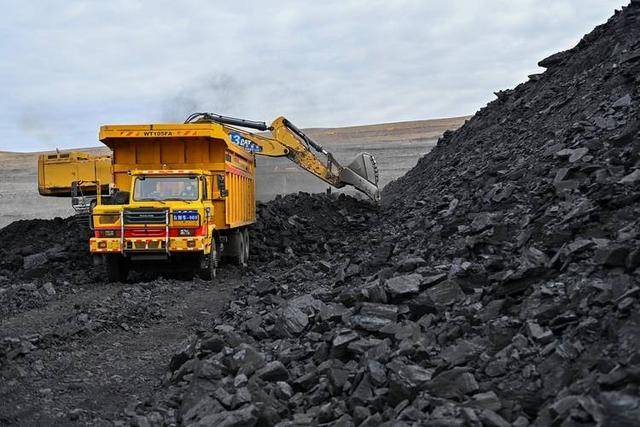
Core Viewpoint - Despite having significant coal reserves in Xinjiang, China continues to import coal due to logistical challenges and the high costs associated with transporting coal over long distances [1][5][12]. Group 1: Coal Reserves and Production - Xinjiang's proven coal reserves amount to 2.136 billion tons, with predicted reserves reaching 3.9 billion tons, surpassing the total discovered in the past fifty years [1]. - In the first ten months of 2024, China imported 435 million tons of coal, an increase of 13.5% compared to the previous year [1]. Group 2: Transportation Costs - The average stripping ratio in the准东 coalfield is less than 10 cubic meters per ton, making extraction costs very low [3]. - Transporting coal from Xinjiang to the southeastern coastal regions of China incurs high costs, with transportation fees potentially equating to half the price of the coal itself [5]. - The cost of transporting coal over 3,000 kilometers results in a significant price increase, negating any cost advantages of domestic coal by the time it reaches major ports [5][12]. Group 3: Quality and Chemical Properties -准东 coal has high sodium oxide content, averaging 3.89%, which can lead to operational issues in boilers, such as fouling and corrosion [14][16]. - The poor thermal stability of准东 coal complicates its use, as it tends to break apart easily when burned, leading to operational challenges in gasification processes [18]. Group 4: Strategic Implications - China is the world's largest coal producer and consumer, with domestic production exceeding 4.7 billion tons, making imports a strategic market adjustment rather than a necessity [22]. - The importation of coal serves as a market lever, allowing for price stabilization and competition among domestic coal producers [25]. - The vast reserves in Xinjiang are viewed as a strategic asset for future energy security, with the potential to be utilized in times of international supply disruptions [29][30].
高盛闭门会-2026全球金属铜锂铝展望,最看好铜看跌铝锂短期紧张
Goldman Sachs· 2025-12-17 15:50
Investment Rating - The report maintains a positive outlook on copper, predicting an average price of $10,650 per ton by 2026, while expressing a bearish view on aluminum, forecasting a decline to $2,350 per ton in the fourth quarter of 2026 [1][2]. Core Insights - The growth in copper demand is significantly driven by artificial intelligence data centers, which are expected to account for 26% of total demand growth by 2025, despite only representing 1% of total demand [1][4]. - China's recent copper demand has shown weakness, with a notable decline in the fourth quarter, which may persist into 2026 due to a shift towards service sector stimulus policies [1][5]. - The high copper prices may lead to a shift towards substitutes like aluminum, but the impact on aluminum is expected to be less significant compared to the negative effects on copper [1][6]. - The lithium market outlook is optimistic, with a price forecast of $11,000 per ton for lithium carbonate in the first half of 2026, driven by increased demand for energy storage systems [2][8]. - The iron ore market is projected to be bearish, with an average price of $93 per ton in 2026, influenced by high port inventories and declining steel demand in China [2][11]. Summary by Sections Copper Market - The average copper price is expected to reach $10,650 per ton by 2026, influenced by slow growth in scrap supply and increasing global demand [1][2]. - If U.S. tariff policies are clarified, it could stabilize prices between $10,500 and $11,000 per ton; otherwise, increasing U.S. inventories could tighten global markets [1][3]. Lithium Market - The lithium carbonate price is forecasted to rise to $11,000 per ton in early 2026 due to increased demand for battery storage systems, but is expected to decline to around $9,500 per ton later in the year as new supplies come online [2][8]. Aluminum Market - The aluminum market outlook is pessimistic, with expectations of a significant supply surplus starting in 2026, leading to a price drop to $2,350 per ton by the fourth quarter [2][7]. Iron Ore Market - The iron ore price is projected to average $93 per ton in 2026, with factors such as high port inventories and reduced steel production in China contributing to this outlook [2][11].
伦铜突破11581美元创新高 花旗预测2026年达1.3万美元
Sou Hu Cai Jing· 2025-12-05 09:12
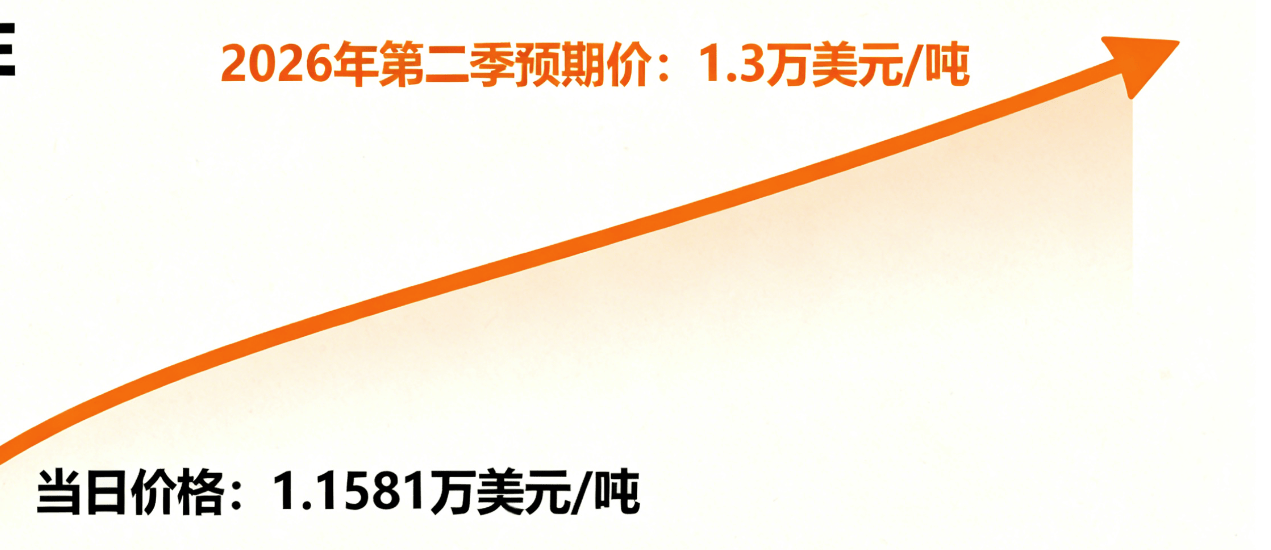
Group 1 - International copper prices are rising, with Citibank predicting an average price of $13,000 per ton by Q2 2026, leading to a 1.2% increase to $11,581 per ton on December 5 [1] - The core driver for rising copper prices is a structural change in supply and demand dynamics, particularly due to U.S. market hoarding and potential import tariff policies, causing a supply shortage in other regions [2] - Analysts from Huatai Securities expect a shift from surplus to shortage in global copper supply and demand by 2026, with prices potentially exceeding $12,000 per ton due to strong demand and limited supply growth [3] Group 2 - Recent extreme weather, aging mine capacity, and geopolitical disturbances are expected to significantly impact global copper production, continuing into 2026 [3] - China's strategic reserve actions are anticipated to influence copper prices, with plans to increase reserves of key industrial metals amid energy transition demands and geopolitical tensions [4] - The rise in copper prices has positively affected global mining stocks, with companies like Antofagasta seeing significant stock price increases [4]
一天买空沙特!中国油粮金全面储备,底气十足!
Sou Hu Cai Jing· 2025-11-26 21:40
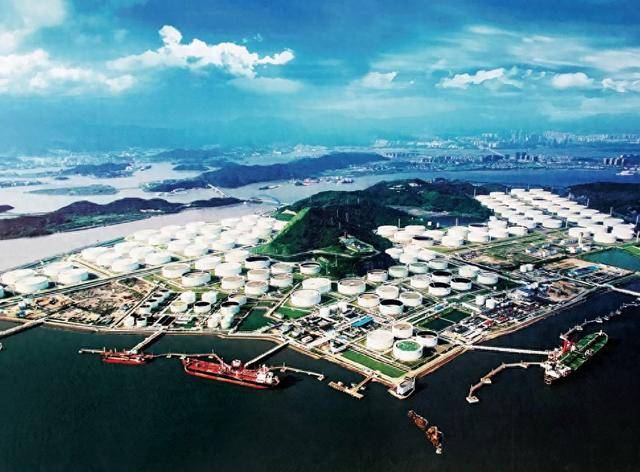
Group 1 - China's daily crude oil imports have surpassed Saudi Arabia's daily production, averaging 11.54 million barrels compared to Saudi's 9.63 million barrels [1] - Approximately 10% of the imported oil is being stored, leading to a daily accumulation of about 1.1 million barrels [1] - The implementation of the new Energy Law mandates that energy reserves are now a national obligation rather than a corporate choice [1] Group 2 - China's strategic oil reserves have grown from 100 million barrels in 2003 to an estimated 1.2 to 1.6 billion barrels currently, with plans to expand to 2 billion barrels in the next two years [3] - This reserve capacity is designed to cover approximately 180 days of consumption, significantly exceeding the internationally recognized safety line of three months [5] Group 3 - China's influence on global oil prices is substantial; a reduction in imports can lead to significant price drops, as seen when prices fell below $60 per barrel due to decreased purchases from the U.S. [6] - In the first ten months of the year, China's crude oil imports increased by 3.1%, while expenditures decreased by 9.5%, indicating a strategic approach to stockpiling at lower prices [8] Group 4 - China is diversifying its supply channels, with 18% of crude oil imports coming through land pipelines, and has established alternative payment methods to mitigate risks [9] - The country is not solely focused on oil; it is also building a comprehensive security system that includes gold and grain reserves, with significant holdings in these commodities [10][12] Group 5 - China's gold reserves have surpassed 2,303 tons, with a notable increase in holdings, while U.S. Treasury bond holdings have decreased significantly [12] - The country holds a substantial portion of global grain stocks, with corn, rice, and wheat inventories accounting for 68%, 59%, and 50% of global totals, respectively [12] Group 6 - Natural gas storage capacity is also being enhanced, with current capabilities at 21.3 billion cubic meters, projected to reach 80 billion cubic meters by 2030 [13] - The strategy of investing in both traditional and renewable energy sources positions China to secure its energy future while advancing technological capabilities [13] Group 7 - The accumulation of resources is not for military aggression but to ensure national security and stability in times of crisis [16] - China's proactive approach to resource management reflects a shift from passive acceptance to active shaping of its energy landscape, enhancing its global influence [18]
美国战略储备合金钴
Yang Shi Xin Wen· 2025-11-10 08:55
Core Viewpoint - The U.S. Department of Defense plans to procure approximately 7,480 tons of alloy-grade cobalt over the next five years, with a maximum procurement amount of $500 million, highlighting the strategic importance of cobalt for various industries [1] Group 1: Procurement Details - The procurement is aimed at building a strategic reserve of cobalt, which is a critical raw material for manufacturing batteries, high-temperature alloys for aircraft engines, and gas turbine components [1] - The procurement amount could reach up to $500 million, indicating significant investment in securing cobalt supplies [1] Group 2: Market Implications - The U.S. primarily relies on imports for cobalt, making this procurement a strategic move to enhance domestic reserves [1] - China is identified as the main exporter of cobalt, which may lead to increased support for cobalt market prices due to U.S. demand [1]
每天100万桶原油入库,中国突然按下“加速键”,在为大事做准备?
Sou Hu Cai Jing· 2025-11-08 05:15
Core Insights - China is rapidly increasing its strategic oil reserves, with an average daily import of over 11 million barrels, of which 1 to 1.2 million barrels are being stored, indicating a proactive approach to energy security amid global uncertainties [1][3][5] Group 1: Strategic Importance of Oil Reserves - As the world's largest oil importer, China's energy demand structure necessitates a robust reserve strategy to ensure energy security [3][5] - The high dependency on foreign oil highlights the need for sufficient reserves to buffer against international market fluctuations, which could lead to price surges or supply shortages [3][5] - Analysts suggest that a sudden halt in Chinese oil purchases could lead to a rapid drop in oil prices, underscoring China's role as a stabilizing force in the global oil market [3][5] Group 2: Geopolitical Context - The current geopolitical landscape, influenced by factors such as the Russia-Ukraine conflict and Middle Eastern tensions, has made China's oil reserve strategy crucial for market stability [5][7] - China's ongoing imports serve as a "demand anchor," helping to mitigate extreme price volatility in the oil market [5][7] - The establishment of a multi-layered reserve system aims to meet the International Energy Agency's recommendation of maintaining reserves sufficient for 180 days of consumption [5][7] Group 3: Response to Uncertainty - The unpredictability introduced by the Trump administration's energy policies has heightened the necessity for China to bolster its reserves [7][8] - Potential sanctions or disruptions in key maritime routes could severely impact China's oil supply, making a robust reserve essential for maintaining industrial and civilian stability [7][8] - A well-stocked reserve acts as a critical buffer, allowing China to navigate geopolitical tensions and supply chain disruptions effectively [7][8] Group 4: Broader Resource Strategy - The accumulation of oil reserves reflects a comprehensive approach to securing strategic materials, including nickel and rare earths, alongside food supply chains [10][12] - This multi-dimensional reserve strategy aims to reduce reliance on single supply channels and enhance resilience against technological blockades or trade decoupling [10][12] - China's ability to release reserves during market shortages could provide leverage in international negotiations, enhancing its position in global governance [12]