犒赏经济

Search documents
医药生物周报(25年第49周):策端支持服务消费力度提升,关注医疗服务相关机会-20251222
Guoxin Securities· 2025-12-22 14:40
Investment Rating - The report maintains an "Outperform" rating for the pharmaceutical and biotechnology sector [5] Core Insights - The report highlights the increasing support from policies aimed at enhancing service consumption, particularly in the healthcare sector, indicating potential investment opportunities in medical services [2][11] - The "reward economy" is emerging as a new consumption model, where consumers are more willing to spend on non-essential goods and services, especially in healthcare, after meeting basic needs [13][14] - The medical services market in China is projected to reach approximately 8.74 trillion yuan by 2025, with a year-on-year growth rate exceeding 10% [15] Summary by Sections Market Performance - The overall A-share market declined by 0.07%, with the pharmaceutical and biotechnology sector down by 0.14%, underperforming the broader market [23] - Within the sector, chemical pharmaceuticals fell by 1.74%, while medical services and medical devices saw increases of 0.55% and 1.16%, respectively [23] Policy Support - Recent policies have focused on boosting service consumption, with a clear goal of enhancing service quality and expanding supply in key areas such as healthcare [11][12] - The government aims to stimulate demand through financial tools and support for service industries, which is expected to benefit the healthcare sector significantly [11] Investment Opportunities - Companies such as Aier Eye Hospital and Guosheng Tang are highlighted as leading firms in the medical services sector, benefiting from their innovative capabilities and market positioning [16][19] - The report suggests focusing on companies with strong optionality and innovative business models in the medical services space [16] Company Forecasts and Ratings - Major companies in the sector, including Mindray Medical, WuXi AppTec, and Aier Eye Hospital, are rated as "Outperform" with positive profit forecasts for the coming years [4][32] - For instance, Aier Eye Hospital is expected to see significant growth driven by new refractive surgery techniques [19] Valuation Metrics - The TTM price-to-earnings ratio for the pharmaceutical and biotechnology sector is reported at 37.07x, compared to the overall A-share market at 20.54x [28]





《学习时报》:何为“犒赏经济”|宏观经济
清华金融评论· 2025-12-22 09:08
Core Viewpoint - The article discusses the emergence of a new consumption model called "Reward Economy" among the younger demographic in China, which is becoming a significant driver of domestic demand and consumption expansion as the economy transitions from high-speed growth to high-quality development [2][3]. Group 1: Definition and Characteristics of "Reward Economy" - "Reward Economy" refers to consumers purchasing non-essential goods or experiential services within their financial means to gain immediate pleasure, self-affirmation, and psychological healing in response to work and life pressures [3][4]. - This consumption behavior is increasingly popular among young people, serving as an important indicator of the vitality and resilience of the current Chinese consumer market [3][4]. Group 2: Psychological and Social Drivers - The rise of "Reward Economy" is driven by psychological and sociological factors, including the need for self-repair of psychological resilience and the significant elevation of demand levels as per Maslow's hierarchy of needs [6][7]. - Approximately 30% of young consumers engage in spending for emotional healing, indicating a shift from functional consumption to meaningful consumption, where products carry emotional significance beyond their material value [6][7]. Group 3: Impact on Industry and Market Dynamics - The development of "Reward Economy" is reshaping consumer behavior and imposing higher demands on the supply side, promoting industrial structural transformation and market vitality [7]. - Companies are adjusting product strategies to meet diverse, personalized, and quality-oriented consumer preferences, leading to innovation and the creation of new business models that integrate emotional value [7][8]. Group 4: Cultural Consumption and Economic Growth - A significant portion of spending within the "Reward Economy" is concentrated in the cultural and creative sectors, such as domestic cultural products and traditional crafts, which are driving the growth of the cultural industry and promoting the innovative development of traditional Chinese culture [7][8].

商贸零售周报251222:如何看消费的跨年行情?-20251222
NORTHEAST SECURITIES· 2025-12-22 06:54
Investment Rating - The report rates the industry as "Outperforming the Market" [4] Core Insights - The report highlights that the cross-year consumption trend is driven by policy and expected recovery, with general retail and tourism sectors performing well [12][19] - It emphasizes the strong recovery in offline consumption during the New Year and Spring Festival, particularly in major cities [17] - The tourism sector is projected to see significant growth in consumer spending, with a daily average of 6.263 million trips during the Spring Festival, representing 126% of 2019 levels [19] Summary by Sections Cross-Year Consumption Trends - The report analyzes the market performance from 2019 to 2025, noting that general retail and tourism sectors have outperformed others during the cross-year period [12] - The upcoming Q1 consumption peak and policy catalysts are expected to drive strong performance in the retail sector [12] General Retail and Supermarkets - The report anticipates a robust recovery in offline consumption during the New Year and Spring Festival, with significant year-on-year growth in cities like Beijing, Shanghai, and Guangzhou [17] - For the Spring Festival 2025, Shanghai's offline consumption is projected to reach 46.5 billion RMB, while Beijing and Guangzhou are expected to see 8.1 billion RMB and 36.4 billion RMB, respectively [17] Tourism and Travel - The Spring Festival is expected to be the largest travel season after National Day and May Day, with daily average spending of 84.6 billion RMB, second only to National Day [19] - The average spending per person during the Spring Festival is projected to be 1,351 RMB, indicating a recovery trend, although it has not yet reached 2019 levels [19] Key Company Announcements and Industry News - The report includes significant announcements from companies such as Zhejiang China Commodity City Group, which appointed new executives [23] - It also notes that the National Bureau of Statistics reported a 1.3% year-on-year increase in retail sales for November 2025, with service retail sales growing by 5.4% from January to November [24] Investment Recommendations - The report recommends companies with strong organizational structures and management capabilities in the beauty and personal care sector, such as Mao Geping and Shangmei [25] - In the gold and jewelry sector, it suggests focusing on high-quality brands like Laopu Gold and Chaohongji [25] - For the cross-border e-commerce sector, it highlights the easing of tariff conflicts and the recovery of demand, recommending companies like Xiaoshangpin City and Jiao Dian Technology [25] - In the supermarket and retail sector, it advises monitoring companies like Miniso and Yonghui Supermarket for their reform effectiveness [25]




从扩内需犒赏经济到AI赋能应用 传媒如何看?
2025-12-22 01:45
Summary of Conference Call Industry Overview - The discussion primarily revolves around the media industry, focusing on the cinema sector and the impact of AI on various applications within the industry [1][8]. Key Points on Cinema Sector - **Expansion of Domestic Demand**: The government has emphasized the importance of expanding domestic demand as a strategic initiative, with the media sector being a significant component of this strategy [1][4]. - **Cinema Box Office Performance**: The box office for the year is projected to reach approximately 46 billion, reflecting a year-on-year growth of around 20% [4]. - **Upcoming Film Releases**: Anticipation for the upcoming Chinese New Year film season is high, with several domestic films scheduled for release, which could drive box office performance [2][4]. - **Key Players in Cinema**: The leading cinema chains identified for investment include Wanda Film, Hengdian Film, and Shanghai Film, with Wanda Film being highlighted for its proactive capital investments and strategic initiatives [3][4][6]. Financial Projections - **Market Potential**: The total number of cinema screens in China is expected to reach 100,000 by the end of 2024, with a potential market size of 80 billion based on current screen counts [5][6]. - **IP and Derivative Markets**: The market for IP derivatives is projected to grow from 1.742 trillion in 2024 to over 3.3 trillion by 2029, indicating significant growth potential in this sector [5][6]. AI Sector Insights - **AI Applications in Media**: The AI sector is experiencing rapid growth, with significant advancements showcased at recent conferences, including new models for content creation and digital marketing [8][9]. - **Company Performance**: Zhiyu's financials indicate a revenue growth of 130% from 2022 to 2024, with a projected revenue of over 300 million by 2024 [9][10]. - **Investment Opportunities**: Companies like Huace Film and BlueFocus are highlighted as key players benefiting from AI advancements, particularly in digital marketing and content production [12][13]. Market Trends and Future Outlook - **Long-term AI Growth**: The AI sector is expected to drive significant changes in the media landscape over the next decade, with both foundational infrastructure and application development being critical areas of focus [14][15]. - **Investment Recommendations**: Investors are encouraged to monitor companies involved in cinema, IP development, and AI applications, particularly those that are leveraging new technologies to enhance their offerings [16][18]. Additional Considerations - **Risks and Challenges**: The potential risks associated with companies like ByteDance and their international operations are noted, but the overall sentiment remains optimistic regarding the growth of the media and AI sectors [17][18]. This summary encapsulates the key insights and projections discussed during the conference call, providing a comprehensive overview of the current state and future potential of the media and AI industries.
宏观量化经济指数周报20251221:政策退坡和基数抬升下商品消费延续承压-20251221
Soochow Securities· 2025-12-21 14:32
Economic Indicators - The weekly ECI supply index is at 49.95%, up 0.01 percentage points from last week, while the demand index is at 49.84%, down 0.01 percentage points[8] - The monthly ECI supply index for December is at 49.94%, down 0.02 percentage points from November, and the demand index is at 49.85%, down 0.03 percentage points[9] - The ECI investment index is at 49.86%, down 0.02 percentage points from November, and the consumption index is at 49.66%, down 0.01 percentage points[9] Consumer Trends - Retail sales of passenger cars from December 1-14 decreased by 24.0% year-on-year, with a total of 764,000 units sold[24] - Sales of durable goods like refrigerators and air conditioners saw a decline of over 30% year-on-year due to policy withdrawal and high base effects[9] - The average wholesale price of pork is recorded at 17.45 yuan/kg, down 0.19 yuan/kg from the previous week[42] Investment and Production - The operating rate for oil asphalt plants is at 27.60%, down 0.20 percentage points week-on-week, but up 1.70 percentage points year-on-year[30] - The cement dispatch rate is at 31.62%, up 1.53 percentage points week-on-week, but down 0.03 percentage points year-on-year[30] - The transaction area of commercial housing in 30 major cities increased by 17.65% week-on-week, totaling 230.81 million square meters[34] Export Performance - The Shanghai Containerized Freight Index (SCFI) is at 1552.92 points, up 46.46 points from the previous week[41] - South Korea's export growth for the first ten days of December is at 17.30%, an increase of 11.10 percentage points from November[36] Monetary Policy - The ELI index is at -0.44%, up 0.10 percentage points from last week, indicating a slight improvement in liquidity conditions[13] - The central bank conducted 657.5 billion yuan in reverse repos, resulting in a net withdrawal of 110 billion yuan for the week[48]
国泰海通|轻工:情绪消费驱动,“犒赏经济”正当时
国泰海通证券研究· 2025-12-21 13:51
Core Insights - The rise of the "Reward Economy" signifies a new consumption paradigm, acting as a new engine for domestic demand and consumption expansion. This concept refers to consumers purchasing non-essential goods or experiential services within their financial means to gain immediate pleasure, self-affirmation, and psychological healing in response to work and life pressures [1][2]. Group 1: Definition and Characteristics - The "Reward Economy" represents a significant shift in consumer decision-making logic, differing fundamentally from the traditional "lipstick effect." While the latter involves consumers shifting to cheaper non-essential products during economic downturns, the current "Reward Economy" showcases a more proactive and differentiated consumption behavior, where spending is driven by self-care and psychological well-being rather than merely functional needs [1][2]. Group 2: Drivers of the "Reward Economy" - The recent popularity of the "Reward Economy" is driven by two main factors: 1. Top-down recognition from state media, which acknowledges the value of the "Reward Economy" as a reflection of the public's aspirations for a better life and an important manifestation of released consumption potential [2]. 2. Bottom-up market dynamics, where cultural and creative companies are launching new products that attract market attention [2].

1月翻倍,又一个被爆炒的消费赛道
Ge Long Hui· 2025-12-21 13:17
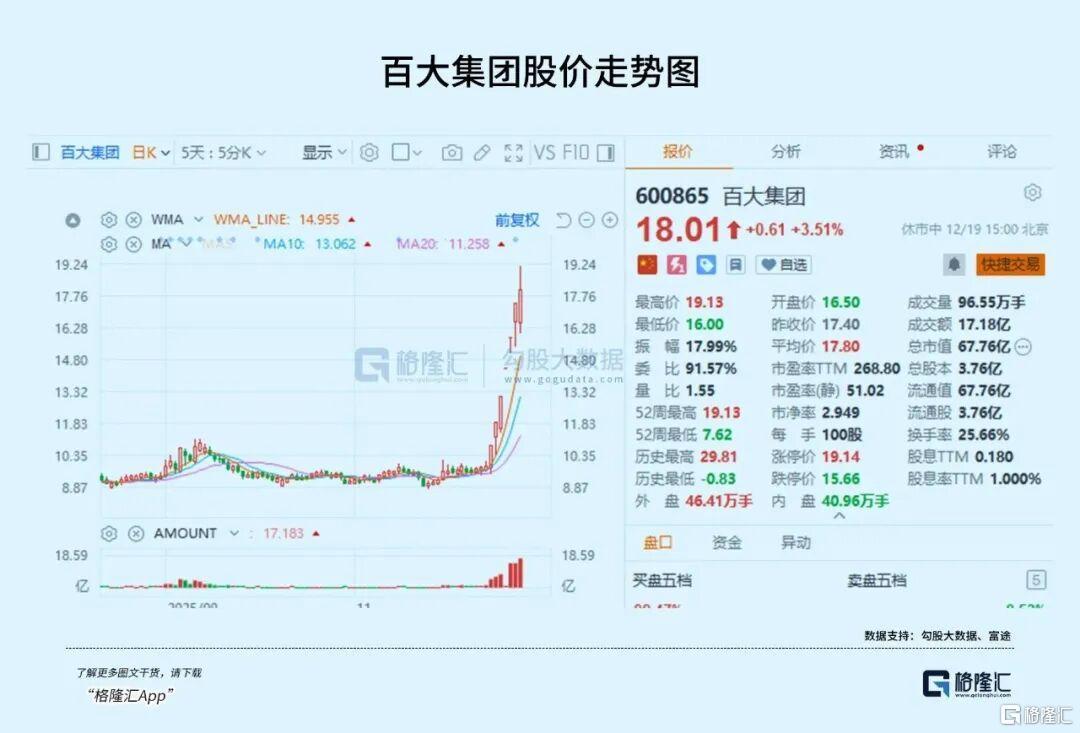
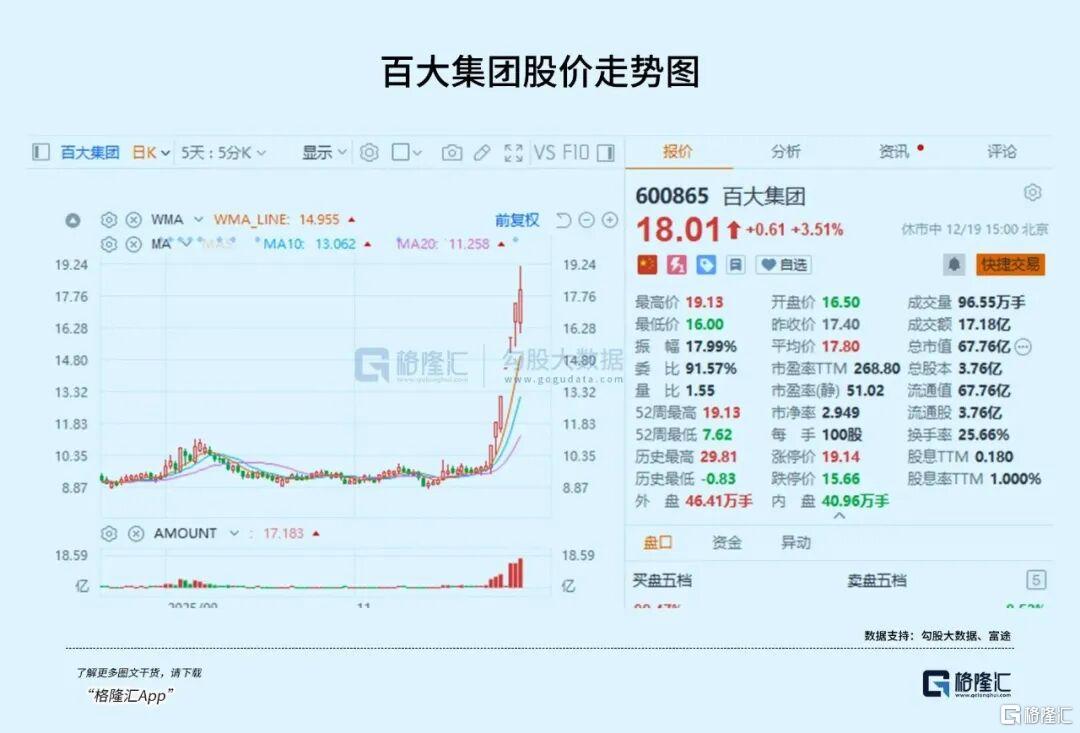
此前,中央经济工作会议将"坚持内需主导,建设强大国内市场"定位明年八大重点任务之首。 在短暂的概念爆炒之后,"犒赏经济"会走出怎样的行情? 01 尽管概念新鲜,但从其本质来看,犒赏经济概念仍是新消费概念的分支。 在此基调下,"扩内需"势必成为市场的重要议题。 近日,学习时报刊发《何为"犒赏经济"》的文章,提出了一个新名词——"犒赏经济"。 随后,百大集团、德艺文创、广博股份等一众概念股批量直接涨停,有的甚至不到1个月就已接近翻倍。 某种程度上看,犒赏经济和之前的IP经济、谷子经济、悦己经济等情绪消费概念十分类似,但又更进一步。 从官方定义来看,犒赏经济是指消费者在面对工作生活压力或特定的心理需求时,通过购买价格在承受范围内的非必需品或体验服务,以获取即时性愉悦 感、自我确认感和心理疗愈的一种经济活动。 也是因此,相比悦己经济等,犒赏经济的范畴内加入了更多服务性消费。 相比文娱、潮玩,旅游、餐饮,甚至饮料,都可以被纳入"犒赏经济"的范畴。 在生活中也不难发现,越来越多行业开始引入"疗愈""解压"等情绪元素,也开始模仿盲盒、谷子等情绪消费的玩法。 商务部数据显示,2025年年轻人"犒赏类"消费占比明显攀升,95后 ...

1月翻倍!又一个被爆炒的消费赛道
Ge Long Hui A P P· 2025-12-21 09:07
此前,中央经济工作会议将"坚持内需主导,建设强大国内市场"定位明年八大重点任务之首。 在此基调下,"扩内需"势必成为市场的重要议题。 近日,学习时报刊发《何为"犒赏经济"》的文章,提出了一个新名词——"犒赏经济"。 随后,百大集团、德艺文创、广博股份等一众概念股批量直接涨停,有的甚至不到1个月就已接近翻倍。 在短暂的概念爆炒之后,"犒赏经济"会走出怎样的行情? 某种程度上看,犒赏经济和之前的IP经济、谷子经济、悦己经济等情绪消费概念十分类似,但又更进一步。 从官方定义来看,犒赏经济是指消费者在面对工作生活压力或特定的心理需求时,通过购买价格在承受范围内的非必需品或体验服务,以获取即时性愉悦 感、自我确认感和心理疗愈的一种经济活动。 也是因此,相比悦己经济等,犒赏经济的范畴内加入了更多服务性消费。 相比文娱、潮玩,旅游、餐饮,甚至饮料,都可以被纳入"犒赏经济"的范畴。 在生活中也不难发现,越来越多行业开始引入"疗愈""解压"等情绪元素,也开始模仿盲盒、谷子等情绪消费的玩法。 01 尽管概念新鲜,但从其本质来看,犒赏经济概念仍是新消费概念的分支。 而目前,A股消费板块在经历了较长时间调整后,估值已然处于历史上较低 ...
A 股 TTM&全动态估值全景扫描(20251220):A 股估值收缩,商贸零售行业领涨
Western Securities· 2025-12-20 14:30
Core Conclusions - The overall valuation of A-shares has contracted this week, with the retail trade sector leading the gains. The Ministry of Commerce recently held a meeting to promote the "Three New" (new consumption formats, new models, new scenarios) pilot work, providing policy support for industry recovery. The concept of "reward economy" has emerged, further boosting sentiment in the consumption sector. Currently, the overall PB (LF) of the retail trade sector is at the historical 37.0 percentile, indicating significant room for valuation improvement [1][8]. Valuation Overview - This week, the overall PE (TTM) of A-shares decreased from 21.74 times last week to 21.73 times this week, while the PB (LF) remained stable at 1.77 times [10]. - The main board's PE (TTM) increased from 17.46 times last week to 17.54 times this week, and the PB (LF) rose from 1.48 times to 1.49 times [17]. - The ChiNext's PE (TTM) fell from 72.27 times to 71.32 times, and the PB (LF) decreased from 4.27 times to 4.21 times [19]. - The Sci-Tech Innovation Board's PE (TTM) dropped from 210.87 times to 205.59 times, and the PB (LF) fell from 5.17 times to 5.04 times [25]. Relative Valuation Analysis - The relative PE (TTM) of computing power infrastructure, excluding operators/resource categories, decreased from 4.47 times last week to 4.28 times this week, while the relative PB (LF) fell from 4.66 times to 4.46 times [28]. - In terms of static PE (TTM), major industries such as discretionary consumption, consumer staples, midstream manufacturing, cyclical, and midstream materials have absolute and relative valuations above the historical median, with discretionary consumption and consumer staples exceeding the historical 90th percentile [32]. - From the perspective of PB (LF), industries like resources, TMT, cyclical, and midstream manufacturing have absolute and relative valuations above the historical median, while discretionary consumption, midstream materials, financial services, services, and consumer staples are below the historical median [34]. Dynamic Valuation Insights - Analyzing the full dynamic PE, industries such as discretionary consumption, midstream manufacturing, cyclical, and midstream materials have absolute and relative valuations above the historical median, with discretionary consumption exceeding the historical 90th percentile [41]. - The current comparison of odds (PB historical percentiles) and win rates (ROE historical percentiles) indicates that industries like agriculture, public utilities, and oil and petrochemicals exhibit characteristics of low valuation and high profitability [59]. - The comparison of odds (full dynamic PE) and win rates (25-26 consensus expected net profit compound growth rate) shows that industries such as building materials, power equipment, media, and defense industry possess both low valuations and high performance growth [62]. ERP and Yield Spread - The non-financial ERP of A-shares increased from 0.87% last week to 0.89% this week, while the equity-debt yield spread improved from -0.12% to -0.05% [63]. - The full dynamic ERP of key non-financial companies in A-shares rose from 2.77% to 2.80% this week [70].
文创产品行业跟踪:情绪消费驱动,犒赏经济正当时
国泰海通· 2025-12-20 12:19
Investment Rating - The report assigns an "Accumulate" rating for the industry, indicating a potential increase of over 15% relative to the CSI 300 index [4][9]. Core Insights - The rise of the "Reward Economy" signifies a new consumption paradigm, driven by consumers seeking non-essential goods or experiential services to achieve immediate pleasure and psychological relief amidst work and life pressures [2][4]. - The "Reward Economy" reflects a significant shift in consumer decision-making logic, where spending is not solely based on functional needs but also on self-care and emotional fulfillment, showcasing a blend of rational and emotional spending behaviors [4]. - Recent developments driving the "Reward Economy" include endorsements from state media recognizing its value and innovative product launches by cultural and creative companies that attract market attention [4]. Summary by Sections Investment Recommendations - Key industry-related stocks include Shifeng Culture, Guangbo Co., Deyi Culture, and Chuangyuan Co. [4]. Market Trends - The "Reward Economy" is emerging as a new engine for domestic demand and consumption expansion, particularly among younger demographics [4]. - The report highlights that the "Reward Economy" is distinct from the traditional "lipstick effect," emphasizing proactive consumer behavior rather than reactive spending during economic downturns [4]. Recent Developments - Notable events include the collaboration between Chuangyuan Co. and major brands for product launches, and Shifeng Culture's focus on technological innovation in the toy industry, aiming for high-end and intelligent product development [4].