全球化

Search documents
毛戈平涨超4% 与路威凯腾达成战略合作 公司销售表现亮眼
Zhi Tong Cai Jing· 2026-01-09 07:44
Core Viewpoint - Mao Geping (01318) has seen a stock increase of over 4%, currently trading at 90.15 HKD with a transaction volume of 172 million HKD, following a strategic cooperation agreement with global consumer goods investment firm L Catterton [1] Group 1: Strategic Partnership - Mao Geping has signed a strategic cooperation framework agreement with L Catterton, focusing on global market expansion, acquisitions, strategic investments, capital structure optimization, talent acquisition, and governance [1] - The partnership is expected to leverage the complementary strengths of both companies, advancing Mao Geping's globalization efforts [1] Group 2: Sales Performance - The company has reinforced its high-end beauty positioning, with impressive sales performance reported this year [1] - According to data from Magic Mirror, from January to November 2025, Mao Geping's total sales on platforms such as Taobao, Douyin, and JD.com increased by 32% year-on-year, with individual platform growth rates of 8%, 50%, and 70% respectively [1] - The makeup category has established a solid foundation, while the skincare category continues to gain momentum, with a new snow domain light skincare series set to launch in December 2025 [1]
招聘 | 国联民生汽车 诚邀加入!【新财富团队 分析师/实习生招聘】
汽车琰究· 2026-01-09 07:22
Core Viewpoint - The article emphasizes the importance of deep research and analysis in the automotive industry, particularly focusing on the trends of electrification, intelligence, globalization, and premiumization, which are seen as key investment opportunities during the ongoing transformation of the sector [9]. Recruitment Information - The company is seeking analysts for the automotive and embodied intelligence sectors, highlighting the need for candidates who are passionate about sell-side research and eager to witness the transformative decade in electric and intelligent vehicles [11]. - Requirements for the analyst positions include a master's degree or higher, 1-3 years of relevant research experience, and strong communication skills, with a preference for candidates with backgrounds in electric intelligence or embodied intelligence [11]. - Intern positions are also available, targeting candidates from top universities with a strong interest in sell-side research and the ability to handle high-intensity research work [11]. Growth Opportunities - Joining the company offers the chance to work alongside talented individuals in the automotive industry, providing opportunities for rapid personal and professional growth [12]. - The company promises a structured research investment framework and valuable work experience, along with opportunities for in-depth communication with industry experts [12].


中金:维持毛戈平(01318)行业评级 目标价127港元
智通财经网· 2026-01-09 01:50
Core Viewpoint - Company maintains profit forecasts for 2025-2026 and introduces a net profit forecast of 1.76 billion yuan for 2027, with current stock price corresponding to 26/27 years P/E ratios of 26/21x, indicating a 47% upside potential [1] Group 1: Company Updates - Company has announced a strategic cooperation with LVMH's subsidiary, Roadway Keten, to expand globally, focusing on acquisitions, strategic investments, capital structure optimization, talent acquisition, and governance [2][3] - The collaboration aims to leverage Roadway Keten's global investment network to enhance the company's overseas high-end retail channels and establish a dedicated equity investment fund for the global high-end beauty sector [3] Group 2: Management and Market Confidence - Company disclosed a plan for major shareholders and management to reduce their holdings by up to 3.51% of the total issued shares within six months, primarily through block trades, to support investments in the beauty industry and personal financial needs [4] - This clear limit on share reduction is expected to stabilize market expectations and reflects management's confidence in the company's long-term development [4] Group 3: Product Development and Market Expansion - Company has a robust pipeline of new products, with the skincare series "Liu Guang Fu Huo" set to launch in late December, and positive market feedback for the new lip gloss color [5] - Brand building efforts are ongoing, including the release of a documentary series and themed fashion shows, alongside successful sales of limited edition products [5] - The company is enhancing its presence in high-end retail locations, with notable performance in Hong Kong and initial success in international markets [5]
美国军工巨头为何终未硬刚?面对中国反制,美国企业理性抉择,幕后真因揭秘
Sou Hu Cai Jing· 2026-01-09 01:44
Core Viewpoint - The article discusses the significant impact of China's countermeasures on American defense contractors, highlighting the interconnectedness of global supply chains and the challenges faced by U.S. military companies in the wake of these actions [1][3][5]. Group 1: Impact on U.S. Defense Contractors - In 2025, the U.S. announced an $11.1 billion arms sale to Taiwan, which initially excited major defense firms like Lockheed Martin and Boeing, but China's swift response led to asset freezes for 20 involved U.S. companies and 10 executives [3][10]. - The reliance of U.S. defense contractors on Chinese supply chains for critical materials and components has been underscored, revealing vulnerabilities in their operations [5][7]. - The freezing of capital flows in Hong Kong and Macau has severely hampered the business operations of these U.S. firms in the Asia-Pacific region, leading to a significant slowdown in investment projects [8][10]. Group 2: Global Supply Chain Dynamics - The article emphasizes that the global supply chain is deeply intertwined, making it difficult for any country to isolate itself without facing repercussions [5][21]. - Historical examples illustrate that sanctions and export restrictions often backfire, affecting not only the targeted companies but also their own domestic suppliers and partners [11][19]. - The ongoing geopolitical tensions highlight the necessity for companies to coordinate global resources and maintain stable supply chains to thrive in a competitive environment [18][21]. Group 3: Challenges of Domestic Manufacturing - U.S. efforts to reduce foreign dependency through domestic manufacturing have faced significant challenges, including labor shortages and management issues, leading to project delays [15][16]. - The reliance on Asian technology teams to support U.S. manufacturing efforts further illustrates the complexities of achieving self-sufficiency in advanced manufacturing [16][18].


技术为底,渠道为王,元鼎智能的全球共赢智慧
雷峰网· 2026-01-09 00:31
Core Viewpoint - The article emphasizes that true internationalization goes beyond merely capturing market share; it involves gaining widespread recognition and long-term respect through collaborative wisdom [1]. Group 1: Industry Competition - The competition in the pool cleaning robot industry is evolving from a focus on product and technology to a comprehensive battle over funding and channel capabilities, which are often more critical to the outcome [4][3]. - Major players have established formidable competitive barriers across various dimensions, making it difficult for challengers to catch up [2]. - Aiper (元鼎智能) has raised nearly 1 billion RMB in funding, setting a new industry benchmark and demonstrating that substantial financial resources are essential for strategic positioning [5]. Group 2: Technological Innovation - Aiper has led industry transformation by launching six advanced AI pool robot models at CES 2026, showcasing the future of smart pool and garden care [6]. - The company has skipped a generation in technology, moving directly to fifth-generation products that integrate physical cleaning and water quality management, thus achieving a significant lead in the industry [8]. - Continuous investment in technology has allowed Aiper to build a comprehensive smart ecosystem that includes pool cleaning, water quality management, and smart irrigation [8]. Group 3: Strategic Partnerships - Aiper has formed strategic partnerships with global leaders Fluidra and SCP, enhancing its global logistics, distribution networks, and service capabilities [9][11]. - These collaborations not only broaden Aiper's sales channels but also provide efficient access to European and American pool service providers, enhancing user insights and product iteration [14]. - The partnerships signify a shift in the competitive landscape of the pool cleaning robot industry, establishing Aiper as a key player [14]. Group 4: Market Positioning - Aiper has become the top-selling pool cleaning robot company globally, achieving significant market share during key sales events like Amazon Prime Day [17]. - The company has successfully penetrated major retail chains, including Walmart, Best Buy, and Costco, demonstrating its strong brand presence and sales performance [17]. - The traditional pool equipment market is characterized by a reliance on professional channels, which Aiper is strategically targeting to establish deeper connections with local consumers [18][20]. Group 5: Globalization Strategy - Aiper's approach to globalization emphasizes resource integration rather than a solitary push into foreign markets, providing a more sustainable growth model [27]. - The company has focused on building internal capabilities while forming external alliances, which is seen as a long-term strategy for quality growth [28]. - Aiper's success in the pool cleaning robot sector is attributed to its early strategic positioning and resource accumulation, allowing it to navigate industry challenges effectively [28].

特朗普想“独吞”委内瑞拉石油,美国油企却纷纷退缩:不敢接盘
Sou Hu Cai Jing· 2026-01-08 14:43
Group 1 - The core idea of the article is that despite Trump's aggressive push for U.S. oil companies to invest in Venezuela, major oil firms remain hesitant due to political instability and legal uncertainties [1][3][28] - Trump announced plans to lead U.S. oil companies into Venezuela to develop its oil resources, claiming it would become a "strategic asset" for the U.S. [1][5] - The U.S. oil giants, including ExxonMobil and Chevron, have shown reluctance to engage, prioritizing long-term returns and political stability over short-term gains [3][10][12] Group 2 - Venezuela holds the world's largest proven oil reserves at 303 billion barrels, making it an attractive target for U.S. oil companies [7][19] - The investment required to restore Venezuela's oil production to peak levels is estimated at $58 billion, with a recovery timeline of over ten years [19][21] - Current global oil prices are low, and the market is shifting towards renewable energy, making large investments in Venezuelan oil less appealing to U.S. companies [21][26] Group 3 - U.S. sanctions against Venezuela create significant legal barriers for oil companies, complicating any potential investment [22][24] - The article highlights the disconnect between government military actions and corporate investment decisions, emphasizing that companies require stable political environments and clear legal frameworks [26][30] - The narrative suggests that the future of Venezuela's oil resources should be determined by its people rather than external powers, advocating for fair cooperation in resource development [30][32]
大动作!翌耀科技启动上市辅导,复星系再拓资本版图
Bei Jing Shang Bao· 2026-01-08 14:05
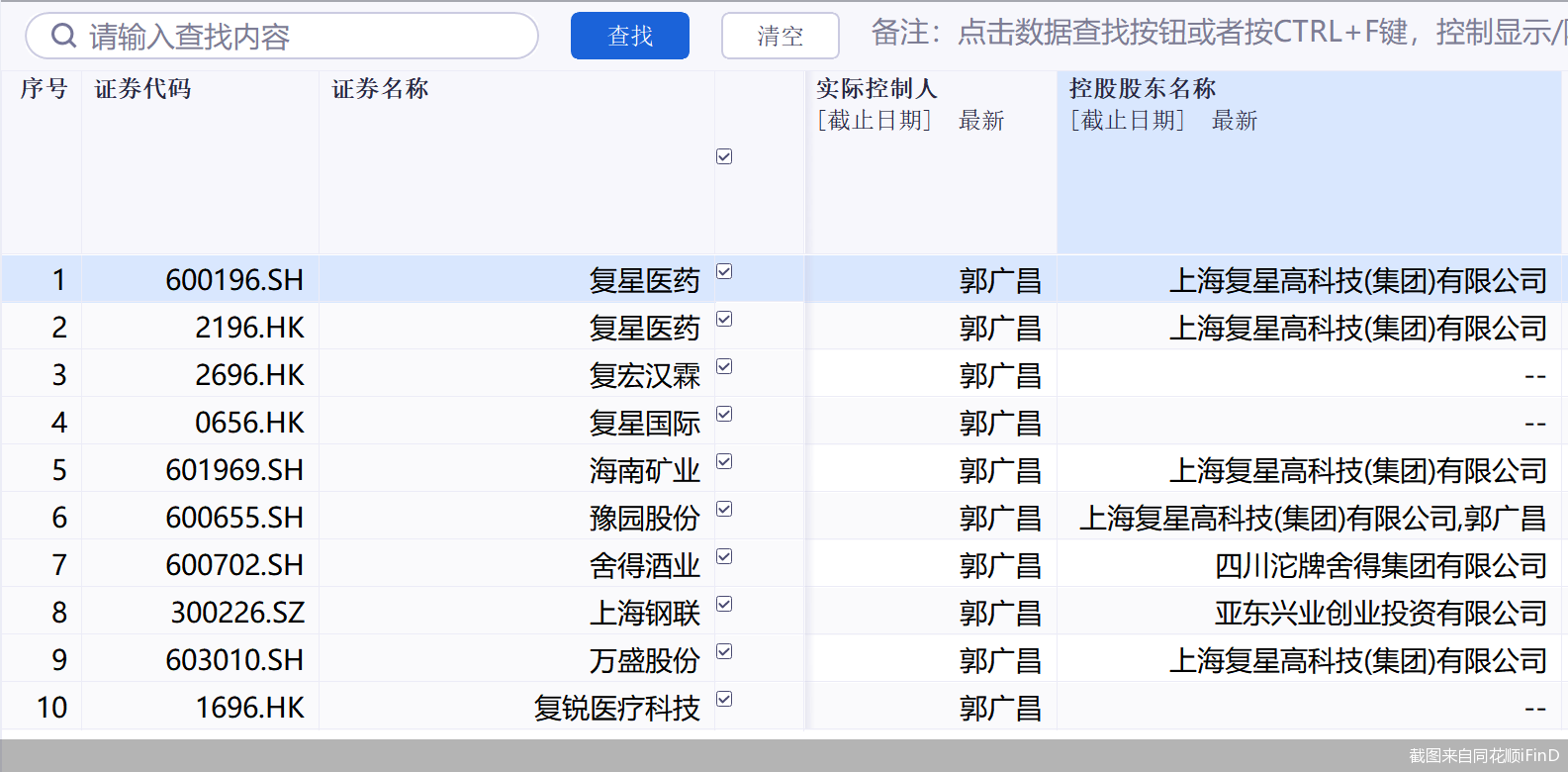
Group 1 - The core point of the article is that Fosun International is expanding its capital footprint by pushing its subsidiary, Shanghai Yiyao Technology Co., Ltd., towards an IPO in the A-share market, which would mark another addition to its portfolio of listed companies [1][3] - Fosun has developed into an innovative global family consumption industry group over more than 30 years, focusing on a happiness ecosystem centered around health, happiness, and wealth [1][4] - As of now, Fosun controls six A-share listed companies and four Hong Kong-listed companies, with four of the A-share companies having a market capitalization exceeding 10 billion [1][6] Group 2 - The financial performance of Fosun's listed companies shows significant divergence, with six companies reporting a decline in net profit, reflecting operational pressures in certain sectors [1][8] - In the first three quarters of 2025, among the six A-share companies, Shanghai Steel Union reported the highest revenue of approximately 57.32 billion, while the net profit of several companies, including Yuyuan and Hainan Mining, saw a year-on-year decline [8][9] - Fosun's strategic focus is shifting from diversified expansion to deepening its core sectors, particularly in health and intelligent manufacturing, as indicated by its efforts to optimize cash flow and enhance capital efficiency [7]
增长见顶、应收高企之下,绿色动力新任董事长首谈破局之道与共生之策
Xin Lang Cai Jing· 2026-01-08 11:42
Core Insights - The waste-to-energy industry in China is facing unprecedented challenges and opportunities, including market saturation, tightening environmental standards, high accounts receivable, and intensified competition [1][2][6] - The industry is also experiencing a wave of digitalization, resource optimization, and globalization, which are injecting new momentum for development [1][2][6] - Cost reduction, efficiency enhancement, and finding a second growth curve have become essential tasks for companies in the sector [1][2][6] Industry Challenges - The market scale of the waste incineration industry has reached its peak, with growth rates declining from 27% in 2021 to an estimated 3% by 2025, and the number of treatment plants increasing at a slower rate from 54% to 8% [6][21] - Environmental policies are tightening, transitioning from national standards to stricter local regulations, particularly regarding fly ash resource utilization and zero landfill requirements [6][21] - The industry is plagued by a single revenue model reliant on "waste treatment fees + electricity sales," leading to low income elasticity and weak risk resistance [6][21] - By the end of 2024, accounts receivable in the industry are projected to reach 50-60 billion yuan, with national subsidies accounting for 35-40% and waste treatment fees for 45-55% [6][21] - The industry is experiencing severe internal competition, with price wars and market fragmentation reducing overall profitability and development space [6][21] Strategic Responses - The company is exploring a breakthrough path centered on "technology empowerment, diversification and cross-industry integration, and globalization" to overcome industry bottlenecks [9][24] - Digital transformation is being prioritized through the introduction of IoT, big data, and cloud computing to create a smart operation management platform, achieving significant improvements in operational metrics [9][24] - The company is also focusing on the research and development of fly ash resource utilization technologies in collaboration with research institutions [9][24] - Aiming for a comprehensive AI-driven project, the company predicts that AI implementation could enhance efficiency by 30-50%, reduce costs by 20-35%, and lower carbon emissions by 25-40% by 2030 [9][24] Diversification and Globalization - The company is actively expanding into areas such as heating supply, biogas utilization, sludge disposal, and kitchen waste treatment to maximize resource utilization and value [10][25] - Following a reduction in national subsidies, the company managed to recover profits through diversified operations, demonstrating the importance of this strategy in crisis management [10][25] - The company plans to collaborate with national green trading institutions to establish mechanisms for carbon reduction and explore opportunities in green electricity [10][25] - Global expansion efforts will focus on regions such as Hong Kong, Macau, Southeast Asia, and countries along the Belt and Road Initiative, utilizing its technological advantages to mitigate investment risks [10][25] Collaborative Approaches - The company advocates for industry collaboration, including project exchanges, capacity sharing, and the establishment of technology research alliances to enhance overall management levels [13][26] - It aims to create an integrated ecosystem for waste collection, transportation, and treatment, optimizing operational efficiency across the entire value chain [13][26] - The company emphasizes the importance of international market collaboration through joint ventures and market alliances to share resources and risks [13][26] Future Outlook - The company believes that digitalization is key to cost reduction and enhancing core competitiveness, while resource optimization is essential for sustainable development [14][27] - Globalization is viewed as a critical direction for overcoming development bottlenecks, with a focus on achieving a harmonious balance between technology and collaboration to foster differentiated competition [14][27]

小鹏P7+/G7/G6/G9四款新车同步更新 辅助驾驶与座舱全面升级
Feng Huang Wang· 2026-01-08 10:46
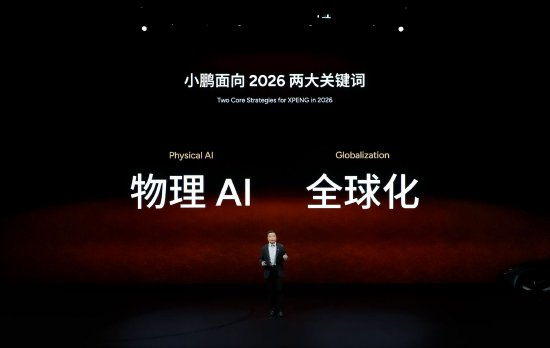
Core Insights - Xiaopeng Motors officially launched four new models: 2026 Xiaopeng P7+, Xiaopeng G7 Super Extended Range, 2026 Xiaopeng G6, and 2026 Xiaopeng G9, all equipped with the second-generation VLA system [1] Group 1: Company Performance - In 2025, Xiaopeng Motors achieved global cumulative deliveries of 429,445 vehicles and established nine R&D centers worldwide [1] - The company has initiated three overseas localization production projects and expanded its self-operated charging network to cover 430 cities with 3,150 charging stations [1] Group 2: Strategic Focus - The CEO emphasized two key themes for 2026: "Physical AI" and "Globalization," with plans to achieve mass production of the second-generation VLA system and initiate Robotaxi operations in the first quarter [1] - The second-generation VLA system aims to provide an L4-like driving experience through the integration of large models, computing power, and big data [1][2] Group 3: Technological Advancements - The second-generation VLA system features capabilities such as real-time parking, speed bump recognition, and driving style selection, supporting both L4 autonomous driving and Robotaxi functions [2] - The system's computing power reaches 2,250 TOPS at the vehicle level and 30,000 nodes at the cloud level, with nearly 100 million training video data segments [1][2] Group 4: New Model Highlights - The 2026 Xiaopeng P7+ offers a comprehensive range of 1,550 km for the Super Extended Range version and 430 km for the pure electric version, with a power consumption of 12.5 kWh per 100 km [5] - The 2026 Xiaopeng G7 Super Extended Range has a starting price of 195,800 yuan and a CLTC comprehensive range of 1,704 km [6] - The 2026 Xiaopeng G6 is priced from 176,800 yuan and features an AI chip standard across all models [7] - The 2026 Xiaopeng G9 starts at 248,800 yuan, with a clear configuration gradient for the AI chip, ranging from 750 TOPS to 2,250 TOPS [7]

何小鹏:2026年小鹏将迎来物理AI的落地与量产
Xin Lang Cai Jing· 2026-01-08 07:28
新浪科技讯 1月8日下午消息,2026小鹏全球新品发布会举行,小鹏汽车董事长、CEO何小鹏发表演 讲。 责任编辑:宋雅芳 新浪科技讯 1月8日下午消息,2026小鹏全球新品发布会举行,小鹏汽车董事长、CEO何小鹏发表演 讲。 何小鹏表示,小鹏面向2026两大关键词是物理AI和全球化。2026年,小鹏将迎来物理AI的落地与规模 量产,正式开启从"技术探索"向"实践应用"的关键跨越。 何小鹏透露,2026年第一季度第二代 VLA量产上车,此外2026年还会开启Robotaxi运营,人形机器人和 飞行汽车也会规模量产。 责任编辑:宋雅芳 何小鹏表示,小鹏面向2026两大关键词是物理AI和全球化。2026年,小鹏将迎来物理AI的落地与规模 量产,正式开启从"技术探索"向"实践应用"的关键跨越。 何小鹏透露,2026年第一季度第二代 VLA量产上车,此外2026年还会开启Robotaxi运营,人形机器人和 飞行汽车也会规模量产。 ...