降准降息

Search documents
2026货币政策定调适度宽松,强调灵活高效降准降息
Sou Hu Cai Jing· 2025-12-13 00:53
Group 1 - The monetary policy for 2026 is set to be "moderately loose," emphasizing "flexible and efficient use of reserve requirement ratio (RRR) and interest rate cuts" alongside "reasonable recovery of prices," shifting the focus from scale expansion to precise regulation and structural optimization [1][2] - The core objectives of the monetary policy now include "promoting reasonable price recovery" alongside "stabilizing economic growth," aiming to alleviate the current structural contradiction of "strong supply and weak demand" [2] - The policy will likely involve 1-2 RRR or interest rate cuts in 2026, with potential reductions of 10-50 basis points, and will emphasize coordination with a more proactive fiscal policy, including an expansion of special bonds and targeted funding towards technology innovation and green industries [3] Group 2 - The central bank's operational logic is shifting from traditional "interest rate cuts to promote inflation" to a focus on supply-side reforms and demand activation, aiming to reduce ineffective production capacity and enhance consumer spending through fiscal measures [4] - The Consumer Price Index (CPI) is expected to moderately rise to a target range of 0.4%-0.6%, while caution is advised regarding market distortions such as "price increases followed by subsidies" [5] Group 3 - External pressures are easing with the Federal Reserve's continuous interest rate cuts, which have reduced the US-China interest rate differential, providing a window for domestic interest rate reductions [6] - The strategy includes expanding exports of "new three items" (new energy vehicles, lithium batteries, etc.) to counteract risks from US tariffs and global supply chain issues, while also focusing on financial safety and optimizing local debt restructuring [7] Group 4 - Financing costs for enterprises are expected to decrease further, particularly benefiting technology and green sectors, while personal mortgage rates are likely to continue their downward trend, alleviating household leverage through policies supporting the acquisition of existing homes [8] - The loose liquidity is expected to support a structural market in A-shares, with a focus on technology (AI, robotics) and cyclical sectors (electricity, chemicals), while the value of national bonds and technology innovation bonds is becoming more prominent, attracting foreign investment in RMB assets [9]
【固收】降准降息或较快落地——2025年12月11日利率债观察(张旭)
光大证券研究· 2025-12-13 00:06
Core Viewpoint - The article emphasizes the likelihood of a rapid implementation of reserve requirement ratio (RRR) cuts and interest rate reductions in the near future, driven by the need for flexible monetary policy tools to support economic stability and growth [3]. Group 1: Monetary Policy Tools - The central economic work conference scheduled for December 11-12, 2025, calls for the "flexible and efficient use of various policy tools such as RRR cuts and interest rate reductions" [3]. - RRR cuts and interest rate reductions share common goals of maintaining relatively loose financing conditions and promoting stable economic growth, but they operate through different mechanisms [3]. - RRR cuts primarily provide low-cost long-term funding to banks, while interest rate reductions directly influence the downward movement of benchmark rates like LPR [3]. Group 2: Constraints on Monetary Policy - Both RRR cuts and interest rate reductions are constrained by the available monetary policy space; for instance, the current 7-day OMO rate is at 1.4%, and a series of 10 basis point cuts could lead to a zero interest rate scenario [4]. - The current reserve requirement ratio for large banks is 7.5%, and a series of 0.5 percentage point cuts could reach a theoretical lower limit after several reductions [4]. - RRR cuts uniquely provide low-cost long-term liquidity, while other tools like MLF and reverse repos only offer short-term liquidity [4]. Group 3: Impact on Banking Sector - Interest rate reductions face constraints from banks' net interest margins, which have been negatively impacted by excessive competition and scale concerns, leading to a current net interest margin of 1.42%, the lowest on record [5]. - The low net interest margin weakens banks' ability to support the real economy and creates conditions for idle funds, thereby limiting the effectiveness of interest rate cuts [5].


货币政策延续“适度宽松”基调 降准降息“灵活高效”
Zheng Quan Ri Bao· 2025-12-12 16:25
Group 1 - The central economic work conference held on December 10-11 in Beijing emphasized the continuation of a moderately loose monetary policy to support high-quality development of the real economy in the first year of the 14th Five-Year Plan [1] - The conference highlighted the importance of maintaining ample market liquidity and indicated that price stability and economic growth will be key considerations for monetary policy [2] - The use of various policy tools such as reserve requirement ratio (RRR) cuts and interest rate reductions will be flexibly and efficiently implemented to ensure liquidity remains abundant [3] Group 2 - The possibility of interest rate cuts and RRR reductions occurring at the end of this year or the beginning of next year was mentioned, particularly to stabilize the macroeconomic environment in Q1 of next year [4] - The conference pointed out the need to enhance the transmission mechanism of monetary policy and guide financial institutions to support key areas such as domestic demand expansion, technological innovation, and small and micro enterprises [5] - Structural monetary policy tools are expected to continue to be effective, with potential reductions in interest rates for these tools to improve support for key sectors and enhance policy effectiveness [5]
央行部署明年工作
第一财经· 2025-12-12 15:27
Core Viewpoint - The People's Bank of China (PBOC) emphasizes the continuation of a moderately loose monetary policy to support key areas such as domestic demand, technological innovation, and small and medium-sized enterprises, while also managing financial risks and promoting high-level financial openness [3][8]. Group 1: Monetary Policy Framework - The PBOC aims to build a scientific and robust monetary policy system, focusing on dynamic assessment and enhancement of the monetary policy framework, and improving the execution and transmission of monetary policy [5][6]. - Experts suggest that the monetary policy should balance short-term and long-term goals, as well as internal and external factors, to enhance the adaptability and precision of financial support for structural adjustments and high-quality development [6][7]. Group 2: Monetary Policy Tools - The PBOC plans to utilize various monetary policy tools, including reserve requirement ratio (RRR) cuts and interest rate reductions, to maintain ample liquidity and support the real economy [8]. - The central bank will also employ a range of liquidity injection tools, such as reverse repos and medium-term lending facilities (MLF), to ensure a moderately loose liquidity environment [8]. Group 3: Financial Risk Management - The PBOC identifies the prevention and resolution of financial risks in key areas, particularly in real estate, financing platform debts, and risks associated with small financial institutions, as critical tasks moving forward [10][11]. - The focus on risk resolution has shifted, with an emphasis on market-oriented and legal principles to address the debts of financing platforms and manage risks in small financial institutions [11].
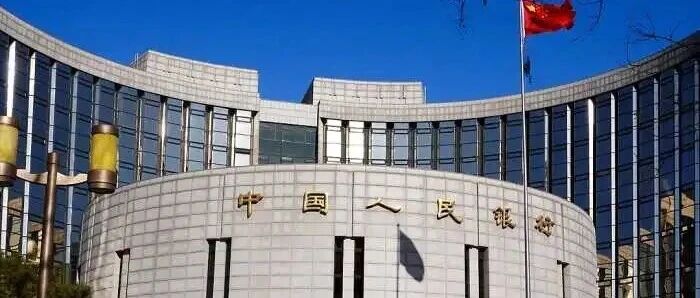
降准降息仍是政策工具选项,央行明年工作准备这么干
Di Yi Cai Jing· 2025-12-12 15:04
Group 1: Monetary Policy Direction - The People's Bank of China (PBOC) emphasizes the continuation of a moderately loose monetary policy to support key areas such as domestic demand, technological innovation, and small and micro enterprises [1][4] - The central bank outlines five main directions for its work in the coming year, including improving the central bank system and preventing financial risks in key areas [1][6] Group 2: Monetary Policy Framework - The PBOC aims to construct a scientific and robust monetary policy system, focusing on dynamic assessment and enhancement of the monetary policy framework [2][3] - Experts suggest that the monetary policy should balance short-term and long-term goals, as well as internal and external factors, to ensure effective financial support for high-quality development [2][3] Group 3: Tools and Implementation - The central bank plans to utilize various monetary policy tools, including reserve requirement ratio (RRR) cuts and interest rate reductions, to maintain liquidity and support the real economy [4][5] - There is an emphasis on flexible and efficient policy implementation, with a focus on balancing multiple objectives to improve the quality and long-term effects of monetary policy [4][5] Group 4: Financial Risk Management - The PBOC identifies the prevention and resolution of financial risks in key areas, such as real estate and small financial institutions, as a critical task moving forward [6] - The central bank is committed to market-oriented and legal principles in addressing risks associated with financing platforms and small financial institutions [6]
降准降息仍是政策工具选项,央行明年工作准备这么干!
Di Yi Cai Jing· 2025-12-12 14:37
Core Viewpoint - The People's Bank of China (PBOC) emphasizes a flexible and efficient monetary policy, focusing on balancing multiple objectives while implementing appropriate measures in response to economic conditions [1]. Group 1: Monetary Policy Framework - The PBOC aims to build a scientific and robust monetary policy system, enhancing the evaluation and improvement of the monetary policy framework and expanding the toolbox for monetary policy [2][3]. - Key aspects include optimizing the base currency issuance mechanism, reducing focus on quantitative targets, and maintaining reasonable growth in financial totals [3]. - The PBOC will also work on establishing a market-oriented interest rate formation and transmission mechanism, transitioning towards a price-based regulatory system [3]. Group 2: Policy Tools and Implementation - The central economic work conference confirmed the continuation of a moderately loose monetary policy in the coming year, with flexible use of tools such as reserve requirement ratio (RRR) cuts and interest rate reductions [4]. - The PBOC will maintain ample liquidity and support the real economy while ensuring the effective implementation of monetary policies [4]. - Analysts suggest that the PBOC may narrow the interest rate corridor and stabilize the yield curve of government bonds to enhance the transmission effect of monetary policy [5]. Group 3: Financial Risk Management - A significant focus for the PBOC will be on preventing and mitigating financial risks in key areas, particularly in real estate, financing platform debt, and risks associated with small and medium-sized financial institutions [6]. - The PBOC is committed to supporting the resolution of financing platform debt risks and managing real estate finance with a macro-prudential approach [6]. - The ongoing risk management efforts will likely lead to a shift towards the resolution of operational debts of financing platforms, with an emphasis on the reform and sustainable development of small financial institutions [6].
中央经济工作会议定调明年货币政策:灵活高效运用降准降息等工具
Xin Lang Cai Jing· 2025-12-12 14:19
来源:@华夏时报微博 华夏时报记者 刘佳 北京报道 2026年货币政策权威方向,由中央经济工作会议正式定调。 12月10日至11日,中央经济工作会议在北京举行。会议分析当前经济形势,部署2026年经济工作,为全年宏观调 控划定核心方向。 会议指出,明年经济工作在政策取向上,要坚持稳中求进、提质增效,发挥存量政策和增量政策集成效应,加大 逆周期和跨周期调节力度,提升宏观经济治理效能。要继续实施适度宽松的货币政策。把促进经济稳定增长、物 价合理回升作为货币政策的重要考量,灵活高效运用降准降息等多种政策工具,保持流动性充裕,畅通货币政策 传导机制,引导金融机构加力支持扩大内需、科技创新、中小微企业等重点领域。保持人民币汇率在合理均衡水 平上的基本稳定。 在多位受访人士看来,此次会议为2026年经济工作定下"稳中求进、提质增效"的总基调,明确传递出宏观政策将 更加积极有力,以推动宏观经济实现"质的有效提升和量的合理增长"。 值得关注的是,关于总量型货币政策工具,会议将去年的"适时降准降息"调整为"灵活高效运用降准降息等多种政 策工具",这一表述变化意味着降准降息仍是明年货币政策操作的可选项,同时强调灵活性与实效性,既 ...

视频丨中央经济工作会议释放了哪些重要信号?专家解读
Sou Hu Cai Jing· 2025-12-12 14:07
Group 1 - The core viewpoint of the article emphasizes the importance of "quality improvement and efficiency enhancement" in the economic work for the upcoming year, indicating a shift towards higher standards for development quality and effectiveness while maintaining reasonable economic growth [2][4] - The 2026 macroeconomic policy is expected to be more forward-looking, aiming to lay a foundation for high-quality development over the next five years [2] - The meeting highlighted the need for coordinated policies across fiscal, monetary, and industrial sectors, combining traditional and innovative tools to promote high-quality economic growth [4] Group 2 - The central economic work meeting proposed to continue implementing a moderately loose monetary policy, with a focus on stabilizing economic growth and ensuring reasonable price recovery [5] - It is anticipated that in 2026, deposit rates and policy rates will further decline, with the Loan Prime Rate (LPR) expected to stabilize or decrease slightly, emphasizing the use of structural monetary policy tools to direct financial resources towards technology innovation, green development, and boosting consumption [5][7] - The meeting stressed the importance of policy coordination, integrating both stock and incremental policies to enhance the consistency and effectiveness of macroeconomic policies [8][10]

适度宽松货币政策持续显效,前11个月我国社融规模增量超去年全年
Sou Hu Cai Jing· 2025-12-12 09:54
记者 辛圆 11月末,广义货币(M2)余额336.99万亿元,同比增长8%,涨幅较上月回落0.2个百分点。狭义货币(M1)余额112.89万亿元,同比增长4.9%,涨幅较上月回落 1.3个百分点。 据新华社消息,12月10日至11日,中央经济工作会议在北京举行。在部署明年货币政策时,会议称,要继续实施适度宽松的货币政策,并提出"灵活高效运 用降准降息等多种政策工具"。 分析师表示,总体来看,货币政策延续了"适度宽松"基调,降准降息仍然可期,但会更加注重"相机抉择"以提高实施质效。 中国人民银行周五发布2025年1-11月金融统计数据报告。数据显示,前11个月社会融资规模增量累计为33.39万亿元,超过去年全年水平。 从企业和居民需求看,前11个月人民币贷款增加15.36万亿元。分部门看,住户贷款增加5333亿元,其中,短期贷款减少7328亿元,中长期贷款增加1.27万亿 元;企(事)业单位贷款增加14.4万亿元,其中,短期贷款增加4.44万亿元,中长期贷款增加8.49万亿元,票据融资增加1.31万亿元;非银行业金融机构贷款 减少332亿元。 另外,前11个月人民币存款增加24.73万亿元。其中,住户存款增加1 ...
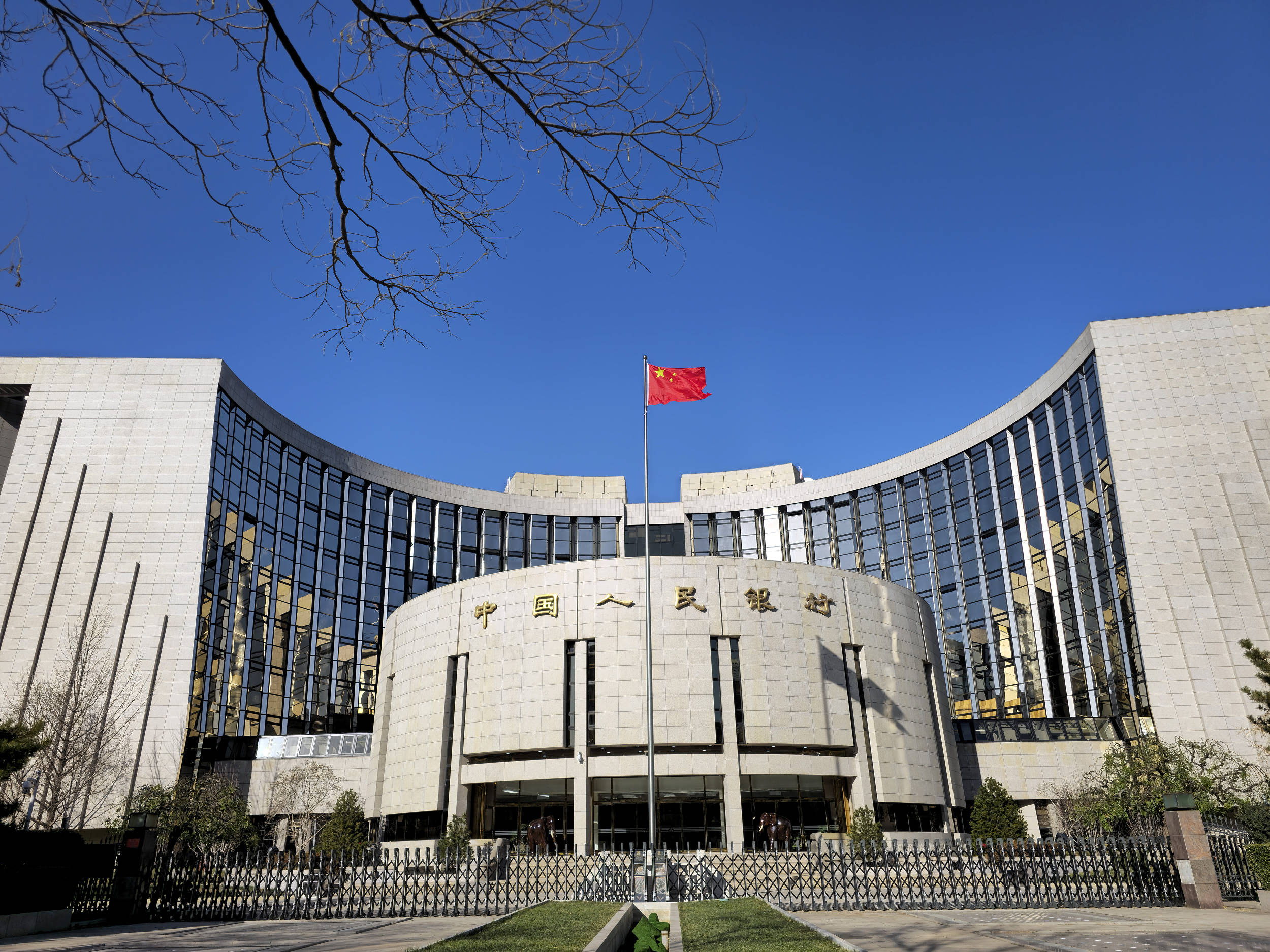
中央经济工作会议定调明年货币政策:灵活高效运用降准降息等工具|2025年终经济观察
Hua Xia Shi Bao· 2025-12-12 09:17
本报(chinatimes.net.cn)记者刘佳 北京报道 2026年货币政策权威方向,由中央经济工作会议正式定调。 12月10日至11日,中央经济工作会议在北京举行。会议分析当前经济形势,部署2026年经济工作,为全 年宏观调控划定核心方向。 会议指出,明年经济工作在政策取向上,要坚持稳中求进、提质增效,发挥存量政策和增量政策集成效 应,加大逆周期和跨周期调节力度,提升宏观经济治理效能。要继续实施适度宽松的货币政策。把促进 经济稳定增长、物价合理回升作为货币政策的重要考量,灵活高效运用降准降息等多种政策工具,保持 流动性充裕,畅通货币政策传导机制,引导金融机构加力支持扩大内需、科技创新、中小微企业等重点 领域。保持人民币汇率在合理均衡水平上的基本稳定。 在多位受访人士看来,此次会议为2026年经济工作定下"稳中求进、提质增效"的总基调,明确传递出宏 观政策将更加积极有力,以推动宏观经济实现"质的有效提升和量的合理增长"。 值得关注的是,关于总量型货币政策工具,会议将去年的"适时降准降息"调整为"灵活高效运用降准降 息等多种政策工具",这一表述变化意味着降准降息仍是明年货币政策操作的可选项,同时强调灵活性 ...