
中美关税战

Search documents
胜负已分,中国大砍10亿美债,特朗普对华降调门,美联储通告全球
Sou Hu Cai Jing· 2025-07-20 08:41
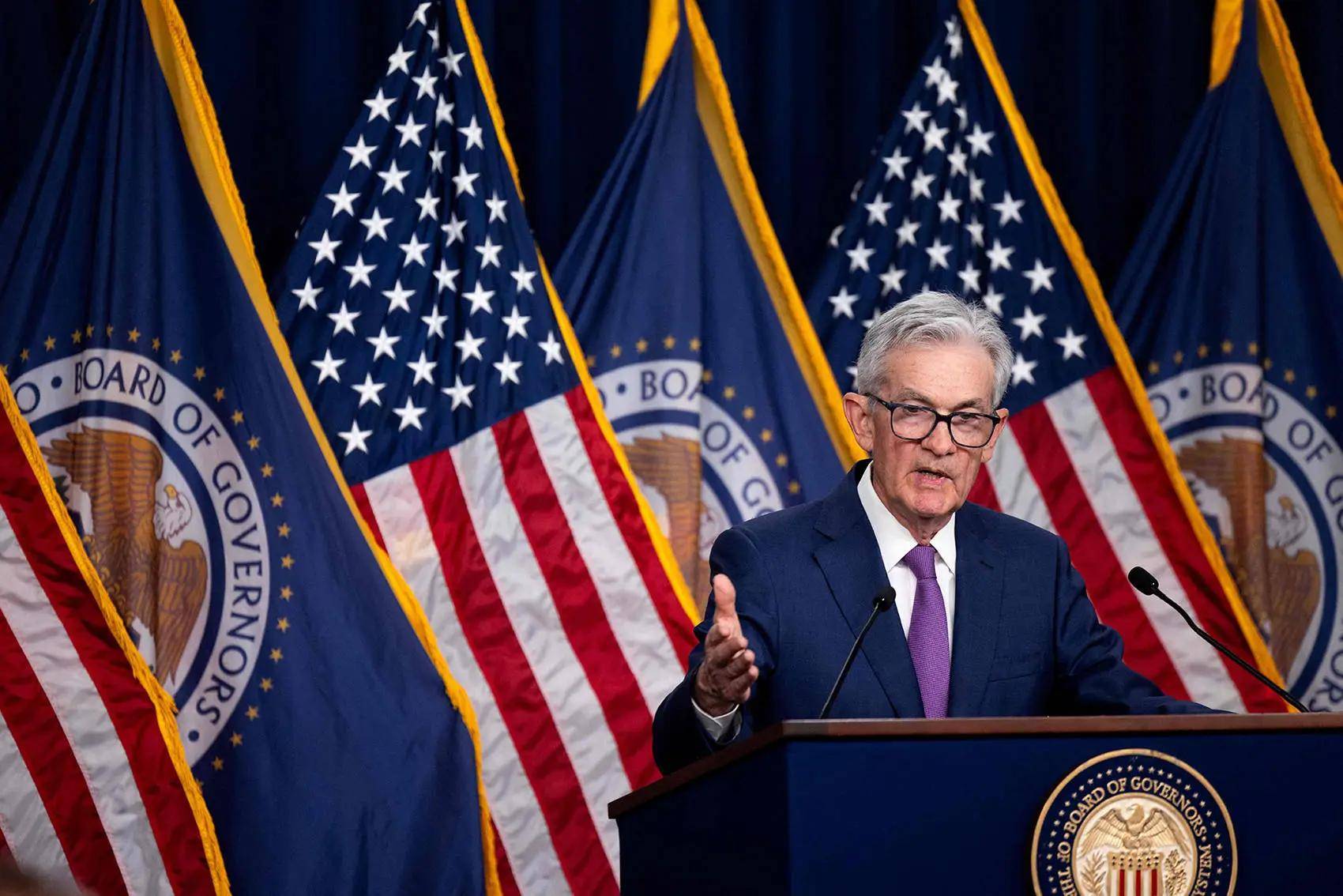
Group 1 - The core viewpoint of the articles highlights the significant impact of the U.S.-China trade war, particularly the reduction of U.S. Treasury holdings by China, which has decreased by nearly $1 billion in May, marking three consecutive months of reduction [1][3] - China's strategic response to the trade war includes a conscious reduction in imports of U.S. agricultural products, such as soybeans and liquefied natural gas, with the share of U.S. soybeans in China's imports dropping from approximately 40% in 2017 to nearly zero, while Brazilian soybeans have increased from 50% to 70% [3][5] - The U.S. consumer market is heavily reliant on Chinese goods, and the tariffs imposed by the Trump administration have led to rising prices and shortages of essential products, affecting American manufacturers, particularly in the electric vehicle sector [6][8] Group 2 - The Federal Reserve's "Beige Book" report indicates a pessimistic outlook for the U.S. economy, which has provoked a strong reaction from the Trump administration, highlighting the economic challenges posed by the trade war [8] - Despite the apparent softening of Trump's stance towards China, the underlying issues of the trade conflict remain unresolved, necessitating vigilance against potential hidden agendas from Western nations [8]

商务部发布新版限制出口技术目录,做好打“持久战”准备
Sou Hu Cai Jing· 2025-07-20 03:18
Core Viewpoint - China is prepared for a prolonged trade conflict with the U.S. and has implemented new export control measures to strengthen its strategic position in the ongoing trade war [1][3][9] Summary by Relevant Sections Export Control Measures - The Ministry of Commerce of China has released a new version of the export control technology catalog, which includes a list of technologies that are prohibited from export and those that require licensing for export [1] - Key changes in the catalog focus on building environment control technology, battery technology, and non-ferrous metal metallurgy technology [1] Strategic Preparedness - China recognizes that the trade conflict with the U.S. is unavoidable and is taking steps to prepare for potential escalations, including the possibility of a second round of tariff wars initiated by the U.S. [6] - The recent changes in trade rules and diplomatic efforts are aimed at transforming China's position from passive to proactive in the face of external pressures [6][8] Diplomatic Efforts - Chinese Foreign Minister Wang Yi has been actively engaging with various countries, including visits to Europe and Malaysia, to strengthen alliances and prepare for upcoming international meetings [6] - There is an acknowledgment that the European Union is not entirely unified and that China can adopt a strategy of "picking off" individual EU countries for cooperation [8] Importance of Strategic Assets - The export control measures are viewed as a "trump card" that can help China maintain a strong position in the face of Western pressures [8][9] - The ability to control core technologies and resources is seen as essential for China to remain competitive and resilient against U.S. attempts to impose tariffs and other trade barriers [3][9]
镍下半年展望:日子好起来了?
Sou Hu Cai Jing· 2025-07-16 07:12
Group 1: Market Overview - Nickel prices experienced significant fluctuations in the first half of 2025, influenced by macroeconomic factors and industry dynamics, with a notable decline following the U.S.-China tariff war [1][2] - The overall trajectory of nickel prices has shifted downward, indicating potential challenges for the second half of the year, driven by structural oversupply and slowing demand from the electric vehicle sector [1][2][3] Group 2: Macroeconomic Factors - The macroeconomic environment remains a key driver of nickel price volatility, with expectations of U.S. interest rate cuts potentially improving market sentiment and liquidity [2][3] - However, uncertainties surrounding U.S. policy and escalating trade tensions between the U.S. and China pose significant risks to the demand outlook for nickel [3] Group 3: Industry Challenges - The nickel industry faces severe oversupply, primarily due to the rapid expansion of low-cost production capacity in Indonesia, which has led to a significant imbalance between supply and demand [4][5] - The demand side is also weakening, with stainless steel production slowing and the growth rate of nickel sulfate for electric vehicle batteries declining, leading to a dual weakness in demand [5][6] Group 4: Price Dynamics - Nickel prices are expected to be under pressure as the cost support shifts from marginal costs to integrated production costs, indicating a potential further decline in price levels [7][8] - The market is likely to experience a range-bound trading pattern, with nickel prices fluctuating between 105,000 and 130,000 yuan per ton, constrained by oversupply and cost dynamics [8][9] Group 5: Strategic Considerations - Industry participants are advised to focus on survival strategies rather than expecting a market recovery, emphasizing cost control and cash flow management amid ongoing oversupply [9][10] - The competitive landscape has shifted from capacity expansion to a focus on cost management, highlighting the need for companies to adapt to the current market conditions [9]
中国必须帮忙:印度已废,特朗普瞄准第二国想突破金砖!
Sou Hu Cai Jing· 2025-07-14 08:45
占豪认为,美国的这次"暂时罢战"并非真正的停火,反而预示着新一轮更激烈斗争的开端,只不过这一回合美国再次失利。自中国开始用稀土资源做反击 后,国内对矿产资源走私的打击力度明显加大,显示国内仍有损害国家利益的势力在活动,但相关部门已严厉整治,令美国想轻松获得稀土变得异常艰难。 此外,有传闻称我国部分技术团队跳槽至澳大利亚稀土企业,尽管真假难辨,但占豪断言,这种行为就是叛国,国家未来必将严惩这些人,且一旦失去利用 价值,他们也将被弃如敝履。 这里顺便讲一则深圳富二代教育失败的案例。深圳一位富二代女孩高某,为了获得美国绿卡,嫁给了年长美国男子,甚至参加了"服役换国籍计 划"(MAVNI计划),该计划允许符合条件的外籍人士通过加入美军获得绿卡和公民身份。目前,美军中有约2万亚裔士兵(包括华裔),其中不少通过该 政策入伍。然而,令人费解的是,尽管她服役,却未能成功取得美国国籍。更糟的是,她在遭受美籍丈夫家庭暴力后离婚,退伍后依然无身份,同时因学历 低而难以在美国找到工作。美国的种种挫败让她只得想回国发展,结果却被祖国"拉黑",禁止入境。正如所说,背叛祖国必遭恶报!那些为了眼前利益出卖 国家的人,结局都极为悲惨。当前中美 ...
佩通坦刚被停职,柬埔寨就与美国谈成,中方奉劝与虎谋皮好自为之
Sou Hu Cai Jing· 2025-07-10 11:26
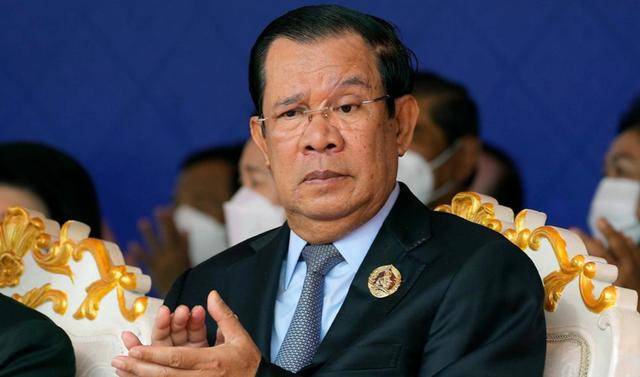
Group 1 - Cambodia has reached a tariff agreement with the United States, becoming the second Southeast Asian country to do so after Vietnam, although specific tariff details have not been disclosed [1] - Former Cambodian Prime Minister Hun Sen indicated that high tariffs proposed by the U.S. could severely impact Cambodia's key industries, such as textiles, prompting Cambodia to make concessions regarding U.S. imports [3] - The timing of the agreement coincides with the temporary suspension of Thai Prime Minister Prayut Chan-o-cha, raising questions about potential political implications and connections between the two events [5] Group 2 - Cambodian Prime Minister Hun Manet denied allegations of interference in Thai domestic affairs, emphasizing Cambodia's stance on resolving border disputes through international courts, which complicates relations with Thailand [7] - The U.S. has previously announced a tariff framework with Vietnam, which includes a 20% tariff on exports to the U.S. and a 40% tariff on goods transshipped through Vietnam, indicating a strategic focus on countering China [9] - China's Ministry of Foreign Affairs has warned that any country sacrificing its interests to reach agreements with the U.S. will face consequences, signaling potential risks for Cambodia and Vietnam in their dealings with the U.S. [9]
中美终极对决不在亚太也非中东!真正战场在美国后院,这招太狠了
Sou Hu Cai Jing· 2025-07-07 11:51
Group 1 - The article discusses the potential for a conflict between the US and China, suggesting that if a war were to occur, it might take place in the US rather than in Asia or the Middle East [1][8][10] - It highlights the strategic maneuvers of the US, including the transfer of military resources to Asia and the portrayal of China as a threat to Taiwan, indicating a deliberate attempt to create a battleground in China’s vicinity [5][6][12] - The article points out that the US has historically avoided bringing conflict to its own territory, which could change if a direct confrontation with China occurs [3][8][10] Group 2 - The article emphasizes China's growing military capabilities and the recognition of this strength by other nations, including the US, which has led to increased caution from the US regarding direct military engagement [10][16] - It discusses the economic interdependence between the US and China, particularly in terms of market access and the importance of Chinese rare earth materials to US military technology [14][18] - The article concludes that despite the tensions, both nations need to address their issues through dialogue rather than conflict, as the current situation is largely a result of US actions [20][22]

过剩格局未变,锂价或震荡探底
Hua Tai Qi Huo· 2025-07-06 10:36
Report Industry Investment Rating No relevant content provided. Core Viewpoints - The lithium carbonate market in the first half of 2025 showed lower volatility compared to last year. Although short - term factors may disrupt the rhythm, the market still develops around its fundamentals. The overall supply - demand pattern of lithium carbonate is difficult to change, with an oversupply situation. Before significant production cuts in the mining and lithium salt plants, the lithium carbonate market may continue the process of oscillating and bottom - hunting. The price is expected to range between 45,000 - 70,000 yuan/ton in the second half of 2025. For industrial customers and investment institutions, they can seize the staged downward market [6][23][24]. - On the supply side, there are disturbances in the mining end, but the over - capacity of lithium salt is still large. If the lithium price does not rebound significantly and remains below 70,000 yuan/ton for a long time in the second half of 2025, some high - cost mines and recycling enterprises are expected to gradually reduce production or exit, and new projects may be postponed. The total supply is expected to be 1.65 million tons of LCE, still in an oversupply pattern [8][24]. - On the demand side, new energy vehicles and energy storage are still the two main drivers of consumption growth. In 2024, China's new energy vehicle production and sales reached 12.888 million and 12.866 million respectively, with year - on - year growth of 34.4% and 35.5%. In 2025, the domestic new energy vehicle production and sales data still maintained a high growth rate. It is expected that China's new energy vehicle sales will reach about 16.5 million in 2025, a year - on - year increase of 28%, and global sales will reach about 23 million, a year - on - year increase of 26%. In the energy storage sector, the growth rate is expected to remain high, with an annual year - on - year growth rate of about 40%. Overall, the consumption growth rate of lithium carbonate in 2025 is expected to be about 22% [9][10]. - In terms of balance, the oversupply situation will continue in the second half of 2025, and the inventory pressure will continue to increase. It is expected that the annual oversupply will be 210,000 tons of LCE [11][12]. - Regarding inventory, smelters contribute the main inventory increase, and attention should be paid to the delivery inventory. It is expected that the lithium salt inventory will continue to accumulate in the second half of the year [13]. - Conclusion: The lithium carbonate price may continue to bottom - hunt. Although the supply - demand situation shows a double - increase pattern in 2025, the oversupply situation remains unchanged. Due to the price drop, the supply growth rate may slow down, and the degree of oversupply will decrease. The price is expected to fluctuate between 45,000 - 70,000 yuan/ton in the second half of 2025 [14]. Section Summaries Strategy Summary - In the first quarter of 2025, lithium carbonate futures prices were relatively stable. The 2505 contract rebounded from 77,800 yuan/ton at the beginning of the year to 81,680 yuan/ton, a 4.99% increase, and then fell to 74,160 yuan/ton. In the second quarter, due to the impact of the Sino - US tariff war, the demand growth rate declined, and the industry returned to the inventory accumulation rhythm. The 2507 contract fell from 74,500 yuan/ton in early April to the annual low of 58,460 yuan/ton, a 21.53% decrease. Later, with the extension of the US tariff exemption and the call to eliminate backward production capacity, the price rebounded to around 64,000 yuan/ton, a nearly 10% increase [5]. Price Review - In the first half of 2025, the lithium carbonate futures price first rose and then fell. In the first quarter, it was relatively stable. In the second quarter, it was affected by the Sino - US tariff war and demand slowdown, and the price dropped significantly. In June, with the relaxation of the tariff war and the support of energy storage exports, the price rebounded [5][22]. Market Outlook - In the second half of 2025, the overall supply - demand pattern of lithium carbonate is difficult to change, with an oversupply situation. The price is expected to range between 45,000 - 70,000 yuan/ton. If the lithium price does not rebound significantly, some high - cost mines and recycling enterprises may reduce production or exit, and new projects may be postponed [23][24]. Supply - side Situation - From January to June 2025, China's domestic lithium carbonate production was about 429,600 tons, a 43.91% year - on - year increase, and the annual production is expected to be about 900,000 tons, a 33% increase. Lithium hydroxide production was about 142,200 tons, a 18.56% year - on - year decrease. The overall production is expected to continue to increase. The over - capacity of lithium salt smelting is large, and some high - cost enterprises may reduce production or stop production [42]. Lithium Mine Production Cuts, Start - ups, and Cost Tracking - **Resource - end Increment**: In 2025, the total supply of the resource end is expected to be 1.57 million tons of LCE. Africa, domestic mines, and salt lakes, as well as South American salt lakes and Australian mines, will contribute to the increment [47]. - **Production Cost and Profit of Lithium Carbonate**: The cost of using salt lakes for production is relatively low, at 30,000 - 50,000 yuan/ton. Self - owned mine enterprises have a cash cost of 40,000 - 60,000 yuan/ton. The cost of purchasing ore is relatively high, and most of the time this year, they are in a loss situation. It is expected that the global lithium mine oversupply situation will be difficult to change, and the lithium mine price may further decline [50][51]. Import - Export - From January to May 2025, China's lithium spodumene imports reached 2.92 million tons, a 39.97% year - on - year increase. Lithium carbonate imports were 100,000 tons, a 15.3% increase, and the annual import is expected to reach 250,000 tons. Exports were 2,100 tons, and the annual export is expected to be 4,000 tons. Lithium hydroxide exports were 21,600 tons, a 59.9% year - on - year decrease, and imports were 6,470 tons, with a significant year - on - year increase [61][63]. Consumption - side - **Lithium Consumption**: In 2025, lithium consumption is mainly driven by new energy vehicles and energy storage. From January to May, the production of lithium iron phosphate increased significantly, while the growth of ternary materials was limited. In the battery end, the sales and exports of power and other batteries increased significantly. In the new energy vehicle sector, production and sales maintained a high growth rate, and it is expected that China's new energy vehicle sales will reach about 16.5 million in 2025. In the energy storage sector, the growth rate is expected to remain high [72][74][77]. Supply - Demand Balance Sheet - In 2025, the domestic lithium carbonate is expected to have an annual oversupply of 60,000 tons, and the global lithium resource is expected to have an annual oversupply of 220,000 tons of LCE [107]. Inventory - As of the end of June, the total lithium carbonate inventory reached 136,800 tons, with smelters contributing the main increase. It is expected that the inventory will continue to accumulate in the second half of the year [114].
下半年中国经济展望|宏观经济
清华金融评论· 2025-07-05 12:25
Core Viewpoint - The article discusses the current state and outlook of the Chinese economy, highlighting the impact of external factors such as the US-China trade war and domestic policy measures that have contributed to economic stability and growth. Group 1: Economic Performance - The GDP growth rate for the first half of the year is expected to be around 5.3%, with a need for only 4.7% growth in the second half to meet the annual target [1] - The first quarter saw a GDP growth of 5.4%, while the second quarter is projected to be around 5.2% [2] - The overall economic performance is stable, with industrial value-added growth at 6.5% in the first quarter and service sector growth at 5.8% [5] Group 2: Export Dynamics - The export growth rate fluctuated due to the US-China tariff war, peaking at 12.3% in March before declining to 4.8% in May [2] - The share of exports to the US has decreased to the lowest level on record, impacting overall export performance [2] - The article anticipates a 2.0% growth in exports for the year, with various scenarios predicting outcomes ranging from 0% to 3.5% [10][11] Group 3: Domestic Demand and Policy Response - Domestic demand is gradually stabilizing due to proactive macroeconomic policies, including increased fiscal spending and monetary easing [3] - Social financing stock grew by 8.7% year-on-year in the first five months, with government bonds seeing a significant increase of 20.9% [3] - Retail sales growth reached 6.4% in May, driven by consumption policies such as the "old-for-new" program [3] Group 4: Investment Trends - Fixed asset investment grew by 3.7% in the first five months, with infrastructure investment increasing by 5.6% [13] - Manufacturing investment is expected to grow by 7.8% for the year, while real estate investment is projected to decline by 10.0% [23][16] - Infrastructure investment is anticipated to rebound in the second half, supported by ample funding and ongoing major projects [18][19] Group 5: Consumer Behavior - Consumer spending is expected to grow by 4.5% for the year, with retail sales showing a recovery trend [27] - The "old-for-new" subsidy program has significantly boosted consumption in various sectors [28] - However, consumer confidence remains low, and spending may decline in the second half due to reduced subsidy support and economic uncertainties [29] Group 6: Price Trends - CPI is projected to remain around 0% for the year, with a slight recovery expected in the second half [31][32] - PPI is anticipated to decline by 2.3% for the year, reflecting ongoing pressures from oversupply and weak demand [34][35] Group 7: Policy Outlook - The article suggests that macroeconomic policies will focus on stabilizing growth without significant new stimulus, emphasizing the implementation of existing policies [37][38] - Fiscal policies will prioritize the effective use of existing funds to support consumption and investment [40][41] - Monetary policy is expected to remain flexible, with a focus on structural support rather than aggressive easing [42][43]

长江商学院副院长滕斌圣:稀土博弈像掼蛋一样,中国在关键节点打了手好牌
Feng Huang Wang Cai Jing· 2025-06-28 06:30
Group 1 - The "2025 China Enterprises Going Global Summit" was held in Shenzhen, focusing on providing a high-end platform for Chinese companies to tackle challenges in globalization amidst global industrial chain restructuring [1] - The theme of the summit was "For an Open World," aiming to facilitate resource connection and dialogue on rules among Chinese enterprises [1] Group 2 - Teng Binsheng, Vice Dean of the Cheung Kong Graduate School of Business, described the current globalization process for Chinese enterprises as a "breakthrough battle," emphasizing the necessity for companies to "go out" due to intense internal competition [3] - He compared the global landscape to the late Zhou Dynasty or the Spring and Autumn period, indicating that the international frameworks represented by the WTO and the UN have been significantly weakened [3] - Teng highlighted the challenges faced by Chinese companies, using the example of the US-China tariff war, where tariffs on Chinese products increased by 30% during a 90-day equal tariff window, complicating the situation for Chinese enterprises [4]

PVC:危中孕机,烧碱:宽幅震荡
Dong Zheng Qi Huo· 2025-06-26 06:44
半年度报告-PVC/烧碱 PVC:危中孕机,烧碱:宽幅震荡 | [走Ta势bl评e_级Ra:nk] | PVC:震荡/烧碱:震荡 | | | | | | --- | --- | --- | --- | --- | --- | | 报告日期: | 2025 26 | 年 | 6 | 月 | 日 | [Table_Summary] ★PVC:极低价格下,下半年 PVC 有望继续去库 上半年 PVC 虽然被资金大量空配,但极低价格下,需求的改善使 得其持续去库。展望下半年,PVC 供应端在新增产能投放下环比或 有 2%的增长。需求端大概率在 7 月中央经济工作会议之后迎来新 一轮的刺激政策,环比或能略有改善。若印度反倾销落地,会对中 国 PVC 出口造成一定的短期冲击,但长期不足以抵消中国 PVC 出 口的竞争力,下半年 PVC 出口有望继续维持高位。总的来看,若 下半年 PVC 仍维持极低价格,则其去库的格局有望延续。 能 源 ★烧碱:下半年供需变动有限 化 工 上半年烧碱价格先在氧化铝投产预期下暴涨,又在氧化铝亏损减仓 预期下暴跌,充分体现了其液体化工巨大的价格弹性。展望下半年, 新增产能的投放会使得烧碱供应略 ...