消费升级

Search documents
康养产业供给端创新成果不断涌现
Zheng Quan Ri Bao· 2026-01-23 16:25
Core Viewpoint - The health and wellness industry in China is transitioning towards a "proactive health" model, driven by increasing demand for chronic disease management and preventive care across all age groups, indicating a vast market potential [1][3]. Group 1: Industry Trends - The health and wellness industry is entering a "trillion-level, all-age, and integrated" development phase, with continuous innovation in products and services [1]. - The market size of the health and wellness industry reached 8 trillion yuan in 2023, with conservative estimates predicting it will grow to 9.5 trillion yuan by 2025 and nearly 15 trillion yuan by 2030 [3]. Group 2: Company Innovations - Shenzhen Beiyi Rehabilitation Hospital has introduced a medical-grade fitness gym that offers personalized exercise plans based on comprehensive medical assessments, integrating knowledge from various fields such as rehabilitation medicine and nutrition [1][2]. - Huawei's Qingtian brand has launched a "Smart Health Management Solution" that utilizes smart wearable devices to create a continuous health data flow, enhancing the management of health across all stages [2]. - Xiamen Songlin Technology Co., Ltd. is developing various business lines for health and wellness scenarios, including service robots and smart health monitoring systems [2]. Group 3: Challenges in the Industry - The health and wellness industry faces challenges such as a shortage of skilled professionals, including rehabilitation physicians and nursing staff, and the need for improved service processes and safety standards [4].
792万新生儿背后的中产育儿竞赛:人口负增长时代的家庭突围
虎嗅APP· 2026-01-23 13:53
Core Viewpoint - The article highlights a significant demographic shift in China, with a projected decline in birth rates and an increasing aging population, indicating a need for policy adjustments to address the challenges posed by these trends [2][6][25]. Population Trends - In 2025, China's new birth population is expected to be 7.92 million, marking a decrease of 3.39 million from the previous year, and the lowest since the founding of the People's Republic of China [2][6]. - The average years of education for the population aged 16-59 has reached 11.3 years, while those aged 60 and above account for 23% of the total population [2][6]. Educational and Social Implications - The declining birth rate suggests that over half of kindergartens may face a shortage of children, leading to potential closures in schools at various educational levels in the future [6]. - Families, particularly urban middle-class households, are increasingly focused on ensuring the quality of their children’s education and future success, leading to a competitive environment for child-rearing [7][11]. Policy and Economic Pressures - Current policies aimed at increasing birth rates, such as extended maternity leave and financial incentives, have shown limited effectiveness against the backdrop of rising living costs and educational pressures [9][11]. - Families are experiencing a "triple pressure" from the need for elite education, career challenges, and the burden of caring for elderly relatives [10][11]. Strategic Adjustments - The article suggests that the focus should shift from quantity to quality in population policies, aligning national strategies with the realities of family decisions regarding child-rearing [13][14]. - A new social safety net that allows for a more inclusive understanding of success and stability is necessary to alleviate the pressures on families [14][25]. Industry Implications - The real estate market is expected to undergo significant changes due to the declining young population, necessitating a shift from expansion to optimization and quality improvement in housing [19]. - The "silver economy" is projected to become a major growth driver, with a diverse range of services needed for the aging population, extending beyond traditional elder care [20]. - The demand for artificial intelligence and robotics will increase as these technologies address labor shortages and enhance service quality in various sectors [21]. Consumer Behavior Changes - The new generation of consumers is expected to prioritize spending on knowledge, experiences, health, and sustainability, leading to a more rational and value-driven consumption pattern [23]. - The insurance industry is likely to evolve from simple product sales to comprehensive risk management solutions that cover the entire lifecycle of individuals and families [23].


智能穿戴设备引领消费升级 打造消费新范式
Zheng Quan Ri Bao Wang· 2026-01-23 12:57
Group 1 - The core viewpoint of the articles highlights that by 2025, China's total retail sales of consumer goods are expected to exceed 50 trillion yuan, with significant growth in smart wearable devices, including smart glasses, watches, and bands, projected to surpass 40% [1] - The shift in consumer preferences towards practical functionality, stylish design, and high cost-performance ratio in smart wearable devices is evident, as consumers prioritize features like real-time meeting transcription and multilingual translation [1] - The emergence of a new consumption paradigm characterized by "hardware + services" is noted, indicating a transition from traditional one-time purchases to a long-term consumption cycle that enhances the sustainability of domestic demand [2] Group 2 - Experts believe that smart wearable devices may become the next "national-level" consumer product, potentially succeeding smartphones and electric vehicles, with expectations for supportive policies to enhance product affordability and accelerate widespread adoption [3] - The rapid growth of the smart wearable sector is driving advancements in upstream component manufacturing, pushing the electronics industry towards self-reliance in core technologies, which is strategically significant for stabilizing high-end manufacturing in China [2]
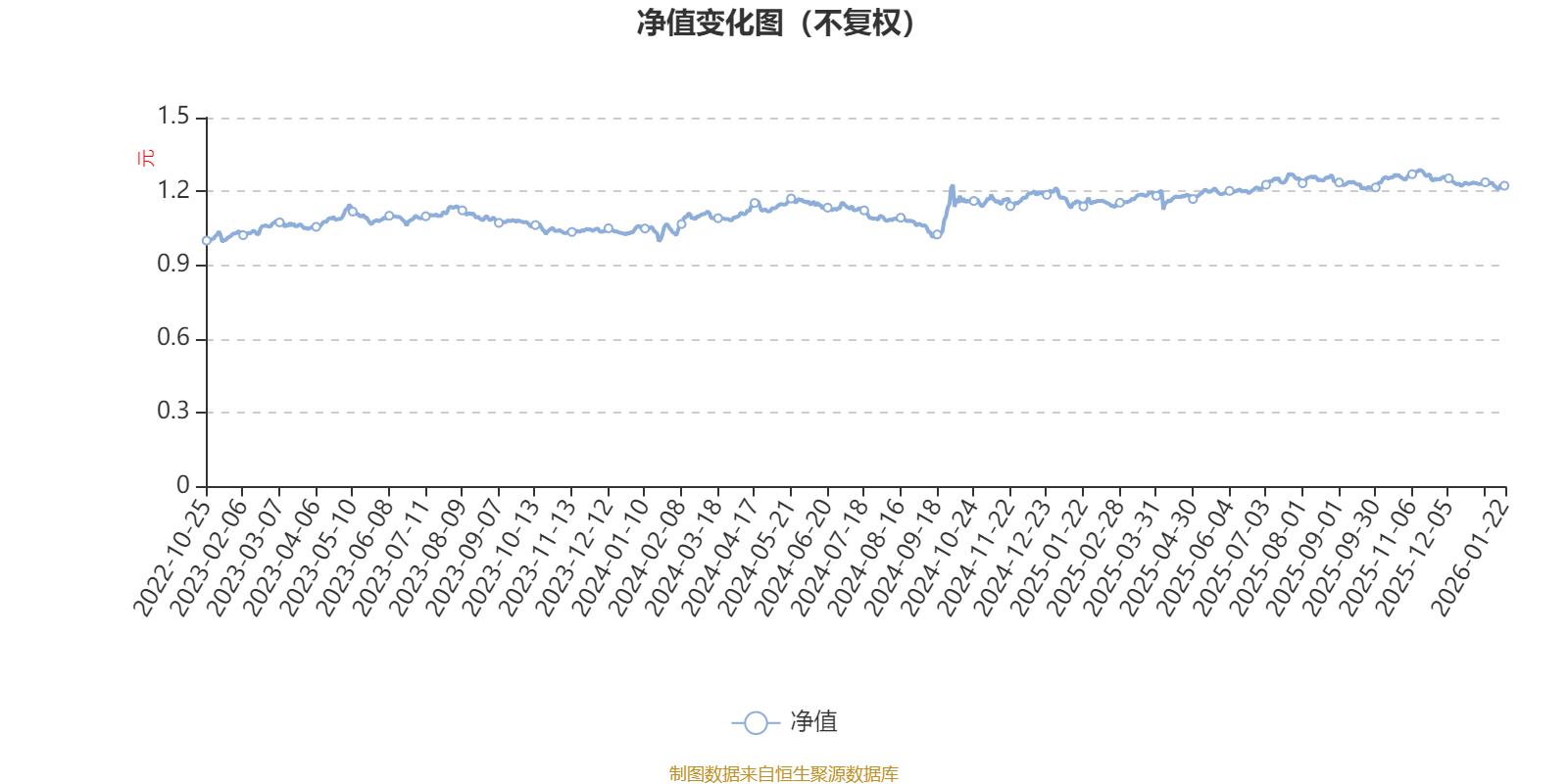
中信建投红利智选混合A:2025年第四季度利润74.46万元 净值增长率1.12%
Sou Hu Cai Jing· 2026-01-23 11:36
Core Viewpoint - The AI Fund, CITIC Securities Dividend Smart Selection Mixed A (016774), reported a profit of 744,600 yuan for Q4 2025, with a weighted average profit per fund share of 0.0216 yuan, and a net value growth rate of 1.12% for the period [4]. Fund Performance - As of January 22, the fund's unit net value was 1.223 yuan, with a total fund size of 30.8486 million yuan [4][16]. - The fund manager, Wang Peng, oversees 8 funds, with the highest one-year return of 47.34% for CITIC Securities CSI 1000 Index Enhanced A, while CITIC Securities Dividend Smart Selection Mixed A had the lowest at 7.38% [4]. Market Outlook - The fund management anticipates a transition from "repair-type growth" to "high-quality growth" in the Chinese economy, with increasing internal momentum [5]. - Key sectors expected to drive growth include artificial intelligence, high-end manufacturing, biotechnology, and advanced materials, supported by policy and industry developments [5]. - Consumer-related sectors are projected to experience moderate recovery due to improving income expectations and ongoing policy support, favoring companies with strong brand power and stable cash flow [5]. Fund Metrics - As of January 22, the fund's performance metrics include a three-month return of -2.74%, a six-month return of -3.82%, a one-year return of 7.38%, and a three-year return of 19.12%, ranking it within the respective peer groups [5]. - The fund's Sharpe ratio over the past three years is 0.6169, ranking 120 out of 383 comparable funds [10]. - The maximum drawdown over the past three years is 13.44%, with the largest quarterly drawdown occurring in Q3 2024 at 12.16% [12]. Investment Strategy - The fund maintained an average stock position of 89.82% over the past three years, with a peak of 93.32% at the end of Q1 2025 and a low of 67.38% at the end of 2022 [15]. - The top holdings of the fund include COFCO Sugar, Nanjing Bank, China Ping An, Agricultural Bank of China, Gree Electric Appliances, China Petroleum, China Construction Bank, Fuanna, Bank of Communications, and China Shenhua Energy [19].

2025年社会消费品零售总额突破五十万亿元
Ren Min Ri Bao· 2026-01-23 10:04
Group 1 - The core viewpoint of the articles indicates that by 2025, the total retail sales of social consumer goods are projected to reach 50.1 trillion yuan, with a growth rate of 3.7% [1] - Retail sales of goods are expected to grow by 3.8%, while catering revenue is anticipated to increase by 3.2% [1] - The contribution rate of final consumption expenditure to economic growth is expected to reach 52%, continuing to serve as a main engine for economic development [1] Group 2 - During the "14th Five-Year Plan" period, the total retail sales of social consumer goods have successively surpassed new milestones of 40 trillion, 45 trillion, and 50 trillion yuan [1] - The "old-for-new" policy is expected to drive retail sales of home appliances and communication equipment to exceed 1 trillion yuan each, setting historical highs [1] - The consumption potential is continuously being released, with over 129 million units of 12 categories of home appliances being replaced and over 9.1 million digital products being purchased in 2025 [1] Group 3 - The trend of consumption upgrading is evident, with sales of smart glasses, smartwatches, and smart bands increasing by over 40% [1] - The economic vitality is robust, with frequent launches of new products in the fields of smart connected vehicles and smartphones, and the rapid establishment of flagship stores for domestic and international brands [1] - The "IP + consumption" trend is thriving, with sales of movie derivatives during the summer season in 2025 expected to double year-on-year [1] Group 4 - The acceleration of industrial transformation and upgrading is being promoted by the "old-for-new" policy, effectively enhancing new productive forces [2] - The sales proportion of first-level energy efficiency or water efficiency products among the 12 categories of home appliances has reached over 90% [2] - There has been a significant increase in the variety of home appliance products, with 17.78 million new types added in 2025, representing a year-on-year growth of 28.89% [2]
和音:“五十万亿元”展现的中国大市场——解码数字里的“机遇清单”④
Ren Min Ri Bao· 2026-01-23 03:26
Group 1 - The core focus of the articles is on China's strategy to expand domestic demand, which is seen as essential for economic growth and stability, with a projected retail sales total exceeding 50 trillion yuan by 2025 [1][2] - Domestic demand has become the main driving force for China's economic growth, contributing an average of 93.1% to economic growth from 2013 to 2024, with final consumption expenditure expected to contribute 52% in 2025, an increase of 5 percentage points from the previous year [1][2] - The shift towards service consumption is notable, with service spending projected to account for 46.1% of per capita consumption in 2025, indicating a structural optimization in consumer behavior [1] Group 2 - China's consumer spending is currently at about 40%, with significant room for growth compared to developed countries, which presents a vast investment opportunity in new urbanization, technology industries, and improving livelihoods [2] - The implementation of policies such as the trade-in program for consumer goods is expected to benefit over 360 million people, showcasing the market's potential and the effectiveness of policy measures [2] - China aims to transition from being the "world's factory" to becoming a "world market," enhancing its role as a major consumer market, which will create new opportunities for global cooperation [2][3]
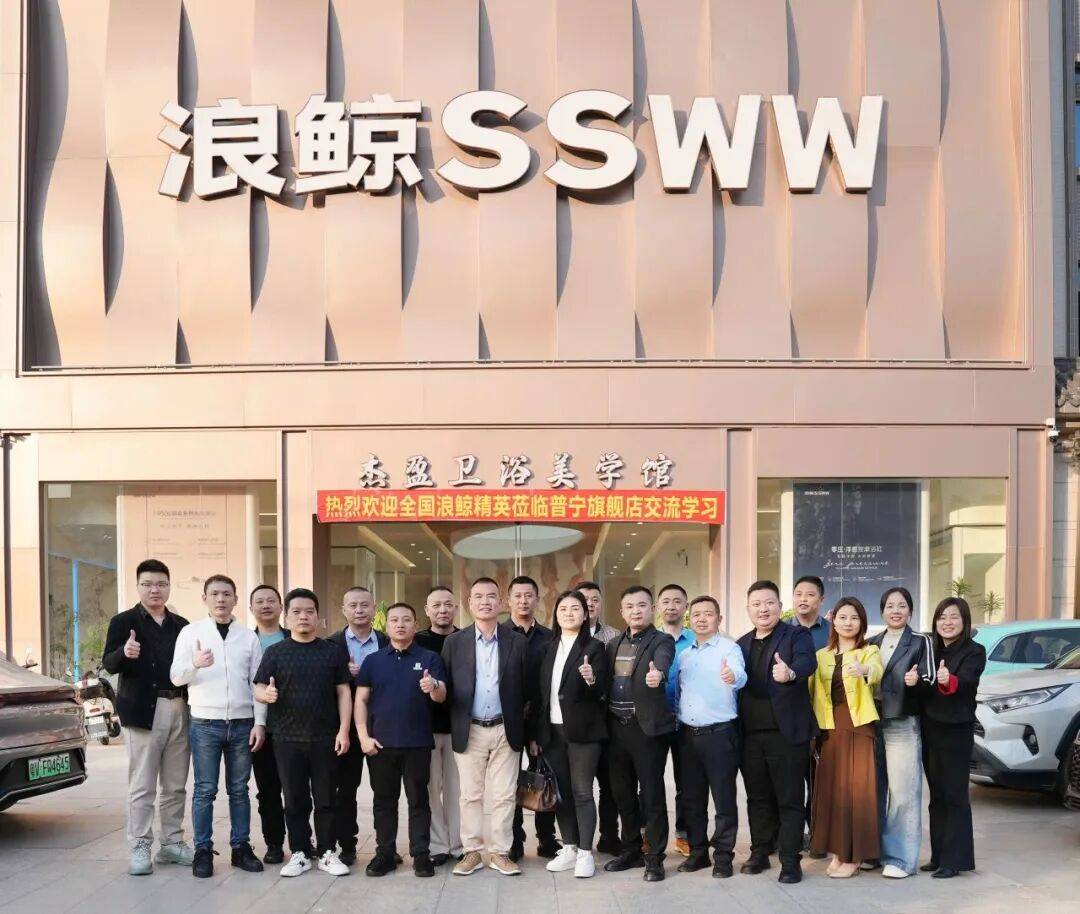
浪鲸卫浴董事长霍成基走访终端门店 推动门店高质量发展
Sou Hu Cai Jing· 2026-01-23 03:15
Core Insights - The company is focusing on enhancing consumer experience and optimizing product display in its new flagship store to drive high-quality brand development [1][3][4] Group 1: Market Strategy - The chairman emphasized the importance of understanding consumer needs and pain points during discussions with dealers and store managers [3][4] - The company aims to provide high-quality, personalized bathroom solutions while enhancing pre-sale, in-sale, and after-sale service systems to build consumer trust [4][12] Group 2: New Store Concept - The newly opened flagship store in Guangdong Puning features a 350 square meter space that redefines bathroom experience through modern aesthetics and smart technology [7] - The store layout includes experiential design and scenario-based displays, showcasing a variety of products such as smart toilets and bathroom cabinets, catering to every detail of bathroom renovation [7][9] Group 3: Consumer Experience - The store offers a unique shopping experience that combines shopping, relaxation, and immersive consumption, allowing consumers to visualize their ideal bathroom setup [9][12] - The design encourages consumers to engage with products and enjoy a comfortable shopping environment, reflecting the company's commitment to quality and customer satisfaction [9][12] Group 4: Strategic Collaboration - The visit reinforced strategic collaboration with dealers, providing critical decision-making insights for market positioning by 2026 [12] - The company is actively exploring new marketing models and service experiences to adapt to industry changes and achieve breakthroughs [12]
去年全省经济运行总体平稳
Liao Ning Ri Bao· 2026-01-23 01:25
Economic Overview - The province's GDP for the year reached 33,182.9 billion yuan, reflecting a growth of 3.7% compared to the previous year at constant prices [1] - The primary industry added value was 2,763.0 billion yuan, growing by 3.4%; the secondary industry added value was 11,027.6 billion yuan, with a growth of 0.7%; and the tertiary industry added value was 19,392.4 billion yuan, increasing by 5.2% [1] Agricultural Sector - Agricultural production showed stable growth, with grain output reaching a record high of 25,778 million tons, marking a 3.1% increase, the highest growth rate among major grain-producing provinces [1] Industrial Sector - The province's industrial added value for large-scale industries grew by 0.6% year-on-year, with high-tech manufacturing increasing by 2.6% [2] - The mining industry saw a significant growth of 5.4% [2] - Among 40 industrial categories, 19 experienced growth, resulting in a growth coverage of 47.5% [2] - Notable product increases included civil steel ship production up by 74.6%, transformer production up by 39.2%, and new energy vehicle production up by 31.7% [2] Service Sector - The service sector's added value grew by 5.2% year-on-year, with wholesale and retail, and accommodation and catering sectors increasing by 3.2% and 4.9% respectively [2] - Transportation services also saw growth, with cargo turnover increasing by 2.8% and passenger turnover by 3.5% [2] - From January to November, revenue in software and IT services, handling and storage, and cultural, sports, and entertainment sectors grew by 5.9%, 4.5%, and 4.3% respectively [2] - Postal business volume increased by 18.1%, and telecommunications business volume grew by 10.7% [2] Consumer Market - The total retail sales of social consumer goods reached 10,371.3 billion yuan, reflecting a growth of 1.4% compared to the previous year [2] Investment and Income - Fixed asset investment decreased by 19.0% year-on-year, while investment in high-tech manufacturing grew by 1.6% [3] - General public budget revenue reached 2,918.2 billion yuan, a 0.4% increase from the previous year [3] - Per capita disposable income for residents was 41,703 yuan, growing by 4.7%, with urban residents' income increasing by 4.3% and rural residents' income by 5.3% [3]
国内商品期市收盘多数上涨,化工品涨幅居前
Zhong Xin Qi Huo· 2026-01-23 01:15
Report Industry Investment Rating - No information provided in the report Core Viewpoints - On January 22, 2026, most domestic commodity futures markets closed higher, with chemicals leading the gains [14]. - The US economy maintains a "slight to moderate" expansion, inflation continues to cool, and consumption shows a "K-shaped" characteristic [14]. - In 2025, China's consumer market scale exceeded 50 trillion yuan, with service retail sales growing faster. In 2026, consumption is expected to grow steadily [14]. - In the short term, risk assets may continue to adjust, but in the medium term, it is recommended to go long on stock indices, non - ferrous metals, gold, and silver [14]. Summary by Directory Financial Market Fluctuations - **Stock Index Futures**: On January 22, 2026, the CSI 300 futures price was 4719.4, down 0.26; the SSE 50 futures price was 3061.2, down 0.61; the CSI 500 futures price was 8400, up 0.25; the CSI 1000 futures price was 8292.6, up 0.56 [3]. - **Treasury Bond Futures**: The 2 - year treasury bond futures price was 102.408, down 0.02; the 5 - year was 105.835, down 0.04; the 10 - year was 108.15, down 0.04; the 30 - year was 112.17, down 0.03 [3]. - **Foreign Exchange**: The US dollar index was 98.7693, up 0.23; the US dollar central parity rate was 6.9646, down 57 pips [3]. - **Interest Rates**: The 7 - day inter - bank pledged repo rate was 1.4952%, up 0.04%; the 10 - year Chinese treasury bond yield was 1.8312%, down 0.14 bp; the 10 - year US treasury bond yield was 4.26%, down 4 bp [3]. Popular Industry Fluctuations - On January 22, 2026, industries such as national defense and military industry, steel, and petroleum and petrochemicals had relatively large daily increases, while industries such as food and beverage, non - bank finance, and banking had declines [6]. Overseas Commodity Fluctuations - **Energy**: On January 21, 2026, NYMEX WTI crude oil was at $59.52, up 0.3%; ICE Brent crude was at $64.62, up 0.67%; NYMEX natural gas was at $3.891, up 25.39%; ICE UK natural gas was at $105.29, up 12.07% [9]. - **Precious Metals**: COMEX gold was at $4769.1, up 3.78%; COMEX silver was at $94.46, up 6.69% [9]. - **Non - ferrous Metals**: LME copper was at $12810, up 0.44%; LME aluminum was at $3115, up 0.24%; LME zinc was at $3175, up 0.06% [9]. - **Agricultural Products**: CBOT soybeans were at $1053, down 0.45%; CBOT soybean oil was at $54.05, up 2.83%; CBOT corn was at $424, down 0.18% [9]. Domestic Commodity Fluctuations - On January 22, 2026, most domestic commodities rose. Chemicals, new energy materials, non - metal building materials, energy products, etc. all had increases, while precious metals had declines [14]. Macro Summary - **Today's Market**: Domestic commodity futures markets closed mostly higher, with chemicals leading the gains [14]. - **Overseas Macro**: The US economy maintains a "slight to moderate" expansion, inflation cools, and consumption shows a "K - shaped" characteristic. Attention should be paid to upcoming GDP and inflation data [14]. - **Domestic Macro**: In 2025, China's consumer market scale exceeded 50 trillion yuan, and in 2026, consumption is expected to grow steadily [14]. - **Asset Views**: The scenario of no interest rate cut in January is basically confirmed, and the first interest rate cut by the Fed within the year is expected to be postponed to June. Short - term risk assets may adjust, while in the medium - term, it is recommended to go long on certain assets [14]. Viewpoint Highlights - **Financial**: Stock markets continue to wait for the main line, and bond markets still have disturbing factors. The short - term judgments for stock index futures, index options, and treasury bond futures are oscillatory rise, oscillation, and oscillation respectively [15]. - **Precious Metals**: After oscillatory adjustment, they maintain an upward trend. Gold and silver are expected to rise oscillatory [15]. - **Shipping**: Pay attention to the resumption of voyages in the far - month. The short - term judgment for the container shipping European line is oscillation [15]. - **Black Building Materials**: Fundamentals are lackluster. Most varieties are expected to oscillate [15]. - **Non - ferrous Metals and New Materials**: Wait for the macro - situation to become clearer. Base metals are oscillating and consolidating. Some varieties are expected to rise oscillatory, while others are expected to oscillate [15]. - **Energy and Chemicals**: The trade tension eases slightly, but the supply - demand pattern is still under pressure. Most varieties are expected to oscillate [17]. - **Agriculture**: Sentiment warms up but trends diverge. Some varieties are expected to rise oscillatory, while others are expected to oscillate or decline oscillatory [17].
2026年,消费没有新故事?
虎嗅APP· 2026-01-22 23:59
Core Insights - The consumption market is undergoing a silent value reconstruction, characterized by both extreme "consumption downgrade" and sporadic "hotspot-style frenzy" [3][4] - Consumers are increasingly focused on practical value and emotional satisfaction, leading to a polarization in consumer personas [3][4] - The market is shifting towards a model where brands must provide genuine value rather than empty narratives, reflecting a collective negotiation between consumers and brands [4] Group 1: Market Trends - The year 2025 saw a significant increase in the popularity of second-hand platforms and discount supermarkets, indicating a shift towards practical consumption [3] - Despite some brands facing challenges, others like Mijia Ice City and Pop Mart have thrived, showcasing resilience in the market [4][5] - The trend of "not raising prices while upgrading consumption" is emerging as a key strategy for brands to navigate the current market environment [12] Group 2: Consumer Behavior - Consumers are now more discerning, focusing on the emotional value of products rather than just price, leading to a demand for higher quality and better experiences [40][41] - The rise of "K-shaped differentiation" in consumption indicates that while some sectors struggle, others are innovating and capturing market share [22] - The importance of emotional value in non-essential purchases, such as toys, is becoming more pronounced, as consumers seek joy and connection through their purchases [48][50] Group 3: Company Strategies - Companies are increasingly adopting a "four-dimensional warrior" approach, focusing on product upgrades, price optimization, user experience, and emotional connection with consumers [12][14] - The emphasis on localizing operations and decision-making is crucial for foreign brands to succeed in the Chinese market, as seen with companies like Bimbo [58][59] - Brands are encouraged to focus on core competencies and avoid unnecessary cost-cutting that could compromise product quality [42][44] Group 4: Future Outlook - The next few years are expected to see a continued emphasis on understanding and meeting diverse consumer needs, with a focus on value-driven products [60][61] - The market is likely to witness the emergence of new brands that prioritize consumer insights and long-term value creation [52][53] - The evolving landscape suggests that brands must adapt to changing consumer preferences and leverage emotional connections to thrive in a competitive environment [49][50]