
货币政策宽松

Search documents
固定收益定期:震荡市的前景和可能的突破方向
GOLDEN SUN SECURITIES· 2025-04-27 11:25
Report Industry Investment Rating No relevant content provided. Core View of the Report - The bond market may evolve in a volatile manner but is more likely to break downward. Long - term bonds are more cost - effective, and it is recommended to maintain a duration above neutral. The bond market has been volatile in the past two weeks due to weak fundamentals constraining interest rate increases and high short - term interest rates constraining decreases. In the future, monetary easing is the general trend, and the supply pressure of government bonds in the second quarter is similar to that in the first quarter. Interest rates are unlikely to break upward significantly, and there is a possibility of a downward break driven by fundamental data [6][23]. Summary by Related Content Current Bond Market Situation - This week, the bond market continued its volatile pattern, with limited changes in interest rates across all tenors. The 10 - year and 30 - year Treasury bond rates rose slightly by 1.1bps and 2.3bps to 1.66% and 1.93% respectively. The money market continued to ease, and the certificate of deposit (CD) rate remained flat at 1.76%. The credit bond interest rate also increased slightly. The bond market has been in a narrow - range volatile stage for two consecutive weeks, with the 10 - year Treasury bond fluctuating narrowly around 1.63% - 1.67% [1][9]. Factors Constraining Interest Rate Movements Constraints on Interest Rate Increases - Fundamental pressures have constrained the upward space of interest rates. Due to trade conflicts, external demand risks have increased, and domestic demand has also shown signs of weakening. High - frequency data has weakened since April, and indicators such as EPMI and BCI have declined. However, the slowdown in high - frequency data and sentiment indices is relatively gentle, and the short - term support for interest rate decreases from the fundamentals is insufficient [2][10]. Constraints on Interest Rate Decreases - High short - term interest rates and the non - implementation of loose monetary policy have constrained the downward space of interest rates. After the intensification of external shocks, the market once expected rapid implementation of loose monetary policy, but subsequent policies were more passive and cooperative. The 2 - year Treasury bond rate first dropped rapidly and then rebounded, and the spread between 10 - year and 2 - year Treasury bonds has narrowed to the lowest level in recent years, reflecting a decline in the market's short - term expectation of monetary easing [3][11]. Breakout Directions of Interest Rates Limited Upward Breakout Possibility - Interest rate constraints mainly come from short - term interest rates. Although monetary policy is currently passive, it does not mean that it will not be loose. The Politburo meeting emphasized moderately loose monetary policy. The money market center has shifted downward, and the CD rate has remained stable. The spread between CDs and Treasury bonds has narrowed, limiting the upward space of short - term Treasury bonds and the pressure on the overall interest rate curve. From the perspective of bond supply, the pressure in the second quarter is only slightly higher than that in the first quarter, with estimated net local bond financing of 4.4 trillion yuan in the second quarter, compared with 4.1 trillion yuan in the first quarter [4][13][15]. Possibility of Downward Breakout - With changes in the fundamentals, there is a possibility of an interest rate downward breakout, with fundamental data being the core concern. In April, industrial product prices declined significantly, indicating a further decline in the PPI year - on - year. Falling prices will lead to a relatively certain decline in nominal interest rates. Although high - frequency economic indicators show a slowdown in economic volume, the extent has not significantly exceeded expectations. The overall impact amplitude needs to be determined by subsequent fundamental data. If the fundamental pressure is large enough, reserve policies, including monetary policy, will be introduced, leading to a downward breakout of interest rates [5][18]. Investment Strategy - It is recommended to maintain a duration above neutral. Since the probability of an interest rate downward breakout is higher, long - term bonds are still advantageous, and long - term interest rates are expected to reach new lows [6][23].
西南期货早间评论-20250425
Xi Nan Qi Huo· 2025-04-25 02:20
2025 年 4 月 25 日星期五 地址: 电话: 重庆市江北区金沙门路 32 号 23 层; 023-67070250 上海市浦东新区向城路 288 号 1101A; 021-61101856 1 市场有风险 投资需谨慎 | 尿素: | | 11 | | --- | --- | --- | | 对二甲苯 | PX: | 11 | | PTA: | | 12 | | 乙二醇: | | 12 | | 短纤: | | 13 | | 瓶片: | | 13 | | 纯碱: | | 13 | | 玻璃: | | 14 | | 烧碱: | | 14 | | 纸浆: | | 15 | | 碳酸锂: | | 15 | | 铜: | | 16 | | --- | --- | --- | | 锡: | | 16 | | 镍: | | 17 | | 工业硅/多晶硅: | | 17 | | 豆油、豆粕: | | 17 | | 棕榈油: | | 18 | | 菜粕、菜油: | | 19 | | 棉花: | | 19 | | 白糖: | | 20 | | 苹果: | | 21 | | 生猪: | | 22 | | 鸡蛋: | | 22 ...
西南期货早间评论-20250424
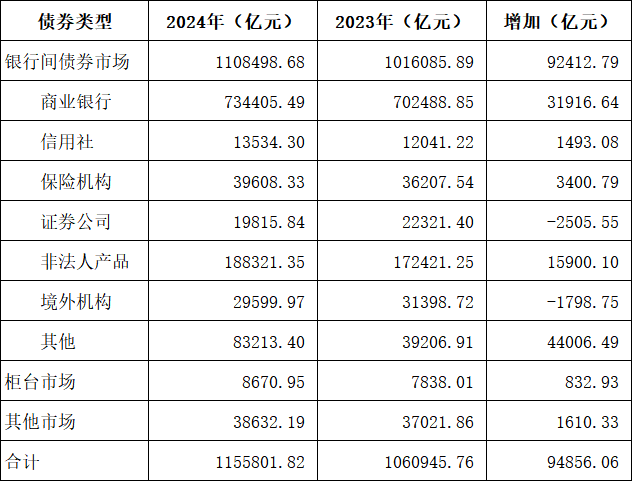
Xi Nan Qi Huo· 2025-04-24 02:57
Report Industry Investment Ratings There is no information indicating the overall industry investment ratings in the report. Core Views - The external environment is favorable for Treasury bond futures, but considering the relatively low current Treasury bond yields and China's economic recovery potential, it is recommended to maintain a certain degree of caution [6]. - It is not advisable to be overly bearish on China's equity market. After event shocks, China's economy and assets will still operate according to their own laws, and the long - term performance of Chinese equity assets is still optimistic [10]. - The long - term value of gold is still promising. It is advisable to temporarily take profit on previous long positions and wait for opportunities to go long [14]. - For various commodities, different trading strategies are proposed based on their supply - demand fundamentals, valuation, and technical aspects, such as short - term trading, waiting for opportunities, or temporary observation in the face of complex market conditions. Summary by Category Treasury Bonds - **Performance**: On the previous trading day, Treasury bond futures closed down across the board, with the 30 - year, 10 - year, 5 - year, and 2 - year主力 contracts down 0.40%, 0.17%, 0.13%, and 0.04% respectively [5]. - **Analysis**: The external environment is favorable, but yields are low. China's economy shows a stable recovery trend, so it is recommended to be cautious. It is expected that the volatility will increase [6][7]. Stock Index Futures - **Performance**: On the previous trading day, stock index futures showed mixed results. The CSI 300, SSE 50, and CSI 500 futures主力 contracts were down 0.16%, 0.53%, and 0.04% respectively, while the CSI 1000 futures主力 contract was up 0.65% [8]. - **Analysis**: Although the current domestic economy is stable, tariffs disrupt the recovery rhythm. However, due to low domestic asset valuations and policy hedging space, it is not advisable to be overly bearish on the Chinese equity market. The long - term performance of Chinese equity assets is still optimistic [10]. Precious Metals - **Performance**: On the previous trading day, the gold主力 contract closed at 784.28, down 5.67%, and the silver主力 contract closed at 8,199, up 0.31% [12]. - **Analysis**: The long - term value of gold is still promising. Temporarily take profit on previous long positions and wait for opportunities to go long [14]. Steel Products (Ribbed Bars, Hot - Rolled Coils) - **Performance**: On the previous trading day, ribbed bar and hot - rolled coil futures rebounded slightly. The spot prices of billets, ribbed bars, and hot - rolled coils are in specific ranges [16]. - **Analysis**: The downward trend of the real estate industry suppresses prices, but short - term seasonal demand may support prices. The valuation is low, and there is support at the previous low. Investors can focus on shorting opportunities on rebounds and pay attention to position management [16]. Iron Ore - **Performance**: On the previous trading day, iron ore futures rebounded significantly. The spot prices of PB powder and super - special powder are given [18]. - **Analysis**: The increase in demand and the decrease in supply support prices. The valuation is relatively high in the black series. Investors can focus on buying at low levels and take profit on rebounds [18]. Coking Coal and Coke - **Performance**: On the previous trading day, coking coal and coke futures rebounded sharply [21]. - **Analysis**: The supply of coking coal is loose, and the demand for coke has improved. The spot price increase is limited. There are signs of a stop - fall. Investors can focus on shorting opportunities on rebounds [21]. Ferroalloys - **Performance**: On the previous trading day, the manganese - silicon主力 contract rose 0.82%, and the silicon - iron主力 contract rose 0.32%. The spot prices are stable [23]. - **Analysis**: The demand for ferroalloys is weak, and the supply is still high. The supply - demand imbalance is gradually improving. Consider opportunities for out - of - the - money call options on manganese - silicon and short - covering opportunities for silicon - iron [24]. Crude Oil - **Performance**: On the previous trading day, INE crude oil rose significantly [25]. - **Analysis**: The macro - level changes are large, and the geopolitical risks are high. The resistance of Brent crude at $70 is strong. It is recommended to temporarily observe [26][27]. Fuel Oil - **Performance**: On the previous trading day, fuel oil rose significantly, following crude oil [28]. - **Analysis**: The macro - level changes are large, and the cost of crude oil drives the price up. The supply of high - sulfur fuel oil is expected to be tight, and the trend is expected to be volatile and bullish. It is recommended to temporarily observe [28][29]. Synthetic Rubber - **Performance**: On the previous trading day, the synthetic rubber主力 contract rose 2.96%, and the mainstream price in Shandong was stable [30]. - **Analysis**: The supply pressure persists, and the demand improvement is limited. It is expected to maintain a weak and volatile trend [30][32]. Natural Rubber - **Performance**: On the previous trading day, the natural rubber主力 contract and 20 - rubber主力 contract rose slightly, and the Shanghai spot price increased [33]. - **Analysis**: The global supply is expected to increase, and the demand is affected by tariffs. It is expected to maintain a weak and volatile trend [33][34]. PVC - **Performance**: On the previous trading day, the PVC主力 contract rose 0.60%, and the spot price was basically stable [35]. - **Analysis**: The supply pressure eases marginally, and the demand recovers weakly. The market is expected to be volatile [35]. Urea - **Performance**: On the previous trading day, the urea主力 contract fell 0.56%, and the price in Shandong Linyi decreased [38]. - **Analysis**: The agricultural demand is off - season, the new production capacity is released, and the inventory increases. It is expected to be weak in the short term [38][39]. PX - **Performance**: On the previous trading day, the PX2509主力 contract rose 2.91%, and the spreads decreased [40]. - **Analysis**: The PX devices are under maintenance, the downstream PTA starts to decline, and the cost support is enhanced. It is expected to adjust with the cost and operate cautiously [40][41]. PTA - **Performance**: On the previous trading day, the PTA2509主力 contract rose 2.51%, and the price in the East China market is given [42]. - **Analysis**: The supply and demand fundamentals have little contradiction, and the external crude oil price strengthens. It is expected to run volatilely and operate following the cost [42]. Ethylene Glycol - **Performance**: On the previous trading day, the ethylene glycol主力 contract rose 1.27%, and the price in the East China market is given [43]. - **Analysis**: The coal - based devices are under maintenance, the supply is reduced, but the high inventory limits the rebound. It is expected to run at the bottom and operate cautiously [43][45]. Short - Fiber - **Performance**: On the previous trading day, the short - fiber 2506主力 contract rose 1.94% [46]. - **Analysis**: The downstream demand is weak, and the cost support is improved. It is expected to adjust with the cost and operate cautiously [46]. Bottle Chips - **Performance**: On the previous trading day, the bottle - chip 2506主力 contract rose 1.68% [47]. - **Analysis**: The raw material price recovers, and the supply - demand fundamentals improve slightly. It is expected to run with the cost and pay attention to cost changes [47]. Soda Ash - **Performance**: On the previous trading day, the 2509主力 contract of soda ash closed at 1373 yuan/ton, up 3.39% [48]. - **Analysis**: The supply is high, the new orders are average, and the downstream procurement is not active. It is expected to remain weak in the short term [49]. Glass - **Performance**: On the previous trading day, the 2509主力 contract of glass closed at 1154 yuan/ton, up 2.21% [50]. - **Analysis**: The production line is at a low level, the inventory changes little, and the market sentiment is weak due to tariff impacts [50]. Caustic Soda - **Performance**: On the previous trading day, the 2509主力 contract of caustic soda closed at 2496 yuan/ton, up 0.65% [51]. - **Analysis**: Some large - scale devices are under maintenance, and the profit improves. The alumina has limited positive drivers, and the market turns weak again [52]. Pulp - **Performance**: On the previous trading day, the 2507主力 contract of pulp closed at 5402 yuan/ton, up 0.93% [53]. - **Analysis**: The inventory accumulates slightly, the downstream starts vary, and the market is affected by tariff news. It is expected to be volatile at a low level [53]. Lithium Carbonate - **Performance**: On the previous trading day, the lithium carbonate主力 contract rose 1.14% to 68980 yuan/ton [54]. - **Analysis**: The macro - events affect the market, the supply is high, the demand is weak, and the inventory accumulates. It is expected to run weakly [54][55]. Copper - **Performance**: On the previous trading day, Shanghai copper oscillated upwards [56]. - **Analysis**: The Sino - US tariffs are expected to be reduced, and the copper price is expected to be bullish. It is recommended to take long positions [56][57]. Tin - **Performance**: On the previous trading day, tin rose 1.11% to 261480 yuan/ton [58]. - **Analysis**: The tin price fluctuates due to tariffs. The supply and demand factors are intertwined. It is expected to run volatilely, and control risks in the short term [58][59]. Nickel - **Performance**: On the previous trading day, the nickel price fell 0.55% to 125120 yuan/ton [60]. - **Analysis**: The market sentiment is pessimistic due to tariffs. The supply is tightened, and the cost is supported, but the demand is weak. It is recommended to control risks and observe cautiously [60]. Industrial Silicon/Polysilicon - **Performance**: On the previous trading day, the industrial silicon and polysilicon futures fell significantly, and the spot prices decreased [61]. - **Analysis**: The fundamentals are weak, and it is recommended to short at high levels on rebounds [61][62]. Soybean Oil and Soybean Meal - **Performance**: On the previous trading day, the soybean meal main contract was flat, and the soybean oil main contract rose 1.19%. The spot prices increased [63]. - **Analysis**: The trade concerns ease, the supply is loose, and the demand is expected to increase slightly. Observe for soybean meal and consider out - of - the - money call options for soybean oil [63][64]. Palm Oil - **Performance**: The Malaysian palm oil closed up, and the domestic import volume increased in March [65]. - **Analysis**: It is recommended to temporarily observe [67]. Rapeseed Meal and Rapeseed Oil - **Performance**: The Canadian rapeseed rose for the second consecutive day. The domestic import volume of rapeseed oil increased, while that of rapeseed and rapeseed meal decreased in March [68]. - **Analysis**: Consider the opportunity to expand the spread between soybean and rapeseed products [69]. Cotton - **Performance**: On the previous trading day, domestic Zhengzhou cotton rebounded slightly, and the external cotton rose overnight [70]. - **Analysis**: The tariffs affect the demand, and the domestic downstream demand is weak. It is recommended to short at high levels on rebounds for the far - month contracts [72][73]. Sugar - **Performance**: On the previous trading day, domestic Zhengzhou sugar fell slightly, and the external raw sugar fell slightly [74]. - **Analysis**: The international raw sugar is affected by multiple factors, and the domestic supply pressure is not large. It is recommended to observe [76][77]. Apples - **Performance**: On the previous trading day, domestic apple futures oscillated at a high level [78]. - **Analysis**: The inventory is low, the consumption is good, and the spot price is strong. It is recommended to go long at low levels after corrections [78][80]. Live Pigs - **Performance**: The national average price of live pigs was flat. The futures主力 contract fell 0.93% [81][82]. - **Analysis**: The group - farmed pigs' planned output in April has limited increase, and the consumption is in the off - season. The spot price may be supported in the short term, and the far - month contracts may be affected by cost expectations [82]. Eggs - **Performance**: The average price of eggs in the main production and sales areas was flat. The cost and profit are in a narrow - range oscillation [83]. - **Analysis**: The supply of eggs is expected to increase in April, and the consumption is in the off - season. Consider the opportunity for reverse spreads [83][84]. Corn - **Performance**: On the previous trading day, the corn主力 contract rose 0.35%. The spot prices in the north and south ports are given [85]. - **Analysis**: The domestic corn supply surplus eases, and the demand increases slightly. The short - term supply pressure exists. It is recommended to observe [85][86]. Logs - **Performance**: On the previous trading day, the 2507主力 contract of logs closed at 798.5 yuan/ton, down 0.13% [87]. - **Analysis**: The tropical cyclone affects the shipment, and the spot price is weak. The inventory is relatively neutral, and the real - estate demand is weak [87].
贸易战冲击下,欧洲央行誓将宽松进行到底!
Hua Er Jie Jian Wen· 2025-04-22 08:47
关税冲击下,欧洲央行(ECB)货币政策已经明显转向鸽派,市场预期6月及以后将继续降息。 近日,花旗和美银美林均发布了关于欧洲央行最新政策会议的报告,两家机构都认为欧洲央行的政策立 场转向鸽派,预计将进一步降息以应对经济增长和通胀的下行风险。 花旗认为欧洲央行不仅一如预期降息25个基点,更重要的是确认了政策讨论已从"货币政策 是否限制性"转向"是否需要宽松"。预计6月及以后需要进一步降息。 美银美林同样认为,25个基点的降息和鸽派基调表明,欧洲央行已为必要时进入宽松领域做 好准备。预计欧洲央行将存款机制利率降至1.5%甚至以下。 华尔街见闻此前提及,欧洲央行4月17日宣布最新利率决议,如期降息25个基点,将存款机制利率从 2.5%下调至2.25%,为自去年6月以来第七次下调利率。欧洲央行官员在声明中就货币政策立场删除 了"限制性"一词。 花旗:从限制性到宽松 花旗报告强调,欧洲央行的沟通表明,政策讨论的重心已经从"货币政策是否需要维持限制性"转向 了"是否需要转向宽松"。 报告指出,评估货币政策是否限制性的讨论已不再是政策决策的相关参考,这与花旗之前的论点一致, 即面对新冲击,应关注利率路径相对于之前假设的变化 ...
A股放量大涨,成交额突破万亿大关,背后原因找到了
Jin Rong Jie· 2025-04-21 08:43
今日A股市场延续反弹态势,三大指数全线上涨,沪深两市成交额突破万亿大关,达10414亿元,较上 周五显著放量1267亿。其中,创业板指表现最为亮眼,涨幅达1.59%,深证成指紧随其后上涨1.27%, 沪指温和上涨0.45%,收报3291.43点。市场做多氛围明显回暖,赚钱效应显著提升。 货币政策宽松预期升温,市场流动性有望改善 银河证券认为,内外兼顾下,中国货币政策将在二季度从宽松的序曲渐进走向实质性宽松,配合财政政 策协同发力。4月中央政治局会议前后或将迎来降准,5月或6月有望实施降息。政策重心将转向促进经 济增长和充分就业,这将为A股市场注入新的流动性支持。货币政策工具的结构性调整,有望为市场带 来更多增量资金,提振投资者信心。 黄金板块领涨,避险需求持续升温 中信证券研报指出,特朗普关税政策出台引发的流动性危机是此前黄金价格大幅下行的原因。地缘政治 扰动催化全球央行及市场的黄金需求。特朗普政府后续的举动仍有极大不确定性,黄金价格仍可能波动 较大,但特朗普政府对美元体系的信用损伤是不可逆的,这将使得黄金的货币属性加强,价格中枢上 行。中性假设条件下预期2025年年中金价有望达到3337美元/盎司,在乐观和 ...
深度 | 汇率是货币宽松的掣肘么?【陈兴团队·财通宏观】
陈兴宏观研究· 2025-04-21 08:07
核 心 观 点 近日,在对等关税政策超预期的冲击下,人民币汇率快速贬值,国内债市也涨回年初水平。那么,汇率对 于利率究竟有何影响?更进一步地,人民币汇率贬值会制约央行货币政策宽松么? 汇率对利率有影响么? 汇率和利率本质上并不存在直接的推导关系,历史上 人民币汇率和10年期国债利率多 数时候呈反向关系,即汇率贬值时期往往债市走牛的概率较高。 不过,汇率贬值和利率下行并不一定同时出 现, 短周期内汇率和利率呈正向关系的情况也曾出现过, 持续时间大多都在一个季度以内,汇率和利率很快 仍将回归反向变动,一般出现在汇率和利率反映的经济预期分化或中美关系变化等背景下。根本上,国内利率 水平与货币政策操作密切相关,是对国内经济基本面变化的反映,而汇率仅阶段性影响货币政策节奏,不至于 扭转市场利率的走势。 汇率是货币宽松的掣肘么? 回顾历史上的三轮人民币贬值周期,央行货币宽松并未暂停。相较于降息直接带 来资本外流而言,降准对汇率的影响相对中性,故在历次贬值周期内,央行对于降息更为谨慎。具体来看,央 行在两轮人民币走贬时期同时采取降准和降息,而在2018年至2019年的人民币贬值周期内,央行并未调降过政 策利率, 主要的区别 ...

早间评论-20250421
Xi Nan Qi Huo· 2025-04-21 06:00
Report Industry Investment Ratings No relevant content provided. Core Views - For Treasury bonds, expect increased volatility and remain cautious [6][7] - For stock indices, be optimistic about the long - term performance and wait for opportunities to go long [10][11] - For precious metals, the medium - to - long - term upward logic remains strong, and previous long positions can be held [12][13][14] - For rebar and hot - rolled coils, investors can look for short - selling opportunities on rebounds and participate with a light position [15][16] - For iron ore, investors can look for buying opportunities at low levels, and participate with a light position [17][18][19] - For coking coal and coke, investors can look for short - selling opportunities on rebounds and participate with a light position [20][21] - For ferroalloys, consider manganese silicon out - of - the - money call options at low levels and short - covering opportunities for silicon iron at the bottom, or consider out - of - the - money call options at low levels if there are large spot losses [22][23] - For crude oil, consider a long - biased operation on the main contract [24][25][26] - For fuel oil, consider a long - biased operation on the main contract [27][28][29] - For synthetic rubber, expect weak oscillations [30][31] - For natural rubber, expect weak oscillations [32][33] - For PVC, expect bottom oscillations [34][35][37] - For urea, expect short - term weakness [38][39] - For p - xylene (PX), expect low - level oscillations following the cost side, and operate with caution [40][41] - For PTA, expect bottom oscillations, and participate with caution [42] - For ethylene glycol, expect bottom oscillations, and participate with caution [43][44] - For staple fiber, expect bottom adjustments following the cost side, and participate with caution [45] - For bottle chips, expect low - level oscillations following the cost side, and pay attention to cost price changes [46][47] - For soda ash, expect short - term weakness [48] - For glass, expect a weak market sentiment [49] - For caustic soda, price fluctuations depend on supply - demand games, and beware of premature market movements [50][51] - For pulp, expect a weak and low - level repeated oscillation [52] - For lithium carbonate, expect a weak operation [53] - For copper, consider a long - biased operation on the main contract [54][55] - For tin, expect price oscillations, control risks in the short term, and wait for the release of risk sentiment [56] - For nickel, control risks in the short term, and wait for the macro sentiment to stabilize [57] - For industrial silicon and polysilicon, consider short - selling at high levels on rebounds [58][59][60] - For soybean oil and soybean meal, remain on the sidelines for soybean meal; for soybean oil, consider out - of - the - money call options at the bottom support range [61][62] - For palm oil, remain on the sidelines for now [63][64] - For rapeseed meal and rapeseed oil, consider the opportunity to widen the spread after the soybean - rapeseed spread narrows [65][66] - For cotton, wait to short sell the far - month contract at high prices after a rebound [67][68][69] - For sugar, remain on the sidelines [71][73][74] - For apples, consider going long at low prices after a pullback [76][77] - For live pigs, consider short - selling opportunities at high prices [78][79][80] - For eggs, wait for the release of the current market sentiment [81][82] - For corn, remain on the sidelines for now [83][84] - For logs, beware of a rapid decline if the reality is weaker than expected [85][86] Summary by Directory Treasury Bonds - The previous trading day saw a differentiated close of Treasury bond futures, with the 30 - year, 10 - year, 5 - year, and 2 - year main contracts having different price changes. The central bank conducted 250.5 billion yuan of 7 - day reverse repurchase operations, resulting in a net investment of 222 billion yuan [5] - The external environment is favorable for Treasury bond futures, but yields are relatively low. China's economy shows a stable recovery trend, and it is advisable to remain cautious [6] Stock Indices - The previous trading day saw slight oscillations in stock index futures, with different changes in the main contracts of various indices [8][9] - The first - quarter fiscal revenue decreased by 1.1% year - on - year, and expenditure increased by 4.2%. In March, total social power consumption increased by 4.8% year - on - year [9] - Although there are concerns about corporate profit growth and global recession, domestic asset valuations are low, and policies have hedging space. Be optimistic about the long - term performance of Chinese equity assets [10] Precious Metals - The previous trading day saw gold and silver main contracts with different price changes. The complex global trade and financial environment, potential monetary policy easing, and other factors are expected to drive up the price of gold [12] - Be optimistic about the long - term value of gold, and previous long positions can be held [13] Rebar and Hot - Rolled Coils - The previous trading day saw a slight correction in rebar and hot - rolled coil futures. The real - estate industry's downturn suppresses rebar prices, but the peak - season demand may provide short - term support. Hot - rolled coils may follow a similar trend. Steel prices are at a low valuation, and the downward space may be limited [15] Iron Ore - The previous trading day saw a slight correction in iron ore futures. The increase in iron ore demand and the decrease in imports and port inventory support the price. The valuation is relatively high among black - series products. Consider buying at low levels [17][18] Coking Coal and Coke - The previous trading day saw weak oscillations in coking coal and coke futures. The supply of coking coal is loose, and the transaction atmosphere has weakened. The shipment of coke has improved, but the possibility of further price increases is low. Consider short - selling on rebounds [20] Ferroalloys - The previous trading day saw slight declines in the main contracts of manganese silicon and silicon iron. The supply of manganese ore may be disturbed, and the demand for ferroalloys is weak while the supply is relatively high. Consider options opportunities based on different situations [22][23] Crude Oil - The previous trading day saw INE crude oil rise and then fall. Speculators increased their net long positions in US crude oil futures. The number of US oil and gas rigs decreased, and OPEC deepened its production - cut agreement. Consider a long - biased operation [24][25][26] Fuel Oil - The previous trading day saw fuel oil rise and then fall. Asian fuel oil demand is unlikely to increase sharply. The sales of marine fuel oil in the UAE's Fujairah Port recovered in March. Consider a long - biased operation as the market may be oscillating upward [27][28][29] Synthetic Rubber - The previous trading day saw a decline in the main contract of synthetic rubber. Supply pressure persists, demand improvement is limited, and it may maintain weak oscillations [30] Natural Rubber - The previous trading day saw different price changes in the main contracts of natural rubber and 20 - number rubber. Global supply is expected to increase, demand is affected by tariffs, and it may maintain weak oscillations [32] PVC - The previous trading day saw a decline in the main contract of PVC. Supply pressure eases marginally, demand recovers weakly, and it may oscillate at the bottom [34][35][37] Urea - The previous trading day saw an increase in the main contract of urea. In the short term, it may oscillate weakly. Agricultural demand is in a lull, and new production capacity is being released [38] P - Xylene (PX) - The previous trading day saw an increase in the PX2509 main contract. PX装置 maintenance and downstream PTA load reduction. It is expected to oscillate at a low level following the cost side [40][41] PTA - The previous trading day saw an increase in the PTA2509 main contract. Supply and demand fundamentals have few contradictions, and it may oscillate at the bottom [42] Ethylene Glycol - The previous trading day saw a decline in the main contract of ethylene glycol. Supply improves due to coal - based plant maintenance, but demand is weak. It is expected to oscillate at the bottom [43][44] Staple Fiber - The previous trading day saw a decline in the staple fiber 2506 main contract. Downstream demand is weak, and it may adjust at the bottom following the cost side [45] Bottle Chips - The previous trading day saw an increase in the bottle chips 2506 main contract. Raw material prices fluctuate, and it is expected to oscillate at a low level following the cost side [46][47] Soda Ash - The previous trading day saw a decline in the main 2509 contract of soda ash. Production and inventory are at high levels, and the market may remain weak in the short term [48] Glass - The previous trading day saw a significant decline in the main 2509 contract of glass. A production line changed its product type. Production lines are at a low level, and inventory changes little. The market sentiment is weak [49] Caustic Soda - The previous trading day saw a slight increase in the main 2505 contract of caustic soda. Production decreased last week, and demand has slightly improved. Price fluctuations depend on supply - demand games [50][51] Pulp - The previous trading day saw a decline in the main 2507 contract of pulp. Port inventory increased slightly, and downstream开工 rates varied. The market is expected to oscillate at a low level [52] Lithium Carbonate - The previous trading day saw a decline in the main contract of lithium carbonate. The trade tariff event affects demand, and supply remains high. It is expected to operate weakly [53] Copper - The previous trading day saw an upward oscillation in Shanghai copper. The price increased, and the spot market had limited supply. Consider a long - biased operation [54] Tin - The previous trading day saw an increase in tin prices. The Bisie tin mine may resume operation, and Indonesian mining costs have increased. Consumption data is good, and prices are expected to oscillate [56] Nickel - The previous trading day saw a decline in nickel prices. The US tariff event has a negative impact on the market. Supply is tightened, and cost support is strong, but demand may weaken in the off - season [57] Industrial Silicon and Polysilicon - The previous trading day saw a significant decline in the prices of industrial silicon and polysilicon. Supply and demand are imbalanced, and prices are expected to continue to bottom - out [58][59] Soybean Oil and Soybean Meal - The previous trading day saw declines in soybean meal and soybean oil main contracts. Brazilian soybean production is high, and domestic supply is abundant. Consider different strategies for soybean oil and soybean meal [61][62] Palm Oil - Malaysian palm oil had a slight decline. Domestic imports decreased, and inventory is at a low level. Remain on the sidelines for now [63][64] Rapeseed Meal and Rapeseed Oil - Canadian rapeseed exports decreased. China has imposed tariffs on Canadian products, and domestic inventories are at high levels. Consider the opportunity to widen the spread [65][66] Cotton - The previous trading day saw a weak oscillation in domestic cotton. US cotton export sales increased, and the planting rate is lower than in previous years. Textile exports are affected by tariffs, and domestic demand is weak. Consider short - selling the far - month contract at high prices [67][68][69] Sugar - The previous trading day saw a strong oscillation in domestic sugar. Brazilian sugar production increased, and Indian sugar production was lower than expected. Domestic inventory is neutral, and it is advisable to remain on the sidelines [71][73][74] Apples - The previous trading day saw apple futures rise and then fall. Cold - storage inventory decreased rapidly, and the market sales are good. Consider going long at low prices after a pullback [76][77] Live Pigs - The previous day saw a slight decline in the national average price of live pigs. Demand is weak, and the supply pressure is increasing. Consider short - selling opportunities at high prices [78][79][80] Eggs - The previous trading day saw an increase in the average price of eggs in the main production areas. Egg production capacity is increasing, and consider waiting for the release of market sentiment [81][82] Corn - The previous trading day saw a decline in the corn main contract. The sales of the current season are almost over, and port inventory is high. Supply pressure exists in the short term, and consumption is slightly increasing. Remain on the sidelines for now [83][84] Logs - The previous trading day saw a decline in the main 2507 contract of logs. A tropical cyclone may affect shipments. Inventory is relatively neutral, and beware of a rapid decline [85][86]
国债收益率持续下行的原因及相关建议
Sou Hu Cai Jing· 2025-04-17 02:55
Core Viewpoint - Since the beginning of 2024, the rapid decline in government bond yields has significantly outpaced the decrease in policy interest rates, indicating a potential "overshoot" phenomenon. Investment institutions, primarily small and medium-sized banks and asset management firms, have substantially increased their allocation to bond assets, leading to a surge in bond trading volume and a swift decline in government bond yields, which poses potential risks. Regulatory authorities are advised to enhance communication and supervision to guide the market back to rationality, while investment institutions should optimize asset allocation strategies and improve risk management capabilities to prevent market risks [1]. Summary by Sections 1. Rapid Decline in Government Bond Yields - In 2024, China's government bond yields have been on a continuous decline, with the 10-year government bond yield dropping from 2.56% at the beginning of the year to 1.68% by the end of December. The decline can be divided into four phases [2]. - **Phase 1 (Early January to Late April)**: The yield fell from 2.56% to around 2.35% due to expectations of interest rate cuts and a slow supply of government bonds, leading to an "asset shortage" scenario. By mid-April, the yield reached approximately 2.23% before rebounding to 2.35% due to regulatory warnings about bond market risks [3]. - **Phase 2 (Late April to Mid-September)**: After regulatory concerns, yields stabilized around 2.30%. However, increasing economic downturn expectations and weak equity market performance led to renewed declines, with yields dropping to around 2.23% by June [4]. - **Phase 3 (Late September to Late October)**: Following a series of monetary policy announcements, yields initially rose to about 2.25% but then stabilized in a narrow range of 2.1% to 2.2% due to weak economic demand [5]. - **Phase 4 (Early November to End of December)**: Despite external factors like the U.S. elections and the Federal Reserve's rate cuts, yields continued to decline, reaching around 2.0% by the end of December, with the 1-year yield falling below 1% for the first time since 2009 [6]. 2. Investment Institutions' Role in Yield Decline - The continuous decline in government bond yields is closely linked to the central bank's monetary policy, which has been aimed at countering economic downturns through rate cuts and liquidity injections. The reserve requirement ratios for large financial institutions have decreased significantly, releasing over 10 trillion yuan in liquidity [7]. - In 2024, the People's Bank of China implemented several measures, including lowering the reserve requirement ratio and interest rates, which contributed to a bullish bond market. The expectation of continued monetary easing led investment institutions to increase their bond allocations [8]. - Investment institutions have significantly increased their bond trading activities, with total bond market transactions reaching 416.3 trillion yuan in 2024, a year-on-year increase of 18.56%. Government bond transactions alone accounted for 125.14 trillion yuan, a 52.74% increase from the previous year [9][10]. 3. Potential Risks from Aggressive Bond Allocation - The aggressive increase in bond allocations by investment institutions, particularly among small and medium-sized banks and non-bank financial institutions, has led to a rapid rise in bond prices and a potential overshoot in yields. This has created a positive feedback loop where rising prices lead to increased expectations of further price increases [11][12]. - Regulatory authorities have issued multiple warnings regarding the risks associated with excessive leverage and trading behaviors in the bond market. Despite these warnings, trading enthusiasm remains high, with significant increases in leverage among investors [13][14]. - The market's current state, characterized by high bond prices and low yields, poses risks of a market correction, particularly for institutions focused on yield management. A potential sell-off could trigger panic and exacerbate market volatility [15]. 4. Recommendations for Regulatory and Institutional Actions - Regulatory authorities should enhance communication and supervision to stabilize investor sentiment and guide institutions towards rational trading practices. This includes increasing the frequency of market communications and conducting periodic sell operations to cool down the market [16][17]. - Investment institutions are advised to optimize their asset allocation strategies, diversify their portfolios, and improve risk management practices to mitigate potential market risks. This includes adjusting the duration of bond holdings and maintaining a proportion of liquid assets to address potential redemption pressures [18][19].

多家银行下调存款利率,进入“1时代”
Di Yi Cai Jing· 2025-04-14 13:05
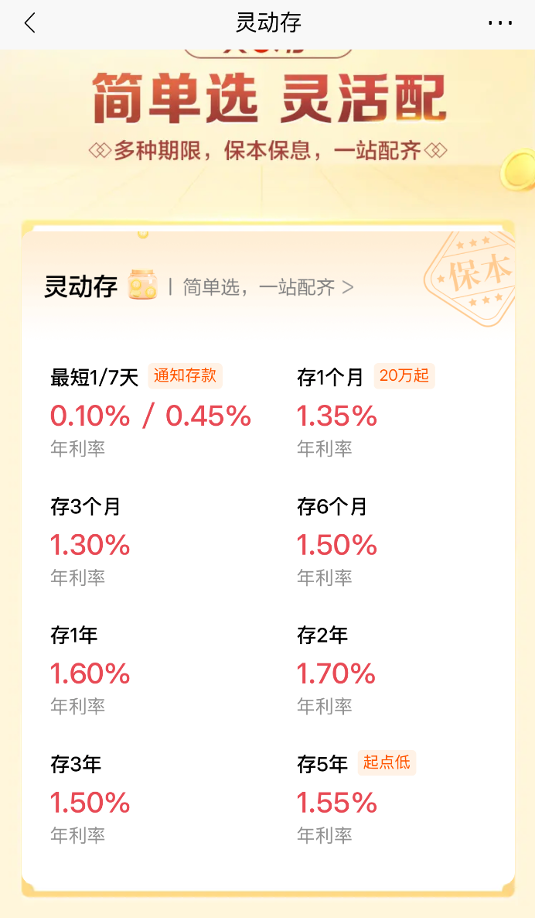
Core Viewpoint - Private banks and rural banks, once known for high deposit rates, are now actively abandoning high-interest deposit strategies as major banks lower deposit rates below 2% [1][2][3] Group 1: Deposit Rate Adjustments - Many banks have reduced their deposit rates to below 2%, with significant cuts observed in three-year and five-year deposit products [2][3] - For instance, Ping An Bank's three-year fixed deposit rate was lowered from 2.05% to 1.65%, a decrease of 40 basis points [2] - Rural banks like Xingning Zhujiang Village Bank have drastically cut their rates, with two-year, three-year, and five-year fixed deposit rates dropping to 1.50%, 1.60%, and 1.55% respectively [3] Group 2: Trends in Interest Rates - The current round of interest rate adjustments reveals two significant trends: rising consumer loan rates and the emergence of inverted deposit rate structures [4] - Consumer loan rates, which had previously been low, are now increasing, eliminating the arbitrage opportunities that existed between deposit and loan rates [4] - In some cases, banks are offering lower rates for longer-term deposits compared to shorter-term ones, indicating a shift in deposit strategies [4][5] Group 3: Underlying Reasons for Rate Cuts - The primary reason for banks lowering deposit rates is to reduce liability costs amid ongoing pressure on net interest margins [8][9] - As of Q4 2024, the average net interest margin for commercial banks was reported at 1.52%, a historical low, with listed banks averaging 1.65%, down 19 basis points from 2023 [8] - The People's Bank of China has indicated a potential for interest rate cuts and reserve requirement ratio reductions, aligning with the banks' strategies to lower deposit rates [9]




西南期货早间评论-20250410
Xi Nan Qi Huo· 2025-04-10 02:39
2025 年 4 月 10 日星期四 地址: 电话: 重庆市江北区金沙门路 32 号 23 层; 023-67070250 上海市浦东新区向城路 288 号 1101A; 021-61101856 1 市场有风险 投资需谨慎 | 铜: | | 17 | | --- | --- | --- | | 锡: | | 18 | | 镍: | | 18 | | 工业硅/多晶硅: | | 18 | | 豆油、豆粕: | | 19 | | 棕榈油: | | 20 | | 菜粕、菜油: | | 20 | | 棉花: | | 21 | | 白糖: | | 22 | | 苹果: | | 23 | | 生猪: | | 23 | | 鸡蛋: | | 24 | | 玉米: | | 25 | | 原木: | | 25 | | 免责声明 | | 27 | 4 市场有风险 投资需谨慎 益率处在相对低位;抛开关税影响,中国经济呈现平稳复苏态势,内需政策有发力空 间,建议保持一定的谨慎。 国债: 上一交易日,国债期货收盘全线上涨,30 年期主力合约涨 0.16%报 120.33 元,10 年期主力合约涨 0.09%报 109.045 元,5 年 ...